极氪

Search documents
广州车展新趋势:新能源大六座排队登场 纯电车企回手拥抱油箱
Nan Fang Du Shi Bao· 2025-11-24 23:16
Core Viewpoint - The 2025 Guangzhou Auto Show highlights a surge in the launch of large six-seat SUVs by various automakers, reflecting both market demand and a potential lack of innovation in the industry [2][3][7]. Group 1: Large Six-Seat SUVs - Numerous automakers are introducing large six-seat SUVs at the Guangzhou Auto Show, indicating a competitive market segment with varying price points and features [3][4]. - The entry price for these SUVs is below 300,000 yuan, with models like the Geely Galaxy M9 starting at 180,000 yuan and offering advanced features such as the new generation Raytheon electric hybrid system [4]. - Higher-end models above 300,000 yuan include the Zhiji LS9 priced at 322,800 yuan, showcasing futuristic designs and advanced technology [5][6]. Group 2: Market Dynamics and Concerns - Industry insiders express skepticism about the practicality of large six-seat SUVs, suggesting that many features may not align with consumer needs, leading to potential forced consumption [7][8]. - The competitive landscape is described as "overheated," with automakers rushing to enter the large six-seat SUV market to avoid missing out on perceived opportunities [8]. Group 3: Return of Traditional Fuel Vehicles - A noticeable trend at the auto show is the return of traditional fuel vehicles, with many brands that previously focused on electric vehicles now introducing hybrid and fuel models [9][11]. - The market is expected to see a coexistence of electric and hybrid vehicles, with predictions indicating that internal combustion engine vehicles will still account for about one-third of new car sales by 2040 [10][15]. - Companies like Chery and Geely emphasize their commitment to maintaining a strong presence in the fuel vehicle market, even as they expand their electric offerings [12][14]. Group 4: Consumer Preferences and Market Viability - The rise of hybrid and extended-range vehicles is seen as a response to consumer concerns over range anxiety and charging infrastructure, particularly in regions where electric vehicle adoption is slower [13]. - The profitability of hybrid models is highlighted, with companies like Li Auto achieving financial success through their hybrid offerings [13][14]. - The automotive industry is expected to maintain a diverse energy mix, with both electric and hybrid vehicles playing significant roles in the market [16][17].



为了升级老用户的智驾,极氪这次下了血本
远川研究所· 2025-11-24 13:05
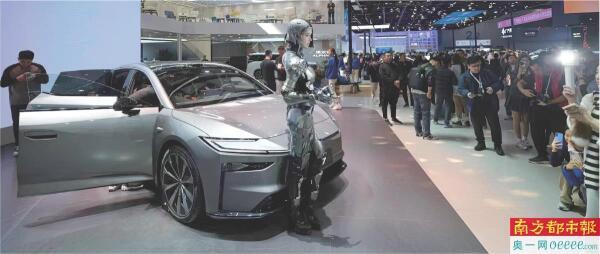
Core Viewpoint - The article discusses the impact of Moore's Law on the smart electric vehicle industry, highlighting the rapid increase in chip computing power and the decline in prices, which has led to the widespread adoption of advanced features like lidar and air suspension. This creates a dilemma for automakers in balancing the needs of existing car owners with the demands of new users as technology evolves rapidly [1]. Group 1: Technological Advancements - The rise of computing power in chips has significantly enhanced the capabilities of smart electric vehicles, allowing for more advanced features at lower costs [1]. - The latest flagship cockpit chip, Qualcomm 8295P, has an AI computing power of 60 TOPS, which is 7.5 times that of the previous generation 8155, enabling support for multiple 4K displays [7]. - The evolution of driver assistance systems has shifted from rule-based to data-driven models, requiring significantly higher chip computing power, as seen with the latest Nvidia Thor-U chip, which boasts 700 TOPS [8][12]. Group 2: Challenges for Existing Owners - Existing car owners face the challenge of feeling left behind as new models offer better features at lower prices, leading to dissatisfaction and a sense of being "backstabbed" [1]. - The difficulty of upgrading existing vehicles' hardware and software is compounded by the need for extensive testing and validation, making it a costly and time-consuming process [11][24]. - Upgrading driver assistance systems is particularly complex due to safety requirements and the need for new hardware, which can involve replacing numerous components [12][23]. Group 3: Case Study of Zeekr - Zeekr's recent crowdfunding initiative for upgrading the smart driving system of older models illustrates a proactive approach to addressing the concerns of existing owners [26]. - The upgrade from Mobileye's EyeQ5H chip to Zeekr's self-developed Thor-U chip represents a significant leap in capabilities, enhancing the driving experience from "usable" to "good" [27]. - The crowdfunding project is seen as a strategic move by Zeekr to maintain user trust and demonstrate commitment to customer satisfaction, despite the high costs involved [32][37].

极氪旗下全系豪华车型亮相广州车展
Yang Shi Wang· 2025-11-24 10:26
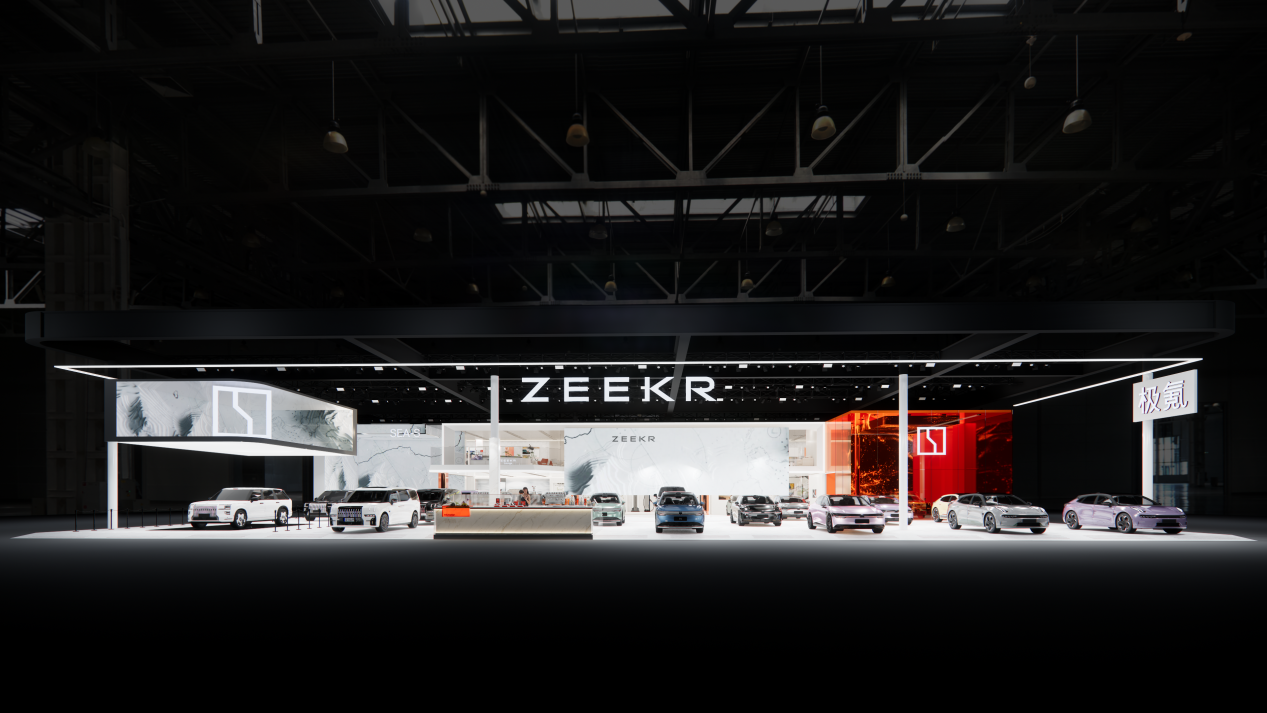
Core Insights - Zeekr's luxury models were showcased at the Guangzhou Auto Show, with the Zeekr 9X and 009 being the highlights of the luxury 9 series [1] Sales Performance - Zeekr 9X has surpassed 10,000 units in deliveries, with an average price of 538,000 yuan. Cumulatively, Zeekr has sold over 600,000 vehicles, maintaining an average price above 300,000 yuan, with the highest price nearing 900,000 yuan, solidifying its position in the luxury electric vehicle market [3] - Over 70% of Zeekr 9X buyers opted for high-end versions, with more than 80% coming from traditional luxury brands. Nearly 20% of Zeekr 009 and 001 owners have purchased the 9X, indicating strong brand loyalty [3] Market Position - Zeekr 009 leads the luxury pure electric MPV market priced above 400,000 yuan and has become a sales champion in Hong Kong and parts of Southeast Asia. In the ultra-luxury market above 800,000 yuan, the 009 Glory version holds a 50% market share [5] - The Zeekr 001 refreshed version achieved over 10,000 orders within 47 hours of its launch, continuing to lead the market for pure electric vehicles priced above 250,000 yuan. The Zeekr 7X ranks first in the Chinese brand pure electric SUV segment above 200,000 yuan, becoming the best-selling medium SUV in Hong Kong within two months of delivery, with over 100,000 global family users [5] Global Expansion - Since the first model deliveries began in October 2021, Zeekr has entered over 40 countries and regions globally, becoming one of the few high-quality outbound cases for Chinese luxury brands [6] Customer Service Initiatives - Zeekr has introduced several customer service initiatives, including the "Rights Follow" policy, allowing existing owners to transfer benefits like lifetime free charging and vehicle warranty to new cars. To address delivery delays, Zeekr has implemented a "Three Guarantees for Peace of Mind" policy and introduced a tax subsidy covering the entire model range [8]
百万粉丝大V,“栽”在1800亿王传福手上
商业洞察· 2025-11-24 09:25
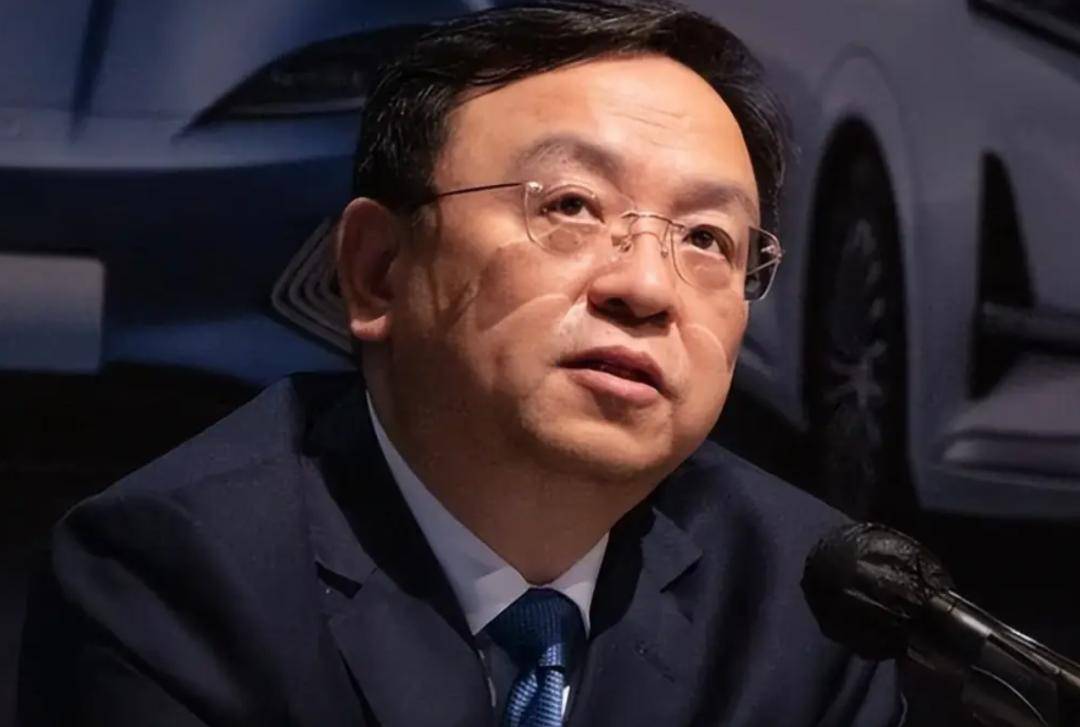
来源: 雷达Finance 11月20日,比亚迪法务部发布公告称,就比亚迪起诉"王悟空说车"及相关账号网络侵权责任纠纷一 案,公司近期收到法院判决, 判令被告向比亚迪公司公开道歉并支付赔偿款等共计31.38万元。 作者: 彭程 以下文章来源于雷达Finance ,作者X编辑 -------------------------------- 雷达Finance . 遨游广袤的财富世界。 而中央网信办在此前发布的《汽车行业网络乱象专项整治行动公开曝光一批典型案例》中也曾提 到,抖音账号"王悟空说车""987疯狂奶爸"因多次歪曲事实诋毁新能源汽车性能、恶意抹黑汽车企 业形象声誉,被依法依约关闭。 据了解,"王悟空说车"是汽车领域的知名自媒体账号,此前一度拥有近200万粉丝。此前,其因多 次歪曲事实诋毁新能源汽车性能、恶意抹黑汽车企业形象声誉,甚至被中央网信办点名,并依法依 约关闭。 作为新能源汽车领域的头部企业,比亚迪近年来在市场拓展与技术创新方面成绩斐然,但其同时也 成为了汽车行业网络"黑公关""黑媒体"的主要攻击目标之一。 雷达财经注意到,比亚迪的反黑公关行动,可追溯至2021年。彼时,比亚迪宣布悬赏5万元至1 ...


预售的双刃剑
Zhong Guo Qi Che Bao Wang· 2025-11-24 06:40
Core Insights - The pre-sale model is becoming a standard practice in the automotive industry, serving as a crucial strategy for companies to achieve annual sales targets as new car launches surge towards the end of the year [2] - While the pre-sale model offers significant advantages, it also poses risks that can disrupt market order and damage brand reputation, highlighting its "double-edged sword" effect in an increasingly competitive environment [2][6] Group 1: Advantages of Pre-sale Model - The pre-sale model empowers both companies and consumers, acting as a bridge between market demand and production supply, allowing for more precise production planning based on locked-in order data [3] - Marketing strategies such as limited-time discounts and priority delivery during the pre-sale phase can rapidly increase market attention and brand awareness, as demonstrated by NIO's Firefly brand, which saw a 20% price reduction leading to a surge in orders [3][4] - Pre-sale data provides critical insights for product strategy adjustments, enabling companies to optimize pricing and configurations based on market feedback before official delivery [4] Group 2: Risks Associated with Pre-sale Model - The industry has seen issues such as data inflation, where companies misrepresent refundable deposits as actual orders, leading to a significant discrepancy between order totals and actual sales [6] - Delivery delays and discrepancies between advertised and actual vehicle specifications have become major consumer complaints, exacerbated by supply chain issues and production capacity constraints [6][7] - Over-marketing and price wars have intensified irrational competition, with companies focusing on short-term gains rather than product quality, which can harm brand image and long-term sustainability [7] Group 3: Regulatory and Strategic Recommendations - The industry needs to establish a robust regulatory framework to enhance transparency and accountability in pre-sale activities, including penalties for misleading practices [9] - Companies should adopt differentiated pre-sale strategies that emphasize unique features and customer satisfaction rather than solely competing on price, as seen with NIO's focus on safety and personalized services [9] - Improving fulfillment capabilities and service quality is essential for the long-term success of the pre-sale model, requiring companies to assess production and supply chain risks adequately [9][10]


雷军缺席的广州车展:新势力集体务实,“流量时代”终结
3 6 Ke· 2025-11-24 03:35
Core Insights - The 2025 Guangzhou Auto Show featured 93 global premieres, a significant increase from 78 last year, but the expected excitement was notably absent [1] - Despite the increase in new car launches, the event experienced lower attendance and engagement compared to previous years [1][4] Group 1: New Energy Brands - New energy brands like Xiaomi and Xpeng had less impactful presentations compared to previous events, with fewer high-profile product launches [4][9] - The absence of key executives like Lei Jun and Yu Chengdong at the event contributed to a lack of excitement, as their presence typically generates significant media attention [5][9] - The new energy brands focused more on technology explanations and market performance rather than launching groundbreaking new models, leading to a subdued atmosphere [9][18] Group 2: Traditional Automakers - Traditional automakers showcased a stronger lineup of new energy vehicles, with models like GAC Toyota's Platinum 7 and Audi's E SUV concept drawing more attention [13] - The traditional brands view the Guangzhou Auto Show as a critical platform for strategic positioning and sales momentum, contrasting with the new energy brands' more pragmatic approach [14][36] - High-end sub-brands from traditional manufacturers attracted significant media interest through celebrity appearances and engaging marketing strategies, enhancing their visibility [22][27] Group 3: Market Dynamics - The shift in focus from generating traffic to achieving actual sales reflects a broader industry trend where new energy brands prioritize efficiency and profitability over mere visibility [17][21] - The competitive landscape is evolving, with new energy brands increasingly relying on online channels for customer engagement and sales, reducing their dependence on physical auto shows [17][18] - Traditional brands, while leveraging their established market presence, may risk over-reliance on celebrity endorsements, potentially diverting resources from essential areas like technology development and customer service [31][36] Group 4: Industry Transformation - The contrasting experiences at the Guangzhou Auto Show highlight a fundamental shift in the automotive industry, moving from hype-driven strategies to more sustainable business practices [32][36] - Both new energy and traditional brands must prove their value through innovation, customer experience, and cost management as competition intensifies [36]
合资卖电车,再也不谈品牌溢价
3 6 Ke· 2025-11-24 00:14
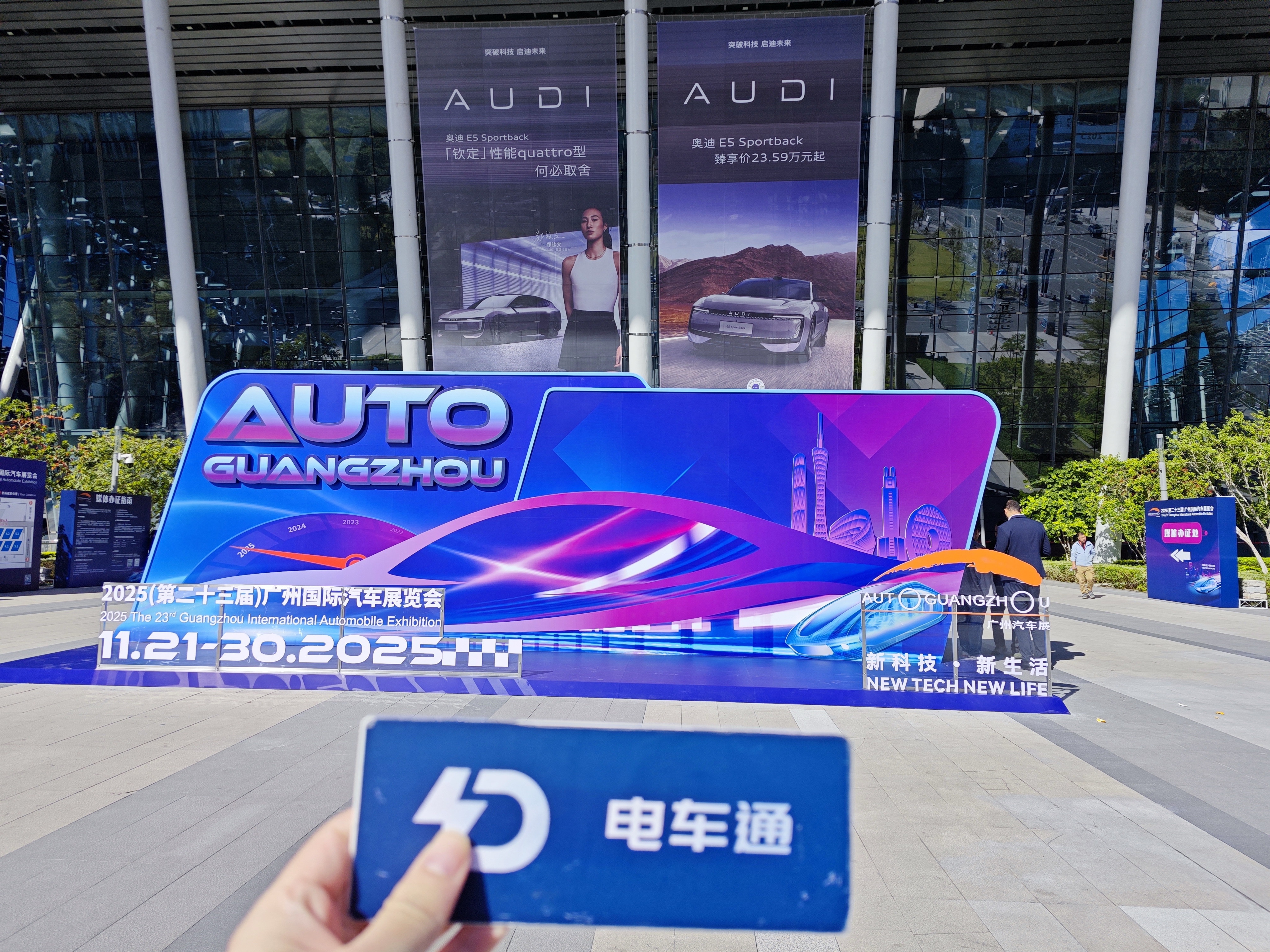
Core Viewpoint - The article discusses the evolving landscape of the Chinese automotive market, particularly focusing on the challenges and strategies of joint venture (JV) car manufacturers in the context of increasing competition from domestic brands and the shift towards electric vehicles (EVs) [1][11]. Group 1: Market Dynamics - The upcoming Guangzhou Auto Show is set against a backdrop of local purchase subsidies and confirmed tax exemptions for vehicle purchases, raising concerns about the future of the car market [1]. - Joint venture car manufacturers, once dominant, are now facing significant pressure as they adapt to the rapidly changing market, particularly in the electric vehicle sector [3][11]. - The competitive landscape is characterized by a price war and a shift in consumer expectations, with a growing demand for vehicles that meet local needs rather than relying on brand prestige [8][9]. Group 2: Joint Venture Strategies - Joint ventures are increasingly adopting a more humble approach, learning from local consumer preferences to enhance their product offerings [3][4]. - The launch of models like the GAC Toyota's Platinum 3X and Nissan's N7 signifies a renewed commitment to align with Chinese consumer demands, showcasing a shift in strategy [6][11]. - The need for deep localization in production, R&D, and decision-making processes is emphasized as essential for joint ventures to remain competitive in the Chinese market [11][13]. Group 3: Future Outlook - The article predicts that by 2026, joint ventures will need to abandon the notion of brand premium and focus on product quality and local relevance to survive [8][13]. - The integration of local technology partners, such as Huawei and CATL, is seen as a crucial step for joint ventures to enhance their technological capabilities and meet market demands [11][13]. - The overall message is that joint ventures must embrace a strategy of "in China, for China" to rebuild their competitive edge in the evolving automotive landscape [11][13].


中产特供「大车」挤满广州车展,接下来还能卷什么?
Xin Lang Cai Jing· 2025-11-23 13:25
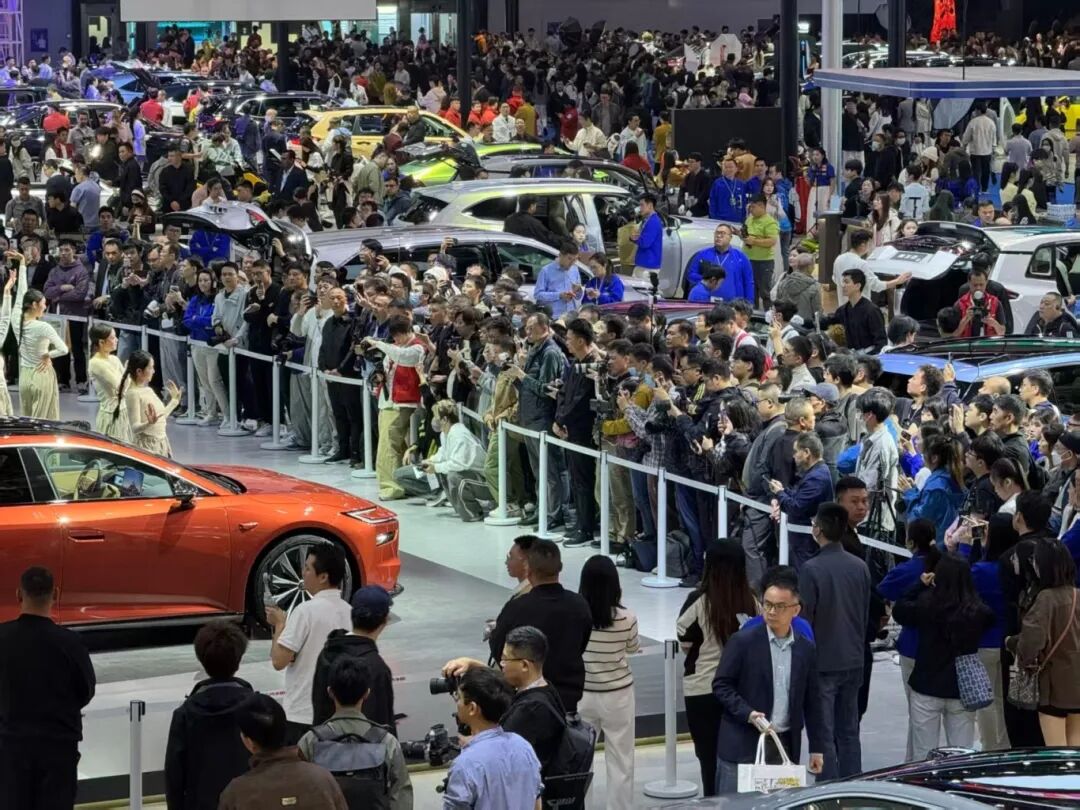
Core Insights - The Guangzhou Auto Show showcases the latest products and technologies from various automakers, marking the end of the year and setting trends for the next year [1] - The event featured 1,085 vehicles, with 93 new car launches, and 58% of the vehicles being new energy cars, indicating a significant shift towards electrification [1] - Traditional luxury brands are adapting to market trends by introducing electric models, while the demand for larger vehicles, particularly SUVs, is on the rise [2][4] Industry Trends - The market for new energy passenger vehicles in China saw a 24% year-on-year increase in sales for the first ten months of 2025, with a market penetration rate exceeding 52.9% [1] - The SUV market share reached 50.7% in October 2025, surpassing that of sedans, with a 9.1% year-on-year increase in retail sales for SUVs [4] - The demand for larger vehicles is driven by changing family structures and consumer preferences for space and comfort, particularly among families with multiple children [6][7] Company Strategies - Automakers are increasingly focusing on producing larger vehicles, as evidenced by the significant presence of large SUVs and MPVs at the auto show [4][5] - Companies like BYD and GAC Group are showcasing their ambitions with dedicated exhibition spaces, highlighting their commitment to innovation and market presence [1] - The profitability of larger vehicles is appealing to manufacturers, as they can accommodate more optional features, leading to higher profit margins [8][9] Consumer Behavior - The shift towards larger vehicles is influenced by a change in consumer mindset, where buyers prioritize space and comfort over basic transportation needs [6][7] - The age demographic of consumers purchasing larger vehicles is primarily between 35 and 45 years old, reflecting a trend towards family-oriented purchases [6] - The market is experiencing a "K-shaped" differentiation, where high-net-worth individuals are seeking premium vehicles, while average consumers focus on practicality [7] Future Outlook - The auto industry is facing challenges as the tax exemption for new energy vehicles is set to expire, potentially dampening demand for larger vehicles [11] - Companies must differentiate themselves in an increasingly homogeneous market, with a focus on unique features and technology to attract consumers [10] - The success of larger vehicles is contingent on brand strength, as weaker brands may struggle to gain consumer trust in producing high-quality larger models [11]
老登审美
投资界· 2025-11-23 08:04
Core Viewpoint - The article discusses the evolving landscape of the luxury electric vehicle (EV) market in China, highlighting how traditional luxury car aesthetics and configurations are being adopted by new energy vehicle manufacturers to attract consumers who value both performance and design [6][10][22]. Group 1: Market Trends - The penetration rate of new energy vehicles in China has surged from 5% to nearly 50% over the past five years, driven by policy subsidies and improved electric infrastructure [7]. - The luxury segment of the EV market, priced above 400,000 yuan, remains largely dominated by traditional fuel vehicles, indicating a significant opportunity for new entrants [12][22]. Group 2: Design and Aesthetics - Many new energy vehicles are adopting classic luxury design elements from traditional fuel vehicles, such as chrome accents and high-quality materials, to appeal to consumers' nostalgia and desire for luxury [6][19]. - The trend of "aesthetic retro" is evident as new energy vehicles incorporate design features that resonate with older consumers, often referred to as "old money" aesthetics [6][10]. Group 3: Competitive Landscape - Traditional luxury car brands like BBA (Benz, BMW, Audi) face challenges in adapting to the new market dynamics, as they have not fully embraced the trend of lowering power costs and enhancing configurations [10][22]. - New energy vehicle manufacturers are leveraging lower power costs and competitive pricing to offer superior configurations, effectively disrupting the established luxury vehicle hierarchy [9][10]. Group 4: Consumer Behavior - The target demographic for luxury vehicles is shifting, with a focus on middle-aged consumers who have significant purchasing power, making it essential for brands to align their offerings with this group's preferences [18][19]. - Emotional value and brand identity are becoming increasingly important in the luxury vehicle market, as consumers seek vehicles that reflect their status and lifestyle [21][22].

比亚迪起诉黑公关获赔31万,多家车企合力打击网络乱象
Sou Hu Cai Jing· 2025-11-23 02:22
Core Viewpoint - BYD has taken legal action against online defamation, successfully winning a court ruling that requires the defendant to apologize and pay compensation of 313,800 yuan for damaging the reputation of its brand [2][4][5]. Legal Actions Against Defamation - BYD's legal victory against the self-media account "Wang Wukong Says Car" highlights the company's ongoing battle against online defamation, which has been a significant issue since 2021 [2][7]. - The court found that "Wang Wukong Says Car" published defamatory statements about BYD's Fangchengbao brand, constituting an infringement of BYD's reputation [4][8]. - BYD has initiated multiple lawsuits against various accounts, with a total of nearly 20 lawsuits filed in the past two years [7][9]. Industry Response to Black Public Relations - The automotive industry is witnessing a collective effort to combat black public relations, with several companies, including NIO and Deep Blue Auto, launching initiatives to gather evidence against malicious attacks [9][10]. - The National Development and Reform Commission has emphasized the need to address the chaotic state of the automotive industry, which includes issues like malicious smear campaigns and false advertising [9][10]. Financial Performance and Challenges - In the first three quarters of the year, BYD's net profit attributable to shareholders decreased by 7.55%, with a significant drop of 32.6% in the third quarter [3][17]. - Despite facing challenges from black public relations, BYD's Fangchengbao brand has shown strong market performance, achieving sales of 208,464 units, making it one of the fastest-growing new force brands [14][15]. - The company reported a revenue of 566.27 billion yuan for the first three quarters, a year-on-year increase of 12.75%, but faced a decline in third-quarter revenue for the first time since 2022 [16][17]. R&D Investment and Market Expansion - BYD has significantly increased its R&D investment, with expenditures reaching 43.75 billion yuan in the first three quarters, a 31.3% increase year-on-year [17]. - The company has achieved a cumulative global sales figure of 3.7019 million vehicles in the first ten months, marking a 13.88% year-on-year growth, with overseas sales contributing significantly to this growth [17].