理想汽车

Search documents
一份报告让美股已经分裂!三大指数高开低走集体收跌,存储芯片板块却逆势狂飙,闪迪单日暴涨近11%,美光也涨近10%,中概股内部分化
Sou Hu Cai Jing· 2026-02-12 16:21
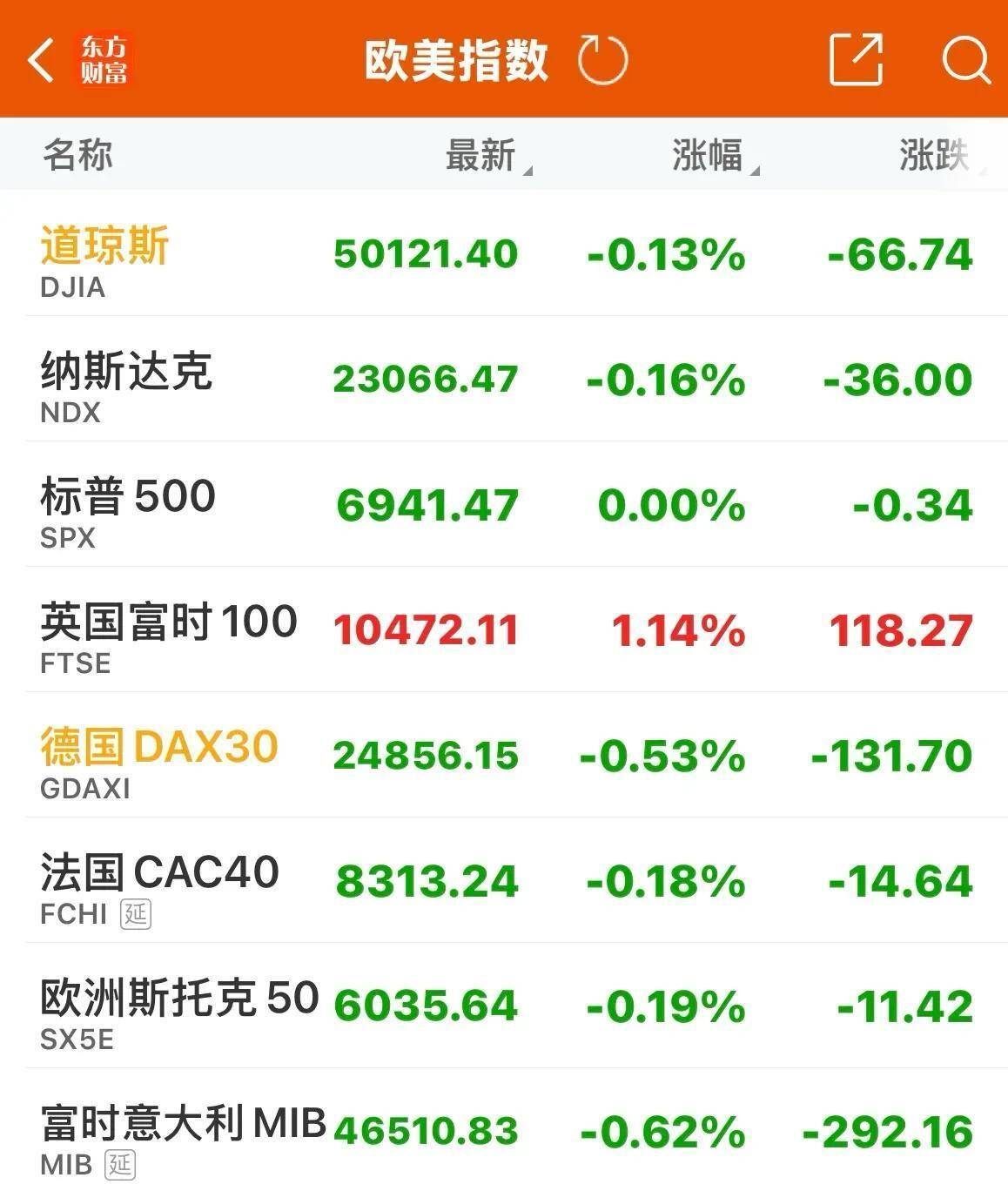
Market Overview - US stock indices opened higher due to better-than-expected employment data but closed lower, with the Dow Jones down 66.74 points, S&P 500 nearly flat, and Nasdaq down 36.01 points [1][2] Employment Data - The US Labor Department reported that 130,000 non-farm jobs were added in January, significantly exceeding market expectations of 55,000 to 75,000 and surpassing the revised previous month's figure of 48,000 [3] - The unemployment rate fell from 4.4% to 4.3%, the lowest since August 2025 [3] - Average hourly wages increased by 0.4%, above the expected 0.3% [3] Market Reaction - The strong employment report initially boosted market sentiment but led to a shift in expectations regarding the Federal Reserve's interest rate cuts, pushing the anticipated timing from June to July [4] - The probability of a 25 basis point rate cut by March dropped from 19.6% to 6%, while the likelihood of maintaining current rates surged from 80.4% to 94% [4] Semiconductor Sector Performance - The semiconductor sector, particularly storage chips, saw significant gains, with the Philadelphia Semiconductor Index rising over 2% [4] - Notable performers included SanDisk, which surged 10.65%, and Micron Technology, which rose 9.94% [5] - The demand for high-performance storage driven by AI infrastructure is a key factor behind the sector's strength [5][7] Price Trends in Memory Market - According to Counterpoint Research, memory prices increased by 80% in Q1 2026 compared to Q4 2025, with DRAM, NAND, and HBM prices reaching historical highs [7] - UBS analysts predict meaningful supply relief in the global storage industry will not occur until around 2028, indicating sustained demand from AI data center construction [7] SanDisk's Financial Performance - SanDisk reported Q2 2026 revenue of $3.025 billion and a non-GAAP net profit of $967 million, with data center business revenue soaring 64% quarter-over-quarter [7] - Analysts have raised SanDisk's target price significantly, projecting a strong earnings outlook for FY 2027 [7] Broader Market Dynamics - The semiconductor sector's strength contrasts with declines in other tech and emerging sectors, reflecting a complex market landscape [16][17] - The overall market is characterized by a mix of strong and weak performances across various sectors, indicating a cautious investor sentiment [14][17]

购车政策切换 开年首月汽车销量微降
Zhong Guo Jing Ying Bao· 2026-02-12 15:34
Core Viewpoint - In January, China's automobile production and sales reached 2.45 million and 2.346 million units respectively, with production increasing by 0.01% year-on-year and sales decreasing by 3.2% year-on-year, primarily due to domestic market influences [1] Group 1: Market Performance - In January, domestic automobile sales fell to 1.665 million units, a year-on-year decline of 14.8%, while exports rose to 681,000 units, a year-on-year increase of 44.9% [1] - The domestic sales of passenger vehicles dropped significantly, with 1.399 million units sold, down 19.5% year-on-year and 36.6% month-on-month [1] - Commercial vehicle sales reached 266,000 units, showing a year-on-year increase of 23.4% but a month-on-month decline of 15.1% [1] Group 2: Segment Analysis - In January, the domestic sales of traditional fuel passenger vehicles were 816,000 units, down 16.9% year-on-year, while new energy passenger vehicles sold 583,000 units, down 22.9% year-on-year [2] - Chinese brand passenger vehicles sold 1.329 million units, a year-on-year decrease of 8.9%, with a market share of 66.9%, down 1.5 percentage points from the previous year [2] - The sales of low-priced passenger vehicles (below 80,000 yuan) saw significant declines, with traditional fuel vehicles down 38% and new energy vehicles down 49.9% [3] Group 3: Policy Impact - The 2026 policy for vehicle replacement and consumption incentives will link subsidies to vehicle prices, with new energy vehicles receiving 12% of the purchase price as a subsidy (up to 20,000 yuan) [4] - The optimization of the "two new" policies has led to a significant impact on low-priced models, with sales in the 80,000 to 100,000 yuan range seeing substantial growth in 2025 [5] - The transition to a value competition model is expected in 2026, as the focus shifts from price wars to providing better technology and consumer experiences [6][7] Group 4: Future Trends - The automotive industry is expected to shift towards high-quality development, with a focus on electric and intelligent vehicles during the "15th Five-Year Plan" period [8] - The penetration of electric vehicles is anticipated to continue growing, particularly in commercial vehicles, which will drive additional service demand [8] - The automotive market is likely to experience a more stable growth phase, moving away from the rapid growth seen in previous years [8]
美股中概股,集体下跌
第一财经· 2026-02-12 14:48
Market Overview - On February 12, US stock indices opened higher, with the Nasdaq up 0.38%, the Dow Jones up 0.36%, and the S&P 500 up 0.34% [1][2]. Chinese Stocks Performance - Chinese concept stocks collectively declined, with the Nasdaq China Golden Dragon Index down 0.4%. Notable declines included Ctrip Group down over 4%, Tencent Music and Beike down over 2%, and Pinduoduo, Li Auto, Dingdong Maicai, and JD Group down over 1%. Alibaba fell nearly 1% [2][3]. Storage Sector Performance - Storage concept stocks continued their upward trend, with Seagate Technology and Western Digital both rising over 9%, and SanDisk increasing over 8% [4][5]. Technology Stocks Performance - Technology stocks showed mixed results, with AMD, Tesla, and NVIDIA rising over 1%. However, Cisco experienced a significant drop of over 6%, and Netflix fell over 2% [5][6].
汽车行业一周热点:1月乘用车零售下滑,出口创新高
Jing Ji Guan Cha Wang· 2026-02-12 13:26
Recent Events - In January 2026, domestic passenger car retail sales reached 1.544 million units, a year-on-year decline of 13.9%, primarily due to the effects of policy withdrawal [2] - The export market showed strong performance, with 576,000 passenger cars exported in January, marking a 52% year-on-year increase and setting a historical record for the same period, including 286,000 new energy vehicles, which saw a significant increase of 103.6% [2] - On February 6, autonomous driving company Pony.ai announced a strategic partnership with domestic GPU company Moore Threads to advance the large-scale application of Level 4 autonomous driving technology [2] Stock Performance - Zotye Auto (000980) announced on February 11 that it is fully committed to resuming production in its vehicle segment [3] - On February 12, Xinwanda (300207) reported that its subsidiary reached a settlement regarding battery cell quality issues with Weir Electric Vehicles, which is expected to impact the company's net profit attributable to shareholders by 500 million to 800 million yuan for 2025 [3] - Ford Motor Company reported a fourth-quarter adjusted EBIT of $1.04 billion on February 11, a significant year-on-year decrease of 51% [3] Financial Report Analysis - Ford's total revenue for the fourth quarter was $45.9 billion, a year-on-year decrease of 4.8%, with adjusted earnings per share at $0.13, down from $0.39 in the previous year, reflecting the challenges faced by U.S. automakers in their transition to electrification [4] - General Motors emphasized on February 11 that its localization rate in the Chinese supply chain has exceeded 95%, showcasing its deep localization strategy in the Chinese market [4] Strategic Advancements - Li Auto's CEO Li Xiang previewed the new Li Auto L9 on February 5, describing it as the "pioneering work of embodied intelligent robots" [5] - Xiaomi Auto announced on February 12 the first batch of its new generation SU7 to be available in 30 stores across 7 cities, with an expected launch in April [5] - Changan Automobile (000625) officially launched its global sodium battery strategy on February 5, unveiling the world's first mass-produced passenger vehicle powered by sodium batteries [5] - Multiple new energy vehicle startups announced a dense lineup of new product plans for 2026 [5]



Seedance2.0爆火,神秘模型登顶!投资圈热议AI\"春节档\"
Zhong Guo Zheng Quan Bao - Zhong Zheng Wang· 2026-02-12 12:24
Seedance2.0:视频制作AI革命爆发 2月11日晚,智谱公司确认,此前在全球模型服务平台OpenRouter登顶热度榜首的神秘模型"Pony Alpha",为智谱新模型GLM-5。 农历新年临近,AI科技的"春节档"几乎是连轴转:上周,千问APP"一句话点奶茶"吹响了AI从"聊 天"到"办事"的号角;2月7日,字节跳动的新一代AI视频生成模型Seedance2.0上线,迅速在国内外内容 创作圈刷屏,实测效果被称为"导演级AI"王炸;几乎同一时间,神秘模型"Pony Alpha"以"免费+强劲性 能"火出圈,智谱股价在本周一和周二两天累计涨超50%。 数据显示,智谱今日上午大涨,盘中股价最高触及418港元/股,截至午间收盘,智谱最新总市值达到 1739亿港元,本周累计涨幅超90%。 多款现象级产品密集爆发,不仅点燃了全球AI圈,更成为投资人士热议的焦点。多位接受中国证券报 记者采访的投资人士认为,ai应用商业化正加速落地,除了短期反应强烈的传媒、影视等板块之外,算 力与平台型企业也将长期受益。 2月11日晚间,智谱发布新一代旗舰模型GLM-5,确认了此前的猜测。 2月7日,字节跳动推出新版AI视频模型S ...
智驾天梯榜年度黑马解析:地平线凭什么实现超越?
Xin Lang Cai Jing· 2026-02-12 12:12
作者|李艳娇 在1月31日的2025智驾天梯榜年度盛典上,地平线一举斩获"天梯榜年度黑马"大奖。 仅参与1次智驾大赛、2轮测试的地平线,何以摘得这一重磅殊荣?为客观评判其智驾技术实力,本文将从场景、效率、安全、总得分四大核心维度展开解 析。 值得注意的是,智驾天梯榜四大年度榜单的评选,设有 "累计测试满6次且累计上榜满6次" 的准入门槛,地平线因未达标准暂未纳入排名。而若打破这一 限制将其计入榜单,整体排名格局将发生何种变动?地平线又将跻身怎样的位次? #01 场景:超越季军小鹏,逼近亚军理想 | 4 . | | | | | 智驾天梯榜2025年度场景榜汇总 城区NOA | | | | | | | | | --- | --- | --- | --- | --- | --- | --- | --- | --- | --- | --- | --- | --- | | | | | | | 统计周期:2025年4月 - 2026年1月 | | | | | | | | | 年月 | 特斯拉 | 理想 | 小腹 (激光雷达+视觉) | Momenta 元戎启行 | | 小米 | | 华为乾崑智驾 极気千里浩瀚 | 蔚来 ...
2026年主流车企城市NOA试驾报告:2月上海篇
Soochow Securities· 2026-02-12 12:12
Investment Rating - The industry investment rating is "Overweight," indicating an expected outperformance of the industry index relative to the benchmark by more than 5% over the next six months [71]. Core Insights - The main contradiction in C-end automotive intelligence has shifted from coverage to experience optimization, with major intelligent driving manufacturers achieving urban NOA experiences in complex scenarios such as roundabouts and U-turns, and enhancing advanced features like parking and ETC passage. Future optimization will focus on handling corner cases to improve the driving experience for passengers and safety personnel [2][66]. - Compared to 2025, all major manufacturers have improved their intelligent driving capabilities in Q1 2026, with third-party suppliers also showing excellent implementation results [2][66]. - The report evaluates the intelligent driving experiences of six manufacturers, including Horizon, Ideal, Qianli Zhijia, Lightyear, WeRide, and Xiaopeng, through both large-sample and small-sample road tests, focusing on scene implementation, takeover frequency, and comfort [2][66]. Summary by Sections Road Test Overview - The report includes two types of road tests: large-sample centralized road tests and small-sample deep road tests, each with distinct advantages and limitations [6][7]. - The large-sample test involved over 30 participants and standardized routes, while the small-sample test used consistent evaluators and longer durations for a more in-depth experience [7][8]. Intelligent Driving Models Tested - The models tested in February 2026 included: - Xingtou ET5 - Ideal i6 - Geely 9X - Ideal L6 Pro - Xingtou Star Era ES - Xiaopeng X9 [8][10]. Performance Metrics - Key performance metrics evaluated include overall evaluation, takeover frequency, stability performance, and efficiency in various driving scenarios such as roundabouts and U-turns [23][41]. - The report provides detailed performance scores for each model, indicating their ability to handle complex driving situations and overall driving smoothness [41][46][50][56][61][62]. Manufacturer Insights - Horizon's HSD achieved an average score of 4.55 with a total takeover frequency of 0.16, demonstrating excellent handling of road test scenarios [41]. - Ideal's AD Max scored 3.51 with an average takeover frequency of 1.86, showcasing strong performance in stability and handling [46]. - Qianli's G-ASD scored 3.05 with a takeover frequency of 2.60, indicating good performance in complex scenarios [50]. - Lightyear's AD Pro scored 2.89 with a takeover frequency of 2.75, performing well in roundabout scenarios [56]. - WeRide's E2E scored 3.84 with a low takeover frequency of 0.70, indicating strong performance in efficiency [61]. - Xiaopeng's XNGP scored 3.64 with a takeover frequency of 1.20, showing good stability and efficiency [62].


禁止亏本卖车,车圈反内卷新规出炉,价格战乱象大整治
3 6 Ke· 2026-02-12 11:25
Core Viewpoint - The release of the "Guidelines for Compliance with Pricing Behavior in the Automotive Industry" by the State Administration for Market Regulation aims to standardize pricing behavior in the automotive sector, ensuring fair competition and protecting consumer rights while promoting high-quality industry development [3][24]. Group 1: Pricing Guidelines for Automotive Manufacturers - Automotive manufacturers must base pricing on production costs and market demand, prohibiting loss-leading sales aimed at eliminating competitors or monopolizing the market [5][6]. - Manufacturers are not allowed to significantly raise prices without justifiable reasons, even when there is a severe supply-demand imbalance in the automotive supply chain [6]. - The guidelines require manufacturers to clearly inform consumers about the terms and costs associated with "pay-to-unlock" features, including any free trial periods [6][13]. Group 2: Pricing Guidelines for Automotive Dealers - Automotive dealers are required to display clear pricing, including vehicle name, price, unit of measurement, model, manufacturer, and key specifications [13][18]. - Dealers must publicly disclose promotional rules, activity duration, and applicable scope, ensuring transparency in discounts and promotional offers [13][18]. - Similar to manufacturers, dealers are prohibited from loss-leading sales except during inventory clearance [14][18]. Group 3: Supplier Payment Terms and Industry Practices - A survey by the China Automotive Industry Association indicates that most of the 17 key automotive companies have reduced payment terms to within 60 days, with an average of 54 days, which is a reduction of about 10 days compared to the previous year [20][21]. - 15 companies have adopted cash or bank acceptance bills for payments, with some companies allowing early payment requests for cash-strapped small and medium enterprises [20][21]. - The guidelines are part of a broader effort to ensure compliance with the revised "Regulations on Payment of Funds to Small and Medium Enterprises" by the State Council, promoting timely payments to suppliers [21][24].
电厂 | 汽车深陷“黑公关”泥潭:谁在制造有利可图的温床
Xin Lang Cai Jing· 2026-02-12 11:16
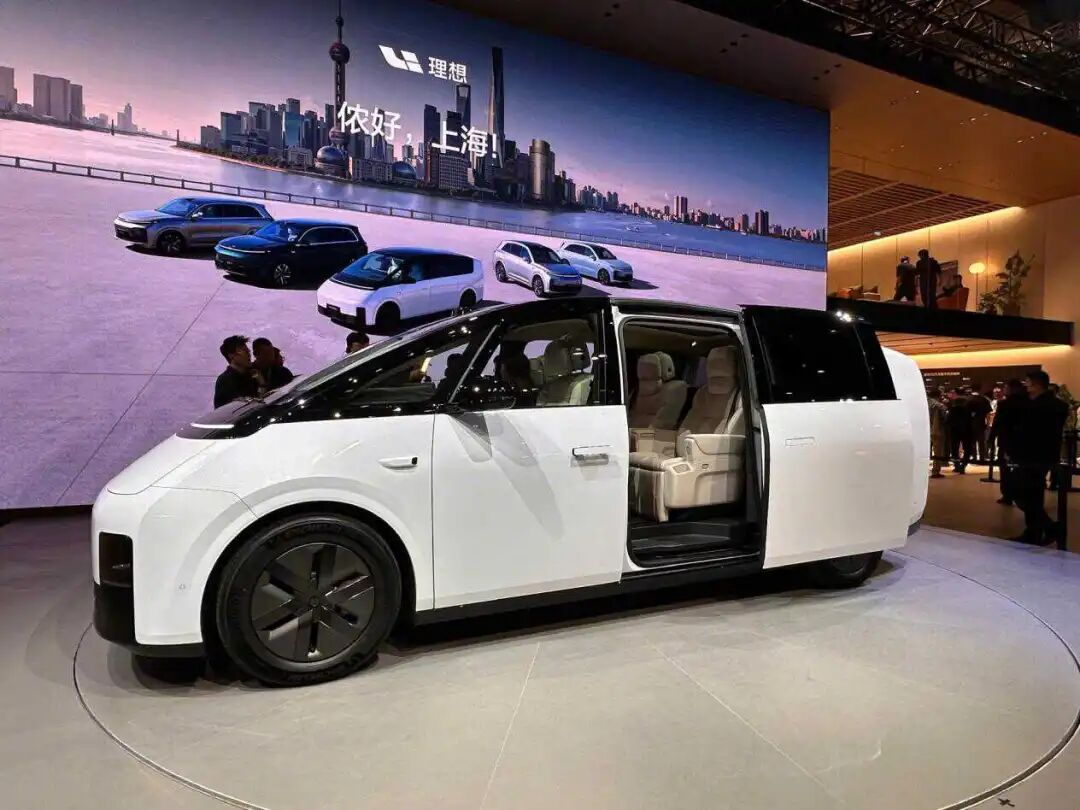
Core Viewpoint - The article discusses the impact of malicious public relations and online water army attacks on the automotive industry, particularly focusing on Li Auto's MEGA model and the broader implications for the industry as a whole [1][2][18]. Group 1: Li Auto's MEGA Launch and Negative Publicity - Li Auto's first pure electric model, MEGA, launched in March 2024, did not meet initial sales expectations of 8,000 units per month due to negative publicity and malicious interpretations circulating on social media [1][2]. - The negative sentiment was exacerbated by a coordinated attack involving altered promotional content and derogatory associations with the vehicle, leading to a loss of at least 10 confirmed orders from customers who had previously made deposits [1][2][18]. - The severity of the situation prompted Li Auto to conduct internal research to assess the impact of these negative narratives on consumer perception and order changes [1][2]. Group 2: Investigation and Industry Context - In April 2024, police in Hebei launched an investigation into the "black public relations" incident related to Li Auto MEGA, uncovering involvement from at least four other automotive companies and their agencies [2][4]. - Li Auto's CEO, Li Xiang, described the incident as one of the largest smear campaigns in automotive history, reflecting a troubling trend within the Chinese automotive industry over the past few years [2][4]. Group 3: Organized Attacks and Industry Response - A police operation in December 2025 dismantled a network responsible for spreading negative information about electric vehicles, involving multiple companies, including Xiaomi and Li Auto [4]. - Li Auto identified a pattern of coordinated attacks characterized by the use of multiple accounts to disseminate false information, particularly during new product launches, which is a common tactic in the industry [6][11]. - The company reported that negative comments about the Li i8 model reached 30% of total comments during its pre-launch period, significantly higher than the typical rate for new automotive products [6][7]. Group 4: Financial Impact and Strategic Adjustments - The negative publicity surrounding the MEGA model led to a market value loss of over 180 billion yuan within just ten days of its launch, with ongoing discussions about its design continuing to affect the brand's long-term value perception [18]. - As a result of the backlash, Li Auto had to invest approximately 2 billion yuan to redesign its product line, indicating the substantial financial implications of the negative publicity [18]. Group 5: Broader Industry Implications - The phenomenon of black public relations and online water army attacks has become a widespread issue in the automotive sector, affecting various companies, including NIO and Leado, which have also faced similar challenges [11][12]. - The rise of social media and the competitive landscape has intensified the focus on "traffic" as a critical element for automotive companies, inadvertently providing fertile ground for malicious activities [24][25][26]. - The interconnectedness of traffic, sales, and corporate image has created a challenging environment where the growth of online engagement can lead to increased vulnerability to smear campaigns, complicating the relationship between brand reputation and market performance [26].
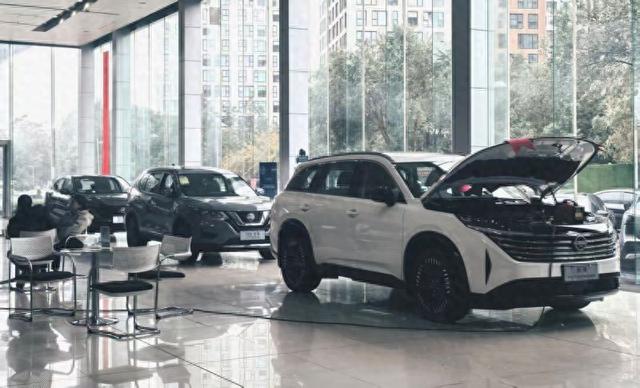
2026年首月汽车销量出炉:合资品牌止跌企稳,市场格局调整中走向均衡
Hua Xia Shi Bao· 2026-02-12 10:15
中汽协将下滑归因于三方面因素叠加:新能源汽车购置税政策技术指标调整、多地购车补贴进入年度交 替空窗期,以及2025年末消费需求提前释放。商务部此前披露,2025年,我国汽车以旧换新超1150万 辆,新能源汽车占比近60%。这一轮需求集中释放,直接稀释了今年1月的订单量。 值得一提的是,自主与合资呈现此消彼长态势。1月中国品牌乘用车销量132.9万辆,环比下降32.1%, 同比下降8.9%,占乘用车销售总量的66.9%,较去年同期下滑1.5个百分点。同期,主要外国品牌中,美 系品牌零售销量录得两位数增幅,德系、日系、韩系、法系品牌销量同比均呈不同程度下降。具体到企 业,广汽丰田销量同比增长近10%,日产中国单月销量守住5万辆关口。一汽-大众、上汽大众同比降幅 收窄,环比降幅低于自主品牌平均水平。 与合资品牌止跌回稳相比,新能源乘用车国内市场的降温幅度更为明显。1月国内销量58.3万辆,同比 下降22.9%,环比下降54.8%。分动力类型看,纯电动汽车国内销量同比下降,插电式混合动力汽车销 量微降,燃料电池汽车降幅较为明显。 作为对比,同期新能源汽车出口30.2万辆,同比增长100%,环比增长0.5%。其中新能源 ...