
大疆

Search documents
中央经济工作会议点名大湾区国际科创中心,背后有何深意?
Nan Fang Du Shi Bao· 2025-12-19 07:43
南都讯 12月10日至11日,中央经济工作会议在北京举行。会议明确提出,坚持创新驱动,加紧培育壮 大新动能。并提出建设北京(京津冀)、上海(长三角)、粤港澳大湾区三大国际科技创新中心。业内 专家认为,粤港澳大湾区国际科技创新中心再被重点部署,既是科技创新作为国家立足全球核心竞争力 的必然,更是源于大湾区自身积淀的领先基础与独特优势,这份双重加持,让大湾区肩负起引领国家科 创突围的时代重任。 对大湾区期待清晰明确 "本次中央经济工作会议把'坚持内需主导,建设强大国内市场'作为第一大任务,这是基于当前严峻的 国际贸易竞争格局以及国内消费尚待大力拉升的紧迫形势而提出的。但立足长远,尤其是即将开启 的'十五五'周期,科技创新的战略价值引发各界更高关注和深度探讨。"国家高端智库CDI资深研究员宋 丁表示,从全球竞争格局来看,"坚持创新驱动,加紧培育壮大新动能"是中国持续巩固优势、站稳国际 舞台的核心关键。"因为创新驱动是中国唯一能够在全球经济竞争和发展中取得优势和主动权的可依赖 的途径。" 本次会议再次将粤港澳大湾区纳入三大国际科技创新中心建设布局,其背后蕴含着深刻的国家战略考 量。宋丁认为,在国家层面已将粤港澳大湾区 ...
突发!美国会通过立法,锁死对华科技投资,尤其是半导体与微电子、人工智能、量子信息等领域的投资!
是说芯语· 2025-12-19 06:30
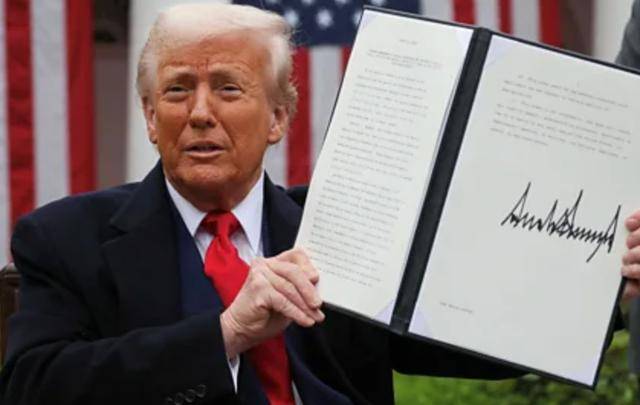
Core Viewpoint - The recent signing of the National Defense Authorization Act (NDAA) by President Trump has formalized and expanded restrictions on U.S. investments in advanced technology sectors in China, indicating a bipartisan consensus in the U.S. government to prevent capital flow into these areas [1][4]. Summary by Sections Existing Restricted Areas - The NDAA reinforces previous restrictions on core areas such as semiconductors (chips), quantum information technology (quantum computing and communication), and artificial intelligence (AI technologies applicable to military and surveillance) [2]. Newly Added Restricted Areas - The act expands the scope of restrictions to include drone technology, specifically targeting companies like DJI and Daotong Intelligent, prohibiting the U.S. Department of Defense from purchasing their products and requiring supply chain risk assessments [2]. - Other newly restricted areas include lidar technology, biotechnology, quantum information science, hypersonic technology, autonomous robotics, and network technology, all aimed at slowing down China's industrial development [2]. Investment Exceptions - Not all investments are restricted; exceptions include index funds, publicly traded stocks, and passive investments that do not involve active participation in company operations. Additionally, previously completed compliant investments are not subject to retroactive withdrawal [2]. Regulatory Framework - A strict regulatory framework has been established, requiring U.S. entities to report sensitive investments in China to the Treasury Department for security review. Violations may result in fines and mandatory divestment [3]. - This regulation applies not only to domestic entities but also to U.S. companies' overseas branches, with multiple government departments collaborating to monitor compliance [3]. Implications for U.S.-China Relations - The NDAA marks a shift to a "hard constraint" phase in U.S.-China technological competition, making it more challenging for capital flows between the two nations and potentially disrupting global technology investment order and supply chain dynamics [4].

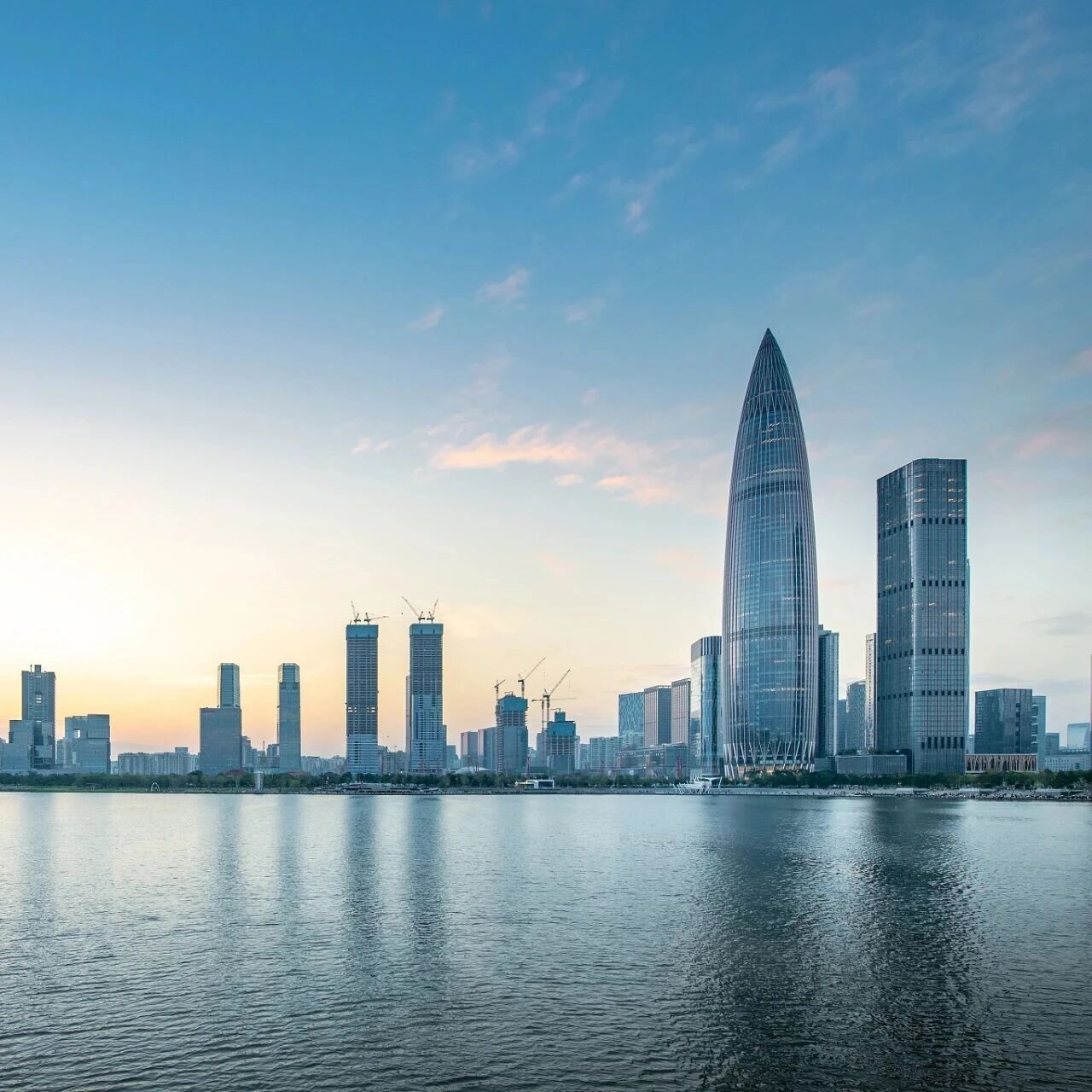
10万亿!超越京沪,中国“第一城”易主了
首席商业评论· 2025-12-19 03:44
Core Viewpoint - Shenzhen has officially become China's "first city" for specialized and innovative "little giant" enterprises, surpassing Beijing and Shanghai in both quantity and quality of these companies, marking a significant milestone in its economic development [7][24]. Group 1: Achievements of Shenzhen - By the end of 2025, Shenzhen will have 1,333 "little giant" enterprises, leading the nation, with Beijing at 1,210 and Shanghai at 1,032 [7]. - The total market value of these enterprises is estimated to be close to 10 trillion yuan, showcasing their substantial economic impact [7]. - Shenzhen's "little giant" enterprises are concentrated in key areas of national focus, such as "manufacturing power" and "strengthening supply chains," with high entry barriers [7]. Group 2: Growth and Innovation - Shenzhen's "little giant" enterprises exhibit remarkable growth, with an average establishment time of 13 years to reach national recognition, which is 1.71 years faster than the national average [11]. - These companies have a high average R&D intensity of 7.63%, with annual R&D expenditures averaging 33.39 million yuan, significantly above the national average [11]. - The average number of patents filed by these enterprises is 152, with nearly 30% involved in setting international or national standards [11]. Group 3: Strategic Initiatives - Shenzhen's "20+8" industrial cluster strategy serves as a core engine for nurturing "little giant" enterprises, providing a clear industrial direction and reducing strategic ambiguity for startups [13][18]. - The government facilitates collaboration between large and small enterprises through mechanisms like "chain leader" and "chain master" systems, enhancing overall industry competitiveness [16]. - A robust market support system combines effective market access with proactive government involvement, enabling local products to be tested and iterated within the local market before global expansion [18]. Group 4: Financial Support - Shenzhen has pioneered a "bold capital" approach, allowing for long-term investments in innovative projects, particularly in high-tech sectors, to help companies navigate critical growth phases [19]. - The city has established four major equity investment platforms to support the development of innovative enterprises, with significant investments made in national-level "little giant" companies [19]. Group 5: Future Prospects - Achieving the title of "first city" is seen as a new starting point for Shenzhen, indicating a stronger industrial foundation and a pathway for future economic growth [24]. - The success of these "little giants" is expected to lead to the emergence of world-class enterprises, contributing to Shenzhen's sustained high-quality economic development [24]. - Shenzhen's model of nurturing innovation and industry collaboration is viewed as a replicable framework for other regions in China to build modern industrial systems [24].
一家想让普通人「硬控」华强北的AI公司,完成近亿元融资
36氪· 2025-12-18 13:51
Core Viewpoint - The article discusses the emergence of Index Technology, an AI hardware design generation platform that aims to revolutionize the electronic design automation (EDA) industry by significantly reducing the time and complexity involved in hardware development [5][11][12]. Group 1: Company Overview - Index Technology recently completed a nearly 100 million RMB Pre-A round of financing, led by Yunqi Capital, with participation from Yuzun Capital and Shangshi Capital [5]. - The company focuses on using AI to generate electronic circuit design schematics and embedded code, aiming for "unmanned" hardware development [6][11]. - The founder, Ye Qunsong, has a background in electronic engineering and previously founded a company focused on AI education hardware before pivoting to Index Technology due to market changes [6][20]. Group 2: Product and Technology - The core product of Index Technology is an AI-based automated design platform that can generate circuit board designs and embedded code based on user requirements, primarily targeting four-layer and below circuit boards [13]. - The platform can reduce the design time for a circuit board with up to 300 components from 20-30 days to just 1-2 days [14]. - The platform boasts a high success rate in electromagnetic compatibility (EMC) testing, with fewer than two iterations typically required to pass tests, compared to the industry norm of 3-5 iterations [14]. Group 3: Market Position and Strategy - Index Technology positions itself as a "new energy vehicle" in the electronic design field, aiming to bypass traditional EDA giants by leveraging AI and a black-box approach to generate results [12][11]. - The company targets B2B clients, emphasizing speed and efficiency, with current annual orders exceeding 80 million RMB from around 50 enterprise clients [23]. - Future plans include expanding to a broader audience of engineers and eventually to consumers, allowing anyone to generate hardware products through the platform [24][25]. Group 4: Challenges and Opportunities - The electronic industry faces challenges such as fragmented and low-quality data, which Index Technology aims to address by building a specialized corpus for AI training [17]. - The company believes that lowering the barriers to hardware design will unleash creativity and innovation, making it easier for individuals to bring their ideas to life [25][26]. - Index Technology's approach is expected to evolve as it gathers more data from B2B clients, ultimately enhancing the platform's capabilities and reducing error rates [24][30].

对我们“卡脖子”是卡不住的
Sou Hu Cai Jing· 2025-12-18 10:20
Core Viewpoint - China's manufacturing sector has achieved remarkable growth, now accounting for nearly 30% of global manufacturing value added and maintaining the world's largest scale for 15 consecutive years, showcasing strong competitiveness and innovation in various industries [1] Group 1: Historical Context - At the founding of New China, the industrial base was extremely weak, with only a few consumer goods being produced, and heavy industrial products were virtually nonexistent [3] - By the time of the first Five-Year Plan, significant projects were initiated, establishing a relatively complete modern industrial system and laying the groundwork for future manufacturing development [4] - The industrial foundation was further solidified before the reform and opening up, creating a robust industrial backbone for the nation [5] Group 2: Reform and Opening Up - The theme of Chinese manufacturing shifted from "entrepreneurship" before the reform to "innovation" post-reform, significantly enhancing productivity and integrating into the global division of labor after joining the WTO [6][7] - China's manufacturing share of global output rose from 2.7% in 1990 to 19.8% in 2010, surpassing the United States to become the world's leading manufacturing power [7] Group 3: Challenges and Responses - Despite rapid growth, concerns about the "big but not strong" nature of Chinese manufacturing emerged, highlighting weaknesses in technological innovation and positioning within the global value chain [7] - The global manufacturing landscape has changed, with Western countries pushing for re-industrialization and imposing technological barriers against China [7] Group 4: Strategic Independence - Strategic independence has been crucial for China's manufacturing resilience, with a focus on self-innovation in key sectors like automotive and high-speed rail, leading to significant advancements in domestic technology [10][11] - The balance between technology importation and independent development has been recognized as essential for maintaining competitiveness [11] Group 5: Long-term Vision and Action - China's manufacturing achievements are the result of long-term planning and consistent efforts, with significant investments in high-speed rail and electric vehicles dating back over a decade [12][13] - The commitment to innovation and the establishment of a manufacturing powerhouse has been reinforced by national policies aimed at enhancing manufacturing capabilities [15] Group 6: Future Outlook - The upcoming "14th Five-Year Plan" emphasizes the importance of manufacturing and outlines new directions for technological advancement and global competitiveness [17] - The ongoing journey of Chinese manufacturing is seen as a continuous evolution, with the potential for further breakthroughs and value expansion driven by innovation and practical efforts [17]
多图直击!深圳地铁13号线一期北段,计划今年年底投入运营
Nan Fang Du Shi Bao· 2025-12-18 08:57
Core Viewpoint - The Shenzhen Metro Line 13 Phase I North Section has successfully passed completion acceptance and is set to open by the end of this year, enhancing public transportation efficiency and convenience for citizens [1][3]. Group 1: Project Overview - The Line 13 Phase I runs from Shenzhen Bay Port Station to Shangwu Station, with a total of 9 stations in the North Section, while the South Section has already been operational since the end of 2024 [1]. - The operational time for the line will align with the Shenzhen Metro network, running from 6:30 AM to 11:00 PM, reducing travel time from Shangwu Station to Shenzhen Bay Port Station to 37 minutes [2]. Group 2: Technological and Ecological Features - The design of Line 13 Phase I incorporates a "Technology + Ecology" concept, aiming to create a warm, comfortable, and vibrant subway environment [2]. - The stations will feature smart customer service centers, equipped with intelligent ticketing terminals and self-service machines, allowing passengers to complete various operations independently [2]. Group 3: Economic and Regional Impact - The operation of Line 13 Phase I will expand the coverage of Shenzhen's metro network, alleviate north-south traffic pressure in the central and western regions, and enhance commuting efficiency [3]. - The line is expected to accelerate the flow of technology, industry, and talent resources along its route, contributing to high-quality regional development and facilitating economic collaboration between Shenzhen and the Greater Bay Area [3]. Group 4: Station Design and Cultural Integration - The design of the stations follows principles of functionality, cost-effectiveness, and low carbon emissions, with a theme of "Sunshine + Sharing" that highlights technological and ecological cultural elements [4]. - Each station features unique designs that reflect local cultural characteristics, such as the Shigu Station inspired by drone technology and the Shiyan Station that integrates natural elements from nearby parks [4].
彭博社复盘中美贸易交锋,给美国狂泼冷水:别再幻想打败中国
Sou Hu Cai Jing· 2025-12-18 06:52
Group 1 - The U.S.-China trade conflict has shown that the notion of "defeating China" is increasingly unrealistic, as China continues to demonstrate strength in various economic sectors [1][4] - The trade war initiated by the Trump administration in April 2023 has resulted in a "truce agreement" by October, which reflects minimal changes from the pre-war conditions, indicating a significant concession from the U.S. side [3][4] - China dominates the rare earth supply chain, which is critical for multiple U.S. industries, and any restrictions on exports could severely impact sectors such as satellites, aviation, and consumer electronics [4][6] Group 2 - The U.S. relies on China for key raw materials for nearly 700 drugs, highlighting a sensitive dependency similar to that of rare earths [6] - In the clean energy sector, China has significantly outpaced other countries, with solar power capacity being twice that of the entire West and producing 70% of the world's electric vehicles [6][8] - China leads in the number of artificial intelligence patents and continues to innovate despite limitations in access to advanced chips, posing a potential threat to the U.S. tech landscape [8]
B站发布2025年度Z100好物榜,解码年轻人的年度消费答卷
Zhong Guo Jing Ying Bao· 2025-12-18 05:44
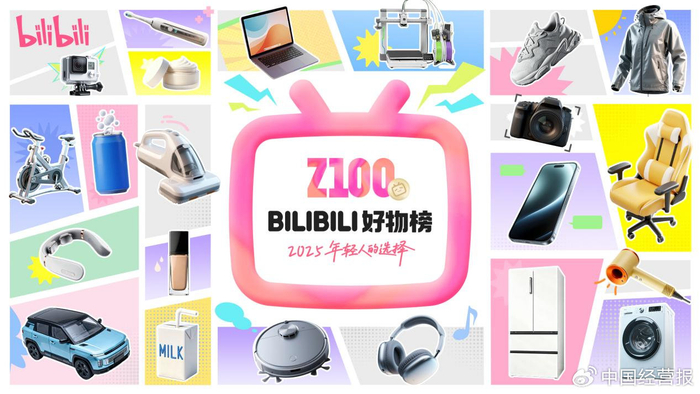
Core Insights - Bilibili (B站) has released its 2025 Z100 Good Products List, marking the sixth consecutive year of this ranking, which reflects the consumption choices of contemporary youth based on data from its "Bilibili Index" platform [1][5] - The list includes products from nine categories such as digital 3C, home appliances, and beauty, highlighting trends of hard technology and emotional value as key themes for this year [1][3] Group 1: Trends in Consumer Behavior - The trend of creating "AI smart homes" is becoming prominent among young consumers, shifting their focus from individual smart products to comprehensive smart living systems [3] - In the digital 3C sector, products like the Apple iPhone 17 and NVIDIA RTX 50 series GPUs reflect the youth's pursuit of cutting-edge technology [3] - Emotional value is increasingly influencing young consumers' purchasing decisions, with a willingness to pay for products that resonate with their interests and provide emotional satisfaction [3] Group 2: Role of Content Creators - Content creators (UP主) on Bilibili play a significant role in shaping product perceptions through creative content and professional reviews, enhancing the value of products in the eyes of young consumers [4] - Brands like Laifen have effectively utilized Bilibili as a primary communication platform with users, resulting in significant growth in GMV during promotional events [4] Group 3: Importance of the Z100 List - The annual Z100 Good Products List serves as a critical reference for understanding the young consumer market, representing their "life solutions" through consumption choices [5] - For brands, the list acts as a trend indicator and a guide for long-term engagement with young consumers, emphasizing the need for ongoing dialogue to integrate into their ideal lifestyle [5]

闭店潮刷屏时,这些品牌却在商场开大店
Sou Hu Cai Jing· 2025-12-18 03:15
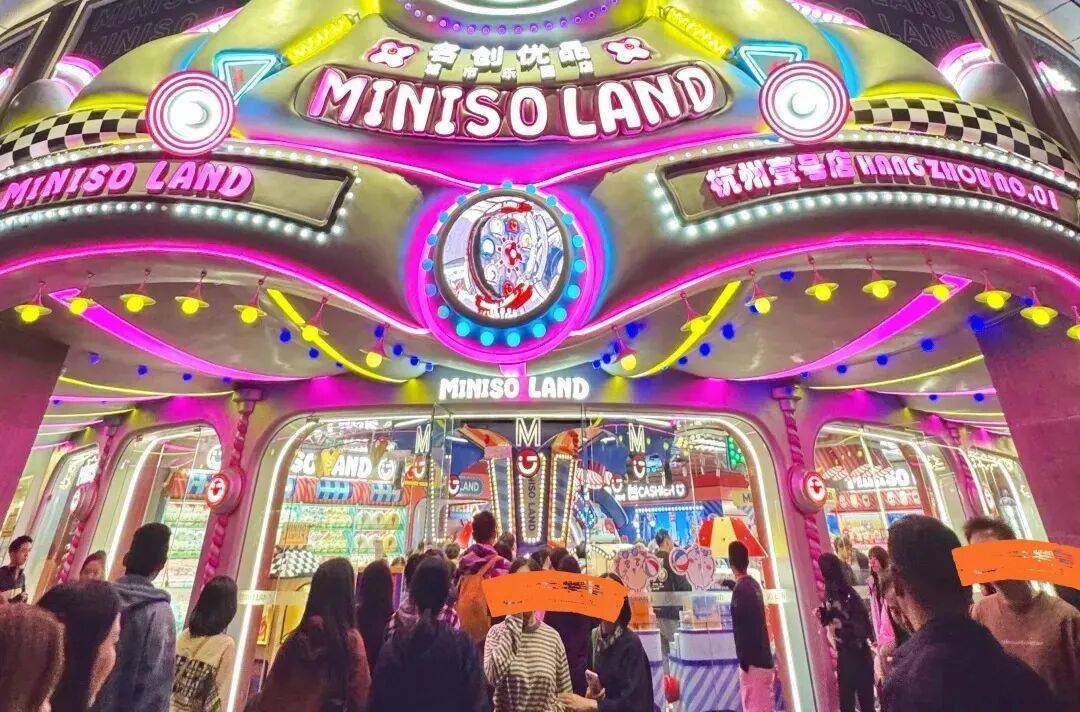
Core Insights - The essence of business is to create value that meets social needs while earning profits through reasonable transactions and operations. This principle applies to the expansion of brand stores in shopping malls, where brands are cautiously expanding despite a prevailing trend of store closures and market exits [2] - Recent observations indicate that several brands are opening large stores in shopping malls, defying the trend. Notable examples include Pop Mart and Huawei, which are expanding their presence in key locations [2][3] Group 1: Trend in Retail Expansion - The Chinese潮玩 (trendy toy) industry is rapidly growing, with a projected market size of 850-877 billion yuan by 2025, where blind boxes account for 28% and figurines for 16% of the market [4] - Pop Mart opened a flagship store in Shanghai on November 29, covering nearly 800 square meters, making it the largest Pop Mart store in Shanghai [5][6] - The new Pop Mart store features an immersive experience with themed areas, attracting consumer attention and enhancing the shopping experience [7][9] Group 2: Brand Strategies - Miniso is implementing a dual strategy of "large store strategy + global IP" to expand its footprint, with new store formats like MINISO SPACE and MINISO LAND transforming traditional retail into immersive experience spaces [10][12] - Miniso opened its first MINISO LAND store in Hangzhou on November 7, featuring a theme park concept that integrates various IP products, making it a popular destination [12][13] - The rise of潮玩 brands is driven by consumer demand for emotional resonance and social attributes, supported by a mature supply chain and policy backing [15] Group 3: Consumer Electronics Growth - The consumer electronics sector is experiencing rapid growth in offline retail, with the share of electronic products in Shanghai's retail market increasing from 21% in 2023 to 36% by Q3 2025 [17] - Huawei opened over 1,400 stores in August and October 2025, including a 2,800 square meter smart living store in Hangzhou, showcasing a blend of technology and lifestyle [18][21] - Xiaomi's sales of electric vehicles reached 40,000 units in November, with a significant increase in the number of Xiaomi stores, indicating a strong retail expansion strategy [26][28] Group 4: Market Dynamics - The expansion of consumer electronics brands into shopping malls is a strategic move to enhance brand visibility and connect with consumers through immersive experiences [31] - These brands are not only attracting tech-savvy consumers but also contributing significantly to the financial performance of shopping malls, creating a win-win situation for both parties [31]



【e公司观察】产业链 “二选一” 引发反垄断新难题
Zheng Quan Shi Bao Wang· 2025-12-18 01:04
Group 1 - The core conflict between YingShi Innovation and DJI highlights the issue of "exclusive selection" behavior in the technology industry, raising concerns about antitrust regulations in technology-intensive sectors [1][2] - YingShi Innovation's founder revealed that 33 key suppliers faced "exclusive" pressure, affecting various components such as optical lens modules, structural parts, screens, batteries, and electronic chips, with some suppliers halting cooperation despite having completed sample deliveries or chip designs [1] - The sales conflict is also intense, with reports of a shopping mall forcibly removing an "Insta360" sign and prohibiting YingShi from opening a brand store during DJI's leasing period [1] Group 2 - DJI, as a leader in the global consumer drone market, has established a "super vertical integration" supply chain management model, controlling core components through self-research or deep cooperation, which may create competitive advantages [2] - The practice of "exclusive selection" in the supply chain is unprecedented in China, although similar behaviors in sales channels have led to penalties for companies like Alibaba and Meituan [2] - The antitrust law prohibits the abuse of market dominance by imposing unreasonable trading conditions, but identifying "exclusive selection" in technology-intensive industries poses challenges for regulators [2] Group 3 - A potential solution to balance innovation protection and fair competition is "technical isolation," where suppliers establish independent technical teams and production lines for different clients to avoid core technology overlap [3] - The outcome of this dispute will determine the future of both companies and may set a new benchmark for competition boundaries in the technology industry [3] - Policymakers need to find a path that encourages innovation while ensuring fair competition, allowing commercial competition to focus on products and technology rather than resource blocking [3]