
宝马

Search documents
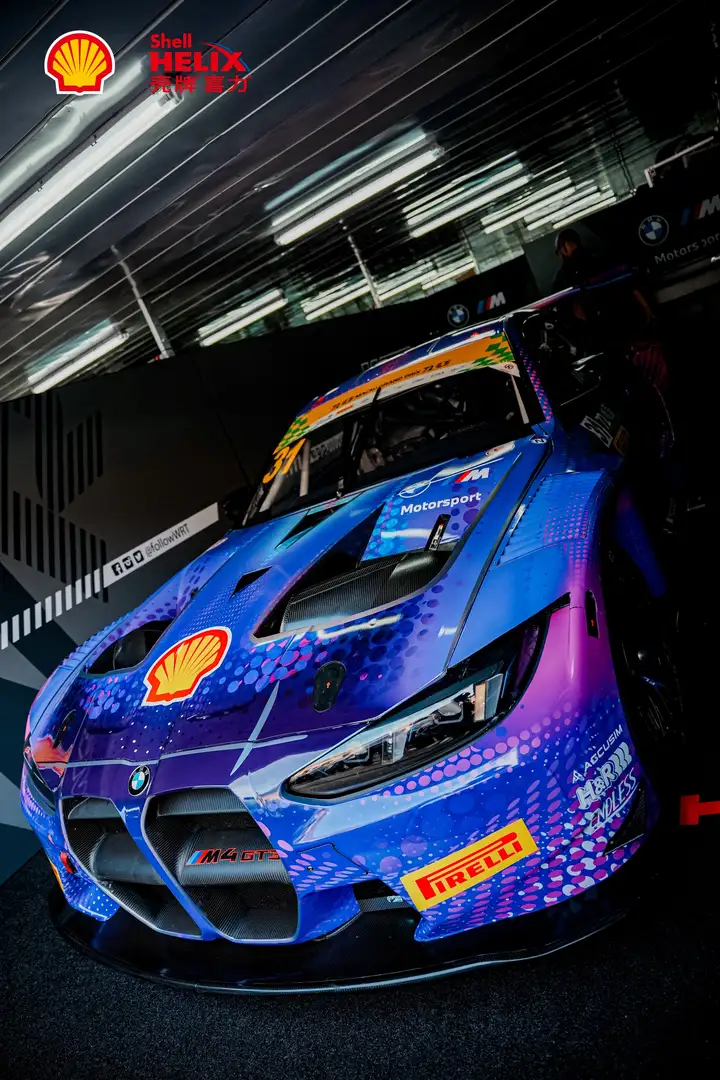
全新壳牌光速超凡喜力获宝马赛车手倾情推荐,亮相东望洋赛道
Cai Fu Zai Xian· 2025-11-24 09:16
Core Insights - Shell and BMW M Motorsport have launched the new Shell Helix Ultra "Midnight Blue" and "Twilight Purple" lubricants during the 72nd Macau Grand Prix, emphasizing their long-term collaboration and technological innovation in performance [1][4][11] - The Macau Grand Prix, known for its challenging 6.2 km street circuit, serves as a critical testing ground for vehicle performance and technology [1][4] - The partnership between Shell and BMW M Motorsport, established in 2015, focuses on shared values and a commitment to excellence in performance [4][9] Product Launch and Features - The new Shell Helix Ultra lubricants utilize Shell's proprietary PurePlus technology, achieving 99.5% purity in base oil, providing exceptional wear protection for engines [11] - Independent testing has shown that the new lubricants can enhance power by up to 1.8% and improve engine response by 3.4%, allowing everyday drivers to experience better performance [11][19] - The packaging design incorporates classic elements from BMW M Motorsport, highlighting the product's racing heritage and enhancing its visual appeal [13] Collaboration and Future Plans - Shell's China Lubricants Managing Director emphasized the growing consumer demand for "track-level" driving experiences in the Chinese market [6] - Both companies are committed to deepening their collaboration, focusing on high-performance lubricant technology and translating innovations from extreme racing conditions to everyday driving [21] - The partnership is characterized by mutual trust and a shared pursuit of excellence, enabling continuous breakthroughs in technology [8][9]


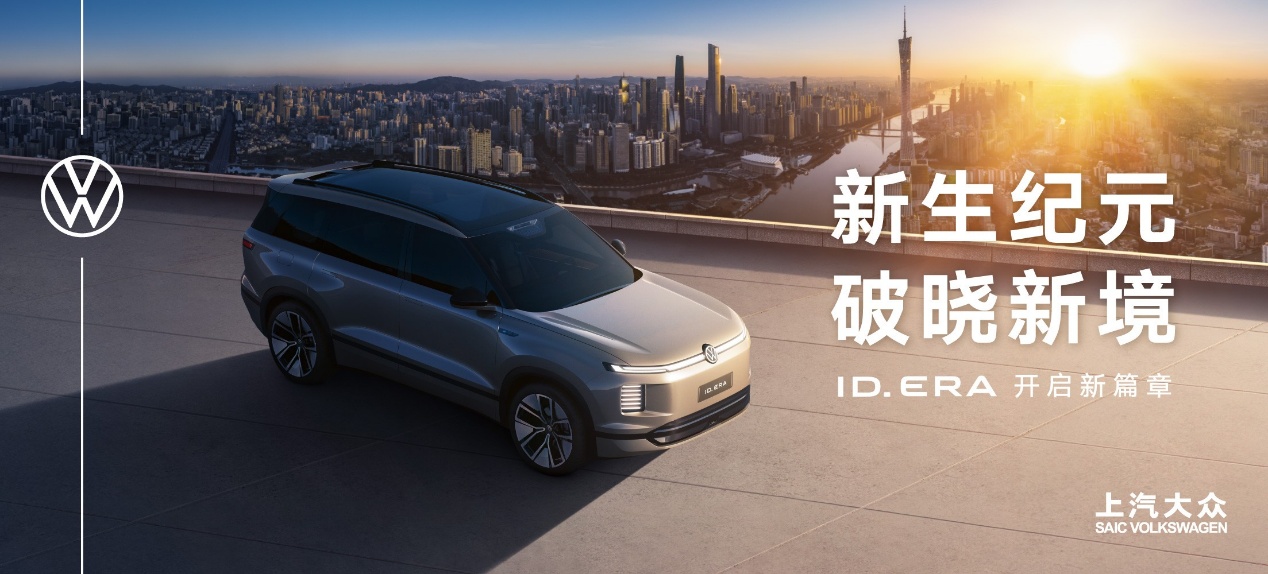
首款“9系旗舰”将率先登场,上汽大众广州车展发布ID. ERA全新产品序列
Zhong Guo Qi Che Bao Wang· 2025-11-24 06:19
Core Insights - The 23rd Guangzhou International Auto Show highlights the historic shift of the Chinese automotive market towards "new energy" vehicles, featuring 1,085 vehicles and 629 new energy models [1] - SAIC Volkswagen's launch of the ID. ERA product series marks a significant strategic move in the competitive landscape, emphasizing the brand's commitment to both fuel and electric vehicles [1][2] Strategic Breakthrough - The ID. ERA series is positioned to address the supply gap in the high-end intelligent electric vehicle market, where the growth rate is projected at 45% in 2024, yet joint venture brands hold less than 15% market share [4] - SAIC Volkswagen's strategy of "oil-electric integration" is a response to the increasing penetration of new energy vehicles, with a sales target of 1.2 million units in 2024, including over 143,000 new energy vehicles [2][4] Product Innovation - The ID. ERA series introduces the first "9 Series flagship" full-size range-extended SUV concept, designed to alleviate range anxiety while meeting the high space comfort demands of Chinese families [5][9] - The vehicle is expected to feature advanced technology, including a Qualcomm Snapdragon 8295 chip and an optimized driver assistance system for Chinese road conditions, enhancing the user experience [7][9] Market Dynamics - The launch of the ID. ERA series coincides with a critical period of "stock competition" and "new energy dominance" in the Chinese automotive market, where SAIC Volkswagen maintains a strong presence in the fuel vehicle segment [10] - The 9 Series flagship faces competition from both domestic high-end brands and luxury brands accelerating their electric vehicle strategies, yet SAIC Volkswagen's brand legacy and practical technology provide a competitive edge [10][11] Long-term Outlook - The success of the ID. ERA series could serve as a model for joint venture brands transitioning to new energy, with SAIC Volkswagen demonstrating a more stable transformation pace compared to the average growth of 18% for joint venture brands [11][12] - The comprehensive launch of the ID. ERA series signifies SAIC Volkswagen's entry into the "Joint Venture 2.0 Era," showcasing its capability as a resilient player in the new energy transition [12]

奋力打造全市产业科创新高地 新质生产力重要增长极
Xin Hua Ri Bao· 2025-11-23 22:06
Core Insights - The article highlights significant achievements in the development of Jianye District over the past five years, emphasizing economic growth, quality of life improvements, and strategic initiatives for future development [1][2]. Economic Performance - The district's GDP has averaged a growth rate of 5.2% annually since 2021, with public budget revenue surpassing two districts and ranking third in the city [2]. - Total tax revenue has ranked among the top three in the province for three consecutive years, and the district has maintained the highest level in the city's quality development assessments for four years [2]. Industry Development - Jianye has positioned itself as a financial center and digital economy hub, with financial institutions accounting for 63% of the city's total, and the financial sector's added value leading the city for four consecutive years [2]. - The number of enterprises in the core digital economy sector has increased nearly threefold, with major R&D centers from companies like Alibaba, Xiaomi, and BMW contributing significantly [2]. Community and Social Initiatives - The "Jianye Partner Accompanying Action" has been implemented for four years, providing support to local businesses, and the "Momo" service has been recognized as a top case in the city's work style construction [2]. - The district has been recognized for its public childcare services and has been featured in national media, receiving commendation from relevant ministries [2]. Future Development Plans - The district aims to achieve a GDP of 200 billion yuan and a public budget revenue exceeding 20 billion yuan by the end of the 14th Five-Year Plan, with a service population exceeding 1 million [3]. - The "3C" strategy will focus on enhancing the Central Business District (CBD), Central Innovation District (CID), and Central Ecological District (CED) to foster economic dynamism and innovation [3]. Technological Integration - Plans to establish a benchmark demonstration area for the "Artificial Intelligence +" industry are underway, with an annual budget of 30 million yuan allocated for digital innovation subsidies [4]. - The district aims to create a vibrant environment for young people, enhancing public services in education, healthcare, and childcare to attract and retain talent [4].
中产特供「大车」挤满广州车展,接下来还能卷什么?
Xin Lang Cai Jing· 2025-11-23 13:25
Core Insights - The Guangzhou Auto Show showcases the latest products and technologies from various automakers, marking the end of the year and setting trends for the next year [1] - The event featured 1,085 vehicles, with 93 new car launches, and 58% of the vehicles being new energy cars, indicating a significant shift towards electrification [1] - Traditional luxury brands are adapting to market trends by introducing electric models, while the demand for larger vehicles, particularly SUVs, is on the rise [2][4] Industry Trends - The market for new energy passenger vehicles in China saw a 24% year-on-year increase in sales for the first ten months of 2025, with a market penetration rate exceeding 52.9% [1] - The SUV market share reached 50.7% in October 2025, surpassing that of sedans, with a 9.1% year-on-year increase in retail sales for SUVs [4] - The demand for larger vehicles is driven by changing family structures and consumer preferences for space and comfort, particularly among families with multiple children [6][7] Company Strategies - Automakers are increasingly focusing on producing larger vehicles, as evidenced by the significant presence of large SUVs and MPVs at the auto show [4][5] - Companies like BYD and GAC Group are showcasing their ambitions with dedicated exhibition spaces, highlighting their commitment to innovation and market presence [1] - The profitability of larger vehicles is appealing to manufacturers, as they can accommodate more optional features, leading to higher profit margins [8][9] Consumer Behavior - The shift towards larger vehicles is influenced by a change in consumer mindset, where buyers prioritize space and comfort over basic transportation needs [6][7] - The age demographic of consumers purchasing larger vehicles is primarily between 35 and 45 years old, reflecting a trend towards family-oriented purchases [6] - The market is experiencing a "K-shaped" differentiation, where high-net-worth individuals are seeking premium vehicles, while average consumers focus on practicality [7] Future Outlook - The auto industry is facing challenges as the tax exemption for new energy vehicles is set to expire, potentially dampening demand for larger vehicles [11] - Companies must differentiate themselves in an increasingly homogeneous market, with a focus on unique features and technology to attract consumers [10] - The success of larger vehicles is contingent on brand strength, as weaker brands may struggle to gain consumer trust in producing high-quality larger models [11]
蓝思科技(300433):以技术创新为驱 持续走向平台化
Xin Lang Cai Jing· 2025-11-23 06:36
事件:11 月20 日,蓝思科技发布投资者关系活动记录表,表示,目前公司已切入北美及国内多家头部 机器人企业的供应链,关节模组、灵巧手、结构件已批量交付,人形机器人、四足机器人整机组装规模 位居行业前列。预计今年人形机器人出货3000 台以上,四足机器狗10000 台,初步成为最大的具身智能 硬件制造平台之一。 2026 年,预计实现人形机器人核心部件和整机组装规模翻番,2027 年人形机器人与四足机器狗出货量 稳居全球前列。 拥有众多全球知名客户,持续走向平台化:在消费电子产品和智能汽车领域,公司拥有众多全球知名客 户,包括苹果、三星、华为、小米、OPPO、vivo、荣耀、谷歌、Meta,特斯拉、宁德时代、宝马、奔 驰、大众、理想、蔚来、比亚迪等。平台化布局方面,公司已具备以核心技术为支撑的产业化能力体 系,紧抓市场扩展所带来的机遇,积极拓展从消费电子、智能汽车与座舱到智能穿戴,以及智慧零售、 智能机器人等方面的全领域应用。在智能手机与电脑方面,根据公司发布的2025 年半年报显示,2025 年上半年,公司智能手机与电脑类业务实现营业收入271.85 亿元,同比增长13.19%。公司持续巩固在 玻璃、陶瓷、 ...

汽车视点 | “一车双能”、厂家“三担责”……在广州车展透视2026车市关键信号
Xin Hua Cai Jing· 2025-11-23 06:21
Core Insights - The 2025 Guangzhou International Auto Show opened on November 21, showcasing 1,085 vehicles, including 93 global and domestic debuts, with 629 being new energy vehicles, highlighting their dominance in the market [1] Group 1: Industry Trends - The scale of this year's auto show has contracted compared to 2024, with the number of exhibition halls reduced from 16 to 14, indicating current industry pressures [1] - The auto show serves as a significant platform for automakers to showcase their annual achievements and forecast market trends for the upcoming year [1] Group 2: Company Achievements - Xiaomi Auto announced the production of its 500,000th vehicle in just 602 days, setting a record for the fastest achievement among global new energy vehicle brands [2] - XPeng Motors celebrated the production of its 1,000,000th vehicle, achieving a 190% year-on-year increase in deliveries from January to October, with significant growth in overseas markets [3] - Seres announced cumulative deliveries of over 900,000 vehicles and introduced its "Seres Magic Cube Technology Platform 2.0" at the show [3] - NIO's small car "Firefly" reached 30,000 deliveries within six months, indicating strong market performance in its segment [3] - Lynk & Co reported 50,000 deliveries of its flagship model Lynk 900 within six months, ranking among the top three in high-end hybrid SUV sales [4] Group 3: Technological Innovations - Automakers are shifting focus from price competition to technological advancements, with several brands unveiling key technology strategies at the auto show [5] - Dongfeng Nissan launched the "Tiida" model equipped with HarmonyOS, marking it as the only fuel vehicle with this feature in the market [5] - GAC Toyota introduced the "Toyota Platinum 7," developed by a local team, integrating multiple high-tech features and a unique warranty policy to alleviate consumer concerns [5] - BMW made advanced driver assistance features standard across its X5 model, enhancing its competitive edge [6] - Leap Motor introduced the A10 model, aiming to provide high-end features at an entry-level price point [6] - MG unveiled the world's first mass-produced semi-solid-state battery vehicle, the MG4, set to start deliveries in December, marking a significant technological milestone [6] Group 4: Market Outlook - The auto show indicates a potential surge in the MPV market in 2026, with several brands launching new MPV models aimed at high-end experiences [7][8] - The upcoming adjustment in the new energy vehicle purchase tax policy, effective January 1, 2026, is expected to impact sales strategies, with many automakers offering cross-year subsidy plans [8] - The China Passenger Car Association forecasts a retail volume of approximately 2.25 million passenger vehicles for November, a year-on-year decrease of 8.7%, while new energy vehicle sales are expected to grow by 6.5% [9]
IT员工抄公司量化代码赚8千万,被罚1.7亿;传毫末智行停工解散、赔偿不明;实习生抽中显卡被公司要求上交?回应来了 | AI周报
AI前线· 2025-11-23 05:33
Group 1 - An IT employee in Zhejiang was fined 1.7 billion yuan for stealing company trading algorithms and profiting 88.58 million yuan through insider trading [3][4][5] - The employee, Lin Yiping, was involved in key responsibilities at a tech company linked to two private equity firms, allowing him access to confidential information [3][4] - The regulatory body found sufficient evidence of his wrongdoing, leading to a five-year ban from the securities market [5] Group 2 - The autonomous driving company, Haomo Zhixing, backed by Great Wall Motors, has reportedly ceased operations and is in the process of dissolution [6][7][8] - Haomo Zhixing, established in November 2019, was known for its advancements in autonomous driving technology and had over a thousand employees at its peak [6][7] - The company faced challenges as Great Wall Motors shifted focus to other suppliers, leading to significant management turnover [7] Group 3 - ByteDance's Seed team has seen the departure of seven core members this year, including key figures who have joined Meta and Apple [11] - Former Baidu VP Jing Kun's AI startup Genspark raised $275 million in Series B funding, achieving a valuation of $1.25 billion [12][13] - TikTok's algorithm head, Song Yang, has left for Meta, indicating a trend of talent migration from TikTok to major competitors [14][15] Group 4 - Rabbit, a tech company, has reportedly delayed employee salaries for several months, leading to employee strikes, while the CEO claims a new AI hardware version is forthcoming [16] - New Oriental's chairman, Yu Minhong, faced backlash for a planned trip to Antarctica with employees, which he later clarified was intended for educational purposes [17][18][19] Group 5 - Alibaba's AI application "Qianwen" faced service interruptions due to high user traffic on its launch day, prompting a response from the company [20][21] - Ant Group's AI assistant "Lingguang" also experienced service issues shortly after its launch, indicating high demand for AI tools [22] Group 6 - Google launched the Gemini 3 Pro image model, which is designed for advanced image generation and editing tasks, showcasing significant improvements over competitors [29][30][31] - OpenAI introduced the GPT-5.1-Codex-Max model, optimized for long-running tasks and capable of handling extensive context windows [32][33] - Musk's xAI company released Grok 4.1 Fast, a low-cost model that excels in real-time applications, indicating a competitive landscape in AI development [34][35]

西方“洋务运动”沦为笑话,血亏一千多亿后,欧盟对中国服软了
Sou Hu Cai Jing· 2025-11-22 14:08
说起欧洲电池产业,这几年最热闹的项目就是瑞典的Northvolt了。公司2016年成立,由前特斯拉供应链高管彼得·卡尔森领头,一开始就打着建立欧洲本土 电池链的旗号,目标直指减少对亚洲尤其是中国供应商的依赖。 成立没几年,融资就跟开了挂一样,2019年一轮就拉来10亿美元,大众、金盛这些大玩家都进场了。到2024年,总融资额超过140亿美元,订单簿上堆着550 亿美元的合同,宝马、沃尔沃、大众这些欧洲车企早早下单,等着用本土电池。 欧盟这边也把Northvolt当成宝贝,欧洲投资银行直接给低息贷款,瑞典政府批地批补贴批得飞起。工厂选在谢莱夫特奥那个北极圈附近的小镇,说是用当地 风电水电最环保,审批一路绿灯。 2021年第一条线投产,2023年又签下50亿美元巨额债务融资,号称欧洲史上最大绿色贷款。那个时候,欧洲媒体天天吹,Northvolt就是欧洲电池独立的关键 一环,能扛起绿色转型大旗,对标中国宁德时代和比亚迪。 钱砸得凶,订单看着多,大家都觉得欧洲终于要翻身了。车企们抢着签协议,投资者排队扔钱,欧盟官员去工厂视察合影,气氛热烈得不行。Northvolt估值 一度冲到上百亿美元,成了欧洲最贵独角兽之一。谁能 ...
汽车行业将携“价值竞争”迈入2026
Guan Cha Zhe Wang· 2025-11-22 12:33
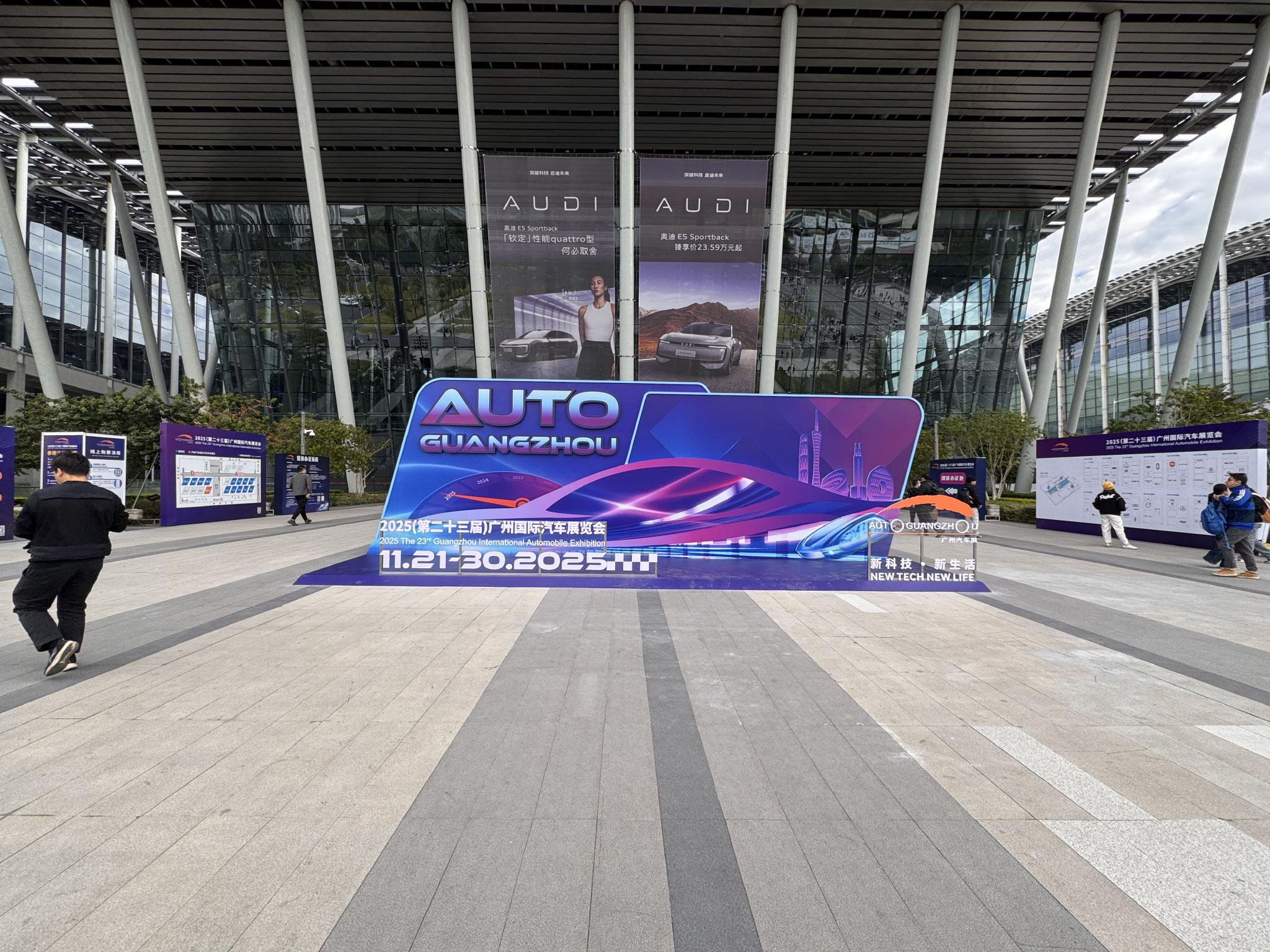
Core Insights - The 23rd Guangzhou International Auto Show marks a significant shift in the Chinese automotive industry from policy-driven growth to market-driven dynamics, emphasizing a transition from "price wars" to "value wars" [1][4][16] Industry Trends - A total of 1,085 vehicles were showcased at the auto show, with 629 being new energy vehicles (NEVs), representing 58% of the total, an increase of 14.3 percentage points from the previous year [4] - In the first ten months of this year, cumulative sales of NEVs in China exceeded 10 million units, achieving a market penetration rate of over 52.9% [4] - The shift in policy from direct subsidies to market-oriented growth is evident, with the Ministry of Industry and Information Technology announcing a reduction in NEV purchase tax starting in 2026 [4][16] Market Dynamics - The auto show highlighted a significant reshuffling in the market, with over 20 brands absent, including well-known names like Beijing Hyundai and Peugeot Citroën, indicating a trend of declining market performance for certain brands [6] - Brands are increasingly focusing on hybrid technology to meet consumer demand, with companies like Xpeng and GAC Aion expanding their product lines to include hybrid models [7] Technological Advancements - The concept of "smart driving equality" has gained traction, with advanced driving features becoming more accessible in mainstream models, as seen with the introduction of products like Leapmotor A10 and GAC Toyota's smart version [9] - Huawei has emerged as a key player in the auto show, showcasing its capabilities in smart driving and intelligent cockpit technologies, with its ADS having partnered with 33 vehicle models and accumulated over 5 billion kilometers of assisted driving mileage [13] Competitive Landscape - The automotive industry is transitioning from a focus on single product competition to ecosystem competition, with traditional automakers leveraging partnerships with technology suppliers to enhance their electric and intelligent capabilities [12] - A report indicates that only 15 out of 129 automotive brands in China are expected to achieve financial sustainability by 2030, suggesting an impending wave of consolidation and competition in the industry [16] Future Outlook - The auto show serves as a reflection of the past five years of transformation in the Chinese automotive sector while also pointing towards future trends, emphasizing the importance of value competition and long-term strategies for high-quality development [16]
铝价飙升浅析:绿色革命驱动下的全球供应链重构与投资机遇
Xin Lang Cai Jing· 2025-11-22 00:52
Core Insights - The aluminum market is undergoing a fundamental restructuring due to the acceleration of global energy transition, with aluminum becoming a strategic resource, leading to a new price paradigm characterized by high prices and limited supply [1][2][3] Global Aluminum Supply Chain Restructuring - Resource nationalism and capacity transfer are reshaping the global aluminum supply chain, with Guinea holding 26% of global bauxite reserves and Australia 12%, while China only holds 2% [1][2] - The concentration of bauxite resources leads to a significant disparity in production, with Guinea accounting for 29% of global output [2] - By 2025, China's electrolytic aluminum capacity is nearing its ceiling at 4,445 million tons, while overseas projects are expected to add over 1 million tons of capacity from 2026 to 2028 [3][4] Global Aluminum Consumption Structure Analysis - Traditional sectors like construction are declining, while new sectors such as electric vehicles (EVs) and photovoltaics are experiencing explosive growth, with EV aluminum consumption increasing by 30% [5][6] - The average aluminum usage in pure electric vehicles is 283 kg per vehicle, significantly higher than traditional vehicles [6] - By 2040, global aluminum demand is projected to reach 163.7 million tons, a 67.3% increase from 2018 levels [7] Trade Policies and Market Dynamics - The U.S. has significantly increased aluminum import tariffs to 50%, leading to a sharp decline in imports, particularly from Canada, which previously supplied 58% of U.S. aluminum [8][9] - China is adapting by increasing exports through third countries to circumvent tariffs, with exports of unwrought aluminum and aluminum products rising by 19.7% year-on-year [10] Price Trends and Future Predictions - Aluminum prices have shown a strong upward trend, with LME prices reaching $2,880 per ton, driven by tight supply and robust demand from sectors like EVs and solar energy [11][12] - Various institutions predict continued price increases, with estimates for 2025 ranging from $2,850 to $3,500 per ton, reflecting a tightening market [12][13] Future Trends and Strategic Recommendations - The aluminum industry is shifting towards a green transition, with a focus on recycled aluminum, which has a recovery rate of over 95% and significantly lower production emissions [14][15] - Companies are encouraged to invest in green technologies and diversify markets to mitigate risks associated with trade barriers and supply chain vulnerabilities [16]