
石头科技

Search documents
280亿,扫地机器人鼻祖宣布破产
虎嗅APP· 2025-12-21 10:08
Core Viewpoint - The collapse of iRobot, a pioneer in the robotic vacuum industry, highlights the consequences of regulatory paradoxes, trade policy conflicts, and competition from Chinese firms, ultimately leading to its bankruptcy and acquisition by a Chinese supplier [4][9]. Group 1: Company Background and Market Position - iRobot was founded in 1990 by MIT roboticists and initially focused on defense and space applications, but gained fame with the launch of the Roomba vacuum in 2002, which became a household name in the U.S. [6][7]. - By 2021, iRobot's valuation peaked at $35.6 billion, with Roomba capturing 42% of the U.S. market and 65% in Japan, selling over 50 million units [7][8]. Group 2: Competitive Landscape and Challenges - The pandemic-induced boom masked structural issues, as competitors like Ecovacs and Roborock emerged with significantly higher R&D investments and aggressive pricing strategies, leading to a loss of market share for iRobot [7][8]. - iRobot's reliance on manufacturing in Vietnam became a liability when punitive tariffs were imposed, increasing costs by $23 million and squeezing profit margins [8][9]. Group 3: Acquisition Attempt and Regulatory Impact - In August 2022, Amazon proposed a $17 billion acquisition of iRobot, which was seen as a lifeline for the struggling company, but regulatory bodies in the U.S. and EU blocked the deal, citing antitrust concerns [8][12]. - Following the failed acquisition, iRobot's stock plummeted by 80%, leading to significant layoffs and a halt in non-core R&D projects, marking the beginning of its decline [9][12]. Group 4: Bankruptcy and Acquisition by Chinese Supplier - iRobot filed for Chapter 11 bankruptcy and sold its assets to Shenzhen Picea Robotics for $190 million, a move that ironically resulted in the foreign control that regulators sought to prevent [9][10]. - The failure of iRobot serves as a cautionary tale about the consequences of regulatory overreach and the need for a more nuanced understanding of global competition [12][14]. Group 5: Industry Implications and Future Trends - The bankruptcy of iRobot signals a significant shift in the smart home industry, moving from single-product successes to a focus on integrated smart home ecosystems [18][19]. - Companies must adapt to the new reality where ecosystem integration and technological innovation are crucial for survival, as evidenced by the struggles of other smart home brands facing similar growth challenges [19][23].


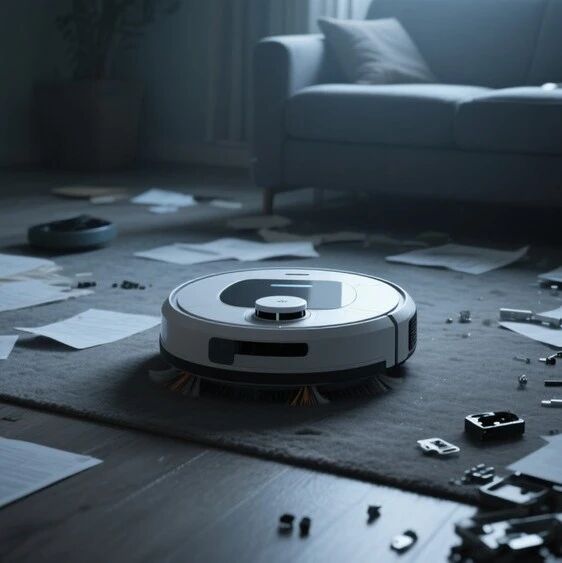
科沃斯(603486):连续多季亮眼的盈利端,后续怎么看?
Western Securities· 2025-12-21 07:44
Investment Rating - The report assigns an "Accumulate" rating for the company [6][17]. Core Insights - The company has shown strong profitability in recent quarters, with concerns about the impact of national subsidies and increased competition in the floor cleaning robot market. However, the ongoing operational improvement cycle is expected to mitigate some of these risks [1][15]. - The high gross margin of the company's roller products is attributed to lightweight design upgrades and rapid iteration speed, which provide pricing power. There is potential for further optimization in both short-term and long-term perspectives [1][2]. - The third-party platform business and collaboration within the robotics industry chain are expected to provide additional long-term efficiency improvements [2][56]. Summary by Sections Performance Review - The company has improved its gross and net profit margins significantly in Q1-Q3 of 2025 compared to 2023 [1][25]. - Concerns exist regarding the potential slowdown in domestic sales due to subsidy reductions and increased competition in the cleaning robot market [27]. Roller Product Margins - The high gross margin of roller products is primarily due to their lightweight design and the company's rapid product iteration, which allows for premium pricing [1][32]. - Short-term benefits are expected from an increased proportion of high-margin roller products and enhanced overseas market penetration [1][43]. - Long-term optimization opportunities exist as the company addresses existing pain points in cleaning robots, which could lead to further margin improvements [52]. Third-Party Platform and Robotics Industry Synergy - The company has the capability to build a platform that enhances revenue flexibility and profitability through supply chain localization and cost reduction [2][56]. - Strategic investments in the robotics industry chain are expected to yield direct investment returns and provide cost efficiency and innovation opportunities for the core business [2][58]. Financial Projections - Revenue projections for 2025, 2026, and 2027 are estimated at 189.23 billion, 219.73 billion, and 249.19 billion yuan, respectively, with year-on-year growth rates of 14.39%, 16.12%, and 13.41% [2][17]. - Net profit forecasts for the same years are 19.54 billion, 23.06 billion, and 27.77 billion yuan, with corresponding growth rates of 142.4%, 18.0%, and 20.4% [2][17].

美媒大肆炒作,美企CEO坐不住了:是我们求中企救命啊…
Sou Hu Cai Jing· 2025-12-20 14:27
Core Viewpoint - iRobot, once a leader in the global market for robotic vacuum cleaners, has filed for bankruptcy protection and is set to be acquired by Chinese company Picea, raising concerns in the U.S. about data privacy and security risks associated with the ownership change [1][2]. Group 1: Acquisition and Market Dynamics - Picea, iRobot's main creditor, will acquire the company, which has led to media speculation about potential data privacy issues due to the change in ownership to a Chinese firm [1][2]. - The global market for robotic vacuum cleaners is shifting, with Chinese companies projected to dominate the market by 2025, holding nearly 70% of the market share [6][7]. - iRobot's CEO Gary Cohen clarified that the acquisition is a rescue effort rather than a hostile takeover, emphasizing a positive partnership with Picea [2][8]. Group 2: Data Privacy Concerns - U.S. media have raised alarms about data privacy, suggesting that robotic vacuums can collect sensitive household data, but iRobot's privacy policy states that data is not transmitted to servers without user consent [4][5]. - Despite past incidents of data breaches, iRobot has maintained a strong security performance, although its privacy ratings have declined to average levels [4][5]. - The narrative in U.S. media appears to be more about geopolitical tensions rather than genuine concerns for consumer data security, as they call for government action against Chinese technology firms [5][6]. Group 3: Company Performance and Future Outlook - iRobot has faced declining sales and innovation gaps over the past four years, leading to its bankruptcy filing after three consecutive years of net losses [8][9]. - The restructuring process is expected to be completed by February 2024, with iRobot retaining its brand and operational structure in the U.S. [8][9]. - Cohen expressed optimism about the future, stating that the acquisition will preserve the brand and save over 500 jobs, marking a new chapter for iRobot [9][10].
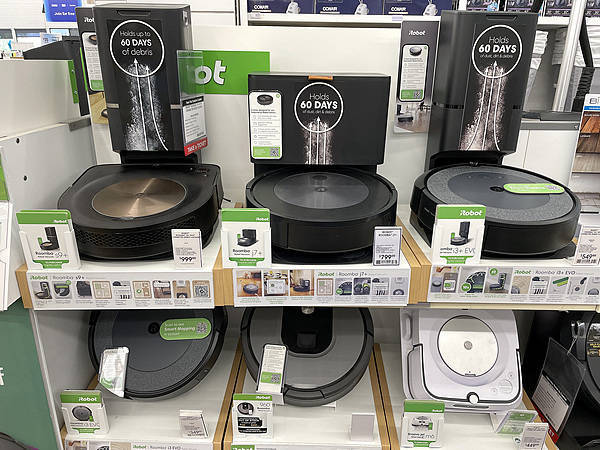
家用电器:iRobot被收购利好国内头部品牌,白电内销高基数承压
Huafu Securities· 2025-12-20 13:46
Investment Rating - The report maintains a rating of "Outperform" for the industry [6] Core Insights - The acquisition of iRobot is beneficial for leading domestic brands, while the white goods domestic sales are under pressure due to high base effects [3][4] - Major home appliance categories have seen a decline in domestic sales due to the high base from last year's national subsidies and previous consumption pull-forward [3][11] - In November, the sales revenue for air conditioners, refrigerators, and washing machines decreased by -34.5%, -34.4%, and -19.2% year-on-year, respectively [3][11] - The sales volume for these categories also dropped significantly, with air conditioners and refrigerators down by -30.65% and -30.79% year-on-year [3][11] - The acquisition of iRobot, which has filed for bankruptcy, may allow brands like Roborock and Ecovacs to capture more market share in North America [4][18] Summary by Sections Domestic Sales Performance - Domestic sales of major home appliance categories are declining due to high base effects from last year's national subsidies [3][11] - November data shows significant year-on-year declines in sales revenue and volume across key categories [3][11] Brand Performance - In November, the market shares for Gree, Midea, and Haier in domestic sales were 32.1%, 29.6%, and 19.7%, respectively, with Haier showing significant growth [4][16] - Midea's export share increased to 40.4%, while Gree's share slightly decreased [4][16] Market Trends - The overall home appliance sector saw a slight increase of +0.2% this week, with white goods and small appliances showing mixed performance [5][19] - The report highlights the impact of raw material prices, with LME copper and aluminum showing fluctuations [5][19] Industry News - The report discusses the implications of iRobot's bankruptcy and acquisition on the competitive landscape in North America [4][18] - It also notes the ongoing trends in ESG ratings among leading home appliance companies, emphasizing their focus on green transformation [39]



追觅创始人,花22亿买个“旧壳”想讲新故事
虎嗅APP· 2025-12-20 13:20
Core Viewpoint - The article discusses the recent acquisition of a controlling stake in Jia Mei Packaging by Chasing, led by founder Yu Hao, for 2.282 billion yuan, raising questions about the strategic intent behind this move and its implications for the company's growth narrative [5][7]. Group 1: Acquisition Details - Yu Hao's company, Suzhou Zhuyue Hongzhi Technology, acquired 29.90% of Jia Mei Packaging from the original major shareholder for 1.243 billion yuan and plans to buy an additional 25% from other shareholders, totaling 2.282 billion yuan for over 54.9% voting rights [7]. - Jia Mei Packaging is one of China's largest metal can manufacturers, serving well-known beverage brands like Yangyuan and Wanglaoji [7]. Group 2: Strategic Considerations - The acquisition can be viewed through two lenses: resource synergy and capital operation. Chasing's technological expertise in high-speed digital motors and precision algorithms aligns with the manufacturing demands of the metal packaging industry [8][9]. - Jia Mei's extensive production bases and supply chain network across multiple provinces provide Chasing with immediate manufacturing resources [9]. Group 3: Capital Market Dynamics - Chasing's path to IPO has faced challenges, with reports of a planned listing being denied. Competitors like Ecovacs and Roborock have already gone public, while Chasing completed a 3.6 billion yuan Series C financing in 2021 [10][11]. - The complexity of Chasing's business model, which spans high-end consumer goods to automotive and aerospace sectors, complicates valuation and has led to plans for multiple IPOs across various exchanges starting next year [11]. Group 4: Financial Performance and Challenges - Jia Mei Packaging reported a 47% year-on-year decline in net profit in the first three quarters, facing issues such as reliance on major clients and low-price competition [10][12]. - To ensure stability post-acquisition, the original controlling shareholders committed to a five-year performance guarantee, ensuring annual net profits of at least 120 million yuan [12]. Group 5: Expansion and Future Plans - Chasing is expanding aggressively into various sectors, including automotive and robotics, with plans to launch a car by 2027 and a focus on developing humanoid robots [17][18]. - The company aims to create a comprehensive ecosystem that integrates high-speed motors, sensors, and intelligent algorithms across different applications, from home appliances to space exploration [20]. Group 6: Strategic Questions - For Chasing to effectively communicate its growth story, it must address key questions regarding resource allocation, technological synergy, and management systems across its diverse business lines [24][25]. - The company needs to establish a clear growth focus to attract capital market interest, moving beyond just ambitious narratives [25].
看懂这些关键领域,在2026年捡回「上行」信心
36氪· 2025-12-20 10:27
Core Insights - The article discusses the impact of AI on the workplace by 2025, highlighting both opportunities and challenges for job seekers and employers [5][6]. Group 1: AI and Job Market Dynamics - AI is expected to revolutionize job roles, but it also poses risks of job displacement, particularly for those in roles that can be automated [5]. - The emergence of "super individuals" in the workforce may lead to reduced job opportunities for others, as increased productivity from these individuals can displace multiple workers [5]. Group 2: Employer Branding and Recruitment Trends - There is a lack of investment in employer branding among companies, as many prioritize product performance over employee satisfaction [6]. - Companies are increasingly seeking "versatile talents" by expanding job descriptions, which may undermine the value of teamwork and specialized roles [6]. Group 3: Industry-Specific Insights - The advanced manufacturing sector is experiencing a surge in investment, particularly in robotics and 3D printing, with significant growth in talent demand [9]. - The chip manufacturing industry is accelerating its domestic production capabilities, with a reported 90% yield rate for new processes, indicating a strong push towards self-sufficiency [9]. Group 4: Employment Trends and Challenges - The article notes a structural talent shortage in various sectors, including robotics and chip manufacturing, with a reported talent gap exceeding 300,000 in the semiconductor industry [9]. - The article emphasizes the need for companies to adapt to changing market demands and invest in employee development to remain competitive [6][9].

280亿,扫地机器人鼻祖宣布破产
Sou Hu Cai Jing· 2025-12-20 04:17
Core Insights - The collapse of iRobot, a pioneer in the robotic vacuum industry, is attributed to regulatory failures, trade policy conflicts, and competition from Chinese firms, leading to its bankruptcy filing and subsequent acquisition by a Chinese supplier [2][6][9]. Company Overview - iRobot was founded in 1990 by three MIT roboticists and initially focused on defense and space applications before launching the Roomba vacuum in 2002, which became a household name [3][4]. - At its peak in 2021, iRobot's valuation reached $3.56 billion, with Roomba capturing 42% of the U.S. market and 65% in Japan, totaling over 50 million units sold [3][4]. Competitive Landscape - iRobot faced increasing competition from Chinese companies like Ecovacs and Roborock, which invested 2-3 times more in R&D and adopted aggressive pricing strategies, undermining iRobot's market position [4][5]. - The introduction of advanced technologies by competitors, such as laser navigation and AI visual recognition, rendered iRobot's existing technology outdated [4][5]. Financial Challenges - iRobot's reliance on manufacturing in Vietnam led to a significant cost increase when punitive tariffs were imposed, resulting in a $23 million rise in expenses [4]. - The cooling real estate market, exacerbated by rising interest rates, negatively impacted sales of home appliances, including robotic vacuums [4]. Acquisition Attempt and Regulatory Impact - In August 2022, Amazon announced a $1.7 billion acquisition of iRobot, which was seen as a lifeline for the struggling company [5]. - Regulatory bodies in the EU and the U.S. blocked the acquisition, citing potential anti-competitive concerns, which ultimately led to iRobot's stock plummeting by 80% and significant layoffs [5][7]. Bankruptcy and Acquisition - iRobot filed for Chapter 11 bankruptcy and sold its assets to Chinese supplier Picea Robotics for $190 million, marking a significant shift in ownership from a U.S. company to foreign control [6][9]. - The regulatory actions intended to protect competition inadvertently facilitated the loss of a key American technology firm to foreign ownership [6][9]. Industry Implications - iRobot's downfall highlights the structural flaws in Western regulatory frameworks, which focus on domestic competition while neglecting the competitive threats posed by foreign firms [9][10]. - The case serves as a cautionary tale for the smart home industry, indicating a shift from single-product success to the necessity of ecosystem integration for survival [11][12]. Future Outlook - The smart home market is transitioning from individual product sales to comprehensive smart home ecosystems, with companies needing to adapt or risk obsolescence [11][12]. - Firms must establish a clear position within the ecosystem, deepen their technological advantages, and maintain financial health to navigate the evolving landscape [15][16].


iRobot破产重组背后:代工厂转向品牌商有利有弊
Zhong Guo Jing Ying Bao· 2025-12-19 20:15
Core Viewpoint - iRobot Corporation has filed for Chapter 11 bankruptcy protection, entering a restructuring agreement with its main creditor, Picea, which will acquire 100% of iRobot's equity through a court-supervised process, leading to the company's delisting from NASDAQ and total loss for common stockholders [2][3][5]. Financial Performance - For the first three quarters of fiscal year 2025, iRobot reported revenues of $375 million, a year-over-year decline of 17.5%, and a net loss of $130 million, down 90% from the previous year [2]. - The company has only $24.8 million in cash and equivalents, with total liabilities reaching $508 million and shareholders' equity at -$26.8 million, indicating a negative cash flow of $104 million [2][3]. Reasons for Bankruptcy - The bankruptcy is attributed to intensified market competition, rising costs, and a lack of innovation, particularly as Chinese brands have rapidly gained market share with high-cost performance products [3][4]. - iRobot's asset-liability ratio has been as high as 105% over the past five years, indicating insolvency, with revenues projected to drop from $1.183 billion in 2022 to $682 million in 2024 [3][4]. - The failed acquisition by Amazon for approximately $1.7 billion, which was blocked by regulatory scrutiny, directly contributed to iRobot's financial distress [4][5]. Impact of Acquisition by Picea - The acquisition by Picea represents a significant shift for the company, providing a pathway for debt restructuring and business continuity while marking Picea's transition from a manufacturing leader to a global brand operator [6][7]. - This acquisition is expected to leverage Picea's supply chain efficiencies and technological capabilities to revitalize iRobot's product innovation and market competitiveness, particularly in emerging markets [6][7]. Market Dynamics - The global market for robotic vacuums is experiencing growth, with a reported 18.7% increase in shipments year-over-year, while iRobot's market share has fallen to 7.9%, pushing it out of the top five global players [5][10]. - Chinese brands dominate the market, with companies like Roborock and Ecovacs leading in sales, benefiting from cost advantages, rapid innovation cycles, and effective localization strategies [10][11]. Industry Insights - The rise of Chinese robotic vacuum manufacturers highlights the need for iRobot and similar companies to enhance their technological innovation and brand positioning to remain competitive in a rapidly evolving market [10][11]. - The bankruptcy of iRobot signifies a pivotal moment in the robotic vacuum industry, emphasizing the importance of adapting to market changes and consumer demands for enhanced product features and affordability [11].

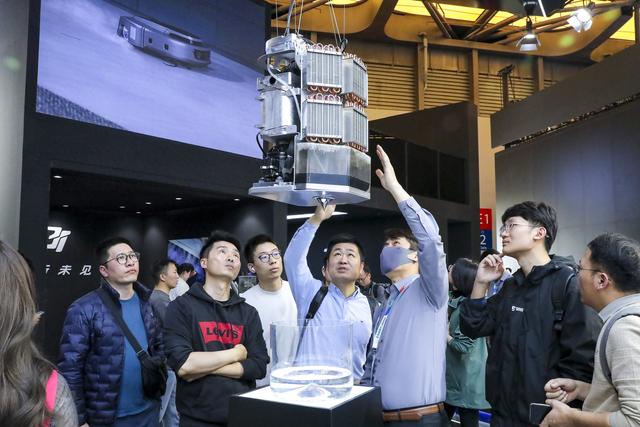
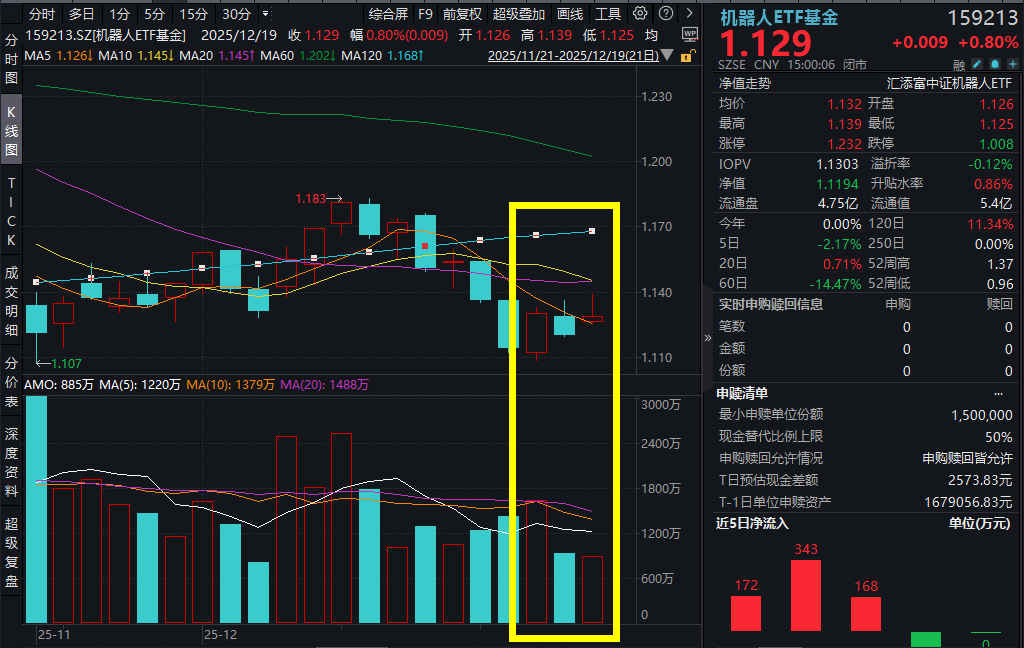
推动人形机器人走向全自主阶段,北京开源XR-1模型!拓普集团涨超1%,机器人ETF基金(159213)反弹涨近1%!人形机器人迈向新阶段?
Xin Lang Cai Jing· 2025-12-19 10:17
Group 1 - The core viewpoint of the news highlights the significant growth and investment potential in the humanoid robotics sector, with predictions of a compound annual growth rate (CAGR) of 50% or more over the next decade, leading to a market size approaching 3 trillion yuan by 2040 [5][8]. - The Robot ETF fund (159213) has seen most of its constituent stocks rise, with notable increases such as Double Ring Transmission up over 4% and several others like Zhongkong Technology and Green Harmony rising over 1% [2][3]. - The humanoid robot industry is recognized as a strategic sector, addressing labor shortages and adapting to human environments, with various cities in China implementing supportive policies and development plans [5][8]. Group 2 - In the first nine months of 2025, global investment in humanoid robotics reached approximately $7 billion (about 50 billion yuan), marking a 250% increase compared to the same period last year [9]. - The demand for B-end applications in robotics continues to grow, with several companies reporting annual orders exceeding 1 billion yuan, indicating a robust market for commercial robotics [12]. - Major companies are accelerating their production timelines, with Tesla and other firms planning to launch mass production of humanoid robots by 2026, signaling a shift from technological competition to manufacturing and commercial competition [13].

家电行业 2026 年投资策略:逆风莫摧残,挖掘定价权
Hua Yuan Zheng Quan· 2025-12-19 09:29
Investment Rating - The report rates the home appliance industry as "Positive" for investment, marking it as the first recommendation for 2026 [3]. Core Insights - The report emphasizes that leading companies with strong product capabilities, channel efficiency, cost control, and brand premium are positioned to gain market share during a challenging domestic demand environment. The industry is shifting from "incremental competition" to "stock integration" [4]. - It highlights that while short-term revenue growth may be difficult to expect, leading companies are likely to maintain profit growth due to improved efficiency and cost reduction. A stabilization in demand could lead to a new golden era for these companies [4]. - The report suggests focusing on three main investment themes: companies benefiting from domestic market consolidation, those redefining products for overseas markets, and quality dividend stocks with low valuations [4]. Summary by Sections 1. Market Performance and Fundamentals - The home appliance sector underperformed the CSI 300 index in 2025, with a growth rate of 9.7%, lagging behind the index by 7.8 percentage points, primarily due to external tariffs and domestic policy fluctuations [9]. - The report notes that the home appliance sector's valuation remains low compared to other consumer sectors, with a PE ratio of 14.7X as of November 30, 2025, reflecting the industry's mature phase and pressures from declining domestic real estate demand [19][20]. 2. Main Line One: Opportunities in Market Consolidation - The report identifies opportunities in the smart projection market, where domestic consolidation is occurring, and leading companies are gaining market share. The market is expected to improve as consumer demand recovers [61]. - In the kitchen appliance sector, leading companies are showing resilience in performance despite weak demand, with market shares increasing as smaller competitors exit the market [76]. 3. Main Line Two: Redefining Products for Export Markets - The report discusses the growth potential in the robotic vacuum cleaner market, which is expected to see double-digit growth in the overseas market from 2024 to 2029, driven by product innovation [86]. - It also highlights the potential for growth in the lawn mower robot market, particularly in Europe, where the penetration rate is expected to rise significantly [104]. 4. Main Line Three: Quality Dividend Stocks - The report suggests that companies like Midea Group and Haier Smart Home are positioned well due to their stable cash flows and increasing dividend payouts, making them attractive for long-term investment [85].


