货币政策

Search documents
哈塞特“出局”?沃什呼声大增!特朗普称希望哈塞特继续担任白宫顾问
华尔街见闻· 2026-01-17 11:47
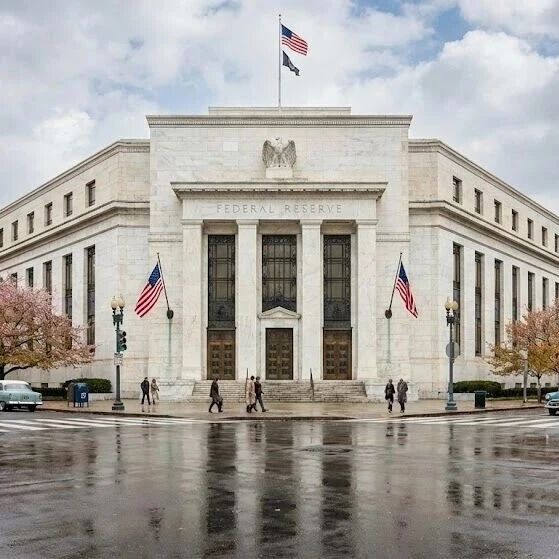
Core Viewpoint - President Trump's hesitation in nominating Kevin Hassett as the next Federal Reserve Chairman adds uncertainty to the selection process, as he prefers Hassett to remain as a key economic advisor in the White House [1][2]. Group 1: Nomination Uncertainty - Trump expressed a desire for Hassett to stay in his current role, indicating that moving him could result in losing a significant economic spokesperson [2][3]. - Following Trump's comments, analysts speculate that Kevin Warsh has emerged as a leading candidate for the Fed Chair position, with Evercore ISI's Krishna Guha noting that this news positions Warsh as a top contender [3]. Group 2: Market Reactions - After Trump's remarks, the dollar rebounded slightly from its intraday low, while the stock market shifted from gains to losses, reflecting market reactions to the uncertainty surrounding the Fed Chair nomination [4]. - The two-year Treasury yield increased by 2.6 basis points, reaching above 3.59%, indicating market adjustments to the evolving situation [4]. Group 3: Broader Economic Context - The search for a new Fed Chair occurs at a delicate moment for monetary policymakers, as the U.S. economy faces conflicting pressures [6]. - Recent employment data shows signs of weakness, prompting calls within the Fed for rate cuts to support the job market, while inflation remains stubbornly above the 2% target, complicating the decision-making process [7][8]. - The new Fed Chair is expected to seek further rate cuts, aligning with Trump's preferences, but may face challenges in building consensus within the Federal Open Market Committee (FOMC) [8].

央行下调再贷款和再贴现,商业银行向央行贷款成本降低
Sou Hu Cai Jing· 2026-01-17 03:57
Group 1 - The central bank has lowered the costs of loans for commercial banks, aiming to support specific industries such as private small and medium enterprises with high R&D investments [1] - The down payment for commercial real estate has been reduced to 30% to facilitate inventory reduction [1] - The market is experiencing adjustments with trading volume shrinking to less than 30 trillion, and regulatory measures are tightening to limit speculation [1] Group 2 - The commercial aerospace sector has seen a continuous adjustment for three days, with potential for a rebound, but selling is still advised for the future [1] - The AI application sector has cooled down due to the suspension of Liao shares, and its performance will depend on the resumption of Yidian Tianxia [1] - The power sector is rebounding due to news of electricity shortages in the U.S. and investment stimuli [1] Group 3 - The semiconductor sector is experiencing rotation, with opportunities for low-cost entry [1] - The market is expected to open higher tomorrow due to favorable factors, but the ongoing adjustment trend suggests that a high opening may present a reduction opportunity for investors [1] - The overall view on A-shares is neutral, as monetary abundance is beneficial, but the market is in an adjustment phase with mixed bullish and bearish factors [3]
12月M2同比抬升的原因及影响——12月金融数据点评
一瑜中的· 2026-01-17 03:48
Core Viewpoints - The current liquidity assessment indicates that overall liquidity remains relatively ample, supporting financial asset valuations, despite a decline in M1 and a significant drop in enterprise deposits [3][4][12] - Future liquidity is expected to face challenges due to a decrease in interbank certificates of deposit and rising loan bases, leading to a forecasted decline in M2 growth in the first quarter of 2026 [4][5] - The current monetary policy focuses on structural adjustments and timing, with an emphasis on stimulating investment in supported sectors while controlling capacity expansion in weaker demand areas [8][36][38] Group 1: Reasons for M2 Year-on-Year Growth - M2 increased by 8.5% year-on-year in December, with a monthly addition of 3.3 trillion yuan, driven by a narrowing drag from other factors and an increase in bank claims on non-financial institutions [14][15][44] - The narrowing drag from other factors is attributed to a decrease in bond issuance and a return of funds to the non-bank sector due to the maturity of interbank certificates of deposit [18][19] - The growth in bank claims on non-financial institutions is primarily from increased loans to enterprises, but this growth is expected to be unsustainable due to high base effects and weak demand [25][40] Group 2: Reasons for M1 Year-on-Year Decline - The new M1 decreased by 3.8% year-on-year in December, primarily due to a decline in the old M1, while household demand for current deposits remained stable [28][31] Group 3: Impact of December Financial Data on Liquidity Assessment - The ratio of new household deposits to new M2 remains low, indicating overall macro liquidity is still relatively ample, but there is a potential shift from real to virtual assets as enterprise deposits decline [12][32] - The increase in non-bank deposits aligns with a surge in equity market transactions, while the drop in enterprise deposits may negatively impact expectations for economic recovery [12][32] - The December M2 increase is seen as a short-term fluctuation, with a high probability of M2 decline in the first quarter of 2026, suggesting a potential marginal decrease in overall macro liquidity [12][32] Group 4: Information from the National New Office Meeting - The meeting outlined eight monetary policies to support the real economy, including a 0.25 percentage point reduction in various structural monetary policy tool rates and increased loan quotas for small and private enterprises [36][37] - The focus is on structural adjustments, with the central bank aiming to stimulate investment in supported sectors while managing supply in weaker demand areas [36][38]

【环球财经】市场担忧货币和关税政策走向 纽约股市三大股指16日下跌
Xin Hua Cai Jing· 2026-01-17 00:33
Group 1 - The U.S. stock market experienced a decline on January 16, with the Dow Jones Industrial Average falling by 83.11 points to close at 49,359.33, a decrease of 0.17% [1] - The S&P 500 index dropped by 4.46 points, closing at 6,940.01, down 0.06%, while the Nasdaq Composite Index fell by 14.634 points to 23,515.388, also down 0.06% [1] - Among the S&P 500 sectors, six out of eleven sectors rose, with the Real Estate and Industrial sectors leading gains at 1.20% and 0.65%, respectively, while the Health Care and Communication Services sectors led losses at 0.84% and 0.72% [1] Group 2 - The Federal Reserve reported a 0.4% month-over-month increase in the industrial production index for December 2025, surpassing market expectations of 0.1%, with the previous month's increase revised from 0.2% to 0.4% [1] - The industrial capacity utilization rate for December 2025 was reported at 76.3%, exceeding market expectations of 76% and the revised previous month's figure of 76.1% [1] - Micron Technology announced the construction of a chip factory in upstate New York with a total investment of $100 billion, expected to begin production around 2030, resulting in a significant stock price increase of 7.76% on the same day [2]
大宗商品综述:油价小涨 金价下跌 基本金属全线走低
Xin Lang Cai Jing· 2026-01-16 21:21
Oil Market - Oil prices ended a volatile week with a slight increase, as traders assessed tensions in Iran and broader market sentiment [2][12] - WTI futures for February delivery rose by 0.4% to settle at $59.44 per barrel, recovering from a 4.6% drop earlier in the week, the largest decline since June [2][12] - Brent futures for March delivery increased by 0.6%, settling at $64.13 per barrel [2][13] - President Trump's comments regarding Iran's decision to cancel the execution of protesters reduced market expectations for immediate U.S. intervention [13][14] - The U.S. is increasing its military presence in the Middle East, with at least one aircraft carrier deployed and more military assets expected in the coming days [13][14] - Traders typically hedge bearish bets before weekends during periods of heightened geopolitical risk [14] Precious Metals - Gold prices declined as President Trump expressed reservations about Kevin Hassett's nomination as the next Federal Reserve Chairman, adding uncertainty to the selection process [4][16] - Following Trump's remarks, the dollar narrowed its losses, and U.S. Treasury yields rose, leading to a 1.7% drop in gold prices [5][17] - Gold spot prices fell by 0.66% to $4,585.61 per ounce, while silver spot prices decreased by 3.25% to $89.4164 per ounce [17] Base Metals - Base metal prices on the London market experienced significant declines at the end of a dramatic week [18][19] - Benchmark futures for copper, tin, zinc, and aluminum all fell, with LME copper down 2.3% to $12,803 per ton and LME tin down 7.8% to $47,982 per ton [20] - The sell-off in the Shanghai market contributed to the speed and characteristics of the market movements, with traders likely closing long positions rather than driven by new demand or macro signals [19][20]
【新华解读】2025年社融增超35万亿 货币政策适度宽松有力护航经济
Xin Hua Cai Jing· 2026-01-16 17:25
Core Viewpoint - In 2025, China's monetary policy is expected to be moderately accommodative, supporting economic recovery with significant growth in credit and social financing, indicating a positive trend for the economy [1][7]. Group 1: Credit and Financing Growth - In 2025, new RMB loans are projected to reach 16.27 trillion yuan, with a total social financing increment of 35.6 trillion yuan, which is an increase of 3.34 trillion yuan compared to the previous year [1][3]. - By the end of 2025, the total social financing stock is expected to grow by 8.3% year-on-year, while the broad money supply (M2) is anticipated to increase by 8.5%, both significantly exceeding nominal GDP growth rates [1][6]. - In December 2025, RMB loans increased by 910 billion yuan, showing a year-on-year decrease of 80 billion yuan but a month-on-month increase of 520 billion yuan, indicating a stronger demand from enterprises compared to households [2][3]. Group 2: Structural Optimization - The structure of financing is improving, with non-loan financing methods contributing significantly to the total social financing increment, surpassing 50% of the total, reflecting the effectiveness of financial supply-side structural reforms [3][5]. - By the end of 2025, the balance of medium- and long-term loans in the manufacturing sector is expected to grow by 6.6%, while infrastructure loans are projected to increase by 6.9%, and services (excluding real estate) by 9.4% [4][5]. Group 3: Interest Rates and Costs - The average interest rates for newly issued corporate loans and personal housing loans are approximately 3.1%, showing a decline of 2.5 and 2.6 percentage points since the second half of 2018 [5][6]. - The financing costs are decreasing, with the new loan rates for technology and digital economy sectors being 2.81% and 2.7%, respectively, both lower than the previous year [5][6]. Group 4: Future Outlook - For 2026, it is anticipated that more proactive macroeconomic policies will continue to enhance counter-cyclical and cross-cyclical adjustments, with expected new credit of about 18 trillion yuan and social financing increment reaching 38 trillion yuan [7].
“鸽到极致”哈塞特恐与美联储主席一职无缘 特朗普称更倾向于让其留在现有岗位
智通财经网· 2026-01-16 16:10
Group 1 - President Trump praised economic advisor Kevin Hassett during a White House event, expressing a preference for Hassett to remain in his current position as the next Federal Reserve Chairman is considered [1] - Trump highlighted Hassett's professional abilities and communication skills, indicating that losing him would be a serious concern due to the current Federal Reserve leadership's lack of effective communication [1] - The final decision on personnel changes will consider various factors, as noted by Trump in his remarks to White House Chief of Staff Susie Wiles [1] Group 2 - Trump's comments come at a time when the market is assessing potential nominees for the next Federal Reserve Chairman, which could significantly impact future interest rate policies and financial market expectations [2] - Following the news, gold and silver prices experienced a sharp decline, with spot gold dropping below $4560 per ounce, down 1.24% for the day, and spot silver falling over 5%, dropping below $88 [2]
央行宣布,商业用房购房贷款最低首付比例将下调至30%
Sou Hu Cai Jing· 2026-01-16 15:59
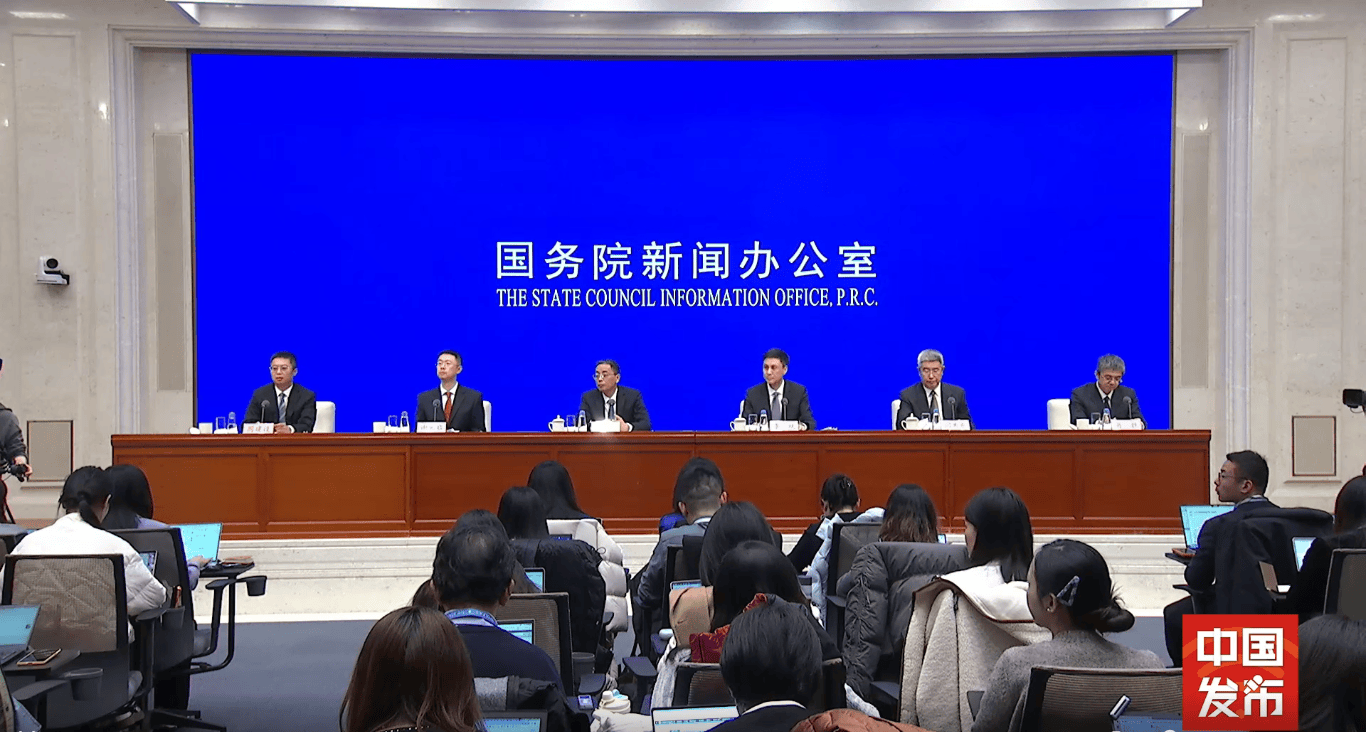
数据显示,2025年,我国社会综合融资成本进一步降低。2018年下半年以来,人民银行累计10次下调政策利率,还通过强化利率政策执行和监督,更好发挥 存量政策效能,促进社会综合融资成本稳步下行。2025年12月,新发放企业贷款加权平均利率和新发放个人住房贷款加权平均利率在3.1%左右,自2018年 下半年以来,分别下降了2.5个和2.6个百分点。 人民银行新闻发言人、副行长邹澜在发布会上表示,下调各类结构性货币政策工具利率0.25个百分点,各类再贷款一年期利率降至1.25%,其他期限档次利 率同步调整。完善结构性工具并加大支持力度,进一步助力经济结构转型优化。 邹澜表示,将会同金融监管总局将商业用房购房贷款最低首付比例下调至30%,支持推动商办房地产市场去库存。 湖北日报讯(记者王艳华)2026年1月15日下午,国务院新闻办公室举行新闻发布会,介绍货币金融政策支持实体经济高质量发展成效。会上,央行发言人 指出将下调各类结构性货币政策工具利率0.25个百分点,将商业用房购房贷款最低首付比例下调至30%。 ...
特朗普步步紧逼或迫使鲍威尔留任理事,内部权力制衡战一触即发
Jin Shi Shu Ju· 2026-01-16 15:11
Core Viewpoint - The recent actions by the Trump administration against the Federal Reserve have raised expectations that Jerome Powell may remain on the board after his term ends in May, potentially creating a powerful counterbalance within the Fed, despite Powell's reluctance to take on such a role [2][3]. Group 1 - The issuance of a grand jury subpoena to the Federal Reserve by the Justice Department is seen as an unprecedented move, indicating Trump's attempt to influence monetary policy [2]. - Powell's supporters and Trump's opponents may welcome the possibility of Powell staying on the board, but analysts suggest this could create confusion in the markets regarding who holds real power and the direction of interest rates [3]. - Powell's strong rebuttal to the subpoena has led to widespread speculation about his potential decision to remain on the board, despite previous expectations that he would leave [5][4]. Group 2 - The potential appointment of a new chair by Trump could be complicated by the strong opposition to the subpoena, with key Republican senators vowing to oppose any nominations until the situation is resolved [7]. - The impact on monetary policy is currently viewed as limited, with the Fed having recently lowered the benchmark interest rate by 25 basis points for the third consecutive time, while signaling a possible pause in rate changes pending more data [8]. - If Powell chooses to stay, it would delay Trump's ability to nominate another member to the seven-person board, which holds significant power over personnel and regulatory decisions [9].
盘前:纳指期货涨0.61% 能源股下滑
Xin Lang Cai Jing· 2026-01-16 13:43
Market Overview - The latest enthusiasm for technology stocks continues, driving U.S. stock index futures higher, with small-cap stocks also rising as investors expand their allocation and diversify risk exposure [2][15] - As of the latest update, Dow futures are up 0.08%, S&P 500 futures are up 0.31%, and Nasdaq futures are up 0.61% [3][15] - The Asian technology stock index reached a historical high, and the U.S. chip stock index also set a record in the previous trading session [4][15] Company Insights - TSMC reignited enthusiasm for AI, with its outlook on capital expenditure and revenue prospects boosting optimism around artificial intelligence [5][16] - The first complete week of the earnings season has shown strong performance, with 89% of the 28 companies that have reported exceeding market expectations [5][16] - Notable upcoming earnings reports include those from Netflix, Johnson & Johnson, and 3M, which will provide clearer insights into the broader economic landscape [5][16] Currency and Economic Indicators - The dollar index experienced slight fluctuations, with a minor decline of 0.07% to 99.28, but is still expected to rise by 0.15% for the week [7][16] - The market has pushed back expectations for the next interest rate cut to June, following strong U.S. economic data [17] - The Japanese yen has strengthened against the dollar, but it may record a third consecutive week of decline against the dollar, with potential intervention from Japanese authorities being a concern [17] Bond Market Trends - The 10-year U.S. Treasury yield is approaching its fifth consecutive week of minimal volatility, nearing a record low for the past two decades [20][21] - The current trend of narrow yield fluctuations is causing anxiety among bond market investors, as such conditions typically precede sell-offs [21] Focus Stocks - Talen Energy fell by 6.8%, Vistra by 3.2%, and Constellation Energy by 2.6%, following news of a price control agreement from the Trump administration [22][23] - Micron Technology saw a pre-market increase of 3.6% after a board member purchased shares worth $7.8 million [23] - Intel's stock rose over 1% as Citigroup highlighted its potential in the AI chip foundry market [23]