去美元化

Search documents
“投资铜条”刷屏!机构有不同看法!
券商中国· 2026-01-21 23:28
Core Viewpoint - The geopolitical environment has become increasingly complex, leading to a rise in precious and non-ferrous metals prices, with spot gold surpassing $4800 per ounce, prompting investors to seek alternatives like "investment copper bars" [1][4]. Group 1: Investment Copper Bars - "Investment copper bars" are not standard investment products and are difficult to liquidate, making them less favorable compared to standard investment options like ETFs [2][4]. - The market for "investment copper bars" has seen interest, particularly in Shenzhen, but actual purchases remain low, with sellers indicating they only sell and do not buy back [4]. Group 2: Performance of Non-Ferrous Metals ETFs - Non-ferrous metal-themed ETFs have significantly outperformed copper itself, with a rise of over 120% since last year, compared to copper's 33% increase [3][5]. - The demand for copper and aluminum is expected to grow due to emerging sectors like AI data centers, which will support long-term price increases for these metals [5]. Group 3: Market Dynamics and Supply Constraints - Recent price increases in precious and non-ferrous metals have led exchanges to implement measures to cool down the market, including adjustments to margin requirements and price limits [6]. - Analysts suggest that despite high prices, new mining capacity cannot be quickly stimulated due to the long development cycles of 5-10 years, and companies are currently favoring mergers over new projects [7].


史诗级联动!波兰购金叠加丹麦弃美债,金价14天涨554美元,未来上看5400美元?
Hua Xia Shi Bao· 2026-01-21 17:13
Core Viewpoint - The international gold price has surged to a historic high of $4,883 per ounce, driven by multiple factors including geopolitical tensions and trade conflicts, particularly related to the Greenland dispute and U.S. tariffs on European goods [1][3]. Geopolitical Factors - The escalation of geopolitical risks, particularly the U.S. imposing tariffs on eight European countries, has heightened market concerns about a potential trade war, leading to increased demand for gold as a safe-haven asset [3][4]. - The situation surrounding Greenland has intensified, with Denmark's firm stance against U.S. acquisition plans and military simulations by Canada regarding a potential U.S. invasion, further straining U.S.-European relations [3][4]. Economic Indicators - The U.S. economic landscape shows signs of resilience, with stable employment and strong GDP growth, but concerns over the Federal Reserve's independence and rising inflation expectations are influencing market dynamics [7][8]. - Recent inflation data indicates a year-on-year CPI of 2.7%, with core CPI at 2.6%, both slightly below market expectations, suggesting a potential easing of inflationary pressures [7][8]. Central Bank Actions - Central banks globally continue to purchase gold, with Poland's central bank planning to increase its gold reserves significantly, reflecting a broader trend of diversifying away from the U.S. dollar [12]. - The World Gold Council projects that global central bank gold purchases will remain robust, with an estimated total of 800-850 tons in 2025, despite a decline from 2024 levels [12]. Market Sentiment and Predictions - Analysts predict that gold prices may continue to rise, with some estimates suggesting a target of $5,000 per ounce by 2026, driven by ongoing geopolitical tensions and economic uncertainties [12][13]. - The volatility in the market, particularly in response to U.S. stock market fluctuations, may impact gold and silver prices, necessitating cautious investment strategies [14].
“夺岛”及关税威胁刺激市场“抛售美国”
Yang Shi Xin Wen· 2026-01-21 16:51
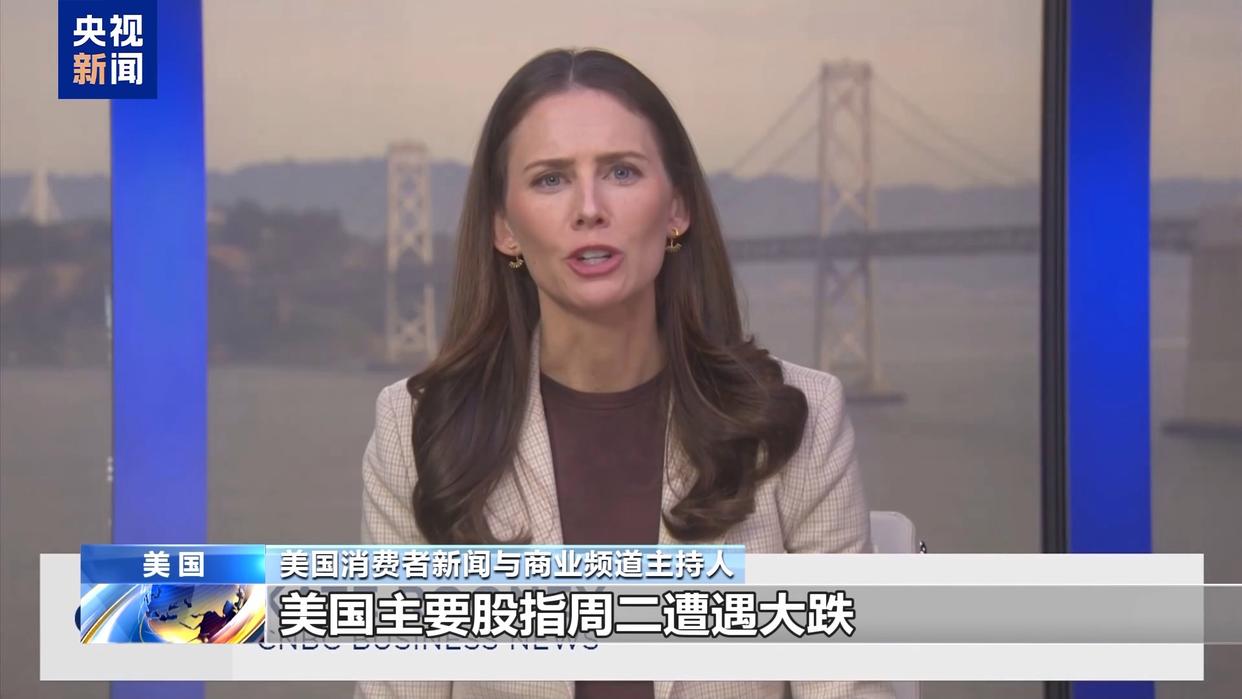
Group 1 - The U.S. President announced tariffs on goods from eight European countries opposing the acquisition of Greenland, which has led to increased market risk aversion and a "sell America" trend in capital markets [1][3] - Major U.S. stock indices, including the Dow Jones, S&P 500, and Nasdaq, experienced declines of approximately 2% on the 20th, reflecting Wall Street's reaction to the tariff threats [3] - As of the market close on the 20th, the Dow Jones Industrial Average, S&P 500, and Nasdaq Composite Index fell by 1.76%, 2.06%, and 2.39% respectively [5] Group 2 - U.S. Treasury yields rose significantly, with the 10-year Treasury yield reaching a peak of 4.316%, the highest level since August 25, 2025, due to concerns over the reliability of U.S. debt [8] - The Danish "academic pension fund" announced plans to sell $100 million worth of U.S. government bonds by the end of the month, indicating potential retaliatory actions from European investors [8] - Concerns over long-term uncertainty and a loss of confidence in U.S. leadership have accelerated the sell-off of dollar assets, with gold prices reaching new highs [10][12]
“黄金的上涨关乎信任” 贵金属进入周期性牛市
Sou Hu Cai Jing· 2026-01-21 16:49
Core Viewpoint - The global economic landscape is facing significant challenges, leading to a strong performance in precious metals like gold and silver, which are seen as safe-haven assets. Analysts predict a potential cyclical bull market for these metals in the near future [1][4]. Precious Metals Performance - On January 21, 2023, spot gold reached a new historical high of $4,862.46 per ounce, with a monthly increase of over 12%. Silver prices hovered near historical peaks, while platinum also hit a new high [1][2]. - Analysts believe that the ongoing geopolitical tensions and concerns over U.S. monetary policy will drive gold prices to potentially reach $5,000 per ounce sooner than expected [2][7]. Market Dynamics - The recent sell-off in Japanese government bonds has raised concerns about the fiscal health of major economies, contributing to a "devaluation trade" where investors seek alternatives to currencies and government bonds [2][5]. - The London Metal Exchange (LME) copper contracts have seen a significant premium, with a recent contract trading at a $100 premium over the next contract, marking the highest level since 2021 [3][4]. Investment Trends - There is a growing belief among market participants that a long-term commodity cycle is beginning, with precious metals expected to continue their upward trajectory. Factors such as increased government spending and geopolitical uncertainties are driving this trend [4][5]. - Investment strategies are shifting as sovereign wealth funds and other investors move away from government bonds to seek alternative assets, with gold being favored for its hedging properties against negative events [6][7]. Future Projections - Metals Focus predicts that gold prices could exceed $5,000 by 2026, driven by de-dollarization and geopolitical risks, alongside continued accommodative monetary policies from central banks [7].
戴康:2026的王者?黄金新高的逻辑与展望
戴康的策略世界· 2026-01-21 14:24
Core Viewpoint - Gold has recently reached new highs, driven by its financial, hedging, and monetary attributes, with expectations for continued strength in 2026 [1]. Financial Attribute - The actual interest rate of 10-year U.S. Treasury bonds is negatively correlated with gold prices, and since the Fed's interest rate cut in September 2025, the market has been trading on expectations of continued liquidity easing [1]. - As of January 21, 2026, the market's expectation for a further 25 basis point rate cut by the Fed has diminished, indicating a potential slowdown in liquidity easing in the short term, but the long-term outlook remains in a liquidity easing channel [1]. Hedging Attribute - Recent geopolitical tensions, such as tariff disputes between the U.S. and Europe over Greenland, have heightened market risk aversion, leading to a narrative of "de-Americanization" and causing a sell-off in U.S. assets [1]. - Concerns about the U.S. economy, including weak employment and high inflation, are increasing uncertainty about short-term stagflation and long-term recession risks, thereby boosting demand for gold as a safe-haven asset [1]. Monetary Attribute - A weak dollar and the trend of de-globalization are undermining the credibility of the dollar, while global central banks continue to increase their gold reserves, with Poland recently announcing a purchase of 150 tons of gold [1]. - The high global fiscal deficit context suggests that the depreciation of currencies relative to gold is unlikely to reverse in the short term, which will support gold's relative price [1]. Long-term Outlook - The new paradigm of gold as a super-sovereign credit asset, akin to a perpetual zero-coupon bond, is expected to form the basis of long-term investment logic, especially as concerns about U.S. debt continue to erode dollar credibility [3]. - The ongoing trend of de-dollarization, combined with geopolitical risks and central bank demand for gold, is likely to support gold prices in the medium to long term [3].

双双创下历史新高!黄金白银牛市还能走多远?
Sou Hu Cai Jing· 2026-01-21 13:49
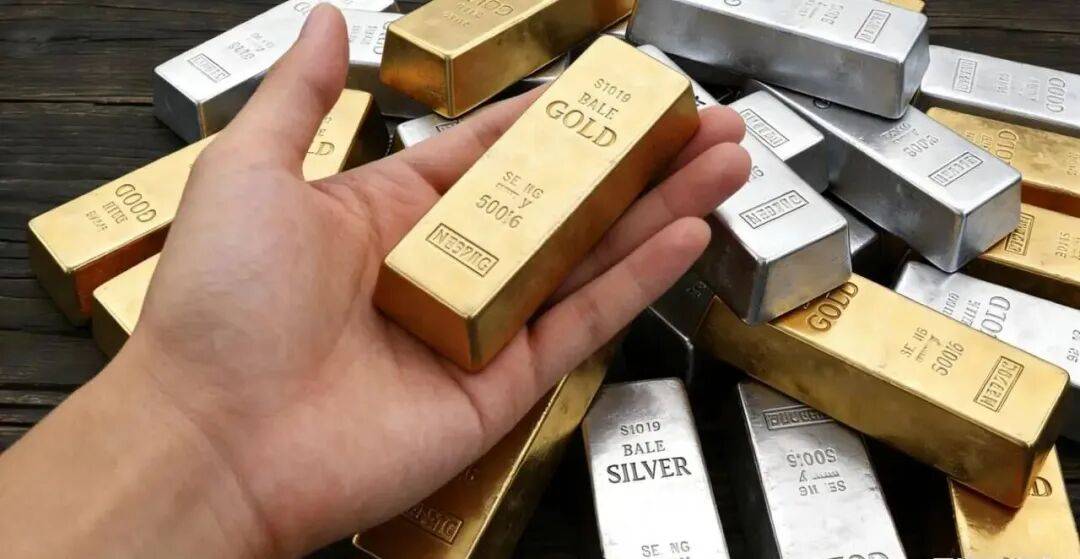
Core Viewpoint - The prices of spot gold and silver have reached historical highs, with gold surpassing $4,800 per ounce and silver exceeding $95 per ounce, driven by macroeconomic uncertainties and geopolitical conflicts [1][3]. Group 1: Price Movements - On January 21, spot gold prices peaked at $4,887 per ounce, while spot silver prices reached approximately $95 per ounce, equivalent to about 23 yuan per gram [1]. - Predictions from various institutions suggest that gold could rise to $4,800 per ounce and silver to $100 per ounce by the end of 2026, with current prices already exceeding these forecasts [1][3]. Group 2: Driving Factors - The surge in precious metal prices is attributed to increased demand for safe-haven assets due to heightened macroeconomic uncertainties and geopolitical tensions [3]. - The onset of a Federal Reserve rate-cutting cycle and a weakening dollar have reduced holding costs for gold and silver, further supporting their prices [3]. - The trend of "de-dollarization" is providing structural support for gold prices, enhancing the current bull market's sustainability [3]. Group 3: Market Reactions - The rising prices of precious metals are expected to create a mild but clear chain reaction in financial markets, potentially leading to short-term capital diversion from high-valuation equity sectors [4]. - The weakening of the dollar's credibility may increase exchange rate volatility, benefiting non-dollar currencies in the short term but adding uncertainty [4]. - Inflation expectations may compel central banks to make more nuanced monetary policy decisions, raising concerns about potential policy shifts [4]. Group 4: Future Outlook - Multiple institutions forecast that gold prices will remain resilient and may increase further, with predictions of over a 10% rise by 2026 [4]. - However, the outlook for silver is more complex, as the physical shortage driving its price increase is expected to resolve, leading to potential sell-offs after reaching $100 [4]. - Recent adjustments by the Shanghai Futures Exchange to increase trading limits and margin requirements for silver futures indicate a focus on risk management for investors [4]. Group 5: Investment Strategies - Ordinary investors are advised to allocate 5%-15% of their portfolios to precious metals as a hedge, with a focus on gold as a core holding and silver for added flexibility [5]. - A dollar-cost averaging strategy through tools like bank gold accumulation and gold ETFs is recommended to manage entry costs, avoiding large purchases at historical highs [5]. - Regular portfolio reviews and disciplined participation are emphasized to navigate market cycles and seize long-term structural opportunities [5].
美债日债抛售潮VS黄金铂金创新高:贵金属进入周期性牛市
Di Yi Cai Jing Zi Xun· 2026-01-21 13:37
Core Viewpoint - The global economic landscape is facing significant challenges, leading to a strong performance in precious metals like gold and silver, which are seen as safe-haven assets. Analysts predict a potential cyclical bull market for these metals in the near future [1][6]. Group 1: Precious Metals Performance - On January 21, spot gold reached a new high of $4862.46 per ounce, with a daily increase of 2.1%, while platinum also hit a record high of $2511.10 per ounce [3][4]. - Silver prices approached their historical peak, trading at $94.48 per ounce, just shy of the $95.87 record set earlier [3]. - Analysts suggest that geopolitical tensions and concerns over U.S. policy are driving the demand for gold, with expectations that prices could reach $5000 per ounce sooner than anticipated [3][10]. Group 2: Market Dynamics and Influences - The recent sell-off in Japanese government bonds has raised concerns about fiscal stability, contributing to a trend of "devaluation trading" where investors seek alternatives to currency and government bonds [4]. - Central banks continue to purchase gold, with Poland's central bank planning to buy up to 150 tons, increasing its reserves to 700 tons, which supports gold prices [5]. - The copper market is also experiencing significant price increases, with LME copper contracts showing a premium of $100, the highest since 2021, indicating strong demand dynamics [5][6]. Group 3: Long-term Commodity Cycle - Market experts believe that a long-term commodity cycle is beginning, with precious metals like gold and silver expected to continue performing well due to structural factors such as increased government spending and geopolitical uncertainties [6][7]. - The demand for industrial metals, particularly copper, is anticipated to rise due to factors like AI-related capital expenditures and overall economic growth expectations [7]. - Investment strategies are shifting towards gold as a defensive asset, with institutions increasingly favoring it over traditional government bonds due to concerns about their performance in negative scenarios [8][10]. Group 4: Silver and Other Precious Metals - Silver is expected to benefit from the same investment logic as gold, although it carries higher volatility and risks [9]. - Other precious metals like palladium are also considered, but they come with specific risks related to their production locations [9].
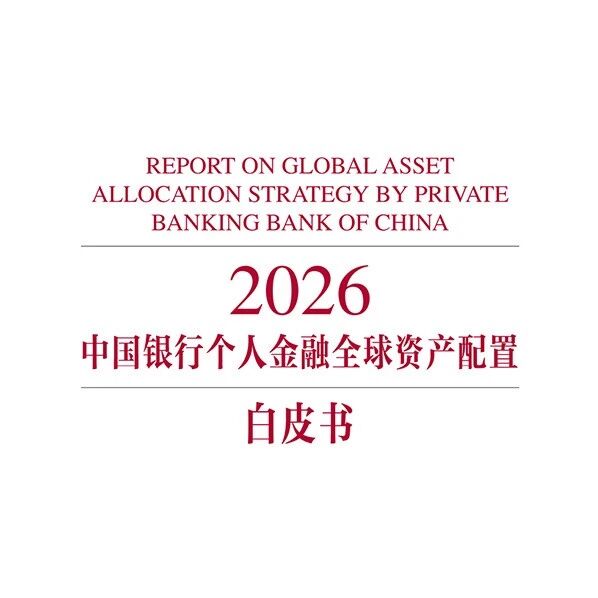
2026年股、汇、债、金如何演绎?中行白皮书给出全景答案
Di Yi Cai Jing Zi Xun· 2026-01-21 13:31
Group 1 - The global financial market in 2025 is characterized by significant changes, with gold emerging as a key asset due to rising geopolitical risks and challenges to the dollar's credit system [1][3] - International gold prices have reached historical highs over fifty times in the year, with London gold experiencing a remarkable annual increase of 64.56%, establishing its status as a core strategic asset [1][3] - The rise of gold is rooted in deep changes in the global economy and monetary order, with U.S. government debt at high levels and the dollar's share in global foreign exchange reserves dropping to a nearly 30-year low [3] Group 2 - The China Banking Corporation has shown exceptional foresight in its assessment of gold trends, consistently advocating for gold as a strategic asset since 2023, leading to cumulative investor returns of nearly 150% by the end of 2025 [4] - The 2025 Personal Financial Global Asset Allocation White Paper accurately predicted trends in the A-share market, RMB exchange rate, and bond market, confirming the bank's professional insights [5] - The report indicated that the A-share market would experience a slow bull pattern, with trading volume exceeding 420 trillion yuan and margin financing balances rising to 2.5 trillion yuan [5] Group 3 - The latest 2026 Personal Financial Global Asset Allocation White Paper provides clear guidance for asset allocation, prioritizing precious metals, non-ferrous metals, equities, and bonds [6] - Gold is expected to maintain its long-term potential for new highs, while the A-share market is anticipated to benefit from global easing and domestic capital inflows [6] - The report forecasts that the RMB exchange rate will continue to exhibit two-way fluctuations, and the yield on 10-year government bonds is expected to stabilize between 1.6% and 1.9% [6] Group 4 - The China Banking Corporation emphasizes a long-term investment philosophy, utilizing professional research and scientific methods to help clients build resilient asset portfolios that can withstand market cycles [7] - The bank aims to guide investors in seizing global asset opportunities through systematic and disciplined asset allocation strategies [7]
明日题材前瞻:黄金挑战美元霸权,中国移动跨界引爆保险暗线
Sou Hu Cai Jing· 2026-01-21 13:27
Group 1 - The proportion of gold in global reserve assets is continuously rising, with central banks showing no signs of slowing down their gold purchases. Morgan Stanley indicates that gold's share in central bank assets has increased from approximately 14% to 25%-28%, and this upward trend shows no signs of abating. Risk premiums and hedging behaviors will continue to exert pressure on the US dollar while supporting gold demand. Additionally, policy factors driving "de-dollarization" are currently in a "neutral to slightly accelerating" state, and the evolution of these policies in the short term will determine the extent of the de-dollarization trend [1] Group 2 - China Mobile has launched insurance products through its subsidiary, signaling a rapid expansion of telecom operators into the financial sector. The products, "Mobile Health Insurance" and "Mobile Home Insurance," are currently being trialed in select regions like Shandong and can be purchased at offline service centers. This move highlights the telecom operator's strategy to leverage its extensive offline channel network and customer resources to penetrate the financial insurance services market [2] Group 3 - The Ministry of Housing and Urban-Rural Development in China is advancing a new model for real estate development, emphasizing the implementation of a current housing sales system. This approach aims to ensure that buyers receive what they see, fundamentally mitigating delivery risks. The ministry will continue to support reasonable financing needs of real estate companies and maintain the rights of homebuyers through regulated pre-sale fund supervision [3] Group 4 - The upcoming Spring Festival travel period is expected to witness unprecedented levels of cross-regional personnel movement, with both railway and civil aviation passenger volumes projected to reach historical highs. The emphasis will be on self-driving travel, prompting local authorities to enhance road management and service guarantees. This indicates a peak demand period for industries related to energy supply, road services, and vehicle maintenance [4]

2026年股、汇、债、金如何演绎?中行白皮书给出全景答案
第一财经· 2026-01-21 13:18
Core Viewpoint - The global financial market in 2025 is characterized by significant changes and restructuring, with gold emerging as a key asset due to rising geopolitical risks and challenges to the US dollar credit system, leading to a historical price surge of 64.56% throughout the year [1][5]. Group 1: Gold's Performance and Market Dynamics - Gold's strong rise is rooted in deep changes in the global economy and monetary order, with US government debt at high levels and the dollar's share in global foreign exchange reserves dropping to a nearly 30-year low [5]. - The trend of "de-dollarization" is accelerating, with central banks globally purchasing 633.6 tons of gold in the first three quarters of 2025, and 95% of them planning to continue increasing their gold reserves in the coming year [5]. - Gold has become a solid "ballast" in turbulent markets, supported by its monetary attributes, safe-haven function, and financial value, reinforcing its status as hard currency during the main upward trend [5]. Group 2: Strategic Insights from Bank of China - Bank of China's "Global Asset Allocation White Paper" has consistently highlighted the diminishing credit of the dollar since 2023, maintaining a bullish outlook on gold for three consecutive years, with cumulative investor returns approaching 150% and an annualized return exceeding 31% by the end of 2025 [7]. - The white paper's predictions for the A-share market, RMB exchange rate, and bond market have been validated throughout the year, indicating a robust market resilience and a stable RMB against the dollar [9]. Group 3: Future Asset Allocation Strategy - The latest white paper for 2026 outlines a clear priority for global asset allocation, emphasizing precious metals, non-ferrous metals, equities, and bonds, with gold expected to maintain its upward potential despite short-term volatility [11]. - A-shares are anticipated to benefit from global easing and domestic capital inflows, while the RMB is expected to exhibit stable, two-way fluctuations [12].