安倍经济学

Search documents
中信期货晨报:国内商品多数下跌,贵金属股指延续升势-20251009
Zhong Xin Qi Huo· 2025-10-09 01:42
1. Report Industry Investment Rating No relevant content provided. 2. Core Views of the Report - **Global Macro Situation**: The US government is in a shutdown, and Japan may have its first female prime - minister. Domestically, the economy continues to stabilize, with the manufacturing PMI rising and the non - manufacturing PMI falling slightly. In October, domestic assets benefit from policy expectations and ample liquidity, while overseas focus is on the Fed's potential October rate cut and the BOJ's inaction. The weak - dollar trend continues but at a slower pace, and US stocks face risks while oscillating upwards. In asset allocation, the order of preference in the fourth quarter is equities > commodities > bonds [8]. - **Market Outlook for Different Sectors**: Most sectors are expected to show a volatile trend in the short - term, including financial, precious metals, shipping, black building materials, non - ferrous metals, energy chemicals, and agriculture sectors [9][11]. 3. Summary by Related Catalogs 3.1 Market Price Movements - **Financial Instruments**: Stock index futures, such as CSI 300, SSE 50, CSI 500, and CSI 1000 futures, have shown varying degrees of daily, weekly, monthly, quarterly, and yearly increases. Treasury futures have generally been weak, with some showing small increases and others decreases [3]. - **Industry Indices**: Industries like construction, steel, and non - ferrous metals have positive price increases, while sectors such as food and beverage, and some technology - related industries have seen declines [4]. - **Overseas Commodities**: Energy commodities like NYMEX WTI crude and ICE Brent crude have declined, while precious metals like COMEX gold and silver have increased. Non - ferrous metals and agricultural products also show different price trends [4]. - **Domestic Commodities**: Precious metals, non - ferrous metals, black building materials, energy chemicals, and agricultural products all have their own price movement characteristics, with some rising and some falling [5]. 3.2 Macro Analysis - **Overseas Macro**: The US government shutdown may negatively impact the US economy. The potential election of Japan's first female prime - minister, who advocates "Abenomics" and has a tough stance on China, may affect Sino - Japanese relations and market risk appetite [8]. - **Domestic Macro**: The domestic economy continues to stabilize, with the manufacturing PMI rising and the non - manufacturing PMI falling slightly. During the holiday, consumption and travel were active, but movie box - office consumption was weak [8]. 3.3 Sector - by - Sector Analysis - **Financial Sector**: The stock market has a volume - shrinking rebound, and the bond market remains weak. Stock index futures are expected to rise in a volatile manner, while stock index options and treasury futures are expected to be volatile [9]. - **Precious Metals Sector**: Driven by dovish expectations, the prices of gold and silver are expected to rise in a volatile manner [9]. - **Shipping Sector**: Attention is paid to the rate of freight price decline. The container shipping to Europe line and steel - related products are expected to be volatile [9]. - **Black Building Materials Sector**: A negative feedback loop is difficult to form, and the sector is expected to remain volatile before the holiday [9]. - **Non - Ferrous Metals and New Materials Sector**: Supply disruptions continue to drive price movements, and most non - ferrous metals are expected to be volatile [9]. - **Energy Chemical Sector**: Crude oil continues to be volatile, and the chemical sector is mainly for hedging and arbitrage, with most products expected to be volatile [11]. - **Agricultural Sector**: Affected by Argentina's tariff policy changes, oilseeds and meals have been hit hard, and most agricultural products are expected to be volatile [11].
“高市早苗交易”席卷全球 市场开始押注日经指数直奔5万点
智通财经网· 2025-10-09 01:28
Core Viewpoint - The financial market is betting on significant fiscal stimulus measures from Japan's new ruling party leader, Sanae Takaichi, which is expected to drive the Nikkei 225 index to historic highs, potentially reaching 50,000 points [1][2][3]. Group 1: Market Reactions - The "Takaichi Trade" has led to a rapid increase in the Japanese stock market, depreciation of the yen, and a resurgence of yen carry trades, reflecting expectations of stronger fiscal stimulus and mild monetary policy [2][3]. - Following Takaichi's election, the Nikkei 225 index surged by 4.8%, with the broader Topix index rising by 3.1% [4]. Group 2: Institutional Predictions - Nomura Securities raised its year-end forecast for the Nikkei 225 from 44,500 to 49,000 points, while Daiwa Securities also increased its forecast to 49,000 points, indicating a high probability of reaching 50,000 points within the year [5][7]. - Other institutions, including Julius Baer and SMBC Nikko Securities, have similarly adjusted their forecasts upward, with Julius Baer predicting a rise to 50,000 points [4][6][7]. Group 3: Economic Implications - Takaichi is expected to continue the "Abenomics" framework, which could create an environment of economic growth outpacing interest rates, benefiting the stock market and attracting foreign investment [6]. - The anticipated policies under Takaichi, including tax cuts and cash subsidies, are likely to favor sectors such as technology, defense, and advanced manufacturing, positioning them as major beneficiaries in the stock market [3][4].
国庆环球市场回顾:地缘政治扰动难阻美欧日股上攻,黄金破4000
Di Yi Cai Jing Zi Xun· 2025-10-08 23:59
Market Performance - The U.S. stock indices experienced multiple milestones during the National Day holiday, with investors downplaying concerns over the government shutdown and focusing on corporate dynamics, particularly in the artificial intelligence sector, which helped the Nasdaq challenge 23,000 points [2] - The S&P 500 companies are expected to see a year-on-year EPS growth of 7.9% for Q3, with a projected growth of 9.3% for the entire year of 2025 [2] - The Nikkei 225 index in Japan briefly surpassed 48,000 points, influenced by the new Liberal Democratic Party president's economic policies, which are reminiscent of "Abenomics" [2] European Market Insights - The UK FTSE 100 index broke through the 9,500-point mark, reaching a historical high, driven by rising metal prices and strong performance in the mining sector [3] - The DAX 30 index in Germany surpassed its July high, although investor sentiment was pressured by weak economic data, with August industrial output dropping 4.3% month-on-month, significantly worse than the 1% expected decline [3] - The French CAC 40 index returned to the 8,000-point level, but market sentiment remained cautious due to escalating political crises, including pressure on President Macron and instability in the parliament [3] Precious Metals and Commodities - International gold futures prices surpassed $4,000 per ounce for the first time, with gold prices up 53% year-to-date, driven by expectations of interest rate cuts and ongoing geopolitical uncertainties [4] - Silver prices reached $48 per ounce, marking a 14-year high, with a year-to-date increase of nearly 70%, supported by strong physical demand from the solar and electronics sectors [5] - Platinum prices exceeded $1,600 per ounce, a 12-year record, due to supply constraints and strong demand from hybrid vehicles [6] Oil Market Dynamics - International oil prices are experiencing fluctuations at four-month lows, with OPEC+ announcing a modest increase in production starting in November, amid concerns of potential oversupply [6] Key Events and Outlook - The U.S. government shutdown has delayed the release of key economic indicators, leading investors to rely on unofficial data to gauge the timing and extent of potential Fed rate cuts [7] - The political turmoil in France and Japan is being closely monitored for its impact on market stability, with significant fluctuations in bond yields and currency values observed in response to political developments [8]
中金 • 全球研究 | 2025年日本自民党总裁选举#6:高市政权下的日本资本市场展望
中金点睛· 2025-10-08 23:59
Core Viewpoint - The election of Sanna Takichi as the new president of the Liberal Democratic Party (LDP) is expected to lead to her becoming the new Prime Minister of Japan, with a strong inclination towards "Abenomics," favoring monetary easing, yen depreciation, and fiscal expansion [3][4]. Election Results - On October 4, the LDP held a presidential election where Takichi emerged victorious after two rounds of voting, contrary to media predictions that favored her opponent, Shinzo Koizumi [4][5]. - In the first round, Takichi received 119 votes from party members, while Koizumi received 84 votes, leading to a second round where Takichi secured 149 votes from national assembly members compared to Koizumi's 145 [15]. Reasons for Takichi's Victory - Takichi's popularity among LDP members was a significant factor, as she garnered substantial support in both the party member and local party branch votes [5]. - Koizumi's lack of clear policy proposals and cautious election strategy contributed to his defeat, as he failed to resonate with the party's broader membership [5]. Economic and Financial Policy Proposals - Takichi is seen as a staunch supporter of Abenomics, advocating for monetary easing and fiscal expansion [3][7]. - Her proposed tax policies include raising the income threshold for tax exemptions, implementing cash subsidies for low-income families, and abolishing temporary gasoline tax rates, reflecting a strategy for cross-party collaboration [8]. - Takichi has expressed a preference for maintaining a loose monetary policy, indicating that the Bank of Japan should decide on specific monetary tools while emphasizing the negative impacts of rapid interest rate hikes on investment and housing [9]. Currency and Fiscal Policy - Takichi appears to favor a weaker yen, arguing that yen depreciation benefits export industries and contributes positively to Japan's economic strength [10]. - She supports fiscal expansion and deficit financing, focusing on strategic investments to stimulate economic growth and increase tax revenues, while maintaining that as long as nominal growth exceeds government bond interest rates, debt-to-GDP ratios can remain stable [11]. Short-term Market Reactions - The unexpected nature of Takichi's election is likely to lead to significant price fluctuations in Japanese assets, with expectations of yen depreciation, rising stock prices, and a steepening yield curve for Japanese bonds [14]. - Historical trends from previous elections suggest that markets may react similarly, with potential increases in the Nikkei index and further depreciation of the yen against the dollar [14].


一文速览十一假期事纪(2025)
Huafu Securities· 2025-10-08 12:37
Domestic Observations - Travel demand during the holiday period is significantly higher than the same period last year, with overall air ticket prices also elevated compared to last year [11][15] - The tourism market is experiencing a "volume and price increase," with customized and self-driving tours focusing on experiential aspects [17][21] - The total box office for the National Day film season has exceeded 1.7 billion yuan, slightly lower than the overall level of the same period last year [21] Overseas Observations - The U.S. government is in a "shutdown" due to the failure to reach an agreement on a temporary funding bill [25] - The U.S. September ADP employment data and ISM data have been released, reinforcing expectations for an interest rate cut in October [26] - Japan is set to welcome its first female Prime Minister, with the election of Sanae Takaichi as the new leader of the ruling Liberal Democratic Party [29] Market Observations - The Nikkei 225 index recorded a 6.70% increase during the holiday, leading global equity markets, while Taiwan and South Korea also saw significant gains of 3.64% [31] - Commodity prices for copper, silver, and gold have risen, with copper prices boosted by the shutdown of the Grasberg mine in Indonesia and strong demand from AI data centers [34] - The Hong Kong stock market showed mixed results, with the Hang Seng Index and Hang Seng China Enterprises Index slightly up by 0.38% and 0.19% respectively [31] Investment Recommendations - The report anticipates a "red October," as historical trends suggest a strong market performance following the National Day holiday [39] - Current recommendations include maintaining positions in sectors such as technology, energy storage, satellite connectivity, and commercial aerospace, while also considering cyclical sectors that may have lower visibility [43] - Attention is drawn to the favorable conditions for non-ferrous metals due to the price increases in copper, silver, and gold during the holiday [43]
日本高市早苗改写历史,日股创纪录新高,股市狂欢背后日元却大跌
Sou Hu Cai Jing· 2025-10-08 09:42
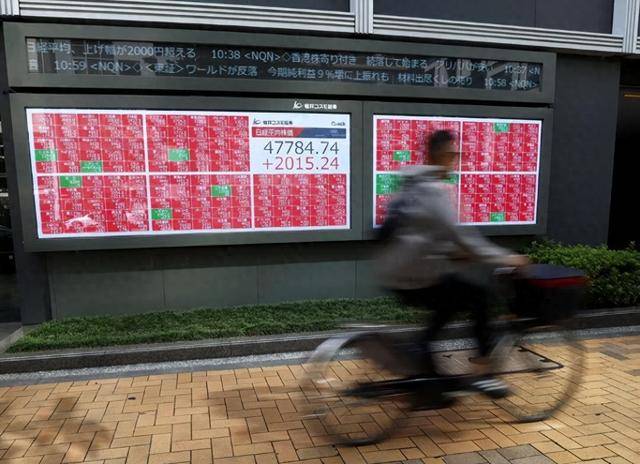
Group 1 - The election of Sanae Takaichi as the first female leader of the Liberal Democratic Party (LDP) in Japan has significant implications for both domestic and international politics [2][28] - Following Takaichi's election, the Japanese stock market experienced a surge, with the Nikkei index rising by 2,175.26 points, or 4.75%, reaching a historical high of 47,944.76 points [4][5] - The broader Topix index also saw an increase of 96.89 points, or 3.10%, closing at 3,226.06 points, marking another record [6] Group 2 - The rise in the stock market is attributed to expectations that Takaichi's government will implement expansionary fiscal policies, viewed as a continuation of "Abenomics" [12][13] - Takaichi's proposed policies include tax cuts, economic stimulus, and government investment aimed at doubling Japan's economic size within ten years, which has encouraged foreign investment in stock index futures [15][21] - Specific companies, such as Fujikura, have seen significant stock price increases, with a rise of over 7% on the day of Takaichi's election and a total increase of over 100% since 2025 [17][18] Group 3 - In contrast to the stock market's performance, the Japanese yen experienced a sharp decline, trading at around 150 to 150.5 yen per dollar, marking a two-month low [8][10] - The depreciation of the yen is linked to anticipated expansionary fiscal policies that may increase inflationary pressures, leading to a sell-off of yen in favor of other currencies [24][26] - Takaichi's conservative political stance and potential military policy changes have raised concerns about Japan's future defense posture and its implications for regional stability [26][28] Group 4 - The leadership changes within the LDP following Takaichi's election, including the appointments of key figures like Taro Aso and Shunichi Suzuki, will influence the government's policy direction [28] - The overall economic and political landscape in Japan is expected to undergo significant changes due to Takaichi's leadership, with potential impacts on economic growth and international relations [28][30]
64岁安倍铁粉上台!日股创新高,日元却暴跌,日本经济要崩盘?
Sou Hu Cai Jing· 2025-10-08 09:42
Core Viewpoint - The Japanese stock market surged following the election of Kishi Mako as the president of the Liberal Democratic Party, driven by expectations of continued fiscal spending and monetary easing under her leadership [1][3][19] Market Reaction - The Nikkei 225 index rose by 4.8% and the Topix index increased by 3.1%, both reaching historical highs [1] - The market's enthusiasm is attributed to the belief that Kishi will maintain expansive fiscal policies, as investors seek returns in the stock market due to limited alternatives [3][19] Currency and Bond Market Impact - The Japanese yen depreciated by 1.5% against the US dollar, nearing the critical psychological level of 150, and hit a historical low against the euro [5] - Predictions from major institutions suggest the yen could further weaken to the 150-160 range [5] - The yield on 30-year Japanese government bonds rose to 3.29%, a record high, while the 40-year bond yield increased by 14 basis points to 3.52% [5] Economic Concerns - The depreciation of the yen poses a dual challenge for Japan, as it increases import costs for a resource-poor nation, leading to higher living expenses for citizens [7][8] - Kishi's economic policies lack clarity, particularly regarding funding for subsidies to combat rising prices [13] Political Landscape - Kishi's election reflects a preference for stability over change, but her political foundation is precarious due to the tarnished reputation of the Abe faction [15][19] - The upcoming challenges include managing inflation while attempting to stimulate the economy, creating a potential policy dilemma [17][19] Market Sustainability - Analysts express skepticism about the sustainability of the stock market rally, suggesting it may be a short-term emotional response rather than a reflection of long-term economic improvement [17] - The core contradiction Kishi faces is the need for fiscal stimulus amidst rising inflation, which could lead to a cycle of economic stagnation [17][19]
国庆假期海外重要事件一览
Donghai Securities· 2025-10-08 08:05
Group 1: Overseas Market Performance - From October 1 to October 7, global stock markets mostly rose, with the Nikkei 225 leading gains at 4.75% due to expectations of monetary and fiscal easing from the new Japanese leadership[8] - Major commodities saw increases, with gold rising 3.09% and copper up 4.17%, while crude oil fell by 1.33% during the holiday period[9] - The U.S. government shutdown did not significantly impact the stock market, but it raised expectations for a potential interest rate cut in October[9] Group 2: Domestic Consumption Performance - During the holiday, a total of 2.068 billion people traveled across regions, a year-on-year increase of 5.19%, with self-driving trips accounting for 79.81% of the total[13] - Daily average box office revenue was 247 million yuan, down 17.99% year-on-year, with average daily moviegoers at 6.718 million, a decrease of 9.72%[20] - New home sales in 30 major cities totaled 391,500 square meters, down 17.54% year-on-year, indicating ongoing pressure in the real estate market[22] Group 3: Economic Data and Events - The manufacturing PMI for September was reported at 49.8%, showing a slight recovery, while the non-manufacturing PMI was at 50.0%[23] - The U.S. government shutdown began on October 1 due to budget disagreements, potentially affecting the Federal Reserve's decision-making process[31] - High-profile political changes in Japan, with the election of Fumio Kishida as the new Liberal Democratic Party president, may influence future monetary policy[33]
“高市版超日元贬值”会出现吗?
日经中文网· 2025-10-08 07:32
Core Viewpoint - The unexpected victory of Takashi Sannae in the Liberal Democratic Party presidential election has led to a trend of yen depreciation in the foreign exchange market, with the yen falling to the 152 yen per dollar range, raising concerns about potential further depreciation [2][6]. Group 1: Market Reactions - Following Takashi's election, several foreign financial institutions retracted their "buy yen" recommendations, citing increased uncertainty regarding the timing of the next Bank of Japan interest rate hike [4]. - Speculative funds that had previously bet on yen appreciation were forced to close some of their long positions, resulting in the yen's decline to the mid-150 yen per dollar range [6]. Group 2: Economic Policy Implications - Takashi is viewed as a successor to the "Abenomics" approach, which combines financial and fiscal policies, leading to expectations of a weaker yen [6]. - Predictions suggest that the yen's depreciation may be limited to around 155 yen per dollar, influenced by fiscal policy scenarios and the relationship between long-term bond yields and the yen exchange rate [8][10]. Group 3: Fiscal Policy and Bond Yields - If Takashi implements her proposed fiscal measures, such as gasoline tax cuts and additional tax rebates, the 30-year bond yield could rise by approximately 0.15%, potentially increasing the term premium and affecting the yen's value [8]. - The term premium has been rising, with a noted correlation between the increase in the term premium and the depreciation of the yen, particularly during the recent upper house elections [7]. Group 4: Future Considerations - The market is closely watching the appointment of the next Japanese finance minister, as changes in government could impact fiscal policy direction and the yen's trajectory [11]. - There is a prevailing sentiment that extreme yen depreciation is unlikely, as Takashi is perceived to distance herself from excessive fiscal expansion, supported by comments from her close associates [10].

刚赢得选举,高市致命弱点曝光,特朗普犯下错误,中方先发制人
Sou Hu Cai Jing· 2025-10-08 07:08
Core Viewpoint - The election of Kishi Sanae has revealed potential weaknesses, with significant market reactions indicating both optimism and concern regarding her economic policies and political challenges [1][3]. Economic Policy - Kishi's economic stance continues the "Abenomics" approach, advocating for monetary easing and increased fiscal spending, but Japan is currently facing around 3% inflation, which poses a risk of further inflation if such policies continue [3][10]. - The Japanese stock market surged 5% to a historical high of 47,000 points following her election, while the yen depreciated sharply, falling below 150 against the dollar, and long-term bond yields reached their highest since 2008, indicating a split sentiment in the markets [1][3]. Political Landscape - Kishi faces political challenges as the ruling Liberal Democratic Party has lost its absolute majority in both houses, making it difficult to push through policies without cooperation from opposition parties [3][10]. - Her strong nationalist stance complicates potential collaborations with centrist parties, as her right-wing positions are largely unacceptable to them [3][5]. Foreign Relations - Kishi's foreign policy is marked by a strong nationalist image, particularly regarding China and Taiwan, which has led to domestic controversy and could strain international relations [5][10]. - Trump's congratulatory message mistakenly referred to Kishi as Japan's first female Prime Minister, highlighting a misunderstanding of Japanese political structure and potentially complicating U.S.-Japan relations [7][9]. - China has proactively responded to Kishi's election with three clear demands regarding historical issues and Taiwan, setting a cautious tone for future Sino-Japanese relations [9][10]. Broader Implications - Kishi's victory does not signify a new beginning but rather the continuation of existing challenges, including economic pressures, political divisions, and diplomatic complexities [10].