
新消费

Search documents
华商基金张明昕:市场波动或加大 AI产业链仍可关注
Sou Hu Cai Jing· 2026-01-15 03:19
Core Viewpoint - The A-share market is expected to maintain an upward trend in 2026, with significant structural opportunities in sectors such as AI, robotics, innovative pharmaceuticals, solid-state batteries, and new consumption [1][4]. Market Performance - The A-share market has shown strong performance at the beginning of 2026, with the Shanghai Composite Index rising above 4100 points and trading volume exceeding 3 trillion yuan for four consecutive trading days [1][4]. - Despite some adjustments in the market, the overall bullish sentiment remains, supported by a relatively loose liquidity environment and strong expectations for market performance [4]. Investment Strategy - The investment strategy for 2026 will focus on systematic tracking and assessment of industry trends, identifying sectors with upward momentum and explosive potential [4][5]. - Investors are encouraged to maintain a broad perspective and avoid being fixated on specific sectors, emphasizing the importance of evaluating future industry trends and making decisions based on comparative analysis [4][5]. Sector Focus - Key sectors to watch include: - **AI Industry**: The AI sector is expected to continue its growth, with applications in AI software and healthcare showing significant gains [5]. - **Robotics**: The robotics sector is in the early investment stage, with a focus on the mass production capabilities of Tesla's robotics supply chain [5]. - **Innovative Pharmaceuticals**: This sector is anticipated to benefit from supportive policies, with potential for significant market growth and profitability [5]. - **Solid-State Batteries**: Positioned on the brink of commercialization, breakthroughs in this technology could present ongoing investment opportunities [5]. - **New Consumption**: Expected to gain traction as the macroeconomic environment stabilizes, this sector is also a key area of focus [5]. Economic Context - The macroeconomic environment in 2026 is characterized by supportive policies and a focus on high-quality development, which is crucial for the healthy growth of the capital market [4][6]. - The ongoing transformation of external pressures into opportunities for comprehensive reform is seen as a driving force for the capital market's development [4][6].


又见“爆款”,私募市场“开门红”来了?
Zhong Guo Ji Jin Bao· 2026-01-15 01:48
Group 1 - The private equity market in China is experiencing a "good start" in 2026, with significant interest in quality subjective strategies and continued popularity of quantitative strategies [1][3] - Shanghai Fusheng Asset's actively managed stock private equity product raised 1 billion yuan in a single day, becoming the first "daylight" private equity hit of the year, reportedly selling out in seconds [1][3] - There is a structural characteristic in the current market recovery, with long-term performance-validated quality subjective managers regaining attention while quantitative strategies remain mainstream [3][4] Group 2 - The private equity issuance market has shown a "structured good start" trend, primarily driven by quantitative blue-chip institutions and some outstanding subjective private equity products [3][4] - As of January 9, 2026, 238 private equity securities products have been registered this year, with quantitative products accounting for 47.48% [4] - The sales pace of private equity products has accelerated compared to last year, driven by market policies and increased capital activity, leading to a higher demand for allocations [6][7] Group 3 - Existing clients remain the main source of funding, with new client entry being relatively slow but showing a growth trend [9] - High-net-worth individual clients, especially ultra-high-net-worth clients, are significantly increasing their allocation intentions [9] - Investment strategies are focusing on high-growth sectors, with companies like Shen Nong Investment and Tong Ben Investment targeting AI applications and new consumption as key areas for 2026 [11][12]
又见“爆款”,私募市场“开门红”来了?
中国基金报· 2026-01-15 01:28
Core Viewpoint - The private equity market in China is experiencing a "good start" in 2026, with a notable increase in demand for quality subjective strategies and sustained interest in quantitative strategies [1][3]. Group 1: Market Trends - The Shanghai Composite Index has surpassed 4100 points, leading to a surge in private equity fundraising, exemplified by Shanghai Fusheng Asset's 10 billion yuan product that sold out in seconds [1]. - The current private equity issuance and sales show a "structured good start," with quantitative strategies maintaining high popularity and some outstanding subjective strategy products also experiencing "instant sell-out" phenomena [1][3]. - Compared to last year, the pace of private equity sales has accelerated, with investors showing increased demand for equity assets and quicker decision-making [1][7]. Group 2: Investor Behavior - Existing clients remain the primary source of funding, with new client entry being relatively slow but showing a growth trend [8][9]. - High-net-worth individuals continue to dominate subscription activities, with a notable increase in the willingness of ultra-high-net-worth clients to increase their allocations [8][9]. Group 3: Strategy Focus - Institutions are focusing on high-growth sectors, with a dual investment strategy that includes waiting for results in the innovative drug sector and embracing explosive growth opportunities in AI applications [11]. - The innovative drug sector is expected to capture 20% to 30% of the global market share in the next decade, indicating a significant growth potential [11]. - New consumption and the AI industry chain are identified as key focus areas for investment, driven by long-term growth logic and short-term performance support [12].

金星啤酒闯关港股,中式精酿黑马面临估值之问
2 1 Shi Ji Jing Ji Bao Dao· 2026-01-14 09:29
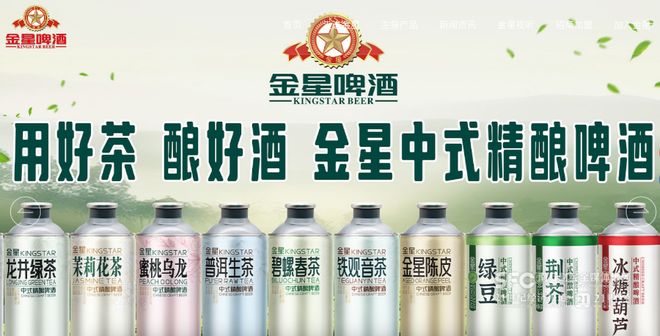
Core Viewpoint - Henan Jinxing Beer Co., Ltd. has submitted its listing application to the Hong Kong Stock Exchange, marking its official entry into the public market, with a focus on its innovative "Chinese craft beer" products that have driven significant revenue growth [1][2]. Company Overview - Founded in 1982, Jinxing Beer has evolved from a regional brand to the eighth largest beer company in China, and the fifth largest domestic beer producer [1][2]. - The company has experienced a transformation in the past two years, particularly with the launch of its innovative products like "Jinxiang Maojian," which has contributed to its rapid growth [5][7]. Financial Performance - Jinxing Beer reported revenues of 356.4 million yuan in 2023, projected to reach 730.2 million yuan in 2024, and 1.109 billion yuan for the first nine months of 2025, with net profits increasing from 12.2 million yuan in 2023 to 305.3 million yuan in 2025 [2][7]. - The revenue contribution from "Chinese craft beer" has surged to 78.1% by the first three quarters of 2025, compared to 0% in 2023 [7][10]. Market Position - Despite its growth, Jinxing Beer still lags behind major competitors, with the sixth largest competitor, Zhujiang Beer, generating over 5 billion yuan in revenue, significantly more than Jinxing Beer [8][9]. - The company aims to maintain a growth rate above the industry average to close the gap with leading brands [8]. Product Innovation - Jinxing Beer has successfully created a new category of "Chinese craft beer," with over 50 SKUs, including unique flavors like ice sugar hawthorn and sugar orange [5][10]. - The pricing strategy for "Chinese craft beer" is significantly higher, with products priced around 20 yuan per can, compared to traditional products priced between 3 to 6 yuan [10][11]. Market Sentiment and Valuation - The capital market's interest in alcoholic beverage stocks is currently low, which may affect Jinxing Beer's valuation despite its growth potential [15][16]. - Comparatively, Jinxing Beer is expected to achieve a higher valuation than its peers in the Hong Kong market due to its growth trajectory and innovative product offerings [14]. Distribution and Sales Channels - Jinxing Beer relies heavily on traditional distribution channels, with over 90% of its revenue coming from offline sales, indicating a need for further development in e-commerce and direct sales [17]. - The company has expanded its distribution network to 29 provinces, but still faces competition from established brands in the market [18]. Ownership Structure - The largest shareholder of Jinxing Beer is Jinxing Holding Group, which holds 74.56% of the company, with key figures Zhang Tieshan and Zhang Feng holding significant stakes [19].
2026年度策略报告:趋势延续-20260114
Bank of China Securities· 2026-01-14 06:49
Group 1 - The economic and financial cycles are currently in a phase of upward resonance, with the second inventory cycle entering a proactive replenishment stage, likely transitioning to a destocking phase in major economies by 2026 [11] - The recommended asset allocation for 2026 is A-shares > Chinese bonds, US bonds > US stocks, as the stabilization of overall A-share corporate earnings supports further recovery [11] - The cumulative profit growth for all A non-financial companies in 2025 is expected to be in the range of 2.4%-5.5%, indicating a continued trend of profit recovery that will underpin the upward movement of the equity market [15][16] Group 2 - The current A-share environment is compared to the 2013-2014 period, highlighting similarities in macroeconomic conditions and structural trends, with a focus on technology and consumption sectors [27] - The technology sector is expected to continue contributing significant profit increments, particularly in the AI industry chain, which remains robust in demand [45] - The report suggests focusing on sectors such as electronics, media, innovative pharmaceuticals, non-ferrous metals, and new energy, which are expected to outperform in 2026 due to various driving factors [48]
许正宇:将发布加强黄金中央清算系统建设最新计划
智通财经网· 2026-01-14 06:00
第二日的全球产业峰会标志着论坛内容的重要升级。峰会集中探讨高增长潜力产业,包括人工智能与科 技、生物医药、机器人、新消费及绿色能源等范畴,透过主题演讲、专题讨论及项目配对,推动内地企 业"走出去"与国际企业"引进来"。香港作为双向平台,将助力企业在全球价值链中寻求新机遇,推动产 业升级与创新发展。这与"十五五"规划所强调的创新驱动与更高水平对外开放一脉相承,旨在促进科技 自立自强与可持续增长。 智通财经APP获悉,1月14日,香港财经事务及库务局长许正宇在网志上指出,香港将于1月26日至27日 举办第19届亚洲金融论坛(AFF),并首次新增"全球产业峰会"环节。预期该论坛将吸引超过3,600名来自 60个国家及地区的参与者,其中逾八成为企业首席执行官或高层决策者。论坛内容涵盖全球经济展望、 资产与财富管理、绿色金融、可持续转型等热点议题,并重点探讨金融如何更有效服务实体经济。 论坛首日将举行开幕仪式,聚焦宏观经济形势及多边合作,并设有与黄金市场发展相关的合作备忘录签 署仪式。这是推进香港黄金市场发展的重要一步,届时将发布加强黄金中央清算系统建设的最新计划, 为未来与内地市场互联互通做好准备。此举既呼应建设金融 ...
港股通50ETF(159712)盘中涨超1.2%,市场关注流动性及结构分化影响
Sou Hu Cai Jing· 2026-01-14 05:55
Group 1 - The core viewpoint is that Hong Kong stocks are expected to benefit from three driving forces by 2026: international capital, Chinese capital, and the Chinese economy [1] - International capital inflow into Hong Kong stocks will be driven by a weakening US dollar index [1] - The appreciation of the RMB is anticipated to attract Chinese capital that is currently overseas, allowing investors to avoid currency exchange costs and enjoy appreciation benefits [1] Group 2 - The recovery of inflation and potential debt restructuring policies in China are expected to improve the economic fundamentals, leading to a weak recovery in corporate profits [1] - The Hang Seng Technology Index is projected to experience a "Davis Triple Play," indicating favorable odds and a high long-term success rate in AI application sectors [1] - The dividend advantage of Hong Kong stocks, due to tax exemptions for insurance capital, is expected to continue outperforming A-share dividends [1] Group 3 - The innovative pharmaceutical sector and the convergence of price differences between China and the US are expected to create growth opportunities [1] - New consumption trends are likely to evolve from thematic trading to a mainline market, replicating the bull market of core assets [1] - The Hong Kong Stock Connect 50 ETF (159712) tracks the Hong Kong Stock Connect 50 Index (930931), which selects the 50 largest listed companies by market capitalization, covering sectors such as finance, discretionary consumption, and information technology [1]
商社美护行业周报:离岛免税迎“开门红”,爱美客注射用A型肉毒毒素获批-20260114
Guoyuan Securities· 2026-01-14 05:15
Investment Rating - The industry maintains a "Recommended" rating, with a focus on service consumption, beauty care, IP derivatives, and new consumption sectors such as gold and jewelry [5][28]. Core Insights - The report highlights a significant increase in the retail sales of cosmetics in China, reaching 822.53 billion yuan in 2025, representing a year-on-year growth of 6.18%. Online retail sales grew by 9.36%, accounting for 56.06% of total sales, while offline sales increased by 2.38% [3][25]. - The report notes that during the New Year's holiday, domestic travel reached 142 million trips, with total spending of 84.79 billion yuan, indicating strong consumer demand in the travel sector [4][26]. - The duty-free shopping market in Hainan saw a remarkable start to the year, with total sales amounting to 1.21 billion yuan from January 1 to 7, marking year-on-year increases of 88%, 30.3%, and 38.3% in sales amount, number of items, and number of visitors, respectively [27]. Summary by Sections Market Performance - From January 5 to January 9, 2026, the commerce retail, social services, and beauty care sectors increased by 4.23%, 4.71%, and 2.55%, respectively, ranking 15th, 14th, and 22nd among 31 primary industries. The Shanghai Composite Index rose by 3.82%, and the Shenzhen Component Index increased by 4.40% [15][18]. Key Industry Data and News - The Consumer Price Index (CPI) in December 2025 rose by 0.8% year-on-year, with core CPI (excluding food and energy) increasing by 1.2%. The overall CPI for 2025 remained flat compared to the previous year [3][25]. - The report discusses various developments in the beauty care sector, including the approval of a new botulinum toxin product by Ai Meike and the successful quality inspection of a long-acting botulinum toxin product by Furu Medical Technology [3][25][26]. Investment Recommendations - The report emphasizes a focus on service consumption and highlights specific companies for investment, including Ruoyu Chen, Maogeping, Shangmei Co., Pop Mart, Chaohongji, and Laopu Gold [5][28].

和府捞面争议:“慢熬”神话撞上“快拆”现实
Xin Lang Cai Jing· 2026-01-14 03:58
Core Viewpoint - The controversy surrounding HeFu Noodle reflects a broader issue in the restaurant industry, where the gap between marketed experiences and actual practices leads to consumer distrust, particularly in the context of rising consumer rationality and capital retreat [5][12][24]. Group 1: Consumer Perception and Brand Trust - Consumers are not opposed to central kitchens or pre-prepared foods; rather, they resist brands that exploit information asymmetry to sell a false sense of "craftsmanship" at high prices [3][5]. - HeFu Noodle's marketing promises of "slow simmering" and "freshly stir-fried" are contradicted by the reality of using pre-packaged ingredients, leading to feelings of betrayal among consumers [8][10]. - The brand's struggle highlights a significant disconnect between the high-end experience it aims to provide and the industrialized, standardized reality of its operations [11][12]. Group 2: Business Model Challenges - HeFu Noodle's business model faces an inherent contradiction: it relies on standardized central kitchens for rapid expansion while simultaneously promoting a high-end, artisanal image [12][35]. - The brand's positioning as a premium offering requires higher investment in quality ingredients and customer experience, which conflicts with the need for cost control and efficiency [18][40]. - The reliance on capital for growth has exposed vulnerabilities, as the narrative of premium dining falters when consumer expectations shift towards value and authenticity [20][21]. Group 3: Market Response and Strategic Adjustments - In response to the backlash, HeFu Noodle has attempted to lower prices by 30% and introduce lower-cost product lines, signaling a shift towards a more mass-market approach [22][45]. - The introduction of sub-brands focused on fresh preparation aims to restore the brand's image of craftsmanship and authenticity [22][45]. - The brand's future may depend on prioritizing genuine customer experiences over rapid expansion, potentially requiring a reevaluation of its operational strategies [46]. Group 4: Industry Implications - The HeFu Noodle controversy serves as a warning to all restaurant brands, particularly those that have previously relied on capital-driven narratives, emphasizing the need for transparency and authenticity in consumer communications [24][39]. - As consumer preferences evolve towards valuing real product quality over marketing stories, the industry must adapt to meet these changing expectations [24][46].
港股午评:恒指涨1.01%、科指涨0.38%,科网股多数走高,商业航空概念股回调,有色金属股普涨,招金矿业等多股创新高
Jin Rong Jie· 2026-01-13 04:21
Market Overview - The Hong Kong stock market opened high on January 13, with the Hang Seng Index rising by 1.01% to 26,877.42 points, the Hang Seng Tech Index up by 0.38% to 5,885.42 points, the National Enterprises Index increasing by 0.8% to 9,293.55 points, and the Red Chip Index up by 0.96% to 4,153.53 points [1] - Major technology stocks mostly rose, with Alibaba increasing by 3.5%, Tencent Holdings up by 0.48%, and JD Group rising by 1.11%. However, Xiaomi fell by 0.67%, Meituan dropped by 0.86%, and Kuaishou decreased by 1.93% [1] Company News - WuXi AppTec (02359.HK) forecasted a net profit of 19.151 billion yuan for the fiscal year 2025, representing a year-on-year increase of approximately 103%, which includes gains from the sale of partial equity in joint ventures and the divestiture of certain businesses [2] - Dongfeng Group (00489.HK) reported cumulative automobile sales of 1.8962 million units for 2025, reflecting a year-on-year growth of approximately 0.01% [3] - Q Technology (01478.HK) announced that it sold 45.938 million camera modules in 2025, a year-on-year increase of 43.6%, while fingerprint recognition module sales decreased by 12% to 17.947 million units [3] - Yue Yuen Industrial Holdings (00551.HK) reported a cumulative operating income of 8.031 billion USD for 2025, a decrease of 1.85% year-on-year [4] - Baoshan International (03813.HK) reported a cumulative operating income of 17.132 billion yuan for 2025, down by 7.2% year-on-year [5] - Jiangshan Holdings (00295.HK) indicated that its total solar power generation for 2025 is approximately 300,700 MWh, a decrease of 6.14% year-on-year [6] - Yida China (03639.HK) projected a contract sales amount of approximately 763 million yuan for 2025, a decline of 19.43% year-on-year [7] - China Lilang (01234) reported a high single-digit growth in retail sales for its "LILANZ" products in the fourth quarter [8] Clinical Trials and Innovations - Clover Biopharmaceuticals (02197.HK) has initiated Phase II clinical trials for its RSV-hMPV-PIV3 respiratory combined vaccine candidate [9] - Yiming Anke (01541.HK) received approval from the National Medical Products Administration for clinical trials of MM01 (Tideglusib) for atherosclerosis treatment [10] - Xianjian Technology (01302.HK) has entered the special review process for its Concave Supra integrated three-branch reconstruction system [11] Corporate Actions - Haitong Securities (01905.HK) plans to issue company bonds not exceeding 1 billion yuan [13] - China Heartland Fertilizer (01866.HK) has approved a new plan to repurchase up to 10% of its issued shares from the open market, not exceeding 200 million yuan in value [13] - Tencent Holdings (00700.HK) repurchased 1.024 million shares for approximately 636 million HKD at prices ranging from 614 to 627 HKD [14] - Geely Automobile (00175.HK) repurchased 9.007 million shares for approximately 151 million HKD at prices between 16.63 and 17.15 HKD [15] - Jun Da Holdings (02865.HK) announced that its controlling shareholder plans to reduce its stake by up to approximately 8.7254 million shares [16] Analyst Insights - CITIC Securities released a 2026 investment outlook, suggesting that the Hong Kong stock market may experience a second round of valuation recovery and performance revival, driven by internal and external economic factors [17] - Huaxi Securities noted that the Hong Kong market continues to lag behind the A-share market, with a need for time to restore market sentiment [18] - Guoyuan International indicated that the Hong Kong market is currently in a relatively quiet period, awaiting further catalysts for market movement [18] - Industrial Securities recommended focusing on leading internet companies in the AI sector, as well as dividend assets in low-interest-rate environments, and new consumption trends [19]
