
量化宽松

Search documents
贝森特,比下一任美联储主席更重要的男人!
Jin Shi Shu Ju· 2025-12-25 08:38
Core Viewpoint - The article discusses the critical moment for U.S. Treasury Secretary Scott Bessent as he oversees the selection process for the next Federal Reserve Chair, which could lead to significant changes in monetary policy and potential interest rate cuts under President Trump's administration [1][6]. Group 1: Selection Process and Candidates - Bessent has organized a candidate selection process aimed at finding individuals who support interest rate cuts and are willing to collaborate with the White House on monetary policy [2][3]. - The main candidates for the Fed Chair position are referred to as "the two Kevins": Kevin Hassett, a long-time economic advisor to Trump, and Kevin Warsh, a former Fed governor [3][4]. - Other candidates, including Christopher Waller and Rick Rieder, are considered less likely to be chosen due to weaker personal ties with Trump [3][4]. Group 2: Potential Risks and Relationships - Bessent's close relationship with Trump may reduce the likelihood of a complete fallout, despite the risks associated with the power transition at the Fed [5][6]. - If Warsh were to defy Trump on interest rates or other policies, Bessent could face consequences similar to those experienced by former Treasury Secretary Steven Mnuchin [5][6]. Group 3: Vision for the Federal Reserve - Bessent aims to reform the relationship between the Treasury and the Fed, advocating for a return to a more traditional role for the Fed while allowing the Treasury greater influence over monetary policy decisions [6][7]. - Both Hassett and Warsh support Bessent's vision, with Warsh explicitly calling for a new Treasury-Fed Accord to redefine the relationship [6][7]. - Bessent criticizes the Fed's spending and suggests that a reduction in its budget could be on the horizon, emphasizing a need for the Fed to return to its traditional role [7][8]. Group 4: Economic Implications - Bessent believes that the Fed's policies, particularly quantitative easing, have contributed to economic inequality, creating a divide between asset holders and non-holders [7][8]. - The potential changes in the Fed's approach could have unclear implications for asset markets, as Bessent argues for limiting policies that have inflated stock prices post-financial crisis [7][8].
联储扩表的流动性影响
2025-12-25 02:43
Summary of Key Points from the Conference Call Industry and Company Overview - The discussion revolves around the impact of the Federal Reserve's balance sheet expansion on market liquidity, particularly focusing on the U.S. Treasury market and risk assets such as commodities and U.S. equities. Core Insights and Arguments - **Liquidity Improvement**: The Federal Reserve's balance sheet expansion is expected to enhance overall market liquidity, benefiting various asset classes, especially U.S. Treasuries. The monthly purchase plan of $40 billion in short-term Treasury bills aims to alleviate potential supply pressures in 2026 [1][2]. - **Supply Pressure on U.S. Treasuries**: By 2026, supply pressure in the U.S. Treasury market is anticipated to significantly decrease, positively impacting Treasury yields. The Fed's intervention is expected to support both short and long-term Treasury securities [1][3]. - **Risk Asset Valuation Support**: The expansion may provide substantial support for the valuation of risk assets, although the extent of this support requires further evaluation based on the pace of expansion and the relationship with the U.S. monetary base gap [1][5]. - **Long-term Treasury Market Dynamics**: The collaboration between the U.S. Treasury and the Federal Reserve is expected to optimize the supply-demand dynamics in the long-term Treasury market. Adjustments in Treasury issuance will lead to a notable decrease in net supply pressure by 2026 [1][6]. - **Market Sentiment and Economic Indicators**: Improved liquidity is likely to enhance market sentiment, potentially driving up valuations for commodities and U.S. equities. The overall economic performance and monetary policy will play crucial roles in determining the effectiveness of these measures [1][9]. Additional Important Content - **Projected Monetary Base Gap**: The estimated monetary base gap for 2026 is approximately $300 billion, considering the required reserves for maintaining commercial banks' cash asset ratios and normal operational activities [1][10]. - **Dollar Performance Outlook**: The dollar is expected to remain weak in 2026 due to the Fed's expansion, interest rate cuts, and a sluggish U.S. economy. However, it is unlikely to experience significant fluctuations due to similar challenges faced by Europe and Japan [1][11][12]. - **Impact of Fed's Actions on Market Dynamics**: The Fed's balance sheet expansion, while not traditional quantitative easing, is expected to have similar effects by improving liquidity and supporting asset prices amidst tightening global central bank policies [2][5].
国际金融市场早知道:12月25日
Sou Hu Cai Jing· 2025-12-24 23:38
Group 1 - The U.S. Treasury Secretary confirmed that the government is actively interviewing candidates for the next Federal Reserve Chair, emphasizing the need to reduce the Fed's functions and end the era of "permanent quantitative easing" to reshape the monetary policy framework [1] - Japan plans to significantly reduce the issuance of ultra-long-term government bonds, with monthly issuance of 20, 30, and 40-year bonds each cut by 1 trillion yen, leading to an expected total issuance of approximately 17 trillion yen for the next fiscal year, the lowest level since 2017 [1] - The average interest rate for 30-year fixed-rate mortgages in the U.S. has dropped to 6.18%, marking a decline for the second consecutive week, although homebuyer response remains sluggish despite lower financing costs [1] Group 2 - As of the week ending December 19, the number of initial jobless claims in the U.S. was 214,000, significantly below the expected 224,000, indicating resilience in the labor market [2] - Russia's industrial output fell by 0.7% year-on-year in November, reversing a previous trend of growth, highlighting weakened economic momentum potentially due to external pressures and structural factors [2] Group 3 - The Dow Jones Industrial Average rose by 0.6% to 48,731.16 points, the S&P 500 increased by 0.32% to 6,932.05 points, and the Nasdaq Composite gained 0.22% to 23,613.31 points [3] Group 4 - COMEX gold futures decreased by 0.01% to $4,505.4 per ounce, while COMEX silver futures increased by 1.04% to $71.875 per ounce [4] - The main contract for U.S. oil rose by 0.03% to $58.4 per barrel, while Brent oil fell by 0.05% to $61.84 per barrel [4] - The yield on 2-year U.S. Treasury bonds fell by 2.45 basis points to 3.506%, and the yield on 30-year bonds decreased by 2.94 basis points to 4.795% [4] - The U.S. dollar index increased by 0.06% to 97.95, with the euro and pound both declining against the dollar [4]
国际现货黄金年内涨超70%
Sou Hu Cai Jing· 2025-12-24 16:57
Group 1 - The core viewpoint of the articles is that gold prices have surged significantly, reaching historical highs, with predictions for further increases in the coming years [2][3][10] - As of December 24, spot gold prices exceeded $4500 per ounce, marking a year-to-date increase of over $1870, with 50 instances of new historical highs in 2023 [2][3] - Morgan Stanley and JPMorgan have optimistic forecasts for gold prices, predicting $4800 and $5055 per ounce by the end of 2026, respectively, driven by strong demand and macroeconomic factors [10][9] Group 2 - The rise in gold prices has led to an increase in domestic gold jewelry prices, with brands like Chow Tai Fook and Lao Piao Gold raising prices multiple times throughout the year [4][3] - The international gold market has seen a 70% increase in prices this year, with COMEX gold reaching $4524.9 per ounce by December 23 [3][4] - Factors contributing to the gold price surge include a high U.S. unemployment rate, lower-than-expected core CPI data, and a weakening dollar, which have bolstered market expectations for looser monetary policy [5][6] Group 3 - The precious metals market is experiencing a strong upward trend, with silver and copper prices also reaching historical highs, and palladium and platinum futures showing significant gains [6][7] - The supply shortage due to global mine shutdowns and the potential impact of U.S. tariffs are driving prices higher in the metals market [8] - Analysts predict that the favorable macroeconomic environment and supply constraints will continue to support the upward trend in precious metals, including silver and platinum [8][6] Group 4 - There are concerns regarding central banks selling gold reserves, with Russia and Uzbekistan reported to have sold significant amounts of gold recently, which could impact long-term gold prices [11][12] - The historical context of central bank gold sales suggests that such actions can lead to prolonged bear markets for gold, highlighting the importance of monitoring central bank activities [11][12] - The geopolitical landscape, including U.S.-China trade tensions and the ongoing Russia-Ukraine conflict, has been a significant driver of gold's price increase this year [13][12]


特朗普要的是“降息傀儡”,抵制哈塞特也改变不了结果?
Jin Shi Shu Ju· 2025-12-24 14:44
AI播客:换个方式听新闻 下载mp3 音频由扣子空间生成 美国总统特朗普已将美联储主席候选人范围缩小至四人,华尔街共识认为,白宫顾问凯文·哈塞特 (Kevin Hassett)将获得这一职位。 但至于谁"应该"获得这一职位,华尔街许多人表示:绝非哈塞特。 为何会存在这种分歧?让哈塞特成为热门人选的原因,恰恰是批评者担忧的焦点——与特朗普关系如此 密切的人,无法成为一名独立的美联储主席。 然而,此次美联储领导层更迭颇具特殊性:总统希望任命一位不符合传统"独立"概念的美联储主席。他 希望有人支持其整体经济议程,这意味着要大幅降息。 特朗普在周二的社交媒体帖子中明确表达了这一点。他赞扬了强劲的三季度经济增长报告,随后哀叹 道,市场往往会在利好消息发布时抛售,因为预期美联储会为避免通胀而加息。 事实上,周二市场并未下跌。美联储也从未因利好消息而加息。过去两年,美国经济增长稳健,股市屡 创纪录,而美联储始终在降息。这是因为美联储认为,与失业问题相比,通胀问题不那么值得担忧。 但对特朗普来说,这还不够。"我希望我(任命)的新任美联储主席在市场表现良好时降息,而不是毫 无理由地摧毁市场。我想要一个几十年来从未有过的强劲市场 ...
贝森特暗示美联储未来方向:通胀“区间制”,取消“点阵图”,支持财政部,回归“幕后”
美股IPO· 2025-12-24 04:13
Core Viewpoint - The U.S. Treasury Secretary, Bessent, supports a reevaluation of the Federal Reserve's inflation target once inflation stabilizes at 2%, suggesting a shift to a range-based target [1][4] Group 1: Proposed Changes to Federal Reserve Policy - Bessent criticizes the current fixed inflation target and advocates for a more flexible range, such as 1.5%-2.5% or 1%-3%, arguing that economic systems are complex and nonlinear [1][4] - He suggests the potential elimination of the "dot plot" tool used for guiding market expectations on interest rates, aiming to reduce market dependency on short-term predictions [3][4] - Bessent indicates that the new Federal Reserve chair may favor a reduction in the Fed's role, moving away from being the central focus of economic policy [3][4][6] Group 2: Critique of Quantitative Easing - Bessent labels quantitative easing as an "engine of inequality," asserting that it has artificially inflated asset prices and widened the wealth gap between asset holders and wage earners [5][6] - He argues that large-scale asset purchases should be limited to emergency situations, contrasting current practices with historical norms where central banks would remit profits to the Treasury [5][6] Group 3: Coordination Between Fiscal and Monetary Policy - Bessent emphasizes the need for closer collaboration between the Federal Reserve and the Treasury, suggesting that if the Treasury demonstrates commitment to controlling deficits, the Fed should lower interest rates to support fiscal tightening [7] - He envisions a future economic landscape where Wall Street and Main Street are integrated, proposing initiatives like providing investment funds for newborns to enhance financial literacy [7]
期货日报:黄金、白银价格持续攀升并刷新历史纪录,后市怎么走?
Qi Huo Ri Bao· 2025-12-24 02:01
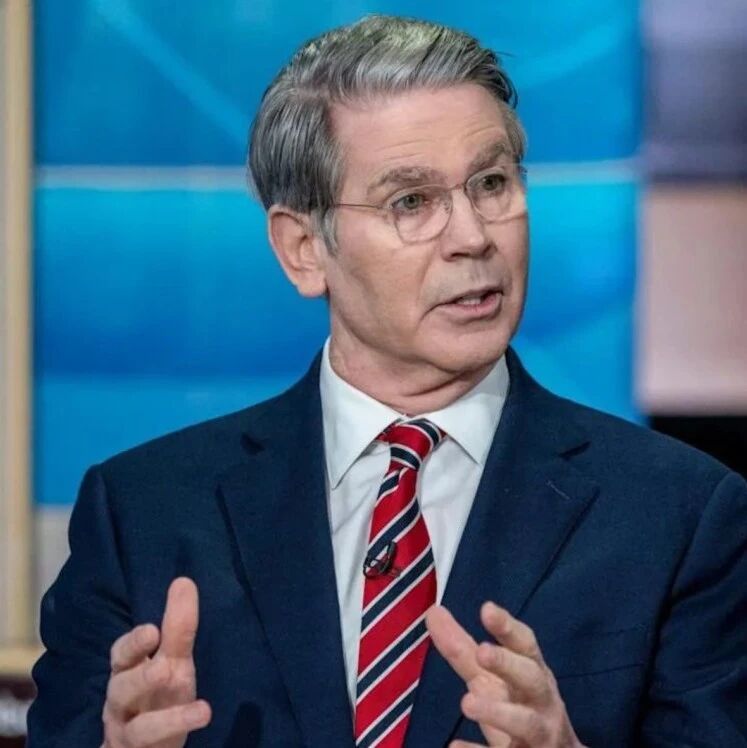
Core Viewpoint - The recent surge in precious metals prices, including gold and silver, is primarily driven by a loose monetary environment and liquidity, following signals from the Federal Reserve regarding interest rate cuts and quantitative easing [1][2]. Group 1: Market Dynamics - The Federal Reserve's unexpected announcement of restarting quantitative easing and potential future interest rate cuts has shifted market expectations, leading to a significant increase in precious metal prices [1]. - Gold prices are projected to rise from $2,650 per ounce at the beginning of 2025 to over $4,400 per ounce by December, reflecting a year-on-year increase of over 68% [1]. - The current market shows a unique characteristic where gold prices are rising despite high real interest rates, breaking the traditional inverse relationship [1][2]. Group 2: Demand Drivers - The demand for gold is being driven by emerging markets increasing their gold reserves due to concerns over the credibility of the US dollar, alongside a surge in retail investment in physical gold [2]. - The current demand structure for precious metals is characterized by a tripartite model of official reserves, institutional investment, and industrial applications, with central bank purchases remaining high [3]. - The supply of gold is constrained, with only 60,000 to 70,000 tons of economically viable reserves available, which is expected to last until 2032, creating a strong price support [3]. Group 3: Short-term and Long-term Factors - Short-term factors influencing precious metal prices include financial conditions and geopolitical risks, while long-term factors are tied to the monetary attributes of gold and the ongoing devaluation of currency purchasing power [4]. - The ongoing central bank gold purchasing trend, especially among non-US central banks, is expected to continue, supporting long-term price increases [5]. - The structural supply shortage of silver, which has been in deficit for five consecutive years, adds to the long-term support for precious metals [5]. Group 4: Future Outlook - In the short term (3-6 months), precious metal prices are expected to remain strong, potentially reaching bubble levels, while a longer-term view suggests a cautious approach [6]. - Gold prices are anticipated to range between $4,200 and $4,700 per ounce in the near term, with silver prices expected to follow suit [6]. - Long-term projections indicate that gold prices could rise from $4,400 per ounce to $5,000 per ounce over the next 1-2 years, representing a cumulative upside of 13.6% [6]. Group 5: Potential Variables - Key variables that could disrupt the upward trend in precious metal prices include changes in overseas financial conditions, advancements in AI technology applications, and the recovery of the Chinese economy [7].
黄金、白银价格持续攀升并刷新历史纪录,后市怎么走?
Qi Huo Ri Bao· 2025-12-24 00:22
Core Viewpoint - The recent surge in precious metal prices, including gold and silver, is primarily driven by a loose monetary environment and liquidity, following signals from the Federal Reserve regarding interest rate cuts and quantitative easing [1][2]. Group 1: Market Dynamics - The Federal Reserve's decision to cut interest rates by 25 basis points and restart quantitative easing by purchasing $40 billion in short-term government bonds has significantly influenced market expectations [1]. - Gold prices are projected to rise from $2,650 per ounce at the beginning of 2025 to over $4,400 per ounce by December, reflecting a year-on-year increase of over 68% [1]. - The current market shows a unique characteristic where gold prices are rising despite high real interest rates, which traditionally have an inverse relationship with gold prices [1][2]. Group 2: Demand Drivers - The demand for gold is being driven by a combination of official reserves, institutional investments, and industrial applications, creating a balanced demand structure [3]. - Central banks are maintaining high levels of gold purchases, while individual investors are increasingly buying physical gold due to rising prices [2][3]. - The supply of gold is constrained, with known economic reserves estimated at only 60,000 to 70,000 tons, which can only sustain current extraction rates until 2032 [3]. Group 3: Long-term Trends - The long-term support for precious metal prices is attributed to the ongoing central bank gold buying spree and structural supply shortages, particularly in silver [5][6]. - The global economic landscape, characterized by persistent inflation and currency devaluation, enhances the appeal of precious metals as a store of value [4][5]. - Predictions indicate that gold prices could rise from $4,400 per ounce to $5,000 per ounce over the next 1-2 years, representing a cumulative upside of 13.6% [6]. Group 4: Future Variables - Key variables that could disrupt the upward trend in precious metal prices include changes in overseas financial conditions, advancements in AI technology applications, and the recovery of the Chinese economy [7].
金、银、铜价齐创新高!特朗普:不同意其观点的人不会成为美联储主席
Qi Huo Ri Bao· 2025-12-23 23:52
Group 1: U.S. Stock Market Performance - The U.S. stock market showed strength with all three major indices rising for four consecutive days, with the S&P 500 reaching a record high of 6909.79 points [1] - The Dow Jones index increased by 0.16% to 48442.41 points, while the Nasdaq composite index rose by 0.57% to 23561.84 points, driven by gains in large tech stocks [1] - The "fear index" VIX fell to 14, marking its lowest level in a year [1] Group 2: Economic Indicators - The U.S. GDP for Q3 grew at an annualized rate of 4.3%, surpassing both Q2's growth of 3.8% and market expectations of 3.2% [1] - The probability of a 25 basis point rate cut by the Federal Reserve in January is 13.3%, with an 86.7% chance of maintaining the current rate [1] Group 3: Precious Metals Market - Gold and silver prices reached historical highs, with COMEX gold futures rising by 1.02% to $4515 per ounce and silver futures increasing by 4.44% to $71.61 per ounce [2] - The price of platinum rose by 7.46% to $2289.54 per ounce, while palladium increased by 4.43% to $1857.46 per ounce [2] Group 4: Base Metals Market - LME copper futures rose by $136 per ton to $12060 per ton, marking a new historical high [5] - Other base metals showed mixed performance, with LME aluminum down by $2 per ton, while LME zinc, lead, and nickel saw increases [5] Group 5: Market Drivers for Precious Metals - The recent surge in precious metals is driven by a loose monetary environment and signals from the Federal Reserve indicating potential rate cuts and quantitative easing [10] - The demand for gold is supported by central bank purchases, institutional investment, and industrial applications, creating a robust demand structure [12] - Supply constraints in gold production are expected to persist, with known reserves diminishing and production growth slowing [12] Group 6: Future Outlook for Precious Metals - Short-term catalysts for precious metals include ongoing Federal Reserve rate cuts and geopolitical uncertainties [14] - Long-term structural support is anticipated from continued central bank gold purchases and increasing technological demand for gold [15] - Predictions suggest gold prices could rise from $4400 per ounce to $5000 per ounce in the next 1-2 years, reflecting a cumulative increase of 13.6% [15]
美联储2%通胀目标或动摇?美财长贝森特:可讨论调整为目标区间
智通财经网· 2025-12-23 23:29
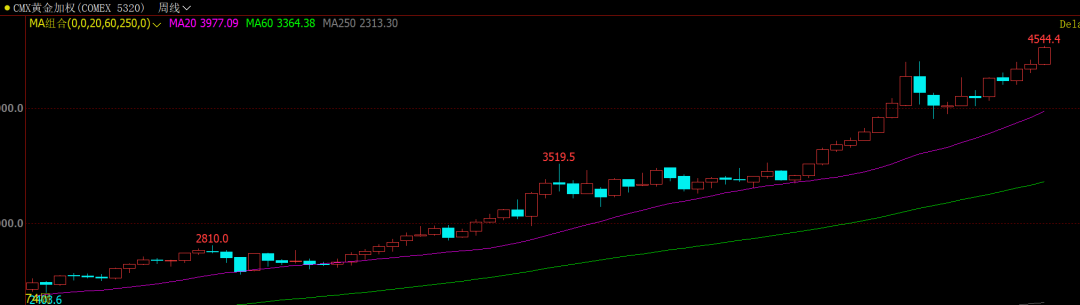
智通财经APP获悉,美国财政部长斯科特·贝森特支持在通胀率可持续地回落到2%之后,重新考虑美联 储的2%通胀目标。贝森特在一次访谈中表示:"一旦我们回到2%的通胀水平——我认为这即将实现 ——我们就可以进行讨论:设立一个目标区间是否更明智?"他说:"一旦我们重新锚定这一目标,就可 以讨论设立一个区间。" 贝森特在这次发布于12月22日的访谈中建议,讨论可能会围绕转向1.5%至2.5%或1%至3%的区间展开。 他说:"这将是一场非常充分的讨论。" 美联储政策制定者于2012年正式公开采纳了当前2%的通胀目标,这一目标也被全球许多央行采用。贝 森特认为,"精确到小数点的确定性是荒谬的。"但他表示,在通胀率高于该目标时进行调整,可能会给 人一种"当通胀高于某一水平时,你总会向上调整"的印象。 这次访谈录制于12月18日美国劳工统计局发布11月消费者价格指数之后。该数据显示CPI同比上涨 2.7%。美联储采用另一个指标PCE价格指数来衡量通胀。最新数据显示,截至9月的12个月内,PCE上 涨了2.8%。 民众正在"承受痛苦" 贝森特说:"除非你达到目标并维持可信度,否则很难重新锚定。"他也承认了民众对负担能力的担忧 ...