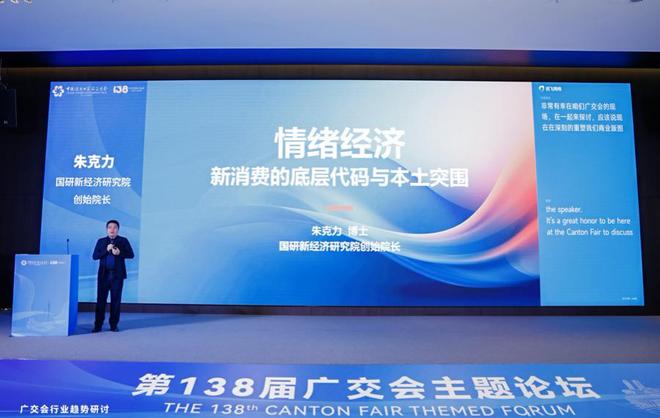
情绪经济

Search documents
“无用就是有用”,谁在为情绪买单?
Sou Hu Cai Jing· 2025-11-13 14:41
Core Insights - The rise of seemingly useless products in the new consumption wave reflects a shift in young consumers' preferences towards emotional value rather than practical utility [1][6][11] - The concept of "useless is useful" is gaining traction, with young consumers willing to spend on products that fulfill emotional needs [5][10] Group 1: Emotional Economy Trends - A report indicates that over 40.1% of young consumers prioritize emotional value and personal interest in their purchasing decisions for 2024 [3] - The increasing number of single individuals among young people is expected to drive spending on emotional products, indicating a prosperous future for the emotional economy [10][11] Group 2: Product Development and Marketing Strategies - Future successful products in the emotional economy are likely to be IP-based and capable of generating social media resonance, with appealing designs and multiple forms [10][12] - Companies are advised to focus on consumer-centric approaches, utilizing market research to understand young consumers' needs and preferences [11][12] Group 3: Government Role in Emotional Economy - Governments should support the incubation of IPs and provide policy backing to help businesses enhance their communication strategies [14][16] - Investment in infrastructure is essential for the development of new consumption models, particularly in cities rich in cultural resources [16]


净赚超90亿,“情绪经济”造富腾讯音乐
3 6 Ke· 2025-11-12 23:51
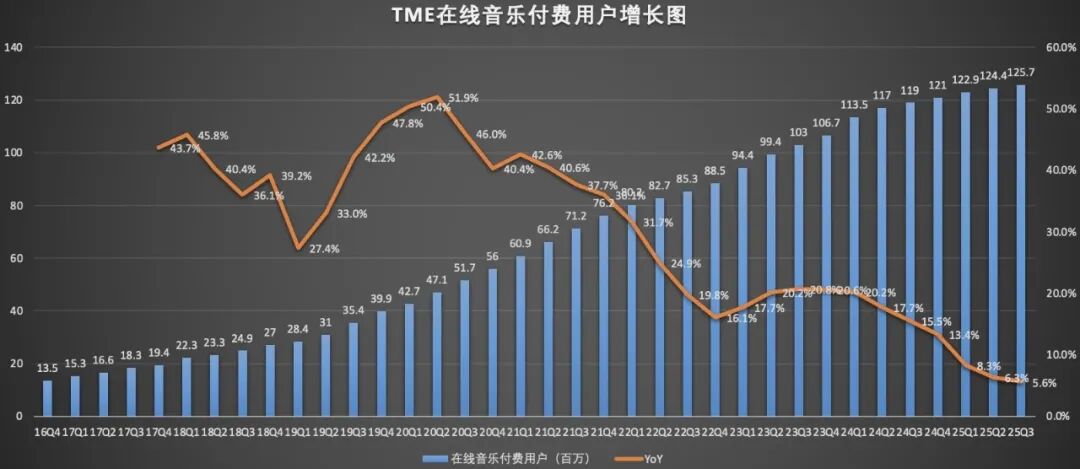
Core Insights - The essence of consumption in China is shifting from functional satisfaction to the pursuit of meaning, leading to the rise of the "emotional economy" [1] - Tencent Music Entertainment Group (TME) is a successful case benefiting from this emotional consumption trend, leveraging fan economy to establish a clear commercialization path [1] Financial Performance - In Q3 2025, Tencent Music reported revenue of 8.46 billion yuan, a year-on-year increase of 20.6% [2] - The net profit for Q3 reached 2.48 billion yuan, up 27.7% year-on-year [2] - For the first three quarters of 2025, total revenue was 24.26 billion yuan, a 15.8% increase, with net profit soaring to 9.07 billion yuan, an 80% rise from 5.03 billion yuan in the same period last year [2] - Online music service revenue for Q3 was 6.97 billion yuan, growing 27.2% and accounting for 82.3% of total revenue [2] User Growth and Monetization - The number of paid users increased to 12.57 million, a growth of 5.6% year-on-year [2] - Average revenue per paying user (ARPPU) rose from 10.8 yuan to 11.9 yuan, reflecting a 10.2% increase [4] Competitive Positioning - TME's gross margin stood at 43.5%, outperforming Spotify by 12 percentage points, while its operating margin was 32%, compared to Spotify's 13.6% [6] - TME's strategic transformation has successfully linked music consumption with fan economy, enhancing user engagement and monetization [6] Strategic Initiatives - TME's acquisition of nearly 10% stake in SM Entertainment and its purchase of Ximalaya are aimed at expanding audio content and refining fan economy operations [7] - The company is enhancing user retention and payment rates through a free ad-supported model for users with low willingness to pay [7] Competitive Landscape - Despite TME's leading position, competitors like NetEase Cloud Music and ByteDance's Soda Music are emerging threats [8] - NetEase Cloud Music has a unique UGC community and independent musician ecosystem, while Soda Music has rapidly increased its user base, reaching 18 million daily active users by mid-2024 [10][11] - The competition is evolving from user growth to value extraction, with a focus on ecosystem integration and content expansion [11] Future Outlook - The online music industry is established but requires continuous evolution beyond being a simple music player [12] - Future winners will be those who can effectively manage technology, content, and user engagement [12]
“无用就是有用”,年轻人愿为情绪买单,谁能抓住新消费的浪潮?
Sou Hu Cai Jing· 2025-11-11 07:46
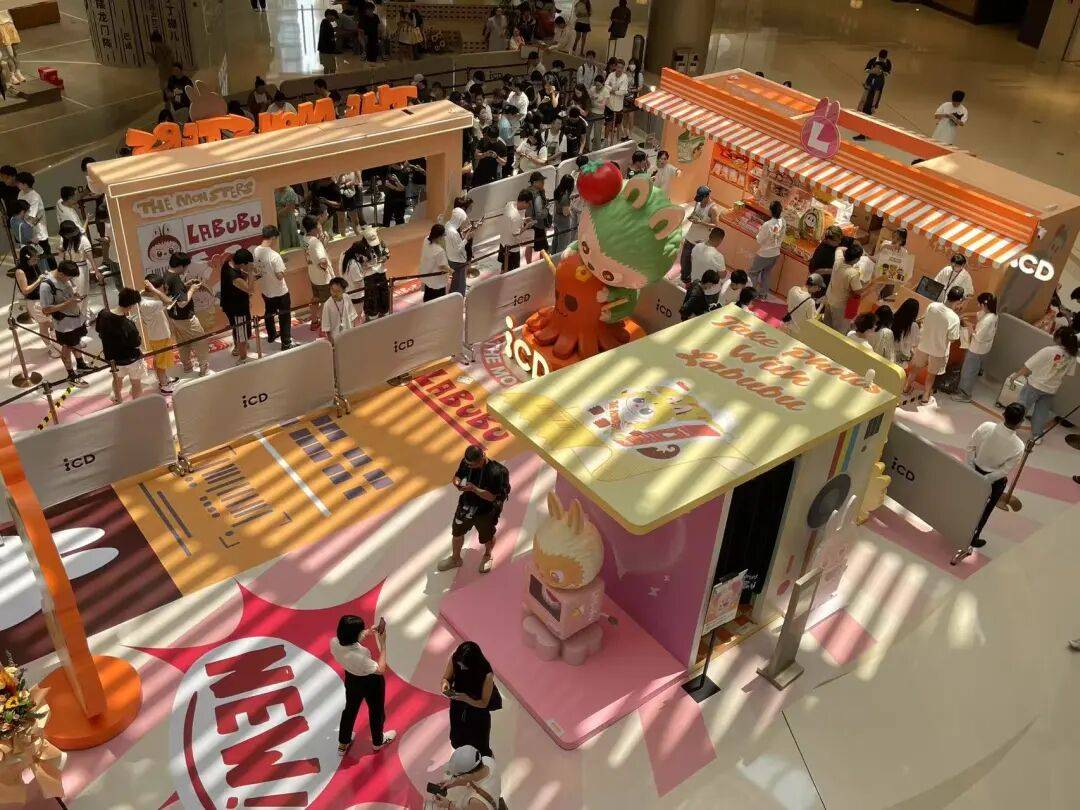
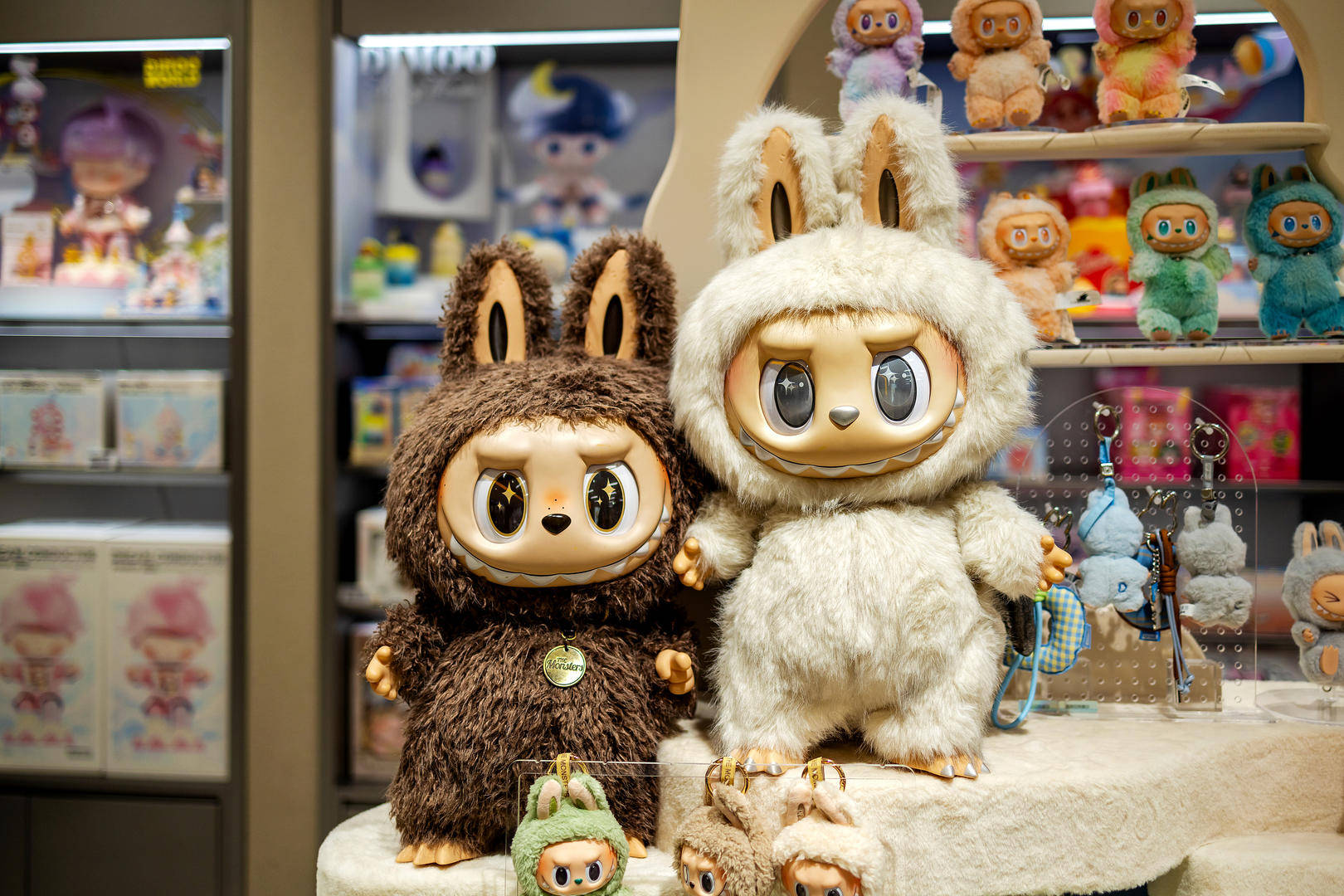
Core Insights - The rise of seemingly useless products in the new consumption wave reflects a shift in consumer behavior, particularly among young people who prioritize emotional value over basic functionality [1][6][9] - The concept of "emotional economy" is becoming increasingly relevant, with young consumers willing to spend on products that fulfill emotional needs rather than practical ones [3][6][9] Group 1: Trends in Consumer Behavior - Young consumers are increasingly drawn to products with low practical utility, such as LABUBU and Jellycat, as they provide emotional satisfaction [3][6] - A report indicates that over 40.1% of young consumers prioritize emotional value and personal interests in their purchasing decisions for 2024 [6] - The phenomenon of "useless is useful" suggests that products without functional features can still create strong emotional connections, leading to higher sales [6][9] Group 2: Future Opportunities in Emotional Economy - The keywords for the next wave of successful products are "IP (Intellectual Property) and intelligence," indicating a trend towards products that combine emotional engagement with smart technology [2][10] - Future products may include intelligent emotional companion devices that can interact with users based on their emotional states, expanding the emotional economy into new areas [10][12] - The success of products like Jellycat and LABUBU highlights the importance of creating a complete narrative and emotional connection around a product, rather than just a superficial character design [10][15] Group 3: Recommendations for Businesses and Government - Companies should focus on understanding young consumers' preferences and developing innovative, differentiated products that cater to emotional needs [13][14] - Brand building is crucial, with an emphasis on unique positioning and effective use of social media for marketing [13][14] - Governments can support the emotional economy by fostering IP development, providing policy support, and enhancing infrastructure to facilitate new consumption models [14][15]
(第八届进博会)“全勤生”话进博:长期深耕 与中国市场双向奔赴
Zhong Guo Xin Wen Wang· 2025-11-08 13:36
Core Insights - The eighth China International Import Expo (CIIE) featured 170 companies and 27 institutions that have consistently participated, referred to as "full attendance" companies, demonstrating a commitment to the Chinese market through long-term engagement [1] Group 1: Shared Consumption New Dividends - Companies participating in the expo are capitalizing on diverse consumer demands in China, benefiting from the growth of a large-scale market [2] - Nestlé's CEO for Greater China highlighted that China is the company's second-largest market, with new consumer demands providing growth opportunities [2] - Brother (China) introduced a computer embroidery sewing machine to cater to the personalized needs of young consumers, emphasizing the importance of brand influence through continuous participation [2] - New Zealand's牧怡食品集团 is meeting the increasing food quality demands of Chinese consumers by introducing high-quality sheep milk [2] Group 2: Co-building Innovation Ecosystem - The Chinese market is increasingly seen as a strategic choice for foreign companies to establish R&D centers in collaboration with local partners [3] - Qualcomm's China Chairman noted the expo as a vital platform for communication within China's industrial ecosystem, witnessing the evolution of technologies like 5G and AI [3] - Siemens has developed a comprehensive ecosystem in China, comprising 20 R&D centers and over 20 digital innovation empowerment centers [3] Group 3: Strengthening Supply Chain Layout - The focus of U.S. companies has shifted from merely entering the Chinese market to deepening their engagement with local talent and supply chains [4] - Schneider Electric has been operating in China for 38 years, recognizing it as a key market and supply chain base [4] - The Swiss Center organized over 100 Swiss companies to participate in the expo, with a record exhibition area of 290 square meters, showcasing the establishment of stable supply chains by companies like Migros in China [4]

原创占据近半市场 中国游戏IP生态加速破圈
Shang Hai Zheng Quan Bao· 2025-11-07 19:10
Core Insights - The report from Gamma Data predicts that the actual sales revenue of China's game IP market will reach 275.39 billion yuan by 2025, with original game IP expected to account for 135.4 billion yuan, representing 49.2% of the market [1] - The emergence of the domestic AAA game "Black Myth: Wukong" has significantly raised the visibility and value of Chinese game IPs in the global market [1] - The "Guzi Economy" has become a hot topic, with its revenue scale surpassing 100 billion yuan, appealing to a wide demographic, particularly the Gen Z audience [1] Industry Trends - Tencent's "Honor of Kings" has achieved a domestic DAU of 139 million and a global MAU exceeding 260 million, establishing itself as a benchmark for Chinese games going global [2] - The game employs a dual-track strategy for cultural adaptation, utilizing internationally relatable content to resonate with global audiences [2][4] - Localization efforts in overseas markets include introducing culturally relevant character skins, such as Brazilian wrestling-themed heroes for the Brazilian market [4] IP Ecosystem Development - The success of "Honor of Kings" is attributed to three main exploration lines: cultural expression, content innovation, and technological advancement [5] - The game has evolved into a cultural hub for youth, linking popular culture with various industries, including music, film, and tourism [5] - The rise of original game IPs has provided opportunities for smaller developers, allowing them to gain visibility and thrive in the market [5] Emotional Value and Future Directions - The increasing recognition of emotional value has led to the formation of an IP ecosystem centered around game adaptations, IP collaborations, and derivative product development [6] - Recommendations for future IP ecosystem development include transitioning IP authorization to emotional infrastructure, creating a holistic experience that bridges online and offline interactions, and fostering an open and symbiotic IP universe [6] - Suzhou has become a hub for the gaming industry, with numerous companies and a focus on digital content innovation, supporting the growth of the sector [6]

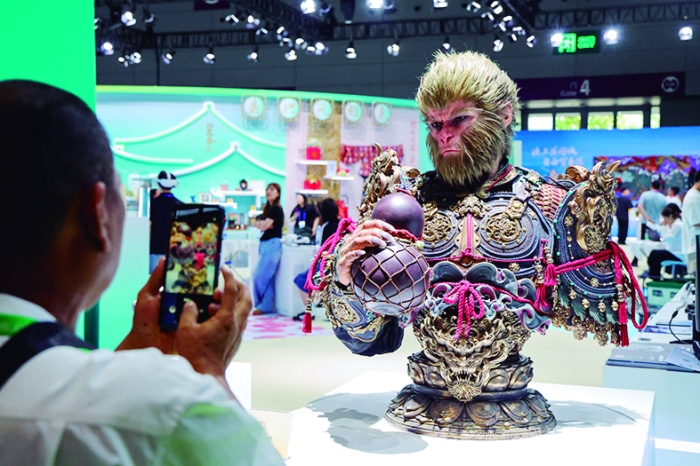
聚集进博会|雀巢中国新帅马凯思:中国消费者变了,要向labubu们“取经”
Di Yi Cai Jing· 2025-11-06 01:28
Core Insights - The Chinese consumer market is undergoing significant changes, with a shift from distribution-driven growth to demand creation, highlighting the rise of "emotional economy" represented by products like Labubu [1][3] - Nestlé's revenue in China has seen a decline of 6.1% year-on-year, despite a 3.3% increase in overall revenue for the group, indicating challenges in the Chinese market [3] - The new management at Nestlé views the Chinese market as a key growth driver and is adjusting strategies to align with evolving consumer preferences [3][4] Consumer Behavior - Chinese consumers are becoming more health-conscious and value-oriented, seeking products that offer emotional resonance and personalized experiences [1][4] - The complexity of the market is increasing, with consumers utilizing an average of 12 different channels for purchases, making it challenging for fast-moving consumer goods (FMCG) companies to maintain order across these channels [3] Market Opportunities - The rapid changes in the Chinese market present significant opportunities, particularly in sectors like the silver economy, pet economy, and health-focused products [4] - The aging population in China is projected to exceed 26% of the total population by 2040, creating a demand for tailored health products for older consumers [4] Product Development - Functional products are a key focus for Nestlé and other international food giants, with a range of offerings targeting specific consumer needs, such as products for seniors and pets [4] - The company recognizes the need to not only ensure market supply but also to create and stimulate demand through innovative product offerings [4]


家电行业情绪消费专题系列之三:积极拥抱具备情绪价值的家电新消费
Chan Ye Xin Xi Wang· 2025-11-04 02:20
Group 1 - The core viewpoint is that China's per capita disposable income is increasing, leading to a rise in service consumption expenditure as a proportion of total consumption [1] - Per capita disposable income in China rose from 30,733 yuan in 2019 to 41,314 yuan in 2024, with a CAGR of 6.10% [1] - The proportion of per capita service consumption expenditure in total consumption increased from 42.61% in 2020 to 46.11% in 2024 [1] Group 2 - Consumers are shifting from material consumption to a pursuit of spiritual life, reflected in the growth of tourism and cultural industries [2] - The emotional economy market in China is steadily increasing, with a projected market size of 23,077.67 billion yuan in 2024, expected to grow to 27,185.50 billion yuan in 2025, representing a year-on-year growth of 17.80% [2] - The emotional consumption market is categorized into three main types: strong stickiness consumption, social consumption, and self-pleasing consumption [3] Group 3 - Investment recommendations suggest embracing new home appliances with emotional value, focusing on three areas: panoramic/action cameras, robotic vacuum cleaners, and kitchen small appliances [4] - The market for handheld smart imaging devices, such as panoramic and action cameras, is expected to enter a high growth phase, driven by consumer demand for emotional and experiential consumption [5] - The robotic vacuum cleaner segment is experiencing rapid growth, with domestic brands expanding their global market share, indicating a shift towards technology-driven emotional value in home cleaning [7] - Kitchen small appliances, such as coffee machines and juice makers, are expected to grow due to their health, convenience, and social attributes, with a focus on emotional value [8]





爱奇艺王凯航:以“共识、共情、共振”引爆情绪经济,AI赋能IP营销新玩法
Jing Ji Guan Cha Wang· 2025-11-03 23:06
Core Insights - The 32nd China International Advertising Festival and the 34th Asian Advertising Conference focused on innovation and international cooperation in the advertising industry, emphasizing the theme "Empowering Advertising with Technology" [1] - The emotional economy is identified as a new growth point, with the Chinese emotional consumption market projected to reach 2 trillion yuan by 2025, highlighting the importance of this sector for brands [1] Group 1: Advertising Strategies - The company emphasizes the importance of high-quality content creation and brand consensus through IP, linking emotions with users [1] - Successful series and variety shows are seen as the best carriers of emotional value, with examples like "一路繁花" and "生万物" demonstrating their ability to resonate with audiences [1] - Strategies for consensus building include selecting major IPs and pursuing emerging IPs, utilizing AI technology for large-scale emotional connections [1] Group 2: AI Integration in Marketing - AI technology is used to enhance efficiency in script selection, allowing for bulk screening of scripts that meet client needs [3] - During the airing of series, AI assists in pinpointing relevant scenes for product placement, enabling creative advertising integration [3] - The company aims to create a closed-loop ecosystem through online interactions and offline experiences, leveraging data and AI for precise user targeting [1][4] Group 3: User Engagement and Brand Connection - The core of IP marketing is to convey consumer affinity for IP to brands, focusing on finding common ground between the two [4] - Different strategies are employed, including pre-planning for major IPs and operating emerging hits to capitalize on low-cost advertising opportunities [4] - The company emphasizes a holistic marketing approach, integrating online and offline channels to maximize the impact of IP content [4]

广交会情绪经济观察:情绪消费破圈 企业如何打开消费新空间
2 1 Shi Ji Jing Ji Bao Dao· 2025-11-03 08:36
Core Insights - The event highlighted the rise of emotional consumption as a mainstream trend, with a projected emotional consumption scale in China exceeding 23 trillion yuan in 2024 and expected to surpass 45 trillion yuan by 2029 [1][2] - The shift from product manufacturers to emotional value service providers is evident, as companies adapt to the emotional economy and consumer preferences [1][5] Emotional Consumption Trends - Emotional satisfaction has become the primary purchasing driver for Generation Z, surpassing 40% in importance, while functional needs have become secondary [2] - The emotional economy is driven by a combination of generational, technological, and social pressures, leading to the emergence of healing products and emotional retail [1][2] Brand Strategies - Brands are encouraged to create unique emotional expressions and cultural symbols to build loyalty and pricing power, moving away from Western models to focus on local emotional contexts [2] - Key strategies for brands include "IPization" to enhance brand loyalty through unique personalities and storytelling, and "scenization" to integrate brands into specific life environments [3][4] Market Insights - The pet industry in China is projected to reach 701.3 billion yuan in 2024, with a household penetration rate increasing from 22% in 2023 to over 30% [6] - Emotional needs drive over 40% of pet owners' decisions to adopt pets, with 32.2% willing to pay for products that enhance their pets' quality of life [6] Cultural and Emotional Integration - The integration of emotional value into product design, marketing, and user service is essential for establishing sustainable competitive advantages [4] - The emotional demand is becoming a core connection point for cross-industry integration, driving the reconstruction of consumption scenarios and linking multiple industry boundaries [8]
广交会情绪经济观察:情绪消费破圈,企业如何打开消费新空间
2 1 Shi Ji Jing Ji Bao Dao· 2025-11-03 08:25
Core Insights - The article discusses the emergence of the emotional consumption era, highlighting its impact on consumer behavior and market dynamics, with emotional value becoming a key driver of purchasing decisions [1][2][4] Group 1: Emotional Consumption Trends - Emotional consumption is becoming a mainstream trend, with a projected scale of over 23 trillion yuan in China by 2024, expected to exceed 45 trillion yuan by 2029 [1] - The Z generation is identified as the primary consumer group, with emotional satisfaction being the main purchasing driver, accounting for over 40% of their decision-making [4] - Brands are shifting from product manufacturing to providing emotional value services, creating a unique emotional expression system rooted in local cultural contexts [4][5] Group 2: Market Strategies and Insights - Emotional value plays a crucial role in purchasing decisions, with over 90% of consumers preferring brands that convey emotional value, and more than 80% willing to pay a premium for high emotional value [5] - Key strategies for brands to stand out include "IPization," which involves giving brands unique personalities and stories, and "scenization," integrating brands into specific life environments for experiential value [5][6] - The competition is evolving beyond functionality and price to include emotional resonance and service effectiveness, necessitating a deep integration of emotional value into product design and marketing [6] Group 3: Pet Industry Insights - The pet industry in China is projected to reach 701.3 billion yuan by 2024, with pet ownership penetration increasing from 22% in 2023 to over 30% [6][8] - Emotional needs drive over 40% of pet owners to keep pets, with 32.2% willing to pay for products that provide emotional comfort [8] - The trend of fashionable pet ownership is emerging, with consumers seeking unique and stylish pet products that reflect their personal style [8] Group 4: Cultural and Innovation Perspectives - Companies like KAYOU Animation are innovating in the stationery sector, emphasizing the emotional and cultural significance of products like pens, which are being optimized for quality and design [9][11] - The integration of cultural symbols and emotional connections into products is seen as essential for resonating with consumers and enhancing brand loyalty [11] - The article concludes that emotional needs are becoming a core connection point for cross-industry integration, driving the reconstruction of consumption scenarios and the fusion of multiple industry boundaries [11]