
产业链重塑

Search documents
特朗普紧急状态引发市场风暴:美元强势,美股分化,黄金暴跌!
Sou Hu Cai Jing· 2025-08-15 05:35
Group 1: Market Overview - The financial market is experiencing tension with a divergence in major indices, as the Dow Jones fluctuates, the Nasdaq shows volatility, and the S&P 500 exhibits mixed movements, indicating underlying contradictions in market sentiment [1][3] - A recent survey by Bank of America reveals that 91% of fund managers believe U.S. stock valuations are too high, while 49% are optimistic about emerging market stocks, suggesting a significant divide in investor sentiment [3] - The precious metals market has seen significant volatility, with gold prices dropping to $3,348.34 per ounce, a decline of 1.27%, amidst rumors of a potential 39% tariff on gold, which were later clarified as misinformation [6][9] Group 2: Sector Performance - Lithium battery stocks surged over 6%, with Tesla's stock reaching a high of $343.72, driven by a "buy" rating from Morgan Stanley and the announcement of Grok 4 being offered globally for free [3] - In contrast, Apple’s stock fell by 1%, despite the company’s substantial investment of $600 billion in U.S. manufacturing, reflecting a strategic shift in the tech giant's operations [7][10] - The Nasdaq Golden Dragon China Index opened high but fell by 0.17%, with mixed performance among popular Chinese stocks, indicating a fragmented market sentiment [9][12] Group 3: Geopolitical and Economic Context - The ongoing geopolitical tensions in Ukraine are contributing to a sense of instability in European markets, with major indices showing mixed results, such as the UK FTSE rising by 0.37% while the German DAX and French CAC indices fell [4] - The announcement of federal control over the Washington D.C. police and the deployment of the National Guard highlights the increasing tension between federal and local authorities, reflecting deeper societal issues and political dynamics [9][10] - The complex interplay of policy, market, and social pressures in the U.S. is creating a challenging environment for investment decisions, with investors remaining cautious amid the uncertainty [10]


今日沪铜主力铜市惊现诡异背离:降息狂欢中,铜价为何逆势下跌?
Sou Hu Cai Jing· 2025-08-07 19:54
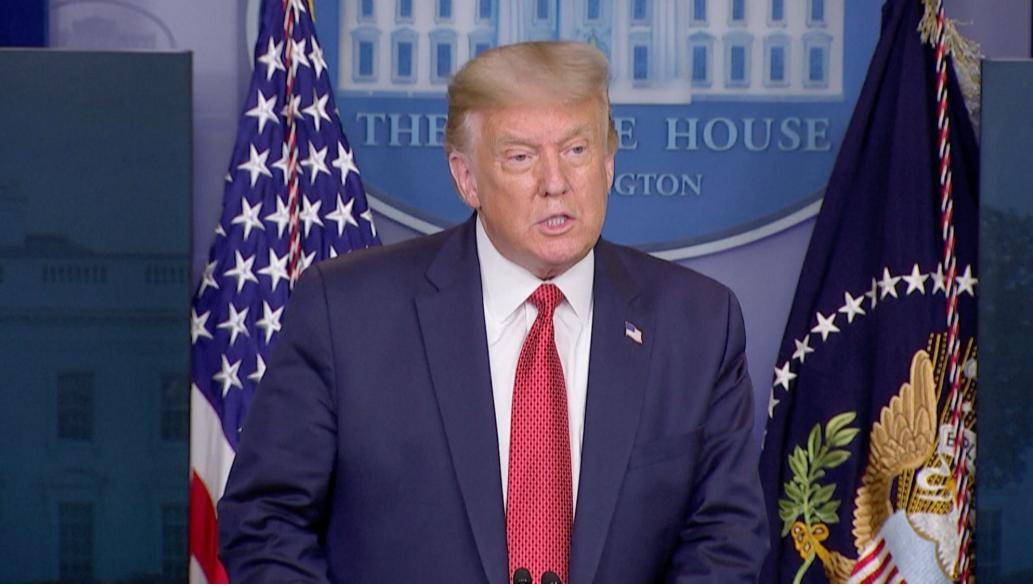
Group 1: Macroeconomic Headwinds - The market is increasingly concerned about "stagflation" in the U.S. economy, with the services PMI nearing the threshold and the price index soaring to 69.9%, a three-year high [2] - Investors are selling industrial metals like copper in favor of safe-haven assets such as gold and government bonds due to fears of stagnant growth and high inflation [2] Group 2: Tariff Policy Impact - The tariff policy from the Trump administration has targeted the copper supply chain, imposing a 50% tax on semi-finished products like copper cables while exempting refined copper [3] - This has led U.S. wire importers to cancel orders and forced Chinese copper processing companies to relocate to Southeast Asia to avoid high tariffs [3] Group 3: Federal Reserve Uncertainty - The sudden announcement of changes in the Federal Reserve's leadership has raised concerns about potential delays in interest rate cuts, prompting copper bulls to exit the market [4] - This uncertainty has contributed to increased market volatility and further depressed copper prices [4] Group 4: Inventory Dynamics - LME copper inventories surged by 14,275 tons (10.23%) on August 5, reaching a five-month high, primarily due to U.S. traders selling off during the tariff exemption window [7] - In contrast, the Chinese market is experiencing a shortage of copper, with significant price discrepancies between regions, indicating an underlying inventory crisis [7] Group 5: Industry Chain Challenges - Copper concentrate processing fees have dropped to -42.09 USD/ton, resulting in losses for smelters [8] - The cost of production for Chilean copper has risen to 2.10 USD/pound, while smelters are struggling to maintain profitability [8] Group 6: Market Reactions - On August 6, stocks of copper companies like Tongling Nonferrous and Jiangxi Copper saw significant price increases, driven by speculation around policy expectations [9] - However, futures markets remain focused on real inventory levels and weak consumption, leading to narrow trading ranges for copper contracts [9] Group 7: Long-term Outlook - Despite short-term challenges, the demand for copper driven by electrification remains strong, with Tesla's Shanghai factory increasing copper cable orders by 35% year-on-year [10] - Strategic stockpiling activities by various entities, including the Chinese state reserves and U.S. military contractors, are also noteworthy [10] Group 8: Conclusion - The short-term fluctuations in copper prices are influenced by a complex interplay of macroeconomic factors, tariff policies, supply chain dynamics, and market expectations [12] - The future trajectory of copper prices will depend on the resolution of these interrelated factors [12]
华西证券:特朗普铜关税影响不及预期 铜价将回归供需定价
智通财经网· 2025-08-01 07:59
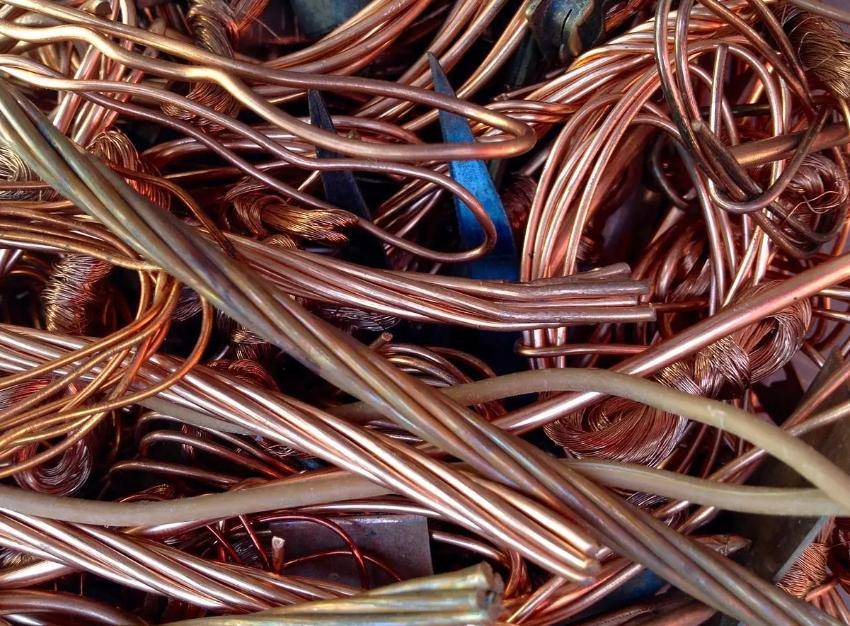
Core Viewpoint - The announcement by President Trump on July 30 aims to impose a 50% tariff on certain copper imports to address national security concerns, but the impact on U.S. copper imports is less than market expectations, with a significant portion of copper imported before the tariff implementation being exempt from these tariffs [1][3]. Group 1: Tariff Details - The announcement imposes a 50% tariff on copper semi-finished products and copper-intensive derivative products, effective from August 1 [2]. - Copper raw materials and scrap are exempt from the 232 tariffs, and these tariffs do not overlap with automotive tariffs [2]. - The tariffs apply based on the copper content in products, while non-copper content is subject to other applicable tariffs [2]. Group 2: Import Impact - The copper tariff is expected to have limited impact, as the majority of U.S. copper imports come from countries like Chile (33.6%), Canada (30.4%), and Mexico (7.6%) [3]. - In the first half of 2025, U.S. companies have already imported more copper than the total for 2024, with 74.3% of this copper being exempt from tariffs [3]. Group 3: China's Role - The products affected by the copper tariffs from China represent a small portion of overall U.S. imports, with less than 5% of imports from China in 2024 [4]. Group 4: Industry Restructuring - The announcement requires that 25% of copper raw materials produced in the U.S. be sold domestically, increasing to 40% by 2029, which aims to enhance U.S. smelting capacity [5]. - There are ongoing investments in U.S. processing capacity, such as a $500 million investment by Wieland Rolled Products in Illinois [5]. - The restructuring of the copper industry is expected to take a long time due to the current weaknesses in U.S. smelting capacity [5]. Group 5: Price Dynamics - The absence of restrictions on copper raw materials is expected to lead to a return to supply-demand pricing for copper, with increased exports to regions outside the U.S. [6]. - The current market conditions indicate that LME copper prices will be influenced by supply and demand factors, particularly as U.S. imports have already surpassed last year's total [6].

新能源车ETF(159806)涨超1.5%,行业回暖预期与智能化进程受关注
Mei Ri Jing Ji Xin Wen· 2025-07-24 02:46
Group 1 - The core viewpoint indicates that with subsidies in place for the second half of the year and expectations of policy reductions next year, industry sales are expected to gradually recover [1] - Recent intensive new car releases by manufacturers signal a new product cycle for the sector [1] - The L2+ intelligent driving national standard is urgently needed, and the upcoming World Artificial Intelligence Conference is expected to accelerate the process of intelligence [1] Group 2 - In the commercial vehicle sector, domestic demand recovery and improved overseas exports, particularly non-Russian markets, are driving leading companies' performance beyond expectations [1] - Heavy truck sales in June increased by 37% year-on-year, while large and medium-sized bus exports rose by 30% year-on-year, with subsidy policies expected to further boost Q3 demand [1] - The current industry valuation possesses defensive attributes, with a focus on opportunities arising from the restructuring of the industrial chain driven by intelligence [1] Group 3 - The New Energy Vehicle ETF (159806) tracks the CS New Energy Vehicle Index (399976), which is compiled by China Securities Index Co., Ltd., selecting listed companies involved in new energy vehicles, core components, and related services [1] - The index reflects the overall performance of the new energy vehicle industry chain and is periodically adjusted to maintain synchronization with industry technological developments and market changes [1] - Investors without stock accounts can consider the Guotai CSI New Energy Vehicle ETF Connect A (009067) and Connect C (009068) [1]
7月经济价升量落,低位平衡点逐步形成
China Post Securities· 2025-07-21 09:08
Economic Overview - In July, economic prices increased while volumes decreased, indicating a search for rebalancing in supply and demand, with marginal economic growth expected to slow down[1] - The Producer Price Index (PPI) showed a month-on-month increase, with the year-on-year decline in growth narrowing, primarily driven by the "anti-involution" policy expectations[1][45] Real Estate Market - The sales sentiment in the real estate market weakened, with both month-on-month and year-on-year growth turning negative; the average daily transaction area in 30 major cities decreased by 15.85% compared to June[2][11] - It is anticipated that first-tier city housing prices may stabilize by the end of the year, while second-tier cities may see stabilization by June next year[2][48] Industrial Demand - Industrial demand showed a mild recovery, with the rebar production rate increasing to 43.06%, up 0.87 percentage points from June, while prices slightly decreased by 0.16%[15] - The average operating rate for asphalt plants rose to 32.4%, indicating a recovery in demand, with asphalt inventory decreasing by 7.31%[18] Consumer Behavior - July consumer spending is expected to remain resilient, supported by a surge in tourism during the summer, with domestic tourism projected to exceed 2.5 billion trips, recovering to over 115% of 2019 levels[26] - The average daily subway ridership in major cities increased, reflecting a rebound in travel demand during the summer[23] Risks and Challenges - Potential risks include unexpected intensification of global trade frictions, geopolitical conflicts, and policy effects falling short of expectations[3]
汇丰:2025年全球经济承压下行,中国经济行稳致远
Sou Hu Cai Jing· 2025-07-01 06:06
Group 1 - Global trade growth is expected to slow down, with a projected increase of only 1.8% in 2025, while global economic growth may decelerate to 2.5% [1] - China's economy remains resilient, with GDP growth expected to exceed 5% in the first half of 2025, supported by ongoing macroeconomic policies [3] - The increase in tariffs is anticipated to have a negative impact on trade in the short term, leading to a restructuring of industrial chains and changes in trade and investment flows in the long term [4] Group 2 - China's position as the largest exporter is maintained, with a projected 14.6% share of global exports in 2024, while the U.S. remains the largest importer with a 13.6% share [4] - The largest export destination for China has shifted from the U.S. to ASEAN, and Mexico has become the largest source of imports for the U.S. [4] - Chinese manufacturing is undergoing a value chain upgrade, with an increasing proportion of capital goods and intermediate goods in exports, indicating a trend towards higher value-added production [4]


稀土提炼技术外泄:澳企宣布成为中国以外首家重稀土商业化生产商
Sou Hu Cai Jing· 2025-05-22 17:29
Core Viewpoint - The competition between China and the US is intensifying, particularly in the rare earth sector, with Lynas becoming the first company to commercialize heavy rare earth separation outside of China, marking a significant shift in the global rare earth supply chain [1][3][10]. Group 1: Industry Dynamics - Lynas's new plant in Malaysia represents a new variable in the global rare earth industry, producing dysprosium, which is crucial for high-tech and military applications [3][5]. - The global rare earth prices have been volatile, driven by countries competing for strategic resources amid US-China technological rivalry [5][10]. - The collaboration between Australia and Malaysia is seen as a necessary breakthrough for the West, which has been largely dependent on China for rare earth supplies [7][10]. Group 2: Strategic Implications - The US government has signed a significant contract worth $258 million with Lynas to establish a new facility in Texas, aiming to bypass China and gain control over the supply chain [5][10]. - The production of heavy rare earths like terbium is planned by Lynas, highlighting the strategic value of these materials as China tightens its export quotas [5][10]. - The geopolitical landscape is shifting, with supply chain security becoming more critical than pricing, as countries recognize the importance of rare earths in the high-tech era [8][10]. Group 3: Future Outlook - The rare earth supply chain's decoupling from China is a complex process that will take time, as China's decades of accumulated advantages are not easily diminished [12][14]. - Lynas's success may prompt China to strengthen its regulatory measures, potentially leading to more players entering the rare earth market in the coming years [12][14]. - The future of the rare earth market is uncertain, with various factors such as environmental protection, technological barriers, and market demand posing challenges for new entrants [12][14].
促畜牧业“链”出效益“转”出优势
Jing Ji Ri Bao· 2025-05-12 21:58
Core Viewpoint - The livestock industry is crucial for national economy and people's livelihood, with the government emphasizing support for stable development in this sector [1][2]. Group 1: Industry Development - China is a major player in the livestock industry, with a projected production of 96.63 million tons of meat from pigs, cattle, sheep, and poultry in 2024, reflecting a 0.2% increase from the previous year [1]. - The industry is experiencing rapid modernization through the adoption of new technologies such as IoT, blockchain, and AI, transitioning from traditional farming methods to green and intelligent farming [1][3]. - The livestock sector plays a vital role in ensuring food security, increasing farmers' income, and promoting rural revitalization [1]. Group 2: Challenges and Solutions - The livestock industry faces multiple challenges, including increased competition from imported products, limited financial support, insufficient domestic supply of breeding stock and feed, and shrinking profit margins [2]. - The government report emphasizes the need for policy support to stabilize the livestock and fishery sectors, focusing on enhancing supply security and accelerating industrial transformation [2]. - A comprehensive supply chain system is proposed, integrating feed, breeding, slaughtering, and cold chain logistics to improve resilience and ensure stable production [2]. Group 3: Transformation and Upgrading - The industry is encouraged to shift from single farming to large-scale operations, promoting ecological circular models and integrated agricultural systems [3]. - Emphasis is placed on technological innovation and application, transitioning from speed-focused growth to quality and efficiency [3]. - Ensuring safety in ecological practices, animal disease prevention, product quality, and veterinary production is critical for the industry's sustainable development [3].
美担心的还是来了,中方下令,中企开始对美国断供,美关税必须清零
Sou Hu Cai Jing· 2025-05-09 11:11
Group 1 - The Ministry of Commerce is taking actions to help foreign trade enterprises expand domestic sales channels in response to external shocks, emphasizing China's commitment to high-level opening-up and stable development to inject certainty into the global economy [1] - The U.S.-China trade war has reached a turning point, with President Trump indicating a willingness to lower tariffs on Chinese goods, while China remains firm in its stance, indicating that it will not easily concede [3][5] - China has the capability to increase oil imports from alternative sources such as Russia, Saudi Arabia, and Iran, mitigating the impact of reduced imports from the U.S., although it may still face some limitations in import channel diversity [3] Group 2 - The trade war has led to significant consequences for U.S. suppliers, particularly farmers who have lost a key customer in China, resulting in widespread panic among American consumers fearing price increases [5] - The Chinese government has halted purchases of Boeing aircraft and parts, indicating a strong response to U.S. tariffs, while Boeing's CEO confirmed the situation but downplayed its impact on the company's development [7] - China's transformation from a "world factory" to an "innovation hub" has been completed, with a complete closed-loop in 21 strategic emerging industries, providing the confidence to respond strongly to U.S. supply chain disruptions [7]

镍及不锈钢05月报:超跌反弹,镍价重返震荡区间-20250430
Yin He Qi Huo· 2025-04-30 02:57
1. Report Industry Investment Rating - No information provided on the report industry investment rating. 2. Core Views of the Report - Nickel prices rebounded after an over - decline and returned to the oscillation range. In May, the price may fluctuate between 118,000 - 128,000 yuan. A mid - term strategy of shorting on rallies is recommended. For options, selling deep out - of - the - money options in the range is advised [6][7][8]. - Stainless steel prices are expected to decline with oscillations. A strategy of shorting on rebounds is recommended [13]. 3. Summary by Relevant Catalogs 3.1 Review and Outlook 3.1.1 Nickel - In April, nickel prices experienced a roller - coaster ride. LME nickel prices dropped 14.5% in 4 trading days due to US tariffs. Domestic nickel prices had a gap - down due to the Tomb - sweeping Festival, but then rebounded. The rebound was due to its large elasticity, the implementation of Indonesia's new policy increasing production costs, and the decline in MHP output [4]. - In early April, domestic nickel supply was tight, with Jinchuan nickel premiums rising above 3,000 yuan/ton and import losses narrowing. However, after mid - April, spot demand weakened. In May, nickel ore shipments from Indonesia and the Philippines may increase, and downstream prices may decline, leading to a price game between upstream and downstream. Pure nickel supply is expected to increase slightly in May, while demand may decline slightly but still show a stable - to - rising trend due to the peak season [5]. 3.1.2 Stainless Steel - In April, stainless steel prices fell after nickel prices dropped. The decline was less than that of nickel. The procurement price of NPI fell below 1,000 yuan/nickel point, and the cost support for stainless steel in May moved down. On the demand side, tariffs may affect exports, and the export production schedule of white goods may decline after May. On the supply side, some large steel mills reduced production or switched production in April, and partial复产 is expected in May [11]. 3.2 Market and Raw Materials 3.2.1 Pure Nickel Market - As of April 25, global visible nickel inventories decreased by 1,096 tons compared to the end of March. LME inventories increased by 3,546 tons, while SHFE inventories decreased by 7,338 tons. Domestic spot imports had a reduced loss, and the spot market premium strengthened. China's refined nickel imports increased significantly in January and then returned to normal levels. Exports were mainly to Asian countries and regions. In April, net exports were expected to decrease further [16]. 3.2.2 Stainless Steel Market - After the decline in nickel prices in April, stainless steel prices also fell. The NPI procurement price dropped, and the cost support for stainless steel in May moved down. Stainless steel prices oscillated downward in the game between production cuts by steel mills and tariff impacts [22]. 3.2.3 Indonesia's Nickel Policy - Indonesia's new nickel policy took effect on April 26, 2025. The nickel ore royalty rate increased from 10% to 14% (for nickel prices below $18,000), and the ice - nickel royalty rate increased from 2% to 3.5%. The new policy increased the production cost of NPI and high - grade nickel ice, but some smelters are still in the tax - exemption period. The implementation of the policy may lead to a loosening of nickel ore prices in May if the annual quota approval does not change significantly [23][24]. 3.2.4 Nickel Iron Market - In May, nickel iron prices fell, and nickel iron plants faced production pressure and may cut production to force nickel ore prices down. China and Indonesia's combined nickel iron production from January to March increased by 20% year - on - year, with Indonesia's production increasing by 25%. In April, Indonesia's nickel iron production increased slightly [36]. 3.2.5 Chromium - based Raw Materials Market - Chromium ore prices have been rising for 2 months, and the cost support for high - carbon ferrochrome has increased. With high stainless steel production schedules, the demand for ferrochrome from steel mills is strong, leading to price increases. In April, the long - term procurement price of high - carbon ferrochrome by Tsingshan Group for May increased by 500 yuan compared to the previous month [43]. 3.2.6 Nickel Sulfate Market - For ternary cathode factories with a high export proportion, orders from South Korea decreased in April. Ternary cathode factories focusing on the domestic market were less affected. Nickel sulfate prices have been slightly declining since April, indicating weak demand [55]. 3.3 Supply - Demand Fundamentals 3.3.1 Pure Nickel - Overseas nickel companies' Q1 reports showed that Vale's nickel production increased, while Norilsk Nickel's production decreased slightly. SMM statistics showed that China's refined nickel production from January to March increased by 26% year - on - year, and it is expected to remain stable in April. In May, supply is expected to remain high, while demand may decline after June. The domestic refined nickel market is in surplus, and the surplus has been transferred to LME inventories. However, with the recovery of domestic demand, imports are expected to increase [60][61]. 3.3.2 Stainless Steel - The market is worried about tariffs, which has led to a decline in market confidence. The IMF has lowered the global economic growth forecast for 2025. Domestically, policies aim to boost consumption and expand domestic demand. From January to April 2024, the combined stainless steel production of China and Indonesia increased by 11% year - on - year. Currently, some steel mills have production reduction plans, but overall production remains high. The demand for stainless steel is the key factor affecting the market, and a lack of demand may lead to a negative feedback loop [68][83]. 3.3.3 New Energy Vehicles - From April 1 - 20, the retail sales of new energy passenger vehicles in China increased by 20% year - on - year but decreased by 11% month - on - month. The global new energy vehicle sales from January to February 2025 increased by 33.7% year - on - year. The growth rate in Europe and the US has slowed down. China's new energy vehicle exports from January to March increased by 43% year - on - year. After April, the overseas new energy vehicle market may be affected by the trade war, and high cobalt prices may suppress the demand for ternary batteries [87][96]. 3.3.4 Differentiation of Primary Nickel and Pure Nickel Supply - Demand - In April, the supply - demand of refined nickel in China remained basically unchanged, and inventories increased slowly. The WBMS report showed a global refined nickel supply surplus of 0.83 million tons from January to February 2025. After May, supply will remain high, while demand may decline from the peak season to the off - season. Nickel prices may fluctuate between 118,000 - 128,000 yuan [110].