服务型消费

Search documents
知名分析师张忆东履新!
Zhong Guo Ji Jin Bao· 2026-02-05 07:12
Group 1 - Zhang Yidong has officially joined Haitong International Securities as a committee member, head of the equity research department, and chief economist, focusing on cross-border integration of research business [1][2] - Zhang has over 20 years of experience in sell-side research, covering A-shares, Hong Kong stocks, and US stocks, and has received multiple awards for his strategic research [2] - The Hong Kong market is seen as a key platform for Chinese companies to expand internationally, with a focus on cross-border financing, wealth management, and asset management [3] Group 2 - Zhang Yidong is optimistic about Chinese equity assets, predicting a "super long bull market" for A-shares and Hong Kong stocks over the next two decades due to China's shift to high-quality economic development [4] - Investment opportunities for 2026 include technology sectors like aerospace and artificial intelligence, domestic consumption, and the transformation of traditional industries [5] - There is a notable trend of foreign capital returning to China, particularly in passive ETFs and active management, with an increase in foreign investment allocation as the RMB appreciates [5]
2026年,中国最舍得花钱的群体是谁?
Sou Hu Cai Jing· 2026-01-24 14:12
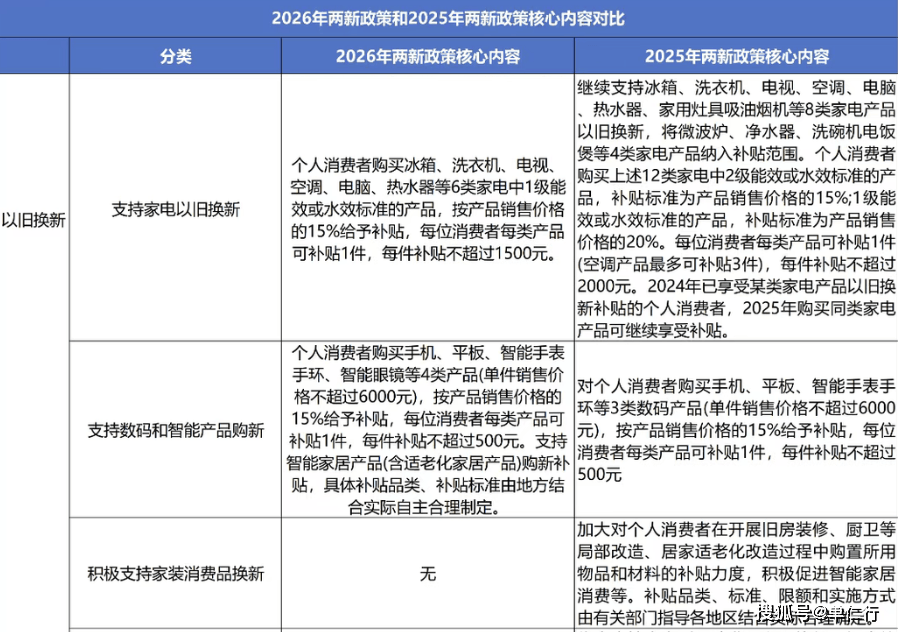
Core Insights - The article discusses the shift in China's economic landscape towards "high-quality development" post-pandemic, highlighting the target consumer groups for 2026, particularly focusing on middle-aged women and the elderly as the most willing spenders [1]. Group 1: Economic Context and Policy - 2026 marks the beginning of the "14th Five-Year Plan," with a strategic focus on significantly increasing the household consumption rate as a core task [1]. - The "Two New Policies" will continue and expand in 2026, promoting large-scale equipment updates and trade-in programs for consumer goods [2]. Group 2: Target Consumer Groups - The most willing spenders in 2026 are identified as middle-aged women aged 35-55 and seniors aged 60 and above, who possess substantial asset accumulation and are at the peak of their life experiences [3][5]. - Middle-aged women control 80.6% of household consumption decisions and have significant financial planning involvement, with 93.5% asserting they manage their personal income [9][10]. Group 3: Consumer Behavior and Market Trends - The anti-aging market in China is projected to grow at a compound annual growth rate of 10% from 2025 to 2026, with functional cosmetics making up over 45% of new skincare product applications [12]. - The elderly demographic, particularly those aged 60-75, is characterized by high asset ownership and increasing digital literacy, enabling them to engage in online shopping and social networking [16]. Group 4: Business Opportunities and Marketing Strategies - Brands are shifting from concept-driven marketing to evidence-based approaches, employing professionals to provide scientific backing for products, which resonates with the rational yet emotional purchasing behavior of middle-aged women [14]. - The silver economy is evolving into a significant market segment, with policies recognizing it as a pillar industry involving longevity technology and elder care finance, thus creating new business opportunities [22]. Group 5: Future Outlook - As younger generations exhibit cautious spending due to uncertainties, the wealthier and more experienced middle-aged women and elderly consumers are expected to drive a substantial portion of China's consumption in 2026 [26].

中国商业联合会:预计今年社会消费品零售总额将增长约4.5%
Xin Lang Cai Jing· 2026-01-20 13:43
Group 1 - The report from the China Business Federation forecasts a stable growth of approximately 4.5% in China's retail sales of consumer goods by 2026, reinforcing the foundational role of consumption in economic development [1] - In 2025, China's total retail sales of consumer goods reached 50,120.2 billion yuan, marking a 3.7% increase from the previous year, while online retail sales amounted to 15,972.2 billion yuan, growing by 8.6% [1] - The contribution rate of final consumption to economic growth during the 14th Five-Year Plan period is around 60%, highlighting its ongoing significance as a main driver of economic expansion [1] Group 2 - The report indicates that the retail sales of goods in 2025 were 44,322.0 billion yuan, reflecting a 3.8% increase, while the catering revenue was 57.982 billion yuan, growing by 3.2% [2] - The catering market is expected to face operational challenges in 2025, with a trend towards more rational consumer spending and increased competitive pressure within the industry [2] - Green consumption is identified as a new driving force for economic growth, with expectations for it to enter a new phase of institutional and systematic development by 2026, characterized by market-driven dynamics and deep integration of digital and green initiatives [2]
2026年度策略-看好内需顺周期主线-出海关注龙头Alpha
2026-01-08 02:07
Summary of Conference Call Notes Industry and Company Focus - **Industry**: Various sectors including travel, high-end consumption, education, and export markets - **Companies Mentioned**: China Duty Free Group, Lao Pu Gold, Chao Hong Ji, Huatu Shanding, China Oriental Education, Anker Innovations, Star Technology, Small Commodity City, and others Key Points and Arguments Domestic Demand Strategy - **Focus Areas**: - **Cyclical Beta**: Prioritize travel-related sectors such as aviation, hotels, and tourism due to significant demand improvement driven by policy catalysts [1][3] - **High-End Consumption**: Strong recommendations for duty-free and high-end gold jewelry sectors, with expectations of price increases driving both valuation and performance [1][6] - **Value Consumption**: Marginal improvement in demand is unclear; sectors depend on income growth or improvements in PPI and CPI data [1][7] - **Counter-Cyclical Industries**: Education sector shows strong demand resilience, particularly in vocational education and public examination training, with AI technology enhancing efficiency [1][8] Service Consumption - **Characteristics**: Service-oriented consumption is elastic, quick to respond, and has no inventory issues, significantly aiding employment and economic recovery [4][11] - **Current Proportion**: Service consumption accounts for approximately 55% of personal consumption expenditure in China, compared to 70% in the US, indicating room for growth [12] High-End Retail and Luxury Market - **Market Recovery**: High-end retail and luxury markets began to recover in Q2 and Q3 of 2025, driven by a stable high-net-worth population and wealth effect [4][16] - **Consumer Sentiment**: The recovery of middle-class confidence is crucial, as they contribute 60% of luxury sales [16] Export Market Opportunities - **Outlook for 2026**: Anticipation of more opportunities in the second half of 2026, with resilient exports and better-than-expected US demand [9][23] - **Key Companies**: Focus on leading companies with alpha attributes such as Anker Innovations and Star Technology for performance-driven growth [9][23] Education Sector - **Demand Characteristics**: The education sector, particularly vocational training and public examination preparation, is expected to perform well despite overall employment pressures [8][26] - **Key Players**: Companies like Huatu Education and China Oriental Education are highlighted for their strong market positions [8][26] Risks and Challenges - **Currency Fluctuations**: Current RMB exchange rates are stable, with limited risk of significant appreciation that could impact export companies negatively [24] - **Raw Material Prices**: Fluctuations in raw material prices are not seen as a major concern for leading companies due to supply chain dynamics [25] Investment Recommendations - **Cyclical Sectors**: Focus on travel-related industries for potential valuation uplift due to demand recovery [5] - **High-End Consumption**: Investment in duty-free and high-end jewelry sectors is recommended due to positive market sentiment [6] - **Education**: Strong prospects for companies in vocational education and public examination training [26] Additional Insights - **Tea and Restaurant Industries**: Opportunities in the tea industry due to competitive landscape improvements and in the restaurant sector with companies like Xiao Cai Yuan and Guo Quan showing potential for scalable growth [18][20] This summary encapsulates the key insights and recommendations from the conference call, providing a comprehensive overview of the current market landscape and future opportunities across various sectors.
华西证券可选消费投资策略
HUAXI Securities· 2026-01-06 12:26
Group 1: Macro View on Consumer Discretionary - China's service consumption has significant growth potential compared to developed countries, with the consumer spending to GDP ratio projected at 39.93% in 2024, significantly lower than the US (67.93%) and Japan (55.50%) [5][6] - Since 2000, China's savings as a percentage of GDP have remained higher than those of developed nations, indicating a conservative consumer spending habit [5] Group 2: Industry Insights - The US consumer structure has shifted from goods to services, with entertainment and dining services experiencing substantial growth. By 2024, the market sizes for entertainment services and dining services are expected to reach $777 billion and $14.29 billion, respectively, reflecting growth rates of 149.47% and 186.81% since 2004 [12] - The trend of emotional consumption is rising, with 56.3% of youth willing to spend for emotional value, indicating a shift towards experiences and personal satisfaction in consumer behavior [42] Group 3: Recent Policy Interpretations - The implementation plan by the Ministry of Industry and Information Technology aims to enhance the adaptability of consumer goods supply and demand, focusing on new technologies and flexible manufacturing to meet diverse consumer needs [60][62] - Policies are being introduced to promote tourism and the silver economy, with the silver economy projected to reach approximately 2 trillion yuan in 2024, highlighting the growth potential in high-quality and premium services for the elderly [47][49] Group 4: Industry Outlook - The emotional consumption trend is expected to continue, with sectors like trendy toys, fashion jewelry, and health foods benefiting from this shift [42] - The AI application in commercial settings is accelerating, with various companies integrating AI into their operations to enhance customer experience and operational efficiency [51] - Quality supermarkets are projected to perform well, with significant sales growth expected for major players like Walmart and local brands, indicating a strong demand for quality retail experiences [53][56]
迟福林支招大湾区:“十五五”推进粤港澳服务贸易一体化
Sou Hu Cai Jing· 2025-12-29 11:16
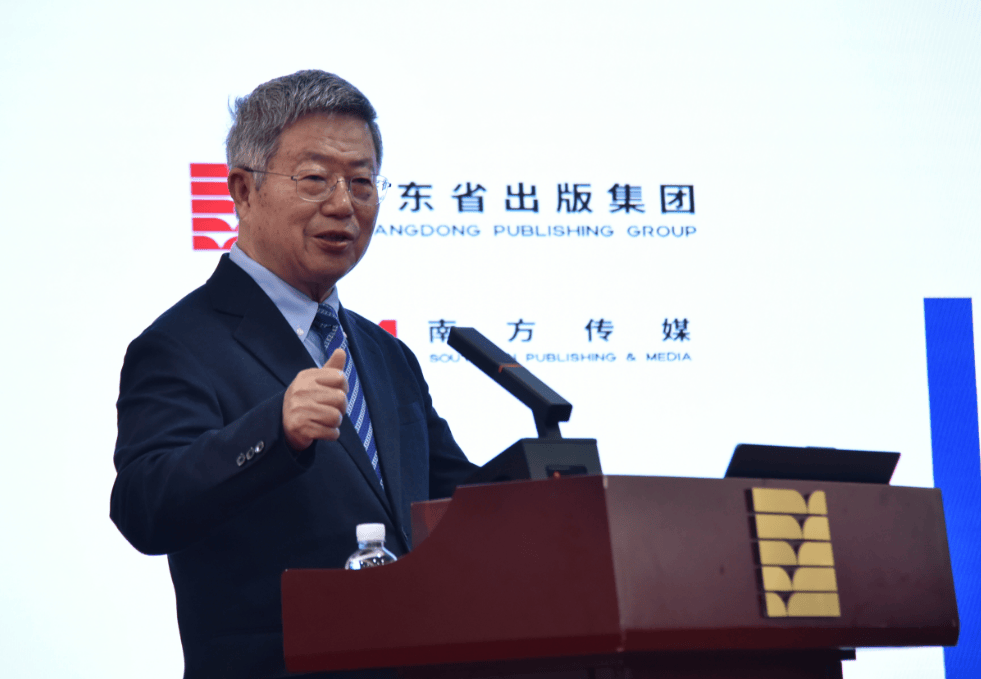
Core Insights - The core argument presented is that if China's consumption share in the global market approaches that of its manufacturing sector, it could create an additional consumption market of no less than $10 trillion [1][3]. Group 1: Economic Development Strategy - The focus on "domestic demand-led growth and consumption-driven development" is deemed crucial for enhancing economic resilience amid rising global uncertainties and adjustments in international trade [3][4]. - The current structural issue in China's economy is characterized by insufficient domestic demand, particularly weak consumption, leading to an imbalance of "strong supply and weak demand" [3][4]. - The "14th Five-Year Plan" period is identified as a critical time to stimulate consumption and unlock the potential of China's vast market [3][4]. Group 2: Consumption Trends - In 2023, China's manufacturing value added accounted for 28% of the global total, while final consumption expenditure represented only 13.2% of global consumption [3][4]. - There is a significant gap in the consumption rate between China and developed economies, with China's consumption rate projected at 39.9% in 2024, compared to around 54% in major developed economies, indicating a potential increase of at least 14 percentage points [4][5]. - A 1 percentage point increase in the consumption rate could release approximately 800 billion yuan in consumption growth, suggesting that a 14 percentage point increase by 2035 could generate over 11 trillion yuan in new consumption [5]. Group 3: Service Consumption - The shift from material consumption to service-oriented consumption is highlighted as a key trend, with sectors such as education, healthcare, culture, and tourism showing the fastest growth [6][7]. - From 2013 to 2024, the annual growth rate of service consumption in China is projected at 7.2%, with its share of total consumption rising from 39.7% to 46.1%, and further to 46.8% in the first three quarters of 2025 [6][7]. Group 4: Regional Development and Trade Integration - The integration of service trade in the Guangdong-Hong Kong-Macau Greater Bay Area is emphasized as a strategic move to enhance service-oriented consumption and high-level openness [9][10]. - The service trade's share in Guangdong's foreign trade is only 12.5% in 2024, which is significantly lower than the global average, indicating room for improvement [9][10]. Group 5: Investment in Human Capital - The strategy of "investing in people" is proposed as essential for driving domestic demand and consumption, with an estimated investment requirement of 80 trillion to 100 trillion yuan to improve public services and enhance consumer expectations [12][13]. - The suggestion includes reallocating 10% to 15% of state-owned assets for "investing in people," which could amount to 30 trillion to 50 trillion yuan based on the total assets of state-owned enterprises [13].
数览中国脉动|内需潜力释放 激活增长动能
Xin Hua She· 2025-12-05 14:29
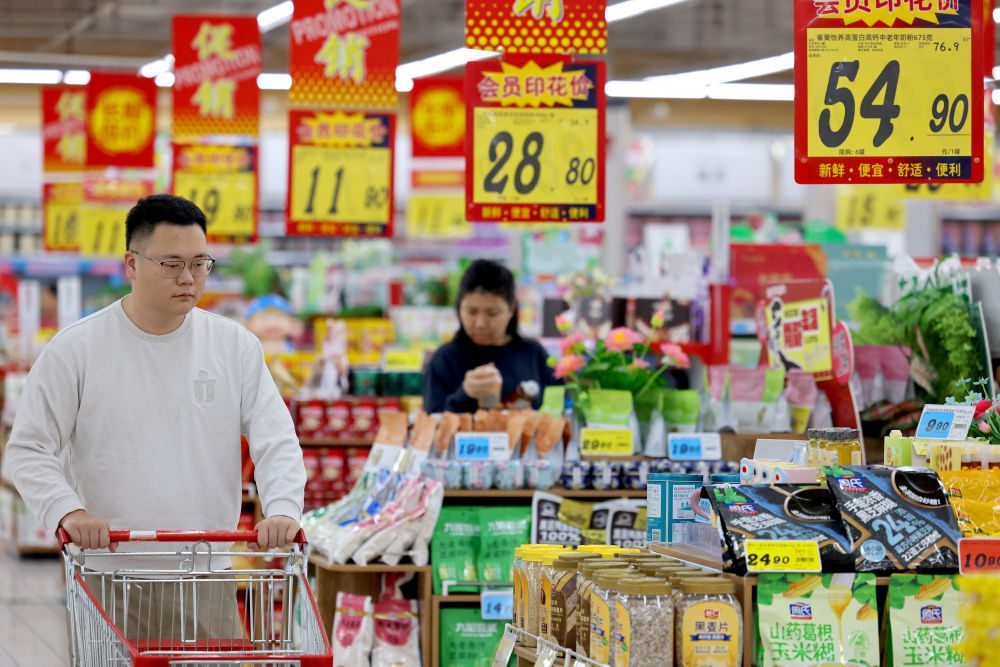
Group 1 - The strong domestic market is a strategic support for China's modernization, with domestic demand being the main driving force and stabilizing anchor for economic development [2] - The "14th Five-Year Plan" emphasizes the need to expand domestic demand as a strategic foundation and enhance the internal dynamics and reliability of the domestic circulation [2][6] - Investment continues to drive economic growth in China, with a focus on combining benefits for people's livelihoods and promoting consumption, as well as investing in both goods and people [6] Group 2 - There is a shift in domestic consumption from "material-type" to "service-type" and "experience-type," reflecting an increasing focus on improving quality of life as GDP per capita rises [3] - Consumers are becoming more concerned with the cultural connotations, social experiences, and emotional resonance of the goods and services they purchase [3] - The emphasis on expanding domestic demand aims to accelerate the construction of a strong domestic market, thereby activating internal demand [8]
迟福林:如何让大家愿消费、敢消费、能消费?
和讯· 2025-11-24 09:49
Core Viewpoint - The article emphasizes the importance of enhancing social security and public services to boost consumer confidence and spending in China, particularly in the context of achieving common prosperity and addressing income distribution reform [3][4][5]. Group 1: Social Security and Consumer Confidence - The experience of observing full restaurants in Australia led to the realization of the importance of a legally confirmed social security net, which enhances consumer confidence [3][20]. - There has been significant investment in basic social security in China, resulting in noticeable growth in guaranteed income, but further legal confirmation of social security is necessary to stabilize consumer expectations [3][20]. - The need for a robust social security system is highlighted as a foundation for increasing consumer spending and ensuring a sense of safety among the populace [9][20]. Group 2: Income Distribution Reform - The "two-fold doubling plan" proposed by the National Committee aims to double national income and the middle-income group, which is seen as crucial for achieving common prosperity [3][4]. - The article discusses the necessity of narrowing the income gap between urban and rural residents, with recent improvements noted in rural income levels [16][17]. - Future reforms should focus on increasing the proportion of labor remuneration in national income, targeting a rise from 50% to 60% over the next decade [17]. Group 3: Economic Growth and Consumption - The article suggests that increasing the service consumption ratio from 46.1% to 60% could generate an additional 40 trillion yuan in consumer demand, indicating a significant opportunity for economic growth [8]. - The current economic model is criticized for being overly reliant on traditional investment, with a call for a shift towards a consumption-driven economy [9][10]. - The importance of investing in human capital, particularly in education, healthcare, and elder care, is emphasized as a means to stimulate service consumption and improve quality of life [11][12]. Group 4: Public Services and Urbanization - The "15th Five-Year Plan" aims to enhance the equality of basic public services, which is essential for urbanization and addressing the needs of a growing population [4][19]. - The article stresses the need for a balanced approach to investment in both physical infrastructure and human services to meet the evolving demands of society [10][14]. - Achieving basic public service equality is seen as a long-term goal that requires sustained effort and legal frameworks to ensure fairness and security for all citizens [19][21].

消费如何自然提升:打通与就业和收入的循环
Sou Hu Cai Jing· 2025-11-16 16:20
Core Insights - The "14th Five-Year Plan" emphasizes the importance of strengthening the real economy, with a focus on technological self-reliance and promoting domestic demand as key tasks [2][4][6] - Consumption promotion is not merely about increasing the production of new consumer goods but involves creating more opportunities for consumption through market liberalization and public services [2][9][12] Group 1: Economic Strategy - The plan prioritizes the reinforcement of the manufacturing sector as a foundation for economic development, with technology as a crucial driver for new economic momentum [4][5][15] - The shift from investment-driven growth to a dual-engine model of investment and demand is highlighted as a significant strategic adjustment [4][6] Group 2: Consumption Dynamics - Current consumer spending in China is approximately 37%, significantly lower than the 50% target and 70% in developed countries, indicating a need for structural changes in consumption patterns [7][10] - The focus on service consumption is increasing, with a call for a balanced approach that respects individual needs and promotes diverse consumption opportunities [8][10] Group 3: Social and Cultural Factors - Encouraging personal pursuits and cultural activities, such as street dancing and singing, is seen as essential for stimulating consumption and creating a vibrant economic cycle [2][12][13] - Addressing social concerns, such as healthcare and education, is crucial for boosting consumer confidence and spending [11][12] Group 4: Technological and Industrial Development - The plan aims to leverage new productive forces to lead various industries towards modernization, emphasizing the integration of technology into traditional sectors [15][18] - The importance of maintaining a complete industrial chain and self-sufficiency in technology and resources is underscored as a response to global competition [19]
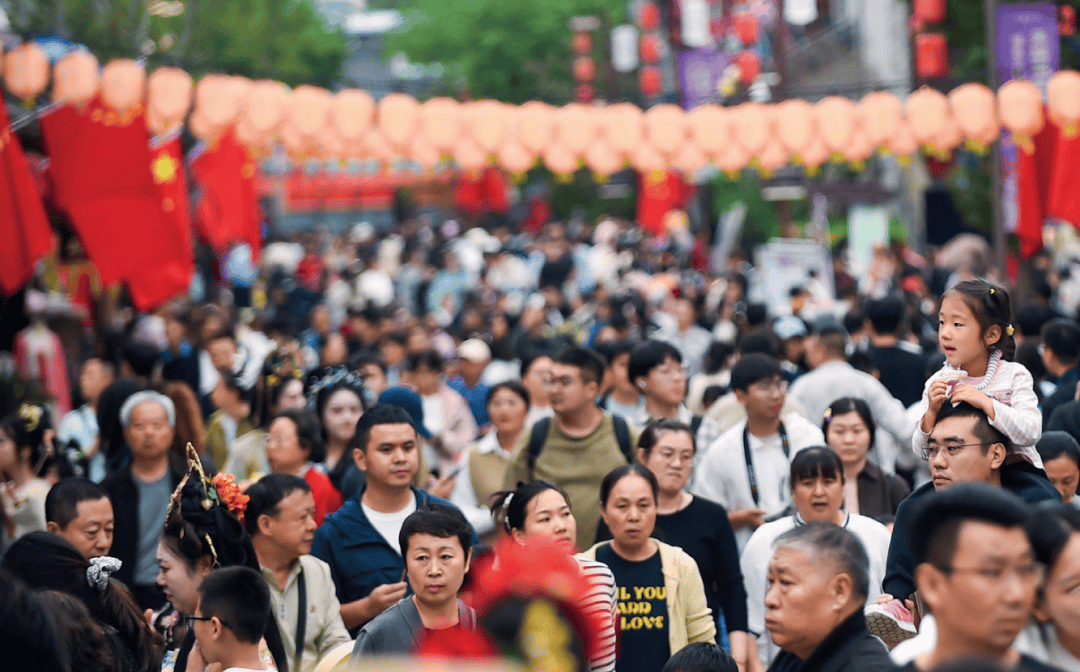
10月我国消费市场稳定向好,线下消费热度明显提升
Sou Hu Cai Jing· 2025-11-13 07:43
Economic Performance Overview - The latest economic data for October indicates a stable and improving trend in China's economy, supported by leading indicators in consumption, industry, and foreign trade [1][17] - The consumer market shows a stable upward momentum, characterized by a dual-driven new pattern of expanding lower-tier markets and leading cultural and tourism consumption [1][7] Consumer Market Insights - Offline consumption has seen significant growth, particularly in lower-tier cities, with a year-on-year increase of 31.2% in consumption index for third-tier and below cities, compared to 18.9% and 14.5% for first and second-tier cities respectively [1] - The "Double Festival" period (National Day and Mid-Autumn Festival) saw domestic travel reach 888 million trips, with total spending of 809 billion, marking substantial growth from the previous year [5] Infrastructure Development - In October, infrastructure construction rates and workload increased month-on-month, with the central region showing the highest growth, reinforcing its role as a "backbone" in national development [8][12] - The average operating rate of construction machinery rose by 1.4% month-on-month, with a workload increase of 5.25% [8] Industrial Production and Employment - Industrial production vitality continues to enhance, with a 0.5 percentage point year-on-year increase in the operating rate of major industrial products and a 19.8% increase in industrial park production heat index [13] - The employment demand remains strong, reflected by an 8.1% year-on-year increase in the labor price index [15] Foreign Trade Dynamics - The foreign trade vitality index, as indicated by the bonded area flow heat index, increased by 17.7% year-on-year, with 23 provinces showing improved growth rates compared to September [15] - The easing of Sino-U.S. trade relations is expected to contribute to sustained resilience in foreign trade [15]