降准降息

Search documents
铜产业链周度报告-20260116
Zhong Hang Qi Huo· 2026-01-16 10:01
1. Report Industry Investment Rating - No relevant information provided in the report. 2. Core Viewpoints of the Report - Copper prices are expected to maintain high - level volatility in the short term, with a relatively limited correction range. Attention should be paid to opportunities for going long at low prices [5][57]. 3. Summary by Directory 3.1 Report Summary - US employment data shows that in December 2025, the seasonally - adjusted non - farm employment population increased by 50,000, lower than the market expectation. The November data was revised down by 8,000 to 56,000, and the October data was further revised down. The unemployment rate in December dropped to 4.4%. The CPI in December 2025 increased by 2.7% year - on - year, and the core CPI increased by 2.6%, both remaining flat compared to the previous value. The initial jobless claims in the US last week decreased by 9,000 to 198,000, significantly lower than the market expectation [5][12]. - The US will impose a 25% import ad - valorem tariff on some imported semiconductors, semiconductor manufacturing equipment, and derivatives starting from the 15th. However, copper input materials including refined copper are not subject to the tariff, which eases the concern of copper flowing to the US and weakens the support for copper prices [12]. - In December 2025, China's CPI increased by 0.8% year - on - year, and the core CPI increased by 1.2%. The PPI decreased by 1.9% year - on - year, with a narrowing decline [13]. - China's State Council executive meeting deployed a package of policies to promote domestic demand through fiscal and financial coordination, and the central bank introduced a series of measures to support high - quality economic development. The central bank also stated that there is still room for reserve requirement ratio cuts and interest rate cuts this year [17]. 3.2 Multi - and Short - Focus - **Bullish Factors**: The tight situation of copper mines remains unchanged, and the registered warrants of LME have dropped sharply [8]. - **Bearish Factors**: The rebound of the US dollar index increases the pressure on non - ferrous metals, the macro sentiment has weakened, and the domestic social inventory of copper continues to accumulate [8]. 3.3 Data Analysis - **Copper Mine Supply**: In 2025, the global copper mine supply was severely disrupted by various events, and the supply of copper concentrates is expected to have a significant gap. The gap may further expand in 2026 and turn to a loose state in 2027 [21]. - **Copper Concentrate TC**: As of the week of January 9, the My steel standard clean copper concentrate TC weekly index was - 44.81 dollars/ton dry, down 0.08 dollars/ton dry from the previous week. The strike at the Chilean Mantoverde copper mine intensifies the market's concern about supply shortages [24]. - **Electrolytic Copper Output**: In December, the SMM China electrolytic copper output increased by 75,000 tons month - on - month, with a year - on - year increase of 7.54%. The estimated output in January 2026 was 1.1636 million tons, with a slight month - on - month decrease [28]. - **Scrap Copper Import**: In November, China's scrap copper import volume was 208,100 tons, a year - on - year increase of 19.9%. However, it is expected that the scrap copper supply will tighten in 2026 due to increased global demand [32]. - **Copper Rod Production**: In December 2025, the production of domestic copper rods decreased by 16.61% month - on - month, and the capacity utilization rate decreased. In January 2026, the production and capacity utilization rate increased slightly, but the overall increase was limited [36]. - **Refined - Scrap Copper Price Difference**: As of January 15, the refined - scrap copper price difference was around 2,950 yuan/ton, which is still at a high level, not conducive to refined copper consumption [39]. - **Copper Inventory**: Last week, LME copper inventory decreased slightly, COMEX copper inventory continued to accumulate, and SHFE copper inventory increased significantly. The domestic social inventory of electrolytic copper also accumulated [50]. - **Copper Spot Premium**: On January 15, the spot premium of Shanghai Wumaotrade 1 copper was around - 120 yuan/ton, with an expanded discount. The LME0 - 3 spot premium was around 37.6 dollars/ton, with an expanded premium [54]. 3.4 Market Outlook - Copper prices will maintain high - level volatility in the short term, with a relatively limited correction range, and attention should be paid to opportunities for going long at low prices [57].
宏观动态跟踪报告:货币政策的新举措与新信号
Ping An Securities· 2026-01-16 09:51
Monetary Policy Measures - The central bank has introduced new monetary policy measures, including a 0.25 percentage point reduction in various structural monetary policy tool rates, expected to save banks approximately 13.5 billion yuan annually[5] - The re-lending and rediscounting for agricultural and small enterprises have been merged, increasing the quota by 500 billion yuan, with a dedicated 1 trillion yuan for private enterprises[7] - The minimum down payment ratio for commercial property loans has been lowered to 30% to support the real estate market[8] Exchange Rate Management - The central bank aims to stabilize the foreign exchange market in 2026, with a projected net inflow of 302.1 billion USD for the year, indicating a shift from net outflow[9] - Approximately 60% of import and export trade is minimally affected by exchange rate fluctuations, with 30% of foreign trade conducted in RMB[10] - The central bank emphasizes the importance of balanced import and export development and plans to enhance macro-prudential management to mitigate exchange rate risks[11] Financial Data Trends - As of December 2025, the total social financing stock grew by 8.3% year-on-year, while loan stock increased by 6.4%[15] - The growth rate of M2 rose to 8.5%, reflecting a 0.5 percentage point increase from the previous month[15] - Direct financing reached 16.7 trillion yuan in December 2025, accounting for 46.9% of total social financing, an increase of 7.8 percentage points compared to 2020[16]
焦炭日报:短期偏震荡对待-20260116
Guan Tong Qi Huo· 2026-01-16 09:47
Report Industry Investment Rating - The report suggests a short - term oscillatory outlook for coke, with a low - buying strategy [2] Core Viewpoints - Coke's supply - demand pattern is affected by upstream coking coal costs, downstream steel demand, and macro - policies. Coking coal inventory is lower than usual, while coke inventory is at a moderately high level, with overall weak supply - demand. The seasonal inventory build - up of downstream steel mills and the increase in hot metal production have boosted short - term demand for coking coal and coke. With a positive macro - market atmosphere and domestic reserve requirement ratio cuts, coke is expected to be oscillatory in the short term [2] Summary by Related Catalogs Market Analysis - As of January 9, independent coking enterprises' coke inventory decreased by 6.04% to 86.07 million tons, steel mills' coke inventory increased by 0.27% to 645.73 million tons, port coke inventory rose to 249.1 million tons, and the comprehensive coke inventory increased by 2.22 million tons to 980.9 million tons, reaching a 3 - month high and a year - on - year decrease of over 1% [1] - The average profit per ton of coke for 30 independent coking plants nationwide is - 45 yuan/ton; the average profit of Shanxi quasi - first - grade coke is - 30 yuan/ton, Shandong quasi - first - grade coke is 17 yuan/ton, Inner Mongolia second - grade coke is - 86 yuan/ton, and Hebei quasi - first - grade coke is 9 yuan/ton [1] - The blast furnace operating rate of 247 steel mills increased by 0.37% to 79.31%, the blast furnace iron - making capacity utilization rate increased by 0.78% to 86.04%, the steel mill profitability decreased by 0.44% to 37.66%, and the daily average hot metal output continued to increase by 2.07 million tons to 229.5 million tons, reaching a one - month high and a year - on - year increase of 5.13 million tons or 2.29% [1] Upstream Situation - Coal mine coking coal inventory continued to increase slightly, port inventory increased by 551.96 million tons, independent coking enterprises' coking coal inventory increased to 1071.68 million tons, and steel mills' coking coal inventory decreased by 797.73 million tons. The comprehensive coking coal inventory increased to 2716.37 million tons, reaching a nearly 9 - month high, with a year - on - year decrease of over 15% [2] News - The central bank will lower the re - loan and rediscount rates by 0.25 percentage points from January 19; there is still room for reserve requirement ratio cuts and interest rate cuts this year; the central bank will consider conducting treasury bond trading operations; promoting stable economic growth and reasonable price recovery is an important consideration for monetary policy; the minimum down - payment ratio for commercial housing mortgages is reduced to 30% [2] - The financial regulatory authority will promote the regular operation of the urban real estate financing coordination mechanism and support the resolution of financing platform debt risks in accordance with the law [2] - China's M2 money supply annual rate in December was 8.5%, higher than the expected 8% and the previous value of 8% [2] Main Logic - Coke's supply - demand pattern is affected by upstream coking coal costs, downstream steel demand, and macro - policies. Coking coal inventory is lower than usual, while coke inventory is at a moderately high level, with overall weak supply - demand. The seasonal inventory build - up of downstream steel mills and the increase in hot metal production have boosted short - term demand for coking coal and coke. With a positive macro - market atmosphere and domestic reserve requirement ratio cuts, coke is expected to be oscillatory in the short term [2] Futures Market Performance - The opening price of the coke main contract was 1741, the closing price was 1717, the intraday position increased by 1479 lots, the previous low was 1625.5, and the previous high was 1817.5. Attention should be paid to the support of the previous low and the pressure of the previous high [4]
万联证券:结构性工具降息 宽信用渠道拓展
Zheng Quan Ri Bao Wang· 2026-01-16 07:41
Group 1 - The core viewpoint of the articles is that China's monetary policy will remain moderately accommodative in 2026, focusing on counter-cyclical and cross-cyclical adjustments to support high-quality economic development and structural transformation [1][2] - Starting from January 19, the People's Bank of China will lower the re-lending and rediscount rates by 0.25 percentage points, which is expected to enhance banks' willingness to lend in key areas and reduce credit costs [1] - The structural policy adjustment includes targeted interest rate reductions for key supported sectors and an increase in the quota for structural tools, broadening the coverage of credit support to include sectors like technology innovation, small and medium-sized enterprises, green projects, and employment [1] Group 2 - There is still room for further interest rate cuts and reserve requirement ratio reductions this year, with structural tools being prioritized initially, while total tools may be used more moderately later [2] - The average statutory reserve requirement ratio is at 6.3%, with a safe distance from the historical low of 5%, indicating potential for further easing [2] - The focus on prices is increasing, with expectations that macro policy coordination and initiatives to boost consumption will improve supply-demand matching, leading to a limited rise in inflation in 2026 compared to 2025 [2]
债市日报:1月16日
Xin Hua Cai Jing· 2026-01-16 07:33
Core Viewpoint - The Chinese bond market shows a strong performance due to the central bank's recent policy measures, although the upward momentum in bond yields has narrowed in the afternoon session [1] Market Performance - Government bond futures closed mostly higher, with the 30-year main contract down 0.09% at 111.16, while the 10-year main contract rose 0.01% to 108.065 [2] - The interbank bond yield continued to decline slightly, with the 10-year policy bank bond yield down 0.4 basis points to 1.9640% and the 10-year government bond yield down 1.25 basis points to 1.8425% [2] - The China Convertible Bond Index rose 0.47% to 519.31 points, with a trading volume of 989.35 billion yuan [2] Monetary Policy - The central bank implemented a series of measures to support high-quality economic development, including a 0.25 percentage point reduction in the re-lending and rediscount rates, and an increase in the re-lending quota for small and micro enterprises by 500 billion yuan [7] - The central bank indicated that there is still room for further reductions in reserve requirements and interest rates this year [7] Economic Indicators - The latest financial data shows that the social financing scale increased by 35.6 trillion yuan in 2025, with a year-on-year increase of 3.34 trillion yuan [6] - The total amount of RMB loans increased by 16.27 trillion yuan, and RMB deposits increased by 26.41 trillion yuan in 2025 [6] Institutional Insights - According to China International Capital Corporation (CICC), the recent policy measures mark the beginning of a loosening process by the central bank, with potential for further monetary policy tools to be utilized if economic conditions worsen [8] - Huatai Securities noted that the current policy focus is on structural support rather than total volume tools, with expectations for a positive economic outlook at the beginning of the year [8] - CITIC Securities highlighted that the central bank's reduction in various re-lending tool rates is aimed at enhancing bank lending activity and stabilizing credit growth [9]
鹤岗妇务通丨下调再贷款利率,增加再贷款额度……央行出台一批重磅政策
Sou Hu Cai Jing· 2026-01-16 07:23
Core Viewpoint - The central bank indicates there is still room for further monetary easing, including potential interest rate cuts, given the current economic conditions and stability in the RMB exchange rate [1] Monetary Policy Adjustments - The average statutory deposit reserve ratio for financial institutions is currently 6.3%, suggesting room for a reduction in reserve requirements [1] - The one-year relending rate has been lowered from 1.5% to 1.25%, with similar adjustments across other terms [1] Support for Specific Sectors - An additional 500 billion yuan has been allocated to support agriculture and small enterprises through relending, with a total of 1 trillion yuan specifically for private enterprises [1] - The relending quota for technological innovation and transformation has been increased from 800 billion yuan to 1.2 trillion yuan, expanding support to high R&D investment private SMEs [1] Risk Management and Financial Services - The minimum down payment ratio for commercial property loans has been reduced to 30% to support the commercial real estate market [1] - Financial institutions are encouraged to enhance foreign exchange risk management services, providing more flexible and cost-effective tools for enterprises [1]
下调再贷款利率,增加再贷款额度……央行重磅发布
Sou Hu Cai Jing· 2026-01-16 06:27
Core Viewpoint - The People's Bank of China announced eight new financial policies to support the high-quality development of the real economy, indicating a proactive approach to monetary policy amid current economic conditions [1] Financial Policy Adjustments - The central bank lowered the interest rates of various structural monetary policy tools by 0.25 percentage points, with the one-year re-lending rate reduced from 1.5% to 1.25% [1] - The bank plans to merge the re-lending for agriculture and small enterprises with rediscounting, increasing the re-lending quota for agriculture and small enterprises by 500 billion yuan, with a separate quota of 1 trillion yuan specifically for private enterprises [1] Support for Innovation and Technology - The quota for re-lending aimed at technological innovation and transformation has been increased from 800 billion yuan to 1.2 trillion yuan, expanding support to private small and medium-sized enterprises with high R&D investment levels [1] - A combined risk-sharing tool for bonds related to technological innovation and private enterprises has been established, providing a total re-lending quota of 200 billion yuan [1] Environmental and Social Support - The scope of carbon reduction support tools has been expanded to include projects related to energy-saving renovations, green upgrades, and low-carbon energy transitions [1] - The support areas for service consumption and elderly care re-lending will be expanded to include the health industry, aligning with health industry recognition standards [1] Real Estate and Financial Services - The minimum down payment ratio for commercial property loans has been lowered to 30% to support the destocking of the commercial real estate market [1] - Financial institutions are encouraged to enhance their foreign exchange risk management services, providing cost-effective and flexible tools for enterprises [1]


下调再贷款利率,增加再贷款额度……央行出台一批重磅政策
Sou Hu Cai Jing· 2026-01-16 06:16
Core Viewpoint - The People's Bank of China announced eight new financial policies to support the high-quality development of the real economy, indicating potential for further monetary easing in 2023 [1] Group 1: Monetary Policy Adjustments - The central bank lowered the interest rates of various structural monetary policy tools by 0.25 percentage points, with the one-year re-lending rate reduced from 1.5% to 1.25% [2] - There is still room for further reductions in the required reserve ratio, currently averaging 6.3% for financial institutions [1][2] Group 2: Support for Specific Sectors - The quota for re-lending to support agriculture and small enterprises has been increased by 500 billion yuan, with a separate quota of 1 trillion yuan designated for private enterprises [2] - The quota for re-lending aimed at technological innovation and technological transformation has been raised from 800 billion yuan to 1.2 trillion yuan, expanding support to high R&D investment private small and medium-sized enterprises [2] Group 3: Risk Management and Financial Services - The commercial property loan down payment ratio has been lowered to 30% to support the destocking of the commercial real estate market [2] - Financial institutions are encouraged to enhance their foreign exchange risk management services, providing cost-effective and flexible tools for enterprises [2]
央行:今年看降准降息还有一定空间,券商ETF(159842)盘中上涨,连续两日“吸金”累超2亿元
2 1 Shi Ji Jing Ji Bao Dao· 2026-01-16 05:40
Group 1 - The three major indices in China experienced collective gains on January 16, with the Shanghai Composite Index rising by 0.58%, the Shenzhen Component Index by 0.64%, and the ChiNext Index by 0.73% [1] - The CSI All Share Securities Company Index increased by 0.75%, with notable gains from Southwest Securities and Guosheng Securities, both rising over 2%, and several others including Bank of China Securities and Huatai Securities rising over 1% [1] - The Broker ETF (159842) rose by 0.69% with a trading volume of 26.77 million yuan and a real-time premium rate of 0.02%, indicating frequent premium trading [1] Group 2 - The net inflow for the Broker ETF on the previous trading day (January 15) was 99.73 million yuan, marking two consecutive days of net inflows, totaling 226 million yuan [1] - As of January 15, the latest circulating shares of the Broker ETF were 9.115 billion, with a total circulating scale of 10.522 billion yuan [1] - The Broker ETF closely tracks the CSI All Share Securities Company Index, which focuses on large-cap securities leaders in the A-share market, including both traditional and fintech leaders [1] Group 3 - The People's Bank of China indicated that there is still room for reserve requirement ratio cuts and interest rate reductions, with the average reserve requirement ratio currently at 6.3% [2] - It is anticipated that a 50 basis point reserve requirement cut may occur in the first quarter, aiming to maintain ample liquidity alongside government bond issuance [2] - The current monetary policy is characterized by a high degree of coordination with fiscal policy, with a focus on stabilizing expectations, employment, and the financial market [2]
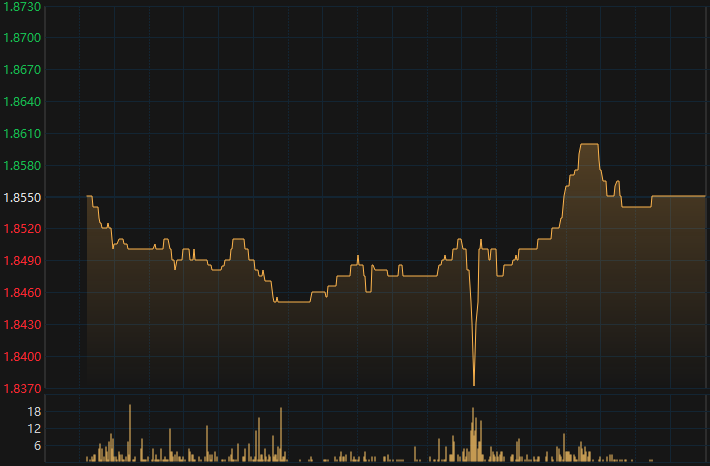
央行尾盘送利好 债市迅速消化收益率先降后升
Xin Hua Cai Jing· 2026-01-16 05:33
Core Viewpoint - The People's Bank of China (PBOC) announced a series of monetary policy measures, including a 0.25 percentage point reduction in the interest rates of various structural monetary policy tools, aimed at supporting the transformation of the real economy and signaling further easing of total monetary tools [3][4]. Group 1: Monetary Policy Changes - The PBOC lowered the one-year interest rate for various relending tools from 1.5% to 1.25%, with similar adjustments for other terms [3]. - The PBOC indicated that there is still room for further reductions in reserve requirement ratios and interest rates this year, considering the current average reserve requirement ratio of 6.3% [4]. - Analysts suggest that the current environment allows for a focus on structural policy tool rate cuts, which face fewer constraints compared to total policy rate cuts [3][4]. Group 2: Market Reactions - The bond market reacted strongly to the announcement, with a significant initial drop in yields, particularly for the 10-year government bonds, which fell to a low of 1.835% before rebounding to close at 1.855% [1][3]. - Despite the positive policy announcements, the bond market experienced volatility, with yields rebounding shortly after the initial drop, indicating market skepticism about the effectiveness of the measures [6]. - Analysts believe that the bond market may require more time to stabilize, with potential turning points for interest rates expected later in January [6]. Group 3: Economic Indicators - Preliminary statistics for 2025 show that the total social financing increased by 3.34 trillion yuan compared to the previous year, reaching 35.6 trillion yuan [7]. - The broad money supply (M2) grew by 8.5% year-on-year as of the end of December, reflecting a 0.5 percentage point increase from the previous month [7]. - New RMB loans for the year totaled 16.27 trillion yuan, with a year-on-year growth rate of 6.4%, indicating a stable lending environment [7].