中美贸易战

Search documents
美国没想到,打压中国制裁中国的结果竟然是中国不再购买美国芯片
Sou Hu Cai Jing· 2025-07-19 04:38
Group 1 - The article discusses the increasing isolationist policies of the United States, drawing parallels to China's historical isolationism, particularly in the context of the ongoing trade war with China [1][3]. - The trade war initiated by the Trump administration in 2017, marked by the "301 investigation," has escalated into significant tariffs on Chinese goods, impacting both economies and leading to a complex interplay of retaliatory measures [4][5]. - The U.S. has implemented strict export controls on high-end chips to China, significantly affecting Chinese tech companies, especially in the smartphone sector, and revealing underlying issues within the U.S. industrial landscape [6][7]. Group 2 - The article highlights the consequences of the U.S. outsourcing low-end manufacturing to other countries, leading to a hollowing out of its manufacturing base and increased reliance on foreign supply chains, which poses risks to national security [9][11]. - Despite facing significant challenges due to U.S. restrictions, Chinese tech companies have shown resilience and innovation, with firms like Huawei and SMIC making notable advancements in chip technology [12][13]. - The U.S. government's attempts to maintain technological dominance through sanctions and media narratives reflect its anxiety over China's growing capabilities in high-tech sectors [14][15]. Group 3 - The eventual decision by the U.S. to lift the ban on chip exports to China indicates a strategic retreat in the face of China's advancements, as American companies seek to regain market share in a competitive landscape [15][16]. - The shift in consumer preferences towards domestically developed chips in China signifies a changing market dynamic, where U.S. companies may struggle to maintain their previous levels of influence [16][18]. - The article concludes that China's technological rise is likely to continue unabated, posing ongoing challenges to U.S. technological hegemony [18].


李嘉诚的港口交易,迎来新变数!
Sou Hu Cai Jing· 2025-07-19 03:47
Core Viewpoint - The situation regarding Li Ka-shing's sale of ports has seen a significant development, with BlackRock inviting China COSCO Shipping Group to participate in the acquisition of 43 ports, indicating a shift in dynamics [2][19]. Group 1: Transaction Background - Li Ka-shing's plan to sell 43 ports to BlackRock has faced considerable backlash, with accusations of selling strategic assets to foreign entities [7][8]. - The Hong Kong government, including current and former leaders, has expressed strong concerns about the transaction, emphasizing that any deal must comply with legal regulations [9][10]. - Li Ka-shing's son, Li Zeju, stated that proceeds from the sale would be reinvested in Hong Kong and mainland China, which was met with skepticism by the media [11][12]. Group 2: Government and Market Response - The Chinese government has indicated its intention to protect fair competition, confirming the involvement of state-owned enterprises in the transaction [4][5]. - The National Market Supervision Administration has announced that it will conduct a legal review of the sale, further complicating the deal for Li Ka-shing [10]. Group 3: Strategic Implications - The ports in question control 21% of China's shipping volume and are critical to national shipping security, making the sale a matter of national interest amid ongoing U.S.-China trade tensions [25]. - The potential sale has been characterized as a strategic move that aligns with U.S. efforts to decouple supply chains from China, raising concerns about the implications for national interests [25]. Group 4: Future Outlook - The involvement of COSCO in the acquisition process suggests a potential shift in the balance of power regarding the transaction, as the Chinese company holds significant leverage [20][21]. - The future of Li Ka-shing's assets remains uncertain, with indications that the era of his dominance in Hong Kong may be coming to an end [26].



冠通每日交易策略-20250717
Guan Tong Qi Huo· 2025-07-17 13:46
Report Industry Investment Rating No relevant content provided. Core Viewpoints - The market has reflected OPEC+'s accelerated production increase, and the IEA has raised the global crude oil surplus in 2025. Considering the downstream peak season, it is expected that crude oil prices will fluctuate strongly in the near term [10]. - As asphalt gradually enters the peak season, it is recommended to buy the 09 - 12 spread at low prices [12]. - Given the high inventory and weak demand, it is expected that PP will fluctuate at a low level. Attention should be paid to the progress of the global trade war [13]. - Due to high inventory and slow downstream recovery, it is expected that plastics will fluctuate at a low level in the near term. Attention should be paid to the progress of the global trade war [15]. - PVC is under great pressure before the demand is substantially improved. It is expected that PVC will fluctuate at a low level in the near term [17]. - Domestic soybean oil is under supply pressure and weak demand, and its price is expected to remain under pressure. Attention should be paid to the final bio - fuel obligation volume [18]. - Although the domestic soybean meal inventory is high, there may be a large gap in the supply of imported soybeans in the long term. It is expected that the price of domestic soybean meal may rise. Attention should be paid to weather speculation and Sino - US trade negotiations [20]. - Under the weak balance of supply and demand and the increasing policy expectations, it is expected that rebar will fluctuate strongly in the short term [21]. - It is expected that hot - rolled coils will mainly fluctuate in a range in the short term [23]. - It is expected that coking coal will mainly fluctuate in the short term [24]. - Urea is expected to fluctuate weakly in the short term. Attention should be paid to the impact of news [26]. Summary by Relevant Catalogs Hot Varieties Carbonate Lithium - The average price of battery - grade and industrial - grade carbonate lithium remained flat compared with the previous trading day. The supply is still abundant, and the inventory pressure is difficult to relieve in the short term. The cost side supports the upward trend. Affected by the futures market and policies, the market sentiment has risen, but the futures price deviates from the fundamentals. Although it maintains a strong pattern, there is a risk of decline [3]. Copper - The copper price was supported by the expected weakening of the US dollar. The supply shortage expectation has been alleviated, and the demand of downstream industries is weak, except for the new energy industry. After the cooling of the sentiment of arbitrageurs rushing to the US, the inventory in other regions has increased, which puts pressure on the copper price. The 50% copper tariff in the US may cause the market to decline further [5]. Futures Market Overview - As of July 15, domestic futures contracts showed mixed trends. Polysilicon and logs rose significantly, while container shipping to Europe and low - sulfur fuel oil fell. In terms of capital flow, some stock index futures contracts had capital inflows, while some metal futures contracts had capital outflows [7]. Crude Oil - The tension in the Middle East has eased, but attention should be paid to subsequent developments. The US crude oil inventory has decreased, but the overall oil product inventory has increased. OPEC+ will increase production in August, and is considering suspending further production increases from October. OPEC has lowered the global oil demand forecast. Considering the peak consumption season and the threat of US sanctions on Russia, it is expected that the crude oil price will fluctuate strongly in the near term [10]. Asphalt - The asphalt production is expected to increase in July. The downstream construction rate has mostly declined, and the inventory is at a low level. Affected by the situation in the Middle East and the global trade war, the increase in crude oil prices is limited. As it gradually enters the peak season, it is recommended to buy the 09 - 12 spread at low prices [12]. PP - The downstream construction rate of PP has declined, and the enterprise construction rate has decreased. The inventory is at a high level. Affected by the global trade war and the situation in the Middle East, the crude oil price has fluctuated. Considering the new production capacity and slow downstream recovery, it is expected that PP will fluctuate at a low level [13]. Plastic - The plastic construction rate has decreased, and the downstream construction rate is at a low level. The inventory is at a high level. The US - China trade situation has both positive and negative impacts. Considering the new production capacity and slow downstream recovery, it is expected that plastics will fluctuate at a low level in the near term [15]. PVC - The PVC construction rate has decreased, and the downstream construction rate is low. The inventory is high. The export is restricted, and the demand in the real estate industry is weak. With new production capacity coming online and weak demand, it is expected that PVC will fluctuate at a low level in the near term [16][17]. Soybean Oil - The soybean oil price has shown a strong range - bound trend. The supply is abundant, and the demand is in the off - season. Although the production of biodiesel may support the demand, the decline in international crude oil prices may reduce the demand for soybean oil as a bio - fuel. It is expected that the domestic soybean oil price will remain under pressure [18]. Soybean Meal - The soybean meal price has shown an upward trend. The supply is abundant, and the domestic inventory is high. However, there may be a large gap in the supply of imported soybeans in the long term, and the market speculation may drive up the price. Attention should be paid to weather speculation and Sino - US trade negotiations [20]. Rebar - The rebar price has rebounded. The supply reduction is limited, the demand shows regional differentiation, the inventory pressure is controllable, and the policy expectation is increasing. Considering the cost support, it is expected that the rebar will fluctuate strongly in the short term [21]. Hot - Rolled Coil - The hot - rolled coil price has rebounded. The supply is resilient, the demand is weak both at home and abroad, and the inventory is increasing. Although the cost provides support, the actual impact of policies needs time to verify. It is expected that the hot - rolled coil will mainly fluctuate in a range in the short term [23]. Coking Coal - The coking coal price has fluctuated. The supply will increase with the resumption of Mongolian coal customs clearance, but the second - round price increase expectation supports the market. The downstream steel mill profit is good, and the iron water production is still high. It is expected that the coking coal will mainly fluctuate in the short term [24]. Urea - The urea price has shown a weak upward trend. The supply pressure is difficult to relieve in the short term, and the demand is weak. The inventory is decreasing, but the decline rate has slowed down. It is expected that the urea will fluctuate weakly in the short term [26].
冠通每日交易策略-20250716
Guan Tong Qi Huo· 2025-07-16 11:08
Report Industry Investment Rating No relevant content provided. Core Viewpoints - The market sentiment of domestic futures is complex, with different trends for various varieties. For example, the prices of some commodities are affected by factors such as supply - demand relationships, geopolitical risks, and policy changes. Overall, most commodities are in a state of oscillation, and investors need to pay attention to relevant factors such as policy implementation and supply - demand changes [3][4][9] Summary by Variety Carbonate Lithium - Price: The average price of battery - grade carbonate lithium is 64,950 yuan/ton, and that of industrial - grade is 63,350 yuan/ton, both up 50 yuan/ton from the previous workday [3] - Supply: The weekly capacity utilization rate is 62%, up from last week. The output in June was 74,000 tons, with inventory continuously increasing [3] - Demand: The downstream is mainly for rigid - demand restocking. The operating load of battery material factories increased in July, and the consumption data of new - energy vehicles is on an upward trend [3] - Market: The market sentiment has cooled, and the market is oscillating strongly [3] Coking Coal - Price: The mainstream price in the Shanxi market (Jiexiu) is 1,020 yuan/ton, up 20 yuan/ton from the previous day; the self - pick - up price of Mongolian No. 5 coking raw coal is 783 yuan/ton, up 1 yuan/ton [4] - Supply: The import volume of coal from Mongolia is expected to increase after the holiday. The domestic coal production affected by the safety month has also recovered. The daily output of coal washing plants has increased by about 0.8 tons [4][5] - Demand: The coke price increase has been implemented, driving up the upstream price. The downstream steel mills have good profits, and the coking coal has stronger resistance to decline than coke [5] - Market: The supply support is gradually weakening, but the short - term market is oscillating without a pessimistic outlook [5] Copper - Price: The price of Shanghai copper has declined [9] - Supply: The copper concentrate inventory has increased, and the tight supply expectation has been alleviated. After the 232 copper tariff is implemented, the domestic copper inventory is expected to increase [9] - Demand: The apparent consumption of electrolytic copper has increased, but the downstream procurement sentiment is weak, and only emerging industries such as new energy are performing well [9] - Market: The short - term price is under pressure, but the downward space is limited [9] Crude Oil - Price: It is expected to oscillate strongly in the near future [10][11] - Supply: OPEC + will increase production by 548,000 barrels per day in August. The US crude oil inventory is at a low level [10][11] - Demand: It has entered the seasonal peak travel season [10] - Market: The geopolitical risk in the Middle East has decreased, but there are still uncertainties such as sanctions and the Iran nuclear agreement [10][11] Asphalt - Price: It is recommended to go long on the 09 - 12 spread at low prices [12] - Supply: The asphalt production is expected to be 2.542 million tons in July, with an increase of 6.0% month - on - month and 23.6% year - on - year [12] - Demand: The downstream operating rate has mostly declined, and the terminal project funds are still restricted [12] - Market: The geopolitical risk in the Middle East has decreased, and the crude oil price increase is limited [12] PP - Price: It is expected to oscillate at a low level [14] - Supply: The new capacity of Zhenhai Refining & Chemical's No. 4 unit was put into operation in June, and the number of maintenance devices has increased slightly [14] - Demand: The downstream operating rate has declined, and the new orders are limited [14] - Market: The inventory pressure is large, and attention should be paid to the progress of the global trade war [14] Plastic - Price: It is expected to oscillate at a low level in the near future [15][17] - Supply: The new capacity of Shandong Yulong Petrochemical's No. 2 HDPE unit has been put into operation, and the operating rate has increased slightly [15][17] - Demand: The downstream operating rate is at a low level, and the new orders are followed up slowly [15][17] - Market: The inventory pressure is large, and attention should be paid to the global trade war [15][17] PVC - Price: It is expected to oscillate at a low level in the near future [18] - Supply: The operating rate has decreased, and new capacities such as Wanhua Chemical are about to be put into operation [18] - Demand: The downstream operating rate is low, and the export is restricted [18] - Market: The inventory pressure is large, and the demand has not been substantially improved [18] Soybean Oil - Price: It is expected to oscillate strongly in the short term, but there is a callback pressure [19][20] - Supply: The inventory of imported soybeans and soybean oil has increased, and the supply is loose [19] - Demand: The domestic consumption is weak, and the consumption in the bio - fuel field may decrease [19][20] - Market: Attention should be paid to the crude oil price fluctuation and inventory accumulation [19][20] Soybean Meal - Price: It oscillates strongly, deviating from the price trend of US soybeans [21] - Supply: The inventory of soybeans and soybean meal has increased [21] - Demand: The consumption demand has increased [21] - Market: Attention should be paid to the US trade agreement [21] Rebar - Price: It is expected to oscillate, and attention should be paid to policies and supply - demand inflection points [22][23] - Supply: The production reduction is continuing, but the supply contraction is slow [22][23] - Demand: The demand is weak, and the demand toughness is weakening [22][23] - Market: The cost support is in a game, and the market is in a seasonal weak state [22][23] Hot Rolled Coil - Price: It is expected to oscillate at a high level [24][25] - Supply: The supply pressure has increased slightly [24] - Demand: The downstream demand is weak, and exports may shrink [24][25] - Market: The fundamentals are moderately weak [24][25] Urea - Price: It is expected to oscillate weakly in the short term, and attention should be paid to news disturbances [26] - Supply: The daily output is around 200,000 tons, and new capacities are being put into operation [26] - Demand: The agricultural demand in the north is weakening, and the downstream is mainly for rigid - demand procurement [26] - Market: The market is a combination of weak reality and strong expectation [26]
中国智能手机市场二季度出货量同比下降4%
Bei Jing Shang Bao· 2025-07-16 07:28
Core Insights - The Chinese smartphone market experienced a decline in shipments for the second quarter of 2025, with a total of 68.96 million units shipped, representing a year-on-year decrease of 4.0% [1][2] - Major manufacturers such as Huawei, vivo, OPPO, Xiaomi, and Apple saw varying degrees of decline in shipments, with vivo experiencing the largest drop at 10.1%, while Xiaomi was the only brand to see an increase in shipments at 3.4% [1] - The "national subsidy" program had limited impact on market demand, and manufacturers focused on controlling inventory levels, leading to reduced shipments during the quarter [1][2] Market Dynamics - Economic uncertainty is compressing demand in the low-end smartphone market, which is highly price-sensitive, contributing to overall market stagnation [2] - The performance of the Chinese market has not met expectations, negatively affecting global growth, with the second quarter's decline attributed to ineffective stimulation of demand from the "national subsidy" [2] - Despite strong sales during the "618" promotional period, the primary goal for manufacturers and channel partners was to clear inventory rather than increase shipments [2] Manufacturer Performance - Apple, despite being the top-selling brand during the promotional period, still saw a 1% decline in shipments in the Chinese market for the second quarter [2] - The overall macroeconomic environment remains challenging, with consumer confidence low, making it difficult for smartphone demand to see significant improvement in the latter half of the year [1]


能化专题20250513
2025-07-16 06:13
Summary of Conference Call Records Industry Overview - The records discuss various aspects of the chemical and commodity markets, particularly focusing on the performance of specific products like rubber, palm oil, and methanol, as well as the impact of trade relations and market dynamics on these industries. Key Points and Arguments U.S. Business Profitability - U.S. business profitability stands at 4.38%, but there was a significant decline of 203.24% compared to the previous week, indicating a slight decrease in overall profitability [1] Rubber Market - The rubber market is experiencing strong quality support due to cost factors, suggesting a positive outlook for rubber prices [2] Production and Operating Rates - The operating rate for three enterprises as of May 8 was 44.75%, down 9.59% from the previous week and 4.44% year-on-year. The overall operating rate was 57.98%, reflecting a decline of 11.14% week-on-week and 18.11% year-on-year, primarily influenced by the holiday period [3] Financial Institutions and Market Tools - Starting May 15, financial institutions will increase their reserve requirements by 6%. There is potential for expanding or innovating new financial tools, indicating a proactive approach to market conditions [4] Supply Chain and Inventory - The supply chain is under pressure due to maintenance and repairs in various facilities, leading to a decrease in inventory levels. Last week, the matched sales volume was 4.832 million tons, down 14.5 million tons [5] Demand Dynamics - Demand remains weak overall, but there are signs of recovery in certain sectors, particularly in the Middle East, where operations are resuming post-holiday [6] Pricing and Market Sentiment - The pricing for certain chemicals, such as PS in California, has shown signs of recovery, with price differentials narrowing. The ongoing U.S.-China trade negotiations are expected to have a positive impact on demand [7] Methanol Market - The methanol market is currently experiencing a weak trend, with coastal prices outperforming inland prices. The average price in Inner Mongolia is around 2100, down 3.4% from the previous period [12] Inventory Levels - Methanol inventory levels are stable, with a slight decrease noted. Coastal regions are facing tight supply, contributing to stronger pricing in those areas [13][14] Seasonal Trends - The market is entering a seasonal downturn, particularly for downstream products, with overall demand remaining moderate. The coal market is also under pressure, with prices declining in regions like Inner Mongolia [15] Future Outlook - There is a potential for a shift in the methanol market due to upcoming import shipments, which could lead to changes in pricing dynamics in the medium to long term [16] Additional Important Content - The records highlight the importance of monitoring inventory levels and production rates as indicators of market health. The interplay between supply chain disruptions and demand recovery is crucial for forecasting future trends in the chemical and commodity markets.
能化专题20250429
2025-07-16 06:13
Summary of Conference Call Records Industry Overview - The records primarily discuss the **petrochemical industry**, focusing on the supply and demand dynamics of various products, particularly PK (polymer) and PX (paraxylene) [1][4][8]. Key Points and Arguments 1. **Supply Dynamics**: - There has been a significant reduction in supply due to maintenance and shutdowns of multiple production units, particularly in early May [1]. - The overall supply situation is characterized by a reduction in PK production, with a notable decrease in operational rates across various manufacturing segments [1][3]. - Domestic supply remains high due to increased production capacity compared to the previous year, with a double-digit growth rate expected in April [6]. 2. **Demand Trends**: - Demand has weakened, particularly in the midstream sector, with operational rates for manufacturing processes like hard bar and spinning showing a significant decline compared to early April [1][7]. - Downstream demand has also decreased, with a reported drop of over 4 percentage points in operational rates post-April [7]. 3. **Price and Market Conditions**: - The PX market is experiencing a phase of tight supply, with the price differential for PX in Korea dropping to around 140, marking a five-year low [4]. - The overall valuation levels in the industry are considered low, with potential for profit recovery, although the market remains under pressure due to high valuation levels in certain segments [8]. 4. **Raw Material Prices**: - Recent trends indicate that crude oil prices have stabilized at low levels, with no significant upward or downward movement observed [3]. - The gasoline price in North America has remained low since April, influenced by weak market expectations and trade tensions [5]. 5. **Future Outlook**: - The potential for new production capacity, such as the ExxonMobil Huizhou facility, could exert additional pressure on supply in the market, with expected commissioning in June [7]. - The overall supply-demand balance is expected to remain weak, with limited recovery in demand anticipated in the short term [8]. Additional Important Content - The records highlight the impact of geopolitical factors, such as trade tensions between the US and China, on market expectations and pricing dynamics [5]. - There is a mention of the seasonal nature of demand in the agricultural sector, which may influence market conditions in the coming months [10]. - The records also touch upon the implications of tariff policies and their potential effects on supply chain dynamics and cost structures within the industry [9][10].
出其不意,我们选择美国自以为最不可能的地方下手了
Sou Hu Cai Jing· 2025-07-14 08:57
消息一出,美国那边立刻炸锅。美国玉米种植者协会强烈反对,表示此举令农民生计雪上加霜,本就艰难的行业面临 更大压力。美国大豆协会主席凯莱布·拉格兰也发声称:"农民们被这突然的变化弄得措手不及,关税问题不是闹着玩 的,不仅影响收入,更动摇了他们对市场的信心。"这话说得实在,农民本来依赖出口挣钱,这么一来,收入大打折 扣,生活难题凸显。 2025年4月,中国政府突然宣布取消了110万吨美国玉米的进口订单,这一消息在美国引起了轩然大波。要知道,这 110万吨占美国对中国年度玉米出口总量的7%,绝非小数目。美国一直认为中国不会轻易动他们的农产品,毕竟粮食 安全是国家的大事,没人会轻率对待。然而这一次,中国偏偏选择了美国自以为"最安全"的领域下手,让美国措手不 及。这背后,到底隐藏着怎样的深意? 要理解这件事,得从中美贸易战谈起。贸易战早在2018年就爆发了,双方相互加征关税,知识产权问题也纠缠不休。 到了2025年,特朗普第二任期上台,贸易战形势愈发紧张。美国对中国商品的关税飙升至145%,中国也采取了反制 措施,加征报复性关税,双方如同两人掰腕子,谁也不愿让步。 就在这个关键时刻,中国开始深刻思考,不能总是被美国卡脖 ...
五矿期货农产品早报-20250714
Wu Kuang Qi Huo· 2025-07-14 06:48
农产品早报 2025-07-14 五矿期货农产品早报 五矿期货农产品团队 从业资格号:F0273729 交易咨询号:Z0002942 邮箱:wangja@wkqh.cn 从业资格号:F03116327 交易咨询号:Z0019233 邮箱:yangzeyuan@wkqh.cn 从业资格号:F03114441 交易咨询号:Z0022498 电话:010-60167188 邮箱:sxwei@wkqh.cn 王俊 组长、生鲜研究员 上周五美豆小幅下跌,USDA 月报未能提供利好,且新作全球大豆期末库存被调高。北美天气较好及贸 易战可能波及出口继续施压美豆,不过美豆估值略低,且近期旧作销售较好及生物柴油政策支撑需求, 整体维持区间震荡趋势。周末国内豆粕现货稳定,华东报 2820 元/吨,上周油厂豆粕成交下滑,提货仍 较好。据 MYSTEEL 统计上周国内压榨大豆 229.54 万吨,本周预计压榨 238.03 万吨。饲料企业库存天数 为 7.92(+0.01)天。 杨泽元 白糖、棉花研究员 美豆产区未来两周降雨偏好,覆盖大部分产区,天气有利。巴西方面,升贴水近期稳中小涨,中美大豆 关税仍未解除等支撑当地升贴水,对冲美豆 ...
美国怎么就被中国稀土卡了脖子?原因你肯定想不到
Guan Cha Zhe Wang· 2025-07-12 01:33
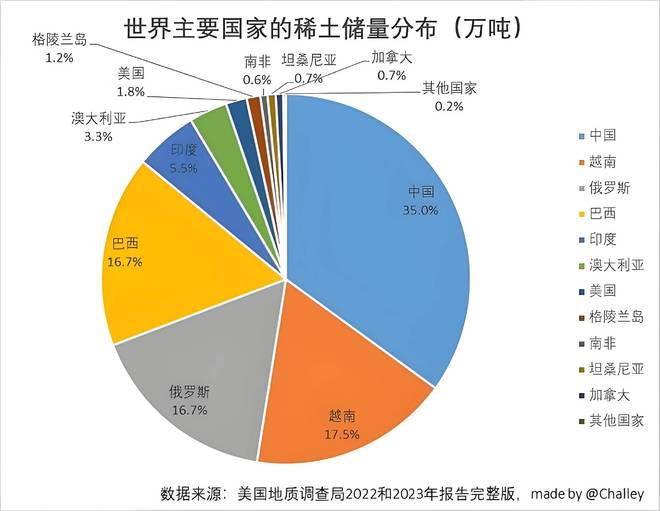
Group 1 - The U.S. Department of Commerce restored export licenses for EDA software, aviation equipment, and engines to China, marking the end of a recent ban that began in late May [1][2] - The trade dispute escalated with tariffs increasing by 125% between the U.S. and China, leading to significant trade disruptions [2][4] - The U.S. government's ban on exports was a response to China's tightening of rare earth controls, which the U.S. viewed as a retaliatory measure [2][4] Group 2 - China's strict management of rare earth exports is aimed at preventing strategic resources from being used against its interests, creating a counterbalance in negotiations [4][5] - U.S. companies, particularly in the automotive sector, face supply chain disruptions due to China's rare earth export controls, which could lead to production halts [4][6] - The U.S. has relied on smuggling to obtain rare earth materials, but recent crackdowns by China threaten this supply route [6][10] Group 3 - The U.S. export ban on ethane, EDA software, and aviation equipment may backfire, as it could also harm U.S. exports and industries reliant on these markets [12][13] - EDA software is critical for semiconductor design, but China has made significant strides in developing its own alternatives since facing U.S. sanctions [13][18] - The C919 aircraft's engine options include domestically developed alternatives, such as the AEF1200, which is positioned to meet the aircraft's power requirements [15][16][18] Group 4 - The AEF1200 engine, derived from the WS20 military engine, is designed to compete with established Western models like the CFM56, showcasing China's advancements in aviation technology [15][16] - China's approach to building a self-sufficient supply chain in response to U.S. sanctions reflects a long-term strategy to mitigate risks associated with foreign dependencies [18][19] - The recent approval of rare earth exports to major U.S. automakers under strict conditions indicates a strategic compromise to ensure the continued development of China's aviation industry [18]