
多品牌战略

Search documents
【新华财经调查】安踏布局“买买买”战略 模式是否可持续?
Xin Hua Cai Jing· 2025-06-25 13:15
Core Viewpoint - The Chinese sports industry is experiencing a golden development period driven by rapid economic growth and rising consumer spending, with Anta Sports leveraging a "buy-and-build" strategy to expand internationally, yet facing challenges such as slowing growth and increased competition [1][2]. Company Overview - Anta Sports has completed the acquisition of the German outdoor brand Jack Wolfskin for a base price of $290 million, marking a significant step in its global strategy [2]. - The appointment of Yao Jian as the president of Jack Wolfskin aims to align with the group's strategic development plans [2]. - Anta's revenue for 2024 is projected to grow by 13.58% to 70.83 billion yuan, marking its first time surpassing 70 billion yuan, and combined revenue with Amer Sports is expected to exceed 100 billion yuan [3][4]. Strategic Development - Anta's "buy-and-build" strategy has led to a diversified brand matrix, including the successful revitalization of the FILA brand in China after its acquisition [4][5]. - The company has also acquired several international brands, enhancing its market presence across various segments from mass to high-end [5]. - Anta's global strategy is seen as a crucial foundation for navigating uncertainties in the global market [2]. Industry Challenges - The sports industry is facing challenges such as growth slowdown, increased competition, and inventory pressures, with many brands resorting to discount promotions that negatively impact profit margins [8]. - The rise of e-commerce and live-streaming sales has altered traditional retail models, necessitating adjustments in channel strategies [8]. - Despite strong performance from leading companies like Anta, the industry is shifting from growth-driven competition to a focus on existing market share [8]. Future Outlook - The Chinese sports industry is projected to reach a market size of 7 trillion yuan by 2035, with a GDP contribution exceeding 2.5% [10]. - The increasing health consciousness among consumers is expanding the market for casual sports, necessitating brands to focus on stylish and functional designs [9]. - Anta's internationalization strategy serves as a reference for other Chinese sports brands, but the path remains fraught with challenges [10].

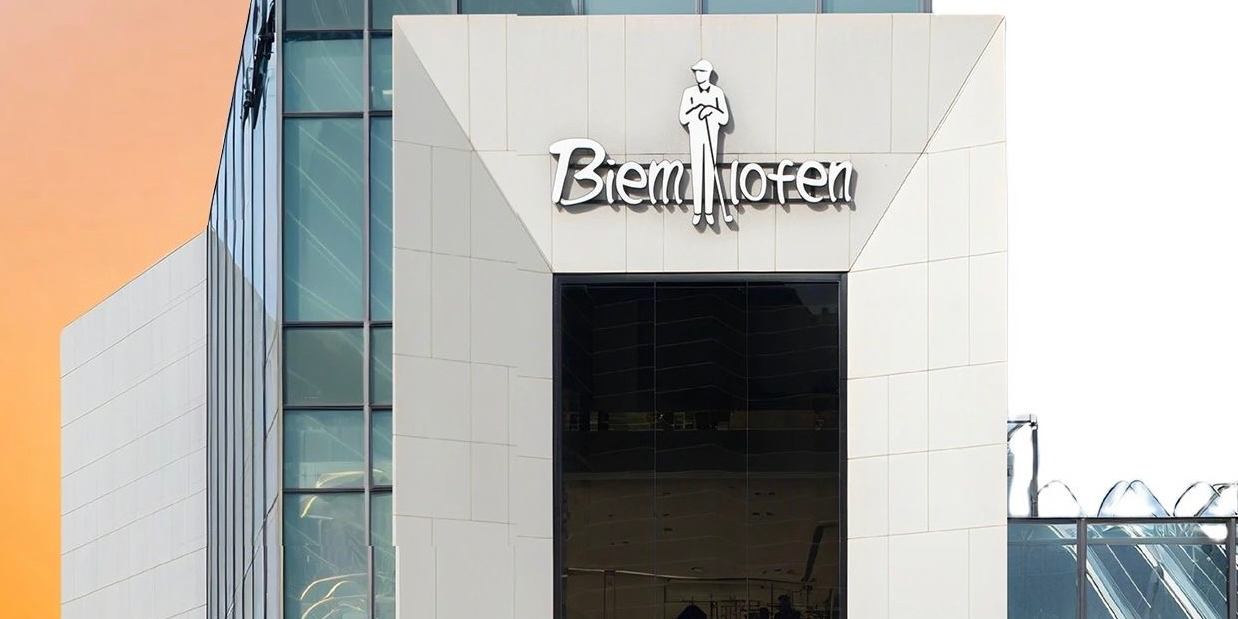
“衣茅”比音勒芬跌去百亿市值 董事长也急了
Jing Ji Guan Cha Wang· 2025-06-20 00:26
Core Viewpoint - The company, Biyinlefen, has experienced a significant decline in stock price and market value since its peak in 2023, with its market capitalization dropping to 9.03 billion yuan, a 50% decrease from its highest point [2][3]. Financial Performance - Biyinlefen's net profit has shown steady growth over the past decade, maintaining around a 20% growth rate even during the pandemic, unlike its competitors [2]. - In 2024, the company's net profit is projected to be 781 million yuan, marking a 14.28% decrease, which is the first negative growth since its listing [3]. - The company's sales expenses increased by 22.96% to 1.613 billion yuan in 2024, with advertising costs surging by 108% [10]. Strategic Shift - The chairman announced a strategic shift towards a younger demographic, aiming to attract consumers from the 70s, 80s, and 00s, which has raised questions among investors about balancing the needs of different age groups [4][5]. - The brand's positioning remains focused on middle and upper-income groups, with product prices ranging from 1,500 to 8,000 yuan [5]. - The company has engaged a new spokesperson, a post-95 artist, to appeal to younger consumers, while still relying heavily on its existing customer base for sales [4][6]. Brand Development - Biyinlefen is investing in new brands, having spent 700 million yuan to acquire two high-end international menswear brands, which are currently operating at a loss [10][11]. - The company plans to maintain its high-end positioning while expanding its brand matrix, with a focus on both the main brand and new acquisitions [12]. Market Positioning - The company has historically targeted consumers aged 35 and above, who are less price-sensitive and exhibit high brand loyalty [7][8]. - Analysts suggest that the brand's young consumer strategy should not alienate its existing loyal customer base, emphasizing the importance of maintaining quality and brand prestige [9].

橘多母公司收购百植萃,本土美妆行业或将掀起新一轮并购潮
Di Yi Cai Jing· 2025-06-19 04:40
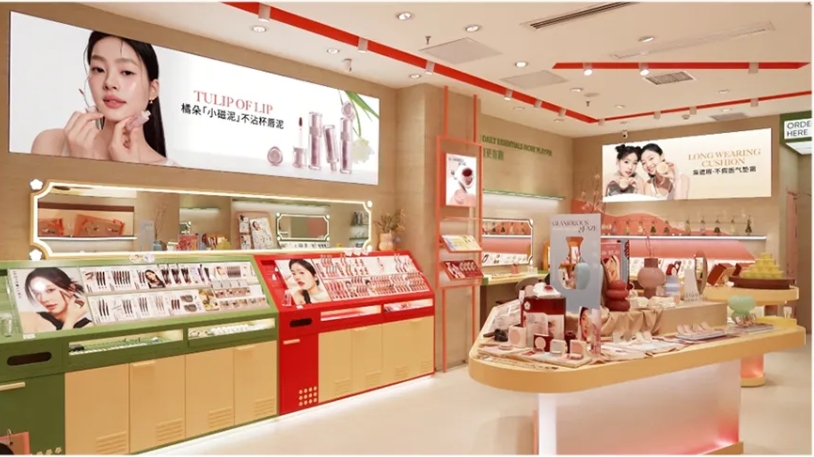
Core Viewpoint - The domestic beauty industry is expected to experience a new wave of mergers and acquisitions, highlighted by the acquisition of skincare brand Baizhicui by local beauty group Juyi Group, which aims to complement its existing beauty business [1][2]. Group 1: Acquisition Details - Juyi Group has signed an acquisition agreement with Baizhicui, although the specific price has not been disclosed [1]. - Baizhicui, founded in 2012 by dermatologist Li Yuanhong, has focused on product promotion through professional channels such as public hospitals [2]. - Post-acquisition, Li Yuanhong will continue as Chief Product Officer at Baizhicui, overseeing the entire product development process [2]. Group 2: Market Dynamics - The domestic beauty industry is experiencing "extreme polarization," with leading companies establishing competitive advantages while smaller brands face significant survival pressures [1][5]. - The acquisition strategy is seen as a viable path for leading companies, with a trend of "big fish eating small fish" expected to continue [5]. Group 3: Business Growth and Financials - Juyi Group's revenue reached 2.61 billion yuan in 2023, projected to grow to 3.5 billion yuan in 2024, marking a 36% year-on-year increase [6]. - The main brand, Judo, reportedly generated over 2 billion yuan in revenue, positioning it as a leading domestic color cosmetics brand [6]. - The acquisition of Baizhicui is anticipated to enhance Juyi's revenue, potentially exceeding 4 billion yuan this year [7]. Group 4: Strategic Implications - The acquisition aligns with Juyi Group's multi-brand strategy, expanding its presence in the color cosmetics, skincare, and hair care sectors [4]. - Industry experts suggest that the merger will provide Baizhicui with more resources and support to deepen its focus on sensitive skin products, while Juyi fills a gap in its skincare offerings [7]. - The ongoing trend of acquisitions and expansions is viewed as a strategic move to enhance market valuation and prepare for potential public listings in the future [7].
五芳斋:粽子第一股遭业绩滑坡 市场竞争加剧面临品牌与渠道的重构挑战
Xin Lang Zheng Quan· 2025-06-06 02:50
Core Viewpoint - Wufangzhai, known as the "first stock of zongzi," experienced its first performance decline since its listing in 2024, with both revenue and net profit decreasing due to a significant drop in zongzi sales, intensified market competition, and weak consumer demand [1][5] Financial Performance - In 2024, Wufangzhai achieved revenue of approximately 2.251 billion yuan, a year-on-year decline of 14.57% - The net profit attributable to shareholders was about 142 million yuan, down 14.24% year-on-year - The net profit after deducting non-recurring gains and losses was around 130 million yuan, a decrease of 9.66% year-on-year - In Q1 2025, the company reported revenue of 243 million yuan, an increase of 17.2% year-on-year, but the net profit attributable to shareholders remained in a loss position [1][5] Core Business Challenges - The core business of Wufangzhai, particularly its zongzi series, faced unprecedented market pressure in 2024, with sales heavily reliant on holiday demand - Increased market competition and heightened consumer price sensitivity, coupled with economic uncertainty, led to a significant decline in zongzi sales - The changing competitive landscape, with the rise of new brands and the proliferation of e-commerce platforms, weakened Wufangzhai's traditional channel advantages [2][3] Strategic Transformation - To address the weak core business, Wufangzhai proposed a multi-brand strategy in 2024, aiming to cover more niche markets with high-end and cost-effective brands - However, the implementation of this strategy has not yielded the expected results, with new product lines underperforming and traditional seasonal products like mooncakes failing to compensate for the decline in zongzi sales - International expansion offers new growth opportunities, but Wufangzhai's brand influence and channel development in overseas markets remain in the early stages, requiring significant resource investment [3][4] Brand and Channel Restructuring - In 2024, Wufangzhai undertook a large-scale channel adjustment, closing underperforming stores and optimizing its distribution network - While this adjustment improved channel quality, the contraction of offline channels and the expansion of online channels created a balancing act, with online profitability not sufficient to offset offline losses - The brand's recognition among younger consumers is declining, necessitating increased investment in brand marketing and product innovation to regain market favor [4][5] Summary and Outlook - Wufangzhai's 2024 financial report highlights the survival challenges faced by traditional food brands amid changing market conditions and intensified competition - The company must focus on brand innovation, market expansion, and product structure optimization while accelerating its internationalization efforts to identify new growth points - A comprehensive strategic transformation and enhancement of innovation capabilities are essential for Wufangzhai to regain a competitive edge in the market [5]

终于,连爱马仕也涨不动了
创业邦· 2025-05-22 10:06
Core Viewpoint - The luxury goods industry is facing significant challenges, including leadership changes in major companies, declining sales growth, and a shift in consumer behavior towards high-quality replicas and alternatives [3][4][30]. Group 1: Leadership Changes and Performance - Recent leadership changes in top luxury brands like LVMH and Kering reflect a response to market pressures and declining performance [3][4]. - Major luxury brands are experiencing disappointing sales, with Hermès' growth slowing by 10 percentage points compared to last year, and Kering's Gucci facing a double-digit decline in sales for five consecutive quarters [4][9]. - LVMH's revenue fell short of market expectations, particularly in its wine and spirits segment, leading to a nearly 13% drop in its stock price this year [7][9]. Group 2: Financial Performance - Burberry reported a staggering 94% drop in profit, prompting the company to cut approximately 20% of its global workforce to save £60 million by fiscal year 2027 [4][5]. - From 2019 to 2024, the luxury goods sector saw economic profits triple, primarily due to price increases, but signs of slowdown are evident as this strategy loses effectiveness [4][30]. - Prada stands out with a 13% revenue increase in Q1 2025, driven by strong performance from its Miu Miu brand, while Kering's overall sales dropped by 14% [9][11]. Group 3: Market Dynamics - The luxury market is experiencing a bifurcation, with core brands like Prada performing well while others like Gucci and YSL struggle [11][15]. - North America remains a stable market for luxury brands, with Hermès and Prada achieving growth of 11% and 9.9% respectively, while Japan shows a remarkable recovery with a 25% increase for Richemont [18][19]. - The luxury sector is witnessing a shift in consumer preferences, with a notable decline in the number of luxury consumers in North America by 12.5% from 2022 to 2024 [32]. Group 4: Product Performance - Leather goods continue to be a stronghold for luxury brands, with Hermès' leather and harness business growing by 10% [24][25]. - In contrast, the wine and spirits segment of LVMH saw an 8% decline, indicating a significant disparity in performance across different product categories [25][26]. - The demand for high-end watches and jewelry is declining, with Rolex's secondary market prices dropping over 30% from their peak two years ago [28][30]. Group 5: Strategic Challenges - The effectiveness of price increases as a strategy is waning, with brands like Prada and Balenciaga implementing price hikes in early 2025, citing inflation and rising costs [30][31]. - The rise of high-quality replicas is challenging traditional luxury brands, with a significant portion of consumers now openly purchasing and wearing these alternatives [33][35]. - The luxury industry faces a complex landscape of changing consumer demographics, economic uncertainties, and evolving retail channels, necessitating a reevaluation of strategies [35][37].


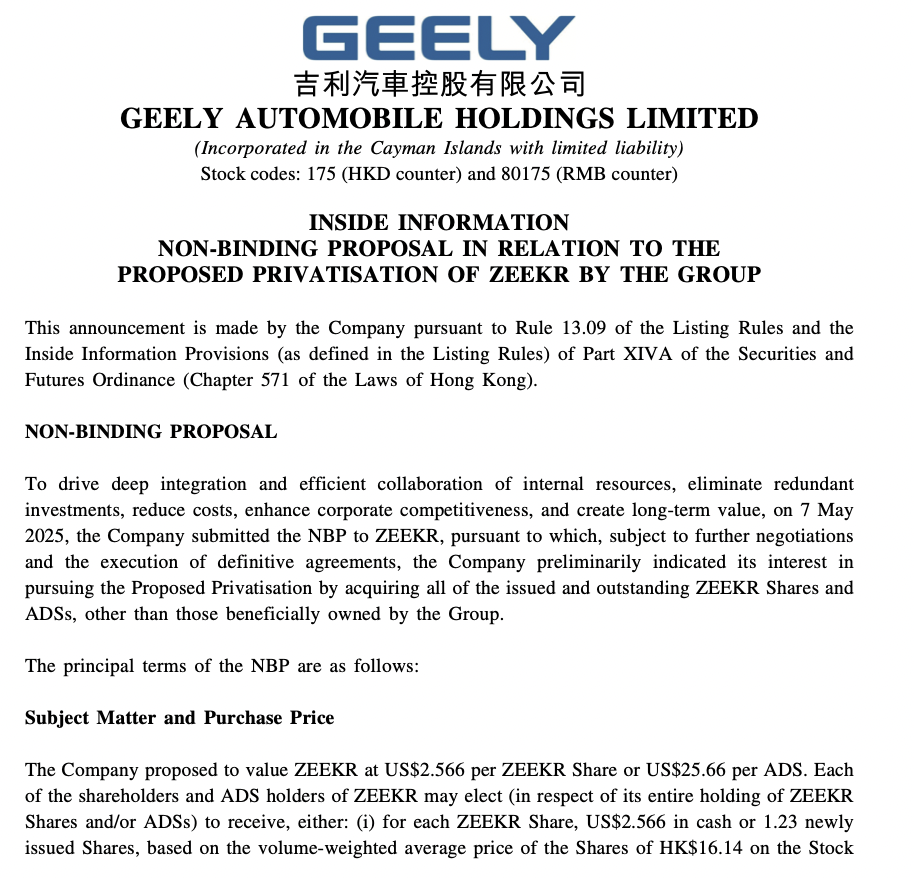
极氪不到一年拟退市,吉利要下盘大棋
3 6 Ke· 2025-05-20 00:55
Group 1 - Zeekr has initiated the process of privatization following a proposal from its controlling shareholder, Geely Automobile, marking its return to the Geely system [1] - Geely currently holds 65.7% of Zeekr's shares, and if the acquisition of the remaining shares is completed, Zeekr will become a wholly-owned subsidiary and delist from the stock market [1][4] - The return of Zeekr aligns with Geely's historical strategic logic, as the company previously unified its sub-brands to enhance competitiveness [1][4] Group 2 - Zeekr's sales performance has been declining, with the flagship model Zeekr 001's sales dropping from 4,359 units in January to 2,976 units in March 2024 [3] - In April 2024, Zeekr's total deliveries fell to 13,727 units, a year-on-year decrease of 15% and a month-on-month decrease of 11% [3] - The company aims to achieve a sales target of 320,000 units for the year but has only completed 17.22% of this target by April [3] Group 3 - Following its listing on the New York Stock Exchange, Zeekr's stock price fluctuated between $20 and $30, with a low of $13 per share, resulting in a market capitalization of $3.3 billion [4] - The company has faced significant net losses from 2021 to 2024, totaling over 26 billion yuan, which has led to a cycle of financial constraints [5] - Geely's cash flow was reported at 43.6 billion yuan by the end of 2024, indicating its capacity to finance the acquisition of Zeekr [6] Group 4 - The integration of Zeekr and Lynk & Co has led to a reduction in product offerings by 20% and aims to streamline operations and reduce costs [10] - The first quarter of 2025 saw Zeekr's costs decrease to 17.8 billion yuan, down 2.4% year-on-year and 38.6% quarter-on-quarter [11] - The merger is seen as a critical step for Geely to enhance its competitiveness in the rapidly evolving electric vehicle market [12]

李斌尽人事,蔚来三闯生死线
3 6 Ke· 2025-05-19 12:15
或许这件事之后,除了李斌很笃定蔚来会在第四季度实现盈利,更多不看好蔚来的人也会回心转意。 5月16日,蔚来旗下新款ES6和EC6迎来"极简"上市发布会,不仅选址牛屋(蔚来中心NIOHouse),更摒弃了多余的装饰与噱头。这与此前动辄豪掷数百 万甚至上千万元的新品发布会相比,蔚来将"降本"理念贯彻至极致。 图/蔚来ES6/EC6发布会现场来源/互联网 新能源观截图 事实上,这并非蔚来首次在牛屋举办新品发布会。为省去场地租赁、舞台搭建及其他费用,旗下第三品牌firefly萤火虫的产品发布会便已选址于此。 从"不差钱讲排面的富二代"到"花小钱办大事的务实者",转变背后是新能源汽车行业激烈角逐中,蔚来再次站在命运的关键渡口。 除却推出新车型与最大化缩减成本,蔚来近期动作频频:整合子品牌、优化用户服务、寻求外部合作……为在市场竞争中重构优势版图,也为了在第四季 度盈利,蔚来打出一套"组合拳"。 至于结果如何,还需要时间验证。但至少在新款ES6和EC6的上市发布会,和即将到来的新款ET5和ET5T上市发布会上,蔚来至少已经省下了数百万元。 01 蔚来被逼出"组合拳"? 随着2025年几近过半,李斌与蔚来仿佛开启了"快进模 ...


海底捞再跨界:全国首家面包店开业
36氪· 2025-05-14 09:39
Core Viewpoint - The article discusses the strategic expansion of Haidilao into the bakery sector through its new brand "拾㧚耍· SCHWASUA," highlighting the challenges and opportunities in the retail landscape, particularly in the context of the company's "Red Pomegranate Plan" aimed at overcoming growth bottlenecks in its core hotpot business [4][7][18]. Group 1: Market Context and Brand Launch - During the May Day holiday, Haidilao launched its bakery brand "拾㧚耍· SCHWASUA" in a prime location in Hangzhou, offering high-quality products at competitive prices, which quickly attracted consumer attention [4][6]. - The bakery's pricing strategy features over 60% of products priced below 10 yuan, with the most expensive item not exceeding 30 yuan, significantly lower than similar brands [6][8]. Group 2: Strategic Rationale for Expansion - The Chinese baking market is projected to grow from 561.4 billion yuan in 2023 to over 850 billion yuan by 2029, with an annual growth rate exceeding 9%, making it an attractive sector for Haidilao's diversification [7]. - The "Red Pomegranate Plan" is seen as a strategic extension to address the declining table turnover rate and falling customer spending in Haidilao's core business, allowing the company to reach a broader customer base through multiple brands [7][11]. Group 3: Competitive Advantages - Haidilao's strong supply chain integration allows for cost optimization across the entire production process, ensuring high-quality products at lower prices compared to traditional bakeries [8][12]. - The company leverages its existing customer base and membership system to drive traffic to its new bakery brand, enhancing customer retention and engagement [7][11]. Group 4: Performance and Challenges - Since the launch of the "Red Pomegranate Plan," Haidilao has opened 74 stores across various food categories, generating a total revenue of 4.83 billion yuan, indicating a mix of successes and challenges in brand performance [11][12]. - Despite some brands achieving market recognition, the rapid expansion poses risks of resource dilution and management challenges, particularly as some sub-brands struggle to achieve profitability [14][18]. Group 5: Industry Trends and Future Outlook - The multi-brand strategy is becoming a key approach for leading companies in the restaurant industry to overcome growth challenges, with Haidilao's efforts reflecting broader trends in the sector [16][18]. - The future competition among restaurant giants will focus not only on the number of outlets but also on supply chain resilience, organizational vitality, and strategic consistency [18].

回归“一个吉利”:上市未满一年 极氪将被私有化
Cai Jing Wang· 2025-05-13 09:54
Core Viewpoint - Geely plans to acquire all outstanding shares of Zeekr, aiming for a complete merger, which is expected to enhance asset utilization efficiency and strengthen market competitiveness [1][4]. Summary by Sections Acquisition Details - Geely currently holds approximately 65.7% of Zeekr's shares and intends to purchase the remaining shares at a price of $25.66 per American Depositary Share (ADS), representing a 13.6% premium over the previous closing price [9]. - The total acquisition cost is estimated at $2.24 billion, which is less than 40% of Geely's cash and cash equivalents projected to exceed 40 billion yuan by the end of 2024 [9]. Market Context - As of May 8, Zeekr's market capitalization was $6.624 billion, significantly lower than its initial public offering valuation of nearly $7 billion and its A-round financing valuation of $13 billion [4]. - Compared to other Chinese electric vehicle companies listed in the U.S., NIO has a market cap of $8.894 billion, Li Auto at $27.592 billion, and Xpeng at $18.624 billion [5]. Financial Performance - Zeekr is facing challenges with performance and sales, having achieved only 23% of its annual sales target in Q1 2024, with total sales of 165,300 units against a target of 710,000 units [8]. - The company aims to achieve profitability by 2024, with projected total revenue of 75.912 billion yuan, a year-on-year increase of 46.9%, and a net loss of approximately 5.791 billion yuan, a reduction of 29.9% compared to the previous year [6][7]. Strategic Implications - The privatization of Zeekr is expected to allow it to escape short-term market fluctuations and enhance decision-making efficiency, enabling more flexible strategic planning [5]. - Geely's restructuring efforts include integrating various brands and focusing on core competencies, which is seen as a response to the challenges posed by a multi-brand strategy [12][13].
上美股份(02145):从韩束到多点开花,领先国货集团迈向新征程
NORTHEAST SECURITIES· 2025-05-13 02:23
Investment Rating - The report initiates coverage with a "Buy" rating for the company [4][6]. Core Insights - The company has established itself as a leading domestic beauty group through a multi-brand strategy, with a strong focus on product innovation and market responsiveness [2][18]. - The company is expected to achieve steady revenue growth driven by its main brand, Han Shu, and the gradual ramp-up of its sub-brands [4][31]. Summary by Sections Company Overview - The company has been deeply engaged in the beauty industry for over 20 years, launching multiple brands including Han Shu, Yi Ye Zi, and Hong Se Xiao Xiang, and is preparing to introduce new high-end and baby care brands [1][18]. Financial Analysis - The company experienced a significant revenue increase in 2023, with projected revenues of 67.93 billion and a net profit of 7.81 billion in 2024, reflecting growth rates of 62.08% and 69.42% respectively [5][25]. Business Operations - The company operates a diverse product matrix, with Han Shu accounting for 82% of revenue in 2024, while sub-brands are gradually gaining traction [30][31]. - The company is expanding its channel presence, particularly in Tmall, to complement its strong performance on Douyin [44][47]. Core Advantages - The company has established a robust R&D and marketing framework, with significant investments in proprietary research and a strong marketing presence on platforms like Douyin [3][22]. - The company’s main brand, Han Shu, has positioned itself effectively in the market, leveraging high-quality, cost-effective products to capture consumer interest [35][42]. Profitability Forecast - The company forecasts revenues of 84.90 billion, 102.89 billion, and 123.07 billion for 2025, 2026, and 2027 respectively, with corresponding net profits of 10.04 billion, 12.50 billion, and 15.20 billion [4][5].