
地缘风险

Search documents
供应扰动+地缘风险发酵,铂钯震荡偏强
Zhong Xin Qi Huo· 2026-01-22 01:27
Report Summary 1. Report Industry Investment Rating No specific industry investment rating is provided in the report. 2. Core Views - Due to supply disruptions and escalating geopolitical risks, platinum and palladium prices are expected to show a moderately strong and volatile trend. As of January 21, 2026, the closing price of the GFEX platinum main contract was 628.5 yuan/gram, with a 2.49% increase, and the closing price of the GFEX palladium main contract was 485.8 yuan/gram, with a 0.21% increase [2]. - Platinum: Supply disruptions and rising geopolitical risks will cause platinum prices to continue their moderately strong and volatile trend in the short term. In the future, supply in South Africa, the main supplier of platinum - group metals, still faces risks such as power supply and extreme weather. Demand in the platinum market is in a stage of structural expansion, and the "interest - rate cut + soft landing" combination will amplify the long - term price elasticity. Overall, platinum prices are expected to be moderately strong and volatile [3]. - Palladium: Although the long - term supply and demand of palladium tend to be loose, short - term spot shortages support prices. The price is expected to remain in a wide - range volatile pattern in the short term, and the price bottom has certain support with the Fed's re - entry into the interest - rate cut cycle [4]. 3. Summary by Related Content Platinum - **Current Situation**: As of January 21, 2026, the closing price of the GFEX platinum main contract was 628.5 yuan/gram, with a 2.49% increase [2]. - **Logic**: South African floods may affect production and supply. Geopolitical and trade frictions are intensifying, and factors such as the nomination of the new Fed chair and US tariff expectations on platinum and palladium are key market influencers. In the short term, platinum prices may continue their moderately strong and volatile trend, and investors can consider low - buying opportunities. In the future, South African supply faces power and weather risks, while demand in the platinum market is expanding [3]. - **Outlook**: Moderately strong and volatile. With a healthy supply - demand fundamental and positive macro - expectations, platinum prices are expected to be moderately strong and volatile [3]. Palladium - **Current Situation**: As of January 21, 2026, the closing price of the GFEX palladium main contract was 485.8 yuan/gram, with a 0.21% increase [2]. - **Logic**: The market's previous expectation of a 50% tariff on palladium from the US did not materialize, leading to a price correction. However, the US Department of Commerce's report on Russian - imported palladium is still pending, and the spot shortage continues to support prices. In the short term, palladium prices may remain in a wide - range volatile pattern, and investors are advised to trade cautiously and consider low - buying opportunities. Palladium demand shows significant structural pressure [4]. - **Outlook**: Volatile. Short - term spot shortages support palladium prices, but in the medium - to - long - term, weak fundamentals and low investment attributes will suppress prices [4]. Index Information - **Commodity Index**: On January 21, 2026, the comprehensive index, the commodity 20 index, and the industrial products index were 2427.72 (+0.56%), 2790.52 (+0.61%), and 2316.66 (+0.35%) respectively [50]. - **Plate Index**: On January 21, 2026, the non - ferrous metal index was 2810.63, with a daily increase of 0.61%, a 5 - day decrease of 1.54%, a 1 - month increase of 8.36%, and a year - to - date increase of 4.64% [52].
双双创下历史新高!黄金白银牛市还能走多远?
Sou Hu Cai Jing· 2026-01-21 13:49
但白银价格的预期则更为复杂。Wilson表示,尽管白银价格持续创下新高,但推动2025年白银强劲上涨的实物短缺问题正在解决,预计白银在达到100美 元后不久将遭到抛售。上海期货交易所近期也接连多次上调白银期货合约交易限额和保证金,强化投资者白银投资的风险管控。 黄金白银价格的持续上行也刺激着许多散户投资者加速进场。陆利平认为,普通投资者应明确贵金属作为"避险垫"的配置定位,占比控制在5%-15%。配 置策略上,以黄金为底仓构建防御性组合,适度纳入白银以增强弹性。操作上,可以采用定投模式,通过银行积存金、黄金ETF等工具平滑建仓成本,坚 决避免在历史高位进行一次性重仓买入。需警惕美联储政策超预期转向及地缘局势实质性缓和带来的回调风险。务必定期审视资产组合,严守纪律,理性 参与,方能穿越市场周期,把握长期结构性机会。 贵金属又又又又迎来一波大涨行情。 1月21日,现货黄金和现货白银价格均创历史新高。其中,现货黄金价格突破4800美元/盎司整数关口,一度上探到4887美元/盎司。同日,中国黄金的足 金饰品报价超过1500元/克;现货白银价格也一度突破95美元/盎司关口,折合人民币约每克23元。 2025年年底,有多 ...

百利好晚盘分析:地缘风险上升 黄金接近4900
Sou Hu Cai Jing· 2026-01-21 09:39
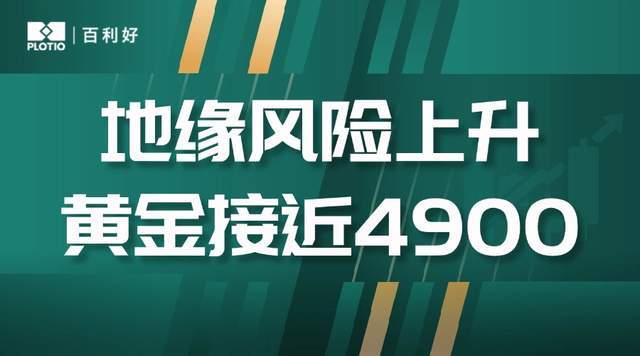
黄金方面: 美国总统特朗普试图吞并格陵兰岛,并对欧洲8国新加征关税,新的地缘风险上升,推动黄金快速上 涨,截至目前已经上涨至4888美元。 美国财政部部长贝森特表示,美联储下一任主席人选将很快公布,从当时的11位非常有实力的候选人, 现在已经缩减至4人。在鲍威尔担任主席期间,美联储有4至6名理事或地区联储主席被迫辞职,在过去 的半年,特朗普多次威胁解雇鲍威尔,使得美联储的独立性受到威胁。 百利好特约智昇研究黄金高级分析师欧文认为,在过去三周,特朗普对多个国家发出威胁,并重启加征 关税,使得全球贸易局势陷入不确定性,地缘风险推动黄金加速上涨。 技术面:黄金多头趋势,日线连续收阳线。小时图来看,黄金本周加速上涨,日内关注4818美元的多空 分界线,若调整力度有限,明日有望继续冲高。 日经225方面: 日经225近两日大幅回落,日线仍是多头趋势,待调整结束有望进一步上涨,下方关注51100的强支撑 位。短线来看表现为震荡下行,日内上方关注52800-53000区间的阻力,下方关注51400的支撑。 铜方面: 铜价日线多头趋势,小时图近一周表现为震荡下行,是此前上涨后的调整走势,近两日下跌幅度放缓, 重点关注5.67 ...
格陵兰岛事件会怎么发展
Sou Hu Cai Jing· 2026-01-21 08:55
关税战先打起来,但不会往死里整:美国 2 月 1 日加征 10% 关税大概率会落地,欧盟和欧洲国家的反 制措施也会跟着上,比如对美国的农产品、汽车加税,双方你来我往,但都会留后手 —— 毕竟欧美贸 易体量太大,真撕破脸谁都疼。美国可能会找个台阶,比如把 "买岛" 换成 "合作开发资源",欧洲也可 能在北约北极防务上给美国点面子,比如允许美国扩大皮图菲克基地的部分权限,避免矛盾彻底失控。 军事演习加码,但都是 "秀肌肉":丹麦会继续扩大在格陵兰的军事存在,欧洲多国的联合军演会常态 化,美国也会增加在格陵兰周边的巡逻,但双方都不会真动手。一是格陵兰自治政府明确反对任何一方 的军事强权,二是北约内部真开打等于自毁长城,俄罗斯还在旁边盯着,谁也不敢先打破平衡。最多就 是军机、军舰近距离 "伴飞""伴航",互相威慑一下,制造点紧张氛围。 格陵兰自治政府成 "香饽饽":美国和欧洲都会拉拢格陵兰,美国可能许诺给资源开发的巨额投资,欧 洲则会帮格陵兰提升自治能力、搞基建。格陵兰会趁机 "两头要好处",一边坚持主权,一边拿着双方 的筹码要更多自治权,比如在资源开发上的话语权、防务上的自主空间,甚至为未来完全独立攒资本。 扰动, ...
国内成品油迎新年首涨国际油市多空博弈或加剧
Qi Huo Ri Bao Wang· 2026-01-21 03:01
谈及近期国际油价走高的主要原因,银河期货高级研究员赵若晨表示,此前中东地区局势紧张,伊朗作 为主要产油国,其设施遇袭引发更直接的供应担忧。同时,霍尔木兹海峡的航运安全一直是市场紧张的 焦点。此外,美联储降息预期升温导致美元走弱,也对以美元计价的原油价格构成支撑。 孟鹏预计,后期地缘风险依旧存在诸多不确定性,将持续对国际原油形成扰动,但宏观压力与产业过剩 压制油价上行动能,油市多空博弈加剧,预计国际油价难走出单边行情,将保持宽幅波动走势。 国内成品油迎来2026年第一次涨价,结束了2025年年末的"三连降"走势。据国家发展改革委最新消息, 自1月20日24时起,国内汽、柴油价格(标准品,下同)每吨均上调85元。折合升价后,92#汽油、95# 汽油及0#柴油每升均上调0.07元。 在上一计价周期(1月6日24时至1月20日24时)内,国际原油价格一度上涨,其波动逐步传导至国内成 品油市场,从而促成本次调价落地。卓创资讯成品油分析师孟鹏告诉期货日报记者,上一计价周期内中 东、南美地缘局势紧张引发供应担忧,推动国际原油价格连续5日上涨,累计涨幅逾10%。但后期随着 地缘风险降温,市场焦点转向供应端,油价随之明显回落, ...
现货黄金首次突破4800美元,国内金饰克价逼近1500元
Sou Hu Cai Jing· 2026-01-21 02:52
1月21日亚洲交易时段,现货黄金首次突破4800美元/盎司整数关口。截至发稿时,现货黄金(伦敦金现)报4828.59美元/盎司,涨1.38%。 另据智通财经1月21日消息,现货黄金站上4800美元/盎司,多家品牌金饰价已逼近1500元,其中,周生生足金饰品报1495元/克,较1月20日1454元/克涨41 元;老凤祥足金饰品报1498元/克,较1月20日1456元/克涨42元;老庙黄金足金饰品报1493元/克,较1月20日1455元/克涨38元。 本周,现货黄金价格已涨超200美元/盎司,涨近4%;年内涨幅超11%,涨超500美元/盎司。 东吴期货指出,近日贵金属震荡上行。一方面,美国宣称对欧洲国家加征关税,避险情绪再次升温利多贵金属;其次,鲍威尔遭到刑事起诉,本质上看是 美联储独立性再次遭到挑战,美元信用再遭打击;最后,波兰央行宣布增持黄金,另外,丹麦养老基金决定抛售美债,都在一定程度上利好黄金。后续重 点关注美联储主席人选,美欧关税对峙,南美及格陵兰岛的地缘影响等。 据央视新闻客户端消息,总台记者当地时间1月20日获悉,丹麦目前正在制定计划,拟于2026年向格陵兰岛派遣多达1000名作战士兵。海军和空军也 ...

STARTRADER星迈:黄金破4800创新高 日债带动美债企稳
Sou Hu Cai Jing· 2026-01-21 02:36
Core Viewpoint - The recent surge in gold prices, surpassing $4800 per ounce, is attributed to multiple factors including geopolitical risks, weakening dollar credit, and central bank gold purchases [3][4]. Group 1: Gold Market Dynamics - Gold prices reached a peak of $4802.1 per ounce, with a daily increase of 0.77%, a weekly rise exceeding 4%, and an annual increase nearing 10% [1]. - Geopolitical tensions, such as escalating US-EU tariff disputes and Greenland sovereignty issues, have heightened global risk aversion, leading to increased investment in precious metals [3]. - The expectation of a nearing interest rate cut by the Federal Reserve, driven by concerns over the central bank's independence and a moderate decline in US inflation data, has lowered the opportunity cost of holding gold [3][5]. Group 2: Bond Market Interactions - The rebound in Japanese government bonds (JGBs) has played a crucial role in stabilizing US Treasury yields, with the 10-year JGB yield dropping from a high of 2.33% to 2.21% [1][4]. - The Japanese Ministry of Finance's signals regarding reduced issuance of long-term bonds have alleviated market concerns about oversupply, leading to a reversal of capital outflows from US Treasuries back to Japan [4]. - The decline in US Treasury yields, particularly the 30-year yield falling below 5%, has further supported gold prices by reducing its opportunity cost [4][5]. Group 3: Market Sentiment and Future Outlook - There is a divergence in market sentiment, with optimistic views supporting continued gold price increases due to persistent geopolitical risks and central bank gold demand [4][5]. - Cautious perspectives highlight potential risks, including profit-taking pressures on gold and the possibility of a dollar rebound affecting precious metal performance [5]. - Key variables influencing future trends include Federal Reserve policy signals, developments in geopolitical situations, and the pace of central bank gold purchases [5].
国泰君安期货所长早读-20260121
Guo Tai Jun An Qi Huo· 2026-01-21 01:53
所长 早读 国泰君安期货 2026-01-21 期 请务必阅读正文之后的免责条款部分 1 期货研究 期货研究 2026-01-21 所长 早读 地缘风险带来市场不确定性 观点分享: 昨日市场仍出现了非常剧烈的波动,日债暴跌叠加格林兰岛的地缘冲突最终导致欧美股 债汇三杀,vix 指数飙升,贵金属再创历史新高。昨日市场对日债长债出现了非常明显的抛 售,日本提前选举预期、扩张性财政叙事、寿险资金持续减持、以及疲弱的超长期国债拍卖 互相叠加踩踏,最终导致了市场疯狂的对于日本长债的抛售,日本 40 年期长债收益率历史 性突破 4%,20 年、30 年债收益率单日飙升逾 20 个基点,在这种环境下,日债的税率飙升 直接带崩了欧洲和美国,日本作为全球最大美债持有国之一,长端利率失控的风险外溢让全 球市场都出现了巨大的震动,长端美债也遭受了抛售潮,10 年期美债收益率攀升 8 个基点至 4.293%,欧债方面德债和法债也都均出现了长端收益率的上行。债券长端收益率飙升的风险 外溢,也导致了大量股票被抛售,昨晚欧股及美股均出现不同幅度下跌,市场的恐慌情绪叠 加美国对于格林兰岛武力控制威胁和欧洲议会的反击,最终导致了市场的股债汇三 ...
宝城期货甲醇早报-2026-01-21-20260121
Bao Cheng Qi Huo· 2026-01-21 01:21
1. Report Industry Investment Rating - No relevant information provided. 2. Core Viewpoints of the Report - The short - term view of methanol 2605 is oscillating, the medium - term view is oscillating, and the intraday view is weak. It is expected to operate weakly [1][5]. - The weakening of geopolitical factors will cause methanol to oscillate weakly. Although the domestic methanol futures maintained an oscillating and stable trend on Tuesday night with a slight rebound in futures prices, there is significant resistance to further upward movement. It is expected to maintain an oscillating and weakening trend on Wednesday [1][5]. 3. Summary According to the Catalog 3.1 Variety Morning Meeting Minutes - Time cycle definition: short - term is within one week, medium - term is from two weeks to one month [1]. - For methanol 2605, short - term: oscillating, medium - term: oscillating, intraday: weak, reference view: weakly operating, core logic: weakening of geopolitical factors leading to oscillating and weakening [1]. 3.2 Main Variety Price Market Driving Logic - Commodity Futures Energy and Chemical Industry Sector - Intraday view: weak, medium - term view: oscillating, reference view: weakly operating [5]. - Core logic: The "hard contraction" of overseas supply before the festival provided the strongest support, which was the most crucial factor driving up methanol prices recently. Iran, the main source of imports, is currently experiencing serious supply disruptions. Meanwhile, the reduction of methanol inventory at domestic ports has led to the recovery of port spot prices and a strengthening basis, which has enhanced the confidence of long - positions in the futures market. With the signal from US President Trump that the strike on Iran might be postponed, geopolitical risks have weakened. Although the domestic methanol futures maintained an oscillating and stable trend on Tuesday night with a slight rebound, there is significant resistance to further upward movement [5].
供应扰动+地缘风险发酵,铂钯延续震荡
Zhong Xin Qi Huo· 2026-01-21 00:42
Report Summary 1. Report Industry Investment Rating No information provided. 2. Core Viewpoints - Platinum: Supply disruptions and rising geopolitical risks will cause platinum to continue to fluctuate. In the short term, the platinum price may continue to fluctuate. In the future, the supply side has risks, and the demand side is in a structural expansion stage. It is expected that the platinum price will fluctuate strongly [3]. - Palladium: Tariff expectations and rising geopolitical risks will cause palladium to continue to fluctuate. In the short term, the palladium price may maintain a wide - range fluctuation. Although the long - term supply and demand of palladium tend to be loose, the short - term spot shortage supports the price, and the palladium price has a certain bottom support [4]. 3. Summary by Related Catalogs Platinum - **Market Situation**: As of January 20, 2026, the closing price of the GFEX platinum main contract was 619.35 yuan/gram, with a daily increase of 0.43% [2]. - **Main Logic**: South African floods may affect production and supply. Geopolitical and trade frictions are heating up, and the EU may counter Trump's tariff threat. The nomination of the new Fed chairman and US tariff expectations for platinum and palladium are also key factors. In the future, South Africa still has power supply and extreme weather risks on the supply side, and on the demand side, the automotive catalyst demand is stable, the hydrogen energy industry is a growth point, and jewelry and investment demand are expanding [3]. - **Outlook**: The supply - demand fundamentals are healthy and the macro - expectations are positive, so the platinum price is expected to fluctuate strongly [3]. Palladium - **Market Situation**: As of January 20, 2026, the closing price of the GFEX palladium main contract was 490 yuan/gram, with a daily increase of 1.97% [2]. - **Main Logic**: The expectation of a 50% tariff on palladium in the US was not fulfilled, and the price corrected. The US investigation report on Russian palladium has not been released, and the spot shortage supports the price. In the long - term, the supply - demand of palladium tends to be loose, but in the short - term, the spot shortage makes the price firm, and the Fed's interest - rate cut cycle provides bottom support [4]. - **Outlook**: The short - term spot shortage supports the palladium price, but in the medium - and long - term, it is restricted by weak fundamentals and low investment attributes, so the palladium price is expected to fluctuate [4]. Commodity Index - **Comprehensive Index**: The commodity index was 2414.16, down 0.15%; the commodity 20 index was 2773.48, down 0.23%; the industrial products index was 2308.47, down 0.34% [50]. - **Plate Index**: The non - ferrous metal index on January 20, 2026, was 2793.66, with a daily decline of 0.19%, a 5 - day decline of 2.04%, a 1 - month increase of 8.62%, and a year - to - date increase of 4.01% [52].