贸易战

Search documents
2025惊涛骇浪:全球市场十大“刺激行情”全复盘
Xin Lang Cai Jing· 2025-12-25 09:28
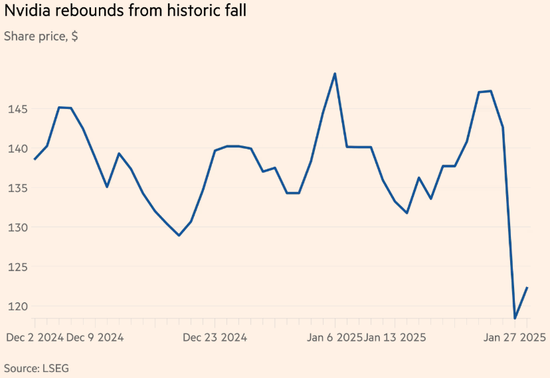
Group 1 - The global market in 2025 experienced significant turbulence due to policy shifts, technological revolutions, and macroeconomic changes, leading to extreme market conditions and a reevaluation of investment narratives [1][36] - The article highlights ten major market events that illustrate the fragility of consensus and the risks associated with widely accepted narratives suddenly changing [1][36] Group 2 - Nvidia's stock plummeted 17% on January 27, resulting in a loss of nearly $600 billion in market value, marking the largest single-day drop in the company's history and a record for any U.S. company [2][37] - This decline triggered a broader sell-off in the tech sector, with the semiconductor index dropping over 9% and major tech stocks like Broadcom and TSMC also experiencing significant losses [2][37] - The market began to question the sustainability of high valuations for tech giants, particularly in light of new AI models that could disrupt existing business models [4][39] Group 3 - In April 2025, a week-long "policy horror show" led to a dramatic market reaction, with the S&P 500 index dropping over 10% in two days due to fears of a trade war initiated by Trump's tariff announcements [5][40] - The market saw a rapid recovery after Trump announced a temporary suspension of tariffs, resulting in a 5.7% rebound in the S&P 500, the largest weekly gain since November 2020 [5][41] - This event highlighted the market's evolving response to Trump's trade policies, indicating a shift towards a more measured reaction to potential tariff threats [7][43] Group 4 - The outbreak of conflict in the Middle East in June 2025 led to a temporary spike in oil prices, with Brent crude rising over 10% before experiencing a subsequent drop of nearly 12% as fears of supply disruptions proved unfounded [8][44] - Analysts noted that geopolitical events are becoming less influential on oil prices, which are now more affected by structural oversupply [10][46] Group 5 - In July 2025, copper futures experienced a dramatic 21% drop due to unexpected tariff announcements, leading to significant losses for traders who had positioned themselves based on prior expectations [11][47] - The market's reaction to the tariff news demonstrated the dangers of crowded trades and the impact of policy changes on commodity prices [13][49] Group 6 - Oracle's signing of a $300 billion deal with OpenAI in September 2025 led to a 40% surge in its stock price, but subsequent earnings reports revealed disappointing growth, resulting in a 45% decline from its peak [5][50][52] - This event raised questions about the sustainability of growth narratives in the tech sector, particularly regarding inter-company transactions that may not create real value [5][52] Group 7 - Gold prices surged to $4000 per ounce in October 2025 amid multiple crises, but subsequently fell by 6.3% in a significant correction, illustrating the volatility of gold as both a safe haven and a speculative asset [5][54][56] - The dynamics of gold trading shifted from simple inflation hedging to a reevaluation of the credibility of the global monetary system [5][56] Group 8 - Silver prices saw a remarkable increase of approximately 150% in 2025, driven by supply shortages and industrial demand, but also faced significant volatility with sharp declines [5][57][60] - The market for silver is characterized by a strong fundamental backdrop, but its high volatility presents opportunities for strategic positioning [5][60] Group 9 - The U.S. dollar faced its worst performance in 52 years, with a 12.5% decline in the dollar index during 2025, raising questions about the sustainability of its status as a global reserve currency [5][61][27] - The dollar's decline was influenced by concerns over U.S. fiscal policy and the Federal Reserve's interest rate decisions, leading to a reevaluation of the dollar's value in the global market [5][27] Group 10 - The A-share market in China reached the symbolic 4000-point mark for the first time in ten years, demonstrating resilience amid external pressures and internal policy support [5][28][30] - This recovery reflects a shift in market dynamics, with a focus on domestic narratives and structural opportunities rather than solely external risks [5][30] Group 11 - The Japanese yen experienced unexpected weakness despite two interest rate hikes, highlighting the complexities of Japan's fiscal and monetary policies [5][31][33] - Investor skepticism regarding Japan's economic recovery strategy has led to continued selling pressure on the yen, despite attempts to stabilize the currency [5][33]

日本一盆凉水,泼醒特朗普!中国这一能力,是美国的200倍!
Sou Hu Cai Jing· 2025-12-25 07:46
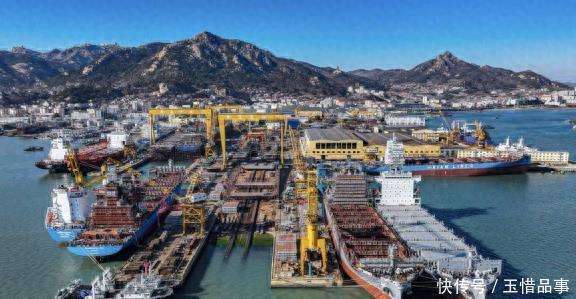
特朗普上台后,总是强调要让美国的制造业,尤其是造船业,重新恢复辉煌。他认为,通过加征关税可以迫使企业将生产线搬回美国,重新激活美国的造船 业。然而,这种想法实际上是过于理想化的,因为美国的造船业早已与二战时期大不相同。1941年珍珠港事件后,美国船厂如同开挂般运作,工人三班倒, 航母一艘接一艘下水,整个战争期间,美国造了上百艘军舰。1944年,仅仅造船行业就创造了140万个就业岗位,资本不断涌入,军需订单源源不断。 而中国的海军发展却走在前列,山东舰早在2019年就已服役,福建舰于2022年下水,预计2025年正式服役。电磁弹射技术也稳步推进,中国海军进入三航母 时代。过去十几年里,中国每年都在建造大量现代化的军舰,大型驱逐舰、两栖舰等各类舰艇不断下水。中国的海军现代化进程飞速推进,远远领先于美 国。与此同时,中国的民用造船业也极为强大,海运市场份额已超过40%,全球航运量巨大。特朗普通过加关税想要重振美国造船业,但实际情况却是中国 船厂忙得不可开交,而美国的船厂依然订单稀少。 特朗普的计划听起来雄心勃勃,但实际操作却面临劳动力短缺、设备老旧等诸多问题。美中两国的造船业对比中,中国船厂的70%订单是军民两用船 ...
防不胜防,美国果真使出这种下三滥手段,不给他人留活路。
Sou Hu Cai Jing· 2025-12-25 05:11
本以为关税战已经够严厉了,没想到美国将矛头指向了船运行业。2024年3月12日,五个美国工会联合 向政府投诉,指责中国在造船和海运行业过于强势,压缩了本土产业的生存空间。中国船厂的产量占全 球总量的一半以上,而美国的份额几乎微乎其微,这种情况令人不平。特朗普团队接手后,立刻启动了 301调查,表面上是为了保护美国就业,实际上则是在借此机会卡住中国货物的流通。调查拖了几个 月,工会代表们直言不讳地表示,中国的低价船只抢占了市场,导致美国船厂的工人失业率居高不下。 美国贸易代表办公室一开始提议,每艘中国造船停靠美国港口时,要交纳百万美元的费用,无论船只大 小。也就是说,一艘大集装箱船每次靠岸,就得额外支付上百万美元,运营成本随之大幅增加。农业出 口商和煤炭企业最先表示反对,称这将使美国产品在国际市场上变得更贵,订单可能流失。欧洲和亚洲 的航运公司也表示不满,认为这项政策不分青红皂白,全球供应链会因此遭到严重扰乱。面对这些反 馈,特朗普政府终于决定调整政策,避免局势彻底崩盘。 2025年4月17日,最终的政策发布,针对中国拥有或运营的船只,每净吨需缴纳50美元,三年内每年加 收30美元,到2028年这一费用将上涨到 ...
24小时两次反转,特朗普差点玩脱,忙派人喊话中方:快接电话
Sou Hu Cai Jing· 2025-12-25 02:11
2019年关税大战正打得火热,美国刚加码,中国也立刻回击,市场上一片恐慌。特朗普在法国参加G7峰会,本来想借机稳住阵脚,结果一开口就捅娄子。 他对记者们说,中国高层昨晚主动打电话给他的人,表示想赶紧回到谈判桌上,避免事态恶化。 这话出口,美股立马反弹,大家以为曙光来了。可这背后透着急切,美国国内企业成本高,选民也埋怨物价上涨。 中国外交部很快就出来澄清,说没听说过这种电话,一切对话都得基于平等互利。发言人耿爽的回应直接,点出美方这种说法可能是单方面炒作。 国际媒体一片哗然,纷纷挖细节,原来特朗普指的是中国副总理刘鹤在一次科技会议上的公开讲话,刘鹤呼吁冷静协商,保护产业链。 但这跟打电话完全不是一回事,美国团队把公开声明当成了私下接触,急于找台阶下。特朗普身边的财政部长姆努钦被拉出来背书,他赶紧解释说有渠道沟 通,但没提具体电话。 特朗普这番话出口后不到一天,白宫内部就忙着灭火。姆努钦在跟进中承认,所谓"电话"其实是基于中方公开表态的回应,美方主动解读成积极信号。 特朗普本人在记者会上还坚持说有"很多通话",但细节含糊其辞。媒体分析,这是为了安抚市场情绪,毕竟前几天关税升级让道琼斯指数狂跌上千点。 特朗普的风格 ...
特朗普宣布对华加税!幸亏我国早有准备,提前留了一手
Sou Hu Cai Jing· 2025-12-25 00:11
Group 1 - The U.S. trade policy towards China is experiencing significant changes, particularly in the semiconductor sector, with the potential for new tariffs looming [1] - The U.S. government's recent 301 investigation into China's semiconductor industry aims to impose tariffs by June 2027, complicating the already tense relationship between the two countries [1] - The U.S. national debt has surged to $38 trillion, with interest payments nearing $1 trillion, indicating substantial financial pressure that underpins its aggressive foreign policy stance [1] Group 2 - China has been actively reducing its holdings of U.S. Treasury bonds, reaching a 17-year low, as part of a long-term strategy to enhance economic security and reduce dependence on U.S. monetary policy [3] - The semiconductor supply chain has become a focal point in the U.S.-China competition, with the U.S. employing export controls and tariffs to exert pressure, despite its own reliance on global supply chains [3] - The European Union and Japan are also applying pressure on China, with the EU initiating lawsuits and Japan exhibiting hostility, which collectively intensifies the challenges faced by China [3] Group 3 - China is demonstrating resilience through its vast domestic market and collaboration with emerging markets, effectively countering the pressures from the U.S., EU, and Japan [6] - The U.S. must address its debt and fiscal issues to sustain its aggressive stance against China, but the current situation is bleak with high interest rates and significant debt obligations [6] - China's strategy includes not only reducing U.S. debt holdings but also leveraging its domestic market potential to mitigate the negative impacts of external pressures [6] Group 4 - The future economic competition will hinge on patience and strategic thinking, with the U.S. losing its capacity for a high-intensity trade war due to escalating debt issues [8] - China is actively seeking new avenues for economic development through flexible and multi-layered responses to external pressures [8] - The ongoing strategic competition is expected to yield innovative approaches, with the ability to withstand the test of time determining future positions on the international economic stage [8]
贸易战打不垮人民币!顺差破纪录+数字人民币出海,汇率稳在7.1,正走出独立强势行情
Sou Hu Cai Jing· 2025-12-23 04:33
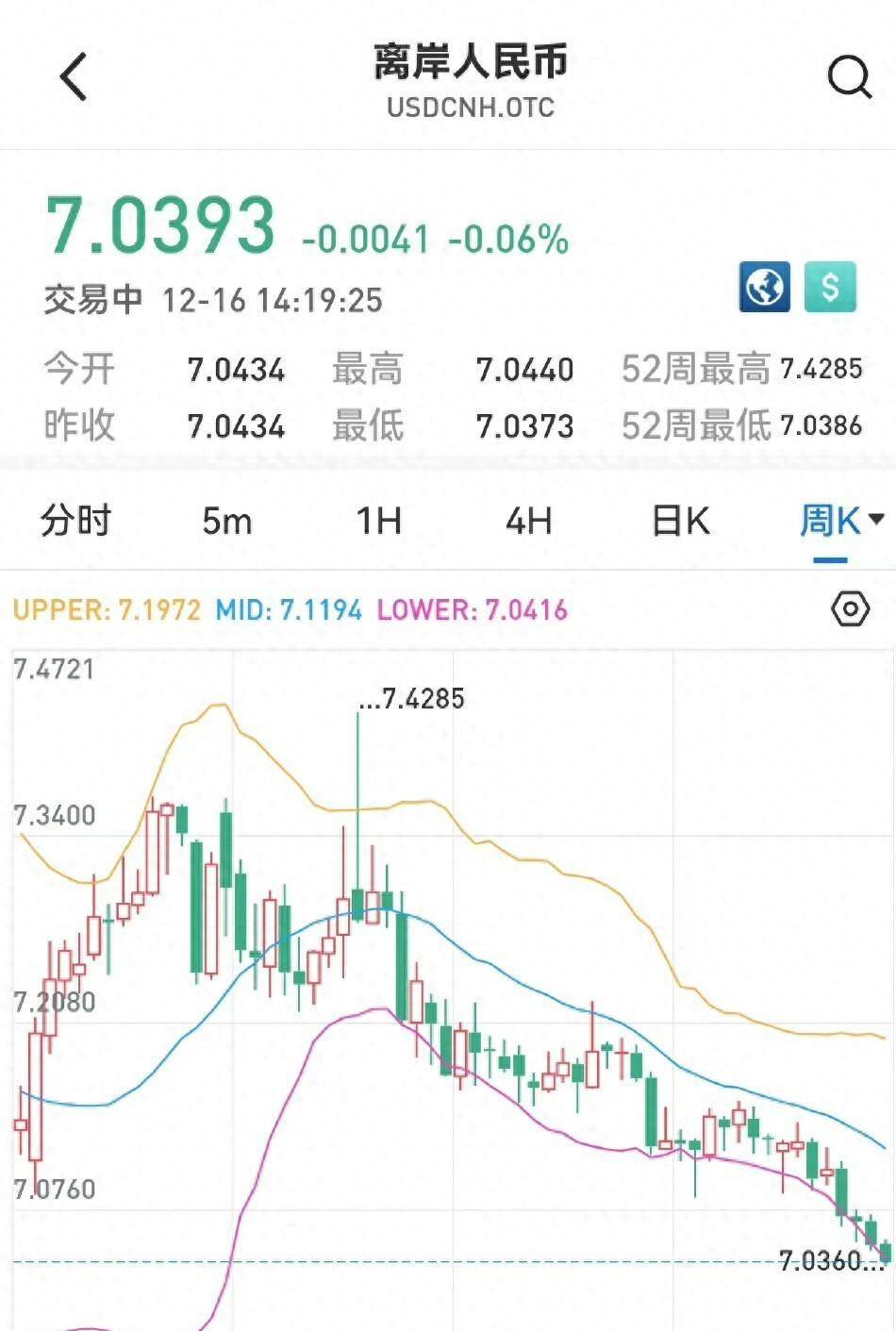
当特朗普政府对中国挥舞关税大棒,将税率拉高至145%时,市场曾预测人民币汇率将一蹶不振。 然而,2025年的现实却出乎所有人意料:人民币不仅未崩 溃,反而从7.42的低位逆势反弹,年内升值超2.5%,稳居7.10关口附近。 这背后并非简单的市场波动,而是全球资本用脚投票,对中国经济韧性的肯定。 中美利差收窄进一步助推了人民币走强。 2025年9月,美联储宣布降息25个基点,而中国货币政策保持稳健,使得中美利差从倒挂转为收窄。 跨境资本迅速 反应,北向资金单日净流入超百亿元,近一周成交额达1.45万亿元。 2025年4月,美国推出"对等关税"政策,试图通过高压手段迫使中国妥协。 但现实是,关税战成了一把双刃剑。 美国经济因高关税面临通胀压力加剧,而中 国出口企业通过调整市场结构,将贸易方向转向东南亚、欧洲和非洲,成功对冲了对美出口下滑的影响。 数据显示,2025年前8个月,中国进出口总值达29.57万亿元,同比增长3.5%,其中出口增长6.9%。 机电产品、新能源汽车等高端制造出口占比持续提升, 贸易结构优化为人民币提供了坚实支撑。 甚至在美国加税后,中国对非美地区的出口增速一度达到两位数,形成"东方不亮西方亮 ...

美论坛:如果中国不再向美国出售任何东西,中国还能继续繁荣吗?
Sou Hu Cai Jing· 2025-12-22 13:09
Core Viewpoint - The trade tensions between the U.S. and China have escalated, leading to significant impacts on both economies, with the U.S. facing rising import costs and potential GDP decline, while China diversifies its export markets and maintains overall trade growth despite reduced exports to the U.S. [1][3][25] Group 1: U.S. Economic Impact - The introduction of high tariffs by the U.S. has resulted in a significant drop in Chinese exports to the U.S., with a year-on-year decrease of 18.9% by November 2025, totaling $385.9 billion, which is 28% lower than the peak in 2022 [1] - U.S. import costs have surged, leading to increased consumer prices and potential closures of small and medium-sized enterprises, with economists predicting a GDP decline of around 4% [3] - The U.S. trade deficit has worsened, reaching $890 billion in August, a 17% increase from the previous year, indicating self-inflicted economic challenges [7] Group 2: China's Trade Resilience - Despite a significant drop in exports to the U.S., China's overall exports grew by 5.4% year-on-year, exceeding $3 trillion, due to market diversification [9][11] - Exports to ASEAN countries increased by 12%, and to Latin America by 13%, with Brazil seeing a 22% rise, showcasing China's ability to offset U.S. tariffs through new markets [11] - High-tech exports, including chips and machinery, have seen substantial growth, with chip exports increasing by 17.4% and overall machinery and electronics exports rising by 8.7% [13] Group 3: Future Outlook - Economists predict a 5% growth in Chinese exports by 2025, supported by strong demand in emerging markets and a resilient manufacturing sector [15][25] - The U.S. is expected to face ongoing economic pressure, with predictions of a GDP growth of only 0.5% compared to China's 4% [17] - The trade war is likely to continue, but China's diversified trade strategy and strong economic fundamentals position it favorably for future growth [19][25]
中美之争落幕?现实比想象残酷:美国不是输了,是牌桌都下不去了
Sou Hu Cai Jing· 2025-12-21 05:42
Group 1: Trade Relations and Economic Impact - The trade disputes between the US and China began in 2018, with tariffs peaking at 145% by 2025, yet China's exports increased despite US efforts to curb them [1] - The US aimed to protect its domestic industries through tariffs, but China's export share rose, indicating that tariffs alone cannot defeat China's economic growth [1] - By 2025, China's semiconductor market share had significantly increased, while US companies like Nvidia struggled to secure export exemptions [3] Group 2: Automotive Industry Developments - China's electric vehicle exports surged to nearly 5 million units in the first nine months of 2025, making it the global leader in EV exports, with Mexico as the largest market [5] - Despite tariff barriers preventing Chinese EVs from entering the US market, China successfully redirected its exports to other regions, particularly the Middle East and Europe [5] - The increase in China's fuel vehicle exports is attributed to a domestic shift towards new energy vehicles, leading to a rise in second-hand vehicle exports [5] Group 3: Military and Defense Dynamics - By 2025, the US defense budget approached $900 billion, while China's military capabilities continued to improve, narrowing the gap [7] - The Chinese military's nuclear arsenal increased to 600 warheads, and its naval fleet surpassed that of the US, indicating rapid military advancements [7] - The ongoing Russia-Ukraine conflict has strained US military resources, revealing weaknesses in its defense supply chain and prompting a reevaluation of military strategies against China [7] Group 4: Semiconductor Industry and Technology - The US imposed stricter export controls on advanced chips to China starting in 2022, but China increased domestic R&D support, leading to a gradual rise in chip localization rates [3] - China's control over rare earth exports has impacted the global semiconductor supply chain, demonstrating the limitations of US technology embargoes [3] - By 2025, China's semiconductor exports remained stable, countering US expectations of a collapse in the supply chain [12] Group 5: Overall Strategic Shifts - The US is transitioning from an offensive to a defensive posture in its approach to China, recognizing the need for coexistence rather than outright competition [9] - The US manufacturing hollowing-out issue has become more pronounced, with reliance on foreign materials for military projects, while China leverages its engineering capabilities for rapid innovation [11][12] - The ongoing competition is characterized by a search for stability in supply chains, with both nations learning valuable lessons from their confrontations [12]
美媒承认特朗普输给中国,4大证据摆在眼前,由不得美国人不信!
Sou Hu Cai Jing· 2025-12-21 04:32
Core Viewpoint - The article argues that the United States is losing the trade war initiated by Trump against China, highlighting four key pieces of evidence that demonstrate China's economic resilience and strategic advantages in the conflict [1]. Group 1: Trade War Initiation and Progress - The trade war began in January 2025 shortly after Trump took office, with tariffs imposed on Chinese goods under the pretext of the fentanyl issue [3]. - By April 2025, tariffs were significantly increased to cover nearly all Chinese exports to the U.S., prompting China to retaliate with tariffs on U.S. agricultural products and key raw materials [3]. - The trade negotiations between the two countries began mid-year, with multiple rounds held in London and Stockholm, but significant progress was not made until October [3]. Group 2: Economic Impact and Data Comparison - Despite the U.S. collecting over $200 billion in tariffs, the trade war did not achieve its initial goals, as evidenced by China's GDP growth of 5.3% in the first half of 2025, surpassing the IMF's forecast of 4.8% [5]. - In contrast, the U.S. experienced a mere 1.25% economic growth, significantly below expectations, with high tariffs leading to increased import costs and reduced agricultural exports [5]. - The volatility in U.S. agricultural markets, particularly in soybean futures, resulted in substantial losses for American farmers [5]. Group 3: China's Strategic Position and U.S. Concessions - China maintained its stance against unilateralism and trade bullying, refusing to make significant concessions despite U.S. pressure [7]. - As the trade war progressed, Trump was forced to lower tariffs and agree to a preliminary framework agreement without a formal comprehensive deal [9]. - The U.S. decision to resume exports of H200 chips to China was made to alleviate inventory pressures on American tech companies [9]. Group 4: Global Perception and Long-term Implications - Since Trump's administration began, China's favorability in international polls increased by 8.8%, while the U.S. saw a decline of 1.5% [13]. - Countries like India, Japan, South Korea, and Australia expressed concerns over U.S. tariff policies disrupting regional supply chains, leading to strengthened cooperation with China [13]. - The overall evidence suggests that the trade war has not weakened China but rather exposed vulnerabilities in the U.S. and enhanced China's influence in global markets [13].
用实力打服美国!中方胜利总结打出了中国人的志气、骨气和底气
Sou Hu Cai Jing· 2025-12-20 07:17
这个世界,最终还是得看实力。2025年的关税战让全球都看清了美国的真正实力。美国可能会压迫一些 小国和盟友,但面对中国,完全没有办法。美国的问题不仅仅体现在经济上,几天前,《纽约时报》还 发布了一篇长篇社论,题为《美国军队已捍卫自由世界80年》,文中揭露了五角大楼的一份机密简报, 建议政府放弃与中国在军事上的对抗。 特朗普自己也对2026年的中期选举感到悲观,认为他的一些经济政策还没有完全生效,并且不确定从盟 友那里获得的资金能否转化为共和党的政治利益。和美国的困境相比,中国却因赢得了关税战而变得更 加自信,进一步认识到了自身的强大。2025年12月14日,《人民日报》刊登了一篇名为追求实实在在、 没有水分的增长的文章,主要讲述了领导人在12月10日中央经济工作会议上的一段讲话:上天入地下海 的科技创新成果令人刮目相看。实践证明,对我们'卡脖子'是卡不住的。 在风云变幻的关税战和贸易战 中,中国稳步前行,展现了无畏的姿态,向世界证明了自身的硬实力:打出了中国人的志气、骨气、底 气,赢得了国际社会的尊重。正因为中国有实力,特朗普在中国相关事务上的态度也变得低调了很多。 之前他曾大肆宣传G2模式,但看到中国并不感 ...