软件定义汽车

Search documents
财报前瞻 | 恩智浦(NXPI.US)营收跌幅料收窄,库存变化牵动行业周期判断
智通财经网· 2025-07-21 07:16
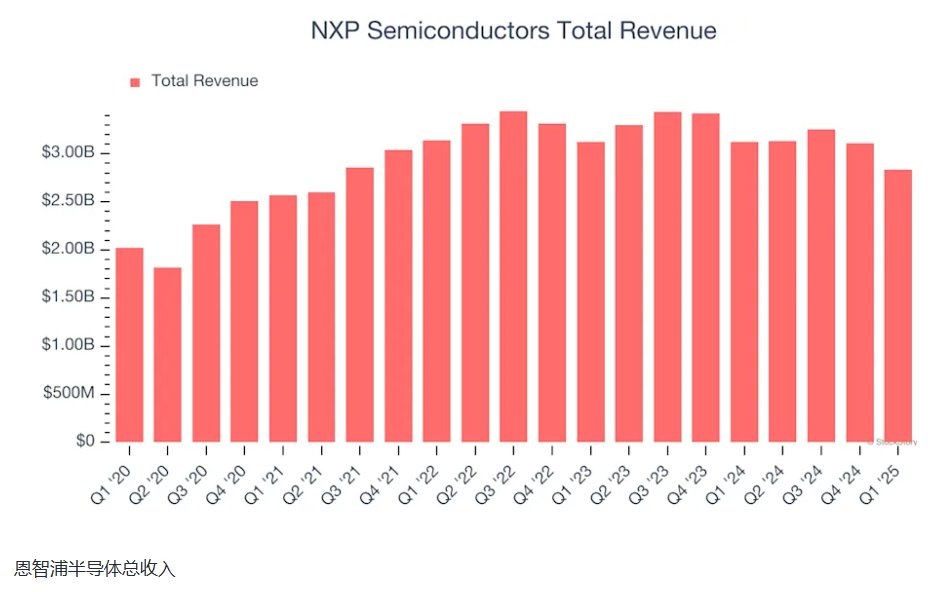
Group 1 - The core viewpoint of the articles highlights that NXP Semiconductors (NXPI.US) is set to release its latest financial report, with analysts expecting a revenue decline of 7.2% year-over-year, amounting to $2.9 billion, and an adjusted earnings per share of $2.66 [1][3] - In the previous quarter, NXP reported revenue of $2.84 billion, a year-over-year decrease of 9.3%, which was in line with Wall Street expectations [1] - Analysts have maintained their forecasts for NXP, indicating confidence in the company's earnings resilience, as historical data shows that NXP has only missed revenue expectations once in the past two years, with an average beat of 0.7% [1] Group 2 - The semiconductor sector has seen a recovery in sentiment, with an average stock price increase of 10.4% over the past month, while NXP's stock rose 8.1% to $225.9, still about 9% below the average analyst target price of $247.22 [3] - NXP has introduced a "software-defined vehicle" strategy in its automotive electronics business, aiming to integrate software and hardware to mitigate fluctuations in vehicle sales, benefiting from electrification upgrades in the medium to long term [3] - In the industrial and IoT sectors, NXP is facing short-term pressures but is expanding into smart buildings and industrial robotics through low-power processors and wireless connectivity solutions [3] - NXP is also exploring new growth areas in mobile payments and ultra-wideband positioning technology [3] - The overall semiconductor industry is showing mixed results, with Micron Technology (MU.US) reporting a 36.6% year-over-year revenue increase, exceeding expectations, yet its stock fell by 1.2%, while PENG Solutions (PENG.US) had a 7.9% revenue growth that fell short of expectations but saw its stock rise by 10.6% [3] - NXP's inventory trends and guidance for the next quarter will be critical indicators for assessing the industry cycle [3]


冯兴亚喊出“战时状态” 广汽集团转型进入深水区
Zhong Guo Jing Ying Bao· 2025-07-18 20:50
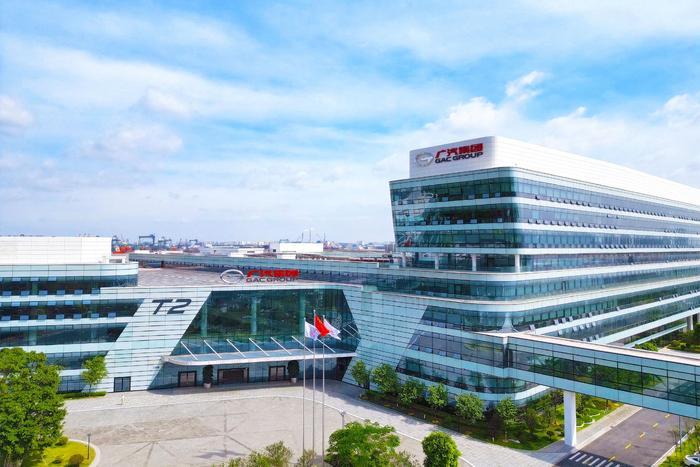
Core Viewpoint - GAC Group has entered a "wartime state" to tackle significant challenges in the automotive industry, focusing on three critical battles: user demand, product value, and service experience [2][3][6]. Company Strategy - GAC Group aims to transform into a "New GAC" by fully engaging in the three battles that are crucial for its survival and growth [3][6]. - The "Panyu Action" plan, initiated in late 2023, targets a sales volume of 2 million units for its self-owned brands by 2027, with over 60% of total sales coming from these brands [7][8]. Financial Performance - GAC Group anticipates a loss of between 1.82 billion to 2.6 billion yuan for the first half of 2025, highlighting the urgency of its transformation efforts [2][4]. Product and Technology Development - The company is restructuring its R&D system to focus on user insights and product delivery, aiming to enhance its innovation chain [4]. - GAC Group is accelerating its product technology layout, including the launch of new hybrid models and the development of an L4 level autonomous driving vehicle [4][9]. Safety and Service Enhancements - The introduction of the "Starling Safety Guardian System" emphasizes a comprehensive safety mechanism across all key systems [5]. - GAC Group is adopting a new integrated product marketing and sales (IPMS) system to improve customer service and satisfaction [5]. Market Positioning - GAC Group recognizes the need to strengthen its overseas market presence, aiming to sell 500,000 units internationally by 2027 [7]. - The collaboration with Huawei is seen as a pivotal step in enhancing GAC's competitive edge in smart vehicle technology [9]. Industry Context - The Chinese electric vehicle market surpassed 50% market share in the first half of 2025, indicating a significant shift in the automotive landscape [9].

恩智浦:为何中国智驾是关键?
半导体芯闻· 2025-07-18 11:07
Core Viewpoint - The automotive industry is a key driver of innovation in the semiconductor market, with China emerging as a global leader in electric and smart vehicles, prompting major semiconductor companies to increase their investments in the Chinese market [1][3][4]. Group 1: China's Automotive Market - China's automotive market is growing rapidly, with a compound annual growth rate (CAGR) exceeding 10%, and is home to global innovators like Changan Deep Blue and Leap Motor [4]. - The penetration rate of new energy vehicles in China is approaching 50%, and the development cycle for new platforms has been shortened to one year, showcasing the market's rapid iteration and innovation [4]. - By 2030, the global semiconductor market is expected to exceed $1.3 trillion, with China playing a crucial role in driving this growth, particularly in electric vehicles (accounting for 70% of global sales and 76% of battery production) and robotics [3][4]. Group 2: NXP's Strategy and Technology - NXP Semiconductors is focusing on a "software-defined vehicle" (SDV) approach, transitioning from a hardware-centric to a software-driven automotive architecture [5][6]. - The CoreRide platform, launched by NXP, integrates hardware, software, and ecosystem collaboration to accelerate the deployment of SDVs, allowing for rapid software updates and innovation [5][6][7]. - NXP's CoreRide platform aims to enhance speed in hardware deployment, over-the-air (OTA) updates, and development cycles, which are critical metrics for OEMs in their software-defined strategies [7]. Group 3: Advanced Technologies - NXP is a leader in UWB technology, enabling digital car keys and enhancing vehicle access through smartphones, with capabilities for future upgrades without additional hardware [9]. - The development of 4D imaging radar is crucial for advancing autonomous driving, with projections indicating that by 2029, 40% of vehicles will feature L2+/L3 capabilities [10][11]. - NXP's S32R47 imaging radar processor represents a significant advancement, doubling performance and tripling antenna support compared to previous generations, while also reducing size by approximately 38% [11]. Group 4: Battery Management Systems - The evolution of battery management systems (BMS) is critical for electric vehicles, with NXP moving towards a software-free BMS model to optimize costs and enhance safety [18][21]. - NXP's BMx7318/7518 series battery cell controllers support flexible configurations and high-temperature environments, addressing the needs of high-voltage battery systems [21]. Group 5: Localization and Ecosystem Collaboration - NXP has been operating in China for 39 years, with a significant local presence including 6 R&D centers and 14 offices, emphasizing its commitment to local innovation and responsiveness [22][23]. - The establishment of a dedicated China division aims to integrate sales, R&D, and operations to better serve local customers and enhance global market capabilities [22][23]. - Collaborations with major automotive companies like Geely and Great Wall are strengthening NXP's ecosystem, facilitating innovation and development in the automotive sector [23][26].
欧洲汽车巨头抱团补“软肋” 开源联盟能否挽救转型之困?
Jing Ji Guan Cha Wang· 2025-07-17 15:22
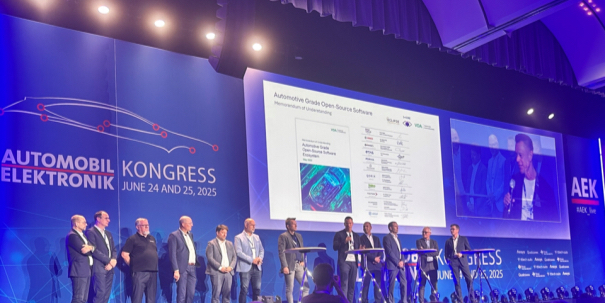
Core Insights - A significant automotive collaboration agreement has been signed in Europe, aiming to enhance the region's "soft power" through the development of a shared automotive software platform called "S-CORE" [2][3] - The alliance includes major automotive players such as Volkswagen, BMW, and Mercedes-Benz, and aims to accelerate the transition to software-defined vehicles (SDVs) by creating an independent and open software ecosystem [2][4] - The initiative is a response to Europe's lagging software ecosystem and aims to address the challenges faced by European automakers in software development [7][10] Group 1: Collaboration and Objectives - The S-CORE project is based on an open-source model, differing from traditional standards-based approaches, and aims to reduce basic software development costs by 30% [3][5] - The alliance plans to release a production-ready software architecture by 2026 and achieve full vehicle-level open-source software integration by 2030 [2][5] - The collaboration seeks to establish a unified software foundation for European automakers, enhancing their competitive edge against U.S. and Chinese companies [10][12] Group 2: Challenges and Concerns - Despite the potential benefits, there are concerns regarding the efficiency of collaboration among major automakers and the risk of stifling innovation due to the complexity of the software issues [10][11] - The software development landscape in Europe has been marked by failures, such as Volkswagen's Cariad, which has faced significant delays and challenges in delivering software solutions [7][8] - The alliance's success may be hindered by the long-standing hardware-centric approach of European automakers and the shortage of software talent [10][11] Group 3: Market Implications - The establishment of the S-CORE alliance reflects a growing consensus that digital services and software revenues will become a primary source of profit for automakers [8][9] - The alliance's outcomes may not significantly impact the Chinese market, as many European automakers have already begun developing independent software ecosystems tailored to local needs [12][13] - In contrast to Europe's approach, China's automotive industry is rapidly advancing in software open-source initiatives, focusing on market-driven solutions and faster implementation [13][14]
德企展示乘用车底盘新技术
Ke Ji Ri Bao· 2025-07-14 23:40
Group 1 - The core viewpoint of the articles highlights the advancements in chassis technology by ZF Friedrichshafen AG, driven by the development of electric vehicles, software-defined vehicles, and autonomous driving technologies [1][2] - ZF's new chassis technologies include X-by-wire technology, active and semi-active damping systems, and the cubiX software platform, which coordinates all components involved in vehicle dynamics [2] - The introduction of next-generation intelligent chassis sensors allows for real-time monitoring of chassis components and unlocks new functionalities through continuous data recording and AI analysis [2] Group 2 - The integration of central controllers or domain controllers consolidates the control of critical chassis functions such as braking, steering, and damping, marking a significant step towards the industrialization of steer-by-wire technology [1] - The NIO ET9, showcased at ZF's Chassis Technology Day, is the first mass-produced vehicle in China equipped with ZF's complete steer-by-wire system, demonstrating the practical application of these innovations [1]
赛力斯新品上市半年净利最高预增97% 新能源车销量降14.4%仅完成目标45%
Chang Jiang Shang Bao· 2025-07-13 23:07
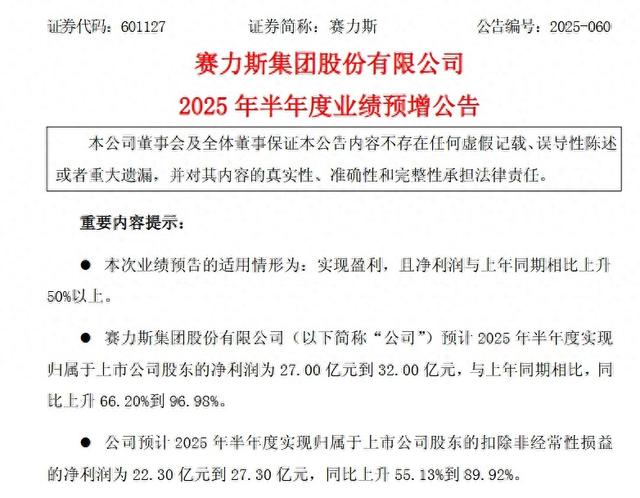
Core Viewpoint - The sales decline of Seres (601127.SH) is alleviated with the launch of the 2025 models Wanjie M9 and Wanjie M8, leading to improved profitability for the company [1][4]. Group 1: Financial Performance - Seres expects a net profit attributable to shareholders for the first half of 2025 to be between 2.7 billion to 3.2 billion yuan, representing a year-on-year increase of 66.20% to 96.98% [2][3]. - The company anticipates a net profit excluding non-recurring gains and losses to be between 2.23 billion to 2.73 billion yuan, reflecting a year-on-year growth of 55.13% to 89.92% [2]. - In the first quarter of 2025, Seres reported a revenue of 19.147 billion yuan, a decrease of 27.91% year-on-year, while net profit increased by 240.6% to 748 million yuan [2]. Group 2: Sales and Production - Overall sales for Seres in the first half of 2025 reached 198,600 units, a decline of 15.77% year-on-year, with new energy vehicle sales at 172,100 units, down 14.35% [4][10]. - The sales figures for the second quarter showed improvement, with monthly sales of 35,700, 44,200, and 50,300 units, indicating year-on-year growth of 5.54%, 14.3%, and 2.39% respectively [4]. - The production capacity utilization rate for the first half of 2025 was 59.1%, with total production of 202,600 units, a decrease of 14.26% year-on-year [10][11]. Group 3: Strategic Goals - Seres aims for a revenue target of 89.605 billion yuan and new energy vehicle sales of 379,500 units for 2025 [7][8]. - The company has set ambitious growth targets for 2024, aiming for a 100% increase in both revenue and new energy vehicle sales compared to 2023 [6]. - To achieve a goal of selling one million new energy vehicles within three years, Seres is actively expanding production capacity [9].

采访小米汽车,我们准备了这些问题
乱翻书· 2025-07-13 04:24
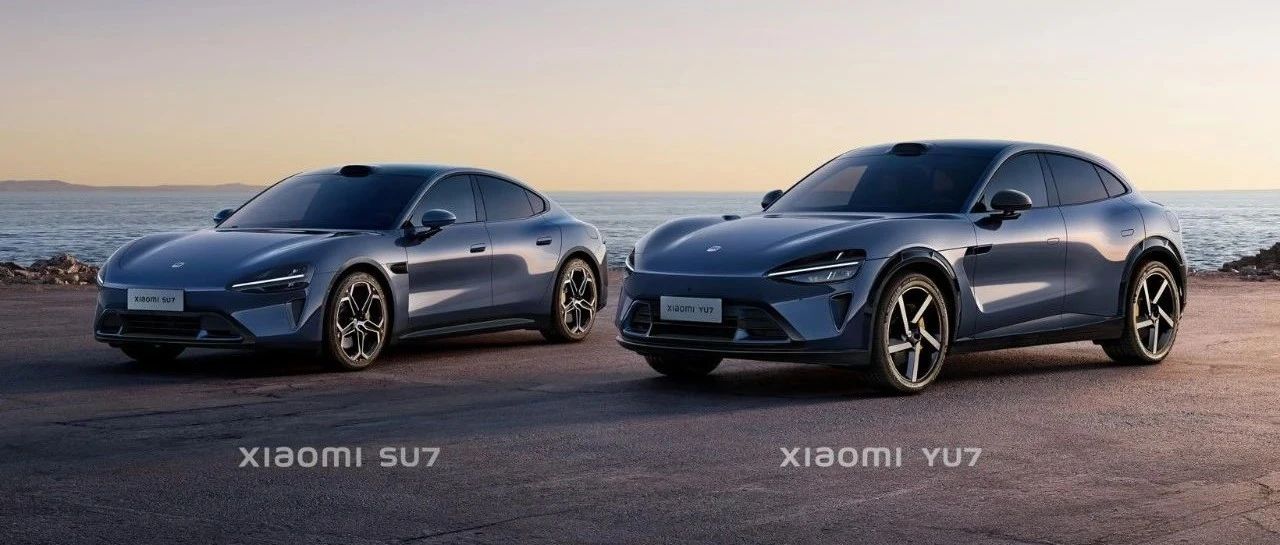
Group 1 - The core viewpoint of the article revolves around how Xiaomi is innovating in the automotive design space, transitioning from its traditional consumer electronics design to a more emotional and aesthetic approach in car design [1][4]. - The discussion highlights the evolution of Xiaomi's design philosophy, moving from a rational, minimalist style to a more expressive and vibrant design language in its automotive products [6][7]. - The article emphasizes the importance of understanding user desires (I Want) versus rational needs (I Need) in creating compelling automotive designs that resonate with consumers [3][4]. Group 2 - The article outlines the unconventional journey of Li Tianyuan, Xiaomi's automotive design general manager, who was appointed at a young age, challenging the norm of hiring experienced designers from traditional automotive backgrounds [2][7]. - It discusses the strategic decision-making process behind the design of Xiaomi's first two car models, SU7 and YU7, and how they reflect a shift in design philosophy that prioritizes emotional engagement over mere functionality [6][19]. - The article also touches on the cultural impact of Xiaomi's vehicles, suggesting that they are redefining the understanding of automobiles in a country with a vast population, thus creating a new automotive narrative [3][4]. Group 3 - The article explores Xiaomi's design philosophy, questioning what constitutes good design and how it can be both unique and functional, particularly in the context of the automotive industry [20][21]. - It highlights the significance of color choices and design elements in appealing to a broader audience, including a notable increase in female users, which influences design decisions [6][8]. - The discussion includes the challenges and opportunities presented by the fast-paced nature of the tech industry, particularly in balancing rapid innovation with the longevity expected in automotive products [31][32]. Group 4 - The article raises questions about the future of automotive design in the context of software-defined vehicles, emphasizing the need for a balance between technological advancement and traditional automotive values [31][32]. - It discusses the potential for Chinese automotive design to gain recognition on a global scale, moving from "Made in China" to "Designed in China," reflecting a shift in perception of local designers [37][38]. - The article concludes with a focus on the importance of nurturing young talent in the design field, encouraging a new generation of designers to pursue their dreams and innovate within the automotive space [40][41].

MCU,巨变
半导体行业观察· 2025-07-13 03:25
Core Viewpoint - The article discusses the significant shift in the automotive MCU market with the introduction of new embedded storage technologies like PCM and MRAM, moving away from traditional embedded Flash technology. This transition is seen as a strategic move that will have a profound impact on the MCU ecosystem [1][3]. New Storage Pathways - Major MCU manufacturers such as ST, NXP, and Renesas are launching new automotive MCU products featuring advanced embedded storage technologies, indicating a shift from traditional 40nm processes to more advanced nodes like 22nm and 16nm [2]. - The evolution of MCUs is characterized by increased integration of AI acceleration, security units, and wireless modules, positioning them as central components in automotive applications [2]. Embedded Storage Technology Revolution - The rise of embedded non-volatile memory (eNVM) technologies is crucial for addressing the challenges posed by the complexity of software-defined vehicles (SDVs) and the increasing demands for storage space and read/write performance [3]. - Traditional Flash memory is becoming inadequate in terms of density, speed, power consumption, and durability, making new storage solutions essential for MCU advancement [3]. ST's Adoption of PCM - ST has introduced the Stellar series of automotive MCUs featuring phase change memory (PCM), which offers significant advantages over traditional storage technologies [5][6]. - The Stellar xMemory technology is designed to simplify the development process for automotive manufacturers by reducing the need for multiple memory options and associated costs [7][9]. NXP and Renesas Embrace MRAM - NXP has launched the S32K5 series, the first automotive MCU based on 16nm FinFET technology with integrated MRAM, enhancing the performance and flexibility of ECU programming [10]. - Renesas has also released a new MCU with MRAM, emphasizing high durability, data retention, and low power consumption, further showcasing the advantages of MRAM technology [11]. TSMC's Dual Focus on MRAM and RRAM - TSMC is advancing both MRAM and RRAM technologies, aiming to replace traditional eFlash in more advanced process nodes due to the limitations faced by eFlash technology [15]. - TSMC has achieved mass production of RRAM at various nodes and is actively developing MRAM for automotive applications, indicating a strong commitment to new storage technologies [15][16]. Integration of Storage and Computing - The article highlights a trend towards "storage-computing integration," where new storage technologies like PCM and MRAM are not just replacements but catalysts for MCU architecture transformation [19]. - The merging of storage and computing functions is becoming increasingly important in the context of AI, edge computing, and the growing complexity of computational tasks [21]. Conclusion - The MCU landscape is evolving from a focus on basic control systems to a more integrated approach where storage plays a critical role in computing architecture, driven by advancements in embedded storage technologies [23]. - This transformation presents both challenges and opportunities for domestic MCU manufacturers, who must adapt to the rapidly changing technological landscape [23].


问界M9发力,赛力斯预计上半年归母净利润增长超三分之二
Guan Cha Zhe Wang· 2025-07-12 10:28
Core Viewpoint - Saisir Group expects significant growth in net profit for the first half of 2025, driven by a focus on software-defined vehicles and a strong product lineup [1][3]. Financial Performance - The company anticipates a net profit attributable to shareholders of 2.7 billion to 3.2 billion yuan, representing a year-on-year increase of 66.2% to 96.98% [1]. - The expected net profit, excluding non-recurring gains and losses, is projected to be 2.23 billion to 2.73 billion yuan, reflecting a growth of 55.13% to 89.92% year-on-year [1]. Sales Performance - In the first half of the year, Saisir sold a total of 198,600 vehicles, a decrease of 15.77% year-on-year [3]. - New energy vehicle sales reached 172,100 units, down 14.35% year-on-year [3]. - The flagship model, Wanjie M9, achieved sales of 62,500 units, marking a year-on-year increase of 6.28%, contributing significantly to net profit despite overall sales decline [3]. Product Development - The Wanjie M8, priced around 400,000 yuan, was launched in April and recorded sales of 35,200 units in the second quarter [5]. - The company continues to enhance its product offerings and market strategy, which has led to improved profitability and operational quality [3]. Strategic Initiatives - Saisir Group submitted an application for a mainboard listing on the Hong Kong Stock Exchange in April [5]. - The company announced a capital increase of 5 billion yuan from multiple strategic investors for its subsidiary, Saisir Automotive [5].
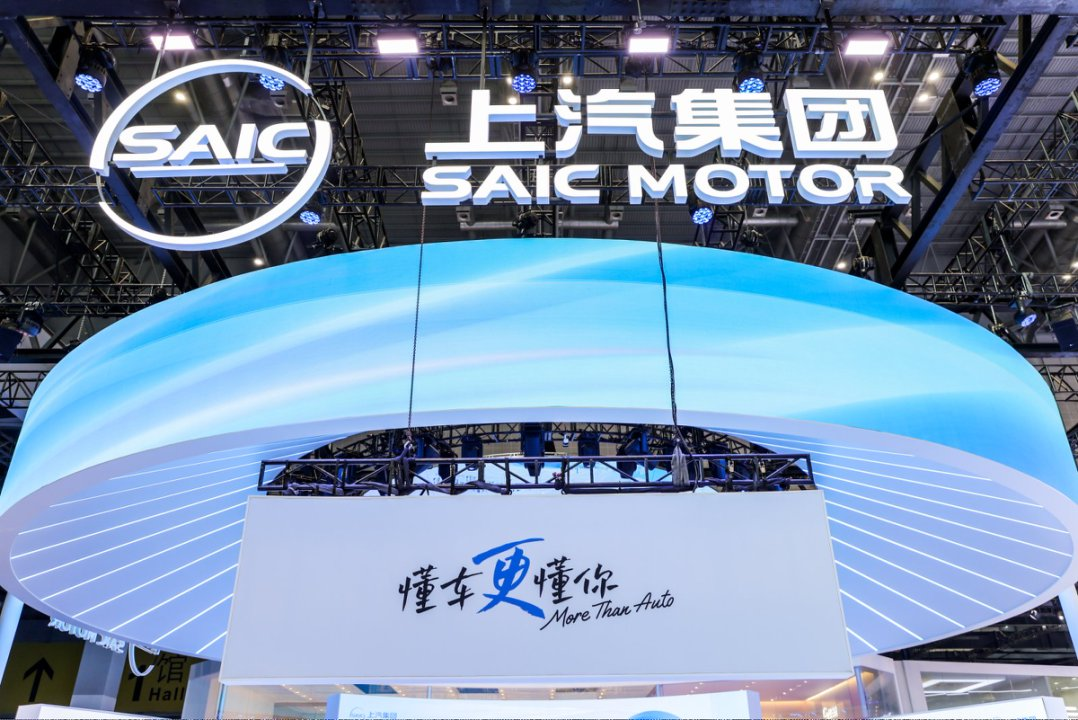
解码上汽集团上半年“六连涨”:自主引领、多维创新
Bei Ke Cai Jing· 2025-07-11 01:48
Core Insights - SAIC Motor Corporation has successfully navigated the challenges of the automotive industry's transition to new energy and smart technologies, achieving significant sales growth and maintaining industry leadership [1] - The company's strategy focuses on user-centric innovation, breaking technological barriers, and global expansion, serving as a valuable model for the transformation of China's automotive industry [1] Group 1: Sales Performance - In the first half of 2025, SAIC's vehicle wholesale reached 2.053 million units, a year-on-year increase of 12.4%, with retail delivery hitting 2.207 million units [1] - The company's passenger vehicle sales saw a year-on-year growth of 21.1% in the first half of 2025, demonstrating the effectiveness of its integration model [9][6] Group 2: Product Innovation - The Roewe D7 DMH has set a new industry standard for hybrid vehicles in the 100,000-150,000 yuan price range, featuring a range of over 2,200 kilometers and fuel consumption of only 2.49 liters per 100 kilometers [3] - MG brand plans to launch 13 new models in two years, showcasing its strong product development capabilities and commitment to market expansion [5] Group 3: Technological Advancements - The Zhiji L6, equipped with a solid-state battery, boasts a range exceeding 1,000 kilometers, positioning it competitively against international luxury brands [5] - SAIC's collaboration with technology giants like Huawei and OPPO aims to enhance smart driving capabilities and user connectivity, achieving high performance in voice recognition and device integration [10][9] Group 4: Global Expansion - SAIC's "Glocal strategy" has established a robust global supply chain, with products exported to over 170 countries and regions, achieving cumulative overseas sales of over 6 million units [11] - The company has tailored its products to meet European standards, enhancing competitiveness in the region by optimizing battery management systems and powertrains [13] Group 5: Market Positioning - SAIC's autonomous brands now account for 63.5% of its total sales, reflecting a shift in market dynamics from joint ventures to domestic brands taking the lead [6] - The MG brand has successfully redefined its global presence, achieving over 5 million units in sales and breaking the stereotype of low-cost exports from Chinese automakers [14]