
中美经贸摩擦

Search documents
债券市场跟踪周报(10.9-10.10):关税风波再起,债市如何演绎?-20251013
Southwest Securities· 2025-10-13 05:09
1. Report Industry Investment Rating No relevant content provided. 2. Core Views - The bond market may see a downward trend in the fourth quarter, but a cautious and optimistic attitude is recommended. The market has a foundation for a slow decline, with more rational pricing and stable allocation demand. The recent tariff shock is a "one - time" pricing behavior, and if the tariff policy fluctuates, long - duration assets may face callback risks. It's advisable to track the arrangement of the Sino - US summit to judge the implementation possibility of the tariff policy [2][90]. - The tariff and technology control may have limited impact on the domestic capital market. The potential "cancellation" or "reduction" of tariffs makes it difficult to immediately price the long - term impact on the fundamentals. The market is unlikely to repeat the extreme situation in April [4]. - In terms of investment strategy, the portfolio duration should be set at a medium - to - long level. High - quality coupon assets are recommended as the bottom - position, and opportunities in 2 - year AA -/AA - grade credit bonds and 10 - year local bonds can be explored. For trading, medium - duration varieties such as secondary perpetual bonds with large previous declines can be focused on [2][90]. 3. Summary by Relevant Catalogs 3.1 Important Matters - In October, the central bank did not conduct treasury bond trading operations [7]. - On October 9, the Shanghai Composite Index broke through 3900 points for the first time in 10 years, which may signal a slow - bull market in the equity market and put upward pressure on the bond market [8]. - The fourth - quarter treasury bond issuance plan was announced. Treasury bond issuance, especially ultra - long - term bonds, may enter a seasonal off - peak. The 30 - year ultra - long - term special treasury bond will no longer be renewed, and 2500002 has an advantage in becoming the active bond [11]. - On October 10, 2025, Trump announced an additional 100% tariff on Chinese goods and export controls on key software, which will take effect on November 1, 2025, increasing the uncertainty of the Sino - US summit [15]. 3.2 Money Market - From October 9 to 11, 2025, the central bank's net reverse - repurchase investment was - 15263 billion yuan. The liquidity in the inter - bank market was loose after the cross - quarter. The net financing of inter - bank certificates of deposit (NCDs) was positive, and the yields of NCDs declined [16][17]. - In the primary market, the total issuance scale of NCDs last week was 215.97 billion yuan, with a net financing of 81.02 billion yuan. The issuance scale of city commercial banks was the largest, but the net financing was negative. The issuance interest rates of NCDs increased compared with the previous week [26][28][30]. - In the secondary market, the yields of NCDs of all maturities decreased. The yield of AAA - rated 1 - month NCDs decreased by 17.96BP to 1.45%, and the 1Y - 3M spread was at the 56.98% quantile [32]. 3.3 Bond Market - In the first week after the holiday, treasury bonds were the main source of interest - rate bond supply. The total issuance of interest - rate bonds was 14, with an actual issuance of 286.864 billion yuan and a net financing of 215.998 billion yuan [34][41]. - In the primary market, from January to October, the net financing of local government bonds was faster than that of treasury bonds. As of October 11, 2025, the cumulative net financing of treasury bonds was about 5.58 trillion yuan, and that of local bonds was about 6.15 trillion yuan [34]. - In the secondary market, from Thursday to Friday last week, the yield of 10 - year treasury bonds decreased, and the 10 - 1 - year term spread was compressed. After Trump announced the tariff increase, the bond market declined significantly. The liquidity premium of active and sub - active bonds of 10 - year treasury bonds and 10 - year policy - bank bonds changed differently [34][46]. - The term spread of 10 - 1 - year treasury bonds was compressed to 47.19BP, and the 30 - 1 - year term spread widened. The long - and ultra - long - term spreads between local and national bonds changed differently [57][59]. 3.4 Institutional Behavior Tracking - The 20 - day moving average of the daily trading volume of inter - bank pledged repurchase in the first week after the holiday was 7.53 trillion yuan, and the leveraged trading scale recovered after the holiday [62][68]. - In the cash - bond market, state - owned banks weakened their bond - buying, rural commercial banks significantly increased their purchases, especially of long - term local bonds and 5 - 10 - year policy - bank bonds. Securities firms and funds were also important buyers, while insurance companies were net sellers, especially of long - term treasury bonds [62][70]. - The current average cost of major trading players adding 10 - year treasury bonds is around 1.87% [74]. - Considering capital occupation and tax costs, commercial banks and insurance companies can obtain relatively higher returns by investing in local bonds [82]. 3.5 High - Frequency Data Tracking - Last week, the settlement price of rebar futures decreased by 0.10% compared with before the holiday, the wire rod futures price was flat, the cathode copper futures price increased by 3.39%, the cement price index increased by 0.45%, and the Nanhua Glass Index increased by 0.66%. The CCFI index was flat, and the BDI index decreased by 9.89% [85]. - In terms of food prices, the pork wholesale price decreased by 3.47%, and the vegetable wholesale price decreased by 2.99%. The settlement prices of Brent and WTI crude oil futures decreased by 1.15% and 1.38% respectively. The central parity rate of the US dollar against the RMB was 7.11 [85].
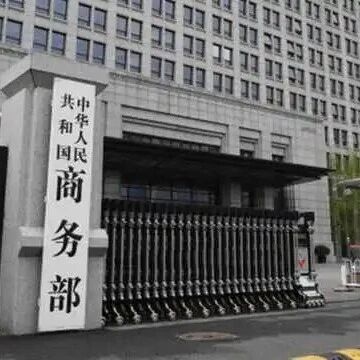
“我们不愿打,但也不怕打”!商务部回应→
第一财经· 2025-10-12 04:53
2025.10. 12 美东时间10月10日,美方宣布,针对中方采取的稀土等相关物项出口管制,将对中方加征100%关税,并对所有关键 软件实施出口管制。 对此,10月12日,商务部网站发表《商务部新闻发言人就近期中方相关经贸政策措施情况答记者问》,在其中商务部 新闻发言人表示,动辄以高额关税进行威胁,不是与中方相处的正确之道。 对于关税战,中方的立场是一贯的,我们 不愿打,但也不怕打。 商务部新闻发言人表示,中方敦促美方尽快纠正错误做法,以两国元首通话重要共识为引领,维护好来之不易的磋商 成果,继续发挥中美经贸磋商机制作用,在相互尊重、平等协商基础上,通过对话解决各自关切,妥善管控分歧,维 护中美经贸关系稳定、健康、可持续发展。 商务部新闻发言人表示, 如果美方一意孤行,中方也必将坚决采取相应措施,维护自身正当权益。 稀土出口管制措施 商务部新闻发言人表示,10月9日,中方发布了关于稀土等相关物项的出口管制措施,这是中国政府依据法律法规, 完善自身出口管制体系的正常行为。中国作为负责任大国,始终坚定维护自身国家安全和国际共同安全,始终秉持公 正、合理、非歧视的原则立场,审慎适度实施出口管制措施。 商务部新闻发 ...

补贴只是止痛药:特朗普救不了美国大豆,市场才是解药
Sou Hu Cai Jing· 2025-10-05 00:26
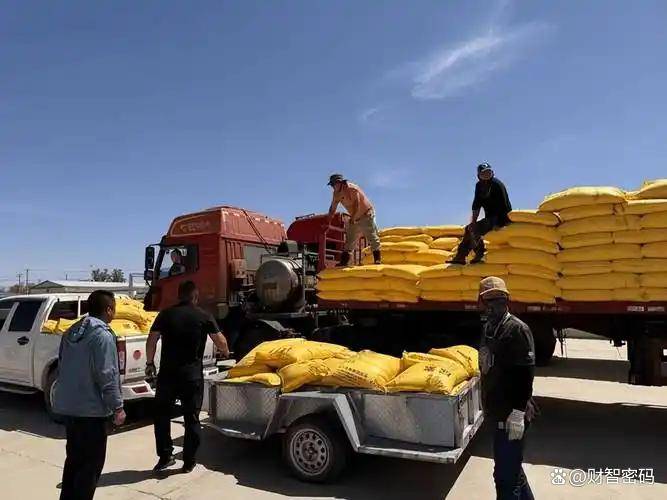
Core Points - The article discusses the challenges faced by U.S. soybean farmers due to a significant drop in exports to China, which has historically been a major buyer of U.S. soybeans [3][22] - President Trump's proposed subsidy plan aims to support farmers using revenue generated from tariffs, but the effectiveness of this plan is questioned [6][22] Group 1: Market Dynamics - U.S. soybean farmers are experiencing a rare bumper crop in 2025, yet their sentiment is extremely low due to plummeting prices, with estimates around $9.5 per bushel [3][11] - China accounted for nearly 40% of U.S. soybean exports last year, but current sales to China have dropped to zero, creating a significant market void [3][22] - The U.S. Department of Agriculture reported that no new soybean shipments to China have been booked as of mid-September, indicating a severe decline in demand [3][22] Group 2: Political and Economic Implications - Trump's administration is under pressure from agricultural states, leading to the consideration of a subsidy plan funded by tariff revenues [6][8] - The political motivation behind the subsidy plan is to maintain support from soybean and cotton farmers, who are crucial for Trump's electoral base [8][22] - Despite promises of trade agreements to boost agricultural exports, these commitments have not materialized, leaving farmers feeling abandoned [17][22] Group 3: Competitive Landscape - Other countries, such as Brazil and Argentina, are seizing the opportunity to capture market share from the U.S. by implementing favorable policies for soybean exports [14][16] - The U.S. soybean export volume to China has drastically decreased, with figures showing only slightly over 200 million bushels exported from January to August, compared to nearly 1 billion bushels in the same period the previous year [14][22] - The ongoing trade tensions have increased farming costs and diminished the competitiveness of U.S. agricultural products in the global market [17][22]
管涛:宏观经济形势与人民币汇率走势前瞻
Sou Hu Cai Jing· 2025-09-24 11:45
Economic Outlook - The biggest uncertainty facing China's economy this year is the extreme pressure from external tariffs, but the first half of the year showed three positive aspects: actual GDP growth of 5.3%, new achievements in technology and consumption, and proactive government measures to mitigate potential shocks [2] - The growth in the first half was primarily driven by resilient external demand, contributing an additional 1 percentage point to GDP growth, while consumption and investment saw declines of 0.3 and 0.4 percentage points respectively [3] - The second half of the year will depend on whether domestic demand can effectively take over, as investment, consumption, and external demand all showed signs of slowing down in August [4] Consumer Behavior and Debt Levels - The decline in household leverage is attributed to multiple factors, including structural changes in consumption behavior due to the pandemic, uncertainties in Sino-US trade relations, and fluctuations in asset prices affecting borrowing demand [5] - The ongoing deleveraging process among households poses challenges for traditional methods of stimulating consumption through increased leverage [5] Policy Recommendations - There is a need for stronger coordination between fiscal and monetary policies, focusing on enhancing the effectiveness of policies aimed at boosting consumption and investment [7] - Continuous monitoring of domestic and international economic conditions is essential to ensure timely policy responses, avoiding delays that could exacerbate economic downturns [7] - Policies should be carefully evaluated for consistency, especially those that may restrict consumption, to avoid counterproductive effects on economic stimulus [8] Currency Exchange Rate Dynamics - The RMB has shown resilience against the USD despite external pressures, with a cumulative appreciation of about 1% as of September 19, 2025, attributed to a combination of internal and external factors [10] - The RMB's exchange rate is influenced by various factors, including the depreciation of the USD and improvements in China's economic fundamentals, suggesting that the RMB is not significantly overvalued [11][12] - The ongoing trade surplus indicates upward pressure on the RMB, while domestic economic conditions suggest that it may be slightly overvalued relative to internal equilibrium levels [12] Market Sentiment and Future Outlook - Despite a net outflow of RMB in cross-border transactions, the overall market does not indicate significant concerns regarding the RMB's valuation [13] - Factors that could positively influence the RMB include potential interest rate cuts by the Federal Reserve and progress in Sino-US trade negotiations [14] - However, uncertainties remain regarding the pace of Fed rate cuts, future trade negotiations, and the impact of domestic economic conditions on consumer demand [14][16]

中美西班牙会谈前,美方突然制裁中企,商务部回应了!
Sou Hu Cai Jing· 2025-09-15 08:45
Core Points - The Chinese Ministry of Commerce expressed strong dissatisfaction and firm opposition to the U.S. government's recent inclusion of several Chinese companies and institutions on the export control entity list, viewing it as unilateralism and economic bullying that severely undermines international trade rules [1] - The timing of the U.S. sanctions, just before the scheduled high-level economic talks in Madrid, raises questions about the U.S.'s motives and negotiation sincerity, suggesting a strategy of extreme pressure to gain negotiation leverage [1][2] - The U.S. approach of using pressure to promote dialogue is seen as counterproductive, damaging its credibility as a negotiating party and potentially further eroding strategic mutual trust between the two countries [2] Industry Implications - The historical pattern of U.S. pressure tactics has complicated negotiations and could lead to more intense retaliatory measures, resulting in a mutually damaging outcome that disrupts global supply chains [2][3] - China has established a comprehensive and responsive countermeasure system, including legal frameworks and operational details, to protect its enterprises and institutions from external challenges [3] - If the U.S. continues to misuse sanctions and insists on pressure tactics, it may trigger reciprocal measures from China, leading to a vicious cycle of sanctions and counter-sanctions that could have profound negative impacts on bilateral economic relations and global economic recovery [3]
美财长很恼火:要求欧洲配合,一起制裁中国,欧洲人集体低头不语
Sou Hu Cai Jing· 2025-08-16 06:25
Group 1 - The meeting between former US President Trump and Russian President Putin on August 15 in Alaska is highly anticipated, with US Treasury Secretary Bessent suggesting that failure to achieve expected outcomes may lead to increased oil sanctions against Russia, which could pose greater risks and pressures on China [1] - Bessent expressed frustration over European representatives' silence when he proposed imposing 200% tariffs on Chinese goods in response to purchasing Russian oil, indicating their hesitation and the complexity of international relations [3][5] - The current economic status of China is significantly stronger than in previous decades, with a GDP of 126.06 trillion yuan in 2023 and a stable growth rate of 5.2%, making any trade friction with China a cautious consideration for other nations [8] Group 2 - The trade relationship between China and European countries is crucial, exemplified by Germany's trade volume with China reaching 245.4 billion euros in 2023, highlighting the potential economic repercussions of blindly following US proposals for high tariffs on Chinese goods [10] - China's advancements in technology, particularly in 5G, AI, and clean energy, have fostered important collaborations with European companies, indicating that sanctions could disrupt technological progress in Europe [12] - European nations recognize the importance of maintaining good relations with China for their long-term development, understanding that attempts to isolate or suppress China could lead to self-harm [14] Group 3 - The ongoing trade tensions between the US and China have not resolved as Trump anticipated, with his decision to suspend a 24% tariff on China reflecting his internal struggles and the complexities of the trade war [16] - Following the third round of US-China trade talks, both sides agreed to extend the suspension of certain tariffs, showcasing China's willingness to ease tensions and return to a cooperative relationship [16] - Bessent's evolving perspective on China, now referring to it as a "great nation," illustrates the respect China has gained in the economic struggle, emphasizing the need for dialogue and cooperation over confrontation [19]
一觉醒来,中美发布联合声明,这13个字的出现,让全球松了一口气
Sou Hu Cai Jing· 2025-08-12 07:58
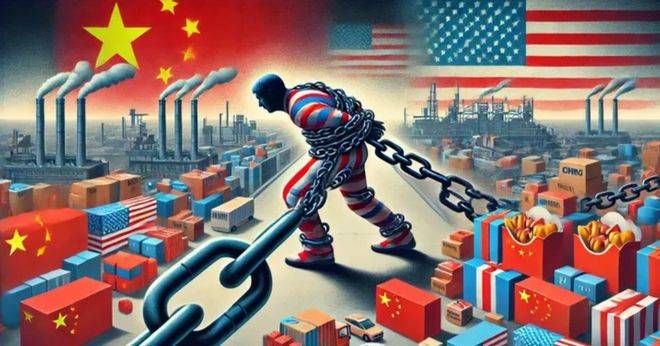
Group 1 - The joint statement between China and the U.S. to pause the implementation of a 24% tariff for 90 days has significantly impacted global financial markets, leading to a rise in major Asian stock indices and fluctuations in commodities like oil and gold [1][3][12] - The bilateral trade volume between China and the U.S. reached $2.6 trillion in the first half of the year, highlighting the deep interdependence of global supply chains on U.S.-China trade relations [3][12] - The decision to pause tariffs has temporarily improved risk appetite among investors, leading to a rebound in stock markets and a shift of safe-haven funds back into equities [3][12] Group 2 - The 90-day negotiation window allows both countries to explore potential compromises while maintaining a dynamic balance of pressure, with the U.S. retaining a 10% baseline tariff and China keeping some countermeasures [7][14][16] - The negotiations have been characterized by a series of meetings in neutral locations, which have facilitated a more focused discussion on technical issues and the exchange of conditions [5][8] - The agricultural sector in the U.S. has shown signs of recovery, with soybean exports to China increasing by 23% and corn exports by 17% in the second quarter, indicating the significant impact of tariff policies on U.S. agriculture [12][16] Group 3 - The joint statement was strategically timed to send a stabilizing signal to global markets, with both countries emphasizing their commitment to cooperation while addressing specific demands [8][10] - The ongoing trade tensions have prompted international companies to adopt a "wait-and-see" approach, enhancing their order management and risk mitigation strategies [19] - The potential outcomes of the negotiations are critical, as a successful agreement could lead to a recovery in global trade, while a breakdown could trigger renewed market volatility [17][19]
不忍了!美国持续打压,中国放下“道德包袱”,雷霆反击让西方胆寒
Sou Hu Cai Jing· 2025-08-12 02:08
Core Points - The ongoing economic and geopolitical rivalry between the US and China has created significant uncertainty in the global economy, affecting ordinary citizens with high prices and economic instability [1] - The trade conflict is rooted in long-standing tensions that escalated after the Trump administration adopted a comprehensive strategy to pressure China, starting from January 2025 [2] - The US has implemented a series of tariffs and trade restrictions on Chinese goods, significantly increasing the total tariff level and impacting Chinese exports [2] - In response to US actions, China has enacted strong countermeasures, including export bans on critical materials and increased tariffs on US goods, which have disrupted US supply chains [6][10] - The trade war has led to a rise in effective tariff rates in the US, reaching the highest level since 1934, and has resulted in market volatility and negative employment data [12] Trade Policies - The US imposed a 10% tariff on all Chinese imports in March 2025, which escalated to a total tariff level of 54% by April 2025, affecting various sectors from agriculture to electronics [2] - The US further increased tariffs on Chinese goods to 104% and initiated investigations into Chinese maritime logistics and shipbuilding, targeting key industries [2] - China's countermeasures included banning exports of gallium, germanium, and other critical materials to the US, which are essential for various advanced technologies [6] Geopolitical Dynamics - The US has sought to strengthen alliances in the Indo-Pacific region to counter China's influence, criticizing China's actions in the Taiwan Strait and South China Sea [5] - Despite tensions, there remains potential for cooperation between the US and China in areas such as climate change and technology exchange, depending on the US's approach [14] Economic Impact - The trade war has resulted in an additional tax burden of approximately $1,300 per American household due to the tariffs imposed by the Trump administration [2] - The escalation of tariffs has led to increased costs for US consumers and businesses, contributing to economic instability and market downturns [12]

年底可能出现拉尼娜,推升蛋白粕做多情绪
Zhong Xin Qi Huo· 2025-07-15 08:34
1. Report Industry Investment Ratings - The report does not explicitly mention an overall industry investment rating. However, for individual commodities, the ratings are as follows: - Oils and Fats: Oscillating [6] - Protein Meal: Oscillating in the short - term, bullish in the long - term [7] - Corn and Starch: Oscillating and declining [8] - Live Pigs: Oscillating [10] - Natural Rubber: Oscillating [11] - Synthetic Rubber: Oscillating [15] - Cotton: Oscillating [15] - Sugar: Oscillating in the short - term, oscillating and bearish in the long - term [16] - Pulp: Oscillating [17] - Logs: Oscillating and bearish [18] 2. Core Views of the Report - The report analyzes multiple agricultural commodities. It points out that the end of the year may see the emergence of La Nina, which will boost the sentiment for long - positions in protein meal. The prices of different agricultural products are affected by various factors such as international trade policies, weather conditions, supply and demand relationships, and macro - economic environments. Different commodities show different trends in the short and long terms [1][7]. 3. Summary by Commodity Oils and Fats - **View**: Yesterday, the market was oscillating and differentiated, with palm oil leading the rise. It is expected to oscillate in the medium - term [6]. - **Logic**: Tensions in US foreign trade and good weather in US soybean - growing areas led to a decline in US soybeans on Friday, while US soybean oil was oscillating and bullish. Domestically, the three major oils were oscillating and differentiated, with palm oil being bullish. Macro - environment factors include the strengthening of the US dollar and the rise of crude oil prices. The USDA July report was relatively neutral. Overseas biodiesel demand for oils is expected to be optimistic, and domestic soybean oil inventory is rising. Palm oil is in the production - increasing season, with expected increases in both production and exports. Domestic rapeseed oil inventory is high, and the import situation needs attention [6]. Protein Meal - **View**: The end of the year may see the emergence of La Nina, boosting market sentiment for long - positions. It is expected to oscillate in the short - term and be bullish in the long - term [7]. - **Logic**: Internationally, US soybeans are growing well, but Sino - US trade frictions affect exports. Brazilian soybean exports are still high. CFTC net long positions are decreasing. Domestically, changes in tariff exemptions have hindered the import of granular meal. Supply pressure dominates the weak spot market, but concerns about Sino - US trade support the futures price. Soybean arrivals are increasing, and downstream replenishment is insufficient. In the long - run, fourth - quarter purchases are slow, and the inventory of breeding sows is increasing, indicating stable or increasing demand for soybean meal [7]. - **Outlook**: Domestic double - meal futures are stronger than US soybeans, and the domestic futures market is stronger than the spot market. The basis is expected to weaken. Oil mills can sell on rallies, and downstream enterprises can buy basis contracts or fix prices at low levels. Unilateral long - positions can be established at around 2900 [2]. Corn and Starch - **View**: Traders are actively selling, and market sentiment is weak. It is expected to oscillate and decline [8]. - **Logic**: Futures prices rebounded after a sharp decline on Friday night. In the spot market, trading is active, and some deep - processing plants in the Northeast and North China have lowered their purchase prices. The cumulative auction of imported corn has a certain turnover rate. In the annual structure, imports are expected to decline, but the supply is supplemented by wheat and imported corn, and the cost of new - season corn is decreasing, resulting in weak market sentiment [9]. Live Pigs - **View**: Normal slaughtering in the middle of the month, with prices fluctuating slightly. It is expected to oscillate [10]. - **Logic**: In the short - term, large pigs are being slaughtered at an accelerated pace, but the average weight has bottomed out and is rising. The planned slaughter volume in July is decreasing, and the supply pressure is temporarily low. In the medium - term, the number of newborn piglets has been increasing, indicating potential growth in the second half of the year. In the long - term, the production capacity is still high. The ratio of pork to feed is increasing, and the weight - reduction trend is blocked. In the short - term, the market is affected by macro - regulation signals, but the sustainability is questionable. In the medium - and long - term, there is supply pressure from sows and weight [10]. - **Outlook**: The expectation of supply - side reform boosts the sentiment of live - pig futures. The industry has completed a small - scale weight - reduction, and the inventory pressure of large farms has been released, but there is still supply pressure in the medium - and long - term [10]. Natural Rubber - **View**: Macro - sentiment supports rubber prices. It is expected to oscillate [11]. - **Logic**: The trading logic of natural rubber follows macro - sentiment. After a previous rally in some commodities, rubber, with relatively low valuation, was favored by funds. Currently, the market is in a strong - expectation atmosphere, and the fundamentals are stable. Supply is limited due to rain in Asian producing areas, and demand from tire enterprises has recovered [14]. Synthetic Rubber - **View**: The futures market is oscillating. It is expected to oscillate within a range [15]. - **Logic**: After a sharp rally last week, it returned to an oscillating state yesterday, supported by macro - factors and improved trading of butadiene. The fundamentals of butadiene have improved, with increased demand and limited supply, which also boosts the synthetic rubber market [15]. Cotton - **View**: Low inventory versus weak demand, resulting in a stalemate in cotton prices. It is expected to oscillate in the short - term [15]. - **Logic**: The USDA July report was bearish, with an increase in the expected global cotton production in the 25/26 season. Demand is in the off - season, with a decline in textile mill operations and an increase in finished - product inventory. The cotton - yarn price spread is narrowing. Current commercial inventory is low, making cotton prices resistant to decline but difficult to rise. In the medium - term, new - crop production is expected to increase, suppressing the upside of the futures price [15]. - **Outlook**: It is expected to oscillate in the short - term, with a reference range of 13500 - 14300 yuan/ton [15]. Sugar - **View**: Inventory is low, but subsequent imports are expected to increase. It is expected to oscillate in the short - term and be bearish in the long - term [16]. - **Logic**: In the long - term, the global sugar market is expected to have a surplus in the 25/26 season, with production increases expected in major producing countries. In the short - term, Brazil's sugar production and cane crushing are lower than last year, and China's sugar sales rate is high, with low industrial inventory, supporting sugar prices. However, Brazil will enter the peak production and export season, and China's imports will increase [16]. - **Outlook**: In the long - run, sugar prices are expected to decline due to expected supply surplus. In the short - run, there are few bullish factors, and domestic sugar prices are expected to oscillate [16]. Pulp - **View**: Macro - factors dominate the trend, and pulp prices are rising within a range. It is expected to oscillate [17]. - **Logic**: Yesterday, pulp futures rose following the macro - environment. The supply and demand are weak, and the upward drive mainly comes from the macro - environment. The US dollar price is declining, overseas pulp mill inventory is high, and downstream paper is in the off - season. The futures price is relatively low, providing some support. In the medium - term, if there is inventory accumulation, pulp prices may rise in a wave - like pattern, but the increase is limited [17]. - **Outlook**: The 09 contract is expected to fluctuate between 5150 - 5400, and the 01 contract between 5200 - 5500. Bilateral trading within the range is recommended [17]. Logs - **View**: It is difficult to rise or fall, and it is expected to oscillate and be bearish [18]. - **Logic**: The first - month delivery of logs is ongoing, and the inflow of delivery goods into the spot market has put pressure on prices. Both sellers and buyers face increased costs. Although it is the off - season, the overall demand for logs this year is stable, and the inventory - reduction pace is slow. New foreign quotes have increased, but the willingness of domestic traders to buy at the bottom is strong. The supply reduction is expected to weaken, and the spot market is at the bottom - building stage [18].
全球前瞻|中美经贸磋商机制首次会议本周举行,特朗普生日当天将举行阅兵式
Xin Lang Cai Jing· 2025-06-09 05:41
Group 1: US-China Economic Talks - The first meeting of the US-China economic consultation mechanism will take place in London from June 8 to June 13, with Chinese Vice Premier He Lifeng attending at the invitation of the UK government [2] - US President Trump announced that key officials, including Treasury Secretary Mnuchin and Commerce Secretary Ross, will meet with Chinese representatives on June 9 to discuss trade agreements [2] - The talks are expected to address the expansion of rare earth exports from China, which is a significant point of interest for the US [2][3] Group 2: US Army Parade - A large-scale parade will be held in Washington on June 14 to commemorate the 250th anniversary of the US Army, coinciding with President Trump's 79th birthday [4] - The event is estimated to cost between $25 million and $45 million and will involve 50 aircraft, 150 military vehicles, and 6,600 soldiers [4] - The parade will include various celebrations such as fireworks, military displays, and performances, aiming to showcase the history of the Army from the Revolutionary War to the present [4] Group 3: G7 Summit - The G7 summit will take place in Canada from June 15 to June 17, with leaders from G7 countries expected to attend, along with invited leaders from South Africa, Ukraine, and Australia [6][7] - US tariffs are anticipated to be a major topic of discussion during the summit, with ongoing negotiations between the US and Japan regarding tariffs [6] - Indian Prime Minister Modi confirmed his attendance at the G7 summit, emphasizing the strong ties between India and Canada [7]