再通胀预期

Search documents
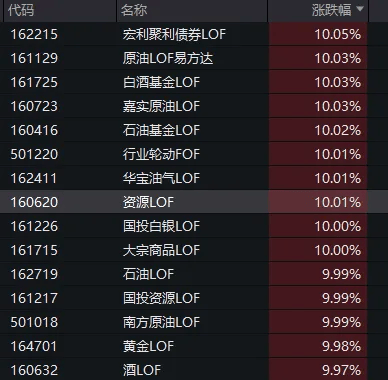
十大宏观趋势分析报告
Sou Hu Cai Jing· 2026-02-26 12:31
Group 1 - The core viewpoint of the report is that China's economy will continue to experience "reparative growth" in 2026, with the real estate sector being a key variable affecting the overall economic landscape [2][13][26] - The real estate cycle is defined as an "L-shaped" bottoming phase, indicating that it will neither continue to decline deeply nor experience a V-shaped recovery, but will stabilize gradually [2][26] - The report emphasizes that real estate is no longer the primary driver of economic growth, with a shift in policy focus towards a "new development model" that includes affordable housing construction and urban renewal [2][26] Group 2 - Inflation is expected to rise moderately, with nominal GDP growth projected to rebound from 4% in 2025 to 5% in 2026, which is crucial for improving corporate profits and household incomes [3][30][38] - The report notes that the prolonged period of low inflation has pressured corporate profit margins, leading to a perception that earning money has become increasingly difficult [3][30] - The anticipated recovery in inflation is expected to be driven by stable food prices and a rebound in core service consumption, which will positively impact nominal GDP growth [3][30][38] Group 3 - Fiscal policy is expected to become more proactive, shifting from large-scale stimulus to optimizing expenditure structures, focusing on supporting livelihoods and technology rather than traditional infrastructure [4][13][26] - The report predicts that the fiscal deficit rate may remain high, around 4%, but emphasizes the importance of where the funds are allocated [4][15][26] - There is a notable shift in fiscal spending towards social security, employment, and technology, indicating a focus on long-term competitiveness and addressing demographic challenges [4][15][26] Group 4 - The consumption engine is transitioning from goods consumption to service consumption, with an expected increase in the household consumption rate [5][14][26] - In 2025, the "trade-in" policy for appliances and automobiles was a major driver of consumption, but by 2026, service consumption is expected to take over, supported by increased transfer income and improved nominal GDP [5][14][26] - The report highlights that young families, with higher marginal consumption tendencies, will particularly drive growth in service sectors such as dining, tourism, and healthcare [5][14][26] Group 5 - Investment growth is expected to stabilize and rebound, with a narrowing decline in real estate development investment, while manufacturing and infrastructure investments will act as stabilizers [6][14][26] - The report notes that fixed asset investment experienced negative growth in 2025, but factors such as relaxed housing policies in first-tier cities and increased fiscal support for investment may lead to a turnaround in 2026 [6][14][26] - Predictions indicate a 10% decline in real estate development investment, while manufacturing and infrastructure investments are expected to grow by 5%, leading to an overall fixed asset investment growth of around 2% [6][14][26] Group 6 - The transition from old to new economic drivers is accelerating, with capital expenditure in "new economy" sectors like artificial intelligence replacing traditional real estate and infrastructure investments [7][14][26] - The report confirms this shift through macro-level data and micro-level corporate spending, indicating that technology firms are maintaining high growth in capital expenditure while real estate companies are contracting [7][14][26] - This "temperature difference" in capital allocation reveals the core drivers of future growth, emphasizing the need for technological innovation and equipment upgrades rather than reliance on traditional construction [7][14][26] Group 7 - The global liquidity environment is expected to remain accommodative, with both the Federal Reserve and the People's Bank of China likely to pursue easing measures [8][15][26] - The report suggests that if financial markets face pressure, the Federal Reserve will likely inject liquidity again, while China may also implement a reserve requirement ratio cut and interest rate reduction in 2026 [8][15][26] - This "loose monetary" environment is seen as a crucial support for stock markets and resource performance [8][15][26] Group 8 - The US dollar is expected to maintain a strong position, while the Chinese yuan may appreciate further, driven by internal and external economic rebalancing [9][15][26] - The report explains that the strong fundamentals of the US economy compared to Europe and Japan support a strong dollar, while easing trade tensions between China and the US may increase demand for the yuan [9][15][26] - The appreciation of the yuan is viewed as a reflection of China's shift from external demand reliance to internal-driven growth, which will attract international capital inflows [9][15][26] Group 9 - A-shares are seen as having more favorable opportunities compared to bonds, with a "slow bull" market foundation remaining solid [10][15][26] - The report highlights that the friendly policy environment and rising inflation will benefit corporate profit recovery, while rising bond yields will enhance the relative attractiveness of stocks [10][15][26] - The re-evaluation of technology assets, particularly in AI, and the expectation of re-inflation are expected to guide the recovery of traditional economic fundamentals [10][15][26] Group 10 - Resource commodities, especially precious and non-ferrous metals, are expected to see their strategic value continue to rise, facing long-term opportunities [11][15][26] - The report identifies three key factors: the favorable impact of a global loose monetary environment on commodity prices, increased demand for non-ferrous metals driven by the AI revolution and high-end manufacturing, and the geopolitical uncertainties leading to a "security premium" for critical minerals [11][15][26] - Particularly for gold, the report suggests that its status as a reserve asset is returning, with prices likely to rise in the context of loose monetary policy and high debt levels [11][15][26]


融智投资FOF市场周报2026年02月第3周
私募排排网· 2026-02-26 01:40
股票市场 春节休市期间(2月16日至2月20日),全球股市多数上涨,美股纳斯达克指数涨1.5%,欧洲主要股指涨幅超 2%,为A股营造了良好的外部氛围 。港股市场在假期期间呈现"高开低走"态势,恒生指数先扬后抑,机器人概念 虽因春晚效应一度点燃市场情绪,但资本分歧显现,宇树科技等标的面临短期兑现压力。南向资金与外资对港股 科技龙头的配置出现阶段性博弈,恒科指数整体承压。 融智投资FOF市场周报2026年02月第3周 市场概览 债券市场 数据来源:高阶分析。本资料仅提供投资者自研使用。 第1页 宏观政策 国际市场 美股上周整体上行,但内部分化加剧。道琼斯指数在五个交易日中三次收阳,仅在2月23日下跌1.66%,显示传 统经济板块相对稳健;纳斯达克指数虽周涨1.51%,但科技股从"普涨"转向结构性筛选,AI产业链中仅具备清晰 兑现路径的龙头标的获资金持续加仓。美元指数与美债收益率同步上行,反映市场对再通胀预期的定价。 本周关注 节前一周,在央行积极呵护流动性的背景下,债市情绪继续回暖。央行通过7天逆回购及6个月买断式逆回购净投 放规模较大,资金利率大幅下行,10年期国债活跃券收益率成功突破1.80%的强阻力位,下行 ...
固收-节后开市,债市关注哪些因素?
2026-02-25 04:13
Summary of Conference Call Company/Industry Involved - The conference call primarily discusses the bond market, focusing on interest rates, credit, and convertible bonds. Core Points and Arguments 1. **Market Outlook for February**: The bond market is expected to show positive performance from February to July, which is historically a favorable period for bonds. The recommendation is to prepare for potential trading opportunities in March and April while managing interest rate risks [2][3][4]. 2. **Current Bond Yield Levels**: The 10-year government bond yield has decreased from 1.9% to approximately 1.7778%, leading to investor hesitation regarding further investments. Despite this, the recommendation is to continue accumulating long-term, liquid assets during any yield adjustments [3][4][12]. 3. **Liquidity and Funding Conditions**: The liquidity in the market remains stable, with significant net injections from the central bank, totaling 1.6 trillion yuan in mid-January and 1.4 trillion yuan in 14-day reverse repos. This stable liquidity is seen as supportive for the bond market [4][5]. 4. **Supply and Demand Dynamics**: The supply of government bonds is expected to be high in February, with net financing projected at 1.4 trillion yuan in March. However, the supply pressure is anticipated to ease compared to early February [5][6]. 5. **High-frequency Data Analysis**: Post-Spring Festival data indicates strong performance in travel and dining sectors, but some areas like durable goods and real estate sales show seasonal weakness. This mixed data complicates predictions for future market trends [6][7]. 6. **Inflation Concerns**: There are concerns about inflation expectations affecting the bond market, particularly in light of potential tariff changes and their impact on risk appetite [7][13]. 7. **Central Bank Bond Purchases**: The central bank's bond-buying activity, particularly if it continues at a rate of 1 trillion yuan monthly, is viewed as a positive signal for the market. This level of purchasing is considered significant compared to historical norms [9][10][11]. 8. **Investment Strategy**: The strategy emphasizes maintaining a balance between stable coupon-bearing securities and actively trading in the bond market. Investors are advised to hold onto short-duration high-coupon bonds while preparing for trading opportunities in the upcoming months [21][22][23]. Other Important but Possibly Overlooked Content 1. **Credit Market Performance**: The credit market showed better performance than the interest rate market, with a general narrowing of credit spreads. Institutions are favoring credit bonds, particularly in the 3-5 year range [24][25]. 2. **Seasonal Trends in Convertible Bonds**: The convertible bond market is expected to experience a seasonal uptick post-Spring Festival, driven by the performance of small-cap stocks and growth sectors [31][32][34]. 3. **Investment Recommendations**: Focus on high-convexity products and consider the impact of upcoming policy changes and market conditions on investment strategies [26][27][29]. This summary encapsulates the key insights and recommendations from the conference call, providing a comprehensive overview of the current state and outlook of the bond and credit markets.
A股午评:三大指数半日涨幅均超1.2%,小金属、磷化工板块活跃,全市场近4000只个股走高
Jin Rong Jie· 2026-02-25 03:41
Group 1: Market Overview - The A-share market continued its strong performance with major indices rising: Shanghai Composite Index up 1.2% to 4166.72 points, Shenzhen Component Index up 1.47% to 14501.5 points, and ChiNext Index up 1.43% to 3355.66 points, with a total trading volume of 1.52 trillion yuan [1] - Nearly 4000 stocks in the market experienced gains, indicating broad market strength [1] Group 2: Sector Performance - Rare earth, phosphorus chemical, shipping, and oil and gas sectors showed strong performance, with lithium mining stocks surging, particularly Dazhong Mining hitting the daily limit [1] - The phosphorus chemical sector remained active, with stocks like Chengxing Co., Huanbang Bio, and Liuguo Chemical achieving consecutive gains [3] - The oil and gas sector continued to strengthen, with Tongyuan Petroleum rising over 12% and several other companies also seeing significant gains [4] Group 3: Shipping Sector Insights - The shipping sector saw repeated strength, with China Merchants Energy achieving three consecutive daily limits and other shipping companies following suit [5] - The cost of renting very large crude carriers (VLCC) to transport Middle Eastern oil to China surged to $170,000 per day, tripling since the beginning of the year, driven by geopolitical tensions and changes in global oil supply dynamics [5] Group 4: Institutional Perspectives - Zhongyuan Securities noted that the inflow of incremental funds and the technical recovery of the market provide a solid foundation for upward movement, although the rate of increase may slow [6] - Dongguan Securities observed that the Shanghai Composite Index showed signs of stabilization above 4100 points, indicating a potential technical recovery [6] - Huatai Securities highlighted the strong performance of technology sectors, particularly in autonomous driving and robotics, suggesting significant mid-term investment value [6]


1月通胀数据点评:年中或迎来再通胀预期高点,全年以弱复苏为主线
金融街证券· 2026-02-12 13:13
Inflation and CPI Analysis - January CPI year-on-year growth was 0.2%, down 0.6 percentage points from the previous value, primarily due to declines in food and energy prices[5] - Core CPI, excluding gold prices, showed a year-on-year increase of only 0.35%, indicating persistent deflationary concerns and insufficient internal demand[6] PPI Trends and Projections - January PPI year-on-year was -1.4%, an increase of 0.5 percentage points from the previous value, with new price increase factors turning positive for the first time in 41 months[7] - The PPI decline is mainly driven by upstream mining and raw material sectors, with a projected recovery path dependent on these industries[21] Scenarios for PPI Movement - Scenario one: Upstream prices rise slightly, leading to a mid-year PPI peak followed by minor fluctuations[21] - Scenario two: Upstream prices continue to rise (>10%), resulting in PPI approaching zero or turning positive by mid-year[21] - Scenario three: Upstream prices decline, causing PPI improvements to stagnate and potentially drop again[21] Market Implications - Historical precedents show that when PPI approaches -1%, markets often initiate re-inflation trades, suggesting potential investment opportunities[3] - The current economic environment indicates a structural, upstream-led weak recovery rather than a broad-based demand-driven rebound[22] Risk Factors - Key risks include fluctuations in upstream prices and the possibility that re-inflation may not meet expectations[23]
突发公告!多家基金今起集体停牌
Sou Hu Cai Jing· 2026-01-30 04:19
Core Viewpoint - On January 29, a rare event occurred in the market where resource-related LOFs, including oil LOFs from E Fund and Jiashi, experienced a collective surge, leading to multiple products hitting the daily limit up. Many of these products announced a suspension of trading starting January 30 [1][9]. Group 1: Performance of LOFs - Several LOFs showed strong performance on January 29, with multiple products quickly reaching the daily limit up during trading, indicating high premium rates. By the end of the day, products such as E Fund Oil LOF, Jiashi Oil LOF, and others had hit the limit up [4]. - The top-performing LOFs included E Fund Oil LOF with a rise of 10.03%, Jiashi Oil LOF at 10.03%, and the Oil Fund LOF at 10.02% [2]. Group 2: Market Dynamics - The surge in oil-related LOFs is attributed to a combination of factors, including tight QDII quotas, low subscription limits, and investors utilizing the "offshore subscription + onshore selling" arbitrage mechanism. Additionally, rising international oil prices and heightened risk aversion contributed to the premium of oil LOFs [5][6]. - As of January 29, WTI crude oil futures reached $65.002 per barrel, marking a 2.83% increase and the highest level since September 2025 [6]. Group 3: Fund Suspension and Adjustments - Following a week of rapid price increases, multiple fund companies announced the suspension of resource-related LOFs starting January 30 to alert the market of potential risks. This includes the suspension of trading for the Oil Fund LOF until 10:30 AM on January 30 [9][10]. - Starting January 30, the daily subscription limit for the Oil Fund LOF was drastically reduced from 100 yuan to 2 yuan, while other resource LOFs also implemented similar restrictions, leading to a scarcity of available quotas for investors [7][11].
突发公告!明起集体停牌!罕见一幕上演,多只基金涨停
券商中国· 2026-01-29 12:08
Core Viewpoint - On January 29, a rare market event occurred where resource-related LOFs, including oil LOFs, experienced a collective surge, with many products hitting the daily limit up [1][4]. Group 1: Market Performance - Multiple LOF products, including Yuanda Oil LOF and Jiashi Oil LOF, achieved significant gains, with several products closing at the daily limit up of 10% [3][5]. - The WTI crude oil futures reached $65.002 per barrel, marking a 2.83% increase and the highest level since September 2025 [7]. - The strong performance of resource LOFs was attributed to high premium rates and a surge in investor interest due to tight QDII quotas and low subscription limits [6][7]. Group 2: Fund Announcements - Several fund companies announced that their resource-related LOFs would be suspended from trading starting January 30, 2026, to alert investors about the risks associated with high premium rates [2][9]. - The announcement included specific funds such as the Yuanda Oil LOF and Jiashi Oil LOF, which will also be suspended until 10:30 AM on January 30 [9][10]. - The suspension is a response to significant deviations between market prices and net asset values, indicating potential risks for investors [9][10]. Group 3: Investor Behavior - Investors have been utilizing the "offshore subscription + onshore selling" arbitrage mechanism, leading to concentrated inflows into LOF funds [6]. - The tightening of subscription limits for oil LOFs, with the daily single account limit reduced to as low as 2 yuan, has led investors to purchase at higher prices in the secondary market [7][9]. - Analysts warn that if international oil prices decline or if arbitrage funds withdraw, the prices of these funds may quickly revert to net asset values, posing risks for investors who buy at high prices [9][10].

跨年行情延续,期待春季躁动
HWABAO SECURITIES· 2026-01-05 12:12
1. Report Industry Investment Rating No relevant content provided. 2. Core Views of the Report - The slow rise of the index since mid - December is a pre - emptive pricing driven by funds' forward - looking layout for 2026 investments, with high expectations for the cross - year market. In the short term, the market may be affected by overseas factors such as US geopolitical frictions and re - inflation expectations. If US inflation and the job market remain resilient, the overly optimistic Fed rate - cut expectations may be revised, affecting the domestic technology - growth style. Otherwise, the stock market may continue to rise in a volatile manner [3][11]. - In the medium term, global liquidity is expected to be in a state of resonant easing. The US may use re - inflation to resolve its huge debt, and its monetary policy is likely to be loose. In China, the monetary policy focuses on cross - cycle adjustment, and after the Spring Festival, fiscal policy is expected to be implemented in advance, with pro - cyclical styles having potential for a supplementary rise [12]. - The bond market last week was sluggish, with yields on various - term government bonds rising. There are both positive and negative factors in the future. The bond market is recommended to be treated with a neutral and volatile mindset [4][14]. - On December 31, 2025, the CSRC officially released the "Regulations on the Management of Sales Fees of Publicly Offered Securities Investment Funds", marking the official completion of the three - stage fee reform in the public fund industry [4][16]. 3. Summary by Relevant Catalogs 3.1 Weekly Market Observation 3.1.1 Equity Market Review and Observation - Last week (2025.12.29 - 2025.12.31), the market was volatile, with major indices showing mixed performance. The Shanghai Composite Index rose 0.13%, the CSI 300 fell 0.59%, and the ChiNext Index fell 1.25%. Market highlights were in commercial space, robotics, and AI application sectors, and most industries declined. The average daily trading volume was 2128.3 billion yuan, an increase of 163.2 billion yuan from the previous week [3][11]. - The US's raid on Venezuela may cause short - term increases in gold and crude oil prices and strengthen the US dollar. In the long term, it may form a long - term negative impact on international oil prices. Chinese asphalt and fuel oil products relying on Venezuelan heavy crude oil face risks of unstable raw material sources [13]. 3.1.2 Pan - Fixed - Income Market Review and Observation - Last week (2025.12.29 - 2026.01.04), the bond market was sluggish, with yields on 1 - year, 10 - year, and 30 - year government bonds rising. There are both positive and negative factors in the future, and the bond market is recommended to be treated with a neutral and volatile mindset [4][14]. - Last week (2025.12.29 - 2026.01.02), the US Treasury yield curve steepened, with different trends for various - term yields. The Fed's December minutes showed a likely 2 - time rate cut in 2026, but short - term employment data boosted the yield curve [14][15]. - Last week (2025.12.29 - 2025.12.31), the CSI REITs Total Return Index fell 0.49%. In the primary market, 20 REITs were successfully issued in 2025, and 3 new REITs made progress last week [15]. 3.1.3 Public Fund Market Dynamics - On December 31, 2025, the CSRC officially released the "Regulations on the Management of Sales Fees of Publicly Offered Securities Investment Funds", marking the completion of the three - stage fee reform in the public fund industry. The formal version has made adjustments to the redemption fees of index funds and bond funds, which is beneficial in the short and long term. It also regulates other fees in the fund sales process to build a transparent, fair, and sustainable industry ecosystem [4][16][19]. 3.2 Fund Index Performance Tracking 3.2.1 Equity Strategy Theme - Based Index - **Active Stock Fund Preferred Index**: Each period selects 15 funds with equal - weight allocation. The core positions select active equity funds based on performance competitiveness and style stability, and the style distribution is balanced according to the CSI Equity - Oriented Fund Index. The performance benchmark is the CSI Equity - Oriented Fund Index (930950.CSI) [22][23]. 3.2.2 Investment Style - Based Index - **Value Stock Fund Preferred Index**: The value style includes deep - value and quality - value styles. It selects 10 funds of deep - value, quality - value, and balanced - value styles based on multi - period style classification. The performance benchmark is the CSI 800 Value Index (H30356.CSI) [26][27]. - **Balanced Stock Fund Preferred Index**: Balanced - style fund managers balance stock valuation and growth. It selects 10 relatively balanced and value - growth style funds based on multi - period style classification. The performance benchmark is the CSI 800 (000906.SH) [28]. - **Growth Stock Fund Preferred Index**: The growth style aims to capture the performance and valuation double - click opportunities of high - growth companies. It selects 10 funds of active - growth, quality - growth, and balanced - growth styles based on multi - period style classification. The performance benchmark is the 800 Growth (H30355.CSI) [31]. 3.2.3 Industry Theme - Based Index - **Pharmaceutical Stock Fund Preferred Index**: Selects funds based on the intersection market value ratio of fund equity holdings and the representative index (CITIC Pharmaceutical) components. It constructs an evaluation system and selects 15 funds. The performance benchmark is the pharmaceutical theme fund index (fitted by Huabao Securities' fund research and investment platform) [35][36]. - **Consumption Stock Fund Preferred Index**: Selects funds based on the intersection market value ratio of fund equity holdings and representative indices (CITIC Automobile, Home Appliances, etc.). It constructs an evaluation system and selects 10 funds. The performance benchmark is the consumption theme fund index (fitted by Huabao Securities' fund research and investment platform) [36][37]. - **Technology Stock Fund Preferred Index**: Selects funds based on the intersection market value ratio of fund equity holdings and representative indices (CITIC Electronics, etc.). It constructs an evaluation system and selects 10 funds. The performance benchmark is the technology theme fund index (fitted by Huabao Securities' fund research and investment platform) [40]. - **High - end Manufacturing Stock Fund Preferred Index**: Selects funds based on the intersection market value ratio of fund equity holdings and representative indices (CITIC Construction, etc.). It constructs an evaluation system and selects 10 funds. The performance benchmark is the high - end manufacturing theme fund index (fitted by Huabao Securities' fund research and investment platform) [45][46]. - **Cyclical Stock Fund Preferred Index**: Selects funds based on the intersection market value ratio of fund equity holdings and representative indices (CITIC Petroleum and Petrochemical, etc.). It constructs an evaluation system and selects 5 funds. The performance benchmark is the cyclical theme fund index (fitted by Huabao Securities' fund research and investment platform) [48][49]. 3.2.4 Money - Market Enhancement Index - **Money - Market Enhancement Strategy Index**: Aims at liquidity management, pursues a curve that exceeds money - market funds and is smooth and upward. It mainly allocates money - market funds and passive index - type bond funds (inter - bank certificate of deposit index funds). The performance benchmark is the CSI Money - Market Fund Index (H11025.CSI) [52]. 3.2.5 Pure Bond Index - **Short - Term Bond Fund Preferred Index**: Aims at liquidity management, pursues a smooth and upward curve while controlling drawdowns. It selects 5 funds with stable long - term returns and strict drawdown control. The performance benchmark is 50% * Short - Term Pure Bond Fund Index + 50% * Ordinary Money - Market Fund Index [55]. - **Medium - and Long - Term Bond Fund Preferred Index**: Invests in medium - and long - term pure bond funds, pursues stable returns while controlling drawdowns, and selects 5 funds. It adjusts the duration and the ratio of credit bond funds and interest - rate bond funds according to market conditions [57]. 3.2.6 Fixed - Income Plus Index - **Low - Volatility Fixed - Income Plus Preferred Index**: The equity center is positioned at 10%, selects 10 funds each period, and focuses on fixed - income plus products with an equity center within 15% in the past three years and recently. The performance benchmark is 10% CSI 800 Index + 90% ChinaBond New Composite Full - Price Index (CBA00303.CS) [59]. - **Medium - Volatility Fixed - Income Plus Preferred Index**: The equity center is positioned at 20%, selects 5 funds each period, and selects fixed - income plus products with an equity center between 15% - 25% in the past three years and recently. The performance benchmark is 20% CSI 800 Index + 80% ChinaBond New Composite Full - Price Index (CBA00303.CS) [63]. - **High - Volatility Fixed - Income Plus Preferred Index**: The equity center is positioned at 30%, selects 5 funds each period, and selects fixed - income plus products with an equity center between 25% - 35% in the past three years and recently. The performance benchmark is 30% CSI 800 Index + 70% ChinaBond New Composite Full - Price Index (CBA00303.CS) [66]. 3.2.7 Other Pan - Fixed - Income Index - **Convertible Bond Fund Preferred Index**: Selects bond - type funds with an average convertible bond investment ratio of more than 60% in the latest period and more than 80% in the past four quarters as the sample space. It constructs an evaluation system and selects 5 funds [68]. - **QDII Bond Fund Preferred Index**: The underlying assets are overseas bonds. It selects 6 funds with stable returns and good risk control based on credit and duration [72]. - **REITs Fund Preferred Index**: The underlying assets are infrastructure projects. It selects 10 funds with stable operation, reasonable valuation, and certain elasticity based on the type of underlying assets [74].
超长端债市呈“慢涨快跌”格局
Qi Huo Ri Bao· 2025-12-30 18:43
Core Viewpoint - The bond market is experiencing a recovery due to expectations of a loose monetary environment at the end of the year, although volatility remains high and the market lacks a clear direction [1][4]. Group 1: Market Conditions - The bond market sentiment has improved, supported by a loose funding environment and year-end allocation expectations, providing short-term bullish opportunities for traders [1]. - The current bond market is characterized by significant volatility, influenced heavily by market sentiment and expectations, particularly as institutions face profit-taking pressures at year-end [1]. - The long-end government bond yields have limited upward space, with the key position for the 10-year government bond yield remaining at 1.85% [3]. Group 2: Economic Fundamentals - The domestic economy is in a wave-like operation phase, with internal momentum recovery being a slow variable, and the economic data showing a structural characteristic of "strong production, weak domestic demand" [3]. - The economic fundamentals are still in a bottoming phase, with increasing pressure on the demand side in the fourth quarter, leading to a weak short-term entity financing demand [3]. Group 3: Monetary Policy - The monetary policy remains "moderately loose," with interbank liquidity expected to maintain a balanced and loose pattern, alleviating concerns about year-end liquidity [4]. - The market anticipates an increase in the scale of central bank purchases of government bonds, as the total net injection of MLF and reverse repos decreases [4]. Group 4: Future Outlook - The bond market is expected to face significant pressure in 2026, with global economic visibility likely to improve, potentially impacting domestic bond markets negatively [5]. - The domestic economic fundamentals are expected to exert pressure on the bond market, with a low likelihood of a repeat of the inflationary trends seen in 2006 or 2017 [5]. - The macro environment's continued warming may lead to a preference for equity markets over bonds, with increasing supply of long-end bonds and limited demand from banks and insurance companies [5][6]. Group 5: Policy Framework - The fiscal policy is expected to continue its expansionary stance, emphasizing actual spending and structural improvements, with a projected slight increase in the narrow deficit ratio to 4.2% [6]. - Monetary policy tools such as reserve requirement ratio cuts and interest rate reductions remain options, with a focus on flexible and efficient implementation [6][7]. - The bond market is likely to exhibit characteristics of "top and bottom" with amplified volatility, particularly in the long-end segment, while the central bank's support for year-end liquidity will bolster the mid-short end of the bond market [7].
关于商品长期叙事和大轮动的讨论
对冲研投· 2025-12-29 11:35
Core Viewpoint - The article emphasizes the importance of historical context in understanding current market dynamics, particularly in the commodity sector, where a potential recovery is anticipated due to a weakening dollar and macroeconomic factors [4][5]. Group 1: Historical Context and Current Market Dynamics - The current economic landscape is reminiscent of the 1980s "Reagan cycle," characterized by high inflation, supply chain restructuring, and geopolitical tensions, which are influencing commodity pricing [6]. - The Federal Reserve's aggressive interest rate hikes and capital repatriation echo the strategies of the Reagan era, but the sources of inflation and the nature of global competition have shifted [6][8]. - The article suggests that the commodity market is transitioning from being driven by economic cycles to being influenced by political logic, with a focus on geopolitically sensitive commodities [8]. Group 2: Commodity Market Insights - The article identifies two main themes in the commodity market: the demand for geopolitically sensitive metals and the structural expansion of new energy resources [8]. - The current bullish sentiment in the non-ferrous metals market may not effectively transmit to other sectors due to structural challenges and differing demand dynamics [10][12]. - The aluminum market is experiencing a supply-demand imbalance, with significant imports from Guinea and a potential oversupply situation, which could impact pricing [13][14]. Group 3: Currency and Economic Implications - The appreciation of the Renminbi is largely supported by a record trade surplus, but the stock market reflects underlying economic pressures, indicating a disconnect between currency strength and equity performance [20]. - The future trajectory of the Renminbi is expected to influence asset valuations, particularly in equity markets, as foreign capital may return based on currency outlook and asset attractiveness [20].