
新消费

Search documents
未来二十年,我们还能靠什么改变命运?
新消费智库· 2026-03-05 13:48
Core Viewpoint - The era of storytelling in business is over, and a return to practical business thinking is necessary as the market faces challenges and uncertainties [2]. Group 1: Potential New Opportunities - The aging population presents a significant market opportunity, particularly for "new elderly" who are tech-savvy and under-served by current products and services [4]. - There is a need for industrial and talent upgrades as traditional manufacturers seek to transition from B2B to B2C, highlighting opportunities in transformation services and vocational training [5]. - Consumption upgrades are emerging in rural and lower-tier cities, where brands are beginning to penetrate, creating opportunities for affordable brands similar to "10 yuan stores" [7]. - The "Giant Country Effect" will re-emerge, where brands that can meet national demand and achieve scale will experience substantial growth [8]. - The integration of artificial intelligence into industries is crucial for efficiency improvements, with a focus on practical applications rather than theoretical concepts [10]. - The concept of industrial cities is gaining traction, leading to the emergence of specialized cities that attract tech entrepreneurs to solve local problems [12]. - Public companies are increasingly turning to industrial venture capital as a strategy to find growth, leading to the capitalization of hidden champions in various sectors [13]. Group 2: Addressing Anxiety in Business - The current market anxiety stems from the realization that continuous growth is not the norm, and businesses must adapt to changing conditions [17]. - Companies should make decisive choices about their operations, focusing on profitability rather than merely sustaining unprofitable ventures [25]. - Engaging with others and expanding perspectives can alleviate anxiety and foster collaboration [27]. - Mastering a unique skill can provide stability in uncertain times, as truly unique talents remain scarce [30]. - A return to fundamental business practices, emphasizing management, organization, and marketing, is essential for sustainable growth [32].


社服零售行业周报:地方落实带薪休假及春秋假,泡泡玛特预热新IP-20260302
HUAXI Securities· 2026-03-02 15:12
Investment Rating - Industry rating: Recommended [4] Core Views - The report highlights the implementation of staggered paid leave and spring and autumn breaks in various provinces, which is expected to boost service consumption, particularly in tourism and hospitality sectors [1] - The acceleration of new IP launches by Pop Mart, with the number of new IPs expected to double from 29 in 2024 to 57 in 2025, indicates a strong growth trajectory in the collectibles market [2] - The report suggests focusing on high-growth sectors supported by policy and technology, including service consumption, new consumption trends, retail innovation, and AI applications [3] Summary by Sections Industry Investment Rating - The industry is rated as "Recommended," indicating a positive outlook for the sector [4] Industry Dynamics - The implementation of paid leave and school breaks is seen as a significant driver for increasing domestic travel and service consumption, benefiting sectors like hotels, restaurants, and online travel agencies [1] - Pop Mart is rapidly increasing its IP launch frequency, with plans to release new IPs at a much faster pace, reflecting a robust demand for collectible toys [2] Investment Recommendations - The report recommends focusing on sectors poised for growth due to new policies and consumer demands, including duty-free shopping, senior tourism, and childcare consumption, with key beneficiaries identified [3] - New consumption trends are expected to maintain their growth momentum, with leading companies in sectors like trendy toys, tea drinks, and health products being highlighted as having attractive valuations [3] - Retail innovation and international expansion are seen as avenues for new growth, with specific companies identified as potential beneficiaries [3] - The report anticipates a flourishing of AI applications in 2026, with several companies positioned to benefit from this trend [3]




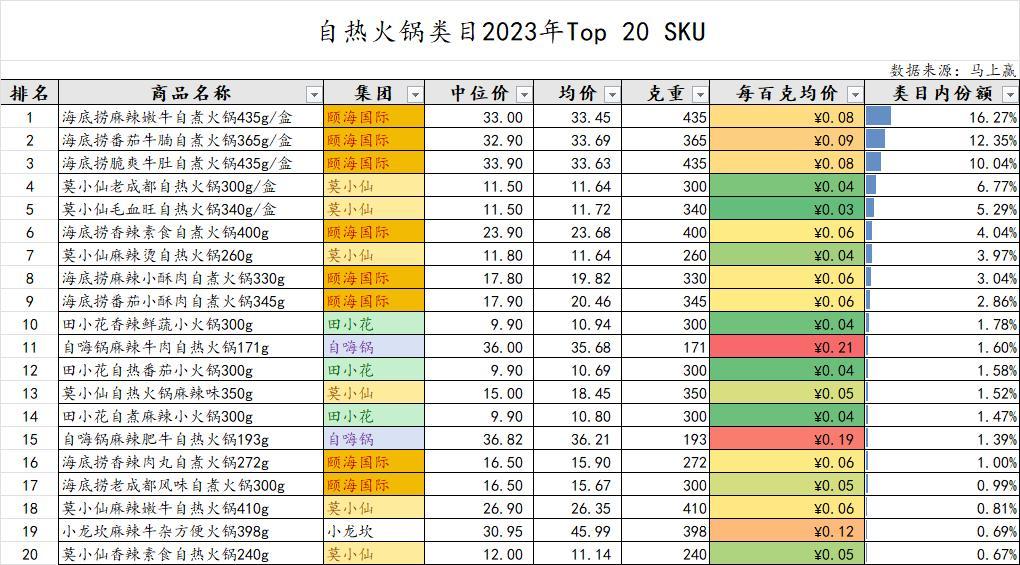
35元一盒边角料,网红自嗨锅消亡史
创业邦· 2026-03-02 03:49
Core Viewpoint - The article discusses the rise and fall of the self-heating hot pot brand "Zihai Guo," highlighting its rapid growth and subsequent decline in the self-heating food market, which is attributed to pricing strategies and market competition [6][24]. Group 1: Industry Background - Self-heating food is not a new concept, with origins dating back to the 1970s and 1980s in the U.S. and Japan, but it gained popularity in China around 2014 with the emergence of self-heating hot pots [7][9]. - The rise of self-heating hot pots was fueled by the micro-business boom in 2014 and the growing popularity of hot pot restaurants, which created a new market for convenient single-serving meals [9][10]. Group 2: Company Overview - Zihai Guo was founded in 2017 by Cai Hongliang, who previously sold his snack brand for 900 million yuan, allowing him to invest heavily in marketing [12][13]. - The company achieved rapid revenue growth, surpassing 1 billion yuan in its first year and reaching 10 billion yuan in 2020, largely due to aggressive advertising and celebrity endorsements [13][14]. Group 3: Pricing and Market Position - Zihai Guo's pricing strategy focused on premium pricing, with products priced above 35 yuan, which was significantly higher than competitors, leading to a decline in sales as consumers sought better value [14][17]. - The company faced challenges in traditional retail channels, relying heavily on e-commerce and live-streaming sales, which increased operational costs and affected profitability [17][18]. Group 4: Competitive Landscape - The self-heating hot pot market is highly competitive, with Zihai Guo's main competitors being high-end takeout options, which offer better quality and value [18][19]. - The use of low-quality ingredients and the perception of self-heating hot pots as less convenient than other meal options contributed to Zihai Guo's decline [19][21]. Group 5: Decline and Future Outlook - By 2022, Zihai Guo's revenue began to decline, with a reported 20% drop, as the market shifted towards value-oriented products [14][24]. - The company struggled to find buyers for its assets, revealing underlying issues such as stagnant growth and high costs, leading to a potential collapse by 2026 [24].

一周新消费NO.348|中粮可口可乐在四川全球首发可口可乐益生元汽水;汇源推出福禄寿禧马年限定款100%果汁
新消费智库· 2026-03-01 13:03
New Product Launches - COFCO Coca-Cola launched the world's first probiotic soda in Sichuan, featuring over 5000mg of probiotics per bottle, with a focus on health and zero sugar and calories [2][4] - Huiyuan introduced a limited edition 100% fruit juice series for the Year of the Horse, featuring traditional Chinese art on the packaging and four classic flavors: orange, peach, apple, and grape [4] - Lianhua Foods launched a new tomato-flavored compound juice drink, made from non-GMO tomatoes, with a 100% juice content and ≥60% tomato juice [5] - Heinz introduced a tomato ketchup-flavored ice cream in Chile, targeting the growing trend of sweet and savory combinations [7] - Jasmine Milk Tea collaborated with the mobile game "Onmyoji" for a promotional campaign across 1,000 stores, enhancing consumer engagement [8] Industry Events - Nongfu Spring unveiled a new electrolyte drink in 550ml bottles, available in grapefruit and lemon flavors, each containing over 500mg of electrolytes [14] - Wanglaoji launched a customized can in collaboration with a popular song, enhancing brand visibility [14] - Nestlé introduced a new tea product, "Fragrant Lemon Tea," made from a blend of Yunnan black tea and Zhejiang green tea [16] - Sam's Club launched a new juice drink, "Pink Lemon Mint," designed to refresh and cleanse the palate [16] Investment and Financing Trends - eBay announced the acquisition of Depop for approximately $1.2 billion, expected to complete by Q2 2026 [21] - Arla Foods plans to invest €300 million (approximately 2.4 billion RMB) in a Swedish factory to increase cheese production capacity by 2030 [23] - Cristiano Ronaldo invested $7.5 million to acquire a 10% stake in Herbalife's subsidiary [24] - Japan's Nichirei Foods announced an investment of over $100 million to build a new frozen food factory in Arkansas, aiming to expand its North American business [25] - NineSight secured over $300 million in financing, achieving a valuation exceeding 10 billion RMB, marking a significant milestone in the autonomous driving logistics sector [27]

新场景点亮新消费 新体验激活新需求——2026年春节假期消费市场新观察
Xin Hua Wang· 2026-02-27 12:53
Group 1 - The core viewpoint highlights the vibrant consumer activity and economic resilience in China during the holiday season, showcasing a strong domestic market [1][3] - The holiday period reflects not only the new consumption patterns illuminated by new scenarios but also the activation of new demands driven by fresh experiences [3] Group 2 - The reports emphasize the dynamic scenes of consumer enthusiasm and economic warmth across the country, indicating a robust recovery and growth potential in the market [1][3]

年轻人的化妆包,找不出一支完美日记
3 6 Ke· 2026-02-27 10:56
Core Insights - Perfect Diary, once a leading domestic cosmetics brand, has seen a significant decline in visibility and relevance in the market, particularly during key gifting occasions like Valentine's Day and Chinese New Year [1][2][21] - The brand's rise and fall are closely tied to the cyclical nature of internet traffic and consumer behavior, with its initial success benefiting from a lack of competition and a strong social media presence [2][3][21] Group 1: Brand Evolution - Perfect Diary emerged in 2017, capitalizing on the rise of domestic products, social e-commerce, and increasing makeup penetration, quickly establishing itself as a popular choice among young consumers seeking affordable alternatives to high-end brands [3][6] - The brand's marketing strategy heavily relied on high-density promotional campaigns and collaborations with influencers, which initially drove significant sales and brand recognition [5][6][7] Group 2: Challenges Faced - Starting in 2021, Perfect Diary faced multiple crises, including rising marketing costs and increased competition, leading to a decline in its market position [8][9] - The brand's marketing expenses were unsustainable, often exceeding 60%, and as customer acquisition costs rose, the previous growth model became unviable [9][11] - Quality issues and low repurchase rates began to tarnish the brand's reputation, leading to a decline in consumer interest and market share [11][12] Group 3: Strategic Missteps - The company's attempts to shift from a marketing-heavy approach to a focus on product development did not yield the desired results, further marginalizing the brand [1][12] - Despite efforts to diversify through acquisitions of international brands, these strategies have not successfully revitalized the brand or its market presence [14][16][20] - The brand's identity as a "budget-friendly" option has become a limiting factor, making it difficult to reposition itself in the market [12][21] Group 4: Industry Reflection - The decline of Perfect Diary serves as a cautionary tale for other domestic beauty brands, highlighting the risks of relying solely on traffic-driven growth without a solid foundation in product quality and brand loyalty [21][22] - The narrative of Perfect Diary illustrates the broader challenges faced by new consumer brands in maintaining relevance in a rapidly evolving market landscape [21][22]

(新春见闻)太平湖畔,渔火映红“太平年”
Zhong Guo Xin Wen Wang· 2026-02-27 04:55
Core Viewpoint - The article highlights the transformation of Tai Ping Lake from a water conservancy project to a thriving tourism destination, attracting visitors with local culture, cuisine, and recreational activities during the Spring Festival. Group 1: Tourism Development - Tai Ping Lake is strategically located between popular tourist attractions such as Jiuhua Mountain and Huangshan, making it an appealing destination for visitors during the Spring Festival [1] - The area features various cultural performances, including dragon dances and fish lantern shows, which draw large crowds [3] - The local economy benefits from the influx of tourists, with restaurants specializing in local fish dishes experiencing high customer volumes during holidays [3] Group 2: Local Business Adaptation - Local businesses, such as restaurants and homestays, have adapted to the tourism boom, with one restaurant owner reporting a significant increase in customer traffic during holidays [3] - A local homestay owner, who transitioned from fishing to tourism, has expanded his accommodations to cater to visitors, particularly fishing enthusiasts from nearby regions [5] - The rise of social media has enabled local residents to promote their hometown, leading to a surge in entrepreneurship among returning workers who convert their homes into various types of homestays [5] Group 3: Historical Context and Future Opportunities - Tai Ping Lake was originally constructed as a reservoir in the 1950s and has since evolved into a key player in the local tourism industry [7] - The lake's transformation has provided new opportunities for local residents, who are now engaging in activities such as boat tours, fishing, and water sports [7] - The ongoing development of infrastructure, such as the Chi-Huang High-Speed Railway, further enhances the connectivity of Tai Ping Lake with other tourist sites, promoting a comprehensive travel experience [7]

一春烟火气 九州消费潮
Qi Huo Ri Bao Wang· 2026-02-27 01:23
Core Insights - The article highlights the robust performance of the consumer market during the Spring Festival, showcasing a diverse and resilient new consumption landscape across various regions and sectors [1] Group 1: Data Highlights - Cultural and tourism consumption emerged as the biggest highlight, with 596 million domestic trips taken during the 9-day holiday, an increase of 95 million trips compared to 2025, and total spending reaching 803.48 billion yuan, up by 126.48 billion yuan [2] - Retail and dining sectors also showed strong performance, with average daily sales of key retail and dining enterprises increasing by 5.7% compared to 2025, and foot traffic and sales in 78 monitored pedestrian streets rising by 6.7% and 7.5% respectively [2] - Smart and quality consumption gained traction, with sales of smart glasses, intelligent robots, and organic food increasing by 47.3%, 32.7%, and 26.5% respectively [2] Group 2: Structural Changes - There is a notable shift towards quality consumption, with high-quality products like energy-efficient appliances and organic foods becoming more popular, and health-oriented products such as sugar-free snacks seeing rapid sales growth [3] - The trend towards smart consumption is accelerating, with sales of smart wearables increasing by 130% and health products like smart blood pressure monitors growing by over 60% during the holiday [3] - Service consumption is evolving, with customized and experiential travel options gaining popularity, reflecting a trend towards spending on experiences and personal enjoyment [4] Group 3: Policy Support - The Ministry of Commerce, in collaboration with nine departments, launched the "Happy Shopping Spring Festival" initiative, releasing a series of consumption-promoting policies, including 62.5 billion yuan for trade-in subsidies, benefiting over 31 million people and driving sales of 207 billion yuan [5] - Local governments allocated 2.05 billion yuan for consumer vouchers and subsidies, directly reaching consumers and enhancing market vitality [5] Group 4: Open Integration - The expansion of visa-free countries and optimized transit visa policies contributed to a significant increase in international travel, with 17.8 million people entering and exiting the country during the holiday, a 10.1% increase from the previous year [7] - The use of Alipay for foreign visitors surged by over 80%, indicating a growing trend of international consumption in China [7] Group 5: Economic Vitality - The consumer data reflects a vibrant economy, with spending during the Spring Festival igniting a chain reaction in production, employment, and income, contributing to sustained economic growth throughout the year [8] - The collective spending choices of over 1.4 billion people during the festival not only define personal celebrations but also shape the future of China's vast market [8]
35元一盒边角料,网红自嗨锅消亡史
3 6 Ke· 2026-02-26 10:31
Core Viewpoint - The company "自嗨锅" has recently filed for bankruptcy, marking a significant decline from its previous status as a leading player in the self-heating food market [1][2][3]. Group 1: Company Overview - 自嗨锅 was founded in 2017 by Cai Hongliang, who previously sold his snack brand "百草味" for 900 million yuan, providing him with substantial capital for investment [17][18]. - The company initially thrived due to aggressive marketing strategies, including celebrity endorsements and sponsorships in popular TV shows, leading to rapid revenue growth [20][21][23]. - By 2020, 自嗨锅's revenue exceeded 10 billion yuan, and it became synonymous with the self-heating hot pot category, overshadowing competitors [20][24]. Group 2: Market Dynamics - The self-heating food category gained popularity in China around 2014, driven by the rise of micro-businesses and the need for convenient meal solutions [8][12]. - The pricing strategy of 自嗨锅, which focused on premium pricing (over 35 yuan), was not aligned with consumer expectations for value, leading to a decline in sales [31][34]. - The company faced stiff competition from both traditional fast food and high-end delivery options, which offered better quality and value [44][45]. Group 3: Financial Performance - 自嗨锅 experienced a 20% revenue decline in 2022, attributed to its high pricing and reduced consumer demand for premium self-heating products [27][60]. - Despite attempts to find a buyer for the company, potential investors were deterred by its stagnant growth and high operational costs, leading to a downward spiral in its financial health [60][62]. - The company’s valuation dropped significantly, with no buyers willing to take over even at half of its peak valuation [62]. Group 4: Industry Challenges - The self-heating food industry is characterized by high marketing costs and limited access to traditional retail channels, forcing companies like 自嗨锅 to rely heavily on e-commerce and live-streaming sales [39][40]. - The product's inherent disadvantages, such as poor taste and convenience issues, further hindered its competitiveness against fresh meal options [48][57]. - The overall market shift towards cost-effectiveness and quality in food consumption has negatively impacted 自嗨锅's business model, leading to its eventual decline [59][63].
外资看好中国资产:A股步入“慢牛”新阶段
Jiang Nan Shi Bao· 2026-02-25 02:46
Core Viewpoint - The A-share market is entering a "slow bull" phase, shifting from valuation recovery to profit-driven growth, with artificial intelligence identified as a core investment area for 2026 [1][2]. Group 1: Market Outlook - Foreign institutions express optimism about the A-share market, indicating a transition to a "slow bull" phase driven by substantial improvements in corporate profitability rather than mere valuation expansion [2][3]. - The profitability growth rate for the CSI 300 index is projected to reach 6%-7% in 2026, supported by increased R&D investment and a potential recovery in the real estate market [3][4]. - The trend of foreign capital allocation towards Chinese assets is expected to continue, with significant room for increase as global institutional investors currently hold low positions in Chinese equities [4][5]. Group 2: Investment Themes - The artificial intelligence sector is unanimously regarded as a key investment direction, with expectations of significant growth in AI infrastructure and applications in 2026 [6][7]. - The "anti-involution" theme, particularly in the photovoltaic industry, and the "going abroad" theme, focusing on companies with high overseas revenue, are also highlighted as areas of interest [7][8]. - New consumption trends, driven by private enterprises and characterized by experiential consumption, are anticipated to gain traction, alongside a potential recovery in traditional consumption [7][8]. Group 3: Defensive Strategies - High-quality dividend stocks and assets with healthy cash flows are emphasized as important components of a defensive investment strategy [8][9]. - A "barbell strategy" is suggested, balancing high-growth sectors like AI and advanced manufacturing with stable income-generating assets [8][9].


