
贸易摩擦

Search documents
贸易摩擦,黄金历史新高
Sou Hu Cai Jing· 2025-09-29 09:08
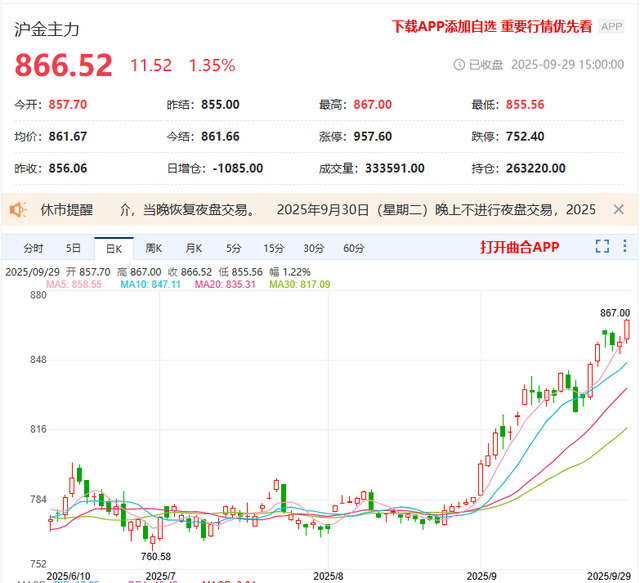
贸易摩擦提升市场避险需求。 数据显示,受美国反复调整关税政策影响,全球经贸摩擦再次升温。 从综合指数看,7月全球经贸摩擦指数为110,处于高位。全球经贸摩擦措施涉及金额同比上升6.6%, 环比上升27.6%。 从国别指数看,在监测范围内的20个国家(地区)中,美国、欧盟和巴西的全球经贸摩擦指数位居前 三,美国的全球经贸摩擦措施涉及金额最多,连续13个月居首。 黄金屡创历史新高,现货黄金突破3800美元/盎司,沪金收盘报收866.52元/克,涨1.35%。 。 期货公司观点 广发期货: 目前在美国就业市场下行风险增加的情况下,美联储政策路径呈现"预期强化-独立性受挫"的双重特征 从而打压美元指数,同时欧美国家政治局势动荡使股市风险偏好下降从而增加机构投资者对贵金属避险 的配置需求带来价格不断抬升。美联储决议如期降息 25 个 BP 对于未来宽松步伐仍较谨慎需要基于数 据决策,本次市场解读偏中性消化后未来分歧或更剧烈使行情走势反复。短期美国政府"关门"和海外政 局动荡等风险升温,黄金维持高位震荡波动率或再次上升,单边择机逢低买入或买入虚值看涨期权代替 多头。 ...

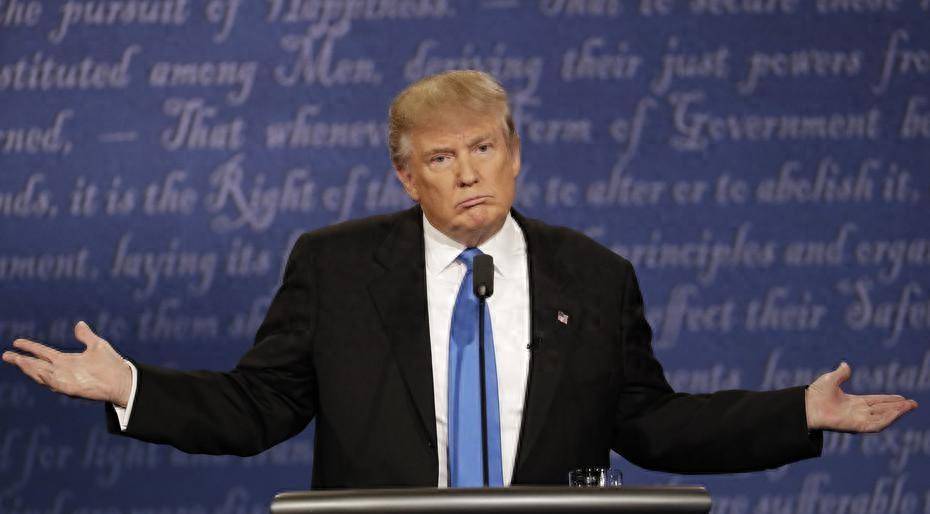
28国一周内密集对华施压,涉及8000亿美元贸易,背后真实目的何在
Sou Hu Cai Jing· 2025-09-29 03:55
Group 1 - The EU has imposed tariffs of up to 50% on 12 Chinese companies, citing their involvement in oil transactions with Russia, marking a significant escalation in trade tensions [1][3][10] - Mexico has followed suit, imposing high tariffs on over 1,000 Chinese goods, indicating a coordinated effort among multiple countries against China [6][10] - The recent actions involve trade worth over $800 billion, affecting nearly one-third of China's foreign trade, and come after a period of relatively good relations between these countries and China [10][12] Group 2 - The U.S. government has been identified as the driving force behind these sanctions, with Trump reportedly urging the EU to impose 100% tariffs on Chinese goods [12][18] - The EU's response is influenced by internal pressures, including energy crises and inflation, leading to a willingness to align with U.S. strategies against China [16][30] - Mexico's economic dependency on the U.S. complicates its position, as it faces significant pressure to comply with U.S. trade strategies or risk facing tariffs on its exports [18][30] Group 3 - China's response to the sanctions has been measured, involving legal actions and diplomatic efforts to emphasize the importance of strategic autonomy for Europe [22][26] - The ongoing trade tensions highlight the interconnectedness of global supply chains, with potential repercussions for countries that align too closely with U.S. policies [30][32] - The narrative suggests that coercive alliances are unlikely to sustain themselves, as countries weigh their economic interests against political pressures [34][36]
豆粕:震荡,规避国庆长假风险,豆一,新豆上市,市场预期政策支持
Guo Tai Jun An Qi Huo· 2025-09-28 11:03
Report Summary 1. Investment Rating - No investment rating for the industry is provided in the report. 2. Core View - Next week (09.29 - 09.30), the prices of Dalian soybean meal and soybean futures are expected to fluctuate, and investors are advised to avoid risks during the National Day holiday. For soybean meal, trade - related event risks should be avoided. For soybeans, the futures market may shift to expectations of policy support as new soybeans are on the market and spot prices are weak [1][6]. 3. Summary by Related Content International Soybean Market - **Price Movement**: Last week (09.22 - 09.26), US soybean futures prices were weak due to the Argentine tax - exemption event and Sino - US trade friction concerns. The weekly decline of the US soybean November contract was 1.17%, and that of the US soybean meal December contract was 3.27%. The domestic soybean meal futures price was weak, and the soybean futures price was strong. The weekly decline of the soybean meal m2601 contract was 2.55%, and the weekly increase of the soybean a2511 contract was 0.79% [1]. - **Fundamentals**: - US soybean net sales decreased week - on - week, which was neutral to bearish. In the week of September 18, the 2025/26 US soybean export shipments were about 510,000 tons, a year - on - year increase of about 34%; the cumulative export shipments were about 1.58 million tons, a year - on - year increase of about 39%. The current - year (2025/26) weekly net sales were about 720,000 tons, and the next - year (2026/27) weekly net sales were 0. The total was about 720,000 tons, in line with expectations [1]. - The US soybean good - to - excellent rate decreased week - on - week and was lower than expected, which was bullish. As of the week of September 22, the good - to - excellent rate was 61%, lower than the market expectation, compared with 63% the previous week and 64% last year [1]. - The Brazilian soybean CNF premium, import cost, and crushing margin: As of the week of September 26, the average CNF premium for November Brazilian soybeans increased slightly week - on - week, the average import cost decreased week - on - week, and the average crushing margin decreased week - on - week [1]. - The planting progress of new - crop Brazilian soybeans was the same as last year, with little impact. As of the week of September 18, the 2025/26 Brazilian soybean planting progress was about 0.9%, the same as last year [1]. - The Argentine tariff event had a short - term impact on the market, but the follow - up impact was small. The Argentine government announced the cancellation of export tariffs on soybeans and related products from September 22 to October 31, with a maximum tax - exemption amount of $7 billion. The policy ended on September 24 as the tax - exemption target was reached [1]. - The weather forecast for the US and Brazilian soybean - growing regions: In the next two weeks (September 27 - October 11), precipitation will be low and temperatures will be high. This is beneficial for US soybean harvesting but unfavorable for Brazilian soybean planting [1][3]. Domestic Soybean Meal Spot Market - **Transaction**: The trading volume increased week - on - week. As of the week of September 26, the average daily trading volume of mainstream oil mills was about 170,000 tons, compared with about 130,000 tons the previous week [4]. - **Pick - up**: The pick - up volume decreased week - on - week. As of the week of September 26, the average daily pick - up volume of major oil mills was about 189,000 tons, compared with about 198,000 tons the previous week [4]. - **Basis**: The basis increased slightly week - on - week. As of the week of September 26, the average weekly basis of soybean meal (Zhangjiagang) was about - 29 yuan/ton, compared with about - 30 yuan/ton the previous week [4]. - **Inventory**: The inventory increased week - on - week and decreased year - on - year. As of the week of September 19, the inventory of mainstream oil mills was about 1.09 million tons, a week - on - week increase of 4% and a year - on - year decrease of about 19% [4]. - **Crushing**: The soybean crushing volume decreased week - on - week and is expected to decrease significantly next week. As of the week of September 26, the domestic weekly soybean crushing volume was about 2.27 million tons, and the operating rate was about 63%. Next week (September 27 - October 3), the expected crushing volume is about 1.76 million tons, and the operating rate is 49% [4]. Domestic Soybean Spot Market - **New Soybean Listing**: New soybeans are on the market, and prices have fallen. In Northeast China, the purchase price of clean soybeans decreased by 240 - 320 yuan/ton week - on - week; in the northern part of the country, the price was flat; in the sales areas, the price of Northeast edible soybeans decreased by 20 - 160 yuan/ton week - on - week [5]. - **Harvest in Northeast China**: The harvest area of new soybeans in the Northeast has increased, and prices have fallen. Most areas in Heilongjiang have started to harvest new soybeans, mainly early - maturing varieties. The new soybean price is lower than the old soybean price [5]. - **State Reserve Auction**: The state - reserve soybean auction has resumed and all lots were sold. On September 26, about 19,000 tons were auctioned and all were purchased by protein factories [5]. - **Price Adjustment in Sales Areas**: The arrival of low - protein Northeast new soybeans in some sales areas has led to price adjustments. Downstream markets are purchasing as needed and waiting for large - scale arrivals of new soybeans [5].
有色金属周报:自由港铜矿超预期减产,看好铜板块机会-20250928
SINOLINK SECURITIES· 2025-09-28 08:25
Investment Rating - The report maintains a positive outlook on copper, aluminum, and precious metals, indicating a high level of market activity and potential for growth in these sectors [13][16]. Core Insights - Copper prices have surged due to unexpected production cuts, leading to significant supply shortages and rapid price increases [13]. - Aluminum is showing signs of recovery with inventory levels decreasing and downstream processing rates improving, suggesting a potential for sustained high profitability [15]. - Precious metals, particularly gold, are expected to rise further due to market anticipation of continuous interest rate cuts [16]. Summary by Sections Copper - This week, LME copper price increased by 2.09% to $10,205.00 per ton, while Shanghai copper rose by 3.20% to 82,500 yuan per ton [14]. - Supply side: The import copper concentrate processing fee index rose to -$40.36 per ton; national copper inventory decreased by 4,400 tons to 140,100 tons [14]. - Consumption side: Brass rod enterprises' operating rate was 48.49%, showing a slight increase of 0.71 percentage points [14]. Aluminum - This week, LME aluminum price decreased by 1.01% to $2,649.00 per ton, and Shanghai aluminum fell by 0.24% to 20,700 yuan per ton [15]. - Supply side: Electrolytic aluminum ingot inventory in major consumption areas dropped by 21,000 tons to 617,000 tons [15]. - Demand side: Downstream processing enterprises' operating rate increased by 0.8 percentage points to 63.0%, driven by pre-holiday stocking [15]. Precious Metals - This week, COMEX gold price rose by 0.23% to $3,789.80 per ounce, with SPDR gold holdings increasing by 5.15 tons to 1,005.72 tons [16]. - The market is experiencing fluctuations due to U.S. tariffs and escalating geopolitical risks, contributing to a volatile trading environment [16]. Rare Earths - The price of praseodymium and neodymium oxide decreased, while the export volume of magnetic materials saw significant growth [32]. - Domestic rare earth separation enterprises are preparing for production halts, indicating potential supply constraints [32]. Antimony - Antimony ingot price is at 174,900 yuan per ton, showing a decrease of 2.26% [33]. - The demand for antimony is expected to recover as the photovoltaic glass market stabilizes [33]. Molybdenum - Molybdenum concentrate price is 4,450 yuan per ton, with a slight decrease of 0.45% [34]. - The demand for molybdenum is expected to rise as major steel mills resume procurement [34]. Tin - Tin ingot price increased by 1.74% to 273,700 yuan per ton, with inventory decreasing by 6.14% [35]. - The supply-demand dynamics are favorable, supported by strong inventory levels and demand from the semiconductor sector [35].


美国和印度谈崩了,莫迪通知美国:不让买俄油,就买伊朗或委内瑞拉原油
Sou Hu Cai Jing· 2025-09-27 11:35
Core Viewpoint - The negotiations between the U.S. and India are centered around oil purchases, particularly the pressure on India to reduce its imports of Russian oil, which India views as essential for its economy and inflation control [1][5][22]. Group 1: U.S. Pressure Tactics - The U.S. has made it clear that any trade agreements with India are contingent upon India reducing its purchases of Russian oil, with tariffs and visa policies being used as leverage [1][3][22]. - Historical context shows that previous U.S. administrations, including Trump's, have linked trade concessions to India's oil sourcing decisions, indicating a long-standing strategy of using energy as a bargaining chip [3][22]. Group 2: India's Response and Strategy - India has firmly stated that Russian oil is economically necessary due to its affordability, and any unilateral restrictions would lead to increased costs and inflation [5][22]. - India has proposed that if it is to reduce Russian oil imports, the U.S. must ease restrictions on importing oil from Iran and Venezuela, indicating a willingness to negotiate but with conditions [5][13][22]. - The Indian government maintains that discussions with the U.S. have been constructive, leaving room for further negotiations despite the contentious issues [7][22]. Group 3: Broader Implications of Sanctions - The U.S. decision to revoke sanctions waivers for Iran's Chabahar port has significant implications for India's strategic interests, as this port is crucial for connecting to Afghanistan and Central Asia [10][12]. - The uncertainty surrounding the Chabahar port may force India to rely more on spot market purchases and long-distance oil sourcing, complicating its energy strategy [12][22]. Group 4: Domestic and Geopolitical Considerations - Both countries are aware that their negotiations are not just about oil but also about domestic political pressures and public perception [15][22]. - India's recent military advancements, such as the test of the Agni-Prime missile, serve as a demonstration of its capabilities and a signal of strength in the face of U.S. pressure [17][22]. - The ongoing discussions about H-1B visa regulations further complicate the relationship, as these changes directly impact India's IT and engineering sectors [20][22]. Group 5: Future Negotiation Pathways - For a resolution to be reached, the U.S. may need to establish a clear timeline for reducing Russian oil imports, provide compliance windows for Iranian and Venezuelan oil imports, and avoid using tariffs and visa issues as punitive measures [25][27]. - A balanced approach that considers both countries' economic and strategic interests could lead to a more favorable outcome in the negotiations [27].

中国亮剑!已停购美国大豆4个月,要求先取消关税,然后再买
Sou Hu Cai Jing· 2025-09-27 06:39
Core Viewpoint - The cessation of soybean purchases by China from the U.S. for four consecutive months, amounting to a $12.6 billion business, signifies a serious economic confrontation rather than mere negotiation tactics [1][3][31]. Group 1: Trade Dynamics - China has not purchased any U.S. soybeans since May, marking a complete disappearance of a buyer that previously accounted for 60% of U.S. soybean exports [3][20]. - In September, China signed a record agreement with Argentina for 35 shipments of soybeans, highlighting its ability to source from other countries like Brazil and Argentina without facing supply shortages [7][9]. - From January to September 2025, China's imports of U.S. soybeans were zero, while imports from Brazil increased by 45%, showcasing China's dominant position in the global soybean supply chain [9][20]. Group 2: Economic Impact - The loss of the Chinese market is critical for U.S. soybean farmers, as it represents a significant portion of their income and impacts the broader agricultural economy [5][20]. - The U.S. agricultural sector is experiencing a ripple effect, with banks tightening loans to farmers and machinery sales declining, leading to a projected 0.8 percentage point reduction in GDP growth for agricultural states [20][22]. - The U.S. government has introduced subsidy programs to alleviate farmer pressure, but farmers express that they need market access rather than temporary relief [22]. Group 3: Strategic Implications - China's firm stance on soybean imports is rooted in the trade tensions that began in 2018, where soybeans became a key leverage point in the economic conflict [14][26]. - The ongoing situation reflects a battle of patience, with China demonstrating a willingness to endure short-term costs for long-term benefits, contrasting with the U.S. expectation for quick resolutions [26][30]. - The economic measures taken by China serve as a new approach to international disputes, emphasizing that economic interdependence can be both a cooperative bond and a tool for balance [28][30]. Group 4: Future Considerations - As the 2026 U.S. midterm elections approach, pressure on agricultural states is expected to increase, presenting a critical juncture for U.S. policymakers [30][33]. - China maintains that it is open to negotiations but insists on the removal of unreasonable tariffs as a prerequisite for resuming soybean purchases, indicating a demand for mutual respect in trade relations [12][31].
吃饭砸锅,加拿大肠子都要悔青了!外长总理接连访华,想亲自道歉
Sou Hu Cai Jing· 2025-09-27 03:42
Group 1 - Canadian officials, including the Prime Minister and Foreign Minister, are planning visits to China to discuss trade issues and seek to improve relations after previous tensions [3][5][20] - The Canadian government previously imposed high tariffs on Chinese products, including a 100% tariff on electric vehicles and a 25% tariff on steel and aluminum, which led to a significant drop in exports [5][7] - China's response included an anti-dumping investigation into Canadian canola and a temporary anti-dumping deposit of 75.8%, impacting Canada's agricultural sector significantly [7][9] Group 2 - The Canadian canola industry, heavily reliant on exports to China, faced severe losses due to previous trade disputes, with estimates of $2.35 billion lost between 2019 and 2020 [9][11] - Domestic pressure in Canada is mounting, with calls from farmers and agricultural exporters for the government to reverse tariffs on Chinese electric vehicles to avoid further restrictions from China [11][14] - The current Canadian administration's mixed signals in foreign policy have led to economic repercussions, highlighting the need for a more consistent approach to international relations [13][14] Group 3 - The Chinese government emphasizes the importance of sincerity and respect for mutual interests in rebuilding trust, indicating that mere diplomatic visits without concrete actions will not suffice [11][20] - Historical context shows that Canada has previously faced backlash from the U.S. while trying to balance its relations with China, complicating its trade policies [18][20] - The article suggests that Canada must demonstrate genuine commitment to cooperation through actions, such as lifting unreasonable tariffs, rather than relying solely on verbal assurances [20]

墨西哥配合美国,想对中国加税,中方报复措施先到了:瞄准农产品
Sou Hu Cai Jing· 2025-09-27 03:42
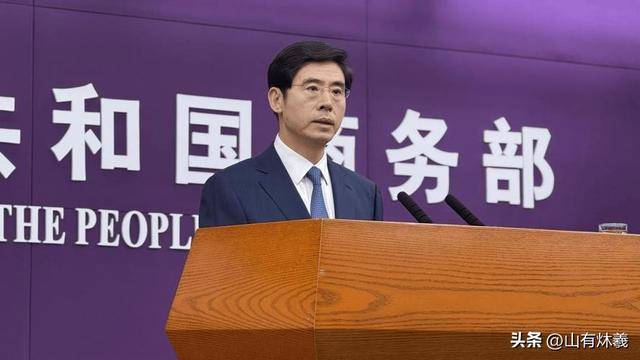
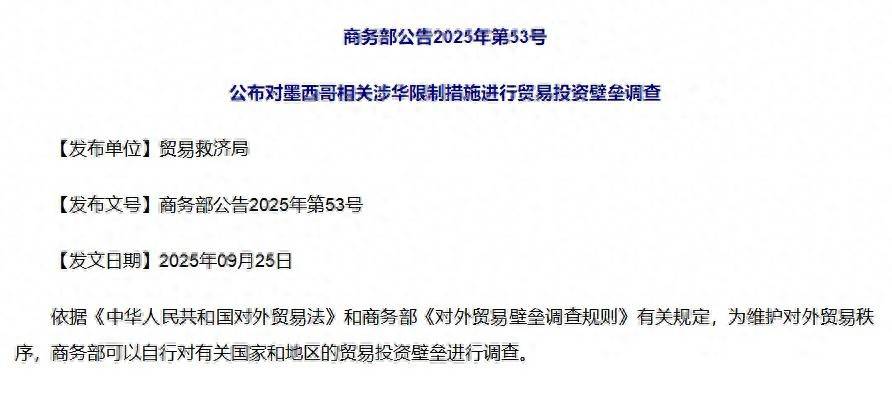
Group 1 - The Chinese Ministry of Commerce announced a trade investigation into Mexico's trade restrictions against Chinese imports, particularly targeting the automotive sector [1] - The investigation was triggered by Mexico's decision to raise tariffs on automotive imports from countries without free trade agreements from 20% to 50%, significantly impacting Chinese automotive exports, which amounted to $3.7 billion in 2022, accounting for 15% of Mexico's total automotive imports [1] - The scope of the investigation mirrors the sectors affected by Mexico's tariff increase, including automotive manufacturing, textiles, children's toys, and agricultural products, with a flexible investigation period of six months that can be extended [1] Group 2 - The investigation serves as a warning to Mexico, emphasizing that external pressures should not compromise third-party interests, implicitly pointing to the influence of the United States [2] - By initiating this investigation during a time when the Biden administration is strengthening economic ties with Mexico, China is sending a clear message that any attempts to create a trade encirclement against China will face strong retaliation [4] - Mexico exports approximately $280 million worth of agricultural products to China annually, with fresh products like avocados and berries having a high dependency rate of 40%, which could become leverage for China in future retaliatory measures [4] Group 3 - There remains a negotiation window of about 90 days before Mexico's tariff policy is officially implemented, indicating potential for resolution [7] - If Mexico proceeds with the tariff increase, it could lead to significant impacts on global supply chains, particularly affecting consumers in Mexico who rely heavily on Chinese manufacturing for automotive and electronic products [7] - The outcome of this trade dispute will test the political acumen of all parties involved [7]

期货市场交易指引:2025年09月26日-20250926
Chang Jiang Qi Huo· 2025-09-26 05:10
Report Industry Investment Ratings - **Macro - finance**: Long - term bullish on stock indices, hold a wait - and - see attitude towards treasury bonds [1][5] - **Black building materials**: Adopt range trading for coking coal and rebar, and buy on dips for glass [1][7][8] - **Non - ferrous metals**: Wait or buy on dips for copper, buy on dips after pullbacks for aluminum, wait or short on rallies for nickel, conduct range trading for tin, silver, and gold [1][10][11][16] - **Energy and chemicals**: PVC, caustic soda, styrene, rubber, urea, and methanol are expected to fluctuate; conduct a short 01 and long 05 arbitrage for soda ash; polyolefins are expected to have wide - range fluctuations [1][20][22][24] - **Cotton textile industry chain**: Cotton and cotton yarn, PTA are expected to fluctuate; apples are expected to fluctuate strongly; jujubes are expected to fluctuate weakly [1][33][35] - **Agriculture and animal husbandry**: Short on rallies for pigs and eggs; corn is expected to have wide - range fluctuations; soybean meal is expected to have range fluctuations; oils are expected to fluctuate strongly [1][37][41][44] Core Views The report provides investment strategies and market analyses for various futures products. It takes into account factors such as supply and demand, cost, macro - economic policies, and international events. For example, in the non - ferrous metals sector, supply disruptions and macro - economic uncertainties affect prices; in the energy and chemicals sector, factors like production capacity, demand, and cost determine the market trends [10][20][33] Summary by Categories Macro - finance - **Stock indices**: A - share market showed differentiation on Thursday. Growth sectors were relatively strong. The market is expected to fluctuate in the short - term and is long - term bullish. It is recommended to buy on dips [5] - **Treasury bonds**: The interest - rate bond market had wide - range fluctuations on Thursday. After a panic - driven sell - off, it may enter a short - term bottom - building phase. It is recommended to hold a wait - and - see attitude [5] Black building materials - **Coking coal and coking**: Multiple factors have boosted market sentiment, leading to a price increase in the coal industry. It is recommended to conduct range trading [7] - **Rebar**: The rebar futures price had narrow - range fluctuations on Thursday. The short - term situation is a combination of weak industry fundamentals and strong macro - factors. It is recommended to buy on dips, with the RB2601 contract focusing on the 3100 - 3250 range [7] - **Glass**: The spot price increase of glass manufacturers has stimulated the market. Supply and demand are relatively balanced. It is recommended to buy on dips, with the 01 contract focusing on the 1160 - 1200 support level [8] Non - ferrous metals - **Copper**: Supply disruptions and the approaching holiday stocking period may support copper prices. It is recommended to wait or buy on dips for short - term trading [10][11] - **Aluminum**: The production capacity of alumina and electrolytic aluminum is increasing. Demand is entering the peak season, and inventory is decreasing. It is recommended to buy on dips after pullbacks and consider a short AD and long AL arbitrage strategy [11] - **Nickel**: The supply of nickel is in surplus in the medium - to - long - term. It is recommended to short on rallies moderately [16] - **Tin**: Supply improvement is limited, and downstream consumption is warming up. It is recommended to conduct range trading, with the SHFE tin 10 - contract focusing on the 26.5 - 28 million yuan/ton range [16] - **Silver and gold**: After the Fed's interest - rate cut, precious metal prices are expected to have support. It is recommended to conduct range trading [17] Energy and chemicals - **PVC**: High supply, weak demand, and uncertain exports. It is expected to fluctuate, with the 01 contract focusing on the 4850 - 5050 range [20] - **Caustic soda**: Considering downstream restocking and future alumina production expectations, it is expected to fluctuate, with the 01 contract focusing on the 2450 - 2650 range [22] - **Styrene**: Weak supply - demand fundamentals. It is expected to fluctuate, focusing on the 6700 - 7100 range [24] - **Rubber**: Affected by factors such as typhoons and pre - holiday sentiment, it is expected to have a weak - side fluctuation, focusing on the 15500 support level [26] - **Urea**: Supply is increasing, and agricultural demand is scattered. It is recommended to focus on the 01 - contract's 1600 - 1630 support level and the 1 - 5 spread positive - arbitrage opportunity [27] - **Methanol**: Supply is decreasing, and demand from the methanol - to - olefins industry is increasing. It is expected to fluctuate, with the 01 contract focusing on the 2330 - 2450 range [28] - **Polyolefins**: Supply and demand are both changing. It is expected to have wide - range fluctuations, with the L2601 contract focusing on the 7100 - 7500 range and the PP2601 contract focusing on the 6800 - 7200 range [28] - **Soda ash**: Affected by glass price increases and production capacity changes, it is recommended to conduct a short 01 and long 05 arbitrage [31] Cotton textile industry chain - **Cotton and cotton yarn**: The global cotton supply - demand situation is changing. The spot market is strong, but there is downward pressure on prices in the future. It is recommended to prepare for hedging [33] - **PTA**: Affected by factors such as the Russia - Ukraine conflict and supply - demand changes, it is expected to have range fluctuations, focusing on the 4550 - 4800 range [33] - **Apples**: The price of early - maturing apples is firm. It is expected to fluctuate strongly [35] - **Jujubes**: The market is currently quiet. It is expected to have a weak - side fluctuation and then a rebound [35] Agriculture and animal husbandry - **Pigs**: Supply is large, and prices are under pressure. It is recommended to short on rallies for the 11, 01, and 03 contracts, and be cautious when bottom - fishing for the 05 and 07 contracts. Also, pay attention to the long 05 and short 03 arbitrage [37][38] - **Eggs**: Short - term pre - holiday demand is weakening, and long - term supply pressure is large. It is recommended to short on rallies for the 11 contract and be cautious when shorting the 12 and 01 contracts [39][40] - **Corn**: New crop supply will ease the tight supply of old crops. It is recommended to take a short - side approach, wait for a rebound to short lightly, and pay attention to the 1 - 5 reverse - arbitrage [41][43] - **Soybean meal**: Supply is expected to be loose in the fourth quarter. It is recommended to reduce long positions on rallies and hold on dips, focusing on the 2900 support level of the M2601 contract [43] - **Oils**: After the tariff event's negative impact is over, oils are expected to stop falling and rebound. It is recommended to take a long - on - dips approach and pay attention to arbitrage opportunities [44][50]
英国8月汽车产量创近70年新低
Xin Hua She· 2025-09-26 05:05
Core Insights - The UK automotive industry experienced its lowest production level for August since 1956, primarily due to weak overseas demand and tariff barriers [1] - Total vehicle production in August was approximately 38,700 units, representing an 18.2% year-on-year decline [1] - Passenger car production was around 37,000 units, down 10.2% year-on-year, while commercial vehicle production plummeted by 73.2% to just 1,621 units [1] - Electric vehicles emerged as a rare highlight, with production of hybrid, plug-in hybrid, and pure electric cars reaching about 16,800 units, a 40.9% increase year-on-year, nearly accounting for half of total passenger car production [1] - The data reflects dual pressures from industry adjustments and a slowdown in overseas market demand, with exports to the EU affected by weak demand and stricter regulations, while exports to the US continue to face challenges from tariff barriers and trade friction [1] - The CEO of the automotive association emphasized the complexity of the current situation, noting that August is typically a "slow season" for the industry, and urged the UK government to expedite the implementation of new industrial strategies to support the automotive sector's critical role in employment, economy, and trade [1]