消费分层

Search documents
A股策略周思考:美国非农弱于预期,降息周期有望重启
Tianfeng Securities· 2025-08-03 14:15
Domestic Economic Insights - The Political Bureau of the CPC held a meeting on July 30, emphasizing the need to complete the annual economic and social development goals and prepare for the 15th Five-Year Plan[1] - The manufacturing PMI for July decreased to 49.3%, down from 49.7% in June, indicating continued contraction in the manufacturing sector[12] - The non-manufacturing PMI also fell to 50.1%, down from 50.5% in the previous month, reflecting a slowdown in service sector activity[14] Industrial Performance - Industrial profits in June showed a year-on-year decline of 4.3%, an improvement from the previous decline of 9.1%[21] - The inventory of industrial enterprises slightly decreased, with finished goods inventory at 6.6 trillion yuan, showing a year-on-year growth of 3.1%[21] - The profit margin for the mining industry was 16.95%, while the manufacturing sector's profit margin remained low at 4.46%[23] International Economic Context - In July, the U.S. non-farm payrolls added only 73,000 jobs, significantly below the expected 110,000, with the unemployment rate rising to 4.2%[37] - The Federal Open Market Committee (FOMC) did not change interest rates in July, with Chairman Powell indicating no decisions have been made regarding September's rates[37] Investment Strategy Recommendations - Focus on three main investment directions: technology AI+, consumer stock valuation recovery, and the rise of undervalued dividends[4] - The report highlights the importance of maintaining a cautious approach in the current market environment, which may experience increased volatility[4]
美国非农弱于预期,降息周期有望重启
Tianfeng Securities· 2025-08-03 10:13
Domestic Economic Analysis - The Politburo meeting on July 30 emphasized the need to actively prepare for the "15th Five-Year Plan" and to complete the goals of the "14th Five-Year Plan" [9][10] - The manufacturing PMI for July decreased to 49.3%, indicating a contraction, while the non-manufacturing PMI also fell to 50.1% [12][14] - Industrial profits in June showed a narrowing year-on-year decline of -4.3%, compared to -9.1% previously, with a slight decrease in inventory levels [19][21] - High-frequency indicators in transportation, such as subway passenger volume, showed a rebound, indicating some recovery in activity [26] International Economic Context - The U.S. non-farm payrolls for July were below expectations, with only 73,000 jobs added, significantly lower than the anticipated 110,000 [33] - The unemployment rate in the U.S. rose to 4.2%, reflecting a cooling labor market [33][34] - The Federal Open Market Committee (FOMC) did not lower interest rates in July, with future decisions dependent on economic data [33] Industry Configuration Recommendations - The report suggests focusing on three main investment directions: breakthroughs in AI technology, valuation recovery in consumer stocks, and the rise of undervalued dividends [3] - The report highlights the importance of maintaining a cautious approach in the current market environment, which is showing signs of overheating [3] - Emphasis is placed on the need for structural monetary policy tools to support economic recovery and innovation in key industries [10][11]
上半年消费撑起GDP半壁江山,52%贡献率背后的喜与忧
Sou Hu Cai Jing· 2025-07-28 02:38
Core Viewpoint - In the first half of this year, China's economy saw a significant highlight with final consumption expenditure contributing 52% to economic growth, indicating a robust recovery and consumer confidence [1][4] Group 1: Consumption Contribution - The 52% contribution rate signifies that consumption has become the most vital driver of economic growth, surpassing investment and exports [1] - This increase reflects a release of pent-up consumer demand, particularly in tourism and cultural activities during holidays [1][3] Group 2: Consumer Behavior Trends - Various consumption scenarios have thrived, with both discretionary spending on travel and cultural events and essential daily needs showing stable growth [3] - The rise of live-streaming commerce has invigorated consumption, catering to diverse consumer preferences and facilitating frequent small purchases [3] Group 3: Market Challenges - A noticeable consumption stratification is emerging, where high-end markets for luxury goods are thriving, while mid to low-end markets face intense competition and shrinking profit margins [3][4] - This stratification reflects not only in product types but also in consumer demographics [3] Group 4: Recommendations for Healthy Market Development - To promote healthy consumption market growth, measures should be taken to increase residents' income levels and enhance consumer confidence through improved income distribution and minimum wage standards [4] - Optimizing the consumption environment and enhancing product quality through market regulation and innovation are essential [4] - Strengthening the social security system can alleviate consumer concerns, encouraging spending and contributing to economic vitality [4]

中长期维度的投资框架补充(1):消费正在多样化,品牌和产品是走出内卷的重要砝码
Shenwan Hongyuan Securities· 2025-07-22 02:14
Investment Rating - The report maintains a positive outlook on the automotive industry, particularly emphasizing the importance of brand value in navigating economic cycles and competition [4]. Core Insights - The aging population and smaller family units in China are reshaping the underlying logic of automotive consumption, leading to increased demand for larger, multifunctional vehicles and a rise in "one-person economy" and "self-pleasing" purchasing behavior [4][5]. - The Chinese automotive market is transitioning through various consumption eras, with a notable shift towards emotional and value-driven purchases, particularly among middle-class consumers [4][16]. - Price wars, while temporarily boosting sales, are eroding brand trust, as evidenced by a historical low in the Net Promoter Score (NPS) at 54.9, indicating a significant decline in consumer loyalty [4][44]. - Brands that successfully manage to shift consumer perceptions and maintain high NPS scores are likely to gain market share in the future [4][56]. Summary by Sections 1. Changes in Consumption Habits - The report outlines the demographic shifts in China, including the rise of single-person households and the decline of traditional multi-generational families, which are driving new consumption patterns [5][6]. - The increasing proportion of the elderly population is contributing to the demand for products catering to the "silver economy" [6][15]. 2. Consumption Trends - The report identifies a coexistence of multiple consumption eras in China, with consumers increasingly valuing brand stories, smart experiences, and emotional connections over mere functionality [4][16]. - The transition from material satisfaction to emotional and experiential value is reshaping consumer preferences, particularly in the automotive sector [41][56]. 3. Middle-Class Automotive Market - The middle-class segment is expanding, with a significant increase in households earning between 100,000 to 500,000 yuan, which supports a robust demand for larger and multifunctional vehicles [27][32]. - Self-driving tourism is becoming a primary reason for vehicle purchases among middle-class consumers, indicating a shift towards leisure-oriented automotive use [32][33]. 4. Brand as a Competitive Weapon - The report emphasizes that brand reputation and service quality are critical in the current competitive landscape, where price wars are damaging consumer trust [44][54]. - Successful brands are those that can effectively communicate their value propositions and maintain high levels of customer satisfaction, as demonstrated by companies like Li Auto and AITO [4][53].
“反内卷”的宏观背景
Tianfeng Securities· 2025-07-20 12:12
Domestic Economic Analysis - The GDP growth for Q2 2025 was 5.2%, exceeding expectations of 5.17% and previous value of 5.4%. The primary, secondary, and tertiary industries showed growth rates of 3.8%, 4.8%, and 5.7% respectively [1][9][10] - In June, industrial production increased by 6.8% year-on-year, surpassing the expected 5.66% and previous value of 5.8%. However, social consumption and investment showed declines [11][14] - Exports in June grew by 5.9% year-on-year, higher than the previous 4.7% and expectations of 3.21%. Imports also increased by 1.1%, reversing a previous decline [43][44] - The social financing scale increased by 4.20 trillion yuan in June, with a year-on-year growth of 8.9%. New RMB loans turned positive, indicating a recovery in credit conditions [55][56] International Economic Context - The core CPI growth in the US for June was lower than expected, with a year-on-year increase of 2.9%, compared to the expected 3.0% [2][66] - The geopolitical tensions, particularly the Russia-Ukraine conflict, continue to impact global economic conditions, with potential implications for international trade and investment strategies [2][66][67] Industry Investment Strategy - The report suggests focusing on three main investment directions: advancements in AI technology, recovery in consumer stocks, and the rise of undervalued dividend stocks. The performance of undervalued dividends is closely tied to the progress in the AI sector [3][5] - The consumer sector is highlighted as having low valuations, with a potential recovery supported by declining interest rates and policy catalysts. The report warns against overly pessimistic views on consumer recovery [3][5]
消费分层时代,迪卡侬如何用“入门+专业”打造一站式差异化优势?
经济观察报· 2025-07-09 10:11
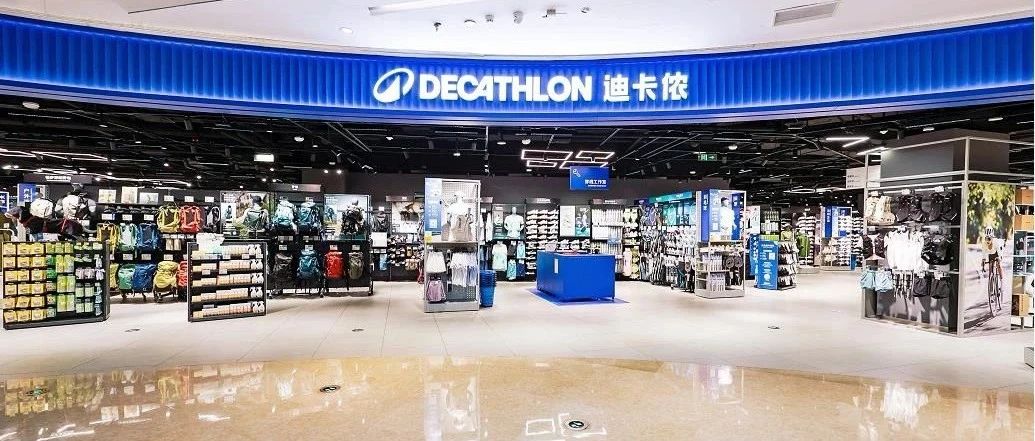
Core Viewpoint - Decathlon is uniquely establishing a "full-scenario coverage" product ecosystem, offering a complete product matrix from entry-level affordable options to high-performance gear that competes with professional sports brands [1][2]. Group 1: Product Strategy - Decathlon has adopted a "dual-track" product strategy, focusing on both entry-level and professional products, creating a comprehensive product matrix that caters to diverse consumer needs [1][5]. - The company maintains its core philosophy of providing quality, functionality, and value for money, ensuring that both entry-level and professional products coexist within the brand [2][10]. - The product structure includes nine major sports categories and four specialized brands (VAN RYSEL, KIPRUN, SIMOND, SOLOGNAC) targeting high-level professional sports [8]. Group 2: Market Trends - The adjustment in Decathlon's strategy is driven by two major trends in the Chinese sports consumption market: the diversification of sports interests and the deepening demand for professional equipment [6]. - Data from JD.com indicates significant growth in niche sports equipment, with surfing gear sales increasing by 473% and climbing gear by over 150% in the first half of 2024 [6]. Group 3: Brand Development - In 2024, Decathlon plans to accelerate brand upgrades in the Chinese market, enhancing brand strength and product ecosystem implementation [4]. - New concept stores in Shanghai, Beijing, and Nanjing will open in June 2025, transforming sales spaces into sports experience hubs [4]. Group 4: Value Proposition - Decathlon's unique value proposition lies in its ability to offer high-performance quality within a reasonable price range, addressing the dilemma consumers face between high-priced professional products and lower-quality alternatives [6][10]. - The company emphasizes its commitment to value for money, applying professional sports technology to consumer products, exemplified by the high-performance features of its popular swimming goggles [11]. Group 5: Operational Philosophy - Decathlon's operational philosophy integrates "product + service + community," transforming stores into "sports social centers" to enhance consumer experience [15]. - Employees with sports expertise serve as product advisors and community operators, fostering social interactions among consumers [16]. Group 6: Future Plans - Decathlon aims to expand its product line in China to meet refined consumer demands and fill gaps in the high-end market [19]. - The company plans to open 20 to 30 new or upgraded stores this year, focusing on locations in economically vibrant cities to provide more targeted product offerings and services [19].
思客对话|洞察消费新趋势 激活消费增长新引擎
Sou Hu Cai Jing· 2025-06-26 08:56
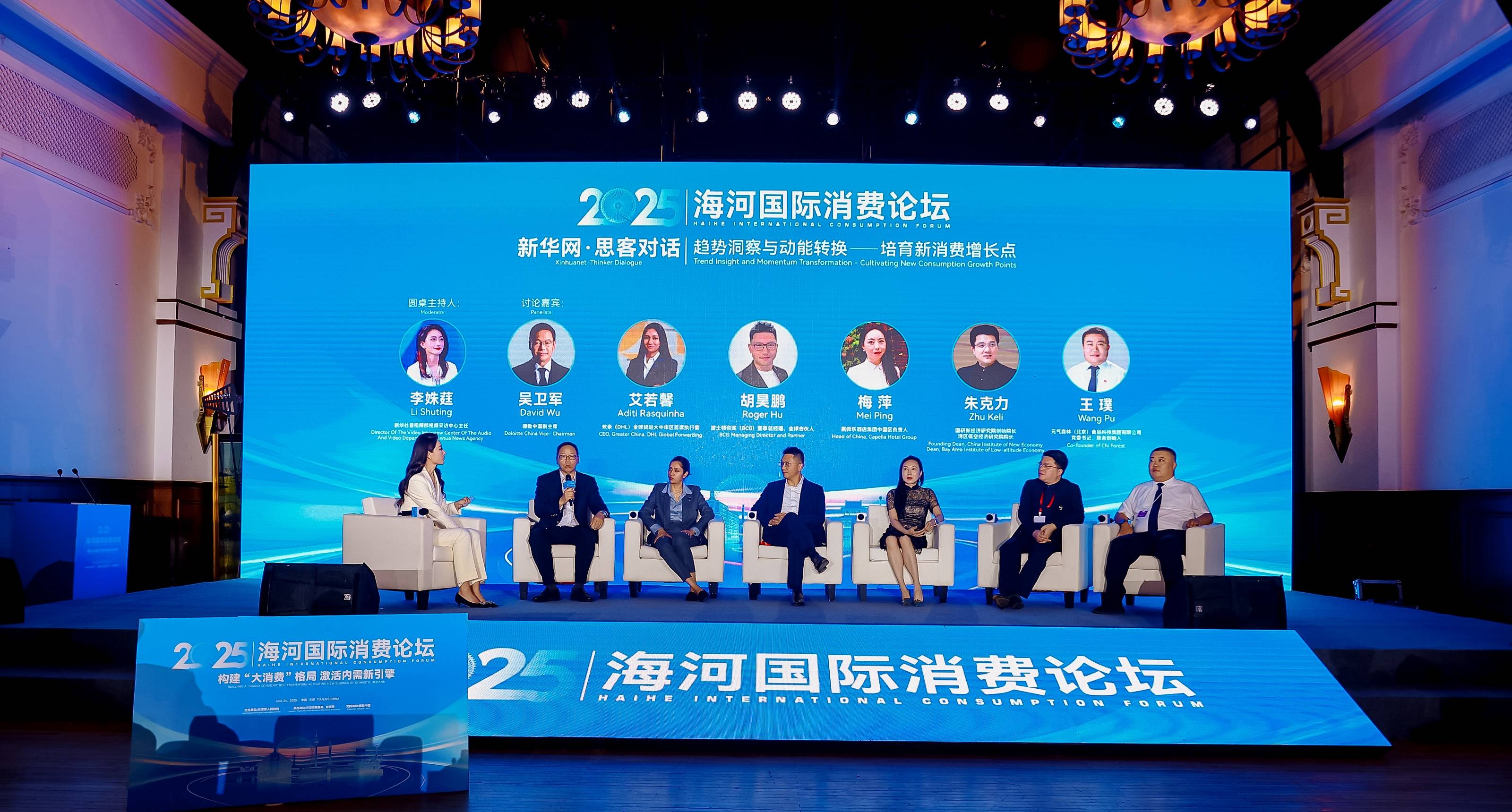
Group 1 - The 2025 Haihe International Consumption Forum focused on building a "big consumption" pattern to activate new engines for domestic demand [1] - The forum featured discussions on new trends and highlights in China's consumption market, emphasizing the importance of these trends for future growth [3] - The "first launch economy" is a significant new trend in consumption, highlighting the collaborative efforts in design, development, and operations to create market "explosion points" [3] Group 2 - The rise of domestic brands is a major trend, with increased consumer attention and recognition leading to product iterations and upgrades [3] - The segmentation of the Chinese consumption market is becoming more pronounced, with diverse retail models emerging to meet varying consumer needs [4] - The trend of "self-pleasure" consumption in cultural tourism emphasizes the importance of emotional value in enhancing user engagement and sustainable development in the industry [4] Group 3 - To activate new engines for consumption growth, enhancing consumer capacity and creating consumption scenarios are essential [5] - Health-oriented consumption is expected to become a new consumption engine as awareness of health investment increases [5] - Green logistics is increasingly recognized for its role in driving consumption growth and enhancing brand trust among consumers [5] Group 4 - "Micro-innovation" in business models is crucial for activating domestic demand and expanding consumption [5] - Future strategies should focus on tapping into consumption potential and leveraging innovation to stimulate demand [5] - Sustained growth in consumption is vital for the stability and long-term success of the Chinese economy [5]
A股策略周思考:以稳应变,防守反击
Tianfeng Securities· 2025-06-22 12:14
Market Insights - The recent macroeconomic and high-frequency data indicate a mixed performance, with the economic activity index showing fluctuations after a recovery in May, remaining above "1" but below the levels of 2020-2024 [1][10] - The real estate market has shown a lackluster performance, with transaction volumes in major cities underperforming compared to the same period in previous years [1][13] - The automotive sector is experiencing a steady recovery, benefiting from new policies, with retail and wholesale sales showing significant year-on-year increases of 23% and 38% respectively [1][16] Domestic Economic Data - In May, industrial production increased by 5.8% year-on-year, exceeding expectations, while fixed asset investment growth slowed to 3.7% [2][33] - The retail sales of consumer goods rose by 6.4% year-on-year, surpassing the forecast of 4.85% [2][41] - Fiscal revenue showed a slight decline, with tax revenue remaining positive but non-tax revenue turning negative, indicating a weakening in land transactions [2][58] International Economic Context - The Federal Reserve maintained interest rates, with projections indicating potential rate cuts in 2025, reflecting expectations of slower economic growth and rising unemployment [3][41] Industry Allocation Recommendations - Investment strategies should focus on three main areas: advancements in AI technology, recovery in consumer stocks, and the resurgence of undervalued dividend stocks [4] - The report emphasizes the importance of monitoring the AI industry's progress, as it significantly influences the performance of undervalued dividend stocks [4]
硅鲸科技CEO赵绍辉:今年618“即时零售”全品类爆发 重构消费效率
Sou Hu Cai Jing· 2025-06-20 10:13
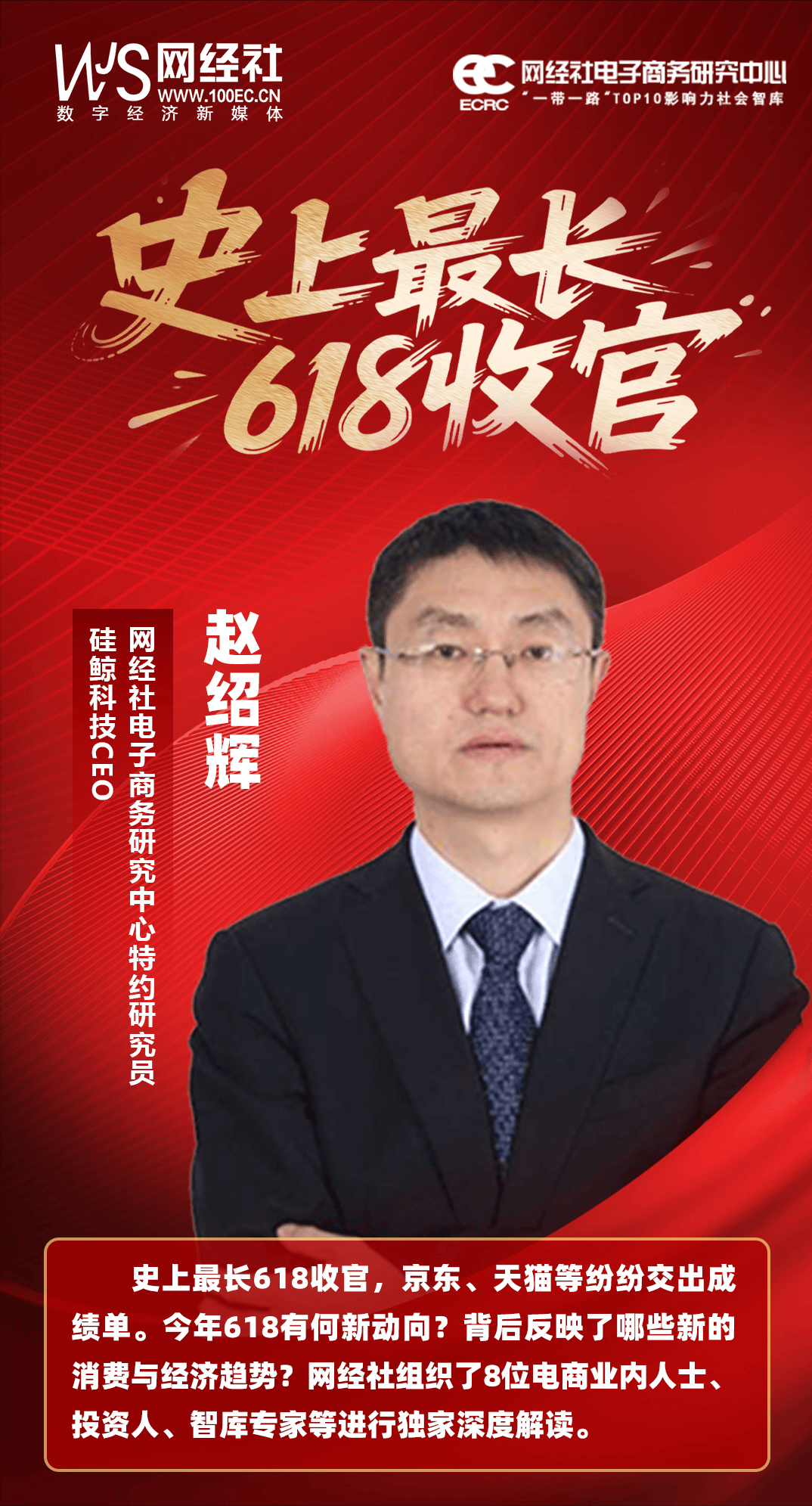
Core Insights - The 2025 618 shopping festival showcases three major trends: the rise of "instant retail," the impact of policies and live streaming on consumer segmentation, and the integration of AI across the e-commerce value chain [4][5] Group 1: Instant Retail - "Instant retail" is experiencing explosive growth across all categories, transforming consumption efficiency and establishing "everything delivered to home" as the new norm. Daily orders for JD's delivery service have surpassed 25 million, covering all counties nationwide. The growth is attributed to the maturity of offline stores and logistics supply chains, with front warehouses and drone delivery reducing costs by 15% [4] Group 2: Policy and Consumer Segmentation - Policies and live streaming are driving consumer segmentation, leading to the rise of domestic brands and the lower-tier market. The combination of old-for-new subsidies and platform incentives has stimulated both essential and quality consumption, with JD's home appliance sales increasing by 161%. Domestic brands account for over 60% of Tmall's "billion-dollar club," and the search volume for "new Chinese style" products has surged by 270%. JD's county-level orders have grown by 130%, with live streaming sales accounting for over 70% of GMV [4] Group 3: AI Integration - AI is deeply transforming the e-commerce supply chain, enabling sustainable operations rather than short-term GMV competition. For instance, Taobao merchants have generated 1.5 million video materials using AI tools, while JD's digital human live streaming costs only one-tenth of that of real people, with a 30% increase in conversion rates. Orders for JD's "delivery and installation" service have risen by 300%, and front warehouse costs have decreased by 20%. AI customer interactions have exceeded one million [4][5]

中国5月CPI、社融等数据公布;美国5月CPI出炉丨一周前瞻
2 1 Shi Ji Jing Ji Bao Dao· 2025-06-09 00:09
Group 1 - Multiple important domestic data will be released this week, including May CPI, PPI, M2 money supply, social financing, and import-export data [1][2] - The U.S. will release May CPI and PPI data, which are critical for assessing inflation trends [1][2] - Significant events include He Lifeng's visit to the UK and the opening of Apple's Worldwide Developers Conference [1][2] Group 2 - A total of 41 stocks will face lock-up expiration this week, with a total unlock volume of 2.054 billion shares, amounting to a market value of 44.123 billion yuan [3][4] - The top three companies by unlock market value are: Dameng Data (10.752 billion yuan), Huahai Qingke (10.4 billion yuan), and YN Technology (3.059 billion yuan) [3][4] Group 3 - He Lifeng will visit the UK and hold the first meeting of the China-U.S. economic and trade consultation mechanism [5] - The Ministry of Commerce addressed concerns regarding China's export control measures on rare earths, emphasizing compliance and communication with other countries [5] - The People's Bank of China has increased its gold reserves for the seventh consecutive month, reaching 73.83 million ounces by the end of May [5] Group 4 - As of the end of May, China's foreign exchange reserves stood at 328.53 billion USD, reflecting a slight increase of 36 million USD from the previous month [6][7] - The Shanghai Stock Exchange is promoting increased dividend payouts by listed companies to enhance investment value [7] - Central Huijin has become the actual controller of multiple securities and fund management companies [7] Group 5 - The Ministry of Industry and Information Technology is implementing an "AI + Manufacturing" initiative to deepen the application of AI in the industrial sector [7] - The U.S. State Department has resumed processing student visas for international students planning to attend Harvard University [8] Group 6 - Two new stocks will be issued this week: Huazhi Jie on the Shanghai main board and Xinhenghui on the ChiNext [9][10] - The subscription limits and prices for these new stocks have been set, with Huazhi Jie priced at 19.88 yuan [10] Group 7 - Various securities firms are optimistic about sectors such as new consumption, banking, and insurance, indicating strong short-term demand and long-term investment value [11][12] - The focus on technology and high-end manufacturing sectors is expected to continue, particularly in defense and semiconductor industries [12][13] - The market is anticipated to experience a rotation of themes, with potential opportunities in new consumption, innovative pharmaceuticals, and AI technologies [13]