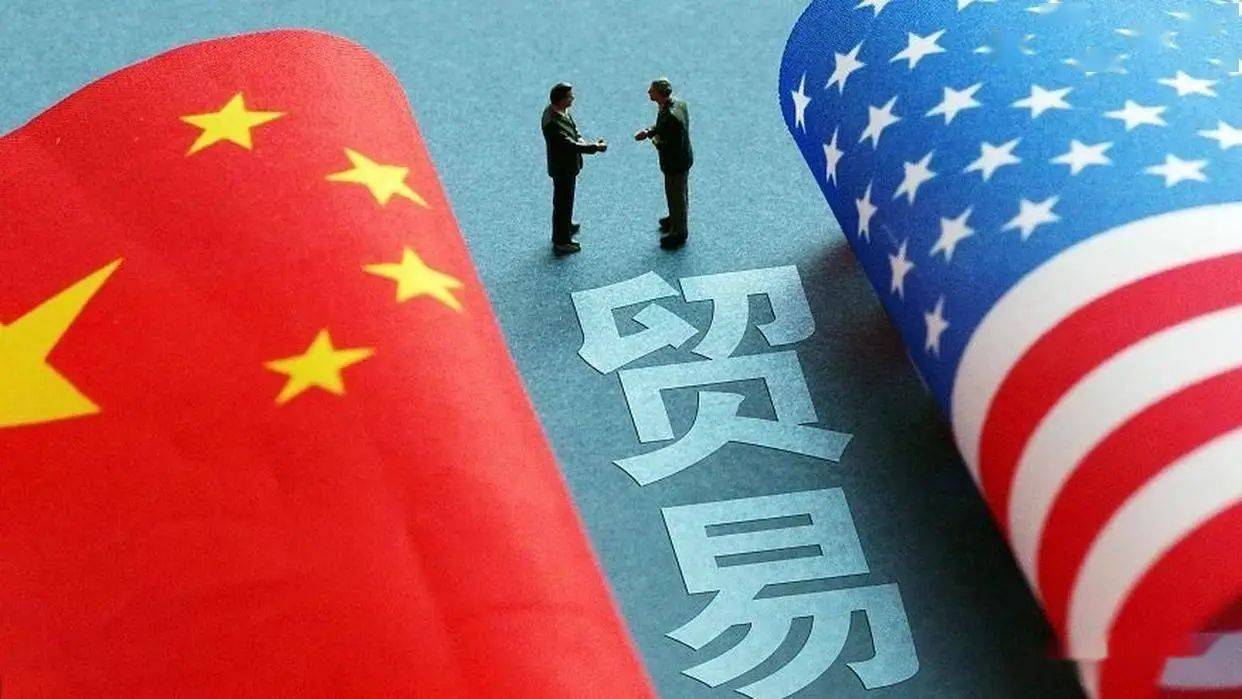
中美贸易摩擦

Search documents
48小时内,特朗普和鲁比奥先后表态,中方不能惹,印度成受害者?
Sou Hu Cai Jing· 2025-08-18 13:49
Group 1 - The geopolitical landscape has experienced significant turbulence, with the U.S. adjusting its economic policies towards China and India, drawing global media and investor attention [1] - Trump's decision to delay tariffs on Chinese oil purchases is influenced by concerns over rising global oil prices and inflationary pressures in the U.S. [2][3] - Rubio's comments highlight the potential global energy price repercussions of sanctions on China, indicating a shift in U.S. policy towards China [5] Group 2 - India has been adversely affected by U.S. tariffs, with a cumulative 50% tariff on Indian goods due to oil purchases from Russia, impacting over $42 billion in exports [5] - The U.S. has accused India of "arbitraging" Russian oil, which has led to widespread discontent in India's political and business circles [7] - Modi's government remains firm against U.S. pressure, emphasizing the protection of Indian farmers amidst ongoing trade negotiations [9] Group 3 - The U.S. and India have been unable to resolve agricultural trade issues, with five rounds of negotiations failing to break the deadlock [6] - China's dominant position in the global energy market is a critical factor in U.S. decision-making, with projections indicating that by 2025, China will account for 27% of global crude oil imports [13] - The U.S. strategy towards India is seen as a double standard, as it seeks to use India as a counterbalance to China without fully elevating India's status [16] Group 4 - The ongoing geopolitical tensions and trade disputes are reshaping global economic relationships, with the upcoming SCO summit being a focal point for potential India-China cooperation [19] - Financial markets are closely monitoring these developments, with potential volatility in Asia-Pacific markets if U.S.-China trade tensions escalate [21]


桥水基金清仓在美上市的中国股票
日经中文网· 2025-08-18 02:34
Core Viewpoint - Bridgewater Associates, the world's largest hedge fund, has completely liquidated its holdings in Chinese stocks listed in the U.S., including Alibaba and Pinduoduo, amid escalating U.S.-China trade tensions [2][4]. Group 1 - As of March 31, Bridgewater held 16 U.S.-listed stocks, including Alibaba, Pinduoduo, and Baidu, with a total market value of $1.49 billion. By June 30, the fund's holdings in Chinese stocks were reduced to zero [4][5]. - The U.S. government announced reciprocal tariffs in April, with tariffs on Chinese goods peaking at 145%. Negotiations in mid-May led to a mutual agreement to lower tariffs by 115%, but ongoing trade friction has raised investment risks in Chinese stocks [4][5]. - Ray Dalio, the founder of Bridgewater, known for his pro-China stance, has seen his influence wane after stepping back from investment decisions in September 2022 and recently resigning from the board [5].



螺纹钢周报:供需边际转弱,关注限产落地情况-20250818
Guo Xin Qi Huo· 2025-08-18 02:01
1. Report Industry Investment Rating - No relevant content provided 2. Core Viewpoints of the Report - The extension of the China-US trade tariff truce has alleviated external trade frictions and boosted domestic market sentiment. The steel mills maintain high production enthusiasm due to good profits, and the steel output remains stable in the short - term despite the frequent news of production restrictions. The supply - demand relationship of building materials is weakening, and contradictions are starting to accumulate. The futures price fluctuates with raw materials and faces upward pressure. Attention should be paid to the implementation of production - restriction policies [7][72][73] 3. Summary by Directory 3.1 Part 1: Review of Rebar Futures Market 3.1.1 Recent Important Information Overview - Economic data shows that in July, the output of industrial raw coal above designated size decreased by 3.8% year - on - year, and from January to July, it increased by 3.8% year - on - year. From January to July, national real estate development investment decreased by 12.0% year - on - year, and various real estate indicators such as construction area, new construction area, and completion area also declined. National fixed - asset investment (excluding rural households) increased by 1.6% year - on - year from January to July, and infrastructure investment increased by 3.2% year - on - year. Policy information indicates that the US extended the tariff truce with China by 90 days, which alleviated trade frictions and boosted domestic market sentiment [7] 3.1.2 Rebar Main Contract Trend - No specific content provided 3.2 Part 2: Futures Market Environment: Macro, Price Ratio, and Basis 3.2.1 Macro - Currency Price - No specific content provided 3.2.2 Price Ratio - Domestic and Overseas - No specific content provided 3.2.3 Price Ratio - Other Commodities in the Industry Chain - The prices of various steel - related products have different trends. For example, the price of rebar HRB400 20mm in Shanghai is 3,320 yuan/ton, with a weekly decline of 1.19%, a monthly change of 0.00%, and an annual increase of 6.07% [22] 3.2.4 Rebar Main Contract Basis - The basis (spot - futures) of rebar fluctuates. For example, on August 14, 2025, the futures main contract was 3189 yuan/ton, the cheapest deliverable was 3300 yuan/ton, and the basis was 111 yuan/ton [26] 3.3 Part 3: Overview of Rebar Spot Supply and Demand 3.3.1 Steel Mill Raw Material Inventory - No specific content provided 3.3.2 Blast Furnace Profit (for Various Steel Products) - No specific content provided 3.3.3 Blast Furnace Profit (Futures and Spot) - No specific content provided 3.3.4 Blast Furnace Operation Rate - No specific content provided 3.3.5 Electric Furnace Operation Rate - No specific content provided 3.3.6 Daily Average Hot Metal Output - No specific content provided 3.3.7 Weekly Steel Output - On August 15, 2025, the output of steel products (including rebar, hot - rolled coil, wire rod, and medium - thick plate) was 785.44 million tons, with a year - on - year increase of 0.125530207 and a month - on - month increase of 0.002911282 [46] 3.3.8 Weekly Rebar Output - On August 15, 2025, the weekly rebar output was 220.45 million tons, with a month - on - month decrease of 0.003300479 and a year - on - year increase of 0.325058604 [50] 3.3.9 Steel Mill Inventory of Steel Products - On August 15, 2025, the steel mill inventory of steel products was 503.88 million tons, with a year - on - year decrease of 0.08458688 and a month - on - month increase of 0.022151899 [53] 3.3.10 Social Inventory of Steel Products - No specific content provided 3.3.11 Social Inventory of Rebar - No specific content provided 3.3.12 Building Materials Transactions - No specific content provided 3.3.13 Consumption Indicator - Cement Price - No specific content provided 3.3.14 Downstream High - Frequency Data - Land Transaction Area - No specific content provided 3.3.15 Downstream High - Frequency Data - Real Estate Transactions - No specific content provided 3.4 Part 4: Outlook for the Future - The extension of the China - US trade tariff truce has alleviated external trade frictions. In terms of fundamentals, steel mills have high production enthusiasm due to good profits, and the steel output remains stable in the short - term. This week, the supply of five major steel products increased by 0.3% week - on - week, with the rebar output decreasing by 0.3% week - on - week. In terms of demand, the consumption of five major steel products decreased by 1.7% this week, with the building materials consumption decreasing by 7.6% week - on - week and the plate consumption increasing by 5.6% week - on - week. The social inventory of steel products increased week - on - week, mainly due to rebar. The supply of raw materials is still subject to disturbances, and the price fluctuations are increasing. The supply - demand relationship of building materials is weakening, and attention should be paid to the implementation of production - restriction policies [72][73]
国金高频图鉴 | 7月外需强于内需&韩国出口高频走弱
雪涛宏观笔记· 2025-08-17 09:56
Economic Data Summary - In July, economic data showed that external demand was stronger than internal demand, with production growth outpacing demand growth. The industrial output and service production index in constant prices grew by 5.7% and 5.8% year-on-year, respectively, while prices remained at a low level for the year [2][3][4] - The retail sales in July increased by 3.7% year-on-year, down from 4.8% in the previous month. Fixed asset investment for the first seven months saw a cumulative year-on-year decline of 1.2 percentage points to 1.6%, with manufacturing, infrastructure, and real estate investments all showing a downward trend [3][4] Automotive Sales Trends - In early August, automotive sales turned negative, with retail sales of passenger cars from August 1 to 10 reaching 452,000 units, a 4% decrease compared to the same period last year. Factors contributing to this decline included reduced "trade-in" incentives, diminished promotional discounts, and lower loan rebates [6][10] - The outlook for automotive sales remains weak, although the third batch of subsidy funds was distributed in late July, which may gradually restart "trade-in" programs in some regions. However, the intensity of price wars in the automotive sector has decreased, leading to higher consumer purchase costs and sustained high levels of consumer hesitation [10] U.S. Tariff Increases - In June, the U.S. customs reported an increase in tariff rates, with the overall tariff rate rising to 10%. The tariff rate on China decreased from 48.2% in May to 40.3% in June, with expectations that it will stabilize around 40% moving forward, which is an increase of 29.3 percentage points compared to 2024 [11][13] - Tariff rates for other major trading partners, such as Vietnam, Japan, and Germany, also increased to 9.3%, 15.9%, and 11.8%, respectively, which may further suppress U.S. import demand [14] South Korea Export Data - In early August, South Korea's export data showed a decline, with exports falling by 4.3% year-on-year in the first ten days of August, following two months of positive growth. This decline is attributed to the U.S. imposing a 15% tariff on South Korean goods [15][17] - The number of container ships departing from China to the U.S. remained low, while the number heading to Vietnam also began to decline in early August. However, China's port cargo throughput and container throughput showed a significant rebound in the second week of August, with week-on-week increases of 10.9% and 19.6%, respectively [17] Commodity Price Trends - The prices of major commodities showed a weak performance in early August, with 18 out of 50 tracked production materials experiencing price increases, while 29 saw declines. Notably, coking coal and coke prices led the gains, while agricultural products and non-ferrous metals performed poorly [17]


宏观经济点评:7月经济数据公布,汽车销量转负
SINOLINK SECURITIES· 2025-08-17 08:21
Economic Data Summary - July economic data indicates that external demand is stronger than internal demand, production is stronger than consumption, and constant price metrics outperform current price metrics[4] - In July, industrial output and service production indices grew by 5.7% and 5.8% year-on-year, respectively, with GDP growth estimated at around 5% in constant prices[4] - Retail sales in July increased by 3.7% year-on-year, down from 4.8% in the previous month, while fixed asset investment saw a cumulative year-on-year decline of 1.6%[4] Automotive Market Insights - In August, national retail sales of passenger cars reached 452,000 units from August 1-10, a 4% decrease compared to the same period last year[7] - The automotive market has been negatively impacted by reduced "trade-in" policy effectiveness and declining promotional efforts, leading to a 1.5% year-on-year drop in July retail sales[7] Trade and Tariff Developments - In June, the U.S. tariff rate increased to 10%, with tariffs on Chinese goods decreasing from 48.2% in May to 40.3% in June[11] - The tariff rates for major trading partners like Vietnam, Japan, and Germany also increased, potentially suppressing U.S. import demand[11] Commodity Price Trends - Overall commodity prices showed weakness in early August, with coking coal and coke prices rising by 9.6% and 3.6% respectively compared to late July[16] - The Producer Price Index (PPI) is expected to rebound to around -3% year-on-year due to low base effects from the previous year[16] Risks and Market Outlook - Risks include U.S.-China trade tensions, tariff increases, and global supply chain adjustments, which may lead to export volatility and declining corporate profits[3] - Ongoing geopolitical changes and international market fluctuations could continue to impact commodity prices and related industries[3]
明日生效,美国宣布扩大钢铁和铝关税实施范围!特朗普:暂不针对中国购买俄油加征关税
Qi Huo Ri Bao· 2025-08-17 00:00
Group 1: Tariff Expansion - The U.S. government announced an expansion of the 50% tariff on steel and aluminum imports, adding hundreds of derivative products to the tariff list [2] - The U.S. Department of Commerce included 407 product codes in the U.S. Harmonized Tariff Schedule, which will incur additional tariffs due to their steel and aluminum content [2] - The expanded tariff list will take effect on August 18, 2025, following a previous announcement to increase tariffs from 25% to 50% [2] Group 2: Market Impact - The expanded tariff range is expected to alter global aluminum trade flows, potentially exacerbating supply-demand tensions in certain markets, particularly in North America [3] - Increased tariffs will raise production costs for downstream industries in the U.S., such as automotive, home appliances, and construction materials, which may lead to weaker consumer data amid low consumer confidence [3] - The expansion of tariffs may impact China's aluminum and aluminum product exports, with a potential decline in exports expected in the fourth quarter [3] Group 3: Aluminum Market Outlook - Recent trends show strong fluctuations in aluminum prices, with the main futures contract hovering around 20,700 yuan/ton [6] - Analysts suggest that while there is a positive macro outlook and expectations of demand recovery during the traditional peak season, the overall aluminum market fundamentals remain weak due to low operating rates in key industries [6][8] - The upcoming peak season may not see robust demand, as reduced subsidies and trade tensions could lead to cautious consumer behavior [8]
巴西总统致电中国,中方支持巴西人民捍卫国家主权
Sou Hu Cai Jing· 2025-08-15 09:37
特朗普宣布中美"休战",不到24小时,卢拉就找上门了,巴西想要的,中方给得干脆。 近日,中美双方同时宣布将彼此的关税暂停措施再延长90天,期间仅保留10%的基础关税。这一消息传开,全球市场都松了口气。更值得关注的是,就在这 场"休战"宣布不到24小时,巴西总统卢拉紧急致电中方,而中国对巴西的诉求给出了干脆利落的回应。这一连串事件背后,藏着当今世界经贸格局的深层变 化。 就在中美达成共识后不到24小时的时间里,巴西总统卢拉的越洋电话就打了过来。这位南美大国领导人在电话里说得很实在,巴西正面临美国的关税打压, 希望中国能支支招,更希望在多边机制中加强协作。 中国的回应也很明确,支持巴西捍卫国家主权,共同应对全球性挑战,还要联合金砖国家和全球南方国家一起维护发展利益。 巴西现在的处境并不乐观,美国近期将大部分巴西输美产品的关税提高到50%,理由也是牵强得可笑,既为了支持巴西前总统博索纳罗,也为了惩罚巴西推 动金砖国家去美元化的尝试。 更过分的是,美国还对巴西联邦最高法院法官实施制裁,明目张胆干涉他国内政。在这种情况下,巴西想在对美博弈中占据主动,光有强硬态度远远不够, 还需要实实在在的支持和策略指导。 中国对巴西的 ...
【大行报告】中泰国际8月港股策略:市场高位整固,β普涨转向α掘金
Sou Hu Cai Jing· 2025-08-11 07:53
Core Viewpoint - The report from Zhongtai International suggests leveraging the current market pullback to focus on dual main lines of policy and industry resonance, particularly in sectors like biomedicine, high-end manufacturing, semiconductors, and AI computing power, as well as benefiting from policies in upstream cyclical industries like steel, cement, and coal [1][6] Economic Outlook - China's GDP growth for the first half of 2025 is projected at 5.3%, with a notable recovery in decision-making confidence, reducing the necessity for strong short-term stimulus [3] - Structural concerns are highlighted, including a nominal GDP growth rate of 3.9% and a negative deflation index for nine consecutive quarters, indicating ongoing price pressures [3] - Economic recovery is uneven, with strong export investment but pressure on consumption and real estate [3] Market Conditions - The Hang Seng Index's forecasted PE has returned to levels seen in 2018-2019, with risk premiums at historical lows and AH premium indices at a six-year low, indicating limited room for valuation expansion [1][5] - The market is expected to face short-term pressure due to weak economic data, limited strong stimulus measures, and potential liquidity contraction from U.S. Treasury issuance [1][5] Investment Strategy - The report recommends focusing on sectors that can benefit from policy changes and technological breakthroughs, including biomedicine, high-end manufacturing, semiconductors, and AI computing power [1][6] - It also emphasizes the importance of structural reforms and targeted policies to support new infrastructure and improve supply-side conditions [3][5] International Trade and Monetary Policy - The U.S. economic outlook shows signs of weakness, with a significant drop in consumer and private investment growth, raising concerns about a potential recession [4] - The market anticipates a 90% probability of the Federal Reserve initiating a rate cut in September, which could influence Hong Kong's risk premium and market conditions [4][5] Capital Flows - As of August 1, 2023, the Hong Kong Stock Connect has seen a net inflow of HKD 879 billion, surpassing last year's total, although there is a notable divergence in international capital flows [5] - Passive funds have seen inflows, while active funds have experienced outflows, indicating a need for price stabilization and resolution of real estate risks for systemic foreign capital return [5]
外资对华投资二季度净流入87亿美元,仍处低位
日经中文网· 2025-08-11 03:04
Group 1 - The core concern is the stagnation of foreign investment in China due to fears of long-term economic stagnation and escalating US-China trade tensions, with foreign direct investment (FDI) in Q2 2023 being less than 10% of the peak level in Q1 2022 [2] - In Q2 2023, the net inflow of foreign direct investment was $8.7 billion, with new investments exceeding withdrawals, but the overall inflow remains at a low level [2] - The decline in foreign direct investment began in Q2 2022 due to the severe economic disruption caused by the lockdown in Shanghai, and negative growth in net inflow was first observed in Q3 2023 [4] Group 2 - China's GDP growth slowed to 5.2% year-on-year in Q2 2023, down from 5.4% in Q1 2023, reflecting a decrease in expectations for high growth amid a sluggish real estate market and insufficient domestic demand [5] - The ongoing impact of tariffs, including a 30% tariff on exports to the US, has increased costs for companies, further affecting their export capabilities [4][5] - The chief economist at Dai-ichi Life Research Institute noted that US vigilance regarding circumvention of tariffs is forcing companies to readjust their entire supply chains [4]
2026-2031全球及中国血压监测装置行业市场分析及投资建议报告
Sou Hu Cai Jing· 2025-08-09 13:36
Industry Overview - The global blood pressure monitoring device market is analyzed in terms of production, sales, consumption, and import-export dynamics, with a focus on the impact of the COVID-19 pandemic on future developments in China [5]. - The report categorizes the blood pressure monitoring devices into disposable and reusable types, detailing their price, production volume, market value, and growth trends [5]. Investment Analysis - The investment structure, scale, and growth rate of the blood pressure monitoring device industry are examined, highlighting major investment projects, particularly in the Chinese market [2]. - The global market for blood pressure monitoring devices is projected to reach a total value of XXXX billion by 2025, showing significant growth compared to 2019 [4]. Supply and Demand - The current supply and demand situation for blood pressure monitoring devices globally is assessed, including production capacity, output, and utilization rates, with forecasts extending to 2026 [2]. - The report provides insights into the production and sales rates of various types of blood pressure monitoring devices, along with their projected output and market value [2]. Competitive Landscape - Key players in the global blood pressure monitoring device market are identified, with data on their production volumes and market shares from 2018 to 2025 [3]. - Major companies include Utah Medical Products, Memscap, Argon Medical Devices, Dolphin Pharmacy Instruments, and Omron Healthcare, with detailed analysis of their market positions and product specifications [5]. Regional Market Trends - The report segments the market into regions such as China, the United States, Europe, Japan, Southeast Asia, and India, analyzing production, consumption data, and future growth rates for each region [5]. - The market dynamics in these regions are influenced by various factors, including trade policies and the ongoing effects of the pandemic [4]. Consumer Demand - The consumption patterns of blood pressure monitoring devices are explored, with forecasts for demand in different regions, including China, the U.S., Europe, Japan, Southeast Asia, and India [5]. - The report highlights the primary application areas for these devices, including hospitals, outpatient surgical centers, clinics, and diagnostic laboratories [5].