
红利资产

Search documents
交通运输行业周报(20250728-20250803):聚焦:继续强调“反内卷”下快递投资机会-20250804
Huachuang Securities· 2025-08-04 05:14
证 券 研 究 报 告 交通运输行业周报(20250728-20250803) 一、聚焦:继续强调"反内卷"下电商快递投资机会 1、 以史为鉴:"反内卷"在快递行业是否有效且能否持续推进? 1)从 21 年经验看,义乌地区率先涨价并逐步扩散。根据邮管局数据计算,21 年 9 月义乌地区单票价格 2.94 元,环比 8 月 2.64 元上涨 0.3 元,价格同比由 8 月的-16%迅速收窄至-1%;此后,在 21 年四季度,价格仍表现坚挺,10 月 义乌地区单票收入同比回正至+2%,11-12 月同比+8%,2022 年 1-8 月依然保 持同比正增。而从全国范围看,申通、韵达、圆通单票收入环比持续提升,可 推测涨价落地并逐步扩散。21 年 9 月三家环比分别上涨 0.16、0.09 和 0.15 元, 到 11 月三家相较于 8 月分别上涨 0.51、0.33、0.46 元(当中包含旺季季节性 涨幅)。同比看,圆通 21 年 8 月实现单票同比转正,21 年 11 月三家均实现价 格同比正增。2)2021 年-22 年的经验看,行业具备价格-盈利提升的传导潜力。 最为显著的,如圆通从 21Q3 的单票扣非净利 ...




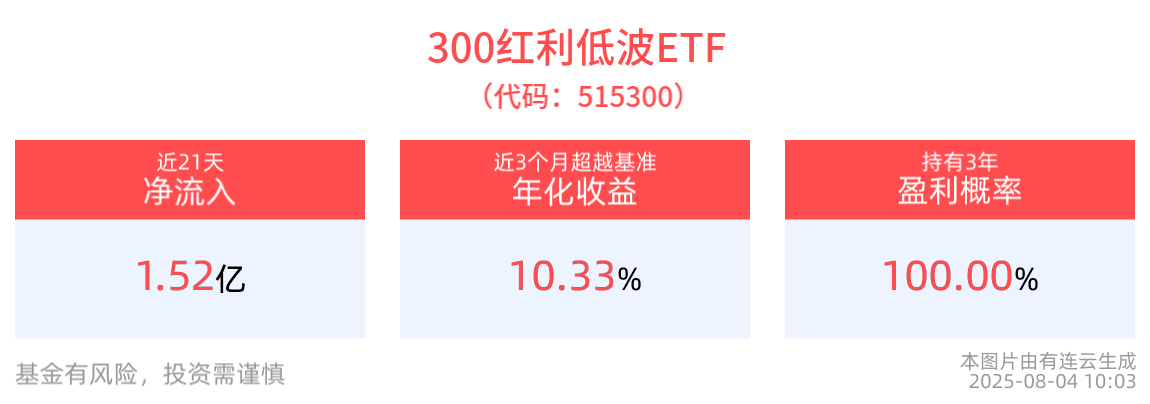
300红利低波ETF(515300)红盘上扬,近21日累计“吸金”1.52亿元
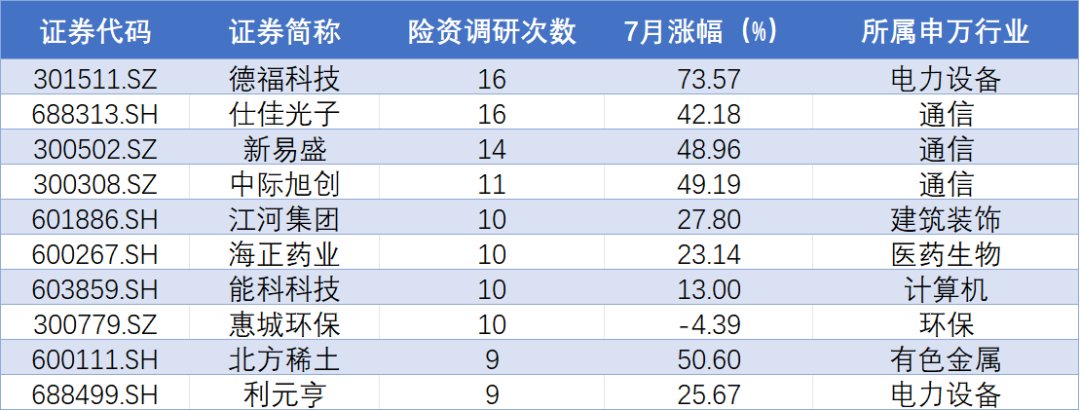
Sou Hu Cai Jing· 2025-08-04 02:21
Group 1 - The 300 Dividend Low Volatility ETF has seen a trading volume of 43.06 million yuan on a single day, with an average daily trading volume of 139 million yuan over the past week as of August 1 [2] - The latest scale of the 300 Dividend Low Volatility ETF reached 5.625 billion yuan, with net inflows of 152 million yuan over 11 out of the last 21 trading days [2] - The net value of the 300 Dividend Low Volatility ETF has increased by 63.37% over the past five years, ranking 55th out of 998 index equity funds, placing it in the top 5.51% [2] Group 2 - The top ten weighted stocks in the CSI 300 Dividend Low Volatility Index include China Shenhua, Gree Electric, Sinopec, Shuanghui Development, Daqin Railway, Midea Group, China State Construction, Baosteel, Huayu Automotive, and China Mobile, accounting for a total of 35.09% [2] - The highest monthly return since inception for the 300 Dividend Low Volatility ETF was 13.89%, with the longest consecutive monthly gains being five months and the maximum gain during that period being 14.56% [2] - The annualized return over the past three months has exceeded the benchmark by 10.33% as of August 1, 2025 [2] Group 3 - China Galaxy Securities believes that the adjustment of the long-term assessment of insurance funds by the Ministry of Finance will promote the allocation of equity assets by insurance capital, extending the duration of asset allocation [4] - The banking sector is characterized by stable performance and dividends, aligning with the long-term, value, and conservative investment strategies of insurance capital, which may attract long-term incremental capital inflows [4] - Guotai Junan points out that in the current environment of rising market risk appetite and a shift of funds from bonds to equity assets, dividend assets are gaining attention due to their stable cash flow and defensive attributes [5]

公募机构看好后市 均衡配置应对行业轮动
Zhong Guo Zheng Quan Bao· 2025-08-03 22:01
Core Viewpoint - The public fund institutions generally believe that the A-share market is likely to experience a volatile upward trend in August, suggesting a balanced allocation to cope with market fluctuations and sector rotations, while focusing on dividend assets, undervalued technology stocks, and "anti-involution" cyclical investment opportunities [1][2]. Market Outlook - As of the end of July, over 90% of actively managed equity funds have achieved positive returns this year. Despite potential short-term adjustments due to increased domestic and international disturbances, the positive changes in the funding environment support a relatively optimistic market trend. The high growth of household savings combined with an "asset under-allocation" environment indicates strong demand for high-return assets, suggesting a positive cycle of capital inflow and market performance [2][3]. Economic Fundamentals - From a fundamental perspective, fiscal policy is gaining momentum, and consumer sectors are showing resilience, with total demand expected to improve marginally in the second quarter. The support of active fiscal policies is anticipated to maintain stable total demand in the second half of the year, reducing the likelihood of economic downturns. The current low-interest-rate environment continues to favor equity assets, with incremental capital feedback effects likely to emerge, supporting an upward trend in the index [3][4]. Sector-Specific Opportunities - Investment opportunities are recommended in three main lines: 1. Industry trends, focusing on technology growth recovery, with potential catalysts in AI, military, and innovative pharmaceuticals 2. Policy guidance, increasing attention to domestic consumption sectors benefiting from policy support, as well as "anti-involution" sectors like new energy 3. In a low-interest-rate environment, dividend assets remain a solid choice [4]. - The current market sentiment is at a high level, suggesting a balanced allocation strategy to manage potential volatility and rapid rotations. Key areas of focus include dividend assets and undervalued technology stocks [4]. - For the Hong Kong stock market, investment directions include leading technology and internet companies, consumer recovery (both discretionary and non-discretionary), biomedicine and innovative pharmaceuticals, as well as high-dividend assets [4].
公募机构8月份掘金图曝光 科技与红利资产成焦点
Zheng Quan Ri Bao Zhi Sheng· 2025-08-03 16:09
Group 1 - The A-share market is expected to continue a structural trend in August, with short-term fluctuations but long-term upward potential due to domestic economic resilience and clear industrial upgrade trends [1][2] - Fund institutions, including Changcheng Fund and Morgan Stanley, highlight the strong inflow of incremental capital into the A-share market, driven by significant profit-making effects and increasing investor optimism [1][2] Group 2 - Multiple public funds are optimistic about the technology growth sector, particularly the AI industry chain, suggesting a focus on low-position technology stocks and the commercialization of AI applications [2] - The investment value in sectors with clear commercialization paths and potential technological breakthroughs, such as advanced semiconductor processes, is expected to increase due to supportive policies and reasonable valuation levels [2] Group 3 - Dividend assets are also a key focus for some public funds, with a preference for a "dividend + growth" allocation strategy in the current low-interest-rate environment [3] - The attractiveness of Hong Kong dividend assets is expected to rise due to strong long-term capital allocation demand and narrowing AH share premium trends [3]
转债市场周报:转债进入强股性区间,风险与机遇并存-20250803
Guoxin Securities· 2025-08-03 15:15
证券研究报告 | 2025年08月03日 转债市场周报 转债进入强股性区间,风险与机遇并存 核心观点 固定收益周报 上周市场焦点(7 月 28 日-8 月 1 日) 上周转债个券多数收跌,中证转债指数全周-1.37%,价格中位数-1.22%, 我们计算的算术平均平价全周-1.00%,全市场转股溢价率与上周相比 +0.09%。个券层面,奇正(创新药)、东杰(实控人或变更)、天路(雅 下水电概念)、景 23(PCB)、海波(桥梁钢结构工程)转债涨幅靠前; 大禹(雅下水电概念&已公告强赎)、亿田(算力概念)、应急(军工& 已公告强赎)、奥飞(数据中心)、宏丰(合金材料&已公告强赎)转 债跌幅靠前。 观点及策略(8 月 4 日-8 月 8 日) 转债进入强股性区间风险与机遇并存,警惕三方面风险(小盘股/债市 压力/条款乐观定价),挖掘三类机会(反内卷/正股成长高波/红利): 7 月沪指站上 3600 点,转债平均平价站上 110 元,市场价格中位数大于 130 元,均处于 2010 年来 90%、2023 年以来 100%分位数,转债资产已 进入强股性区间;随着债底保护下降,估值进一步提升,我们认为后续 续警惕三类风 ...

博时基金周龙:优质红利资产依然是重点布局方向
Shang Hai Zheng Quan Bao· 2025-08-03 13:34
Core Viewpoint - High-quality dividend assets remain a key focus for investment, driven by the increasing demand for stable returns from investors [1] Group 1: Stock Selection Logic - The core of stock selection for dividend assets is the assessment of the stability of a company's free cash flow, which is essential for sustainable dividends [1][2] - Three main aspects are considered when evaluating the stability of free cash flow: 1. Demand sustainability and stickiness in the industry, avoiding sectors with long-term decline [2] 2. Favorable competitive landscape, preferring companies with competitive advantages such as exclusive operating rights and cost advantages [2] 3. Companies that have passed their capital expenditure peak and are entering a phase of generating free cash flow [2] Group 2: Industry Focus - Dividend assets are primarily found in sectors such as public utilities, large financials, and consumer goods, with specific examples including water, electricity, and waste management [2] - Industries like water and telecommunications are highlighted for their stable operating models, while sectors like thermal power and urban gas are noted for their profit volatility due to price and capital expenditure influences [2] Group 3: Advantages of Dividend Assets - Dividend assets have shown strong performance, with market risk appetite increasing, yet they continue to demonstrate investment value [3] - High dividends provide a dual risk buffer, indicating strong business models and governance, while low valuations correspond to lower volatility [3][4] - Dividend-paying companies typically exhibit stable earnings and lower valuation volatility, making them suitable for core portfolio allocation [4] Group 4: Market Characteristics - The number of high-dividend candidates in the market is limited and stable, often comprising mature companies that are easier for investors to evaluate [5] - Industries like high-end liquor and white goods have stable competitive landscapes, with leading companies maintaining strong positions [5]
这些个股,险资重点关注
Zhong Guo Zheng Quan Bao· 2025-08-02 14:44
Group 1 - Insurance capital has shown significant interest in the technology growth sector, particularly in the computer, electronics, and biopharmaceutical industries, with over 800 investigations conducted in July involving more than 280 stocks [1][3] - The computer industry led the investigations with a total of 88 times, followed closely by electronics and biopharmaceuticals, each exceeding 80 investigations [3] - Notable companies such as Defu Technology and Shijia Photon received the highest attention, each being investigated 16 times [4] Group 2 - Defu Technology, a leader in power equipment, announced plans to acquire 100% of a Luxembourg copper foil company for €1.74 billion, which is expected to increase its annual production capacity from 175,000 tons to 191,000 tons [6] - Shijia Photon, a leader in optical chips, is focused on the optical communication industry and has been under scrutiny regarding its business progress and expansion plans [6] - In July, stocks like Dongxin Co. saw significant price increases, with a rise of over 110%, while Defu Technology's stock increased by over 70% [6] Group 3 - Insurance capital has accelerated its market entry, with 21 instances of stake acquisitions reported this year, surpassing the total for the entire previous year [8] - The insurance asset management industry has shown a rebound in investment confidence, with the index rising from 50.12 in Q2 to 56.11 in Q3 [8] - The current market is viewed as reasonably undervalued, with expectations of continued policy support and a focus on growth stocks and large-cap stocks [8]

又一明星基金经理宣布限购!
券商中国· 2025-08-02 14:03
Core Viewpoint - The article discusses the recent trend of fund managers, particularly from Yongying Fund, announcing purchase limits on their funds to manage investor enthusiasm and maintain fund stability [2][3][4]. Fund Purchase Limits - Yongying Fund announced a purchase limit for its equity fund, Yongying Ruixin, starting from August 4, with a daily purchase cap of RMB 1 million per account. The fund has achieved over 60% returns since its inception on December 22, 2023, and has a total scale of RMB 5.016 billion as of the end of Q2 [2][4]. - The limit aims to guide investors towards rational and long-term investments, ensuring stable fund operations and enhancing the experience for existing holders [3][6]. Recent Trends in Fund Management - Multiple active equity funds have recently declared purchase limits, particularly those focused on dividend themes and quantitative small-cap strategies. Funds like Guojin Quantitative Multi-Factor and China Merchants Growth Quantitative Stock Selection have significantly reduced their purchase limits this year [3][7]. - The surge in investor interest in these funds is attributed to strong performance, particularly in the context of rising market conditions and the appeal of dividend assets amid bond market volatility [9]. Market Outlook - Yongying Fund anticipates a potential upward trend in the A-share market, driven by easing geopolitical tensions and domestic catalysts. The Federal Reserve's shift to a rate-cutting cycle and the opening of domestic monetary policy space are expected to support economic growth [6]. - The article highlights structural opportunities in the market, particularly in technology and consumer sectors, as well as the potential benefits from policy guidance in the context of supply-side reforms [11][12].

反转策略:红利滞涨下的超额选择
Huafu Securities· 2025-08-02 11:05
Group 1 - The report suggests that a reversal strategy may be a new choice in the current market environment, where overall profit growth is slowing and high-growth industries are contracting. The decline in dividend asset returns indicates that reversal strategies could present excess opportunities during periods of dividend stagnation [3][10]. - The reversal strategy is based on a model that tracks changes in industry profit expectations. A reversal signal is triggered when the profit expectation rises significantly from its low point, specifically by 25% or 70% [25][23]. - Historical data shows that when industry profit expectations rise by 25%, there is a 72% success rate over four months, with an average outperformance of 5% against the All A index. When the rise is 70%, the success rate increases to 80%, with an average outperformance of 7.8% over the same period [25][24]. Group 2 - The report highlights that the overall profit growth for the All A index has been declining from 2021 to 2024, with high-growth industries shrinking. However, there is an expectation that profit growth may reverse in 2025-2026 [6][10]. - The report identifies key industries such as non-bank financials, construction materials, electronics, steel, and telecommunications that have shown significant profit expectation increases since the beginning of the year [3][6]. - The analysis indicates that during periods of dividend stagnation, reversal strategies tend to outperform, particularly in weak economic conditions where high dividend assets are underperforming [15][16].
“两新”加码撬动下沉市场与银发经济 降息预期下红利资产与科技成长共舞
Zhong Guo Zheng Quan Bao· 2025-08-01 23:43
Group 1: Market Overview and Policy Implications - The A-share market is experiencing a rebound with increased trading activity and improved investor sentiment as policy expectations rise, particularly as the "14th Five-Year Plan" approaches its conclusion [1] - Analysts suggest that under the dual drivers of the expansion of "two new" policies and the "anti-involution" capacity clearance, the upgrading of consumption in lower-tier markets, the silver economy supply chain, and "specialized, refined, and innovative" enterprises are undervalued opportunities [1][9] - The current market strategy is to adopt a dual allocation of "dividend assets as a shield and new tracks as a spear," with dividend assets providing stability amid uncertainty and new tracks driven by policy support and technological innovation [9] Group 2: Fiscal Policy and Economic Growth - Fiscal policy in the first half of the year has been proactive, with increased spending intensity and a focus on urban renewal, human investment, and industrial upgrades [2][3] - The fiscal deficit has increased significantly, with government debt financing reaching 55.2% of the annual plan, indicating the critical role of fiscal policy in stabilizing consumption, investment, and the financial system [3] - The government is expected to introduce additional fiscal measures to support employment, businesses, and market stability, particularly in response to potential declines in tax revenue and land transfer income [3][4] Group 3: Consumer Market and Silver Economy - The introduction of policies promoting the replacement of old consumer goods is expected to benefit lower-tier markets and the silver economy, creating significant market opportunities [5][6] - The "old-for-new" policy is anticipated to enhance consumer experiences in lower-tier markets, leading to improved logistics and after-sales services, thus fostering a better consumption environment [5] - The aging population is expected to drive demand in healthcare, elderly services, and related industries, with opportunities in medical devices, innovative drugs, and elder-friendly products [6] Group 4: Industry Dynamics and Competitive Landscape - The "anti-involution" policy is expected to accelerate capacity clearance in traditional industries, benefiting leading companies with strong technical capabilities and efficient production processes [7][8] - Leading enterprises are likely to gain market share and improve profitability as they navigate price pressures and competition, supported by favorable policy measures [7][8] - The competitive landscape may undergo significant changes as policies are implemented, with leading companies becoming primary beneficiaries of the policy dividends [7] Group 5: Investment Opportunities and Market Trends - The investment logic for core assets is shifting from "reassessing resilience" to "reassessing growth," with a focus on companies that demonstrate strong fundamentals and growth potential [10][11] - The anticipated U.S.-China interest rate cuts are expected to lower financing costs for the real economy, benefiting sectors such as real estate and technology, while also enhancing consumer demand [11] - The market is likely to see increased interest in high-dividend, stable cash flow sectors, such as banking and utilities, as investors seek refuge amid potential market volatility [11]