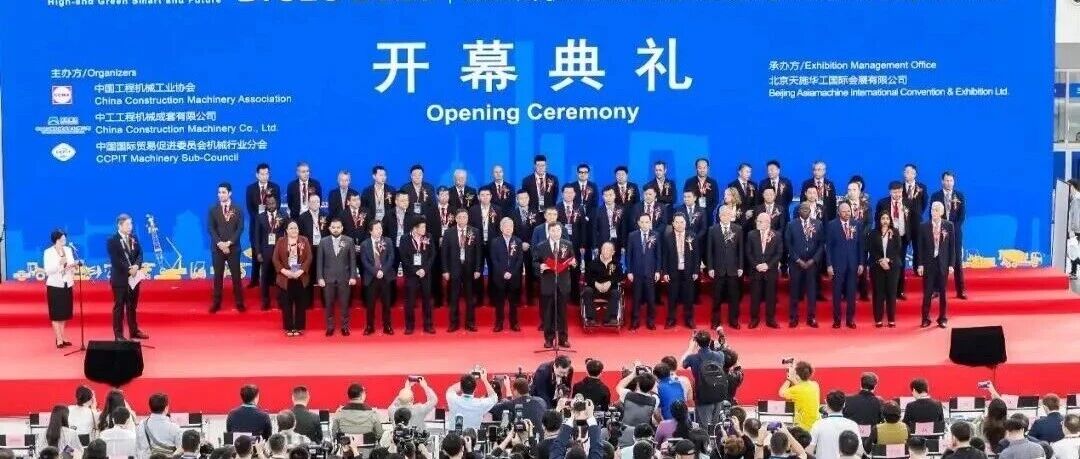
电动化

Search documents
告别“内卷”价格战,决胜“智能”新赛道 第十七届猎车榜探寻产业未来答案
Mei Ri Jing Ji Xin Wen· 2025-10-14 09:09
Group 1 - The core viewpoint of the articles highlights a significant transformation in the Chinese automotive industry, moving from a price war to a focus on brand value and reasonable profits, emphasizing a "value war" instead of aggressive price competition [1][2] - The latest sales data from the Passenger Car Association indicates that in September, the retail sales of passenger cars reached 2.241 million units, a year-on-year increase of 6.3% and a month-on-month increase of 11%. Cumulatively, from January to September, retail sales reached 17.005 million units, up 9.2% year-on-year [1] - The penetration rate of new energy vehicles in September was 57.8%, marking a continuous positive growth trend for eight months, with an increase of 4.5 percentage points compared to the same period last year [1] Group 2 - Despite the overall positive outlook for the domestic automotive market, brands face challenges such as declining profit margins and the need for sustained R&D investment while accelerating transformation [2] - As the penetration rate of new energy vehicles continues to rise, the competitive focus of the automotive industry is shifting towards the field of intelligence, necessitating differentiation in products to avoid homogenization [2] - The 17th "Hunting Car List" will focus on "value reconstruction and intelligent travel new realm," aiming to recognize companies that excel in product quality, sales, and brand reputation while also addressing the challenges and opportunities presented by the electric and intelligent trends in the automotive industry [3]
从“利润源泉”到“试炼场”:跨国车企正在华锻造全球竞争力
Guan Cha Zhe Wang· 2025-10-14 08:57
Core Insights - The Chinese automotive market has shifted from high growth opportunities to intense competition, creating both survival pressure and attraction for international car manufacturers [1][3] - International brands have seen their market share in China's light vehicle sales drop from over 60% in 2020 to around 35% last year [1][3] Group 1: Market Dynamics - The influx of foreign car manufacturers into China began in the early 21st century, capitalizing on the large consumer base and rapid growth [1] - Local brands like BYD, NIO, Xpeng, and Li Auto have rapidly risen, creating a competitive landscape that emphasizes technology, cost, speed, and ecosystem integration [3][5] - Some foreign brands, including Suzuki, Mitsubishi, Renault, and Fiat, have chosen to exit or significantly reduce their operations in China [3] Group 2: Strategic Adjustments - Companies like Honda have adapted by shifting production to China, with their general engine business now producing about 70% of global output from their Chongqing facility [4] - Nissan and General Motors are now relying on local engineering teams to develop electric vehicles tailored to Chinese consumer preferences, reversing previous strategies that did not resonate with the market [7] - The development cycle for new models has been significantly shortened from 3-5 years to approximately 20 months due to local R&D and production [8] Group 3: Technological Integration - International car manufacturers are increasingly exploring digitalization and smart production management in collaboration with Chinese firms, leading to improvements in cost control, production efficiency, and product quality [8] - The shift in focus from "in China, for China" to "in China, for the world" reflects the growing importance of the Chinese market as a testing ground for global competitiveness [8] Group 4: Global Implications - The experiences gained in the Chinese market are being leveraged to enhance global competitiveness, with local advancements in electrification and supply chain efficiency benefiting multinational companies [9] - The evolving roles of local and foreign companies indicate a significant transformation in the global automotive industry, with local firms now contributing to the innovation and capability enhancement of international players [9]



百余款产品大PK!“2025第一商用车网年度评选”即将开启
第一商用车网· 2025-10-14 07:44
Core Viewpoint - The annual evaluation event for commercial vehicles, organized by the First Commercial Vehicle Network, aims to discover outstanding companies and products, promoting "Chinese Intelligent Manufacturing" and the sustainable development of the commercial vehicle and parts industry [1]. Group 1: Industry Overview - 2025 is characterized as a year of significant competition and transformation within the commercial vehicle industry, with a focus on electric, intelligent, and low-carbon technologies driving high-quality development [4]. - The heavy truck market is experiencing a recovery, with new products being launched and sales expected to exceed one million units for the year [4]. - The light truck market is performing well, with new energy light truck sales surpassing 100,000 units in the first eight months, representing a year-on-year increase of 94%, becoming a core driver of growth [4]. - The bus industry is showing stable growth, with robust overseas exports [4]. - The engine market is accelerating its transition towards greener and smarter technologies [4]. Group 2: Event Highlights - The "2025 First Commercial Vehicle Network Annual Evaluation" has officially commenced, with awards to be presented for various segments including heavy trucks, light trucks, buses, new energy vehicles, and parts [1][4]. - The event aims to identify the most representative products, innovative technologies, best-selling brands, and highest quality products within the commercial vehicle sector [4].

构建汽车行业央企ESG评价体系:核心在于环境和供应链指标:A股央企ESG系列报告之五
Shenwan Hongyuan Securities· 2025-10-14 05:08
Investment Rating - The report does not explicitly state an investment rating for the automotive industry, but it emphasizes the importance of ESG (Environmental, Social, and Governance) management in the context of technological innovation and sustainable development [3][6]. Core Insights - The automotive industry is undergoing a technological transformation with the rise of electrification, and balancing technological innovation with green sustainable development is a critical issue [3][6]. - The report outlines the establishment of an ESG evaluation system for state-owned enterprises (SOEs) in the automotive sector, focusing on environmental and supply chain indicators [3][8]. - The report highlights the need for SOEs in the automotive industry to enhance their supply chain ESG management to mitigate risks associated with complex and lengthy supply chains [3][8]. Summary by Sections 1. Automotive Industry SOE ESG Policies - The automotive industry is facing new technological changes and must adhere to various national policies aimed at promoting electric, connected, and intelligent development [7][8]. - Key policies include the "14th Five-Year Plan for Automotive Industry Development" and the "New Energy Vehicle Industry Development Plan (2021-2035)" [6][7]. - Recent policies emphasize the need for a safe and controllable supply chain and significant improvements in green development levels [7][8]. 2. Constructing the Automotive Industry SOE ESG Evaluation System - The ESG evaluation system includes five additional indicators specific to the automotive industry: contributions to industry standards, internationalization, technological progress, employee training, and supply chain capability enhancement [8][9]. - The evaluation system consists of five main categories of positive indicators and one category of negative indicators, with a total of 19 primary indicators and 53 secondary indicators [8][9]. - The environmental indicators are aligned with national carbon neutrality policies and include aspects such as waste management and energy management [10][11]. 3. Core Assumptions of Risks - The report notes that the pace of policy implementation related to ESG may not meet expectations, which could impact the automotive industry's transition to sustainable practices [28].
里昂:首予三一国际目标价11港元 评级“跑赢大市”
Zhi Tong Cai Jing· 2025-10-14 02:46
Group 1 - The core viewpoint of the report is that SANY International (00631) is given a target price of HKD 11 and an outperform rating by Credit Lyonnais [1] - The company is expected to achieve a profit of RMB 2.5 billion in 2025, with a compound annual growth rate (CAGR) of 54%, reaching RMB 4 billion by 2027 [1] - The CAGR for the truck and port equipment segments is projected to be 30% and 25%, respectively [1] Group 2 - SANY International focuses on the mining and port equipment industry [1] - The trend towards electrification and breakthroughs in hybrid technology for electric mining trucks are driving mining companies to seek new truck suppliers due to significant advantages in fuel efficiency and maintenance requirements [1] - The company's order-to-bill ratio has reached record highs, driven by the recovery of global trade and supply chain disruptions post-pandemic [1]
财联社汽车早报10月14日
Xin Lang Cai Jing· 2025-10-14 01:57
Group 1 - The Ministry of Industry and Information Technology (MIIT) is seeking public feedback on draft requirements for vehicle production enterprises, aiming to enhance the intelligence and connectivity capabilities of automotive companies and raise production access thresholds [1] - The MIIT's revised requirements emphasize a systematic approach, safety standards, problem orientation, and adaptation to industry changes, focusing on improving product safety and after-sales service capabilities [1] - The trend towards electrification, intelligence, and connectivity is identified as a core factor determining the technological level of the automotive industry [1] Group 2 - In the first three quarters, China's self-owned brand electric vehicle exports accounted for 59.5% of total electric vehicle exports, showing a significant increase compared to the previous year [1] - The General Administration of Customs reported that high-tech product exports reached 3.75 trillion yuan, growing by 11.9%, contributing over 30% to the overall export growth [1] Group 3 - The China Passenger Car Association reported that retail sales of passenger cars in September reached 2.241 million units, a year-on-year increase of 6.3% and a month-on-month increase of 11% [4] - Cumulative retail sales for the year reached 17.005 million units, reflecting a year-on-year growth of 9.2% [4] - The penetration rate of new energy vehicles in the domestic passenger car market reached 57.8% in September, up 5 percentage points from the same period last year [4] Group 4 - The Secretary-General of the China Passenger Car Association, Cui Dongshu, indicated that the automotive market is expected to maintain stable growth in the fourth quarter, with upward adjustments to the 2025 growth forecast anticipated [6][7] - The upcoming adjustment of the new energy vehicle purchase tax exemption policy is expected to stimulate consumer purchases before the end of the year [6] Group 5 - Seres has passed the listing hearing on the Hong Kong Stock Exchange and plans to issue up to 331 million shares for its IPO, with funds aimed at enhancing technology R&D and expanding marketing channels [8] - Xiaomi's customer service addressed concerns regarding the SU7 vehicle's safety features following an accident, stating that the vehicle will unlock after detecting a collision [8] Group 6 - XPeng Aeroht announced the signing of agreements for the first batch of 600 flying cars in the Middle East, indicating a strategic move towards global expansion [9] - Pirelli celebrated its 20th anniversary in China, reaffirming its commitment to the market and planning further investments [9] Group 7 - Polestar has closed its last physical store in China, shifting to an online sales model to better align with the rapidly changing consumer demands in the market [10]
提高门槛 完善标准 工信部修订多项汽车领域审查要求
Zhong Guo Jin Rong Xin Xi Wang· 2025-10-13 23:55
Core Viewpoint - The Ministry of Industry and Information Technology (MIIT) has revised the admission review requirements for road motor vehicle production enterprises and products to enhance product quality and safety, adapting to the new trends in the automotive industry and promoting sustainable development [1][3]. Group 1: Enterprise Review Requirements - The revised "Enterprise Review Requirements" raise the standards for enterprises' capabilities in intelligence, connectivity, and production admission thresholds, emphasizing cybersecurity and data security [1][2]. - New requirements for "group management" have been introduced, enhancing the efficiency of admission management and resource utilization in the industry [2]. - The review process has been adjusted to reduce the burden on enterprises by modifying production equipment requirements and relaxing certain R&D capability demands based on product characteristics [2]. Group 2: Product Review Requirements - The "Product Review Requirements" now include standards related to reliability and vehicle safety, reinforcing the safety baseline for vehicles [2]. - The revisions aim to standardize and clarify review requirements, improving the precision and effectiveness of the review process [2]. - The approach maintains a prudent and inclusive principle, creating a regulatory pathway for the application of emerging technologies and supporting industry innovation [2]. Group 3: Industry Challenges and Responses - The automotive industry is rapidly transitioning towards electrification, intelligence, and connectivity, leading to new safety risks and challenges in management [3]. - The need for improved admission review requirements is underscored by concerns over irrational competition, which may compromise product safety and consumer rights [3]. - The MIIT emphasizes the importance of balancing development and safety, ensuring that the revised requirements support the transformation and upgrading of the automotive industry [3].
BBA失守中国市场,奔驰三季度交付量大跌27%
2 1 Shi Ji Jing Ji Bao Dao· 2025-10-13 14:54
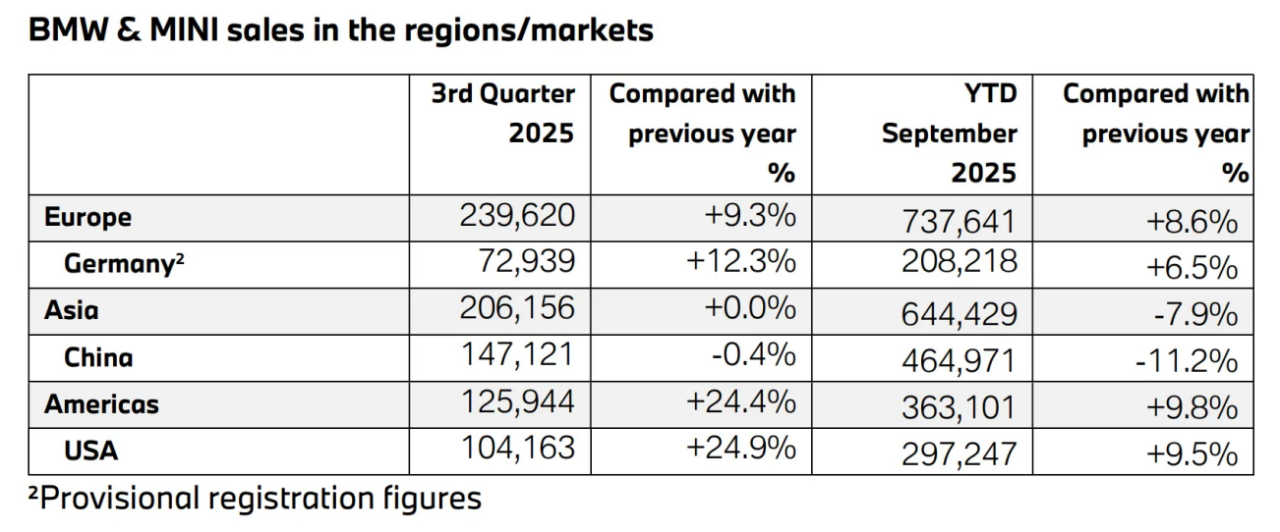
Core Insights - The luxury car market is undergoing significant changes, with BBA (BMW, Mercedes-Benz, Audi) showing a divergence in performance: BMW is leading, Mercedes-Benz is under pressure, and Audi is catching up [1] Group 1: Sales Performance - BMW is the only company among BBA to achieve positive sales growth, with global deliveries reaching 588,300 units in Q3, a year-on-year increase of 8.8%, and a total of 1,795,900 units for the first three quarters, up 2.4% [1] - Mercedes-Benz's Q3 global sales were 525,300 units, down 12% year-on-year and 4% quarter-on-quarter, with a total of 1,601,600 units for the first three quarters, a decrease of 9% [1] - Audi's Q3 global sales were 397,100 units, a year-on-year decline of 2.5%, with total sales for the first three quarters at 1,191,100 units, down 4.8% [1] Group 2: Market Challenges in China - BMW's sales in China fell by 0.4% in Q3 to 147,100 units, with a cumulative decline of 11.2% to 464,900 units for the first three quarters, making China the only market where BMW experienced a downturn [3] - Mercedes-Benz faced a significant drop in China, with Q3 deliveries plummeting 27% to 125,000 units and a total decline of 18% to 418,000 units for the first three quarters, marking China as its largest market decline [5] - Audi's sales in China showed signs of recovery, with its joint venture reporting a 13.5% increase in sales for the first three quarters [5] Group 3: Competitive Landscape - The market share of German brands has decreased from 18.4% in January 2025 to 14.3% in September 2025, indicating increased competition from local brands [5] - In the 200,000 to 300,000 yuan price range, local brands are challenging BBA's entry-level models, while in the higher price segments, brands like NIO and Li Auto are competing for core customers [6] Group 4: Profit Outlook - Due to the impact of the Chinese market, BMW revised its full-year profit forecast, now expecting a pre-tax profit "slightly lower" than last year's 10.97 billion euros (approximately 90.98 billion yuan) [6] Group 5: Electrification Strategies - BMW leads in electrification, with 323,000 electric vehicle deliveries in the first three quarters, a 10% increase [8] - Mercedes-Benz is launching a major product offensive in the electric vehicle sector, with plans to introduce at least 40 new models by the end of 2027 [9] - Audi is adjusting its electrification strategy, focusing on a balanced approach between long-term electric goals and flexible product offerings [11]


BBA在华销量失守,加速布局纯电赛道
2 1 Shi Ji Jing Ji Bao Dao· 2025-10-13 12:21
Core Insights - The luxury car market is undergoing significant adjustments, with BBA (BMW, Mercedes-Benz, Audi) showing a divergence in performance: BMW is leading, Mercedes-Benz is under pressure, and Audi is catching up [1] BMW Performance - BMW is the only company among BBA to achieve positive sales growth, with global deliveries reaching 588,300 units in Q3, a year-on-year increase of 8.8%, and a total of 1,795,900 units for the first three quarters, up 2.4% [1] - Strong performance in North America and Europe has offset the decline in the Chinese market [1] - In China, BMW delivered 147,121 vehicles in Q3, a slight decrease of 0.4%, with a cumulative drop of 11.2% to 464,971 units for the first three quarters [2][3] Mercedes-Benz Performance - Mercedes-Benz faced more significant sales pressure, with Q3 global sales dropping to 525,300 units, down 12% year-on-year and 4% quarter-on-quarter, totaling 1,601,600 units for the first three quarters, a decrease of 9% [1][4] - In China, Mercedes-Benz's Q3 deliveries plummeted by 27% to 125,000 units, with a cumulative decline of 18% to 418,000 units for the first three quarters [4] Audi Performance - Audi's Q3 global sales were 397,100 units, a year-on-year decline of 2.5%, with a total of 1,191,100 units for the first three quarters, down 4.8% [1] - The sales gap between Audi and BMW has widened to over 600,000 units [1] Market Dynamics - The luxury car market in China is becoming increasingly competitive, with domestic brands challenging BBA's entry-level models in the 200,000 to 400,000 yuan price range [4][5] - The market share of German brands has decreased from 18.4% in January 2025 to 14.3% in September 2025 [4] Profit Outlook - Due to the impact of the Chinese market, BMW has revised its full-year profit forecast, expecting a pre-tax profit "slightly below" last year's €10.97 billion (approximately 90.98 billion yuan) [5][6] Electrification Strategies - BBA's electrification paths are diverging: BMW is leading, Mercedes-Benz is aggressively pushing forward, and Audi is taking a more pragmatic approach [7] - BMW's electric vehicle sales reached 323,000 units in the first three quarters, a year-on-year increase of 10% [8] - Mercedes-Benz is launching a major product offensive in the electric vehicle sector, with plans to introduce at least 40 new models by the end of 2027 [9] - Audi is adjusting its electrification strategy, focusing on a balanced approach between long-term electric goals and flexible product offerings [9] Hybrid Market - The hybrid market remains a crucial support for BBA, with BMW's hybrid vehicle sales increasing by 8% to 152,000 units in Q3 [10] - Mercedes-Benz also relies on the hybrid market, delivering 96,000 hybrid vehicles, a year-on-year increase of 10% [11]
工程机械向新而进
工程机械杂志· 2025-10-13 09:32
Core Viewpoint - The engineering machinery industry is vital for infrastructure development, showcasing significant advancements in technology and sustainability at the recent BICES 2025 exhibition, with over a thousand exhibitors presenting innovative products and solutions [1][3]. Group 1: Digital Transformation - The industry is experiencing a digital transformation, with companies like LiuGong introducing smart mining solutions that enhance operational efficiency and safety through automation and electric machinery [4]. - LiuGong's large-scale smart green mining solution focuses on large-scale, electric, and intelligent operations, addressing the complex demands of mining environments [4]. - The integration of intelligent systems in engineering machinery has led to improved safety, efficiency, and reduced energy consumption [4]. Group 2: Electrification and Green Development - The engineering machinery sector is accelerating its transition towards electrification, driven by China's dual carbon strategy, with electric machinery gaining competitive advantages such as zero emissions and low noise [6][7]. - Companies like SANY are exploring electric and low-carbon solutions, achieving high energy efficiency in their electric systems, which can save significant operational costs compared to traditional diesel machines [7]. - By 2024, the penetration rates for electric lifting platforms and forklifts are projected to reach 92.5% and 73.6%, respectively, indicating a strong shift towards electric machinery [8]. Group 3: International Market Competitiveness - The recent exhibition attracted global buyers, highlighting the strong competitiveness of Chinese engineering machinery products in international markets, with companies expecting substantial orders from over 50 countries [9][10]. - Chinese engineering machinery firms are increasingly focusing on localized solutions to meet international standards, as seen in the export of large-diameter shield machines to Europe [10]. - From January to August this year, the industry recorded a trade surplus, with exports reaching $38.597 billion, reflecting a 11.4% year-on-year increase [11]. Group 4: Industry Growth and Future Outlook - The share of overseas revenue for A-share listed engineering machinery companies has surged from 11.38% in 2020 to 47.48% in 2024, indicating a significant shift towards international markets [11]. - The engineering machinery industry is expected to maintain a high level of export performance, supported by favorable macroeconomic policies and increasing international recognition of Chinese technology and products [11].