
消费分级

Search documents
2025北京商报家居智库沙龙共寻全渠道营销新链路
Bei Jing Shang Bao· 2025-08-31 09:15
Group 1 - The home furnishing industry is undergoing profound changes, with a focus on "omni-channel marketing" and the integration of AI technology to achieve precise positioning and differentiated competition [1][11] - The industry is expected to shift towards standardization, with quality becoming a core metric, similar to the "good housing" era in real estate [6][11] - The market size of China's home furnishing industry has surpassed 5 trillion yuan, but complaints about product homogeneity and inadequate scene adaptability remain high at 38% [7][16] Group 2 - The salon highlighted the importance of a "five-in-one" operational model involving enterprises, academic experts, associations, media, and government to provide comprehensive research services for the home furnishing industry [9][11] - The "old-for-new" policy promoted by the government encourages consumers to replace old furniture with environmentally friendly and high-quality products, driving the industry's green transformation and intelligent upgrade [12][16] - Douyin's e-commerce furniture sector has seen significant growth, with a 46% increase in GMV compared to last year, and a 99% increase in new product numbers in the first half of 2025 [16][12] Group 3 - The home furnishing market has entered a "consumption grading" era, presenting both challenges and opportunities for companies to focus on precise positioning and differentiated competition [18][21] - Companies are encouraged to adapt to changing consumer demands by enhancing their production systems and being responsive to market needs [25][32] - AI technology is seen as a powerful tool for enhancing product competitiveness and improving consumer experience, while also raising concerns about data privacy and security [27][29]

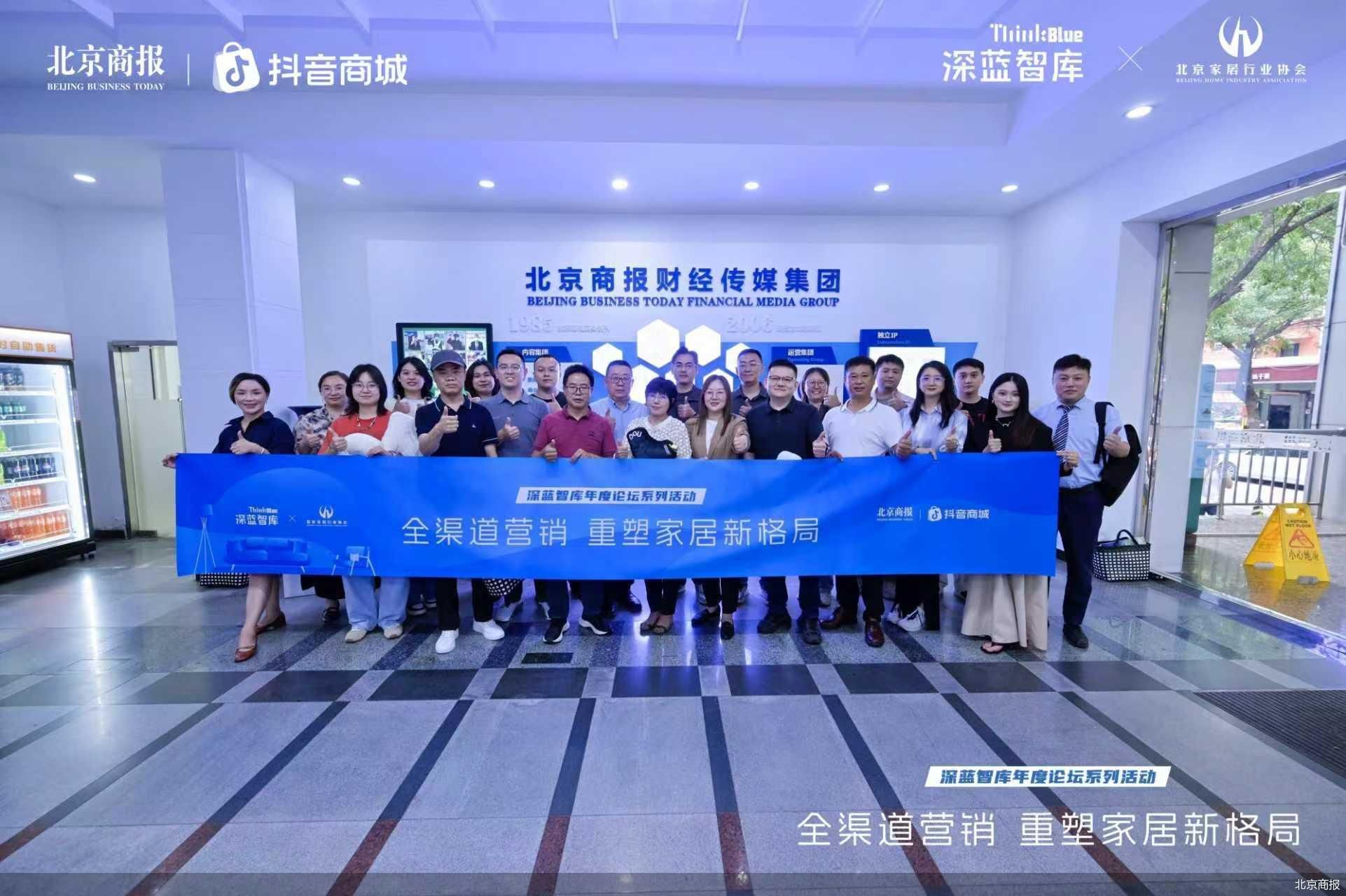
2025北京商报家居智库沙龙丨北京家居行业协会秘书长郑秀苗:家居行业深度转型 AI重塑产业协作模式
Bei Jing Shang Bao· 2025-08-29 21:43
Core Viewpoint - The home furnishing industry is undergoing a profound transformation, with omnichannel marketing becoming essential for survival and growth, while artificial intelligence (AI) is reshaping production and collaboration models [2][3]. Group 1: Industry Trends - The home furnishing industry is experiencing a significant shift characterized by a transition from traditional market structures to a more segmented consumer landscape, driven by policies such as national subsidies [2][3]. - Omnichannel marketing is no longer an optional strategy but a necessary approach for companies to thrive in the current market environment [3]. Group 2: Role of AI - AI is moving from experimental phases to practical applications in production, enhancing operational efficiency and transforming traditional linear business processes into a new closed-loop model driven by consumer demand [3]. - The value of AI extends beyond optimizing specific segments; it fundamentally redefines the collaborative dynamics within the entire industry [3]. Group 3: Future Development - The future of the home furnishing industry will not rely on simple scale expansion based on existing models but will stem from deep consumer insights, innovative technology applications, and a commitment to ecosystem collaboration [3].

2025北京商报家居智库沙龙丨宇曼家居董事长蒋克松:家居定制行业想走出一条发展之路,一定是在细分赛道做好自己
Bei Jing Shang Bao· 2025-08-29 21:43
Group 1 - The annual forum series by Deep Blue Think Tank focused on "Omni-channel Marketing Reshaping the New Landscape of Home Furnishing" held in Beijing on August 29 [1] - The salon discussed how home furnishing companies can leverage omni-channel strategies and AI technology to achieve precise positioning and differentiated competition in the context of a "consumption grading" era [1] - The event highlighted the importance of integrating national policies, such as state subsidies, into the strategic planning of home furnishing enterprises [1] Group 2 - A roundtable discussion featured Jiang Kesong, Chairman of Yuman Home Furnishing, who emphasized the need for clear positioning and customer profiling to meet personalized demands in the home furnishing sector [3] - Jiang noted that the company previously focused on meeting the needs of a broad customer base but now aims to cater to specific customer segments with targeted solutions [3] - He expressed the vision of transforming Yuman Home Furnishing into a company that not only sells materials but also fulfills the personalized needs of end consumers, advocating for a niche approach rather than following larger competitors [3]
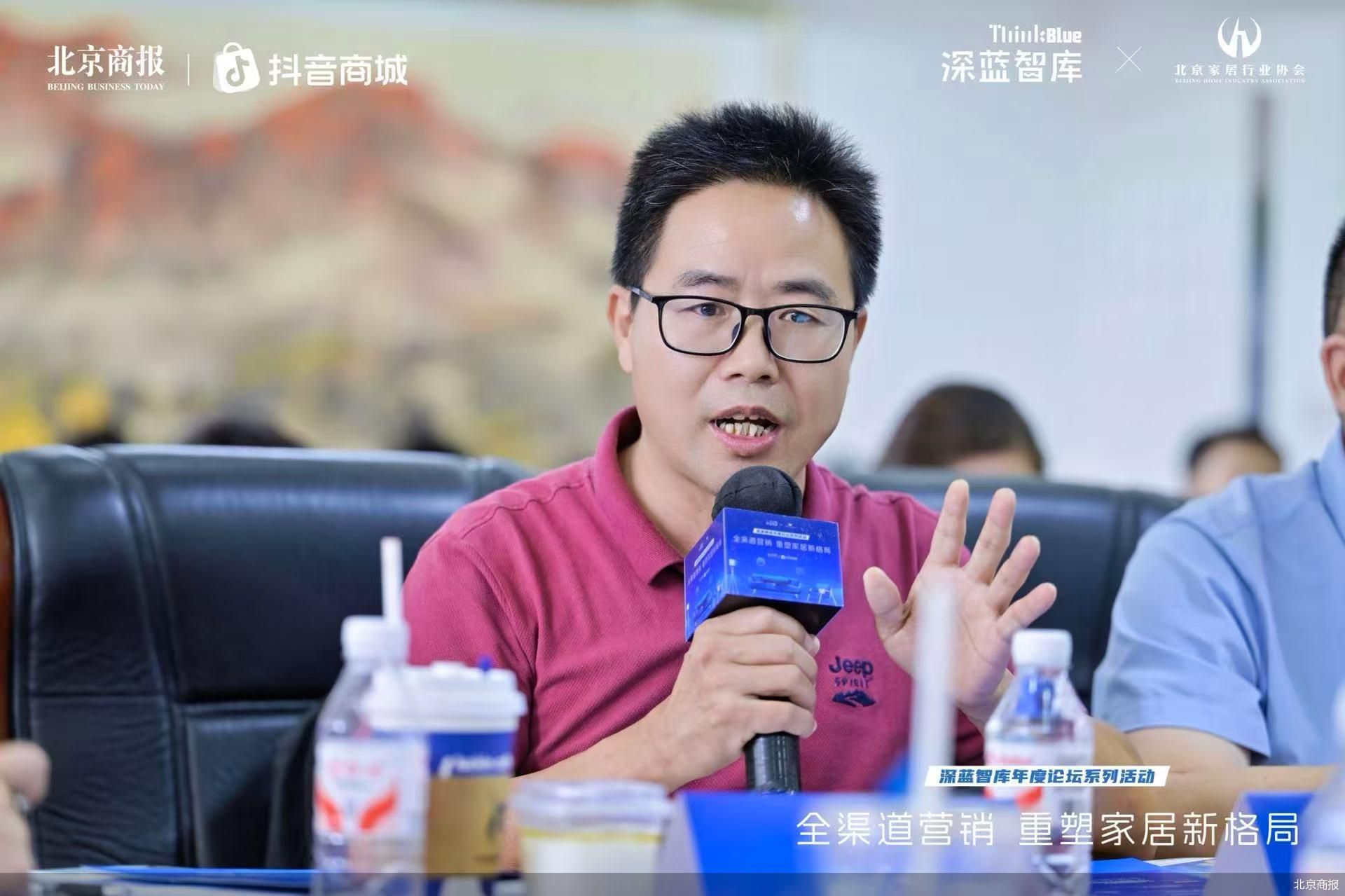
2025北京商报家居智库沙龙丨爱依瑞斯品牌运营中心总经理隋艺昆:以用户需求为核心 从三大创新破局家居行业竞争
Bei Jing Shang Bao· 2025-08-29 21:43
Core Insights - The annual forum hosted by Deep Blue Think Tank focused on "Omni-channel Marketing Reshaping the New Landscape of Home Furnishing" and discussed how home furnishing companies can leverage omni-channel strategies and AI technology to achieve precise positioning and differentiated competition in the context of the current market environment and national policies [1] Group 1: Market Environment and Consumer Needs - The disparity between the professional perspective of companies and the consumer demand perspective has led to high communication costs, making it crucial for companies to accurately capture consumer needs and integrate them into product development [3] - The shift in consumer focus towards health, comfort, and aesthetics has become a mainstream trend, highlighting the need for differentiated competition strategies [3] - The younger consumer demographic has shown an increased interest in product details, raising the expectations for companies and sales personnel [3] Group 2: Research Strategy Adjustments - Aiyirisi has shifted its research strategy from focusing on dealer needs to prioritizing end-user insights, aiming to transition product development from a company-centric approach to a user-problem-solving approach [3] Group 3: Innovation Directions for Differentiation - Aiyirisi identified three major innovation directions for differentiation: aesthetic innovation, comfort innovation, and technological innovation [4] - In aesthetic innovation, brands should create unique aesthetic labels to establish irreplaceability [4] - For comfort innovation, companies should continuously optimize product comfort, making it a core competitive advantage [4] - In technological innovation, companies must avoid "pseudo-technology" and focus on genuinely solving user problems without adding extra hassle for consumers [4]

2025北京商报家居智库沙龙丨北京商报社长助理、西街传媒总经理王海岩:深蓝媒体智库家居品牌研究院将提供“打造品牌”“服务品牌”“智库报告”三重研究服务
Bei Jing Shang Bao· 2025-08-29 21:43
Group 1 - The annual forum series by Deep Blue Think Tank focused on "Omni-channel Marketing Reshaping the New Landscape of Home Furnishing" held on August 29, 2023, in Beijing [1] - The salon discussed how home furnishing companies can leverage omni-channel strategies and AI technology to achieve precise positioning and differentiated competition in the context of a "consumption grading" era [1] - The event highlighted the importance of national policies, such as government subsidies, in shaping the current market environment for the home furnishing industry [1] Group 2 - Wang Haiyan, Assistant to the President of Beijing Business Daily and General Manager of Xijie Media, emphasized the role of the Deep Blue Media Think Tank Home Brand Research Institute as a platform for showcasing achievements in the home furnishing industry [3] - The Deep Blue Media Think Tank Home Brand Research Institute was established during the 7th China Home Brand Conference in 2023, serving as a think tank for brand research in the home furnishing sector [3] - The institute will adopt a "five-in-one" operational model involving enterprises, academic experts, associations, media, and government to provide three levels of research services: brand building, brand service, and think tank reports [3]
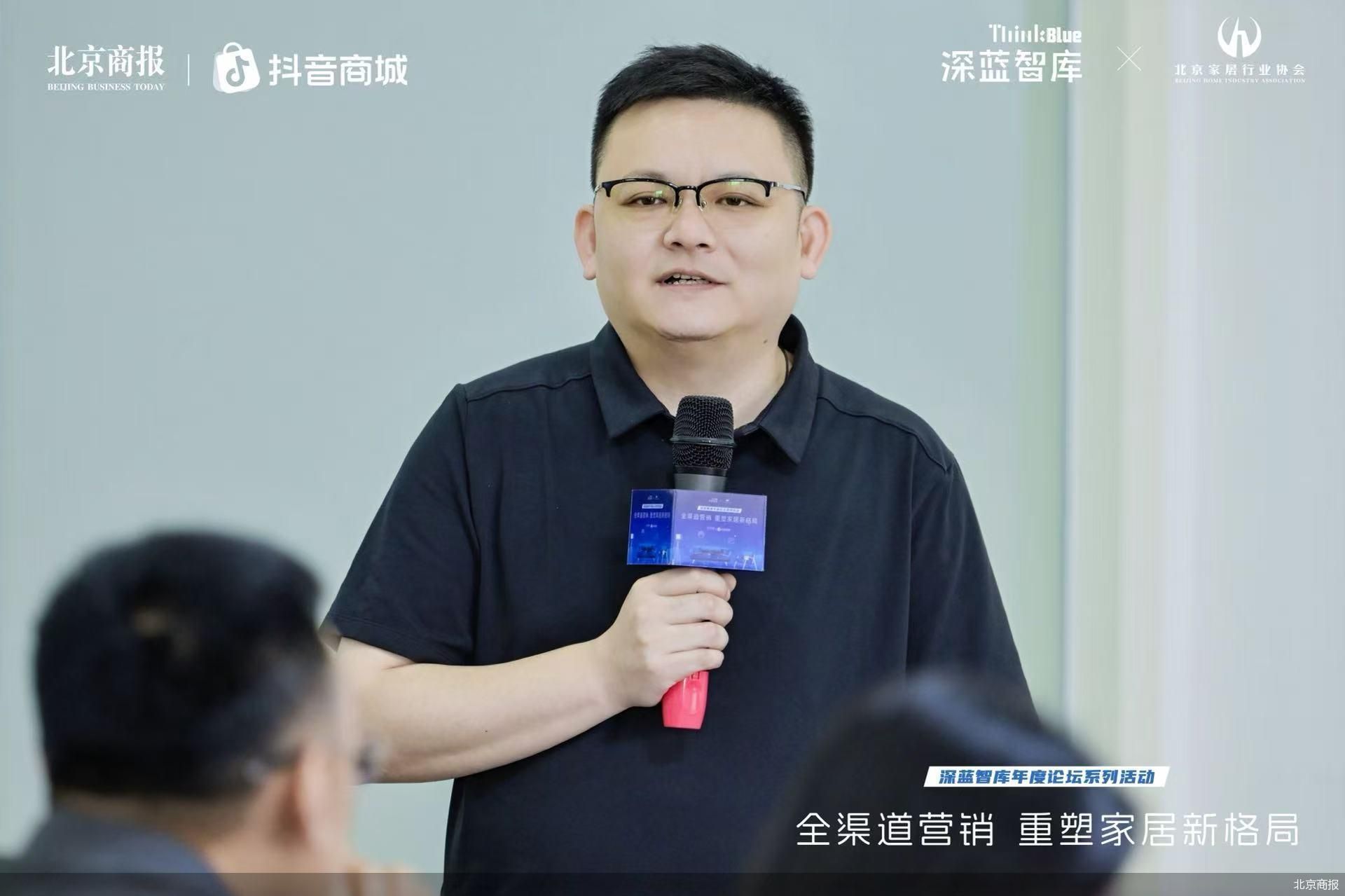
2025北京商报家居智库沙龙丨飞美家具总经理周凯军:企业只有前期备货做好做足,才会获得更多“种草”客户的机会
Bei Jing Shang Bao· 2025-08-29 21:43
Core Insights - The annual forum by Deep Blue Think Tank focused on "Omni-channel Marketing Reshaping the New Landscape of Home Furnishing" and discussed how home furnishing companies can leverage omni-channel strategies and AI technology to achieve precise positioning and differentiated competition in the context of a "consumption grading" era [1][3] Group 1: Market Environment - The home furnishing market has transitioned from a simple "upgrade" or "downgrade" linear development model to a diverse and coexisting "consumption grading" era, presenting both challenges and opportunities for home furnishing companies [3] - Companies need to address the era's demands through "precise positioning" and "differentiated competition" [3] Group 2: Company Strategies - Feimei Furniture's General Manager, Zhou Kaijun, emphasized the importance of digital systems and market research data analysis in their full-house customization services, which help in accurately understanding customer needs [3] - The company collects data and feedback to adapt its production systems, software, hardware, and materials to meet the evolving demands of customers, highlighting the need for flexibility and preparedness [3] - Feimei Furniture maintains a stock of over 20,000 imported boards and more than 200 color options to enhance customer engagement and increase opportunities for attracting new customers [3]

用港股通消费ETF(520620)走进“情价比”下的新一代消费浪潮
Shang Hai Zheng Quan Bao· 2025-08-27 09:49
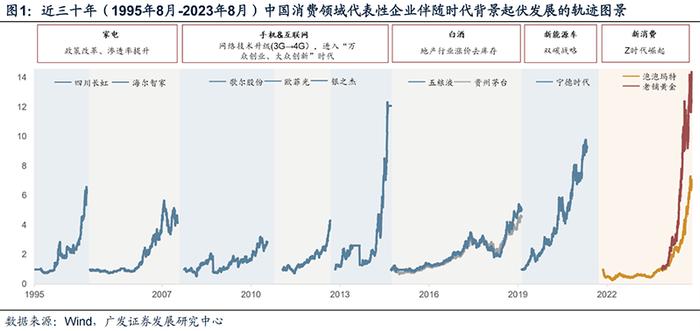
Group 1 - The core viewpoint of the articles highlights the significant contribution of domestic demand to GDP growth, with a contribution rate of 68.8% in the first half of the year, where final consumption expenditure accounted for 52% [1] - The Chinese consumption market is experiencing a trend of "consumption upgrading," emphasizing "value for money" and "emotional value," leading to the emergence of new consumption hotspots and driving the performance of the Hong Kong stock market's new consumption concept sector, which has seen a nearly 45% increase over the past year [2][3] - The rise of new consumption is driven by the Z generation's demand for self-satisfaction and the emergence of domestic IP, with a shift from Japanese-led industries to domestic competition, creating a differentiated competitive landscape [3][10] Group 2 - The Hang Seng Consumption Index, which tracks the top 50 consumer stocks in the Hong Kong market, focuses on both essential and non-essential consumption, with a significant portion (about 70%) in non-essential consumption [6][8] - The index's top three sectors are home appliances and supplies (33%), food and beverages (29%), and textiles and clothing (21%), aligning with current trends in self-satisfaction consumption and the rise of domestic products [6][8] - The index's valuation is currently at a low level, with the price-to-earnings ratio (TTM) at 19.31 times, below the median of the past five years, indicating potential for growth in the new consumption sector [10][12]

小菜园上半年净利增三成:计划明年门店破千家,客单价将稳定至55至60元
Xin Lang Cai Jing· 2025-08-27 03:09
Core Viewpoint - The company, Xiaocaiyuan, aims to expand its store count to over 3,000 in the next decade, with a target of 1,000 stores by the end of next year, supported by supply chain optimization and talent development [2] Financial Performance - Xiaocaiyuan reported a revenue of 2.714 billion RMB for the first half of the year, a year-on-year increase of 6.5% [2] - The net profit attributable to shareholders was 382 million RMB, reflecting a 35.7% year-on-year growth [2] - Basic earnings per share reached 0.33 RMB, an increase of over 20% compared to the previous year [2] Cost Management - The company achieved a reduction in raw material costs to 892 million RMB, down 2.2% year-on-year, due to centralized purchasing [2] - Employee costs for the first half of the year were 666.4 million RMB, a decrease of 8.2% year-on-year, attributed to improved management efficiency [2][3] - Employee costs as a percentage of revenue decreased from 28.5% to 24.6% [2] Customer Metrics - The average customer spending in the first half decreased from 60.4 RMB to 57.1 RMB [3][4] - The overall table turnover rate remained stable at 3.1 times per day [3][4] Business Segmentation - Dine-in revenue for the first half was 1.647 billion RMB, growing by 2.2%, while takeout revenue was 1.0574 billion RMB, increasing by 13.7% [5] - The company plans to maintain a takeout to dine-in ratio of approximately 30% to 70% [5] Store Expansion - The number of stores increased from 617 to 672 within a year, with over 40% of stores located in third-tier cities [5][6] - The company plans to open 3,000 new stores in the next 5-7 years, focusing on direct-operated stores [7] Leadership and Future Plans - The company emphasizes an internal promotion model for its management team, with over 100 operational managers being former store managers or chefs [7] - While international expansion is on the agenda, the primary focus remains on the domestic market due to its vast potential [7]
贴牌,冻品经销商的救命稻草?
3 6 Ke· 2025-08-22 00:30
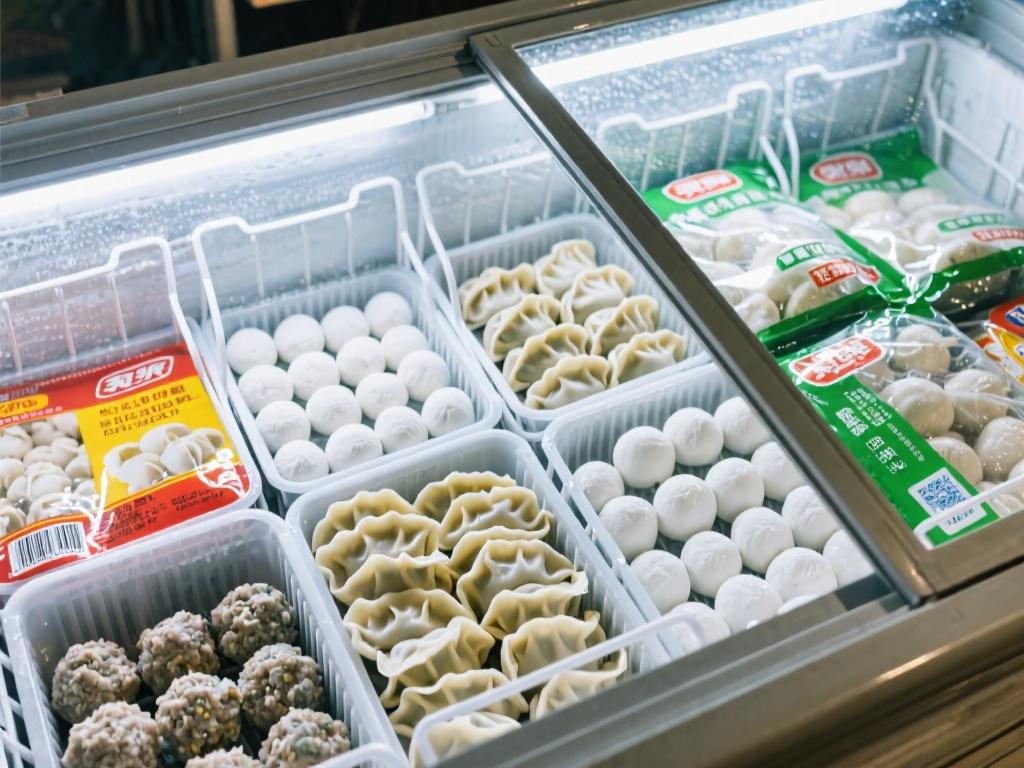
Group 1 - The frozen food market is undergoing significant changes, with distributors facing unprecedented challenges due to strong brand pressures and market factors, prompting a reevaluation of their business strategies [1][3] - Historically, frozen food distributors relied on well-known brands for stable profits, but recent years have seen increased control from major brands, higher entry barriers, and intensified competition leading to price wars [3][4] - The evolving market landscape is reshaping the entire frozen food supply chain, with rising consumer demands for quality and variety, alongside the emergence of new sales channels like e-commerce and community group buying, which are squeezing traditional distributors [4][6] Group 2 - In response to these challenges, private label production has emerged as a new strategy for frozen food distributors, allowing them to create products tailored to market demands and reduce reliance on major brands [7][10] - Private label products can offer higher profit margins compared to branded products, with some distributors reporting that private label frozen dumplings can yield double the gross margin of branded ones [7][10] - However, challenges such as quality control, brand building, and increasing competition among similar private label products pose significant risks for distributors venturing into this space [8][10] Group 3 - The rise of private labels is not merely a survival tactic but also a means to foster market diversification and innovation, enhancing consumer choice and satisfaction [10][13] - The relationship between brands and distributors is evolving towards a co-creation model, where both parties leverage their strengths to better serve consumers [10][13] - Digital tools and collaborative innovation among distributors are emerging as key strategies to improve operational efficiency and product development, with some companies utilizing data analytics to better understand consumer preferences [11][13]
低欲望时代,这八大行业将赚得盆满钵满
创业家· 2025-08-21 10:16
Core Insights - The article emphasizes that despite the prevailing narrative of economic hardship, certain industries are thriving and generating substantial profits, particularly in the context of Japan's "lost 30 years" and its implications for China [3][4]. Group 1: Emerging Opportunities - The concept of a "low-desire society" does not equate to a lack of opportunities; instead, it presents new avenues for business growth [4]. - Consumer behavior is shifting towards second-hand markets, with significant growth in platforms like Xianyu and Zhuanzhuan, indicating a rising demand for second-hand goods [6][9]. - The pet economy is booming, with brands like Guobao and Zhongchong seeing strong sales as consumers prioritize spending on pets over traditional family structures [11][12][15]. - The adult care market is expanding, particularly in China, where products like adult diapers are expected to see significant growth due to an aging population [16][18]. - The beauty and wellness sectors are thriving, with products like collagen supplements and at-home beauty devices gaining popularity, reflecting a continued consumer focus on aesthetics [23]. - Outdoor and leisure activities are on the rise, with brands in camping and outdoor gear experiencing increased sales as consumers seek experiences over material possessions [24][30]. - The emotional economy is gaining traction, with products that provide comfort and joy, such as low-alcohol beverages, becoming increasingly popular [25][26]. - The "lazy economy" is emerging, driven by younger generations who prefer convenience, leading to growth in frozen food and smart home appliances [29][31]. Group 2: Market Trends and Strategies - The article suggests that the current economic climate, often viewed as a "winter," actually presents opportunities for those willing to invest in counter-cyclical sectors [33]. - The upcoming event, "Black Horse Consumption Rise," aims to provide insights into how Japanese and Chinese companies can thrive in a stock market era through product innovation and brand expansion [34][39]. - The importance of understanding consumer needs and market segmentation is highlighted, with successful companies focusing on niche markets and innovative product offerings [42]. - The article discusses the significance of global branding and the need for Chinese companies to build trust in international markets through effective storytelling and cultural adaptation [43][49].
