
贸易逆差

Search documents
美元暴跌可能是一次“共谋”
Hua Xia Shi Bao· 2025-04-22 09:55
Group 1 - Trump's criticism of Powell's monetary policy has intensified, suggesting that the Federal Reserve should lower interest rates to prevent economic slowdown, especially in light of declining costs for energy and food [2] - Following Trump's remarks, the US dollar experienced a significant drop of 0.88% on April 21, reaching a low of 97.9137, while the euro and yen surged by 1.04% and 0.94% respectively [2] - The dollar has depreciated by 9% this year, with a nearly 6% decline occurring in April alone, while the euro and yen have appreciated by 11% and 10.74% respectively [2] Group 2 - The recent volatility in the currency market has seen the offshore yuan only slightly appreciating by 0.28% against the dollar this year, indicating uncertainty and chaos in the market due to Trump's tariff policies [3] - Trump's fluctuating tariff policies and interference with the Federal Reserve may undermine confidence in US economic decision-making and the credibility of the dollar [3] - The strong demand for the dollar as a global reserve currency has led to a high exchange rate, making US exports more expensive and imports cheaper, contributing to trade deficits and harming manufacturing [4] Group 3 - The ongoing trade negotiations between the US and EU, as well as Japan, have encountered significant deadlock, particularly regarding tariffs on industrial goods [5] - The US has maintained a firm stance on tariffs, with Japan denying any substantial progress in negotiations, especially concerning automotive and steel tariffs [6] - Future discussions on exchange rates are anticipated, with potential compromises expected, but not immediately, reflecting the complexities of the ongoing trade talks [6]

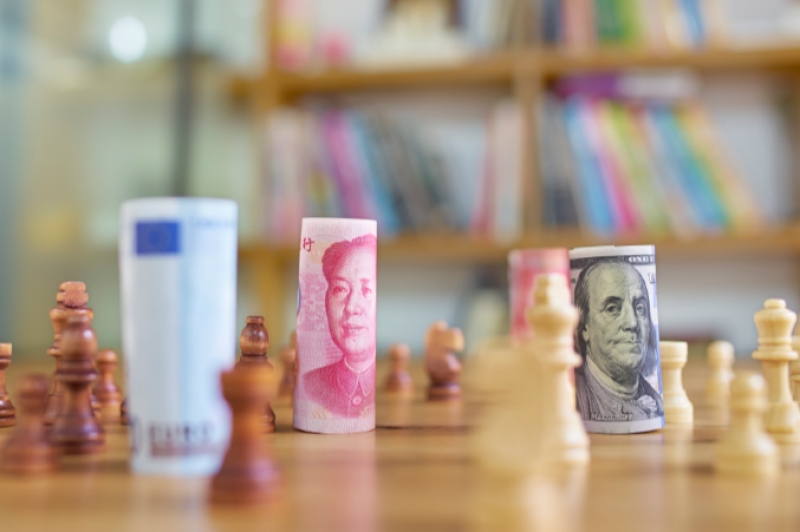
特朗普的关税豪赌是一场损人更害己的单边讹诈
Di Yi Cai Jing· 2025-04-21 11:59
Group 1 - The article criticizes the U.S. tariff policy as a unilateral and reckless approach that undermines international trade order and serves political interests [1][10] - The U.S. has imposed various tariffs on imports from China and other countries, including a 20% tariff on all Chinese goods and 25% on steel and aluminum [2][3] - The implementation of "reciprocal tariffs" has led to significant increases in tariffs on imports from various countries, with rates reaching as high as 125% for certain goods from China [3][4] Group 2 - The article argues that the "reciprocal tariff" calculation method is flawed and does not accurately reflect trade imbalances, as it is based on arbitrary parameters set by the U.S. [4][5] - The U.S. tariff policy is said to violate World Trade Organization (WTO) principles, including the most-favored-nation treatment and non-discrimination rules [5][6] - The article highlights that the U.S. trade deficit is a structural issue that cannot be resolved through tariffs, as it is influenced by comparative advantages and international division of labor [7][8] Group 3 - The article notes that since the onset of the trade war in 2018, the overall U.S. trade deficit has not decreased, but rather has been redistributed among trading partners [8][9] - It emphasizes that high tariffs will not effectively fund domestic tax cuts, as tariff revenue is minimal compared to income and sales taxes [9][10] - The article warns that the tariff policy is likely to increase inflationary pressures in the U.S., ultimately burdening consumers [10][11] Group 4 - The article discusses the political pressures facing the U.S. tariff policy, with increasing opposition from both parties and concerns about its economic impact [10][11] - It highlights the potential for significant market volatility and economic downturns as a result of the tariff measures, with major financial institutions adjusting their growth forecasts [11][12] - The article concludes that the high tariffs may distort global resource allocation and weaken the U.S. industrial base, contradicting the political promises made by the Trump administration [12][13]
美银专家深度解析:美国“互惠关税”冲击下,中美贸易谈判如何破局?
贝塔投资智库· 2025-04-21 03:25
以下文章来源于智通财经APP ,作者智通编选 智通财经APP . 智通财经APP,连线全球资本市场。内容合作/内容举报请联系李先生: Tel: +86-15121009144 Email:zhitongcolumn@163.com 点击蓝字,关注我们 编者按: 美银邀请了科文顿・柏灵律师事务所(Covington & Burling)的高级顾问克里斯托弗・亚当斯,共同探讨 美国近期全球关税计划的影响。 美银提示,本文中任何第三方发言者的观点并不代表、也不应被理解为代表美银全球研究部门的观点。 亚当斯曾担任美国财政部中国事务高级协调员,负责协调美国政府内部的对华政策问题,领导与中国在 广泛的贸易和投资问题上的谈判,管理奥巴马和特朗普政府时期最高层级的美中经济政策对话。读者请 留意, 本文是从美国立场的视角来看谈判,从中国视角则是另外一种情况。 一、自 4 月 2 日以来美国的三大转变 克里斯・亚当斯先生表示,他在美国财政部和美国贸易代表办公室(USTR)任职时注意到,官员们认为传 统的谈判方式,尤其是与中国的谈判,困难重重,且由于未能解决贸易失衡问题,进展并不显著。目前 特朗普政府在与中国及其他国家的谈判中尝试 ...
中美开谈了,特朗普修改征税政策,迈出妥协第一步,已逼日本接盘
Sou Hu Cai Jing· 2025-04-16 03:05
Group 1 - The core viewpoint of the article highlights the dramatic shift in Trump's trade policy, moving from aggressive tariffs to a more conciliatory approach within just ten days, raising questions about the sincerity of this compromise [1][3] - The U.S. Treasury market reacted negatively to the initial tariff announcements, with significant sell-offs leading to rising yields, indicating market concerns about the economic impact of the trade war [3][5] - The trade deficit has worsened during Trump's presidency, reaching a record $1.21 trillion in 2024, which is a 50% increase compared to before he took office, contradicting the intended goals of the tariffs [3] Group 2 - China's response to U.S. tariffs has been strategic, targeting American agricultural products and shifting imports to South American markets, effectively undermining Trump's tariff strategy [5][10] - The internal divisions within Trump's team are causing erratic policy changes, with conflicting factions influencing the direction of trade negotiations, leading to confusion and inconsistency in U.S. trade policy [7] - Japan's reaction to U.S. trade demands has been notably passive, contrasting with other allies who have retaliated, indicating a potential vulnerability in U.S.-Japan trade relations [7][10]
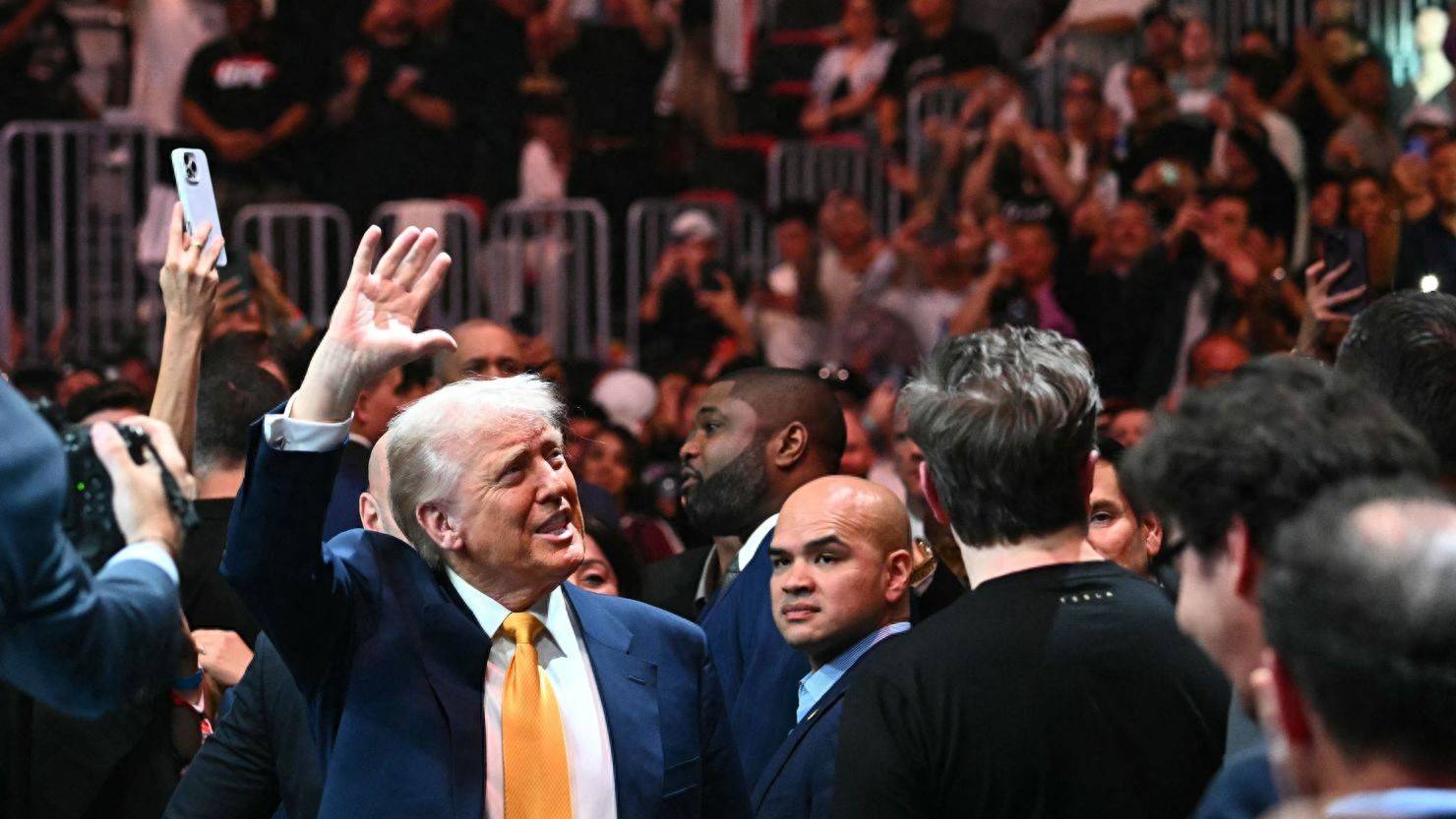
印尼将提出增加美国商品进口和对美投资
news flash· 2025-04-14 08:09
印尼将提出增加美国商品进口和对美投资 金十数据4月14日讯,印尼高级部长将前往华盛顿,向他们的美国同行提出大幅增加美国进口和投资的 建议,作为避免美国征收高额关税的谈判的一部分。印尼首席经济部长Airlangga Hartarto、财政部长Sri Mulyani Indrawati和外交部官员将率领一个代表团进行谈判。此前,美国对印尼产品征收32%的关税, 该关税已暂停90天。印尼经济事务协调部高级官员Moegiarso说,一项购买价值180亿至190亿美元美国 商品的提议旨在弥补美国对印尼的贸易逆差。印尼投资部副部长Todotua Pasaribu表示,印尼可能还会提 议国有企业投资美国的石油、天然气和信息技术领域。 ...
显微镜下的中国经济(2025年第14期):特朗普的两难
CMS· 2025-04-14 07:35
Economic Analysis - The U.S. has consistently maintained a trade deficit, averaging $73.79 billion annually from 1973 until China's WTO accession, with manufacturing contributing only 0.58% to annual GDP growth during that period[3] - In 2022, U.S. manufacturing GDP grew by 11.45%, yet the trade deficit exceeded $1 trillion for the first time[3] - During the global economic boom from 2004 to 2007, the U.S. trade deficit expanded by 40.1% as global GDP growth averaged 4.33%[3] Policy Implications - The goals of maintaining the dollar's global currency status while reducing the trade deficit are inherently contradictory, as seen in historical agreements like the Plaza Accord[3] - The return of manufacturing to the U.S. will not resolve the trade deficit issue, indicating a complex economic landscape for policymakers[3] Market Indicators - The rising gold prices may reflect market anticipations regarding the challenges faced by the Trump administration in achieving multiple economic objectives[3] - Risks include geopolitical tensions, domestic policy implementation falling short of expectations, and potential global recession impacting major economies' monetary policies[3]
疯王与关税
雪球· 2025-04-13 04:07
Group 1 - The article discusses the basic principles of trade, emphasizing that trade surplus is a means while trade deficit is an end goal, ultimately for spending money [2] - It highlights that in international trade, the U.S. has maintained a trade deficit for decades, which is unsustainable in the long run [7][10] - The article points out that the U.S. dollar's status as the world's reserve currency allows the country to print money and maintain a trade deficit, but this creates a looming risk if the dollar's credibility is questioned [8][10] Group 2 - The article argues that the U.S. faces two major problems: the credibility of the dollar is under scrutiny, and the manufacturing sector is being pressured by global competition, particularly from China [10][13] - It suggests that the current administration's contradictory policies aim to maintain the dollar's international status while also seeking a trade surplus, which is inherently impossible [15] - The article emphasizes that high tariffs may increase trade friction costs but will not necessarily lead to the intended outcomes due to issues like transshipment and smuggling [18][19] Group 3 - The article discusses the implications of rising U.S. Treasury yields, noting that a sudden increase could lead to higher borrowing costs for companies and potentially trigger widespread bankruptcies [26][27] - It warns that a significant drop in Treasury prices could undermine the dollar's credibility, leading to a feedback loop where countries start selling off U.S. debt [29][30] - The article concludes that investors should focus on valuation rather than being swayed by political rhetoric, as the complexities of the global economy are far more significant than any single political figure [20][21]

对话复旦大学经济学院院长张军:需求是破解制造业国家发展约束的关键,中国要形成支撑内循环的总需求
2 1 Shi Ji Jing Ji Bao Dao· 2025-04-13 03:59
Group 1 - The core argument of the articles revolves around the impact of Trump's tariff policy on the U.S. economy and the global order, highlighting the contradiction between seeking trade surplus and maintaining the dollar's dominance [1][2] - In 2024, the U.S. is projected to have a record trade deficit of $1.21 trillion, with imports totaling $3.3 trillion and exports at $2.1 trillion, indicating a significant imbalance in trade [1] - The article emphasizes that the trade deficit has historically supported the dollar's status, and reducing it could weaken the dollar, suggesting that Trump's approach may not be sustainable [1][2] Group 2 - The recent fluctuations in U.S. financial markets, including a drop in the dollar index and rising bond yields, reflect the chaos and uncertainty stemming from Trump's trade policies [2] - The article argues that the real issue for the U.S. is not trade imbalance but the failure to address the needs of the lower-income population, which has led to a lack of support compared to Europe [2] - In contrast to East Asian countries, which face structural issues of high savings and low consumption, China has the potential to address demand constraints due to its large population and economic scale [3] Group 3 - The article suggests that China should focus on creating a robust domestic demand to support its manufacturing sector, addressing issues such as "involution" in competition and protecting intellectual property rights [3] - It highlights the importance of increasing fiscal support for households and enhancing income through subsidies in education, healthcare, and pensions to stimulate consumption [3] - Additionally, China is diversifying its export markets and increasing overseas investments to promote exports, indicating its unique role in the global production system [4]
彭斯批评特朗普政府
券商中国· 2025-04-12 23:19
校对:王朝全 肯塔基州共和党联邦参议员兰德·保罗日前在参议院发言时,批评联邦政府以贸易逆差构成"国家紧急状 态"为由征收关税。他强调,国会必须重新行使宪法赋予的关税及对外贸易监管权。 来源:政事儿 责编: 刘珺宇 央视新闻4月12日消息,美国前副总统迈克·彭斯日前表示,他对本届美国政府大规模加征关税措施感到担 忧,称这种做法是"失策"。 彭斯曾在特朗普第一任期担任副总统。他9日接受美国《国会山报》采访时说,尽管美国政府已撤回部分 对盟友施加的最严厉关税措施,但其激进的关税政策仍可能给共和党中期选举带来潜在风险。 彭斯是批评关税政策的又一名共和党重要人物。此前,关税政策已在共和党内部遭到多名国会议员批评。 得克萨斯州共和党联邦参议员特德·克鲁兹日前接受福克斯新闻台采访时说,关税本质上是对消费者征税, 他不赞成对美国消费者大幅加税。克鲁兹在其播客节目中表示,若关税政策长期实施,可能推高通胀、损 害就业增长,甚至可能导致美国经济衰退。 百万用户都在看 刚刚,见证历史!金价,暴涨 历史罕见!美元资产,大抛售! 特朗普,操纵市场?美股,盘前走低! A股,大反攻!见证历史:两天买入超1780亿! 违法和不良信息举报电话: ...

李稻葵:美国比我们急,特朗普的算法令人费解,违反经济学常识
Xin Jing Bao· 2025-04-10 14:40
新京报讯(记者张建林)4月10日,经济学家、清华大学中国经济思想与实践研究院院长李稻葵在接受 新京报记者采访时表示,美国此次以"对等关税"为名所实施的贸易政策,其算法令人费解,违反了经济 学常识。 李稻葵分析,与之前当选美国总统不一样,此次"二进宫"的特朗普在解决美国贸易逆差的问题上,显得 更为坚定。此次以"对等关税"为名所实施的贸易政策,其算法也令人费解。特朗普政府以美国对某国的 贸易逆差除以该国对美国的出口总额,然后将所得比例减半作为最终税率。"这非常荒唐,这种算法违 反了经济学常识。" 李稻葵告诉新京报记者,双方执行高关税政策后,对双方的消费者都会有影响。但他表示,这也是双方 进一步博弈的过程,是协商谈判的"中间过程",而这个过程不会是最终结果。在回答"中方应如何应对 此次关税贸易冲击"这一问题时,李稻葵提到了三条应对措施。 "在中美贸易紧张的情况下,我们还是要通过消费来拉动生产。所以我的第一个建议就是补贴消费;第 二个建议是取消不合理的消费限制;第三个建议是提高低收入人群的养老金。这些都能刺激消费,提升 内需。"李稻葵说。 记者注意到,在4月10日举行的中国外交部例行记者会上,外交部发言人林剑明确表示 ...