关税调整

Search documents
中美相互24%关税90天内暂停实施;吉利回应奇瑞高管“烂车”言论;苹果考虑提高秋季iPhone新品定价
36氪· 2025-05-12 23:56
Group 1 - The US and China agreed to suspend the implementation of 24% tariffs on each other's goods for 90 days, while retaining 10% tariffs [3] - The US will cancel a total of 91% of tariffs imposed on Chinese goods, while China will also cancel 91% of its retaliatory tariffs on US goods [3] - This agreement highlights the importance of sustainable and mutually beneficial bilateral economic relations for both countries and the global economy [3] Group 2 - CATL announced plans to issue 117.9 million H-shares on the Hong Kong Stock Exchange, with a maximum price of 263 HKD per share [2] - Mirxes Holding Company Limited passed the listing hearing on the Hong Kong Stock Exchange, with CICC and Jianyin International as joint sponsors [2] Group 3 - Nissan is set to lay off an additional 10,000 employees, bringing the total layoffs to approximately 20,000, which is about 15% of its workforce [8] - Xiaomi's SU7 became the best-selling model in the segment priced above 100,000 CNY in April, with sales of 28,585 units [12] Group 4 - The Chinese tablet market saw a year-on-year shipment increase of 19.5% in Q1 2025, driven by government subsidy policies [13] - LTIMindtree secured a record contract worth 450 million USD, marking the largest deal in the company's history [14] Group 5 - Alipay launched a new voice call feature, allowing users to make calls while ensuring the authenticity of the caller's identity [12] - Tencent's WeChat and QQ platforms have implemented nationwide earthquake warning systems, enhancing disaster preparedness [18]


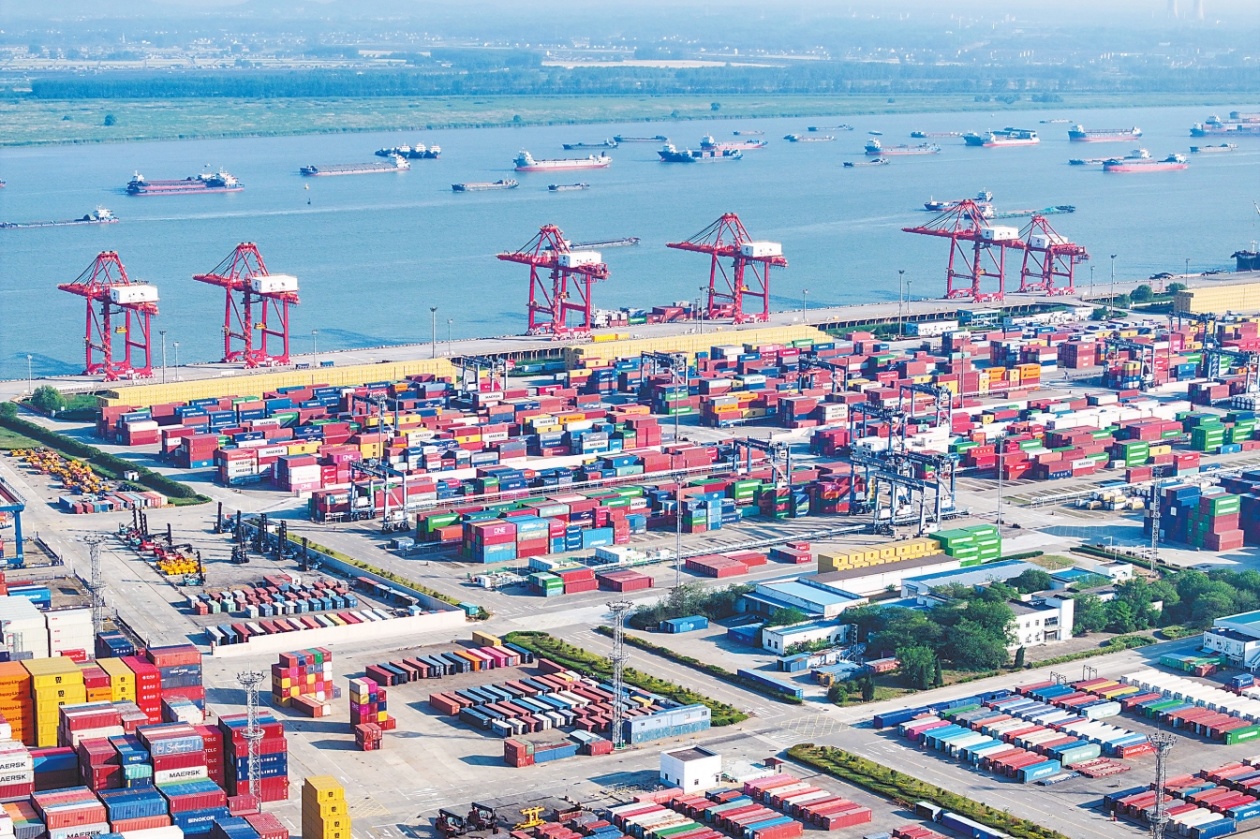
瑞士会谈成果超出预期,国际社会纷纷表示欢迎,中美同步大幅降低双边关税
Huan Qiu Shi Bao· 2025-05-12 22:21
Group 1 - The core viewpoint of the article highlights the significant progress made during the high-level economic talks between China and the U.S. in Geneva, which was positively received by the international community [1][3][4] - Both sides agreed to take measures to substantially reduce bilateral tariffs by May 14, 2025, with the U.S. canceling 91% of tariffs imposed on Chinese goods and China reciprocating with a similar reduction [1][3] - The establishment of a China-U.S. economic consultation mechanism was agreed upon, allowing for regular discussions in either country or a third country [1][3][4] Group 2 - The outcome of the talks exceeded market expectations, indicating that China's firm stance against high tariffs had a significant impact on the U.S. decision to lower tariffs [5][6] - The international community, including European economists, views the results as a positive sign for global economic stability, emphasizing the importance of rational economic policies [5][6] - The talks are expected to lead to further negotiations on remaining tariffs and non-tariff barriers, focusing on strategic industries such as semiconductors and pharmaceuticals [7][8] Group 3 - The Geneva talks are seen as a crucial step towards easing trade tensions, with potential positive implications for global markets, as evidenced by significant stock market increases following the announcement [4][6] - Analysts predict a rebound in Chinese exports to the U.S. in May and June, driven by U.S. importers replenishing depleted inventories [8][9] - The outcome of the talks is viewed as a temporary truce rather than a permanent resolution, with ongoing challenges expected in future negotiations [8][9]
关税调整对汽车的影响及受益标的
2025-05-12 15:16
Summary of Conference Call Records Industry Overview - The conference call discusses the impact of tariff adjustments on the automotive industry, particularly focusing on the effects of U.S. tariffs on Chinese goods, including automobiles and parts. The overall impact on Chinese parts manufacturers is relatively small due to their strategic production placements in North America and Mexico [1][3][6]. Key Companies and Recommendations - **Preferred Stocks in Hong Kong**: - Xpeng Motors, Li Auto, and Xiaomi Motors are highlighted, with Xpeng Motors being the top pick [1][4]. - **Preferred Stocks in A-shares**: - Desay SV and Boteli are recommended [1][5]. - **Fuyao Glass**: - Projected revenue for 2025 is approximately 8.835 billion yuan, with a price-to-earnings ratio of 17 times, maintaining a growth rate of 15-21% due to increased global market share and automotive glass upgrades [1][7]. - **New Spring Co.**: - Expected profit for 2025 is between 1.3 to 1.35 billion yuan, with a current valuation of about 16 times, benefiting from localized production in Mexico to avoid tariff risks [1][8]. Tariff Impact and Market Sentiment - The tariff situation has improved for the automotive parts sector, with Tesla and Huawei entering a phase of increased orders and production in Q2, which is expected to enhance market sentiment and lead to technological upgrades [1][9]. - The easing of U.S.-China trade tensions is seen as beneficial for the automotive industry, alleviating previous negative sentiments and fears of price wars [2]. Robotics Industry Outlook - 2025 is identified as a pivotal year for the robotics industry, with expectations for technological recovery and the introduction of autonomous taxi services driving growth. Key companies to watch include Top Group, Sanhua, and Beite [1][9][11]. - The development of smart robotics is being accelerated through collaborations, such as Huawei's partnership with UBTECH, and Xiaomi's advancements in robotics [9][10]. Future Trends and Innovations - The Tesla supply chain is anticipated to experience a rebound, while Huawei and Xiaomi's supply chains are noted for their smart advantages. Key technological focuses include dexterous hands and lightweight materials, with companies like Zhaoming and Xingyu benefiting from these trends [1][10]. - The robotics sector is expected to see a significant increase in production rates, particularly in smart connected vehicles, with potential breakthroughs in domestic production [11]. Conclusion - The automotive and robotics industries are poised for growth in 2025, driven by strategic adaptations to tariff challenges, technological advancements, and improved market sentiment. Key players and recommended stocks are positioned to capitalize on these trends.
关税如何影响行业配置?
2025-05-12 15:16
关税如何影响行业配置?20250512 摘要 • 中美贸易谈判取得进展,但即使关税降至 54%-74%,仍高于历史水平, 将持续影响企业利润、实体经济和外需,并可能推高美国通胀。市场短期 情绪提振,但需关注实际需求和通胀影响。 • 美联储面临经济增长放缓和通胀压力的两难境地,可能采取降息、降准等 措施,但市场反应不振,投资者对其效果存疑。美联储政策需关注全球经 济环境及其他央行政策动向。 • 亚洲货币汇率近期波动与金管局干预、全球贸易环境变化和美元资产安全 性有关。台湾寿险公司在汇兑和风险敞口方面存在风险,美元资产未能起 到良好保护作用,加剧了市场波动。 • 房地产市场在 2024 年二季度开始修复,但近期出现疲弱迹象。在对等关 税背景下,需重新评估房地产行业。预计房地产市场将继续经历调整,但 总体趋势有望保持稳定。 • 4 月份数据显示,对美国出口下滑,对东南亚出口增加,可能涉及转口贸 易。未来需关注新兴市场是否会受到更多限制,以及转口贸易是否会遇到 阻碍。 Q&A 关税谈判的进展如何,未来可能会对市场和行业产生哪些影响? 美联储政策目前面临明显的两难境地。一方面需要应对经济增长放缓的问题, 另一方面又要控 ...
弘则研究 日内瓦经贸谈判超预期利好,关税休战后的大类资产展望
2025-05-12 15:16
Summary of Conference Call Records Industry Overview - The conference call primarily discusses the impact of the recent China-US trade negotiations on various industries, including commodities, metals, and rubber markets. The overall sentiment indicates a cautious optimism due to the unexpected outcomes of the negotiations and their implications for market dynamics. Key Points and Arguments Trade Negotiations and Market Impact - The China-US trade negotiations exceeded expectations, resulting in lower tariff agreements, which is expected to provide a significant boost to short-term exports and maintain resilience in China's export performance. The direct trade decline between China and the US was only 20%-30%, much lower than the anticipated 70%-80% [2][5][30]. - Despite the positive short-term effects, the medium-term demand outlook remains uncertain, with the US economy projected to face downward pressure in 2025 and doubts about the stabilization of China's domestic demand without additional stimulus measures [5][30]. Commodity Market Outlook - The commodity market outlook has been revised from bearish to a more neutral or slightly bullish stance due to improved export resilience and tariff reductions. There are no immediate signs of deterioration in market conditions [4][22]. - The black metal industry is expected to experience a corrective rebound, driven by potential export behaviors between China and the US, although attention should be paid to the impact of China's port throughput and steel exports on the fundamentals [9][10]. Gold Market Analysis - The reduction in tariffs is seen as a negative for the gold market, but expectations of Federal Reserve rate cuts and continued gold purchases by the Chinese central bank are expected to limit the downside for gold prices, which are projected to find support between $3,150 and $3,200 [6][7]. Currency Implications - A dual strong pattern for both the Renminbi and the US dollar is anticipated in the short term, as the successful tariff negotiations have improved market confidence in the Renminbi's strength [8]. Sector-Specific Insights - **Copper Market**: The long-term bearish outlook for copper remains unchanged, with a downward adjustment in demand growth expectations. The market is expected to transition from a shortage to a slight surplus state [14][16]. - **Rubber Market**: The rubber market is currently weak, particularly in the semi-steel tire segment, with expectations of a short-term rebound but a long-term bearish outlook due to fundamental issues [19][17]. - **Energy and Chemical Sector**: The recent trade negotiations have positively impacted the energy and chemical sectors, enhancing the willingness to hold physical assets [22][23]. Additional Considerations - The overall sentiment in the market is cautious, with a need to monitor the potential impacts of future economic data and geopolitical developments on commodity prices and market stability [21][28]. - The potential for a recession in the US has been reduced due to the positive outcomes of the trade negotiations, but the long-term effects of tariffs and economic policies remain to be seen [30][31]. Conclusion - The conference call highlights a complex interplay between trade negotiations, market expectations, and sector-specific dynamics. While there are positive short-term developments, the medium to long-term outlook remains cautious, with various factors influencing demand and pricing across different industries.
出口链系列02:关税调整影响及企业近况解读
2025-05-12 15:16
Summary of Conference Call Records Industry and Companies Involved - **Industry**: Mechanical and Export Industry - **Companies**: - Spring Wind Power (春风动力) - Jiechang Drive (捷昌驱动) - Zhejiang Dingli (浙江鼎力) - Haomai Technology (豪迈科技) - Nuo Wei Co., Ltd. (纽威股份) Key Points and Arguments Spring Wind Power - Significant contribution from four-wheeled vehicle sales in the U.S., accounting for approximately 20% of total revenue and contributing about 30% to gross profit [1][2] - Implemented measures to mitigate tariff risks, including: - Surge exports starting Q4 2024 to capture market share before tariff increases [4] - Prepared six months of inventory to ensure supply chain stability [4] - Increased production capacity in Mexico, currently producing 1,000 to 2,000 units monthly, with plans to raise annual capacity to 60,000 to 70,000 units if tariffs escalate [5][2] - Long-term growth driven by expansion in North American four-wheeled vehicle business and global market share in large-displacement motorcycles [3] Jiechang Drive - Exposure to U.S. tariffs primarily in linear drive products, with less than 10% of revenue directly affected [2][3] - Core valuation driven by humanoid robot business, particularly linear actuators and dexterous motor modules [6] - Measures taken to counter tariff impacts include: - Overseas production in Malaysia and the U.S. [6] - Price negotiations with clients to offset additional costs from tariffs [6] - Expected profit for 2025 is projected between 450 million to 480 million yuan, with a valuation of 34 times PE [3] Zhejiang Dingli - As a leading aerial work platform company, it faced significant impacts from U.S.-China tariffs, with stock prices still below pre-tariff levels despite recent recoveries [1][9] - Primarily domestic production with no current plans for overseas factories, focusing on increasing shipments to the U.S. to mitigate tariff impacts [1][11] - The company’s U.S. revenue is projected to be around 30% in 2024, but net profit from the U.S. is expected to be less than 10% due to tariffs and operational costs [9] Hardware Tools Industry - The hardware tools sector has the highest exposure to the U.S. market within the mechanical sector, with 80% of global demand concentrated in Europe and the U.S. [14] - Chinese companies primarily act as OEMs, with limited penetration into the U.S. market [14] - Recent shifts in production capacity towards Southeast Asia due to tariff policies, with leading companies likely to capture market share from smaller manufacturers [15] Tariff Policy Impacts - Tariff changes have led to a shift in production strategies, with companies moving equipment from China to Southeast Asia rather than merely expanding existing facilities [15] - Potential for price increases in the U.S. market due to inventory depletion, which may suppress demand [15] - ODM businesses are relocating to Southeast Asia, while OBM businesses face challenges in price transmission due to tariffs [16][17] European Market Dynamics - Improved geopolitical relations between China and Europe may enhance market demand for European exports [20][21] - European countries are expected to increase military and infrastructure spending, potentially boosting demand for exports [21][22] - Companies like Juxing Technology and Zhejiang Dingli have significant revenue from Europe, indicating a growing importance of the European market in the context of U.S.-China trade relations [22] Other Important Insights - Increasing challenges for companies establishing factories in Mexico due to local labor requirements and production efficiency issues [18] - The trend of companies preferring Southeast Asia over the U.S. or Mexico for new factories is driven by cost considerations and geopolitical risks [19] - The overall sentiment indicates a cautious optimism regarding the recovery of export chains as tariff conditions improve [20][22]



关税大降,五点解读
HUAXI Securities· 2025-05-12 14:55
Group 1: Tariff Changes - China's tariff on U.S. imports decreased from 125% to 10%, while the U.S. tariff on Chinese imports dropped from 145% to 30%[1] - The previous market expectations for tariff rates were between 45% and 54%, indicating a significant reduction beyond expectations[1] - The weighted average tariff rate for U.S. imports from China in 2024 is approximately 10%, slightly lower than the 12% calculated based on 2017 import values[2] Group 2: Trade Impact - U.S. imports from China increased by 8.9% during the three weeks following the tariff imposition, averaging $1.24 billion per day[4] - The reduction in tariffs is expected to restore trade to a relatively normal state, although the current 30% tariff is still higher than last year's 12%[3] - High-tech products, previously subject to a 25% tariff, now face a combined tariff of 55%, which may limit the decline in exports to the U.S.[5] Group 3: Market Reactions - The capital market may experience a boost in risk appetite, with short-term stock market performance expected to strengthen[7] - International gold prices have retreated over 3%, nearing the low point of $3,202 per ounce observed on May 1[8] - U.S. Treasury yields for 10-year and 30-year bonds rose by 5-6 basis points following the tariff reductions, with yields reaching 1.68% and 1.94% respectively[8]
关禾兑
猫笔刀· 2025-05-12 14:17
Core Viewpoint - The recent negotiations between China and the U.S. in Geneva resulted in a significant reduction of tariffs, with U.S. tariffs decreasing from 145% to 30% and Chinese tariffs from 125% to 10%, at least for the next 90 days [1][2] Tariff Changes - U.S. tariffs on Chinese goods are currently at 30%, which includes a 20% "fentanyl tax" imposed by the Trump administration due to concerns over drug trafficking [1] - The negotiations led to the temporary cancellation of 24% of the tariffs, which was better than expected [2] Trade Balance and Impact - China's trade surplus with the U.S. is significant, with one-third of its surplus in 2024 expected to come from the U.S. market [2] - Even with equal tax rates, China is at a disadvantage due to its larger export volume compared to the U.S. [2] Market Reactions - Following the announcement, the Hang Seng Index rose by 2% and A50 futures increased by 1%, indicating a positive market reaction [2] - The A-share market saw a trading volume of 1.3 trillion, with a median increase of 1% across various sectors [3] Sector Performance - The military sector experienced a notable increase of 4.8%, possibly due to expectations of increased international sales [3] - The innovative pharmaceutical sector faced significant declines, with stock prices dropping between 30% to 80% due to proposed price controls by the Trump administration [4][6] Currency and Commodity Movements - The Chinese yuan remained stable around 7.2, with no significant fluctuations observed [2] - Oil prices increased by 3% due to anticipated demand from improved trade relations, while gold prices fell by 3% as the urgency for gold diminished [3]
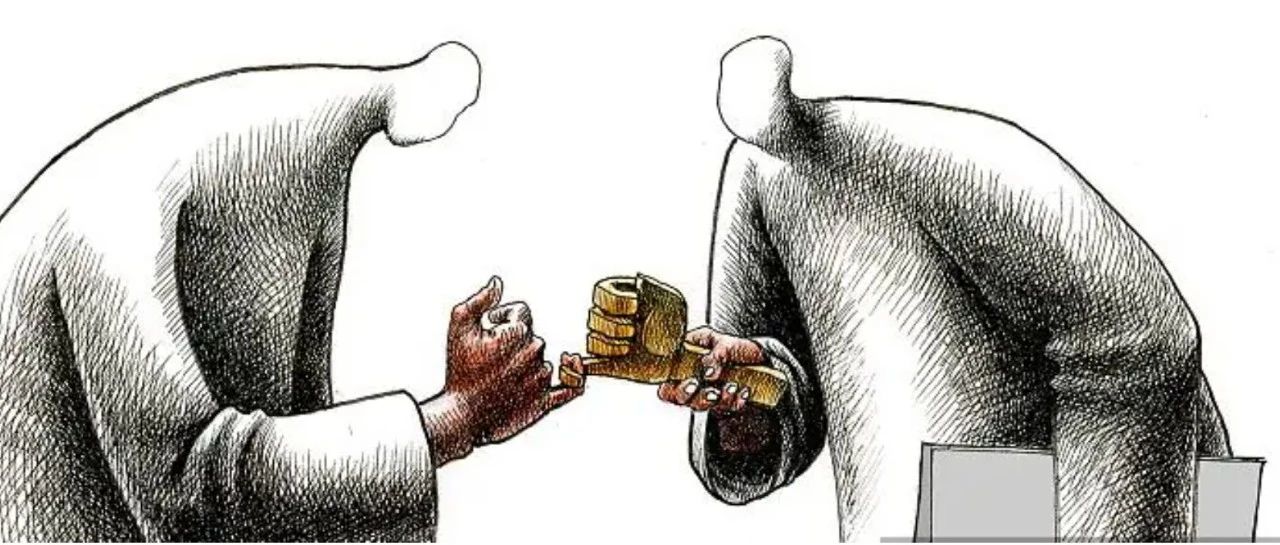
整理:每日美股市场要闻速递(5月12日 周一)
news flash· 2025-05-12 12:48
Key Points - The US and China have agreed to cancel 91% of tariffs and suspend the implementation of 24% tariffs during the Geneva trade talks [2] - President Trump announced an executive order aimed at reducing drug prices by 59% [2] Company News - Apple (AAPL.O) shares rose nearly 7% in pre-market trading as the company considers increasing the price of its upcoming iPhone series, asserting that it is "unrelated to tariffs" [2] - Eli Lilly (LLY.N) shares fell over 3% in pre-market trading after trial results indicated that tirzepatide outperformed semaglutide [2] - OpenAI and Microsoft (MSFT.O) are reportedly in discussions to unlock new funding and explore a future IPO [2] - Wedbush has removed Alphabet (GOOG.O) from its list of top investment recommendations [2] - Qatar Airways is expected to announce a deal with Boeing (BA.N) for aircraft purchases [2] - Honda (HMC.N) reported a 40.8% year-on-year decline in April car sales in China, totaling 43,689 units [2] - Nissan is reportedly planning to lay off over 10,000 employees, bringing the total layoffs to approximately 20,000 [2]
智通港股解盘 | 中美会谈超预期 短期估值修复是主旋律
Zhi Tong Cai Jing· 2025-05-12 12:32
Market Overview - The recent US-China talks exceeded market expectations, leading to a significant surge in the Hang Seng Index by 2.98% with trading volume reaching 322.4 billion [1] - The ceasefire agreement between India and Pakistan has positively impacted both countries' stock markets, with Pakistan's KSE-30 index soaring by 9.2%, marking its largest increase since 2008 [1] US-China Trade Relations - The US announced a suspension of a 24% tariff set to take effect on April 2, 2025, while maintaining a 10% tariff, effectively reducing the overall tariff on Chinese goods from 145% to 30% [2] - This significant concession from the US is attributed to several factors, including the need to replenish dwindling inventories and the urgency to achieve results ahead of the upcoming elections [3] Sector Performance - The consumer electronics sector, particularly companies within Apple's supply chain, benefited the most from the tariff reductions, with stocks like Highway Electronics and AAC Technologies rising over 13% [4] - Automotive parts suppliers with significant North American business exposure, such as Minth Group and Quanfeng Holdings, saw stock increases of nearly 10% [4] Financial Sector Response - Major financial institutions, including Hongye Futures and CITIC Securities, experienced stock price increases of over 6%, reflecting positive market sentiment following the trade talks [5] Individual Company Highlights - Midea Group reported a record revenue of 128.4 billion yuan in Q1 2025, a 20.61% year-on-year increase, and plans to enhance its overseas presence through strategic partnerships [10] - The company is also making strides in the commercial air conditioning sector and aims to expand its robotics division with new product testing scheduled for May [11] International Relations and Infrastructure - Brazilian President Lula's visit to China aims to strengthen bilateral relations and discuss infrastructure projects, including a railway connecting Brazil to China, which could reshape international trade logistics [8]