
去美元化

Search documents
西南期货早间评论-20260324
Xi Nan Qi Huo· 2026-03-24 02:31
1. Report Industry Investment Ratings No relevant content provided. 2. Core Views of the Report - The overall market is affected by factors such as the Iran - US conflict, macro - economic recovery, and supply - demand relationships in various industries. Different industries have different outlooks, including expected price trends, supply - demand situations, and investment strategies [5][8][11]. 3. Summary by Directory 3.1 Fixed - Income (Treasury Bonds) - The previous trading day saw mixed performance in treasury bond futures. The 30 - year contract rose 0.07% to 110.710 yuan, while 10 - year, 5 - year, and 2 - year contracts fell by 0.09%, 0.05%, and 0.02% respectively. The macro - economic recovery momentum needs strengthening, and the bond market is expected to face pressure, suggesting a cautious approach [5]. 3.2 Stock Index Futures - The previous trading day had mixed performance in stock index futures. The CSI 300, SSE 50, CSI 500, and CSI 1000 futures contracts fell by 3.56%, 3.43%, 4.88%, and 5.55% respectively. Although the domestic economy is stable, the recovery momentum is weak. The market is affected by the Iran situation, with expected increased volatility. It is recommended to stay on the sidelines [7][8]. 3.3 Precious Metals - Gold and silver futures fell in the previous trading day, with gold down 9.55% and silver down 12.56%. The long - term logic for precious metals remains strong, but due to Iran situation uncertainty, market volatility is expected to increase, and it is advisable to stay on the sidelines [10][11]. 3.4 Steel (Rebar and Hot - Rolled Coil) - Rebar and hot - rolled coil futures rose slightly in the previous trading day. In the short - term, the Middle East conflict may affect sentiment, but has little impact on supply - demand. In the medium - term, prices are determined by industry supply - demand. Rebar demand is declining, but supply pressure is reduced. Prices may rebound but with limited space. Investors can look for low - position long opportunities [13][14]. 3.5 Iron Ore - Iron ore futures rose slightly in the previous trading day. The Middle East conflict may affect sentiment in the short - term. The increase in national hot metal production is positive for prices, but the high inventory limits the upside. Technically, there may be a short - term rebound. Investors can look for low - position long opportunities [16]. 3.6 Coking Coal and Coke - Coking coal and coke futures rose significantly in the previous trading day. The Middle East conflict may affect sentiment, but has little impact on supply - demand. Coking coal supply is increasing, while demand is improving. Coke supply is stable, and demand is expanding. Technically, they may continue to be strong. Investors can look for low - position long opportunities [18][19]. 3.7 Ferroalloys - Manganese silicon and silicon iron futures rose in the previous trading day. The cost of ferroalloys is fluctuating slightly, and production is at a low level. Supply is relatively loose, and inventory is increasing. After a short - term price rebound, investors can consider taking profits on long positions [21]. 3.8 Crude Oil - INE crude oil rose significantly in the previous trading day due to concerns about the US - Iran conflict. The increase in net long positions in futures and options shows that US funds are bullish on the future. However, the US - Iran situation is uncertain. It is recommended to stay on the sidelines for the main crude oil contract [22][23]. 3.9 Polyolefins - The PP and LLDPE markets rose in the previous trading day. Geopolitical issues increase cost pressure, and the industry is reducing production. Supply is decreasing, while downstream demand is increasing. It is necessary to operate cautiously and stay on the sidelines [25][26]. 3.10 Synthetic Rubber - Synthetic rubber futures hit the daily limit in the previous trading day. The main contradiction is cost - driven. The price may remain strong in the short - term. Supply is under pressure, demand is affected by the Middle East conflict, and cost support is weakening. It is expected to be in a strong - side oscillation [28]. 3.11 Natural Rubber - Natural rubber futures rose in the previous trading day. The core contradiction is the game between the cost of synthetic rubber and the expectation of substitution demand, and the approaching of the domestic production season, slow demand recovery, and inventory pressure. It is expected to be in a wide - range oscillation [30]. 3.12 PVC - PVC futures rose significantly in the previous trading day. The core contradiction is the game between energy and raw material supply concerns, spring demand, and high inventory. The price is expected to be in a strong - side oscillation, but the upside is limited by high inventory [32]. 3.13 Urea - Urea futures rose in the previous trading day. The main contradiction is between high supply and policy - capped prices. The price is expected to be in a weak - side oscillation, but the downside is limited by cost and demand [34]. 3.14 PX - PX futures rose significantly and then fell at night in the previous trading day. The PXN and PX - MX spreads are narrowing, and the processing fee has room for repair. Due to raw material concerns, PX plants are reducing production. The price is expected to be in a wide - range oscillation, and it is necessary to operate cautiously [36]. 3.15 PTA - PTA futures rose and then fell at night in the previous trading day. The processing fee is around 200 yuan/ton. Supply is decreasing due to raw material issues, and demand recovery is less than expected. The price is expected to be in a short - term multi - empty game, and it is necessary to operate cautiously [38]. 3.16 Ethylene Glycol - Ethylene glycol futures rose and then fell at night in the previous trading day. Supply is slightly decreasing, and inventory is increasing. The price is affected by the geopolitical situation and is expected to be volatile. It is necessary to pay attention to negotiation progress and the situation in the Strait [39][40]. 3.17 Short - Fiber - Short - fiber futures rose and then fell at night in the previous trading day. Supply is slightly decreasing, and demand is weakening. The price is mainly driven by cost. It is necessary to pay attention to the geopolitical situation, device dynamics, and downstream factory resumption [41]. 3.18 Bottle Chips - Bottle - chip futures rose and then fell at night in the previous trading day. The processing fee is around 1200 yuan/ton. Supply is increasing, and demand is mainly for rigid needs. The price is affected by raw material price fluctuations, and it is necessary to operate cautiously [42]. 3.19 Soda Ash - Soda ash futures rose in the previous trading day. Supply is at a high level, and inventory is decreasing. Downstream demand is weak. The price is expected to be in a stable - side oscillation in the short - term [45][46]. 3.20 Glass - Glass futures rose in the previous trading day. Production lines are shrinking, and inventory reduction is slowing down. Demand from deep - processing plants is weak. The price is affected by external sentiment and cost, and the market sentiment may fluctuate [47][48]. 3.21 Caustic Soda - Caustic soda futures rose in the previous trading day. Supply is slightly decreasing, and inventory is decreasing. The price is supported by cost and demand. The 50% and 32% caustic soda prices show different trends. It is necessary to pay attention to overseas device dynamics and export orders [49][51]. 3.22 Pulp - Pulp futures rose in the previous trading day. Port inventory is decreasing, and production is increasing. The price is supported by inventory reduction. The market sentiment is expected to stabilize. Needle - leaf pulp has greater volatility, while broad - leaf pulp is relatively stable [52]. 3.23 Lithium Carbonate - Lithium carbonate futures rose in the previous trading day. The global lithium resource supply - demand balance is being reshaped. Supply is tight, and demand from the energy - storage sector is strong. The price has support, but short - term volatility may increase [53][54]. 3.24 Copper - Copper futures rose in the previous trading day. The macro - environment suppresses copper prices, but the supply - side shortage is still strong, and demand has a certain foundation. The price is expected to be in a weak - side oscillation with a bottom [55]. 3.25 Aluminum - Aluminum futures rose slightly, while alumina futures fell in the previous trading day. Alumina has a cost - driven rebound, but the supply - demand surplus persists. Aluminum prices are under pressure due to weak reality, but there is support at the bottom. They are expected to be in a weak - side oscillation [57][58]. 3.26 Zinc - Zinc futures rose in the previous trading day. Zinc ore supply is increasing, and demand in the real - estate sector is weak. The price is expected to be under pressure [60]. 3.27 Lead - Lead futures rose slightly in the previous trading day. Primary lead production is increasing, while secondary lead production is delayed. Demand is weak. The price is expected to be in a weak - side oscillation [62]. 3.28 Tin - Tin futures rose significantly in the previous trading day. The market risk preference has recovered. Supply is slightly easing, and demand is supported by the photovoltaic industry. The price has support, but short - term volatility may increase [65]. 3.29 Nickel - Nickel futures rose slightly in the previous trading day. The market risk preference has recovered. Nickel ore supply is expected to be tight, but stainless - steel demand is weak. The price is under pressure, and it is necessary to pay attention to Indonesian policies [66]. 3.30 Soybean Oil and Soybean Meal - Soybean meal futures fell, while soybean oil futures rose in the previous trading day. Brazilian soybean harvest is progressing, and US soybean demand is expected to increase. Domestic soybean supply may be tight in the short - term and relatively loose in the medium - term. It is advisable to stay on the sidelines [67][68]. 3.31 Palm Oil - Palm oil exports are increasing, and domestic imports are also increasing. The inventory is at a relatively high level. It is recommended to consider closing long positions [69][70]. 3.32 Rapeseed Meal and Rapeseed Oil - Rapeseed and rapeseed oil imports are increasing, and inventories are at different levels. It is recommended to stay on the sidelines [70]. 3.33 Cotton - Cotton futures rose slightly in the previous trading day. Global cotton production is expected to decrease, and China's supply may be tight in the long - term. However, the recent quota issuance is a short - term negative factor. The price is expected to be strong in the long - term after a decline [71][72]. 3.34 Sugar - Sugar futures rebounded slightly in the previous trading day. Overseas, the increase in ethanol prices is beneficial to sugar prices. Domestically, supply is sufficient. The long - term sugar price bottom is expected to rise [73][74]. 3.35 Apple - Apple futures fell significantly in the previous trading day. As the Tomb - Sweeping Festival approaches, demand is increasing, and inventory is decreasing. The market is expected to be stable and strong. It is necessary to pay attention to inventory reduction and weather conditions [75]. 3.36 Live Pigs - Live - pig futures fell in the previous trading day. Supply is abundant, and demand is weak. The price is expected to be slightly adjusted in the short - term. It is recommended to hold short positions lightly [76][77]. 3.37 Eggs - Egg futures rose in the previous trading day. Egg supply is at a high level, but there is short - term improvement. It is recommended to gradually take profits on short positions in the far - month contracts [78]. 3.38 Corn and Corn Starch - Corn and corn - starch futures rose in the previous trading day. North - port corn inventory is low, and demand is slightly improving. The corn market is basically balanced in supply and demand. Corn - starch demand is slightly improving, but supply is abundant. It is possible to pay attention to the far - month put options [79][80]. 3.39 Logs - Log futures rose slightly in the previous trading day. New Zealand log shipments are increasing, and domestic inventory is decreasing. Downstream demand is improving, but there is a differentiation in terminal consumption. The price is expected to be in a high - level oscillation. It is necessary to pay attention to external quotes and downstream consumption [81][84].
大争之世下-康波萧条期提供了怎样的机遇
2026-03-24 01:27
Summary of Conference Call Notes Industry or Company Involved - The discussion revolves around the macroeconomic environment, particularly focusing on the Kondratiev wave cycle and its implications for various asset classes, including commodities, currencies, and the manufacturing sector in China. Core Points and Arguments 1. **Current Market Conditions**: The market is experiencing a liquidity crisis characterized by a "four-kill" scenario involving stocks, bonds, currencies, and commodities, with a strong dollar resulting from passive holding rather than a return of credit [1][2][3]. 2. **Gold and Commodity Trends**: Recent declines in gold prices are attributed to liquidity trading rather than stagflation trading. Historical patterns suggest that after liquidity crises, the Federal Reserve may be forced to adopt easing policies, potentially leading to a new supercycle for gold and commodities [1][4]. 3. **Policy Priorities During Economic Downturns**: During the Kondratiev wave's depression phase, the priority for policymakers should be financial system stability, followed by employment and inflation. This is supported by historical precedents where rapid policy shifts were necessary to stabilize markets [5][6]. 4. **Renminbi and Export Growth**: The Renminbi is expected to appreciate alongside high export growth due to the widening price gap between Chinese and American goods. This trend is anticipated to continue into 2026, driven by strong demand for Chinese exports [7][8]. 5. **Chinese Manufacturing as an Investment Opportunity**: Chinese manufacturing is positioned as a prime asset for investment, characterized by strong global demand, limited capacity expansion, and robust risk management capabilities. Sectors such as coal chemical, new energy, and automotive are highlighted for their potential to "overtake" competitors [9][10]. 6. **Investment Strategy**: The short-term investment strategy should focus on the oil and petrochemical sectors, while the medium-term strategy should prepare for a broader commodity bull market and invest in core manufacturing areas like photovoltaics, wind energy, and engineering machinery [10]. Other Important but Possibly Overlooked Content - The discussion emphasizes the need for a shift in market expectations regarding interest rates, suggesting that the current extreme tightening expectations may lead to a reversal towards easing, which would catalyze a new commodity bull market [4][6]. - The potential for a liquidity crisis to prompt a shift in Federal Reserve policy is highlighted, with the possibility of quantitative easing (QE) being introduced as early as 2026 [1][4]. - The historical context provided, comparing current conditions to past economic crises, serves to underline the cyclical nature of market dynamics and the potential for significant shifts in asset valuations [3][9].
美国单方面宣布完成完美对话:申万期货早间评论-20260324
申银万国期货研究· 2026-03-24 00:54
Core Viewpoint - The article discusses the dramatic reversal of geopolitical expectations in the international market, particularly focusing on the U.S.-Iran dialogue and its impact on oil prices and market sentiment [1][4]. Group 1: Oil Market - U.S. President Trump announced a five-day postponement of military strikes on Iranian energy infrastructure after claiming "productive dialogue" with Iran, which led to a significant drop in oil prices, with WTI crude falling over 9% to $88.87 per barrel and Brent crude dropping below $100 [1][11]. - The International Energy Agency's director highlighted that the current Middle East crisis has a more severe impact on energy prices than the oil crises of the 1970s combined [11]. - Despite the drop in oil prices, Iranian officials denied any dialogue with the U.S., which limited the extent of the price decline [1][11]. Group 2: Stock Market - Following Trump's announcement, U.S. stock indices rebounded over 1%, with the coal sector leading gains while the social services sector lagged [2][8]. - The market's trading volume reached 2.45 trillion yuan, indicating a cautious sentiment as the market is in a phase of emotional release and seeking a bottom [2][8]. - The article notes that the collective downturn in global capital markets began after the March Federal Reserve meeting, with rising inflation expectations due to soaring oil prices impacting market valuations [2][8]. Group 3: Copper Market - Copper prices rose by 2.98% in the night session, driven by tight supply of concentrates and fluctuating smelting profits, although overall smelting output continued to grow [17]. - The article mentions that domestic electricity investment remains stable, while sectors like automotive and real estate are experiencing negative growth, suggesting potential short-term weakness in copper prices [17]. Group 4: Precious Metals - Precious metals saw a significant rebound as risk appetite improved following Trump's comments, with gold prices recovering from previous declines [16]. - The article indicates that geopolitical risks and concerns over U.S. fiscal sustainability are likely to support long-term upward trends in precious metal prices [16]. Group 5: Other Commodities - The article highlights that agricultural products like soybeans and corn experienced slight fluctuations, with soybeans rising by 0.28% while corn and wheat saw minor declines [1][2]. - The overall sentiment in the agricultural sector remains mixed, influenced by broader market dynamics and geopolitical tensions [1][2].


黄金暴跌、油价大涨:“乱世买黄金”,错了吗?
虎嗅APP· 2026-03-24 00:33
Core Viewpoint - The article discusses the recent military conflict between the US and Iran, its impact on oil and gold prices, and the underlying reasons for the divergence in their market behaviors during this period [4][5]. Group 1: Understanding "Chaos" and Gold's Role - The traditional notion of "buying gold in chaotic times" is challenged by recent market trends, where gold prices fell sharply despite escalating conflicts [7][8]. - The true meaning of "buying gold in chaos" is not merely linked to war but rather to the instability of the monetary system and the risk of currency devaluation [8][9]. - The difference between the impacts of the Russia-Ukraine war and the recent Israel-Iran conflict on gold prices is highlighted, with the former leading to significant financial sanctions that affected global perceptions of the dollar [10][11]. Group 2: Liquidity and Interest Rates - The article emphasizes the importance of real interest rates and liquidity conditions in understanding the recent decline in gold prices, as high real interest rates increase the opportunity cost of holding gold [12][13]. - The market's reaction to the conflict involved profit-taking from previous gains, leading to a rapid decline in gold prices, which is described as a market correction rather than a failure of gold as a safe haven [14]. Group 3: Impact on the Dollar Oil Pricing System - The article explains the foundation of the petrodollar system established in the 1970s, where oil transactions are conducted in dollars, reinforcing the dollar's status as a global reserve currency [16]. - The recent conflict's direct impact on the dollar oil system is limited, as Iran was already outside this system, and major oil-producing countries continue to operate within it [18]. - However, the conflict signals a gradual reassessment of reliance on the dollar by countries in the region, contributing to a long-term trend of de-dollarization [18]. Group 4: Asset Allocation Perspective - The article advises against speculative trading in gold and oil for ordinary investors, emphasizing the complexity of the factors influencing their prices [20]. - Gold's value in an investment portfolio lies in its low correlation with other assets, particularly during market downturns, making it a strategic asset for risk management [21]. - For oil, the recommended approach for ordinary investors is to use commodity ETFs to gain exposure while mitigating risks associated with individual commodities [23]. Group 5: Principles for Ordinary Investors - Investors should clarify their objectives for holding gold or oil, as different purposes require different strategies [24]. - Acceptance of volatility is crucial, as both gold and oil can experience significant price fluctuations [24]. - Timing the market is discouraged; instead, a strategy of gradual buying and long-term holding is recommended [25].
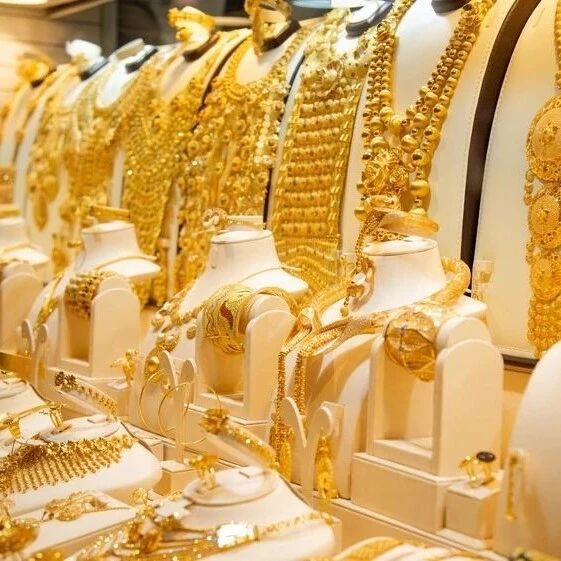
格林大华期货早盘提示-20260324
Ge Lin Qi Huo· 2026-03-23 23:30
Report Industry Investment Rating - There is no mention of the report industry investment rating in the provided content. Core Viewpoints - The geopolitical situation between the US and Iran is tense, with conflicting statements from both sides. The control of the Strait of Hormuz is crucial for the global economy and the US hegemony. High oil prices and supply shortages may lead to a global economic downturn, and the stock market is at a dangerous critical point [1][2][3]. - The price of Brent crude oil may increase significantly if the Strait of Hormuz is blocked for an extended period. The stock market may face a crash - like decline if the geopolitical situation does not improve in two weeks [1][2]. - The global economic situation is deteriorating, with the US economy facing challenges due to wrong policies and the potential negative impact of the stock market decline on consumption [3]. Summaries by Related Catalogs Global Economic and Geopolitical Situation - The US President shows an intention to reach an agreement with Iran, but Iran's "senior leadership" denies the existence of negotiations, stating that the US President's statement aims to lower energy prices and gain time for military plans [1]. - The US Treasury Secretary mentions destroying Iranian facilities and that "all options are on the table", including seizing Kharg Island. Iran warns that US military bases and financial institutions supporting US military spending are "legitimate targets" [1]. - Yemen's Houthi rebels may block the Bab - el - Mandeb Strait to support Iran. Bridgewater's Dalio believes that the "ultimate battle" in the Middle East depends on who controls the Strait of Hormuz, which is crucial for global energy and the US dollar's foundation [2]. - The IEA releases 400 million barrels of strategic oil reserves, but the actual global release rate is no more than 3 million barrels per day, while the supply gap caused by the blockage of the Strait of Hormuz is 11 - 16 million barrels per day [2][3]. Market and Asset Performance - Goldman Sachs extends the duration of a "5% flow" in the Strait of Hormuz from 3 weeks to 6 weeks, introduces a higher structural safety premium, and raises the average price of Brent in March - April to $110. If the blockage lasts for 10 weeks, the Brent crude oil price may exceed the 2008 record of $147 [1]. - The NASDAQ futures have broken through support levels. AI's disruptive substitution in many industries and the Middle East situation may trigger a new round of large - scale selling in the US stock market, and the decline in the US stock market may have a significant negative impact on US consumption [3]. - The call volume of domestic large - scale models has exceeded that of US models for three consecutive weeks, with a 56.9% increase from the previous week [1]. - Gold has unexpectedly underperformed risk assets in the short term, but its long - term allocation value remains solid due to the de - dollarization logic [1].

黄金瀑布式下跌,底部在哪?
财富FORTUNE· 2026-03-23 13:04
Core Viewpoint - The article discusses the recent decline in gold prices, highlighting that even gold, traditionally seen as a safe-haven asset, is being sold off in the face of liquidity tightening and rising interest rates. This situation is exemplified by Poland's central bank planning to sell part of its gold reserves to raise $13 billion for defense spending, indicating a shift in how even sovereign entities are managing their assets under financial pressure [1][5][9]. Group 1: Market Dynamics - Gold has historically served as a hedge against the dollar's credit, but confidence in the dollar is waning due to rising U.S. fiscal deficits and debt ceiling crises, suggesting a long-term bullish trend for gold [3]. - The escalation of geopolitical conflicts in the Middle East, which typically boosts gold prices, did not lead to expected gains; instead, gold prices fell sharply following a hawkish signal from the Federal Reserve [3][4]. - Central banks globally are adopting a hawkish stance, leading to a systematic increase in global risk-free interest rates, which negatively impacts gold as a zero-yield asset [4]. Group 2: Liquidity and Interest Rate Impact - The pressure on the market is shifting from "interest rate shock" to "liquidity shock," where high interest rates expose vulnerabilities in the economy and financial institutions, prompting entities to sell gold for cash [5][9]. - Poland's recent decision to sell gold reserves, despite being a major gold buyer, reflects the reality that even sovereign institutions prioritize liquidity over holding gold for its potential safe-haven value [5][8]. Group 3: Historical Context and Future Outlook - Historical precedents show that liquidity crises can lead to significant declines in gold prices, as seen in March 2020 when gold dropped from $1,700 to around $1,450 due to market panic [6]. - The article outlines three phases of the current gold price decline: the initial interest rate shock, the ongoing liquidity shock, and the potential for a future phase of quantitative easing (QE) that could reignite gold's appeal [7]. - The conditions for a large-scale QE, which would mark a true buying opportunity for gold, are not yet in place, as the market awaits a shift in policy from the Federal Reserve [7].
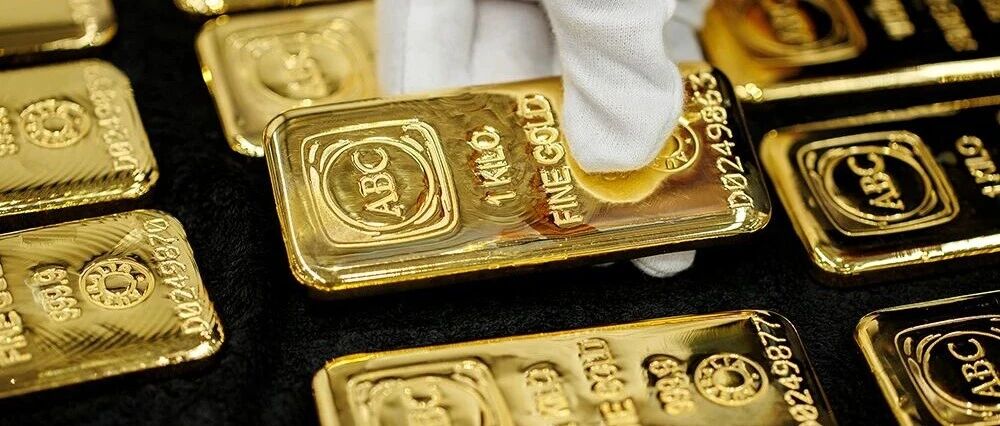
黄金牛市结束了吗?
雪球· 2026-03-23 13:01
Core Viewpoint - The recent drop in gold prices, exceeding 10% in a week, is primarily driven by market sentiment rather than fundamental changes, and it is not comparable to the significant sell-off in 1983 [2][4][17]. Group 1: Comparison with Historical Events - The 1983 gold sell-off was a result of substantial fiscal actions by oil-producing countries due to falling oil revenues, leading to real market panic and selling pressure [4]. - In contrast, the current concerns about Middle Eastern countries selling gold are based on speculative fears regarding their short-term fiscal pressures, with no substantial evidence of large-scale gold sales [4][5]. Group 2: Causes of the Recent Decline - The core reasons for the recent decline in gold and silver prices are a shift in liquidity expectations and technical breakdowns [6]. - A sudden shift in global liquidity expectations, driven by rising oil prices and inflation concerns, has led to increased hawkish sentiment regarding interest rates from central banks, directly impacting gold and silver prices [7]. - The previous significant price increases in gold and silver created a large number of profit-taking opportunities, and the breach of key support levels triggered accelerated selling pressure, exacerbated by algorithmic trading strategies [8][9]. Group 3: Long-term Outlook for Gold - The long-term bullish trend for gold remains intact, supported by ongoing de-dollarization, continuous central bank purchases, and persistent geopolitical tensions [10]. - Current market volatility is viewed as a typical correction within a broader bullish trend, rather than a reversal of the trend [11]. - Investors are advised to remain patient and not rush into the market, focusing instead on key signals such as actual interest rate trends, changes in Federal Reserve policy expectations, and the progression of geopolitical conflicts [12][14].

2026年3月23日申万期货品种策略日报-黄金白银-20260323
Shen Yin Wan Guo Qi Huo· 2026-03-23 10:35
2026 年 3 月 23 日申万期货品种策略日报-黄金白银 研究局限性和风险提示 | | 申银万国期货研究所 | | | 陈梦赟(从业资格号:F03147376;交易咨询号:Z0022753) | | | | --- | --- | --- | --- | --- | --- | --- | | | | | chenmy@sywgqh.com.cn | 021-50585911 | | | | | | 沪金 2606 | 沪金 2604 | 沪银 2606 | 沪银 2604 | | | | 昨日收盘价 | 1042.02 | 1039.220 | 17625 | 17714 | | | 期 | 前日收盘价 | 1065.26 | 1062.000 | 17984 | 18023 | | | 货 | 涨跌(收盘价) | -23.24 | -22.780 | -359 | -309 | | | 市 | 涨跌幅(收盘价) | -2.18% | -2.15% | -2.00% | -1.71% | | | 场 | 持仓量 | 157330 | 68993 | 219146 | 59085 | | | | 成交量 ...
中东战局升级,金价一跌再跌,原因几何?趋势如何?|国际
清华金融评论· 2026-03-23 10:15
Key Points - The core viewpoint of the article is that the recent decline in gold prices, despite being a traditional safe-haven asset during conflicts, is primarily driven by liquidity issues, inflation expectations, and the relative attractiveness of the US dollar compared to gold [1][2][3][4]. Group 1: Recent Decline in Gold Prices - Gold prices fell over 10% in the week of March 16-20, marking the largest weekly decline since 1983, with a cumulative drop of over 14% following the outbreak of the Iran conflict [2]. - The primary reason for this decline is the liquidity crunch, where Middle Eastern countries are selling gold to raise funds due to reduced oil revenues from the conflict [2]. - The escalation of the Iran conflict has led to significant stock market declines globally, prompting leveraged investors to sell gold to meet margin calls, further exacerbating the price drop [2]. Group 2: Inflation and Interest Rate Expectations - The outbreak of conflict has caused oil prices to rise, leading to inflation expectations, which complicates the Federal Reserve's ability to lower interest rates this year [3]. - Prior to the conflict, the market anticipated that the Federal Reserve would cut rates by a total of 50 basis points in 2026, but this outlook has changed due to rising inflation concerns [3]. Group 3: Dollar's Attractiveness as a Safe-Haven Asset - Currently, the US dollar is seen as a more attractive safe-haven asset compared to gold, as oil transactions require dollars, increasing demand for the currency [4]. - The rising oil prices have boosted the dollar index, putting downward pressure on gold prices, which are traditionally viewed as a competitor to the dollar [4]. Group 4: Long-Term Support for Gold Prices - Despite short-term volatility, the long-term logic supporting gold prices remains intact, driven by factors such as increasing US debt, ongoing de-dollarization, central bank gold purchases, and continuous currency issuance [6]. - Major banks maintain their long-term price forecasts for gold, with estimates ranging from $6,100 to $6,300 per ounce by the end of 2026 [6].

为何黄金的避险属性失效了?
Huafu Securities· 2026-03-23 08:25
Group 1 - The market experienced a downward trend with an overall decline of 4.13% in the A-share market during the week of March 16-20, 2026, with only the ChiNext index showing gains, while the CSI 1000, CSI 500, and micro-cap stocks faced significant losses [11][2] - The financial and real estate sectors showed resilience, while advanced manufacturing and cyclical sectors underperformed [11][2] - Among the 31 Shenwan industries, only the communication and banking sectors recorded gains, while steel, basic chemicals, and non-ferrous metals faced declines [11][2] Group 2 - The stock-bond yield spread increased to 0.5%, which is below the +1 standard deviation threshold, indicating a decrease in valuation differentiation [21] - Market sentiment adjusted with a 15.4% decrease in the sentiment index to 39.8, reflecting a decline in industry rotation strength [22] - The market volume decreased week-on-week, with banks, public utilities, and coal stocks showing a higher proportion of bullish stocks, while sectors like construction, environmental protection, and machinery may present alpha opportunities [28] Group 3 - Alibaba established the Token business group to advance its AI strategy, indicating a focus on creating and applying tokens in various AI applications [42] - The first invasive brain-machine interface medical device was approved for market, marking a significant advancement in the brain-machine interface industry [43] - Yushun Technology's IPO application was accepted, indicating progress in the capitalization of the humanoid robot industry [44] Group 4 - The report highlights the need to focus on price increases and safety due to high oil prices exacerbating global inflation concerns and tightening liquidity, which suppresses market risk appetite [46]