国潮消费

Search documents
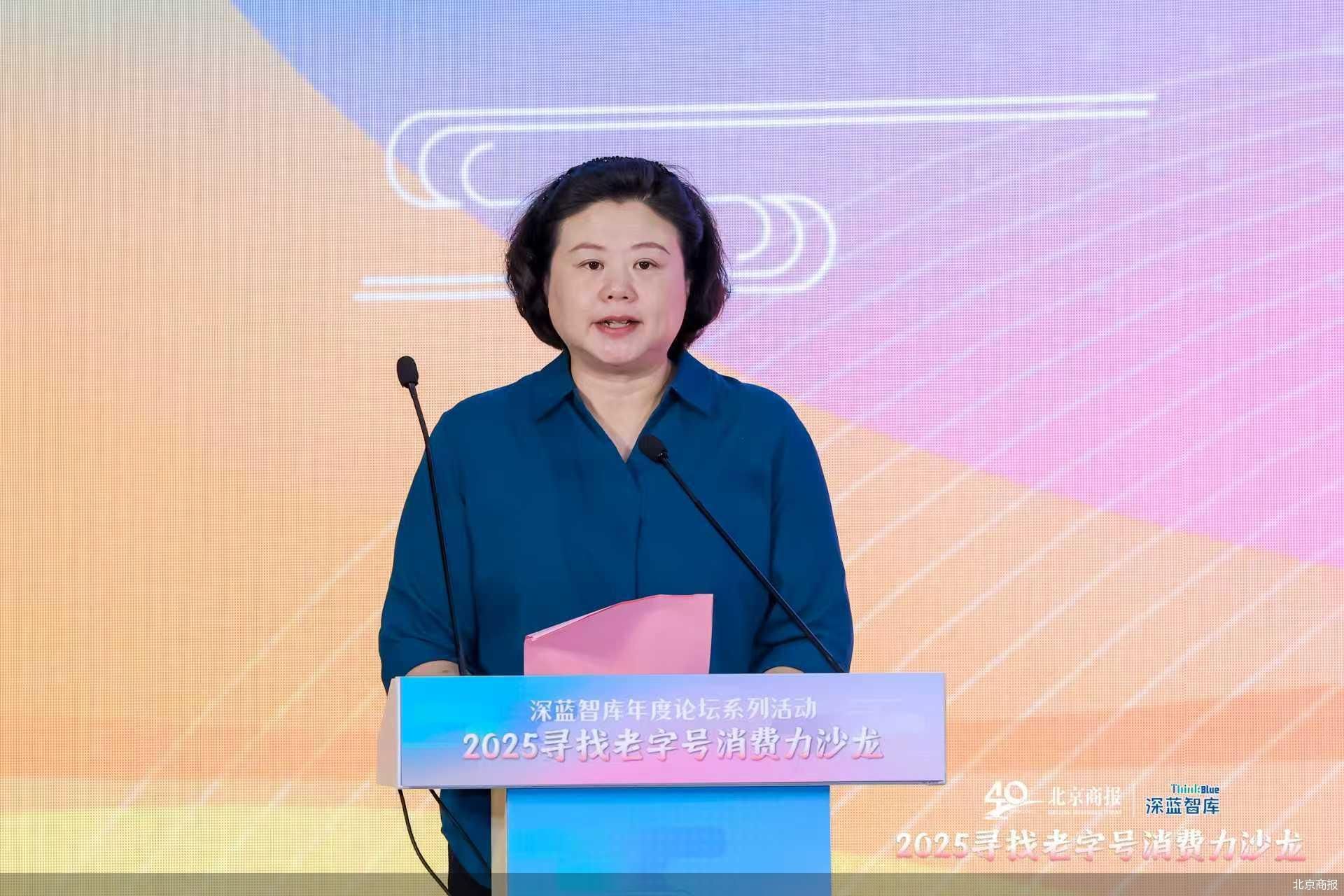
2025服贸会|北京老字号协会孙月婷:汇聚多方力量 让老字号成消费新格局独特风景线
Bei Jing Shang Bao· 2025-09-14 07:42
Core Viewpoint - The traditional brands, known as "lao zihao," are becoming a significant force in creating unique and innovative consumption scenarios while deeply exploring consumer potential in the context of a new consumption landscape [1][3]. Group 1: Event Overview - The "2025 Finding Lao Zihao Consumption Power Salon" was held during the Service Trade Fair, focusing on how traditional brands can innovate while preserving cultural heritage to attract younger consumers and promote a fashionable and international image [1]. - The event was guided by the Beijing Municipal Bureau of Commerce and organized by Beijing Business Daily and the Beijing Lao Zihao Association, with the Deep Blue Media Think Tank serving as the intellectual platform [1]. Group 2: Challenges and Opportunities - Despite the progress, challenges remain for traditional brands, such as transitioning from being a "internet celebrity" to a "long-lasting" brand, showcasing Chinese brand charm in global competition, and maintaining core competitiveness in the digital economy [1][3]. - The recent "Action Plan for Promoting the Innovative Development of Beijing's Lao Zihao (2023-2025)" was introduced by the Beijing Municipal Bureau of Commerce and nine other departments, outlining ten actions and thirty measures to support the innovative development of traditional brands [3]. Group 3: Cultural Significance - The rise of national trends is driven by a return of cultural confidence and consumer demand for high-quality, culturally rich products, presenting unprecedented opportunities for traditional brands [3]. - Each traditional brand is viewed as a unique intellectual property (IP) with significant consumer potential, emphasizing the need for collaboration to help these brands maintain their classic appeal while becoming popular in the market [4].

以“谷子经济”驱动年轻消费力
Hai Nan Ri Bao· 2025-08-28 01:09
Core Insights - The "Guzi Economy" is gaining momentum, driven by the popularity of cultural IPs and the growing consumer base, particularly among Generation Z and younger demographics [2][3][4] - The success of the animated film "Wang Wang Mountain Little Monsters" has significantly boosted the sales of related merchandise, indicating the strong market potential of IP-derived products [1][2] - The "Guzi" consumer group is expanding beyond its original demographic, attracting interest from older generations and becoming a significant cultural phenomenon [2][4] Industry Trends - The "Guzi Economy" is characterized by a robust industrial chain that includes IP development, manufacturing, and retail, with a focus on emotional value and community engagement [2][6] - The rise of domestic IPs like "Genshin Impact" and "Black Myth: Wukong" has fueled consumer enthusiasm, particularly among younger audiences, and has led to cross-industry collaborations [3][6] - The market is seeing a shift towards personalized and customizable products, facilitated by advancements in manufacturing technologies [6][9] Market Opportunities - The "Guzi Economy" presents new opportunities for businesses, particularly in the realms of tourism and cultural events, which can attract younger consumers [9][10] - There is potential for establishing connections between the "Guzi Economy" and the "First Release Economy," enhancing consumer engagement through limited edition products [8][10] - Regions like Hainan can leverage their unique advantages to promote the "Guzi Economy," attracting both domestic and international consumers [9][10] Consumer Behavior - The social aspect of "Guzi" consumption is significant, as it fosters community connections and emotional expression among consumers [3][4] - The pricing of "Guzi" products is generally accessible, appealing to the desire for individuality and self-expression among younger consumers [3][4] - Parents of Generation Z are increasingly supportive of "Guzi" consumption, viewing it as a means for their children to express themselves and relieve academic pressure [4][10]
杠杆资金涌入!政金债券ETF、香港证券ETF、30年国债ETF、科创AIETF、恒生科技指数ETF获得青睐
Ge Long Hui· 2025-08-20 09:46
Group 1 - The core viewpoint of the article highlights the influx of leveraged funds into the market, particularly favoring various ETFs and stocks, contributing to the recent rise in A-share indices [1][2][4] - The two financing balance reached a record high, with a single-day increase of 395 billion yuan on August 18, marking the largest growth since October 2024, and the total balance surpassed 2.1 trillion yuan for the first time in 10 years [3][4] - The net buying of leveraged funds in the second half of the year has significantly increased, with notable purchases in companies like Xinyi Technology and Northern Rare Earth, which saw substantial price increases of over 102% and 78% respectively [5][6] Group 2 - The trend of "residential savings moving" is becoming a focal point in the market, with a reported decrease of 1.11 trillion yuan in household deposits in July, indicating a shift of funds towards the stock market [6][7] - Analysts suggest that liquidity is a key driver of the current "slow bull" market, with various funding sources actively participating, including increased two financing and private equity fund sizes [7][8] - The market logic is undergoing a fundamental change, driven by new technology trends and improved economic visibility, which is expected to support further growth in the Chinese stock market [7][8]
券商首席看A股:市场逻辑正出现根本性改观
Zheng Quan Shi Bao· 2025-08-18 22:02
Core Viewpoint - The A-share market's recent rise, with the Shanghai Composite Index surpassing 3700 points, reflects a restoration of market confidence driven by policy and capital inflows, indicating a potential shift towards a more sustainable "slow bull" market [1][2][4]. Group 1: Market Dynamics - The continuous rise in the A-share market is attributed to improved liquidity and accelerated capital inflows, alongside a significant increase in new account openings and margin trading balances exceeding 2 trillion yuan [2][3]. - Analysts note that the current market rally is not solely driven by sentiment but is supported by policy expectations and industry trends, particularly in AI, advanced manufacturing, and "anti-involution" themes [2][4]. Group 2: Future Outlook - Analysts agree on the emergence of a "slow bull" market, with incremental capital inflows and gradually improving profit expectations, suggesting that any market pullbacks may present buying opportunities [3][4]. - The market is transitioning from being policy-driven to being more influenced by fundamental factors, as China's economy accelerates towards high-quality development and capital market reforms enhance its attractiveness to global investors [3][4]. Group 3: Sector Focus - Analysts highlight that sectors benefiting from the AI technology revolution and emerging industry trends are likely to show high growth potential, with a focus on "anti-involution" concepts extending beyond traditional sectors to include solar energy, lithium batteries, and new energy vehicles [6]. - There is also an emphasis on traditional industries, particularly those benefiting from the recovery of overseas manufacturing and domestic "anti-involution" policies, such as industrial metals and capital goods [6].
从宴席到独酌:Z 世代的“微醺经济学”
Sou Hu Cai Jing· 2025-08-15 14:59
Core Insights - The traditional perception of liquor, particularly baijiu, is evolving as younger generations, particularly Gen Z, redefine its consumption context from formal social gatherings to casual settings, emphasizing emotional connection and self-expression [1][4][10] Group 1: Consumption Trends - The consumption landscape for baijiu is shifting from formal banquets to more fragmented social scenarios, such as casual drinks after work or during leisure activities like camping [4] - Sales data indicates a significant increase in convenience store baijiu sales, with a growth rate exceeding 300% in recent years, and a 470% rise in searches for premium baijiu bundled with camping gear [4] Group 2: Emotional and Cultural Dynamics - Gen Z's need for emotional outlets is driving demand for quality baijiu that offers a mild experience, allowing for stress relief without loss of control, aligning with the concept of "healing economics" [5] - The unique production process of the red liquor, which minimizes harshness while preserving flavor, caters to the emotional needs of consumers, transforming baijiu from a social tool to an emotional medium [5] Group 3: Cultural Reinterpretation - Gen Z approaches traditional culture with a mindset of deconstruction and re-creation, blending traditional elements with modern expressions, which is central to the "Guochao" consumption trend [9] - This cultural blending allows younger consumers to appreciate the depth of traditional craftsmanship while establishing their own cultural identity [9] Group 4: Brand Strategy and Market Positioning - The rise of premium baijiu like red liquor highlights a shift in consumer preferences from functionality to experiential value, with younger consumers willing to pay for comfort and happiness in their drinking experiences [10] - Brands are encouraged to engage with younger consumers in a more relatable manner, understanding their pressures and integrating into their lifestyles, which can open new market opportunities beyond traditional settings [10]

从商品到服务 消费市场进入深度调整期
Bei Jing Shang Bao· 2025-08-07 12:27
Core Insights - The Chinese consumption market is undergoing a significant structural transformation, shifting from a goods-driven model to a service-oriented one, presenting both new growth opportunities and challenges [1][3][6] - The importance of consumption in the national economy has been increasingly recognized, with policies aimed at boosting consumption being prioritized at both national and local levels [3][10] Consumption Market Trends - The growth rate of social retail sales (社零额) has been declining, reflecting a broader economic transition as GDP growth slows [1][6] - Service consumption is projected to account for 47% of household consumption by 2024, indicating a shift in consumer spending patterns towards services such as education, healthcare, and tourism [1][5] - Digital consumption is rapidly expanding, with online retail sales of physical goods reaching 27.6% of total retail sales in 2024, and in Beijing, this figure is as high as 40% [4][8] Factors Influencing Retail Sales Growth - The decline in retail sales growth is attributed to the transition from high-speed to medium-speed economic growth, alongside a shift in consumption structure from goods to services [6][7] - The contribution of final consumption to GDP growth has surpassed that of investment, highlighting the foundational role of consumption in stabilizing economic growth [7][8] Emerging Consumption Dynamics - New consumption drivers such as green consumption and digital consumption are emerging, with significant growth in sectors like electric vehicles and energy-efficient appliances [8] - The rise of domestic brands in various sectors, including fashion and beauty, reflects a growing trend towards "Guochao" (national tide) consumption [8] Policy Support and Market Mechanisms - Recent government policies aimed at stimulating consumption have been innovative, promoting collaboration across departments and encouraging green and smart consumption [10][11] - Market mechanisms are crucial for achieving supply-demand matching, yet challenges remain due to a lack of diversified supply and institutional barriers in service sectors [11][12] Challenges Facing the Consumption Market - Employment and income issues significantly impact consumer confidence and spending capacity [12][13] - The traditional supply model struggles to meet diverse consumer demands, and systemic barriers in sectors like education and healthcare hinder service development [13] - The transition from quantity to quality in consumption is essential, requiring comprehensive reforms in statistical systems, governance, and corporate structures to enhance consumer experience and confidence [13]

创新消费力|专访国务院发展研究中心市场经济研究所研究员王微:从商品到服务 消费市场进入深度调整期
Bei Jing Shang Bao· 2025-08-05 08:33
Core Insights - The Chinese consumption market is undergoing a significant structural transformation, shifting from goods consumption to service consumption, which presents both new growth opportunities and challenges [1] - The growth rate of social retail sales (社零额) has been declining, reflecting changes in economic development stages and consumption structure [1][5] - Service consumption is becoming a major growth driver, with its share in total household consumption expected to reach 47% by 2024 [1][4] Consumption Market Trends - The importance of consumption in the economy has been increasingly recognized, with policies aimed at boosting consumption being prioritized at both national and local levels [4] - New trends include a stable growth rate, emergence of new consumption drivers, and a shift from goods to service consumption, with digital and green consumption growing rapidly [4][7] - In Beijing, service consumption accounts for over 50% of household spending, with a projected growth of 6.1% in service consumption in 2024 [4] Changes in Social Retail Sales Growth - The decline in social retail sales growth is attributed to the transition of the economy from high-speed to medium-speed growth, alongside a shift in consumption structure [5] - The long-term trend indicates that service consumption will exceed 50% of household spending, becoming a primary source of consumption growth [5] Contribution of Consumption to Economic Growth - Consumption has become a more significant driver of economic growth compared to investment, especially in the context of uncertainties in international trade [6] - Prior to 2019, final consumption contributed over 50% to GDP growth, but recent fluctuations due to the pandemic have posed new challenges [6] Emerging Consumption Dynamics - Despite a slowdown in traditional consumption growth, new dynamics such as green and digital consumption are rapidly expanding [7][8] - The retail sales of new energy vehicles are projected to exceed 10 million units in 2024, marking a 40.7% year-on-year increase [8] Policy Support and Market Mechanisms - Recent years have seen a surge in consumption-boosting policies, with coordinated efforts across various government departments [9] - Market mechanisms play a crucial role in matching supply and demand, but challenges remain in addressing the mismatch between homogeneous supply and diverse consumer needs [10] Challenges Facing the Consumption Market - Key challenges include employment and income issues, which significantly impact consumer confidence and spending capacity [12] - The traditional supply model struggles to meet the diverse demands of consumers, and institutional barriers in service sectors like education and healthcare hinder growth [12] Future Outlook - The consumption market is at a critical juncture, requiring comprehensive reforms in statistical systems, governance, and corporate structures to fully realize its potential [13]

中国“软黄金”火了,有商家一夜爆卖500万元,引来海外订单
3 6 Ke· 2025-08-01 00:03
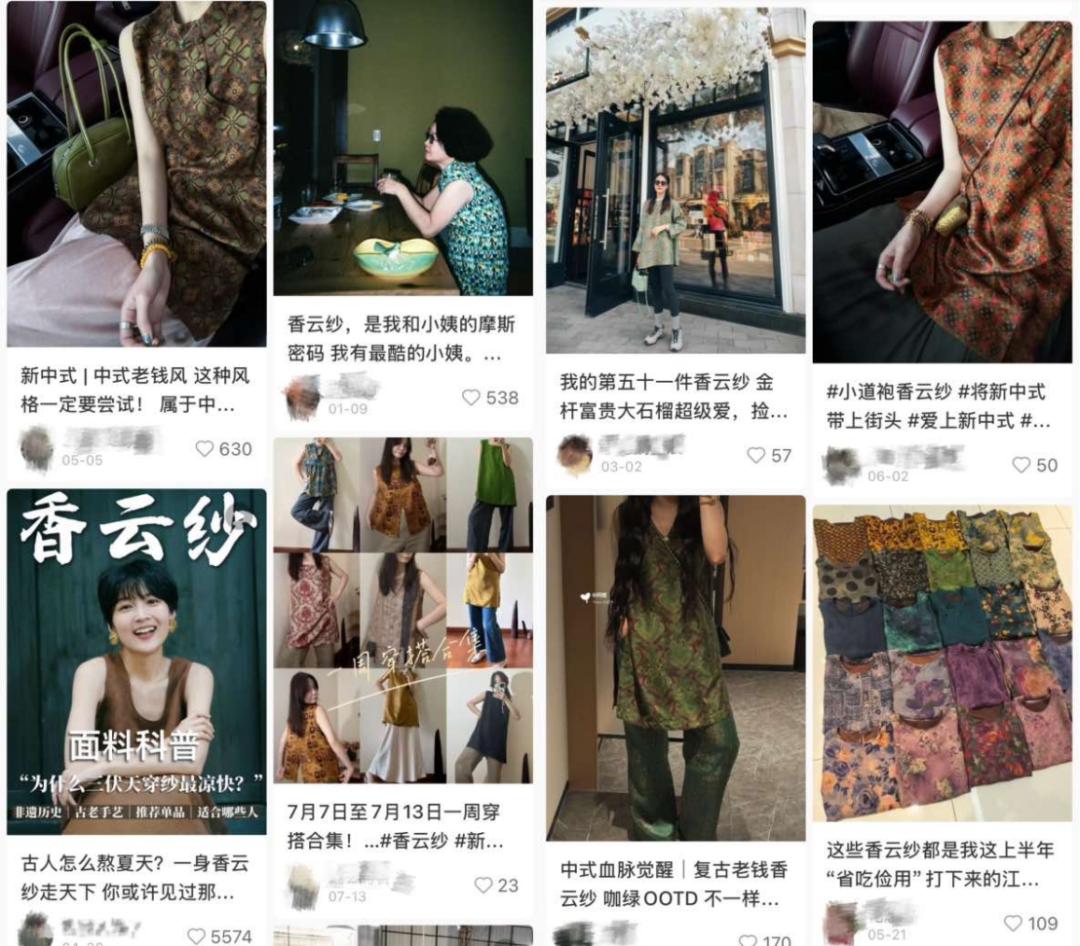
Core Insights - The popularity of Xiangyunsha, a traditional Chinese fabric, has surged, particularly among middle-aged women, driven by social media and celebrity endorsements [1][3][20] - Sales of Xiangyunsha have doubled on live e-commerce platforms compared to last year, with significant transactions recorded during themed events [3][6][13] - The market for Xiangyunsha is projected to reach a retail scale of 110.8 billion yuan by 2025, making it one of the fastest-growing segments in the silk industry [6] Sales and Market Trends - The sales volume of Xiangyunsha in its production area has increased by approximately 50%, with some manufacturers reporting annual sales rising from 3,000-5,000 meters to 20,000-30,000 meters [6][12] - A single live-streaming event themed "Thousand-Year Yunsha, Eastern Weaving" achieved a total transaction record of 16.45 million yuan [3][6] - The top five brands in the Xiangyunsha segment have a low concentration of sales, indicating significant potential for new entrants in the market [17] Consumer Demographics - The primary consumer demographic for Xiangyunsha includes women aged 45 and above, who have a strong purchasing power and a preference for high-quality fabrics [11][20] - Younger middle-aged women (32-45 years) are also emerging as a significant consumer group, seeking modern designs and willing to pay a premium for quality [11] - A smaller segment of consumers under 32 years old exists, characterized by dedicated fans of the fabric [11] Brand Development and Challenges - The brand "Qixiangjin" has rapidly grown, achieving a GMV of 120 million yuan in its second year, with high customer loyalty and significant sales during live streams [9][13] - The production of authentic Xiangyunsha is labor-intensive and time-consuming, with a long lead time for fabric preparation, making it a "slow business" [14][16] - The market is currently flooded with brands that do not adhere to traditional production methods, leading to a mix of genuine and imitation products [16] Future Opportunities - The rise of "Zhongnv Economy" presents a new growth opportunity for brands that cater to mature women seeking elegance and comfort in their clothing [20] - There is potential for international expansion, particularly in Southeast Asian markets where there is a cultural appreciation for traditional Chinese fabrics [20] - The unique qualities of Xiangyunsha, combined with its cultural significance, position it well for continued growth in both domestic and international markets [20]
美护商社行业周报:6月CPI同比由降转涨,稳就业政策支持加码-20250715
Guoyuan Securities· 2025-07-15 07:08
Investment Rating - The report maintains an "Overweight" rating for the industry, with a focus on new consumption sectors such as beauty care, IP derivatives, and gold jewelry [5][31]. Core Insights - The June CPI has turned from decline to increase, with a year-on-year rise of 0.1%, marking the end of four consecutive months of decline. Core CPI also rose by 0.7%, the highest increase in nearly 14 months [3][22]. - The report highlights significant events in the beauty care sector, including the ranking of brands on Tmall and the entry of certain brands into new sales channels [3][23]. - The travel sector shows a recovery with a 5.7% week-on-week increase in flight operations, and a year-on-year increase of 4.1% compared to 2024 [4][28]. Market Performance - For the week of July 7-11, 2025, the retail trade, social services, and beauty care sectors saw increases of +2.20%, +2.11%, and +1.52% respectively, ranking 11th, 13th, and 20th among 31 primary industries [14][19]. - The internet e-commerce, trade, and professional services sub-sectors performed particularly well, with increases of +4.37%, +4.36%, and +4.14% respectively [16][19]. Key Industry Data and News - The report notes that the beauty care category on Tmall saw a shift in brand rankings, with local brands' market share decreasing slightly [23]. - The government has introduced policies to stabilize employment and support market expectations, which are expected to drive economic growth [3][22]. Company Announcements - Guilin Tourism expects a significant profit increase of 142% year-on-year for H1 2025, while Chongqing Department Store reported a net profit increase of 8.74% [29][30]. - Companies like Guibao Pet are investing in smart warehousing to enhance operational efficiency [30]. Investment Recommendations - The report recommends focusing on companies such as Shangmei Co., Juzhibio, Marubi, Runben, Proya, Chaohongji, Blukoo, and Furuida within the beauty care and new consumption sectors [5][31].
北京消费结构与趋势|国务院发展研究中心市场经济研究所研究员王微:消费市场进入深度调整期
Bei Jing Shang Bao· 2025-07-14 07:20
Core Insights - The consumption market in China is undergoing a profound structural transformation, shifting from a goods-dominated model to a service-oriented one, presenting both new growth opportunities and challenges [1][4][6] Group 1: Consumption Market Trends - The growth rate of social retail sales (社零额) has been declining and has even fallen below GDP growth in recent years, reflecting changes in economic development stages [3][4] - In the first five months of this year, the national social retail sales growth rate rebounded due to consumption-boosting policies, but major cities like Beijing still experienced a slowdown or decline [4][5] - By 2024, the proportion of service consumption in household consumption is expected to reach 47%, indicating a significant structural change that necessitates a more comprehensive consumption statistics system [4][5] Group 2: Government Policies and Measures - Various levels of government have implemented a series of policies to stimulate consumption, including short-term measures like trade-in programs and subsidies for large consumer goods [4][5] - Long-term reforms focus on cultivating a consumption ecosystem, such as expanding visa-free entry and improving payment convenience to boost international tourism and consumption [5][6] - Local governments are innovating policy measures, such as establishing consumption innovation funds to support emerging consumer enterprises and enhance the consumption environment [5][6] Group 3: Emerging Consumption Trends - Despite the slowdown in traditional consumption, new consumption drivers are rapidly emerging, characterized by the growth of digital consumption, the rise of green consumption, and the prominence of domestic brands [5][6] - In 2024, the number of new consumer goods is projected to reach 21.639 million, a year-on-year increase of 14.5%, primarily in cosmetics, clothing, and home goods, showcasing the close link between manufacturing and the consumer market [5][6] Group 4: Challenges in Consumption Market - The transformation of the consumption market faces challenges such as unstable employment, slowing income growth, insufficient service supply, and the need for an improved consumption environment [5][6] - Issues related to product quality, after-sales service, and consumer rights protection continue to restrict the release of consumption potential [5][6] Group 5: Future Outlook - The consumption market is at a critical juncture of structural adjustment, transitioning from goods to services and from traditional to emerging consumption models, which presents both challenges and opportunities [6] - Collaborative efforts among government, enterprises, and consumers are essential to drive sustainable development in the consumption market and support the new development pattern [6]