
降本增效

Search documents
全球大洗牌下,宁德时代何以持续制霸锂电江湖|深度
24潮· 2026-03-17 23:06
Core Viewpoint - Geopolitical factors, industrial cycles, and technological changes are reconstructing the global energy ecosystem, with CATL (300750.SZ) maintaining a strong growth momentum under the leadership of Zeng Yuqun [2] Group 1: Market Performance and Growth - By 2025, global sales of new energy vehicles are projected to reach 21.47 million units, a year-on-year increase of 21.5%, while global power battery usage is expected to reach 1187 GWh, growing by 31.7% [2] - CATL's power battery sales are forecasted to reach 541 GWh in 2025, representing a year-on-year growth of 41.85%, significantly outpacing the industry average [2] - CATL's market share in global power battery usage is expected to increase by 1.2 percentage points to 39.2% in 2025, maintaining its position as the global leader for nine consecutive years [2] Group 2: Financial Performance - In 2025, CATL is projected to achieve revenue of 423.7 billion yuan, a year-on-year increase of 17%, with a net profit attributable to shareholders of 72.2 billion yuan, up 42%, both setting historical records [2] - The company has reported record levels in R&D investment, cash generation, external investments, and customer prepayments for the years 2021-2025 [2] Group 3: Strategic Investments - Since 2018, CATL has announced approximately 29 major investment projects with a total budget of nearly 450 billion yuan, focusing on power batteries, energy storage, and lithium battery recycling [5] - The company has shown a significant acceleration in external investments, with a total of 322.82 billion yuan from 2021 to 2025, accounting for 81.06% of total investments over the past 11 years [8] Group 4: Capacity Expansion - CATL's fixed asset scale has grown from 243 million yuan at the end of 2014 to 146.4 billion yuan by the end of 2025, an increase of 601.47 times [9] - By the end of 2025, CATL's production capacity for power batteries and energy storage systems is expected to reach 772 GWh, with an additional 321 GWh under construction [11] Group 5: Globalization Strategy - CATL is advancing its international strategy with nearly 180 GWh of planned overseas capacity and a total investment of 14.212 billion euros across four major overseas bases [17] - The company has secured long-term contracts with major clients like BMW and Tesla, locking in over 500 GWh of orders for 2026-2030 [19] Group 6: Technological Innovation - CATL has invested over 80 billion yuan in R&D over the past 20 years, employing over 21,000 R&D personnel and holding more than 50,000 patents [22] - The company has developed innovative technologies such as the CTP (cell-to-pack) technology and is working on solid-state batteries and sodium-ion batteries for commercial vehicles [25] Group 7: Supply Chain Integration - CATL has reduced its reliance on suppliers, with the top five suppliers accounting for only 10.38% of total procurement in 2025, down from 16.33% the previous year [16] - The company has extended its capital reach into upstream resources and key materials, with total investments exceeding 100 billion yuan [13]



奥迪全球CEO否认南北奥迪合并
第一财经· 2026-03-17 15:13
Core Viewpoint - Audi is actively exploring deeper collaboration with SAIC and has made progress in discussions, with plans to develop a new platform focused on the Chinese market by May 2024, marking AUDI as the first luxury brand dedicated to the Chinese market for new energy vehicles [3][4]. Group 1: Collaboration and Product Development - Audi has two major partners in China: FAW and SAIC, and the current collaboration model with both partners is beneficial, with no plans to merge the two partnerships [4]. - The focus of the collaboration with SAIC is on advancing the development of the lettered Audi models, with the first product, the E5 Sportback, set to launch in the second half of 2025, and the E7X model to be released this year [4][5]. - Audi's partnership with FAW is centered on expanding the product lineup for the four-ring Audi brand, with electric vehicles based on the PPE platform and fuel vehicles on the PPC platform [4]. Group 2: Strategic Adjustments and Financial Outlook - Audi is undergoing significant internal restructuring to enhance efficiency, including streamlining the organization and decision-making processes in response to external challenges such as geopolitical uncertainties and supply chain diversification [5][6]. - The company has initiated its largest-ever product layout globally, with key models including the flagship SUV Audi Q9 and the compact electric vehicle Audi A2 e-tron, with eight new models planned for the Chinese market in 2026 [5]. - Financially, Audi expects a slight revenue increase to €65.5 billion in 2025, with operating profit decreasing from €3.9 billion in 2024 to €3.4 billion, and a projected operating profit margin of 5.1% [5][6].

燕京啤酒:十四五规划完美结束后
新财富· 2026-03-17 08:26
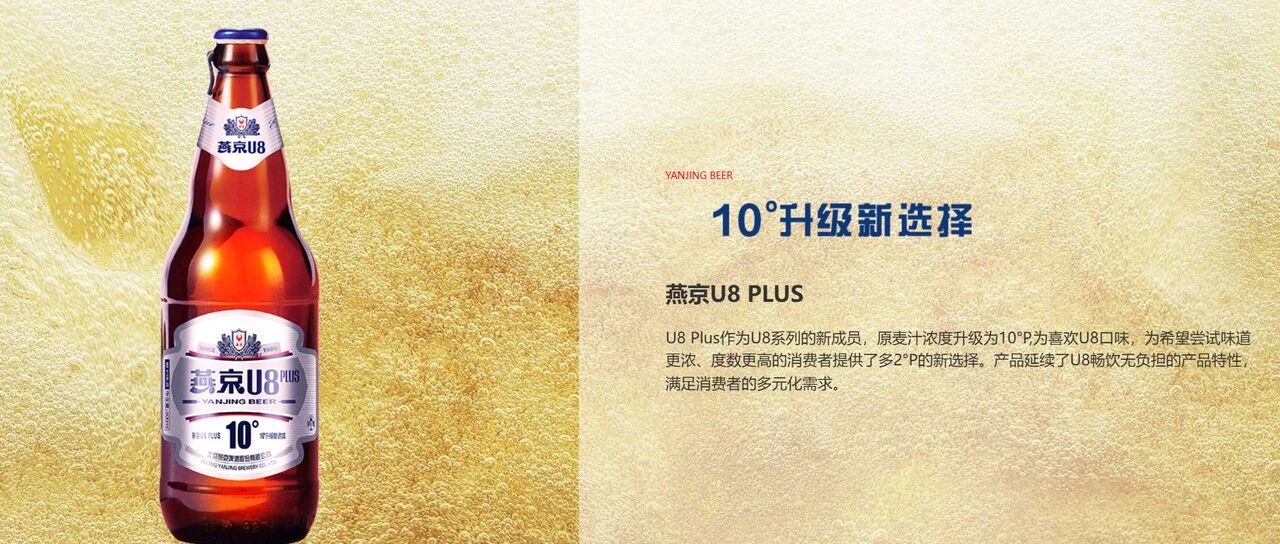
Core Viewpoint - Yanjing Beer has been slower in its premiumization process compared to other leading beer companies, but recent strategic actions aim to enhance operational efficiency and product structure, which could lead to improved profitability [4][6][18]. Group 1: Premiumization and Product Structure - Yanjing Beer launched its premium products U8 and V10 in 2019-2020, while competitors like Qingdao Beer and Chongqing Beer had already introduced their premium products earlier [4]. - The company has initiated a "cost reduction and efficiency enhancement" strategy since 2022, focusing on streamlining its product offerings and improving operational efficiency [4][18]. - The premiumization strategy is expected to enhance gross margins, as the gross margin of mid-to-high-end products like U8 is significantly higher than that of lower-tier products [21]. Group 2: Financial Performance and Efficiency - In 2024, Yanjing Beer achieved revenue of 14.67 billion yuan, with a gross margin of 40.72%, while Qingdao Beer had a revenue of 32.14 billion yuan and a gross margin of 40.23% [12][11]. - Yanjing's management expense ratio is higher than that of its peers, which contributes to its lower net profit margin despite a higher gross margin [6][11]. - The company has seen improvements in operational efficiency, with a production capacity utilization rate of 65.4% in 2024, compared to Qingdao Beer’s 79.5% [16][18]. Group 3: Taxation and Profitability - Yanjing Beer benefits from a reduced corporate tax rate of 15% for some subsidiaries due to high-tech enterprise qualifications and tax incentives [8]. - The increase in the proportion of higher-priced products like U8 is expected to lower the effective tax rate, further enhancing profitability [21]. - The company anticipates that by 2028, U8 could account for 30% of total sales, contributing approximately 7.4 billion yuan in revenue, significantly boosting overall profitability [22][23].

巨星农牧(603477):2月销售数据简评:2月出栏量稳步增长,价格下跌
Donghai Securities· 2026-03-16 06:48
Investment Rating - The investment rating for the company is "Buy" (maintained) [1][6] Core Insights - The company reported a steady growth in the number of pigs sold in February, with a total of 297,400 pigs sold, representing a year-on-year increase of 24.06%. However, the average selling price decreased to 11.28 yuan per kilogram, down 23.9% year-on-year [6][7] - The company is focusing on cost control and high-quality development, with a projected total cost of 12 yuan per kilogram for pigs by December 2025. The company aims to improve production efficiency and reduce costs through digitalization and innovation [6][7] - The current low pig prices are expected to accelerate capacity reduction in the industry, which may benefit future prices as supply decreases [6][7] Summary by Relevant Sections Sales Performance - In February, the company sold 297,400 pigs, with a total sales revenue of 425 million yuan, reflecting a 4.9% decrease year-on-year. Cumulatively, from January to February, the company sold 701,800 pigs, achieving a revenue of 1.073 billion yuan, which is a 15.5% increase year-on-year [6][7] Financial Forecasts - The company's projected main revenue for 2024 is 6,078.25 million yuan, with a year-on-year growth of 50.43%. The net profit attributable to the parent company is expected to be 518.55 million yuan, with a significant year-on-year increase of 180.36% [3][7] - For 2025, the expected net profit is 31.32 million yuan, reflecting a decrease of 93.96% year-on-year, while for 2026, a net loss of 32.76 million yuan is anticipated [3][7] Cost Management - The company is expected to maintain a cost of approximately 13 yuan per kilogram for the entire year of 2025, with ongoing efforts to enhance production efficiency and reduce costs [6][7] - The company plans to stop new breeding projects and phase out inefficient breeding capacity to focus on high-quality development [6][7]

海天味业20260315
2026-03-16 02:20
Summary of Haitan Weiye Conference Call Company Overview - **Company**: Haitan Weiye (海天味业) - **Industry**: Condiment and Food Industry Key Points Industry and Market Dynamics - The restaurant channel is expected to accelerate significantly in 2026, with shipment growth rising to 12% in January-February, compared to only 2-3% in 2025 [2][3] - The overall revenue growth for 2026 is projected at approximately 10%, with profit growth expected to be between 13%-14%, reaching around 7.99 billion yuan [2][3] - The core product category, oyster sauce, is benefiting from the recovery in the restaurant sector, showing a return to double-digit growth [2][7] - The cost pressure is manageable, with soybean price increases offset by double-digit declines in sugar prices, leading to a potential increase in gross margin for 2026 [2][9] Company Performance and Strategy - Haitan Weiye's market share in the restaurant channel is expected to continue increasing, aided by a recovery in consumer dining out [5][6] - The company has shifted its promotional focus to the "low-salt" series, which has already reached a scale of several billion yuan and is expected to become a new flagship product [2][7] - The company’s operational efficiency and cost management strategies are expected to enhance profitability, with a focus on supply chain optimization and smart manufacturing [9] Financial Projections - For 2025, Haitan Weiye is expected to achieve around 6% revenue growth and approximately 10% profit growth [3] - The revenue growth target for 2026 is set at about 18%, with expectations for double-digit growth, potentially exceeding 10% [3][5] - The estimated valuation for Haitan Weiye is around 26-27 times earnings for A-shares and 22 times for Hong Kong shares, with potential for upward revision based on performance [3][10] Competitive Landscape - The competitive landscape in the restaurant sector is changing, with a reduction in price wars as major players like Anjiyuan and Yihai begin to cut promotions [5][6] - This trend is expected to benefit Haitan Weiye, allowing it to regain market share in the restaurant channel [6] Cost Management and Profitability - The company is not facing significant cost pressures for 2026, with raw material costs expected to remain stable or slightly decrease due to favorable pricing trends [8][9] - The optimization of production processes and supply chain efficiencies is anticipated to contribute to lower costs per ton, enhancing profit margins [9] Valuation and Market Sentiment - The core catalyst for Haitan Weiye's stock price is expected to be changes in fundamentals, particularly exceeding market expectations for performance [10] - Historical performance indicates that when the company surpasses revenue growth expectations, it can lead to significant valuation recovery [10] Additional Insights - The shift towards healthier product offerings, such as low-salt options, aligns with current consumer health trends and may drive future sales growth [7] - The company’s ability to adapt to market conditions and consumer preferences will be crucial for maintaining its leadership position in the condiment industry [6][7]
招商银行拟赎回275亿优先股规模年内第二 归母净利首超1500亿不良率连续5年低于1%
Chang Jiang Shang Bao· 2026-03-15 23:17
Core Viewpoint - China Merchants Bank (CMB) plans to fully redeem its preferred shares "Zhaoyin You1" issued in December 2017, amounting to 27.5 billion yuan, on April 15, 2026, as part of its strategy to optimize capital structure and reduce costs in a declining interest rate environment [1][2][3]. Group 1: Preferred Share Redemption - CMB's redemption scale of 27.5 billion yuan ranks second among domestic banks, following Everbright Bank's redemption of 35 billion yuan [2]. - The core logic behind the redemption is to lower financial costs and optimize capital structure, as the preferred share's coupon rate of 4.81% is significantly higher than the average rate of 2.43% for perpetual bonds [3][4]. - By redeeming these preferred shares, CMB is expected to save approximately 1.323 billion yuan annually in fixed dividend payments, enhancing net profit and shareholder returns [3][4]. Group 2: Financial Performance - In 2025, CMB reported total operating income of 337.532 billion yuan, a slight increase of 0.01% year-on-year, and a net profit attributable to shareholders of 150.181 billion yuan, marking a 1.21% increase [1][6]. - The bank's total assets surpassed 13 trillion yuan, reaching 13.07 trillion yuan, with a year-on-year increase of 7.56%, marking six consecutive years of asset growth [8]. - CMB maintained a non-performing loan (NPL) ratio of 0.94%, remaining below 1% for five consecutive years, indicating strong asset quality [9]. Group 3: Market Context - The trend of redeeming high-interest preferred shares is becoming common among banks, with nine banks redeeming a total of 111.8 billion yuan in 2025, a record high [5]. - CMB's return on equity (ROE) for 2025 was 13.33%, down 1.05 percentage points year-on-year, reflecting a focus on maintaining high returns for shareholders [3][4].

【招商积余(001914.SZ)】经营基本面保持稳健,市场拓展亮点突出——2025年度业绩点评(何缅南/韦勇强)
光大证券研究· 2026-03-15 23:05
Core Viewpoint - The company reported a revenue growth of 12.2% for 2025, with a net profit decline of 22.12% due to one-time impacts from project disposals, but a net profit growth of 8.3% when excluding these effects [4]. Group 1: Revenue Performance - The company achieved a revenue of 19.273 billion yuan, representing a year-on-year increase of 12.23%. The property management segment generated 14.279 billion yuan, growing by 6.56%, while residential and non-residential property management revenues increased by 12.37% and 4.31%, respectively. The managed area reached 377 million square meters, up by 3.37% [5]. - Professional value-added services showed significant growth, with revenues of 3.786 billion yuan, marking an increase of 48.46%, indicating enhanced competitiveness in facility management and construction technology [5]. - Platform value-added services experienced slower growth, with revenues of 537 million yuan, only increasing by 0.18%, necessitating attention to future product matrix optimization [5]. Group 2: Profitability and Cost Management - The overall gross margin for the property management segment decreased to 10.01%, down by 0.44 percentage points, primarily due to rising labor costs and a rapid increase in costs for professional value-added services, which rose by 50.22%. The residential segment saw a gross margin improvement, increasing by 0.48 percentage points to 11.36% [6]. - The commercial operation gross margin fell significantly from 44.43% to 18.55%, a decline of 25.88 percentage points, indicating a need to monitor changes in cost structure [6]. - Selling, administrative, and financial expenses decreased by 4.84%, 3.56%, and 61.79%, respectively, demonstrating effective cost reduction and efficiency improvement measures [6]. Group 3: Market Expansion - The company signed new third-party contracts worth 4.169 billion yuan, an increase of 12.89%. The market-oriented residential segment saw substantial growth, with new contracts totaling 474 million yuan, up by 59.60%, including landmark projects like Shanghai Kangcheng [7]. - The aviation segment achieved new contracts of 191 million yuan, an increase of 85%, with projects at Southern Airlines' Xinjiang branch and Guangzhou Baiyun Airport T3 terminal [8]. - The education segment secured new contracts worth 232 million yuan, a growth of 25%, including a contract with Renmin University of China for its Tongzhou campus [8]. - The Integrated Facility Management (IFM) segment signed new contracts totaling 369 million yuan, up by 15%, with projects at JD's Suqian Global Customer Service Center and Beijing Changxin Storage [8].

【藏格矿业(000408.SZ)】钾肥价格上涨叠加投资收益提升,25年业绩大幅增长——2025年报点评(赵乃迪/周家诺)
光大证券研究· 2026-03-15 23:05
Core Viewpoint - The company reported significant growth in revenue and net profit for 2025, driven primarily by the increase in potassium chloride prices and investment returns from its stake in Jilong Copper Industry [4][5]. Group 1: Financial Performance - In 2025, the company achieved revenue of 3.577 billion yuan, a year-on-year increase of 10.03% [4] - The net profit attributable to shareholders reached 3.852 billion yuan, up 49.32% year-on-year [4] - The net profit after deducting non-recurring items was 4.031 billion yuan, reflecting a growth of 58.28% year-on-year [4] - In Q4 2025, the company recorded a single-quarter revenue of 1.175 billion yuan, a year-on-year increase of 26.76% and a quarter-on-quarter increase of 62.49% [4] Group 2: Business Segments - The potassium chloride business generated revenue of 2.949 billion yuan, a year-on-year increase of 33.42%, with a gross margin improvement of 19.81 percentage points to 64.64% [5] - The average selling price of potassium chloride was 2,964 yuan/ton, up 28.6% year-on-year, while the average sales cost decreased by 17.6% to 962 yuan/ton [5] - The lithium carbonate business saw a revenue decline of 42.0% to 593 million yuan, with a gross margin decrease of 10.6 percentage points to 34.8% [5] - Lithium carbonate production was 8,808 tons, and sales were 8,957 tons, down 23.9% and 34.1% year-on-year, respectively [5] Group 3: Investment and Projects - The second phase of Jilong Copper Mine commenced production on January 23, 2026, increasing the processing capacity from 150,000 tons/day to 350,000 tons/day, which will significantly enhance investment returns [6] - The Xizang Mami Cuo Salt Lake project is progressing, with the first phase planned to produce 50,000 tons of lithium carbonate annually, expected to be fully operational by Q3 2026 [6] - The Laos potassium salt mine project is advancing, with a registered potassium chloride resource of approximately 984 million tons and a planned annual production of 2 million tons [7]


藏格矿业(000408) - 000408藏格矿业投资者关系管理信息20260315
2026-03-15 14:39
Group 1: Financial Performance - In 2025, the company achieved a revenue of CNY 3.577 billion, a year-on-year increase of 10.03% [10] - The net profit attributable to shareholders was CNY 3.852 billion, up 49.32% year-on-year [10] - The cash dividend issued in 2025 and the expected annual cash dividend totaled CNY 3.922 billion, representing 102% of net profit [7] Group 2: Production Goals - In 2026, the company plans to produce 1 million tons of potassium chloride and 150,000 tons of industrial salt [9] - The company aims to produce and sell 11,000 tons of lithium carbonate in 2026 [9] - The expected copper concentrate production from the joint venture is between 300,000 and 310,000 tons, with the company's share being approximately 92,300 to 95,400 tons [9] Group 3: Cost Management - The average sales cost of potassium chloride in 2025 was CNY 961.62 per ton, a decrease of CNY 205.44 per ton, or 17.60% [11] - The company implemented cost control measures that resulted in a 16% reduction in controllable management expenses compared to 2024 [12] - Supply chain efficiencies led to a 10.27% decrease in material procurement costs [12] Group 4: Resource Development - The company is focusing on comprehensive resource utilization at the Qarhan Salt Lake, with plans to produce 1.5 million tons of industrial salt by 2026 [4] - The company has obtained mining rights for various minerals, including potassium, magnesium, lithium, and boron, enhancing its resource base [4] - The company is committed to developing lithium and potassium resources while exploring other minerals like boron and magnesium [14] Group 5: Employee Welfare - The company has established a comprehensive welfare system that includes various benefits and incentives to enhance employee satisfaction [6] - Specific measures include free accommodation, heating subsidies, and personalized benefits for employees from other regions [6] Group 6: Strategic Planning - The company aims to maintain a high dividend policy while ensuring sustainable growth and capital expenditure for future projects [8] - The company plans to focus on core potassium and lithium businesses while pursuing quality resource acquisitions [15] - The company is committed to optimizing its governance structure and enhancing competitiveness under the new major shareholder [13]
招商积余(001914):业绩符合预期,分红率提升,新签合同稳增:招商积余(001914):
Shenwan Hongyuan Securities· 2026-03-15 13:44
Investment Rating - The report maintains a "Buy" rating for the company, indicating a strong performance relative to the market [6]. Core Insights - The company reported a revenue of 19.27 billion yuan for 2025, reflecting a year-on-year growth of 12.2%. However, the net profit attributable to shareholders decreased by 22.1% to 650 million yuan, primarily due to a one-time loss from the disposal of a project [4][6]. - The company plans to distribute a cash dividend of 0.26 yuan per share, totaling 274 million yuan, which represents a dividend payout ratio of 42% [4]. - The company has a strong focus on property management and asset management, backed by the resources of the China Merchants Group, and is expected to continue leading the property management industry [7]. Financial Data Summary - For 2025, the company achieved a gross margin of 11.1%, a decrease of 0.9 percentage points year-on-year, and a net profit margin of 3.4%, down by 1.6 percentage points [4]. - The company’s total revenue projections for the next few years are as follows: - 2026E: 21.28 billion yuan - 2027E: 23.36 billion yuan - 2028E: 25.47 billion yuan - The net profit forecasts are: - 2026E: 985 million yuan - 2027E: 1.07 billion yuan - 2028E: 1.15 billion yuan [5][9].