以旧换新

Search documents
汽车早餐 | 赛力斯汽车完成50亿元战略增资;广州市“久摇不中”直接领取号牌;6月前三周全国乘用车零售同比增长24%
Zhong Guo Qi Che Bao Wang· 2025-06-26 02:59
Domestic News - China and Hungary signed a cooperation document to enhance collaboration in the automotive industry, focusing on autonomous driving technology and charging infrastructure [2] - Beijing will allocate 10,000 oil vehicle quotas for the car license plate lottery on June 26, with a total of 2,563,334 valid applications for family cars and 2,568,088 for personal cars [3] - Guangzhou implemented a policy allowing applicants who have not won the lottery for a long time to directly receive license plates, aiming to ease car purchase restrictions [4] - From June 1 to June 22, the national retail sales of passenger cars reached 1.269 million units, a year-on-year increase of 24%, with new energy vehicles accounting for 690,000 units sold [5] International News - In May, European car sales reached 1.11 million units, showing a year-on-year growth of 1.9%, while Tesla's new car registrations in the EU fell by 40.5% [6] Corporate News - Bosch plans to invest over €2.5 billion in artificial intelligence by the end of 2027 [9] - Nissan expects an operating loss of ¥200 billion (approximately RMB 9.9 billion) for Q2 2025, following a significant restructuring plan [10] - GAC Group applied for a patent to improve vehicle communication stability with parking lots [11] - Seres Automotive completed a strategic capital increase of RMB 5 billion, bringing in strategic investors without affecting its status as a subsidiary [12] - XPeng Motors aims for half of its sales to come from overseas markets by 2027, planning to enter over 60 countries [13] - Tesla's first grid-side energy storage project in mainland China is expected to be operational this year, with a storage capacity of 300 MWh [14] - Four-dimensional Map's SoC chip shipments have reached 90 million units, with MCU chip shipments exceeding 70 million units [15]




爱玛科技: 爱玛科技集团股份有限公司相关债券2025年跟踪评级报告
Zheng Quan Zhi Xing· 2025-06-25 17:01
Core Viewpoint - The credit rating agency has maintained a stable credit rating for Aima Technology Group Co., Ltd, reflecting its strong market position and operational performance in the electric two-wheeler industry, despite challenges from new regulations and market competition [3][4][8]. Financial Performance - Aima's total assets increased to 242.60 billion yuan in 2024 from 233.19 billion yuan in 2023, while total debt decreased to 74.43 billion yuan from 80.41 billion yuan [4][6]. - The company's operating revenue for 2024 was 216.06 billion yuan, a 2.71% increase from 210.36 billion yuan in 2023, with a net profit of 20.13 billion yuan, up from 18.96 billion yuan [6][15]. - The EBITDA for 2024 was reported at 31.66 billion yuan, indicating strong cash generation capabilities [6][7]. Market Position - Aima ranks second in the electric two-wheeler industry, with its market share narrowing the gap with the industry leader, Yadea Group [4][8]. - The company has effectively responded to the implementation of the new national standards, improving its operational efficiency metrics compared to competitors [7][23]. Production and Capacity - Aima's production capacity increased by 19.28% to 12.64 million units in 2024, although the capacity utilization rate fell to 85.44% due to rapid capacity expansion [7][21]. - The company has ongoing investments in new production bases, with significant capital expenditures planned for 2024 and beyond, totaling an estimated 80.45 billion yuan for various projects [18][19]. Industry Environment - The electric two-wheeler industry is experiencing increased concentration due to new regulations and the implementation of a vehicle replacement policy, which is expected to stimulate demand in 2025 [11][12]. - The new national standards, effective from September 2025, will require companies to enhance product quality and performance, potentially leading to further industry consolidation [13][14]. Research and Development - Aima has increased its R&D investment, with 2024 R&D expenditure amounting to 65.87 million yuan, representing 3.05% of its operating revenue, ranking second among major competitors [21][22]. - The company continues to innovate and adapt to market demands, launching new models that align with consumer preferences and regulatory requirements [21].

途虎养车获得2025汽车后市场专项政府补贴 加码“以旧换新”活动
Zhi Tong Cai Jing· 2025-06-25 13:00
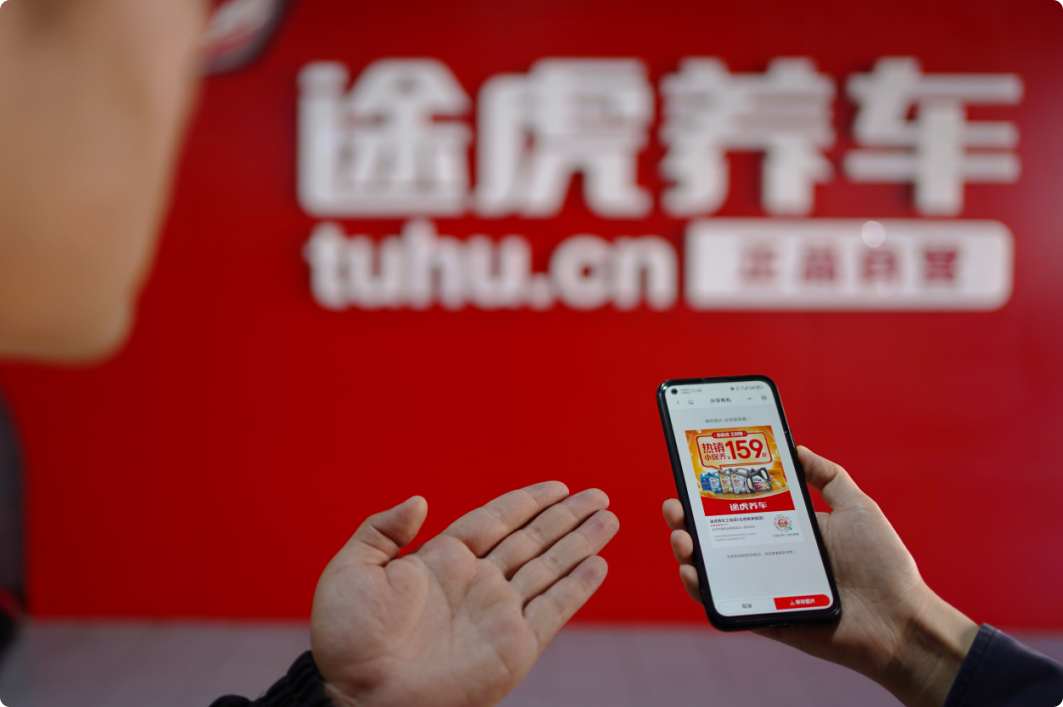
Core Viewpoint - The government is intensifying subsidies for the automotive aftermarket, with Tuhu Car Service becoming the sole partner for the 2025 vehicle trade-in program in Zaoyang Economic Development Zone, Hubei [1] Group 1: Government Subsidies and Market Impact - Tuhu Car Service has engaged in a government subsidy project aimed at upgrading consumer spending in the automotive aftermarket, allowing users to enjoy dual benefits of "government subsidies + platform discounts" when purchasing products through the Tuhu app [1] - The automotive aftermarket is experiencing a surge in trade-in activities, with government subsidies driving record-high performance metrics on the Tuhu platform [1] - On June 18, Tuhu Car Service achieved sales exceeding 150 million, with international tire brand sales increasing by over 82% year-on-year, and engine oil sales ranking first nationally [1] Group 2: Service Network and Standardization - Tuhu Car Service operates over 7,000 service centers across more than 300 cities and 1,700 counties in mainland China, providing a robust network for the effective implementation of subsidies [3] - The company has established a standardized service system to ensure consistent quality and efficiency across all service centers, enhancing user experience regardless of location [3] - Tuhu's after-sales service, including lifetime warranties on tires, aims to safeguard the entire consumer experience throughout the service process [3] Group 3: Future Development - The government subsidy project is expected to further reduce vehicle maintenance costs, allowing more users to benefit from integrated online and offline automotive services, while promoting digitalization, transparency, and standardization in the automotive aftermarket [3]
以旧换新加力扩围成效亮眼(新视窗·感受消费新动能新活力)
Ren Min Ri Bao· 2025-06-24 21:42
Group 1: Policy Initiatives - The Chinese government has implemented a series of policies to promote the "trade-in" program for consumer goods, including automobiles, home appliances, and home renovations, aiming to create an effective mechanism for easier old-for-new exchanges [1] - Local governments are customizing implementation plans to expand the benefits of the trade-in policies, resulting in significant effectiveness [1] Group 2: Electric Bicycle Trade-in in Hebei - Hebei province has actively promoted the electric bicycle trade-in program, with 6,032 sales outlets participating and a total of 1.25 million old and new bicycles exchanged, utilizing 605 million yuan in subsidies and generating 3.473 billion yuan in new bicycle sales [3] - The program has streamlined processes, allowing consumers to complete the trade-in in about 30 minutes, significantly increasing store traffic and sales [4][5] Group 3: Home Renovation Trade-in in Guizhou - Guizhou has expanded its trade-in subsidies to cover home renovation materials and smart home products, with 6,626 participating merchants and over 218,990 subsidized products [7][8] - The program has successfully utilized over 68 million yuan in subsidies, encouraging the exchange of 50,500 items and generating 460 million yuan in consumption [9] Group 4: Automotive Trade-in in Liaoning - Liaoning province has focused on stimulating automotive consumption through trade-in subsidies, with a reported retail sales figure of 39.17 billion yuan for automotive goods, a 5.1% increase year-on-year [10][11] - The province has organized numerous promotional events to boost automotive sales, including a major event featuring over 30 car brands and significant combined discounts [12]
江苏5月消费市场稳步向好
Jiang Nan Shi Bao· 2025-06-24 14:41
Group 1 - In May, Jiangsu's total retail sales of consumer goods increased by 6.3% year-on-year, accelerating by 1.3 percentage points compared to April [1] - From January to May, the total retail sales of consumer goods in Jiangsu grew by 5.6%, with a slight acceleration of 0.1 percentage points compared to the previous four months [1] - The "trade-in" policy has shown significant effects, with related categories such as automobiles, home appliances, 3C digital products, and home goods achieving retail sales of 67.22 billion yuan in May, a year-on-year increase of 18.6% [1] Group 2 - Green and smart products maintained rapid growth, with retail sales of new energy vehicles, smartphones, and energy-efficient products increasing by 47.9%, 28.8%, and 91.3% respectively in May [2] - Online retail sales through public networks reached 48.71 billion yuan in May, accounting for 30.9% of total retail sales, with a year-on-year growth of 33.5% [2] - From January to May, online retail sales increased by 29.4%, with a growth acceleration of 1.1 percentage points compared to the previous four months [2]
广东:加快推动汽车、家电、手机数码等以旧换新 加快以旧换新资金清算工作进度
news flash· 2025-06-24 08:58
Core Viewpoint - Guangdong Province is accelerating the promotion of trade-in programs for automobiles, home appliances, digital devices, and other consumer goods to enhance domestic circulation and stimulate economic growth [1] Group 1: Policy Implementation - The Guangdong Provincial Government has issued a work plan to promote economic sustainability and strengthen domestic circulation [1] - The plan emphasizes the optimization of work processes and the smoothening of recycling channels for trade-in programs [1] - There is a focus on expediting the financial settlement process related to trade-in programs [1] Group 2: Scope of Trade-in Programs - The trade-in initiatives will cover various sectors including automobiles, home appliances, home decoration, electric bicycles, and digital devices [1] - The policy aims to expand the trade-in approach into the service consumption sector as per national directives [1]
以旧换新资金将陆续下达,关注油价波动
SINOLINK SECURITIES· 2025-06-24 08:31
Investment Rating - The report does not explicitly state an investment rating for the industry Core Insights - The e-commerce sales during the "618" shopping festival saw a significant increase, with total online retail sales reaching nearly 2 trillion yuan, a year-on-year growth of approximately 9.8% [4][5] - The "old-for-new" subsidy program is expected to see a decline in funding in certain regions, with central government funds being allocated in the third and fourth quarters [6] - South Korea's exports rebounded significantly in the first 20 days of June, with a year-on-year growth of 8.3%, driven mainly by semiconductor exports [9] - The real estate market shows weak performance in both new and second-hand housing transactions, with second-hand housing sales becoming the dominant force [11] - Rising tensions in the Middle East have led to a continuous increase in crude oil prices, reaching $78.9 per barrel, a 24.5% increase since the end of May [14] Summary by Sections E-commerce Growth - The "618" shopping festival in 2025 began on May 13, one week earlier than in 2024, leading to a notable increase in sales driven by government subsidies [4] - Total e-commerce sales during the event reached 855.6 billion yuan, a 15.2% increase year-on-year, with significant growth in categories like home appliances and 3C digital products [5] Old-for-New Subsidy Program - The central government plans to allocate approximately 138 billion yuan for the "old-for-new" program in the second half of the year, with an average monthly usage of around 23 billion yuan [6] South Korea's Export Performance - South Korea's exports in June showed a strong recovery, particularly in semiconductors, which accounted for 22.9% of total exports [9] - Exports to the EU increased by 23.5%, while exports to China saw a slight decline of 1.0% [10] Real Estate Market Trends - The transaction volume for new and second-hand homes remains weak, with second-hand homes accounting for 58.2% of sales in major cities [11] - The average weekly transaction area for new homes in major cities was 300,000 square meters, reflecting a year-on-year decline of 1.5% [11] Crude Oil Price Trends - Crude oil prices have risen significantly due to geopolitical tensions, with a direct impact on domestic inflation indicators [14]
政策红利持续释放 多元业态深度融合 南昌消费市场人气旺活力足
Sou Hu Cai Jing· 2025-06-24 02:16
Core Insights - Nanchang has experienced a vibrant consumption trend in 2023, with a retail sales total of 802.6 billion yuan in Q1, reflecting a year-on-year growth of 4.4% [1] Group 1: Policy and Market Dynamics - Continuous policy incentives and the integration of diverse business formats are revitalizing the consumption market in Nanchang, injecting significant momentum into high-quality economic development [2] - The "old for new" policy has significantly boosted the home appliance and digital market, with consumers benefiting from substantial subsidies, making purchases more attractive [4][6] Group 2: Consumer Behavior and Trends - The "old for new" policy has led to over 300 million units of home appliances and digital products being purchased, generating 9.7 billion yuan in consumption and benefiting 2.25 million people [6] - The integration of cultural and tourism elements is transforming consumer experiences, with events like the Bread and Coffee Festival attracting significant foot traffic and sales [9][11] Group 3: Promotional Activities - Nanchang has actively issued consumer vouchers, with over 1.7 million yuan distributed during the May Day holiday, stimulating market participation and enhancing consumer satisfaction [12][14] - The city has organized over 200 promotional activities under the "Le Gou Hong Cheng" series, with a fiscal investment of 82 million yuan, directly driving consumption by over 2.44 billion yuan [14]
智能家居行业双周报:美的再抛大额回购计划,海尔发布银发经济新品牌-20250623
Guoyuan Securities· 2025-06-23 09:14
Investment Rating - The report maintains a "Recommended" rating for the smart home industry [7][30]. Core Insights - The smart home industry is expected to benefit from government policies aimed at stimulating consumption, particularly through the expansion of the appliance replacement and recycling programs. The integration of advanced technologies such as IoT, AI, and big data is enhancing product innovation and meeting diverse consumer needs. Additionally, the easing of trade tensions with the US is likely to favor Chinese home appliance companies in international markets, while domestic demand is driven by rising living standards and an aging population [5][30]. Summary by Sections Market Review - In the past two weeks (June 7 - June 20, 2025), the Shanghai Composite Index fell by 0.75%, the Shenzhen Component Index by 1.75%, and the ChiNext Index by 1.45%. The smart home index (399996.SZ) decreased by 2.98%, underperforming the Shanghai Composite by 2.23 percentage points [1][12]. - Year-to-date (January 1 - June 20, 2025), the Shanghai Composite Index rose by 0.24%, while the smart home index fell by 0.31%, outperforming the Shenzhen Component and ChiNext indices [12][17]. Industry Policy Tracking - The Guangdong Provincial Department of Industry and Information Technology is initiating pilot projects for smart elderly care service robots, requiring selected units to validate applications in at least 200 households and 20 community or institutional settings within two years [3][19]. Industry News Tracking - A total of 138 billion yuan in central funds will be allocated to support the appliance replacement program, with significant sales growth reported during the "618" shopping festival due to government subsidies and platform promotions. Haier launched a new brand targeting the elderly, "Haier care," and Midea announced a share buyback plan of up to 10 billion yuan [4][20][24][26][28]. Investment Recommendations - The report emphasizes that the smart home industry is poised for growth due to supportive policies, technological advancements, and increasing consumer demand driven by demographic changes. The entire smart home supply chain is expected to benefit, leading to a "Recommended" rating for the sector [5][30].
【钛晨报】跨境支付通正式上线,两地居民可实时办理跨境汇款;据称英伟达计划在AI服务器生产线上部署人形机器人;华为20%收入做研发,中美竞争下加大投入
Tai Mei Ti A P P· 2025-06-22 23:28
Group 1 - The launch of the Cross-Border Payment Channel marks the connectivity between the Mainland and Hong Kong's rapid payment systems, allowing real-time cross-border remittances for residents [2][3] - As of June 22, the Northbound remittance transaction volume reached approximately 6,900 transactions, with an average transaction amount of about RMB 800, while the Southbound remittance transaction volume was around 19,000 transactions, averaging RMB 3,100 per transaction [2] - The Cross-Border Payment Channel aims to save time and costs for individuals transferring funds between the two regions, facilitating payments for tuition or remittances to friends and family [2] Group 2 - The daily limit for Hong Kong residents using the Cross-Border Payment Channel for Northbound remittances is HKD 10,000, with an annual limit of HKD 200,000, independent of the existing RMB limit [3] - The initial participating institutions include major banks from both the Mainland and Hong Kong, with plans to gradually expand the range of participating institutions [3] - The People's Bank of China emphasizes that the Cross-Border Payment Channel enhances the safety, efficiency, and convenience of payment services, supporting the integration of the Guangdong-Hong Kong-Macao Greater Bay Area [3]