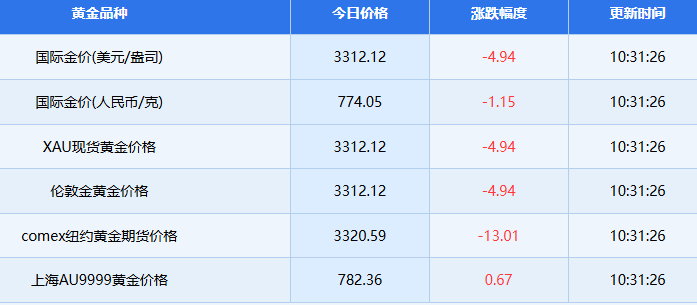
技术面

Search documents
瑞达期货沪镍产业日报-20251211
Rui Da Qi Huo· 2025-12-11 08:55
Report Summary 1. Report Industry Investment Rating - Not provided in the content 2. Core View of the Report - The report predicts that Shanghai nickel will experience a short - term weak adjustment, and investors should pay attention to the competition at the 116,000 - yuan mark. The Philippines is in the rainy season, leading to a decline in nickel ore imports. The potential variables of Indonesia's RKAB approval and possible export policy changes have limited impact on supply recently. The supply of the pure nickel market is under great pressure, while the demand side shows positive trends. Both domestic and overseas nickel inventories are increasing, and the technical side shows a bearish atmosphere [2]. 3. Summary by Relevant Catalogs Futures Market - The closing price of the main futures contract of Shanghai nickel is 115,870 yuan/ton, down 1,220 yuan; the 01 - 02 month contract spread of Shanghai nickel is - 190 yuan/ton, down 40 yuan. The LME 3 - month nickel price is 14,675 US dollars/ton, down 75 US dollars. The main contract position of Shanghai nickel is 106,302 lots, an increase of 3,719 lots. The net long position of the top 20 futures holders of Shanghai nickel is - 18,301 lots, an increase of 3,129 lots. The LME nickel inventory is 253,092 tons, an increase of 564 tons. The inventory of the Shanghai Futures Exchange is 42,508 tons, an increase of 1,726 tons. The LME nickel cancelled warrants total 9,390 tons, an increase of 336 tons. The warehouse receipt quantity of Shanghai nickel is 33,939 tons, a decrease of 296 tons [2]. 现货 Market - The SMM 1 nickel spot price is 118,850 yuan/ton, down 300 yuan; the average spot price of 1 nickel plate in the Yangtze River is 118,750 yuan/ton, down 300 yuan. The CIF (bill of lading) price of Shanghai electrolytic nickel is 85 US dollars/ton, unchanged; the bonded warehouse (warehouse receipt) price of Shanghai electrolytic nickel is 85 US dollars/ton, unchanged. The average price of battery - grade nickel sulfate is 27,550 yuan/ton, unchanged. The basis of the NI main contract is 2,980 yuan/ton, an increase of 920 yuan. The LME nickel (spot/three - month) premium is - 192.16 US dollars/ton, down 1.7 US dollars [2]. Upstream Situation - The monthly import volume of nickel ore is 468.28 tons, a decrease of 143.17 tons; the total port inventory of nickel ore is 1,469.71 tons, a decrease of 17.62 tons. The average monthly import unit price of nickel ore is 57.33 US dollars/ton, an increase of 0.61 US dollars. The tax - included price of Indonesian laterite nickel ore with 1.8% Ni is 41.71 US dollars/wet ton, unchanged [2]. Industry Situation - The monthly output of electrolytic nickel is 29,430 tons, an increase of 1,120 tons; the total monthly output of ferronickel is 2.29 million metal tons, an increase of 0.12 million metal tons. The monthly import volume of refined nickel and alloys is 9,939.65 tons, a decrease of 18,631.22 tons; the monthly import volume of ferronickel is 90.51 tons, a decrease of 18.02 tons [2]. Downstream Situation - The monthly output of 300 - series stainless steel is 3.73 tons, and the total weekly inventory of 300 - series stainless steel is 58.53 tons, a decrease of 1.23 tons [2]. Industry News - The Federal Reserve cut interest rates by 25 basis points as expected, but three voting members opposed it. It still expects to cut interest rates once next year and will buy short - term bonds worth 40 billion US dollars. Powell said that the bond - buying scale may remain at a high level in the next few months, the labor market is gradually cooling but slower than expected, and it can wait patiently at the current interest rate, and the impact of tariffs is expected to gradually subside next year. China's CPI in November increased by 0.7% year - on - year, the highest since March 2024, and the year - on - year decline of PPI slightly widened. Hassett said that Trump will make a final decision on the candidate for the Fed chairman in the next 1 - 2 weeks [2].
沪锡产业日报-20251211
Rui Da Qi Huo· 2025-12-11 08:55
Report Summary 1. Report Industry Investment Rating No information provided. 2. Core Viewpoints - The report expects short - term strong adjustment of Shanghai Tin, with a focus on the range of 315,000 - 325,000 yuan/ton. The macro - situation includes the Fed's 25 - basis - point rate cut, and the supply side has a relatively tight domestic tin ore import supply. The demand side shows that downstream has purchasing willingness when tin prices decline, but high prices suppress transactions. [3] 3. Summary by Relevant Catalogs Futures Market - The closing price of the Shanghai Tin futures main contract is 320,600 yuan/ton, down 2,030 yuan. The LME 3 - month tin price is 40,010 dollars/ton, up 160 dollars. The main contract's open interest of Shanghai Tin is 42,785 lots, down 4,714 lots. The net position of the top 20 futures is - 430 lots, down 1,183 lots. LME tin's total inventory is 3,655 tons, up 605 tons, and the cancelled warrants are 165 tons, down 95 tons. The Shanghai Futures Exchange's stock of tin is 6,865 tons (weekly), up 506 tons, and the warehouse receipts are 7,024 tons (daily), down 127 tons. [3] 现货市场 - The SMM 1 tin spot price is 320,000 yuan/ton, up 3,300 yuan. The Yangtze River Non - ferrous Market 1 tin spot price is 320,770 yuan/ton, up 3,630 yuan. The basis of the Shanghai Tin main contract is - 5,930 yuan/ton, down 9,610 yuan. The LME tin premium (0 - 3) is 30 dollars/ton, down 11 dollars. [3] Upstream Situation - The monthly import volume of tin ore and concentrates is 1.16 million tons, up 0.29 million tons. The average price of 40% tin concentrate is 308,000 yuan/ton, up 6,000 yuan, with a processing fee of 10,500 yuan/ton (unchanged). The average price of 60% tin concentrate is 312,000 yuan/ton, up 6,000 yuan, with a processing fee of 6,500 yuan/ton (unchanged). [3] Industry Situation - The monthly output of refined tin is 1.4 million tons, down 0.16 million tons. The monthly import volume of refined tin is 983.25 tons, down 518.38 tons. [3] Downstream Situation - The price of 60A solder bar in Gejiu is 205,370 yuan/ton, up 2,000 yuan. The cumulative monthly output of tin - plated sheets (strips) is 124.54 million tons, up 13.61 million tons. The monthly export volume of tin - plated sheets is 22.26 million tons, up 2.5 million tons. [3] Industry News - The Fed cut interest rates by 25 basis points as expected, with three voting members opposing. It is still expected to cut rates once next year and will buy short - term bonds worth 40 billion dollars. China's November CPI rose 0.7% year - on - year, the highest since March 2024, and the year - on - year decline of PPI slightly expanded. Hassett said Trump would make a final decision on the Fed chairman candidate in the next 1 - 2 weeks. [3]
美元指数缺乏持续走强动能
Qi Huo Ri Bao· 2025-11-26 01:42
Core Viewpoint - The strengthening of the US dollar index is primarily supported by external factors, including the weakening of non-US currencies and a temporary alleviation of employment concerns [6]. Group 1: Factors Supporting Dollar Strength - The collective weakening of non-US currencies has provided passive support for the dollar index, with the Japanese yen and British pound both under pressure due to respective economic conditions and policy decisions [1]. - Expectations for interest rate cuts have cooled, reinforcing the resilience of the dollar. Despite a rate cut in October, hawkish signals from the Federal Reserve have led to a significant reduction in the market's expectations for further cuts in December [2]. - The pause in the release of key economic data due to the government shutdown has alleviated short-term employment concerns, with recent ADP employment data showing marginal improvement, thus supporting the dollar index [3]. Group 2: Additional Supporting Factors - Concerns regarding the independence of the Federal Reserve have temporarily eased, following the Supreme Court's decision to hear a case related to potential dismissals within the Fed, which has calmed market fears [5]. - Increased risk aversion has driven demand for the dollar as a safe-haven asset, particularly following a pullback in US tech stocks and tightening liquidity conditions [5]. Group 3: Limitations on Future Dollar Strength - The risks in the employment market have not fundamentally eased, with key employment data yet to be released, and the potential for downward revisions in previously reported job numbers [7]. - There remains room for a return to rate cut expectations, particularly if a dovish candidate is appointed as the next Fed chair, which could negatively impact the dollar index [7]. - The support from non-US currencies is not robust, as the Japanese yen's depreciation may prompt government intervention, which could weaken its support for the dollar index [7]. - Technical resistance is evident near the 100-point mark for the dollar index, requiring additional positive factors for further upward movement [7]. Group 4: Short-term Outlook - In the short term, the dollar index is expected to maintain a high-level oscillation, with upcoming employment data and the appointment of a new Fed chair candidate serving as critical tests for its resilience [8].

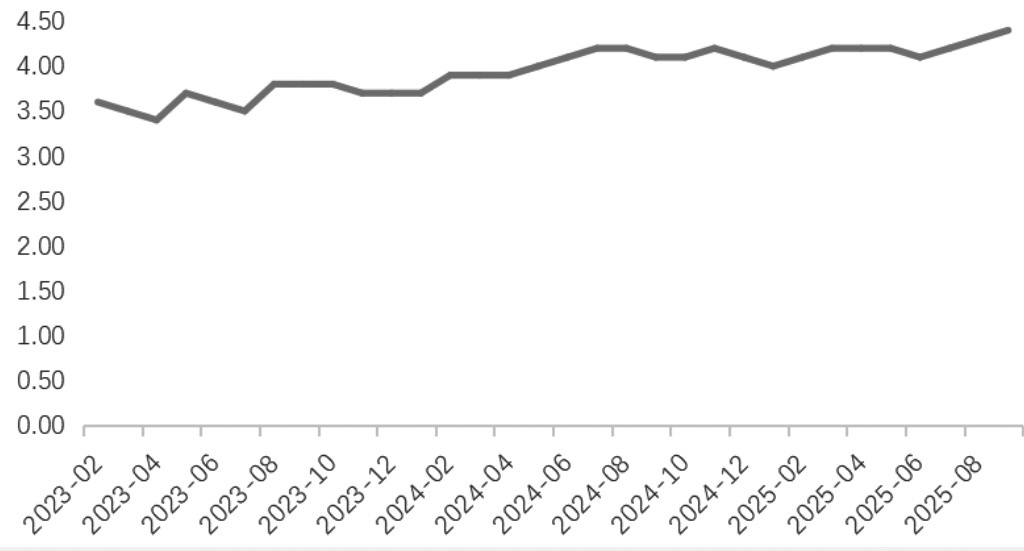
2025年7月16日,国内黄金9995价格多少钱一克?
Sou Hu Cai Jing· 2025-07-16 00:55
Core Viewpoint - Domestic gold prices have decreased by 0.42% to 774.92 RMB per gram, while international gold prices have slightly increased by 0.01% to 3337.1 USD per ounce, indicating a mixed market sentiment influenced by various factors [1][2]. Group 1: Tariff Policy - Trump's tariff policy is a significant driver of gold price fluctuations, with threats of high tariffs on the EU and Mexico raising concerns about global trade dynamics [2]. - The EU's potential retaliatory tariffs could exacerbate inflation, which would be favorable for gold prices, although short-term market sentiment remains cautious as investors await more details [2]. - Trump's announcement of sending tariff letters to smaller countries, with rates possibly exceeding 10%, may provide some support for gold prices as a safe-haven asset [2]. Group 2: Inflation Data and Federal Reserve Policy - The U.S. June CPI showed the largest month-on-month increase since January, leading to slight adjustments in market expectations for Federal Reserve rate cuts, with a projected reduction of about 44 basis points by year-end [3]. - The probability of a rate cut in September has decreased to 53%, and Powell's vigilance regarding inflation suggests a cautious approach from the Fed [3]. - The moderate rise in inflation data did not exceed expectations, resulting in a stronger dollar index and a six-week high in U.S. Treasury yields, which has pressured gold prices [3]. Group 3: Market Sentiment and Technical Analysis - The gold market is experiencing frequent short-term volatility, with key technical levels such as 3375 USD acting as strong resistance and the 3330-3350 USD range serving as significant support [4]. - Market sentiment remains cautious as investors await clarity on tariff policies and economic data, with speculative positions impacting price movements [4]. - Retail investors are advised to be cautious of chasing prices, as this could lead to unfavorable outcomes [4]. Group 4: Price Outlook - Short-term gold prices are expected to be influenced by tariff policies, inflation data, and market sentiment, leading to significant volatility [5]. - The uncertainty surrounding tariff policies provides both support as a safe haven and pressure due to market caution [5]. - Long-term factors such as central bank gold purchases, increasing demand for gold, and its properties as a hedge against inflation are expected to support gold prices, with a potential for upward movement in the long run [5].
技术面上行趋势完好,CPI数据前如何把握交易节奏?ETF单日吸筹超百万盎司,市场重现1月价差危机;前方波动率预警:36%涨幅背后暗藏巨量空单围城!这一水平将触发多空绞杀>>
news flash· 2025-07-14 14:13
Group 1 - The article discusses the recent short-term pullback in silver prices and how to identify entry points for short positions [1] - It highlights that the technical uptrend remains intact, emphasizing the importance of trading rhythm ahead of CPI data [1] - The article notes that ETF purchases exceeded one million ounces in a single day, indicating a resurgence of market activity reminiscent of January's price disparity crisis [1] Group 2 - A volatility warning is issued, indicating a 36% increase in prices that conceals a significant accumulation of short positions [1] - The article suggests that this level of volatility could trigger a "long-short squeeze" in the market [1]
市场主流观点汇总-20250701
Guo Tou Qi Huo· 2025-07-01 11:41
Report Summary 1. Report Industry Investment Rating No information provided regarding the report industry investment rating. 2. Core View of the Report The report aims to objectively reflect the research views of futures companies and securities companies on various commodity varieties, track hot - spot varieties, analyze market investment sentiment, and summarize investment driving logics. It is based on the publicly - released research reports of institutions in the current week, and the closing price data is from last Friday, with the weekly change calculated as the change in the closing price from the previous Friday [2]. 3. Summary by Relevant Catalogs 3.1行情数据 - **Commodities**: From June 23 to June 27, 2025, commodities such as coke, copper, and iron ore had price increases, with coke rising 2.67%, copper rising 2.47%, and iron ore rising 1.92%. Commodities like corn, gold, and palm oil had price decreases, with corn falling 1.04%, gold falling 1.56%, and palm oil falling 1.87%. Crude oil had a significant drop of 12.02% [3]. - **A - shares**: During the same period, the CSI 500 rose 3.98%, the SSE 50 rose 1.27%, and the CSI 300 rose 1.95% [3]. - **Overseas Stocks**: The Nikkei 225 rose 4.55%, the Nasdaq Index rose 4.25%, and the S&P 500 rose 3.44% [3]. - **Bonds**: The 5 - year Chinese Treasury bond rose 0.64%, the 10 - year Chinese Treasury bond rose 0.30%, and the 2 - year Chinese Treasury bond rose 0.19% [3]. - **Foreign Exchange**: The euro - US dollar exchange rate rose 1.69%, the US dollar index fell 1.52%, and the US dollar central parity rate fell 0.09% [3]. 3.2大宗商品观点汇总 3.2.1宏观金融板块 - **Stock Index Futures**: Among 8 institutions' views, 2 were bullish, 1 was bearish, and 5 were for a sideways market. Bullish factors included rising Fed rate - cut expectations, a low risk - premium rate of the CSI 300, increased issuance of equity - oriented public funds, and sufficient bottom - supporting funds. Bearish factors included short - term difficulty in improving corporate fundamentals, the central bank's change in monetary policy stance, and over - heated market sentiment [4]. - **Treasury Bond Futures**: Among 7 institutions' views, 3 were bullish, 1 was bearish, and 3 were for a sideways market. Bullish factors included net liquidity injection by the central bank, weak credit and inflation data, and strong demand for bond allocation. Bearish factors included the central bank's change in monetary policy stance, the stock - bond seesaw effect, and rising long - term interest rates [4]. 3.2.2能源板块 - **Crude Oil**: Among 9 institutions' views, 3 were bullish, 2 were bearish, and 4 were for a sideways market. Bullish factors included falling US and Cushing crude oil inventories, reduced Russian exports, and geopolitical tensions. Bearish factors included the decline in geopolitical premiums, expected OPEC production increases, and weak terminal demand [5]. - **Eggs**: Among 8 institutions' views, 2 were bullish, 2 were bearish, and 4 were for a sideways market. Bullish factors included postponed peak - season stocking, approaching stocking season, potential egg - price increases, and reduced supply due to heat. Bearish factors included limited decline in laying - hen inventory, high chick - replenishment volume, high new - production capacity, and postponed downstream stocking [5]. 3.2.3有色板块 - **Copper**: Among 7 institutions' views, 5 were bullish, 0 were bearish, and 2 were for a sideways market. Bullish factors included rising Fed rate - cut expectations, improved risk appetite, and falling global visible inventories. Bearish factors included the substitution effect of recycled copper, weakening downstream procurement, and weakening terminal demand [6]. - **Methanol**: Among 7 institutions' views, 0 were bullish, 1 was bearish, and 6 were for a sideways market. Bullish factors included limited port - available goods, expected low port inventories, and increased downstream demand. Bearish factors included expected increases in Iranian imports, port inventory accumulation, potential MTO device maintenance, and a loosening supply - demand pattern [6]. 3.2.4贵金属 - **Gold**: Among 7 institutions' views, 4 were bullish, 1 was bearish, and 2 were for a sideways market. Bullish factors included rising Fed rate - cut expectations, a downward trend in real interest rates, and the strengthening of gold's safe - haven property. Bearish factors included reduced safe - haven demand, capital flowing to risky assets, and technical - level sell - offs [7]. 3.2.5黑色板块 - **Iron Ore**: Among 8 institutions' views, 2 were bullish, 2 were bearish, and 4 were for a sideways market. Bullish factors included increased molten - iron production, expected decline in overseas shipments, and improved macro sentiment. Bearish factors included rising port inventories, increased global shipments, weakening demand for five major steel products, and narrowing basis [7].
综合分析,6月股市大概率如何走?
Sou Hu Cai Jing· 2025-06-03 09:08
Group 1: Policy Impact - The policy measures implemented in May, including the issuance of long-term special government bonds and significant real estate reforms, are expected to show effects in June, but the market's recovery may be gradual [4] - Key factors to watch in June include the speed of the special government bond projects and the volume of second-hand housing transactions in core cities, which will determine the effectiveness of the policy measures [4] Group 2: Capital Market Dynamics - Northbound capital saw a significant inflow of nearly 30 billion in May, primarily driven by technical adjustments related to MSCI, but the strong dollar limits further foreign capital inflow [5] - Domestic stock funds have reached a high position of 87.2%, indicating limited room for further investment, while private equity positions have also risen to 76% [5] - Margin trading remains low at 1.53 trillion, and retail investor sentiment is cautious, leading to a market characterized by stock rotation rather than new capital inflow [5] Group 3: Technical Analysis - The Shanghai Composite Index is currently in a critical range between 3050 and 3150, with 3050 acting as strong support and 3150 as significant resistance [6] - A breakout above 3150 could open up upward potential, while failure to do so may lead to a retreat back to 3050, with trading volume being a crucial factor [6] Group 4: External Variables - The upcoming FOMC meeting on June 12 is critical, as any indication of limited interest rate cuts could pressure global risk assets, including the A-share market [7] - Geopolitical tensions, particularly regarding new tariffs on electric vehicles, may also impact the performance of the new energy sector [7] Group 5: Investment Strategy - A defensive approach is recommended for June, with a suggested position of around 50%, gradually taking profits above 3150 and buying near 3050 [8] - High-dividend sectors such as electricity (Yangtze Power), coal (China Shenhua), and banking (China Merchants Bank) are seen as safe havens in a volatile market [10] - Growth sectors supported by policy, such as new energy vehicles (CATL, BYD) and semiconductor equipment (SMIC), are also highlighted as areas of potential investment [10]
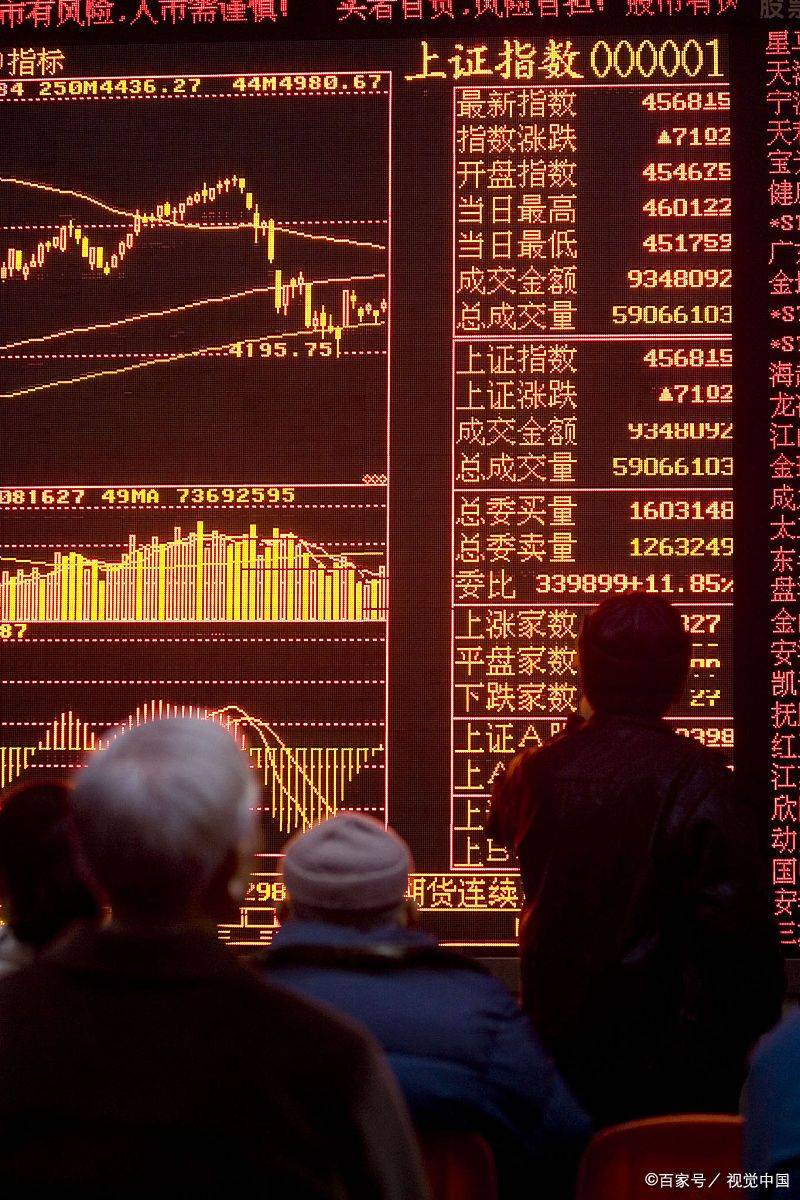
【期货热点追踪】技术面推动大豆价格反弹,出口数据不佳难挡即将到来的天气炒作,价格未来仍有上涨空间?
news flash· 2025-05-20 00:53
Core Insights - The article discusses the rebound in soybean prices driven by technical factors, despite poor export data, indicating potential for further price increases due to upcoming weather speculation [1] Group 1: Price Movement - Soybean prices are experiencing a rebound, influenced by technical market factors [1] - The current price trend suggests that there is still room for price increases in the near future [1] Group 2: Export Data - Recent export data for soybeans has been disappointing, which typically would exert downward pressure on prices [1] - However, the negative impact of this data is being overshadowed by other market dynamics [1] Group 3: Weather Speculation - Anticipation of weather-related events is expected to drive market speculation, contributing to potential price increases [1] - The combination of technical factors and weather speculation creates a complex market environment for soybeans [1]
宝城期货股指期货早报-20250507
Bao Cheng Qi Huo· 2025-05-07 02:30
Group 1: Report Industry Investment Rating - Not provided in the given content Group 2: Core View of the Report - The short - term view of the stock index is oscillating strongly, and the medium - term view is oscillating. Policy expectations support the stock index. Once there is a clear signal of policy benefits, the stock index may break through and rise [1][5] Group 3: Summary According to Relevant Catalogs 1. Variety View Reference - Financial Futures Stock Index Sector - For IH2506, the short - term view is oscillating, the medium - term view is oscillating, the intraday view is oscillating strongly, and the overall view reference is oscillating strongly, with the core logic being the increasing expectation of the policy side [1] 2. Main Variety Price Market Driving Logic - Financial Futures Stock Index Sector - The intraday view is oscillating strongly, and the medium - term view is oscillating. The reference view is oscillating strongly. The core logic is that the stock index rose comprehensively yesterday. The stock market trading volume was 1364.4 billion yuan, 171.4 billion yuan more than the previous day. This was due to the stable external news during the holiday, the return of funds to the stock market, the good high - frequency data of travel during the holiday, the high possibility of macro - economic recovery, the continuous allocation of A - shares by funds like Central Huijin, the weakening of the manufacturing PMI in April indicating increasing policy measures for stable growth, and the stock index being at the position of the gap in early April, which will oscillate around the current point. Policy expectations support the stock index, and it will be oscillating strongly in the short term [5]
4月30日金价暴跌原因分享|成都典当行
Sou Hu Cai Jing· 2025-04-30 03:19
Core Viewpoint - The significant drop in gold prices on April 30 is attributed to a combination of macroeconomic factors, geopolitical developments, capital flows, and technical analysis rather than a single cause [1]. Macroeconomic Factors - Strong economic data from the U.S. has reduced the demand for gold as a safe-haven asset, with indicators such as GDP growth, consumer confidence index, and manufacturing PMI suggesting increased economic resilience and manageable inflation pressures [4]. - The strengthening of the U.S. dollar, driven by positive economic data, has put additional pressure on gold prices, as a stronger dollar typically leads to decreased demand for gold priced in dollars [4]. - Signs of de-escalation in geopolitical conflicts (e.g., Russia-Ukraine, Middle East) have diminished market demand for gold as a safe-haven asset [4]. - Enhanced policy stability from major economies has further reduced market concerns about uncertainty, weakening gold's appeal as a hedge [4]. Capital Flows - There has been a continuous outflow of funds from global gold ETFs, such as SPDR Gold Shares, indicating a cautious outlook from institutional investors regarding gold's short-term prospects [5]. - The attractiveness of risk assets, such as U.S. equities, has increased, leading to a shift in capital away from the gold market [5]. Technical Analysis - Key support levels for gold prices have been breached, triggering stop-loss sell orders in algorithmic trading, which exacerbated the price decline [8]. - A wave of profit-taking from investors who previously held bullish positions on gold has intensified selling pressure [8]. Short-term Influences - Changes in central bank policy expectations, particularly from the Federal Reserve and the European Central Bank, could increase the holding costs of gold, putting further downward pressure on prices [8]. - Declines in prices of other commodities, such as oil and copper, may negatively impact gold due to an overall decrease in market risk appetite [8]. Future Considerations - Key factors to monitor include the Federal Reserve's policy direction and economic data changes, the persistence of geopolitical conflicts, and the pace of central bank gold purchases and capital flows [9].