
特朗普关税政策

Search documents
有色钢铁行业周观点(2025年第11周):美国赤字与地区冲突推升价格上涨,关注黄金与小金属板块投资机会
Orient Securities· 2025-03-16 07:52
Investment Rating - The report maintains a "Positive" investment rating for the non-ferrous and steel industry [4]. Core Viewpoints - The report highlights that the U.S. deficit and regional conflicts are driving price increases, with a focus on investment opportunities in gold and minor metals [14]. - The U.S. fiscal deficit reached $307 billion in February, a 4% year-on-year increase, raising inflation concerns and pushing COMEX gold prices above $3,000 per ounce, marking a historical high [14]. - The conflict in eastern Congo has led to the suspension of operations at a major tin mine, causing tin prices to surge to $37,000 per ton, the highest since June 2022 [14]. Summary by Sections Steel Industry - The consumption of rebar increased to 2.33 million tons, a 5.84% week-on-week rise, while the overall price index for common steel saw a slight increase of 0.29% [15][40]. - The average daily pig iron production among 247 steel companies was 230.59 thousand tons, showing a minimal increase of 0.03% [25]. - The report indicates a slight decrease in the profitability of long and short process rebar production, with long process margins down by 22 CNY/ton and short process margins down by 16 CNY/ton [37]. Industrial Metals - The report notes that the TC/RC negative values are deepening, suggesting a potential for continued copper price increases, with LME aluminum prices rising to $2,713 per ton, a 0.74% week-on-week increase [17]. - The report emphasizes that the demand for copper is expected to grow due to sectors like photovoltaics, new energy vehicles, and AI [17]. Precious Metals - The COMEX gold price reached $2,993.6 per ounce, reflecting a significant week-on-week increase of 2.60%, with a notable decrease in non-commercial net long positions [17]. - The report suggests that tariffs may continue to elevate demand for safe-haven assets and inflation expectations, indicating a favorable outlook for gold investments [17]. New Energy Metals - The report highlights a significant increase in China's lithium carbonate production in January 2025, which rose by 32.55% year-on-year, while nickel production saw a notable decline of 13.32% [46][48]. - The demand for new energy vehicles in China surged, with January 2025 production reaching 965,900 units, a 27.85% year-on-year increase [50].
黄金卷土重来:申万期货早间评论-20250313
申银万国期货研究· 2025-03-13 00:35
Core Viewpoint - The article discusses the recent trends in inflation, commodity prices, and the impact of U.S. trade policies on various markets, particularly focusing on gold, oil, and copper [1][2][3]. Group 1: Inflation and Economic Indicators - The U.S. Consumer Price Index (CPI) for February showed a month-on-month increase of 0.2% and a year-on-year inflation rate of 2.8%, which is lower than the previous month's 3.0% and below market expectations of 2.9% [1][2]. - The CPI's month-on-month growth rate dropped significantly from 0.5% in January to 0.2% in February, indicating a slowdown in inflationary pressures [2][18]. Group 2: Commodity Market Trends - Gold and silver prices have continued to strengthen, driven by the lower-than-expected inflation data and increased demand for safe-haven assets due to uncertainties surrounding U.S. trade policies [2][18]. - The oil market is primarily bearish, influenced by U.S. President Trump's protectionist policies, which have disrupted global markets and led to increased tariffs on oil imports from Canada and Mexico [3][10]. - Copper prices have shown a slight increase, supported by stable domestic demand in China, particularly in the power and appliance sectors, despite ongoing concerns about the real estate market [19][20]. Group 3: Government Budget and Fiscal Policies - The U.S. government reported a budget deficit of $307 billion for February, compared to $296.3 billion in the same month last year, with total revenues of $296 billion and expenditures of $603 billion, both reaching historical highs for the month [4]. - The Chinese government is actively working on policies to accelerate economic growth and mitigate uncertainties, as discussed in the State Council's recent meeting [5]. Group 4: Industry-Specific Developments - Japan's Ministry of Agriculture is considering setting a target to increase rice exports to 350,000 tons by 2030, which is eight times the previous year's export volume [6]. - The domestic market for methanol is experiencing a slight decline in production, with overall operating rates at 71.64%, reflecting a decrease in demand [11]. Group 5: Agricultural Products - The article notes that the recent tariffs imposed on Canadian imports have led to increased prices for certain agricultural products, particularly in the oilseed sector, although the impact on canola oil prices is limited due to low import volumes [29][30]. - The soybean market remains stable, with expectations of increased imports in the coming months, which may suppress short-term prices for soybean meal [31]. Group 6: Shipping and Freight - The shipping index for European routes has shown signs of weakness, with expectations of further price reductions due to seasonal demand fluctuations and overcapacity in the market [39]. - The article highlights that shipping companies are adjusting their pricing strategies in response to market conditions, with potential implications for freight rates in the coming months [39].


多重不确定因素,美股或延续震荡下行
citic securities· 2025-03-12 03:24
Investment Rating - The report suggests a cautious outlook for the US stock market, predicting continued volatility and a downward trend until late March or early April 2025, with a focus on sectors such as healthcare, consumer services, traditional telecommunications, and utilities [6][14]. Core Insights - The US stock market is facing significant pressure due to uncertainties surrounding tariffs and economic indicators that have fallen short of expectations, leading to a potential rotation of funds out of the market [6][14]. - The report highlights the resilience of the US labor market, as indicated by an increase in job vacancies and resignation rates, which may alleviate recession fears [6][26]. - The copper industry is expected to see price increases due to anticipated tariffs on imports, which could create supply shortages in the US market [14][26]. - The pharmaceutical sector is poised for valuation recovery, supported by government policies aimed at optimizing drug pricing and promoting innovative drug development [14][19]. Summary by Sections US Market Dynamics - The US stock market has retraced all gains since the Federal Reserve's rate cuts in September 2024, with consumer discretionary and industrial sectors facing significant impacts from tariff uncertainties [6][14]. - Major US indices experienced declines, with the Dow Jones dropping 1.14% and the S&P 500 down 0.76% [8][10]. European Market Dynamics - European markets also faced declines, with the Stoxx 600 index down 1.7%, driven by concerns over economic growth and tariff announcements from the US [10][14]. Asian Market Dynamics - The Asian markets showed mixed results, with the Thai market gaining 0.9%, while other markets like the Philippines and Singapore experienced declines [21][22]. Sector Performance - In the US, the industrial sector was notably affected by tariff announcements, leading to a 1.54% drop in the industrial index [10][14]. - In the Hong Kong market, sectors such as consumer goods and technology showed positive performance, with notable gains in companies like China Resources Beverage [10][11]. Individual Company Insights - Snowflake reported better-than-expected revenue performance, with AI products contributing to growth, and the company is viewed positively for its long-term investment potential [8][19]. - The copper sector is recommended for investment due to expected price increases driven by tariff-related supply constraints, with specific companies like Zijin Mining and Luoyang Molybdenum highlighted [14][19].
2025年全球资产展望 - 中金公司2025年度春季投资策略会
中金· 2025-03-11 01:47
Investment Rating - The report indicates a positive outlook on Chinese assets, suggesting a bullish stance on both A-shares and Hong Kong stocks, while also recommending investment in US bonds as a hedge against global risks [26][27][29]. Core Insights - The emergence of AI technologies, particularly represented by "deep sick," is expected to significantly transform various sectors, including manufacturing and finance, leading to increased investment opportunities [2][3][12]. - The report emphasizes the importance of embracing change and innovation, particularly in the context of AI, which is anticipated to drive substantial growth in cloud computing and computational power over the next five years [3][12]. - There is a strong belief in the potential of Chinese companies in the AI sector, as evidenced by the high number of patents and research publications, indicating a competitive edge in global technology [6][7][8]. Summary by Sections Section on AI and Investment Opportunities - The report highlights that AI will create vast demand across industries, with a projected growth rate of 50% annually over the next five years, leading to a potential 500-fold increase in related assets [3][12]. - Companies are encouraged to integrate AI into their operations to enhance efficiency and decision-making capabilities, which is seen as crucial for maintaining competitiveness in the global market [12][13]. Section on Chinese Assets - The report asserts that Chinese assets are undervalued and presents a compelling investment case, particularly in light of recent policy shifts that favor domestic markets [26][27]. - It is noted that the manufacturing sector in China is poised for significant upgrades, transitioning towards higher quality and intelligence, which will enhance global competitiveness [12][13]. Section on US Economic Outlook - The report discusses the current state of the US economy, indicating that while it remains strong, there are signs of a bubble in the stock market, suggesting caution for investors [14][21]. - The potential for a shift in US monetary policy, particularly with the possibility of a more dovish Federal Reserve leadership, could lead to lower interest rates, impacting investment strategies [20][21]. Section on Market Strategies - The report recommends a diversified investment strategy that includes Chinese equities and US bonds to mitigate risks associated with global economic uncertainties [26][27]. - It emphasizes the need for investors to adapt to the evolving landscape shaped by AI and technological advancements, suggesting that those who embrace these changes will find significant opportunities [12][29].

原油热点评论:两个事实,两个问题
对冲研投· 2025-03-06 10:21
以下文章来源于大地期货研究院 ,作者黄琬喆 大地期货研究院 . 大地期货研究院官方订阅号 欢迎加入交易理想国知识星球 文 | 黄琬喆 来源 | 大地期货研究院 编辑 | 杨兰 审核 | 浦电路交易员 近期油价持续下跌,brt考验70支撑。后续是进一步破位下跌,还是有短暂的反弹机会,我们提示可以关注近期的两个事实和厘清两个问 题,分别为:1. 宏观转向衰退计价;2. 特朗普政策反复对盘面的低波影响;3. OPEC增产实质影响不大;4. 当前估值的讨论。 我们认为,仅从基本面的角度,brt70仍然是具有合理性,但考虑宏观叙事正在逐步计价衰退预期,共振条件下brt中枢中长期有进一步跌 至60的空间。而短期角度来看,由于盘面受避险情绪影响持仓量低,且衰退预期尚未完全计价,空头止盈可能带来一波小幅的反弹空间。 事实1:宏观叙事转向衰退定价,"trumpcession"引发讨论 特朗普正式上任后的这一个多月以来,多项经济指标转弱,宏观定价从软着陆向衰退转变。包括亚特兰大联储GDPNow模型预测的1季度环 增速转为-1.5%,引发了市场担忧;就业数据显著转弱;1月服务业PMI意外回落等等。 尽管特朗普政府的真实意图我们不得 ...

特朗普关税给美国经济带来阴影
日经中文网· 2025-03-03 03:07
Core Viewpoint - The article discusses the negative impact of Trump's tariff policies on the U.S. economy, highlighting rising costs for manufacturers and deteriorating consumer confidence due to increased prices and potential inflation [1][2][3]. Group 1: Economic Indicators - The U.S. Purchasing Managers' Index (PMI) reported by S&P Global reached its highest level in over two years, indicating increased costs for raw materials in manufacturing [2]. - The average price of steel used for automotive and construction purposes in the U.S. rose by 13% compared to the end of 2024, reaching $775 per ton [2]. - The consumer confidence index dropped to 98.3 in February, marking a decline of 7.0 points from the previous month and the lowest level in eight months [4]. Group 2: Corporate Responses - Companies heavily reliant on imports from China, such as Steve Madden, are planning to selectively raise prices starting in the fall, reducing their import reliance from 70% to 40% by November [3]. - Lear Corporation's CFO indicated that the company would increase inventory in the short term to mitigate tariff risks [2]. - The U.S. government’s efficiency department's review and potential layoffs are raising concerns about job losses, with estimates suggesting a loss of 52,000 jobs due to the impact of reduced overseas aid [3][4]. Group 3: Economic Outlook - Economists are cautious about the rising unemployment insurance claims, which reached 242,000, exceeding market expectations and indicating potential job market weaknesses [4]. - The Atlanta Federal Reserve's GDPNow model predicts a growth rate of 2.3% for Q1 2025, suggesting strong economic performance, although consumer sentiment is declining [4].
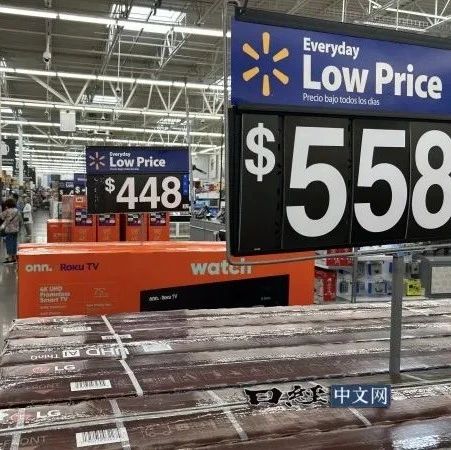
关税风险重创美股,“七巨头”市值蒸发近5500亿美元
21世纪经济报道· 2025-02-28 15:36
Core Viewpoint - The article discusses the impact of President Trump's tariff policies on the U.S. economy and financial markets, highlighting the volatility in the markets and the resurgence of "stagflation" concerns due to recent economic data and tariff implications [2][10]. Group 1: Market Reactions - Following Trump's announcement of tariffs on Mexico and Canada, the U.S. dollar surged, with the Dollar Index rising by 0.78% on February 27, marking its largest single-day increase in over two months [2]. - U.S. stock markets experienced significant declines, with the Nasdaq Composite dropping over 2% and the market capitalization of the "Big Seven" tech companies evaporating by nearly $550 billion [2]. - The Asia-Pacific markets also faced declines, with Japan's Nikkei 225 index falling by 2.88%, and South Korea's KOSPI index dropping by 3.39%, the largest single-day decline since August 2014 [2]. Group 2: Tariff Policy Implications - The article emphasizes that tariff measures can directly affect market sentiment, leading to increased demand for the dollar as a safe haven and causing market downturns due to uncertainty about future trade environments and economic growth [8]. - Analysts suggest that the actual implementation of tariff policies may be influenced by various factors, including domestic political pressures and international negotiations, which could lead to a situation where the impact is less severe than anticipated [9]. - If negotiations with Canada and Mexico yield positive results, market sentiment may improve, potentially leading to a rebound in stock prices [9]. Group 3: Stagflation Concerns - Recent U.S. economic data has shown unexpected weakness, raising concerns about the potential for "stagflation," particularly in light of Trump's tariff policies and their inflationary effects [11]. - The article notes that the core PCE price index for Q4 2024 was revised upward from 2.5% to 2.7%, indicating rising inflation concerns [12]. - Analysts warn that if tariffs lead to sustained price increases while economic growth slows, the risk of stagflation will increase [12]. Group 4: Monetary Policy Challenges - The uncertainty surrounding Trump's tariff policies complicates the Federal Reserve's decision-making process, as it must balance controlling inflation with supporting economic growth [15]. - The Fed's focus remains on combating inflation, which is currently prioritized over maintaining employment levels [16]. - Future interest rate cuts may be delayed until key indicators, such as inflation data and economic growth, show a clear trend [16].

原油反弹,黄金回调:申万期货早间评论-20250228
申银万国期货研究· 2025-02-28 00:36
首席点评: 原油反弹,黄金回调 周四美东时间上午,特朗普表示,原定于 3 月 4 日生效的对墨西哥和加拿大的关税将如期实施。 4 月 2 日的对等关税计划仍将完全生效。特朗普:美英料将很快达成新贸易协定;美东时间 28 日 11 时与泽连 斯基会面,美乌矿产协议将成为两国未来关系基础。商务部部长王文涛向美国新任贸易代表格里尔致 信,祝贺格就任美国第 20 任贸易代表,同时就美对中国输美产品加征关税表达中方关切。国家能源 局:光伏内卷式竞争仍未根本解决,正在配合有关部门研究完善政策措施。两部门:探索完善新能源汽 车全产业链金融服务,加大对充电基础设施领域的金融支持。商务部新闻发言人何亚东表示,将全面实 施跨境服务贸易负面清单,稳步推进梯度开放。推动出台支持家政服务消费、数字消费、体育消费等一 系列政策,扩大服务领域高质量供给。 重点品种: 原油、黄金、股指 原油 : 原油夜盘上涨 1.62% 。特朗普可能会撤销美国石油巨头雪佛龙公司在委内瑞拉的经营许可,石 油供应问题重新浮出水面。雪佛龙公司的业务每天出口约 24. 万桶原油,超过该国石油总产量的四分之 一。 OPEC 正在讨论是否按计划在 4 月份增加石油产量 ...