石油

Search documents
油价上涨又“回吐”,博弈点仍在霍尔木兹海峡将被“锁”多久
经济观察报· 2026-03-02 11:18
Core Viewpoint - The current geopolitical tensions between the U.S. and Iran have led to a short-term oil price premium of approximately $5 to $6 per barrel, primarily due to disruptions in the transportation capacity of the Strait of Hormuz, a critical oil transport route [2][3]. Group 1: Oil Price Dynamics - Brent crude oil opened significantly higher, with an initial increase of nearly 13% to around $81 per barrel, before retracting to approximately $78 per barrel, reflecting a 7% increase [2]. - The future trajectory of oil prices will largely depend on the extent and duration of the impact on transportation through the Strait of Hormuz [2][3]. Group 2: Impact of Strait of Hormuz Closure - If the transportation capacity of the Strait of Hormuz is severely affected for an extended period, global oil transportation may face significant disruptions [3]. - The Strait of Hormuz is vital, with up to 20 million tons of liquid products, including 14 million barrels of crude oil, passing through daily, accounting for one-third of global maritime oil trade [3]. Group 3: OPEC and Global Supply - OPEC announced an increase of 206,000 barrels per day starting in April, but this may not be sufficient to counteract rising oil prices if the conflict persists [3]. - In the event of a prolonged conflict, finding alternative routes for oil transport may prove challenging, especially for OPEC members reliant on the Strait for exports [4]. Group 4: Long-term Market Outlook - Global oil supply remains manageable if the conflict does not extend significantly, with OPEC's planned production increase expected to maintain a supply surplus in the long term [5]. - Oil prices are projected to remain low in 2025, fluctuating between $60 and $80 per barrel, influenced by OPEC's production strategies and geopolitical tensions [5]. - The overall demand for oil is showing moderate recovery but lacks strong positive drivers, leading to a phase of weak demand growth [5].


原油成品油早报-20260302
Yong An Qi Huo· 2026-03-02 11:13
1. Report's Industry Investment Rating - No information provided in the text 2. Core Viewpoints of the Report - The recent oil prices are dominated by geopolitical premiums, and attention should be paid to volatility risks. If the situation evolves into a multi - party war in the Middle East and the Strait of Hormuz is actually interrupted, the upside potential of oil prices will rise above $100 per barrel. If the situation evolves towards an unexpected regime change, the oil prices will return to the 60 - 70 central level in the medium - to - long term, but domestic exports are expected to decline [3]. 3. Summary by Relevant Catalogs 3.1 Price Data - From February 13 to February 27, 2026, WTI rose from $62.89 to $67.02, an increase of $1.81; BRENT rose from $67.75 to $72.87, an increase of $2.12; DUBAI rose from $67.05 to $68.40, an increase of $0.06 [2]. - SC rose from 460.70 to 488.40, an increase of 4.80; OMAN rose from $66.47 to $72.07, an increase of $1.63 [2]. - Japanese naphtha CFR rose from $593.88 to $636.63, an increase of $4.13; Singapore fuel oil 380CST decreased from $16.05 to $5.1, a decrease of $0.3 [2]. 3.2 Daily News - Citi Bank expects that in the case of easing US - Iran relations, Brent crude oil prices will fall back to around $70 per barrel, and are expected to fall to $62 per barrel in the second quarter of 2026 [2]. - Citi analyst Max Layton said that in the basic forecast, Brent crude oil prices will remain in the range of $80 - $90 per barrel for at least a week [3]. - Analysts believe that crude oil and freight costs may remain high due to the US - Israel attack on Iran, the possible expansion of the regional war, and the long - term interruption of oil transportation in the Strait of Hormuz [3]. - More than 200 ships are stranded in the Strait of Hormuz, and war insurance rates are expected to increase by 25% - 50% [3]. - US President Trump said that the military action against Iran may last about four weeks [3]. 3.3 Inventory - For the week ending February 20, 2026, API crude oil inventory was 1142.7 million barrels, expected 125 million barrels, previous value - 60.9 million barrels; API gasoline inventory was - 153.5 million barrels, expected - 59.1 million barrels, previous value - 31.2 million barrels; API refined oil inventory was - 277.1 million barrels, expected - 190 million barrels, previous value - 156.7 million barrels [3]. - EIA report shows that on February 20, US crude oil exports decreased by 277,000 barrels per day to 4.313 million barrels per day; domestic crude oil production decreased by 33,000 barrels to 13.702 million barrels per day; commercial crude oil inventory (excluding strategic reserves) increased by 15.989 million barrels to 436 million barrels, an increase of 3.81%; the four - week average supply of US crude oil products was 21.391 million barrels per day, a year - on - year increase of 5.38%; the strategic petroleum reserve (SPR) inventory remained unchanged at 415.4 million barrels; commercial crude oil imports (excluding strategic reserves) were 6.659 million barrels per day, an increase of 135,000 barrels per day compared with the previous week [3].
美国和以色列联合袭击伊朗对中美宏观经济的影响
SPDB International· 2026-03-02 10:39
Group 1: Geopolitical Impact - The US and Israel's joint attack on Iran has raised geopolitical risks, with Trump potentially escalating conflicts ahead of midterm elections[1] - Iran's closure of the Strait of Hormuz could disrupt approximately 30% of global oil trade[1] Group 2: Oil Price Effects - Brent crude oil prices surged by 13% to $82 per barrel following the attack, with potential increases to $90-120 per barrel if the conflict escalates[1] - Iran's oil production accounts for only 4.5% of global supply, but its strategic location significantly impacts oil prices[2] Group 3: Economic Implications for China - China's exports to Iran represent only 0.18% of total exports, and imports from Iran account for 0.12% of total imports, indicating limited direct economic impact[2] - If oil prices rise to $100-120 per barrel, China's Producer Price Index (PPI) could increase by 2.2-3.8 percentage points[3] Group 4: Economic Implications for the US - Rising oil prices may boost US inflation rates, benefiting energy companies and improving trade balances[3] - The Federal Reserve may still proceed with two 25 basis point rate cuts this year, despite potential inflationary pressures from oil prices[7] Group 5: Currency Effects - The US dollar may strengthen due to increased geopolitical risks and rising oil prices, benefiting as a safe-haven asset[7] - The impact on the Chinese yuan will be indirect, influenced by changes in the US dollar index[7]
美伊局势升级,商品市场如何演变?
An Liang Qi Huo· 2026-03-02 10:30
1. Report's Investment Rating for the Industry - No information about the report's investment rating for the industry is provided in the content [1][2][3] 2. Core Viewpoints of the Report - The current conflict between the US and Iran is a continuously escalating crisis, with the oil and chemical sectors being the core focus of market sentiment and funds [3] - The energy sector may be the next "pre - startup" sector in the commodity market's internal sector rotation [9] - The escalation of the Iranian situation is expected to drive up international oil prices through supply reduction and cost increase [14][15] - The Iranian situation will have an impact on the chemical, precious metal, and shipping sectors, with different driving logics for each [19][20][24] - The key to the market trend lies in whether the Iranian event continues to escalate and the degree of its penetration into the real - world industry [31] 3. Summary by Relevant Catalogs 3.1 Commodity Internal Sector Rotation - In typical upward trends of the Wenhua Finance Index, there is an obvious rotation rhythm among sectors: precious metals → non - ferrous metals → energy → agricultural products → black - series [9] - Precious metals and non - ferrous metals have shown a trend since April, and the energy sector is at a relatively low valuation after a previous correction and has shown signs of stabilization and recovery [9] 3.2 Pricing Logic of Geopolitical Conflicts - Although Iran's direct impact on global oil supply is limited (current daily crude oil exports are about 1.6 - 1.8 million barrels, accounting for less than 3% of global supply), the blockade of the Strait of Hormuz (through which about 19% of the world's crude oil is transported daily) will lead to a significant increase in short - term logistics costs and insurance rates, supporting the rise in oil prices [14] - After the Strait of Hormuz and the Red Sea were blocked, the detour route from the Port of Ras Tanura in Saudi Arabia to the Port of Shanghai in China is about 70% longer, and the shipping time is extended by about 14 - 16 days, with an estimated freight increase of 50% - 80% [15] 3.3 Impact on Other Sectors 3.3.1 Chemical Sector - Iran is the third - largest oil producer in OPEC and has the world's second - largest natural gas reserves and third - highest production. It converts a large amount of natural gas into downstream chemical products [19] - Iran is a major global supplier of methanol, urea, ethylene glycol, and sulfur, and changes in the Middle East situation will affect the prices of these chemical products [19] 3.3.2 Precious Metals - The Iranian event drives up the price of precious metals through three paths: direct explosion of safe - haven demand, pricing of inflation expectations, and long - term narrative of the US dollar's credit. These factors combine short - term and long - term effects, as well as emotions and expectations [20][21][23] 3.3.3 Shipping Index - After the Strait of Hormuz was blocked, ships had to detour around the Cape of Good Hope, resulting in a decrease in the efficiency of shipping capacity utilization [24] - The shipping index is driven by a complete chain of "route obstruction - longer voyage - tightened shipping capacity - rising freight rates", and this round of driving is not just short - term emotional speculation [29] 3.4 Summary - The crude oil sector is at a key "relay" position, and the escalation of the Iranian situation has catalyzed the market, with the entire crude - oil system rising [30] - Different assets have different rising logics. The key to the market trend depends on whether the Iranian event continues to escalate and the degree of its impact on the real - world industry [31]
原油月报:美伊局势升级,关注通航进展-20260302
Jian Xin Qi Huo· 2026-03-02 10:30
1. Report Industry Investment Rating - No information provided in the report 2. Core Viewpoints of the Report - In the short - term, the geopolitical situation will keep oil prices high. SC is more strongly supported than foreign markets, and price fluctuations will increase. There is still significant uncertainty in the US - Iran situation, and attention should be paid to the later navigation time of the Strait of Hormuz. In the medium - term, there is still a downward risk for oil prices [6][48] - Considering the temporary interruption of supply in the Strait of Hormuz, the surplus in the balance sheet can be reduced. In extreme cases, if the supply interruption in the strait lasts for more than 3 weeks, the market in the first quarter will turn into a supply - demand deficit, and if the interruption continues, the market will experience continuous inventory reduction. However, the possibility of long - term suspension of navigation is low [6][36][48] 3. Summary by Directory 3.1 Market Review - In February, international oil prices fluctuated upwards. At the beginning of the month, the market worried about the easing of the geopolitical situation, and oil prices dropped significantly. But then, due to the lack of progress in US - Iran negotiations and Trump's threat of military strikes, oil prices rose. As of February 26, the closing price of the SC main contract was 484.7 yuan/barrel, a decline of 0.57%; the closing price of the Brent main contract was $70.98/barrel, with a maximum of $72.04 and a minimum of $64.9, a rise of 2.85%; the closing price of the WTI futures main contract was $65.67/barrel, with a maximum of $67.28 and a minimum of $61.04, a rise of 0.83% [12] 3.2 Disrupted Transportation in the Strait of Hormuz, Supply Supported - Supply side: After the US - Israel military action against Iran, OPEC decided to increase production from April, and Saudi Arabia has increased oil exports. The remaining production capacity of 12 OPEC member countries is 4.2 million barrels per day, which can cover Iran's supply in terms of production, and there is no report of damage to Iran's energy facilities. The blockade of the Strait of Hormuz has a greater impact. Although Saudi Arabia and the UAE can transport part of the oil through pipelines, there is still a gap of more than 13 million barrels per day. Venezuela's supply has growth potential as the US has relaxed sanctions [13][16][18] - US crude oil production has increased slowly. EIA data shows that as of the week of February 20, US crude oil production was 13.702 million barrels per day, a monthly decrease of 0.6 million barrels per day. EIA expects US crude oil production to remain basically flat in 2026 and decrease by 0.34 million barrels per day in 2027 [23] 3.3 Limited Demand Changes - The latest forecasts of major institutions for demand have changed little. EIA expects global consumption to increase by 1.2 million barrels per day year - on - year in 2026 and another 1.3 million barrels per day in 2027. The incremental consumption mainly comes from non - OECD countries, especially Asian countries. IEA expects global consumption to increase by 0.85 million barrels per day in 2026, with all the incremental consumption coming from non - OECD countries, and more than half of the future incremental consumption will come from chemical oil [28][47] - High - frequency data shows that as of the week of February 20, US crude oil inventories increased significantly by 15.989 million barrels, and gasoline inventories reached the highest level in the same period in five years, while distillate oil demand dropped significantly. The total inventory of crude oil and refined oil increased, which is bearish for the market [34] 3.4 Outlook and Operational Suggestions - Supply side: OPEC has released the intention to increase production. The blockade of the Strait of Hormuz is the main factor affecting supply, and there is a large supply gap. Venezuela's supply has growth potential as sanctions are relaxed [45][47] - Demand side: The demand forecast of major institutions has changed little, with incremental consumption mainly from non - OECD countries, especially Asian countries [47] - Overall, considering the supply interruption in the Strait of Hormuz, the surplus in the balance sheet can be reduced. In the short - term, oil prices will remain high, and in the medium - term, there is a downward risk [48]
Stocks drop, oil prices surge as Iran conflict hits global markets
The Christian Science Monitor· 2026-03-02 10:28
Market Response - The military strikes by the United States and Israel against Iran have led to a global negative market response, with stocks declining and a "risk-off" sentiment prevailing [1] - Major indexes in Asia and Europe fell by nearly 1% or more by Monday, following the initial news of the strikes [1][8] Oil Prices - Oil prices have surged, with Brent crude rising more than 7% to nearly $80 per barrel, and analysts suggest it could reach $100 if the conflict continues [5] - Iran's military capabilities pose a risk to oil facilities in the Middle East, and the closure of the Strait of Hormuz, through which almost a third of the world's seaborne oil flows, adds to the uncertainty [3][4] Economic Impact - The conflict is expected to push average gasoline prices in the U.S. above $3 per gallon, impacting consumer spending and energy-intensive industries [7] - Higher oil prices could lead to increased costs for sectors such as airlines, trucking, chemical and steel manufacturing, and farming, potentially acting as a drag on economic growth [9]

原油期货:地缘冲突升级
Ning Zheng Qi Huo· 2026-03-02 10:27
期货研究报告 2026年03月02日 周报 原油期货:地缘冲突升级 师秀明 投资咨询从业资格号:F0255552 shixiuming@nzfco.com 报告导读: 1、市场回顾与展望:2月28日,美国中央司令部表示在美国总统的指示下启动了"史诗怒火行动 (OPERATION EPIC FURY)"行动。伊朗与美国、以色列之间的地缘冲突已经正式升级,预计进一步推动原油走 强。其他方面,OPEC+宣布增产,供应端对原油的压制增强。当前地缘冲突主导油价,走势偏强。 2、对于后市。据央视新闻消息,石油输出国组织(欧佩克)1日发表声明说,8个主要产油国决定4月日均 增产20.6万桶,供应增加压制原油。伊朗与美国、以色列之间的地缘冲突已经正式升级。整体来看,供应增速 压力仍存;短期看战争走向,战争走向主导当前油价。 3、关注因素:1.地缘政治;2.原油周度数据。 2、本周基本面数据周度变化: 原油 单位 最新一周 上一期 周度环比变化量 周度环比变化率 频率 SC原油期货 元/桶 483.60 506.46 -22.86 -4.51% 日度 阿曼原油现货 美元/桶 71.36 67.25 4.11 6.11% 日度 ...
Iran conflicts just adds to wall of worry for U.S. stocks, says Citi strategist
MarketWatch· 2026-03-02 10:26
Core Viewpoint - The rising oil price is contributing to a series of concerns that have hindered U.S. equity performance in 2026 [1] Group 1 - The increase in oil prices is one of the factors affecting the overall performance of U.S. equities [1]

20260302重点行情研判
Zi Jin Tian Feng Qi Huo· 2026-03-02 10:21
Group 1: Overall Market Outlook - Continue to be bullish on stock indices and suggest buying on dips as capital flows are favorable for Chinese stocks due to factors like the decline in the US 10-year bond yield, the positive results of the German Chancellor's visit to China, and the planned visit of Trump in April [3] - The commodity market is highly disturbed by macro and geopolitical factors, with frequent reverse movements. The market sentiment has returned to a neutral level, and most CTA strategies have seen some profit retracement. The US-Iran conflict may trigger a new wave of enthusiasm in the commodity market, and market volatility may remain at a relatively high level in the short term [19] Group 2: Geopolitical Impact - The US-Israel's attack on Iran and the potential blockade of the Strait of Hormuz by Iran have an impact on crude oil, but the influence on the capital market may be short - lived as a quick US victory is probable [3] - During the two - month US - Iran conflict, oil buyers have replenished stocks in advance. After the weekend's war escalation, the air combat has not hit infrastructure and energy facilities yet, but the Strait of Hormuz's通航 volume has decreased by about 1/3 compared to the same period last year. OPEC+ announced a 200,000 - barrel - per - day production increase in April, and China may slow down strategic reserve purchases. It is recommended to wait and see [4] - Geopolitical conflicts and the AI panic trading in US stocks have increased the safe - haven sentiment, raising the prices of gold and silver. The prices of non - ferrous metals are expected to be differentiated, with copper, aluminum, and tin having relatively strong expectations [8] Group 3: Industry - Specific Analysis Chemical Industry - Chemical products opened higher due to geopolitical impacts. PTA/PX is greatly affected by geopolitics, with PTA supply restarting more and a loose balance in March. PX's expected balance is improving. Ethylene glycol has high inventory but expects import improvement. Methanol is greatly affected by imports. Pure benzene/benzene styrene's cost has risen due to geopolitics. Urea may fluctuate in the short - term. PVC is pressured by high inventory, and caustic soda is weak in the short - term. PP/PE follows the cost trend [6] New Energy Industry - Industrial silicon's fundamentals are weakening as downstream production cuts and Xinjiang's silicon factories resume production. Polysilicon's fundamentals continue to weaken and prices are expected to fluctuate. The export ban in Zimbabwe has raised concerns about lithium carbonate supply. Nickel is in a strong but limited - upside situation. Stainless steel is in a "strong cost - weak demand" game. Platinum and palladium may be affected by the Zimbabwean export ban and geopolitical tensions [10] Black Industry - The valuation of the black industry is at a historical low. In 2026, infrastructure may be a potential demand highlight. It is recommended to go long on steel mill profits considering the oversupply of iron ore and coking coal [11] Agricultural Products - For oils and fats, it is recommended to buy on dips due to geopolitical conflicts and the upcoming US biodiesel announcement. For bean and rapeseed meal, US soybeans are strong, and attention should be paid to the spread and medium - long - term reverse arbitrage. For pigs, the price is expected to fluctuate, and it is recommended to short near - month contracts. For eggs, near - month contracts are expected to be volatile, and attention should be paid to post - festival culling [15] Soft Commodities - Cotton's outer market is stable and strong, and the inner - outer price gap is expected to narrow. Sugar is strong due to energy price transmission and cost support. Rubber's raw material price is expected to rise due to overseas production cuts and inventory replenishment, and the demand is boosted by tire promotions [18] Group 4: Quantitative Strategy Analysis - For quantitative CTA strategies, the trend - following strategy is a good choice for the current market. The cross - sectional long - short strategy has a worse operating environment in 2026 compared to 2025. Among the fundamental quantitative strategies, the basis factor performs better than the inventory factor, which is better than the profit factor [19]
未来72小时,全球市场命运取决于它
华尔街见闻· 2026-03-02 10:14
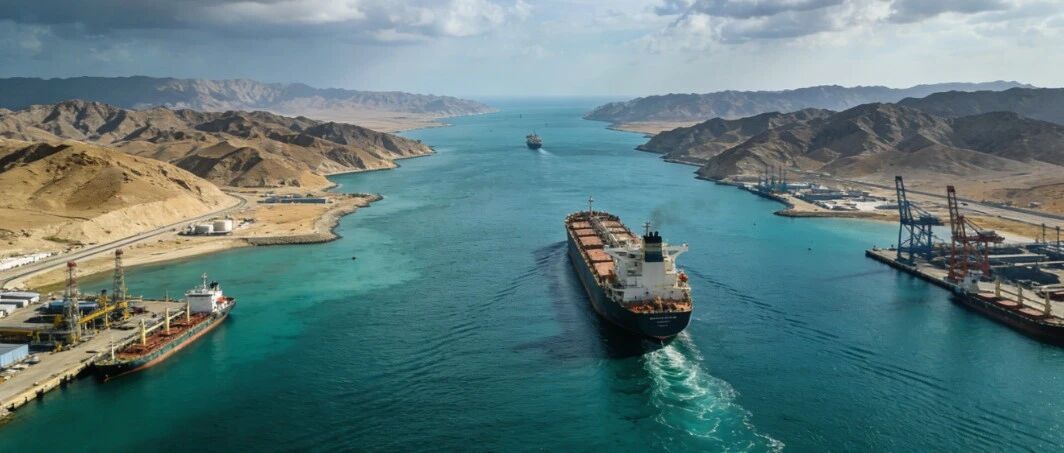
本文首发于"见闻VIP"作者乐鸣,为见闻付费会员文章,现作为粉丝福利免费试读,欢迎订阅"见闻VIP"。 霍尔木兹海峡正经历有史以来最严重的事实性封锁。 2026年2月28日"史诗之怒"联合军事行动后, 伊朗革命卫队通过VHF 16频道向所有过往船只广播"任何船舶不得通过霍尔木兹海峡", 海峡通行量在48小时 内骤降约70%。 截至3月1日, 逾150艘油轮和LNG船在波斯湾开阔水域抛锚,约170艘集装箱船(合计45万TEU,占全球运力1.4%)被困湾内。 船舶追踪机构Kpler数据显示,目前 至少有40艘超大型油轮(VLCC)滞留波斯湾内 ,每艘载油量约200万桶。 船舶追踪平台Vortexa数据显示,3月1日仅有 4艘超级油轮通过海峡 ,而此前一天这一数字为22艘。 摩根大通最新测算揭示:一旦海峡完全封锁, 中东七大产油国储存能力仅能支撑25天 ,此后将被迫全面停产。 理解当前危机的关键,在于区分"物理封锁"与"保险性关闭"两种截然不同的瘫痪模式。伊朗并未部署水雷或以舰队封锁航道,而是通过三重机制实现了等效 效果。 第一重是信号威慑。 欧盟海军"盾牌行动"指挥官证实,在波斯湾作业的船只持续收到革命卫队的VH ...