乳业

Search documents
白酒市场分化加剧,头部企业韧性凸显
Mei Ri Jing Ji Xin Wen· 2025-06-25 01:02
Group 1 - The core viewpoint of the article highlights the increasing differentiation in the Chinese liquor market, with a rising concentration of the top six companies (CR6) and a notable resilience among leading enterprises, despite overall declines in operational indicators and rising costs [1] - The white liquor industry is undergoing a deep adjustment period characterized by "stock competition + structural upgrades," presenting both challenges and opportunities. Companies need to enhance supply-side quality and efficiency while accurately reaching demand-side targets to reshape growth logic [1] - Current demand for white liquor is at a historical low, with limited downside risks. A relatively loose policy environment is expected to support a gradual recovery in consumption, with short-term rigid demand and potential improvements in banquet demand due to low base effects [1] Group 2 - In the broader consumer goods sector, there is a rising interest in yellow wine, while beer consumption is entering a peak season. The raw milk prices in the dairy industry have stabilized, and segments like snacks and energy drinks are experiencing high growth [2] - The food and beverage sector shows a strong willingness to distribute dividends, with expectations for an overall increase in dividend rates led by benchmark companies like Moutai and Wuliangye [2] - The Food and Beverage ETF (515170) tracks the CSI segmented food and beverage industry index, focusing on high-barrier and resilient sectors such as liquor, beverages, dairy, and seasoning products, providing a convenient investment tool for small capital investors [2]


新乳业不躺平:市场收缩,营收、利润全都要丨乳业变局
2 1 Shi Ji Jing Ji Bao Dao· 2025-06-24 13:02
Core Viewpoint - New Dairy aims to maintain expansion amidst market fluctuations, focusing on revenue and profit growth, with a strategic plan to double net profit margin over five years [2][25]. Revenue and Profit Performance - In 2024, New Dairy reported revenue of 10.665 billion yuan, a year-on-year decline of 2.93%, primarily due to the exclusion of Chongqing New Niu Han Hong Industrial from consolidated revenue [4]. - Liquid milk revenue for New Dairy in 2024 was 9.836 billion yuan, showing a slight increase of 0.83% year-on-year [4]. - In Q1 2025, New Dairy's revenue grew by 0.42% to 2.625 billion yuan, with net profit increasing by 48.46% to 133 million yuan [5]. Market Trends and Competition - The overall dairy market is facing challenges, with Nielsen IQ reporting a 2.7% decline in dairy sales for 2024 [2]. - Major competitors like Yili and Mengniu are experiencing significant declines in liquid milk revenue, with Yili's liquid milk revenue dropping by 12.32% to 75.003 billion yuan in 2024 [2]. - The low-temperature fresh milk market remains relatively stable, with a 0.4% year-on-year growth in 2024, contrasting with a 7.5% decline in overall liquid milk sales [8][9]. Strategic Initiatives - New Dairy's growth is attributed to its focus on the low-temperature fresh milk segment, which has shown resilience and growth potential [8]. - The company has introduced a variety of products, including high-end fresh milk and low-temperature yogurt, with high-end fresh milk achieving double-digit growth in 2024 [16]. - New Dairy is expanding its distribution channels, including over 500 "24-hour fresh milk" stores and partnerships with major retailers like Sam's Club and Hema [17]. Future Directions - New Dairy is exploring new growth avenues, including expanding into the beverage market and enhancing its product offerings [22]. - The company is also considering international expansion, particularly in Southeast Asia, leveraging resources from New Hope Group [24].


华泰证券今日早参-20250624
HTSC· 2025-06-24 01:35
Key Insights - The report highlights the emergence of 10 AAA-rated technology innovation bond ETFs, which are expected to track various AAA-rated technology bond indices, indicating a growing interest in high-credit-quality bonds in the technology sector [2] - The report notes a slight recovery in the second-hand housing market, while new home sales have cooled down, suggesting a mixed outlook for the real estate sector [3] - The automotive industry is experiencing improved cash flow as major companies shorten payment terms to suppliers, which is expected to enhance the financial stability of component manufacturers [5] - The report discusses the impact of geopolitical tensions on the methanol supply chain, particularly due to reduced production in Iran, which could affect domestic prices and supply dynamics [7] - The report indicates that the potential closure of the Strait of Hormuz could increase demand for oilfield service equipment, benefiting companies in this sector [8] - The report initiates coverage on SANY Heavy Energy, projecting a target price of 30.18 CNY, driven by expected growth in the wind energy sector [9] - Alibaba's organizational restructuring is expected to enhance its competitive position in the consumer services market, with a focus on synergy between its various business units [11] - Modern Dairy is projected to face a net loss in the first half of 2025 due to impairment losses, but operational improvements are expected to stabilize its performance in the second half [12] Fixed Income Insights - The report indicates a balanced liquidity environment in the market, with a net withdrawal of 799 billion CNY from the open market, reflecting a stable funding situation [6] - The report emphasizes the importance of stablecoins evolving into a significant asset class, with projections suggesting a market cap of approximately 1.4 trillion USD by 2030 [6] Industry Trends - The report identifies a trend of reduced supply chain pressures in the automotive sector, which may lead to improved financial health for component suppliers [5] - The report highlights the potential for increased oilfield service demand due to geopolitical risks, suggesting a shift in energy security priorities among nations [8]
21世纪ESG热搜榜(第178期)丨财政部就《〈企业可持续披露准则——基本准则(试行)〉应用指南》征求意见;《全球汽车制造企业评级》发布
2 1 Shi Ji Jing Ji Bao Dao· 2025-06-23 23:54
Group 1: Sustainable Disclosure Guidelines - The Ministry of Finance is soliciting opinions on the "Application Guidelines for the Corporate Sustainable Disclosure Standards - Basic Standards (Trial)" to enhance the guidance and operability of the basic standards [1] Group 2: ESG Rating Enhancement - The Shanghai Stock Exchange has released a special action plan to improve ESG ratings for listed companies, aiming to elevate the ESG rating level through six key initiatives [2] Group 3: AI Regulation - The Central Cyberspace Administration of China has disposed of over 3,500 non-compliant AI products as part of a campaign to address AI technology misuse, focusing on issues like AI-generated misinformation [3] Group 4: Green Finance Leadership - China leads globally in green credit scale, with significant positions in green bonds and green insurance markets, indicating strong growth potential in green finance [4] Group 5: Electric Vehicle Market Leadership - Chinese automakers dominate the zero-emission vehicle market, with BYD surpassing Tesla in global pure electric vehicle sales, showing a 25% increase compared to 2023 [6][5] Group 6: Climate Action in Asia-Pacific - The MSCI report indicates that the adoption rate of Science-Based Targets Initiative (SBTi) among Asia-Pacific companies has doubled to 50%, highlighting the region's commitment to climate action [7] Group 7: Zero Carbon Initiatives - Yili Group has launched a "dual footprint" strategy to promote a zero-carbon future, achieving significant milestones in low-carbon transformation and water conservation projects [8]
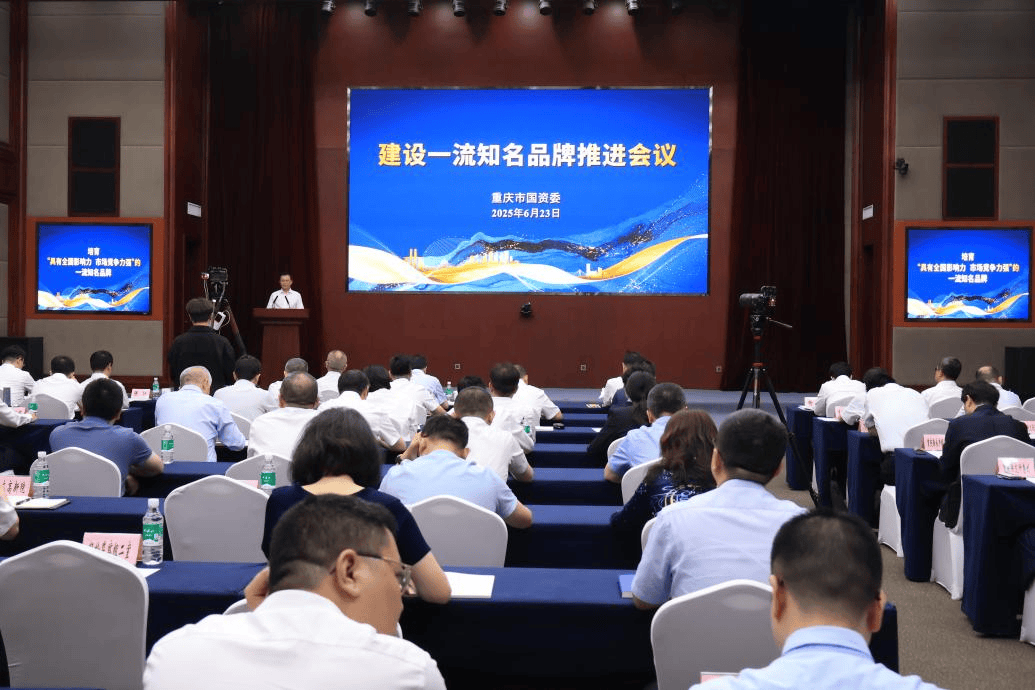
打造一流品牌矩阵 重庆16家国企启动品牌跃升行动
Sou Hu Cai Jing· 2025-06-23 10:26
Core Viewpoint - The Chongqing State-owned Assets Supervision and Administration Commission (SASAC) is promoting the development of first-class well-known brands among state-owned enterprises, launching 16 key brands for focused cultivation [1][2]. Group 1: Key Brands and Their Goals - The 16 selected brands include both product brands such as Cold Acid Ling and Tianyou, and service brands like Digital Chongqing and Chongqing Design [2]. - Tianyou Dairy aims to achieve annual sales exceeding 3 billion yuan within three years, maintaining a leading market share in low-temperature fresh milk in Chongqing [6]. - Digital Chongqing plans to enhance R&D investment and aims to secure 1,000 intellectual property rights by 2027, positioning itself as a leading brand in the West and nationally recognized [6]. Group 2: Strategic Initiatives and Collaborations - The SASAC will introduce a special assessment plan for the 16 brands to enhance their internal motivation and competitiveness [9]. - Strategic cooperation agreements were signed with two major media groups to leverage their expertise in promoting and developing these brands [8]. - The SASAC will provide support through funding allocation, innovation resources, and favorable policies for talent recruitment to empower these brands [9].
伊利的周期之困与转型之战
Xin Lang Cai Jing· 2025-06-23 02:05
Core Viewpoint - The dairy industry in China is facing significant challenges in 2024 due to oversupply, weak demand, and high inventory levels, leading to a continuous decline in fresh milk prices and worsening competition among companies [1][3]. Group 1: Company Performance - In 2024, major dairy brands such as Yili, Mengniu, and Guangming reported revenue declines of 8.24%, 10.09%, and 8.33% respectively, with net profits dropping by 18.94%, 97.83%, and 25.36% [1][3]. - Yili's revenue for 2024 was 1157.80 billion yuan, marking its first negative growth since its listing, with a significant drop in liquid milk revenue, which accounts for over 60% of total revenue [3][5]. - Yili's liquid milk revenue fell by 12.32% to 750.03 billion yuan, while its ice cream revenue decreased by 18.41% to 87.21 billion yuan; however, its milk powder and dairy products segment saw a 7.53% increase in revenue [3][5]. Group 2: Market Dynamics - The Chinese dairy market has entered a prolonged adjustment period since 2022, with retail sales growth turning negative and ongoing weak demand [3][13]. - The supply of raw milk has outpaced demand, resulting in an imbalance that has driven down retail prices for dairy products [3][13]. - The overall consumption of liquid milk in China has been declining, with a notable 8.6% drop in 2022 [13]. Group 3: Strategic Initiatives - Yili has implemented cost-cutting measures, reducing sales and management expenses by 2.61% and 13.37% respectively, saving a total of 1.279 billion yuan [5][6]. - The company is diversifying its product offerings, with a focus on milk powder, which has shown growth, and has ventured into new markets such as high-end bottled water and pet food [8][10]. - Yili's recent product launches include sugar-free tea and functional nutrition products targeting the elderly, indicating a strategic shift to reduce reliance on traditional dairy products [10][11]. Group 4: Future Outlook - The dairy industry is at a crossroads, with companies needing to explore new growth avenues in a saturated market, as seen with Yili's efforts to expand into non-dairy segments [11][15]. - The competition in emerging markets such as pet food and health-focused products is intensifying, requiring established players like Yili to adapt quickly to maintain market leadership [15][16]. - The transformation journey for Yili and other dairy giants is expected to be challenging but essential for their survival and growth in the evolving consumer landscape [16].


2025第十五届中国(南京)国际糖酒食品交易会圆满闭幕!
Qi Lu Wan Bao· 2025-06-23 00:47
Core Insights - The 15th China (Nanjing) International Sugar and Wine Food Fair successfully concluded, serving as a high-quality platform for the food and beverage industry to exchange and showcase products and trends [2][21] - The event featured thousands of premium wine and food products, highlighting the value of the fair as a trade platform for the industry [3][16] - Key representatives from major liquor-producing regions, including Jiangsu, Anhui, and Guizhou, showcased their products, emphasizing the high-quality development of the liquor industry [5][10][12] Industry Highlights - Jiangsu province, a major producer of both white and yellow wines, had significant representation at the fair, with local brands like Yanghe and Jinshiyuan showcasing their offerings [5][7] - The fair included a variety of activities, such as the "Su-Wan Family" Huang-Huai River liquor industry exchange meeting, aimed at fostering collaboration between Jiangsu and Anhui liquor enterprises [27] - The event also featured a forum on high-quality development in the liquor industry, where industry leaders discussed current challenges and future trends [24][26] Market Opportunities - The fair provided a critical opportunity for distributors to select products ahead of the peak sales seasons for the Mid-Autumn Festival and National Day, with over ten thousand products on display [13] - Various regional product exhibitions and international delegations added diversity to the fair, showcasing unique local flavors and innovations in the food sector [14][16] Future Prospects - The successful hosting of the fair is expected to boost confidence in the liquor and food industry, facilitating efficient connections within the industry chain [21][22] - The fair is positioned as a vital platform for promoting brand image, innovative ideas, and market expansion, especially in the context of industry adjustments [18][19]
乳业“618”分化:伊利领跑,婴配粉、鲜奶冷淡丨消费现场
2 1 Shi Ji Jing Ji Bao Dao· 2025-06-22 23:43
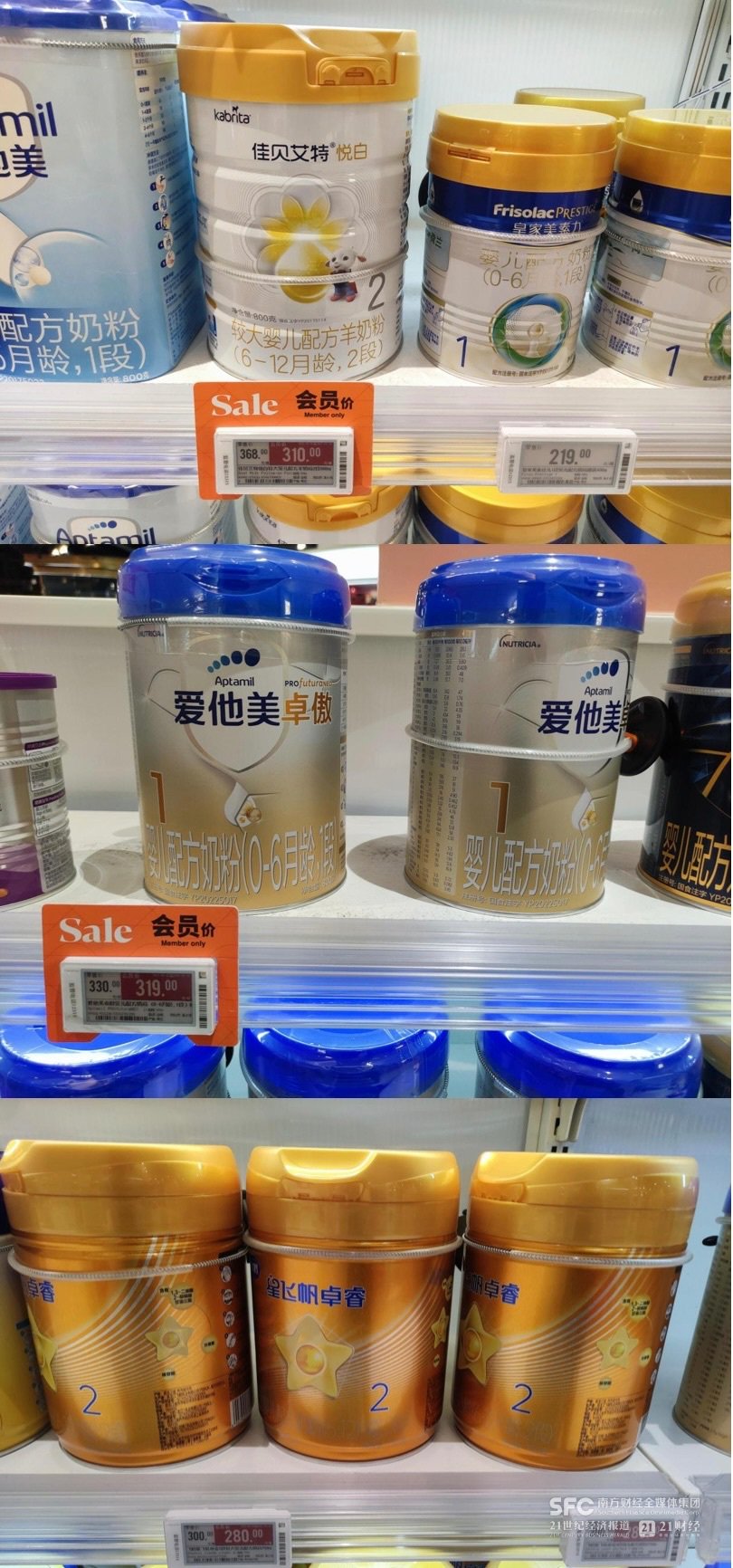
Group 1: E-commerce Sales Growth - The "618" shopping festival is projected to reach a total e-commerce sales of 855.6 billion yuan in 2025, marking a year-on-year growth of 15.2% [2] - The duration of this year's "618" event has been extended from May 13 to June 18, compared to last year's May 20 to June 18, which may amplify this year's growth [2] - In May 2025, the total retail sales of consumer goods in China reached 41,326 billion yuan, with a year-on-year growth of 6.4%, driven by the "618" promotions and trade-in subsidies [2] Group 2: Dairy Industry Performance - Yili has increasingly focused on the "618" event, reporting a 12.3% year-on-year growth in user purchases on major e-commerce platforms during this period [5] - Yili's infant nutrition products saw a growth of over 33%, while its adult nutrition products topped the e-commerce sales charts [5] - Despite the growth, Yili's revenue in 2024 was 115.78 billion yuan, down 8.2% year-on-year, with liquid milk revenue declining by 3.1% [9][10] Group 3: Market Trends and Challenges - The overall demand in the dairy industry is contracting, with a 2.7% year-on-year decline in total sales across all channels in 2024 [10] - The infant formula market is shifting towards high-end products, with the ultra-high-end segment growing by 13.3% in early 2025, while other segments are experiencing declines [15] - Major brands like Danone and FrieslandCampina reported significant growth in their high-end infant formula products in 2024, indicating a trend towards premiumization in the market [16] Group 4: Pricing Strategies - Discounts in the infant formula market are limited, with brands like Feihe offering minimal promotions, contrasting sharply with aggressive discounting strategies seen in other sectors [13][14] - The fresh milk market is also experiencing limited discounts, with ongoing price wars among brands, but demand remains stable due to supply chain constraints [19][20]
年初至今股价涨幅超60%!乳业调整期奶酪突围样本:妙可蓝多高层详解新战略
Hua Xia Shi Bao· 2025-06-21 10:01
Core Viewpoint - The Chinese dairy industry is undergoing a deep adjustment period, with traditional liquid milk consumption growth slowing down, while cheese is emerging as a high-growth segment driven by consumption upgrades and policy support, becoming a new battleground for leading dairy companies [1][2]. Industry Overview - The dairy sector has shown significant differentiation in the capital market, with traditional liquid milk giants like Yili and Mengniu experiencing stock price declines of around 3% to 4%, while companies like China Feihe and Miaokelando in the cheese segment have seen stock price increases of over 5% and 64% respectively, indicating positive market expectations for cheese [1]. - The cheese market in China is still in its early development stage, with a current consumer penetration rate of less than one-third, significantly lower than that of low-temperature yogurt [2][4]. Company Performance - Miaokelando reported a revenue of 1.233 billion yuan in Q1, a year-on-year increase of 6.26%, with a net profit of 82.4 million yuan, marking a substantial year-on-year growth of 114.88% [4]. - The company aims to achieve a cumulative revenue of no less than 19.9 billion yuan and a net profit of no less than 990 million yuan from 2025 to 2027, reflecting confidence in consumer recovery and industry growth [6]. Market Dynamics - The current low price of raw milk presents a rare opportunity for companies to optimize their cost structures, with the average price of fresh milk in major production areas dropping to 3.06 yuan per kilogram, a decrease of 8.4% year-on-year [4][5]. - The dairy industry has entered a phase of oversupply since 2018, primarily due to a lack of product diversity and saturation in overall milk consumption [4]. Strategic Initiatives - Miaokelando is focusing on enhancing its cheese production capabilities, with plans for a new factory in Jilin expected to be operational next year to improve supply chain efficiency and cost competitiveness [2]. - The company is adopting a dual strategy targeting both B-end (industrial catering) and C-end (household consumption) markets, with C-end expected to contribute approximately 65% and B-end around 35% of its business by 2024 [7]. Retail Trends - The retail landscape is undergoing significant changes, with emerging channels like membership stores and snack retailers gaining traction, prompting Miaokelando to adapt its strategies to align with these trends [7]. - The company is committed to deepening its engagement with new retail channels and optimizing traditional e-commerce operations to capture market opportunities [8].

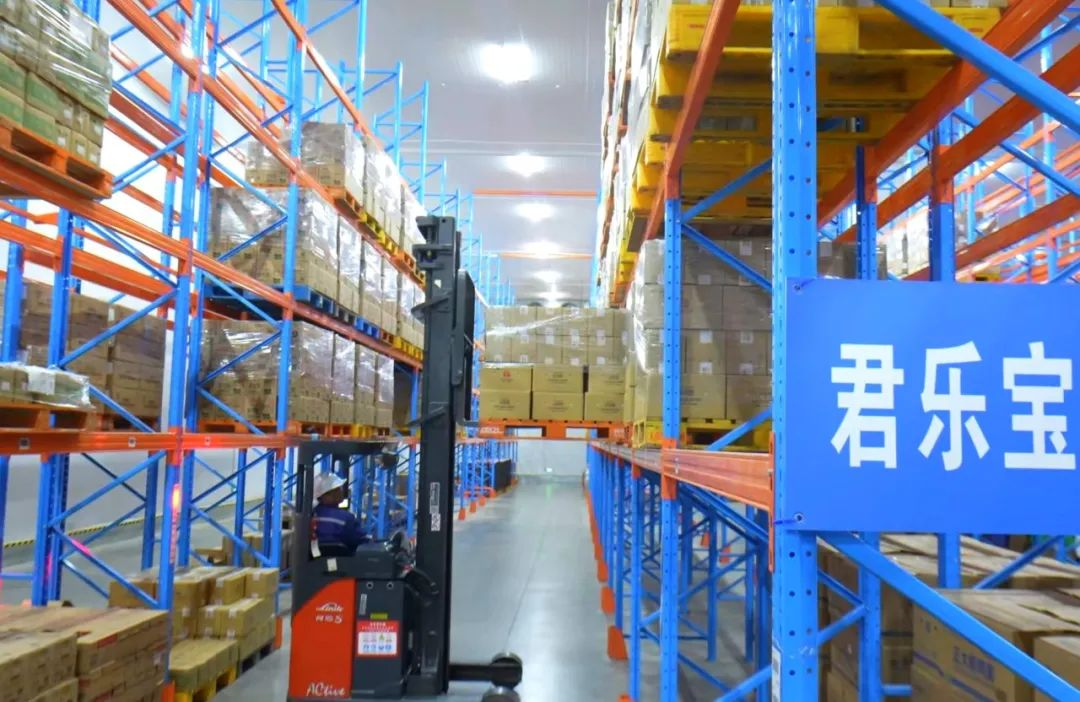
蜀海×君乐宝战略合作升级,打造全国极速冷链网,破解短保鲜奶配送难题
Zhong Guo Shi Pin Wang· 2025-06-20 08:25
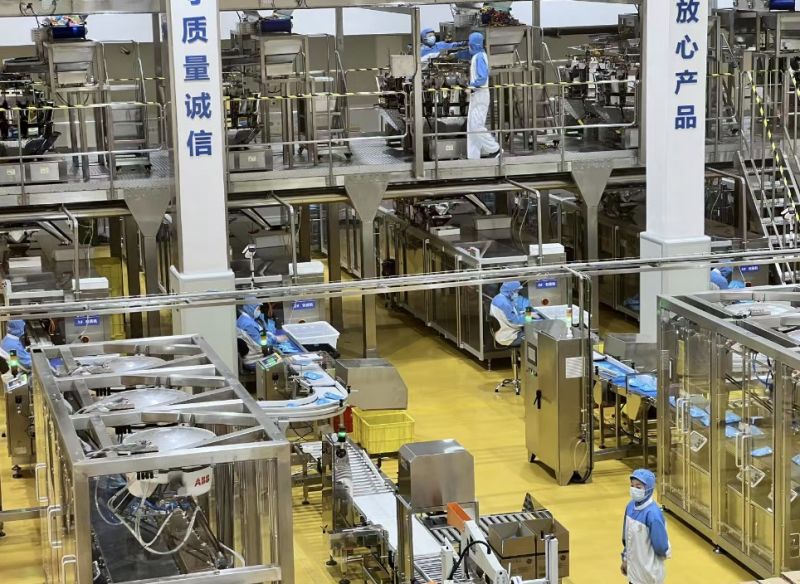
Core Insights - The fresh milk market is experiencing rapid growth driven by consumer upgrading trends, but challenges such as short shelf life and high delivery efficiency remain critical pain points in the industry [1][3]. Group 1: Industry Challenges - Fresh milk, characterized by high turnover and a short shelf life (typically 15-20 days), demands high supply chain timeliness and stability [3]. - Traditional distribution models face issues such as fragmented warehousing, inconsistent cold chain standards, and data silos, leading to high product loss rates and increased food safety risks [3]. - The "Yue Xian Huo" brand from Junlebao, which holds the largest market share in the high-end fresh milk sector, faces significant supply chain challenges due to its 19-day optimal freshness period [3]. Group 2: Strategic Collaboration - A strategic partnership has been established between Shuhai, a supply chain leader, and Junlebao to enhance the efficiency and safety of nationwide distribution for the "Yue Xian Huo" brand [1][5]. - Shuhai's nationwide intelligent warehousing and distribution network, covering 90% of key cities with 40 storage centers, will support Junlebao in constructing 12 core warehouse hubs [3][5]. - The collaboration aims to optimize inventory turnover to 5.3 days, with fresh milk dispatched within 4 hours from the warehouse, ensuring product freshness through high-standard cold chain logistics [3]. Group 3: Market Impact and Future Plans - The partnership has already been implemented in key economic regions such as the Yangtze River Delta and the Pearl River Delta, achieving next-day delivery and significantly improving replenishment efficiency for retail stores [5]. - The initial warehouse in Henan has successfully commenced operations, with plans to accelerate the establishment of additional core city warehouses to achieve 24-hour delivery coverage [5]. - This collaboration not only represents a resource complementarity between the companies but also sets a replicable high-efficiency supply chain model for the short-shelf-life food industry [5][7]. Group 4: Industry Standards and Consumer Experience - As retail and dining trends evolve, supply chain efficiency has become a key competitive factor for brands [7]. - The collaboration between Shuhai and Junlebao establishes a new benchmark for "short shelf life + cold chain" logistics, enabling high-quality fresh milk to reach consumers more quickly [7]. - Future deepening of this partnership may further drive innovation in the fresh milk supply chain, enhancing consumer experience [7].