家电

Search documents
万和电气埃及工厂投产,年产能50万台热水器
Zhong Guo Jing Ying Bao· 2026-01-14 08:07
Core Insights - The inauguration of the gas water heater and heat exchanger factory by Wanhe Electric in Egypt marks a significant step in the company's global expansion strategy [1] - The factory, with an investment exceeding $12 million, is expected to produce 500,000 gas water heaters and 2 million components annually, creating 300 local jobs [1] - This project aligns with the Egyptian government's strategic planning to enhance industrial development and attract foreign direct investment [1] Company Developments - Wanhe Electric's factory will serve as a core production base for the Central and North African market, with plans to develop products tailored for the Middle Eastern and European markets [1] - The company aims to expand the factory's production capacity in response to growing market demand [1] Industry Impact - Localized production will reduce Egypt's reliance on gas water heater imports and facilitate the transfer of modern technology, which is crucial for advancing the country's manufacturing sector [2] - The establishment of this factory is expected to enhance the competitiveness of Egypt in the global market for household appliances and engineering components [1][2]



深康佳A:预计2025年净利润为负值
Xin Lang Cai Jing· 2026-01-14 07:52
深康佳A公告,预计2025年年度归属于上市公司股东的净利润为负值。公司将严格遵循《深圳证券交易 所股票上市规则》等相关规定,尽快披露2025年年度业绩预告。最终财务数据请以公司正式披露的2025 年年度报告为准。 ...

视频丨“新国补”政策落地 消费市场热力全开
Sou Hu Cai Jing· 2026-01-14 07:38
Group 1 - The core viewpoint of the articles highlights the positive impact of the new subsidy policies in China, particularly in Henan and Sichuan provinces, which have stimulated consumer spending in the automotive and electronics sectors [1][6][7] - The "National Subsidy" policy has shifted to a model where subsidies are calculated as a percentage of the new vehicle price, attracting consumer interest and leading to increased sales [2][6] - Various car manufacturers are offering additional promotions, such as tax rebates and extra subsidies for trade-ins, which complement the national policies and further boost market sales [2][6] Group 2 - In Sichuan, the new subsidy policy for home appliances and digital products has been implemented, allowing consumers to receive a 15% subsidy on eligible products, which has significantly increased market activity [7][13] - The focus of the subsidy policies is on promoting energy-efficient and smart products, with new categories like smart glasses and smartwatches appealing to younger consumers [9][13] - The implementation of these policies has not only benefited consumers but also encouraged retailers to upgrade their product offerings, enhancing the overall vitality of the consumer market [13]
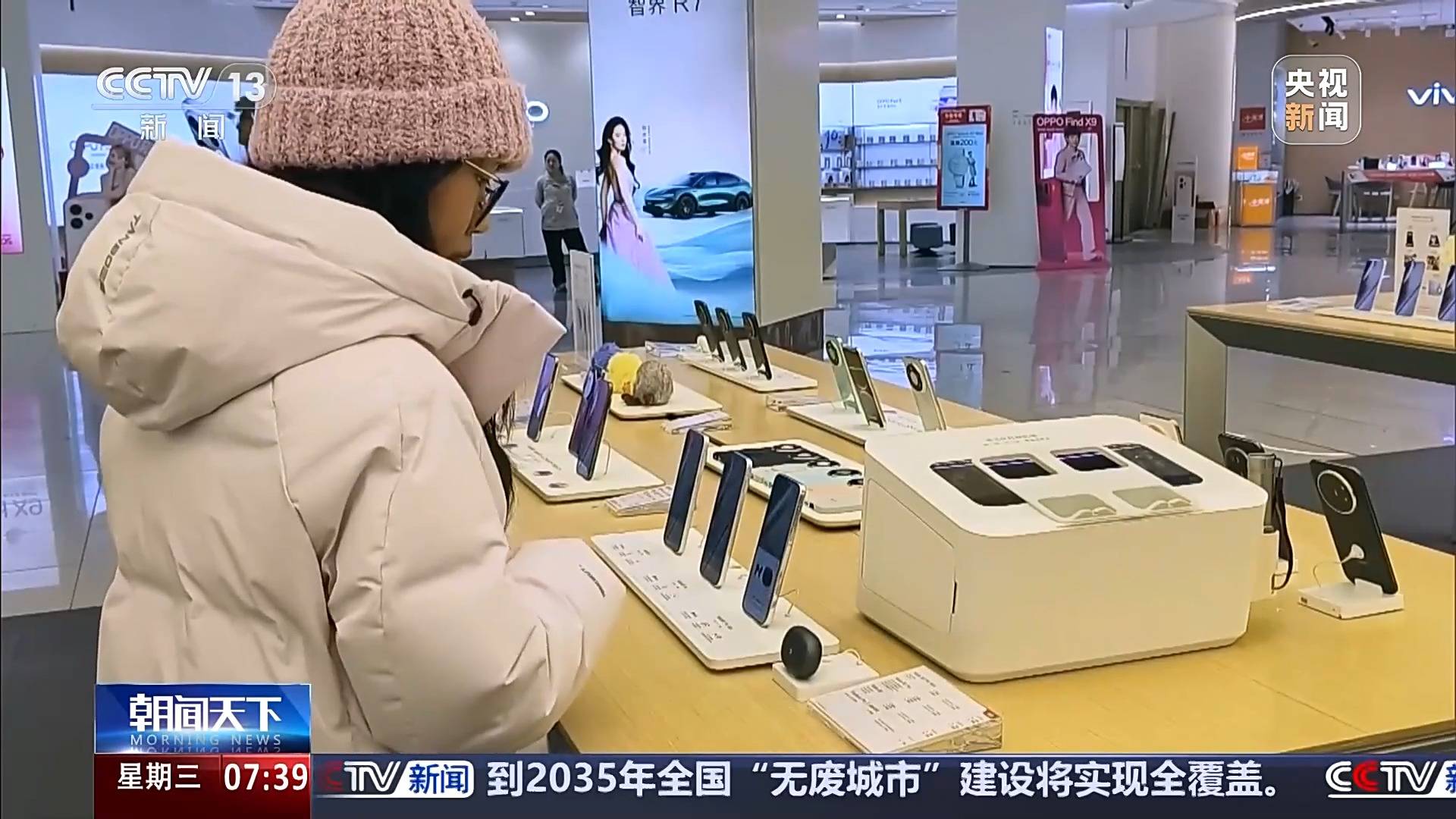
“新国补”政策落地 消费市场热力全开
Yang Shi Xin Wen Ke Hu Duan· 2026-01-14 06:53
Group 1 - The core viewpoint of the articles highlights the positive impact of the new "old-for-new" subsidy policy in China, particularly in Henan and Sichuan provinces, which has stimulated consumer enthusiasm in the automotive and electronic goods markets [1][6][10] Group 2 - In Henan, the "national subsidy" policy has been a focal point for consumers, with various car manufacturers offering additional discounts and promotions, including tax rebates and extra subsidies for trade-ins, leading to increased sales [2][6] - The consumer electronics market in Henan is also experiencing a surge, with retailers offering discounts and gifts alongside the national subsidy, attracting more buyers [4][6] Group 3 - Sichuan's new subsidy policy, effective from January 1, provides a 15% discount for six categories of home appliances and four categories of digital and smart products, igniting consumer interest and boosting market activity [7][10] - The policy emphasizes green energy efficiency and smart upgrades, making energy-efficient appliances the market standard and appealing to younger consumers with new subsidy categories like smart glasses and watches [7][10] Group 4 - The implementation of the subsidy policy in Sichuan has been smooth, with easy application processes for consumers, which not only benefits buyers but also encourages retailers to upgrade their product offerings [10]
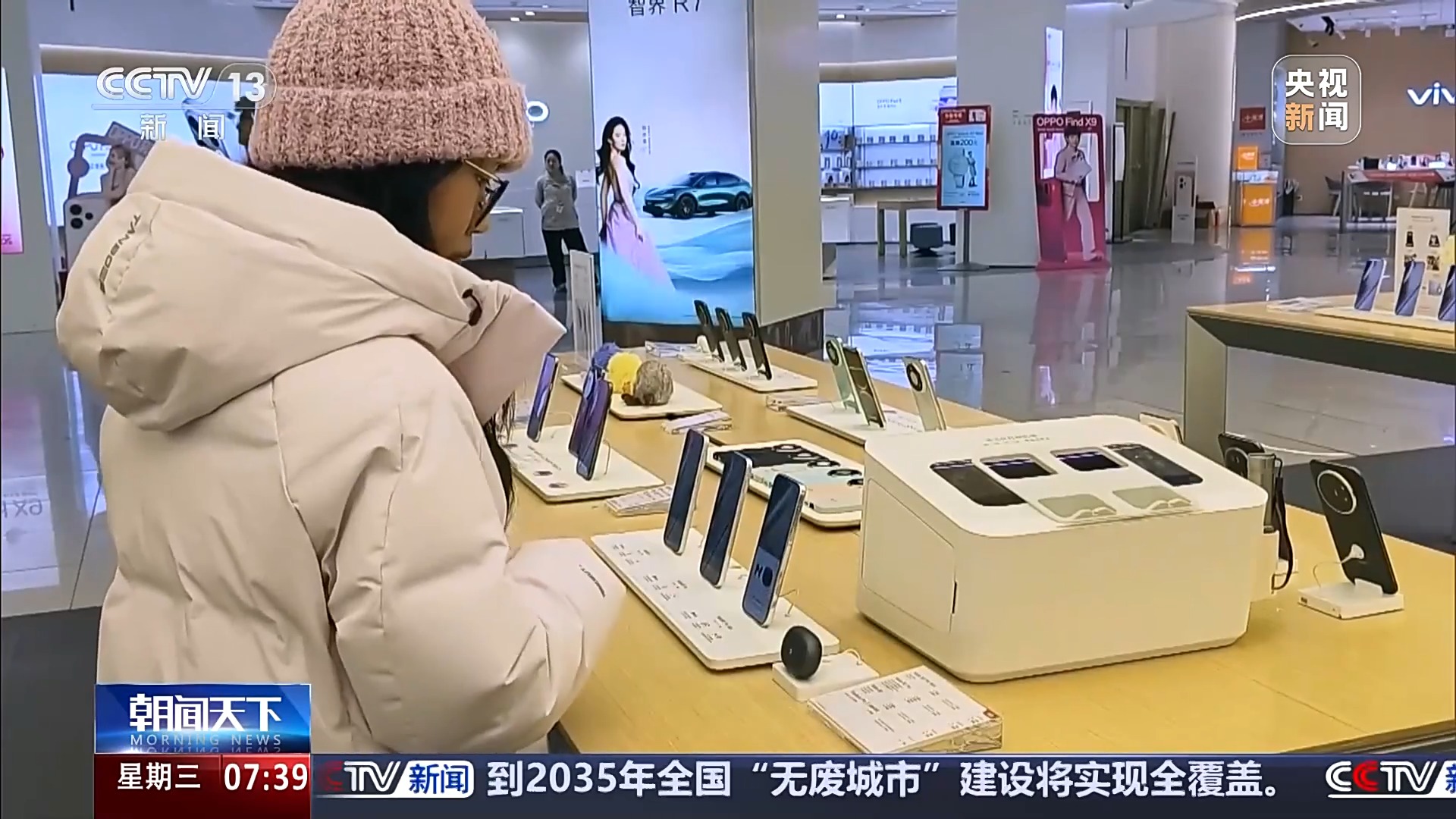
“真金白银”优惠礼包释放焕新消费热力 补贴品类向“智”向“新”激发年轻群体消费热潮
Yang Shi Wang· 2026-01-14 06:52
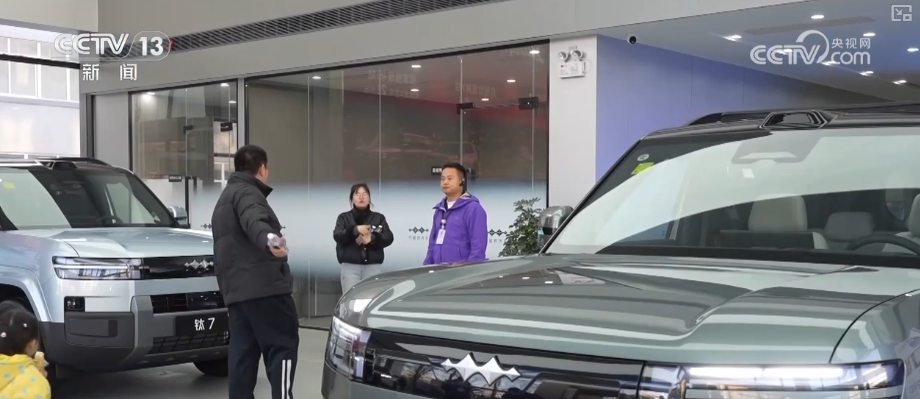
Group 1 - The core viewpoint of the articles highlights the positive impact of the new subsidy policies in China, particularly in Henan and Sichuan, which have stimulated consumer spending in the automotive and electronics sectors [1][8][22] - In Henan, the new national subsidy policy for vehicle trade-ins has led to increased consumer interest, with many taking advantage of the subsidies to purchase new cars [1][3] - Consumers in Henan reported significant savings, with one individual noting a total discount of over 40,000 yuan when combining national and manufacturer subsidies [3] Group 2 - Sichuan's new subsidy policy for home appliances and digital products has also been implemented, offering a 15% discount for consumers who trade in old products [8][11] - The policy has resulted in a surge in consumer activity, particularly in cities like Chengdu and Deyang, where many consumers are actively purchasing new appliances [14][20] - The focus on energy-efficient and smart products has led to a shift in consumer preferences, with younger demographics showing increased interest in new categories such as smart glasses and watches [17][22]
从七个“关键词”看2026年聊城两会热点
Qi Lu Wan Bao· 2026-01-14 06:41
Core Viewpoint - The 18th People's Congress of Liaocheng emphasizes the importance of the year 2026 as a critical period for the city's development, focusing on the "Six New Liaocheng" initiative and high-quality growth. Group 1: Consumption Boost - Consumption is identified as the primary driver of economic growth, with initiatives like the "Water City Consumption Year" and the promotion of new energy vehicles and green smart home appliances [3] - The city aims to enhance the nighttime economy and create themed markets to invigorate local economic activity [3] Group 2: Artificial Intelligence - The digital transformation of the manufacturing sector is a core strategy for building a modern industrial system, with a focus on the "AI + Manufacturing" initiative [4] - The goal is to promote the digital transformation of 1,000 small and medium-sized enterprises and establish new smart factories [4] Group 3: Innovation - Innovation is highlighted as the leading force for development, with plans to cultivate quality enterprises and establish 150 new provincial-level champions and specialized enterprises [5] - The city aims to create 20 new provincial innovation platforms and support over 50 key R&D projects [5] - A talent cultivation system will be enhanced to add over 20,000 skilled workers [5] Group 4: Green Transformation - Comprehensive green transformation is a significant focus, with initiatives to develop biomass power and geothermal projects, aiming for renewable energy capacity to exceed 7.5 million kilowatts [6] - The city plans to achieve an 80% clean transport ratio in key industries and a 56% utilization rate of urban reclaimed water [6] Group 5: Urban Renewal - Urban renewal is seen as essential for improving living standards and enhancing urban competitiveness, with a focus on upgrading key areas and renovating old neighborhoods [7] - Efforts will be made to alleviate traffic congestion and improve urban infrastructure for better living conditions [7] Group 6: Education Revitalization - The city aims to enhance education across all levels, focusing on integrated early childhood education and equitable resource distribution in high schools [9] - Support will be provided for higher education institutions to achieve doctoral degree authorization and develop high-level applied universities [9] Group 7: Quality Housing - The "Good House" initiative reflects a commitment to people-centered development, emphasizing standards in housing construction and renovation [10] - The city plans to implement a series of exemplary projects to ensure safe, comfortable, and livable housing for residents [10]
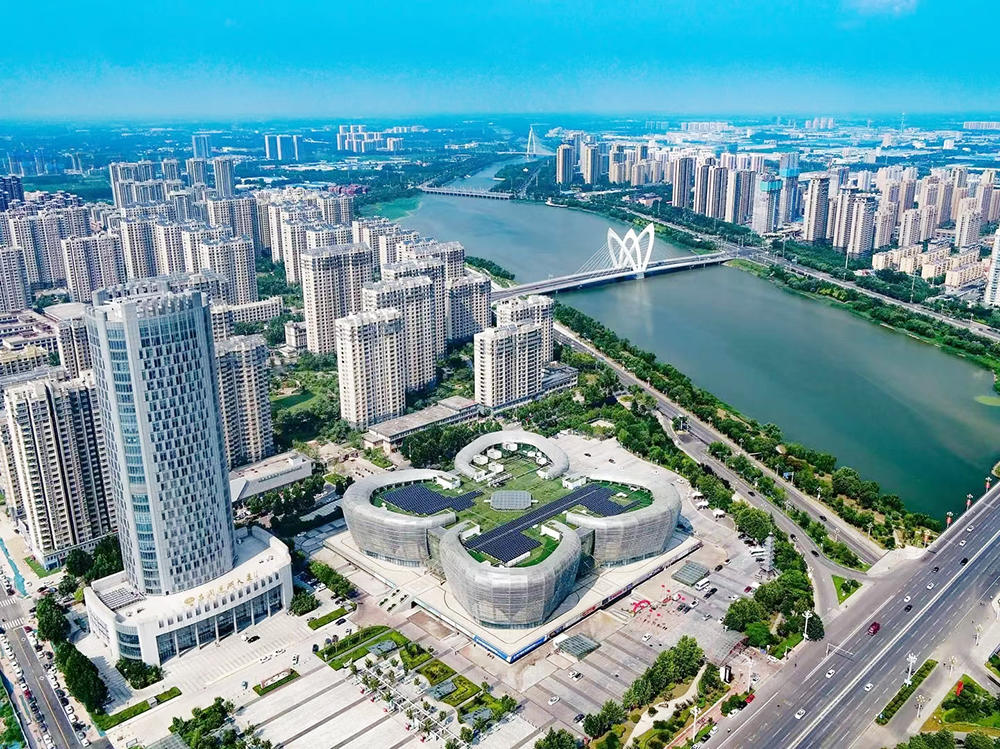
每周一场促销活动,2026第一波广货福利来了
Sou Hu Cai Jing· 2026-01-14 06:22
Core Viewpoint - The "Guangdong Goods Go Global" Spring Action will officially launch on January 15, aiming to help enterprises expand their markets and boost sales through a series of promotional activities throughout the first quarter [1][4]. Group 1: Promotional Activities - The Spring Action will feature 12 online and offline promotional events throughout the first quarter, focusing on key categories such as home appliances, mobile phones, clothing, food, 3C digital products, beauty, home goods, toys, and daily chemicals [1][4]. - Each promotional event will showcase 30 to 50 high-quality enterprises, presenting Guangdong-made products that are high in technology content, cost-effective, and well-recognized in the market [1][4]. Group 2: Event Launch and Structure - The launch ceremony and home appliance promotional event will take place in Foshan, marking the beginning of the year's activities, followed by specialized events for mobile phones, clothing, food, 3C digital products, smart terminals, and automobiles in various cities and online platforms [4]. - The promotional strategy emphasizes online and offline collaboration, utilizing major e-commerce platforms such as Alibaba, JD.com, Douyin, Kuaishou, Pinduoduo, and Vipshop to create dedicated promotional sections and topics for Guangdong products [4]. Group 3: Marketing and Consumer Engagement - The Spring Action will include 18 diverse marketing activities aligned with key consumption periods such as the Spring Festival and Lantern Festival, featuring offline markets, live streaming from production sites, cross-border e-commerce events, and "Guangdong Brand Super Day" [4][8]. - The initiative aims to integrate product displays with local culture, traditional customs, and industry stories, enhancing consumer engagement with Guangdong manufacturing [4][8]. Group 4: Industry and Policy Support - The action will focus on "going into the industry front line," showcasing production management, quality control, and innovation through live factory visits and media coverage, thereby increasing consumer trust in Guangdong manufacturing [8]. - The Spring Action will align with policies promoting consumption, such as trade-in programs and "Guangdong Quality Purchase," to lower costs for enterprises participating in online promotions and live streaming sales [8].
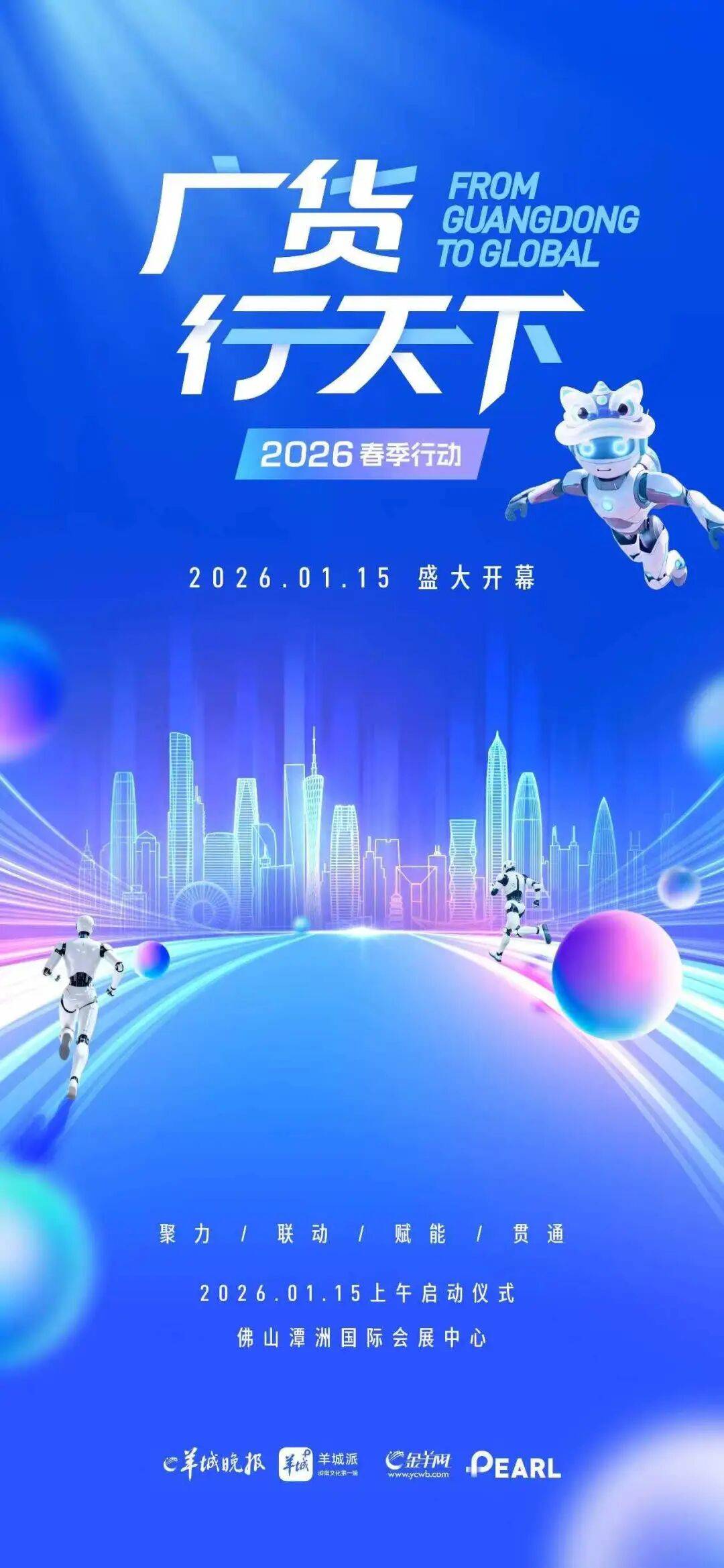
超6000家企业参与,“广货行天下”春季行动将于明日启动
Nan Fang Nong Cun Bao· 2026-01-14 06:05
Core Viewpoint - The "Guangdong Goods Going Global" Spring Action aims to boost consumer spending and help over 6,000 enterprises expand their market presence and sales, laying a solid foundation for Guangdong's development during the 14th Five-Year Plan period [5][12]. Group 1: Event Overview - The Spring Action will officially launch on January 15, with a promotional event focused on home appliances taking place in Foshan [6]. - The initiative is organized by various provincial departments, including the Guangdong Provincial Committee of Propaganda and the Provincial Department of Commerce, to enhance the visibility and market influence of high-quality Guangdong products [7][8]. Group 2: Participation and Support - Over 6,000 enterprises from diverse sectors such as home appliances, mobile phones, clothing, food, smart devices, automotive, beauty products, and agriculture will participate in the event [12]. - Major commercial platforms, including Alibaba International, JD.com, and Douyin, among others, are supporting the initiative [13][14]. Group 3: Promotion Strategy - The event will select key industries and outstanding brand enterprises to promote their best and most cost-effective products on a weekly basis [15][16]. - There will be efforts to connect manufacturers with retailers, distributors, and buyers to facilitate sales and gather market demands [17][19]. Group 4: Local Engagement - Local cities will engage leading enterprises and industry clusters to participate, integrating local cultural and tourism activities into promotional efforts [20][21]. - Media will play a significant role in enhancing the brand and sales of Guangdong products through active participation in the Spring Action [22]. Group 5: Home Appliance Focus - The launch event will feature over 1,300 home appliance companies, with major brands like Midea, Gree, and Galanz showcasing their products and conducting live sales [24].

当ESG成为“必答题”,谁走在了行业前列?
Sou Hu Wang· 2026-01-14 04:53
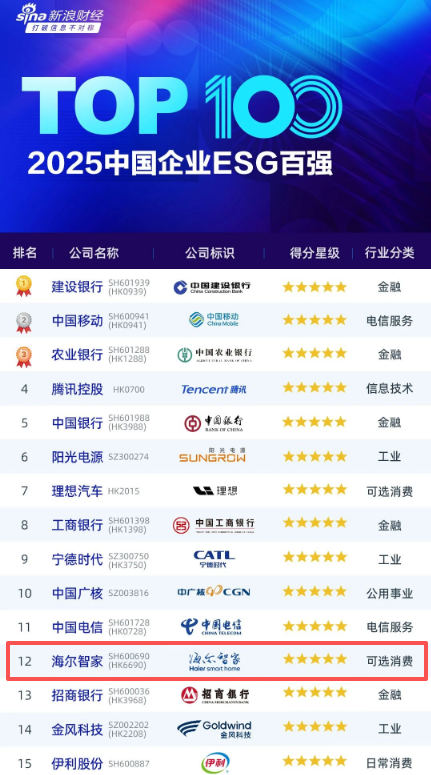
Core Viewpoint - ESG has transitioned from a choice to a necessity for companies, significantly impacting their survival and development in the market [1]. Group 1: ESG Reporting Trends - The disclosure rate of ESG reports among A-share listed companies is projected to rise from 27.17% in 2021 to 46.83% in 2024, indicating that nearly half of the companies are now reporting on ESG [1]. - The increase in ESG reporting is driven by regulatory and market forces, reflecting a profound shift in corporate values and development perspectives [1]. Group 2: ESG Rankings and Industry Leaders - The "2025 China Enterprise ESG Top 100" list, published by Sina Finance, evaluates over 5,000 A-share and Hong Kong-listed companies using 18 industry evaluation models and more than 150 ESG indicators [2]. - The financial and consumer discretionary sectors have the highest representation on the list, with 18 companies each, highlighting the importance of ESG in these industries [2]. - Most companies on the list are industry leaders, demonstrating that larger firms are better positioned to implement comprehensive ESG practices and set benchmarks for their peers [2]. Group 3: Case Study of Haier - Haier ranked first in the home appliance sector and received a five-star overall rating due to its long-term integration of ESG into its corporate strategy, focusing on providing green products and solutions [3]. - Haier's commitment to ESG is evident in its innovative green products, such as the X11 washing machine, which exceeds European A-level energy efficiency standards by 70% [5]. - The company has expanded its green solutions across various scenarios, enhancing its ESG practices from product to system levels, which has contributed to its high ratings from international organizations [6]. Group 4: ESG as a Competitive Advantage - ESG is increasingly viewed as a core competitive advantage, with global markets enforcing regulations that require companies to adopt sustainable practices [5]. - Haier's success illustrates that ESG investments do not hinder performance; instead, they enhance brand reputation and consumer trust, leading to significant revenue and profit growth [6]. - Research indicates that over 80% of consumers prefer brands with social responsibility when purchasing high-value items, making ESG a critical factor in consumer decision-making [8].

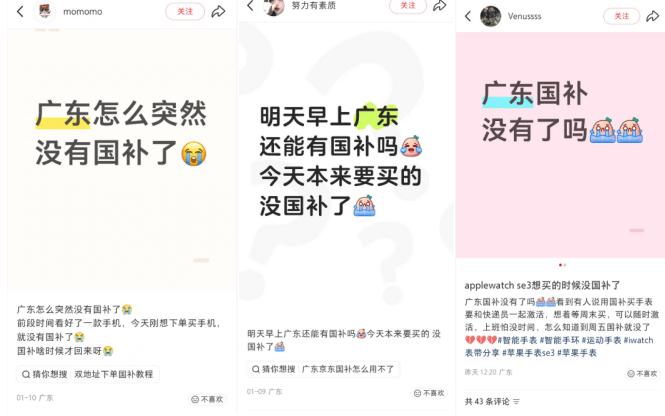
“抢不到”,“突然没有了”,广东以旧换新国补上线即告罄
Sou Hu Cai Jing· 2026-01-14 04:49
Group 1 - The core viewpoint of the article highlights the launch of the 2026 consumer goods trade-in subsidy in Guangdong, which has sparked significant consumer interest and demand for new products [1][3] - The subsidy program covers various categories including home appliances and 3C digital products, with consumers eligible for up to 1,500 yuan for larger items and 500 yuan for smaller electronics [3] - Despite the program's launch, there is a high demand for subsidy qualifications, leading to many consumers struggling to secure them, indicating a strong market potential in Guangdong [5] Group 2 - The article mentions that many consumers are actively trying to obtain subsidy qualifications but are facing challenges due to limited availability, with some expressing frustration on social media [1][3] - The government has set clear guidelines for the subsidy program, which aims to promote consumption and facilitate the upgrade of consumer goods [3] - The immediate exhaustion of subsidy qualifications reflects the urgent demand for equipment updates and quality improvements among consumers in Guangdong [5]