连锁餐饮

Search documents
萨莉亚净利润上涨37%,中国市场贡献显著
Sou Hu Cai Jing· 2025-10-16 03:55
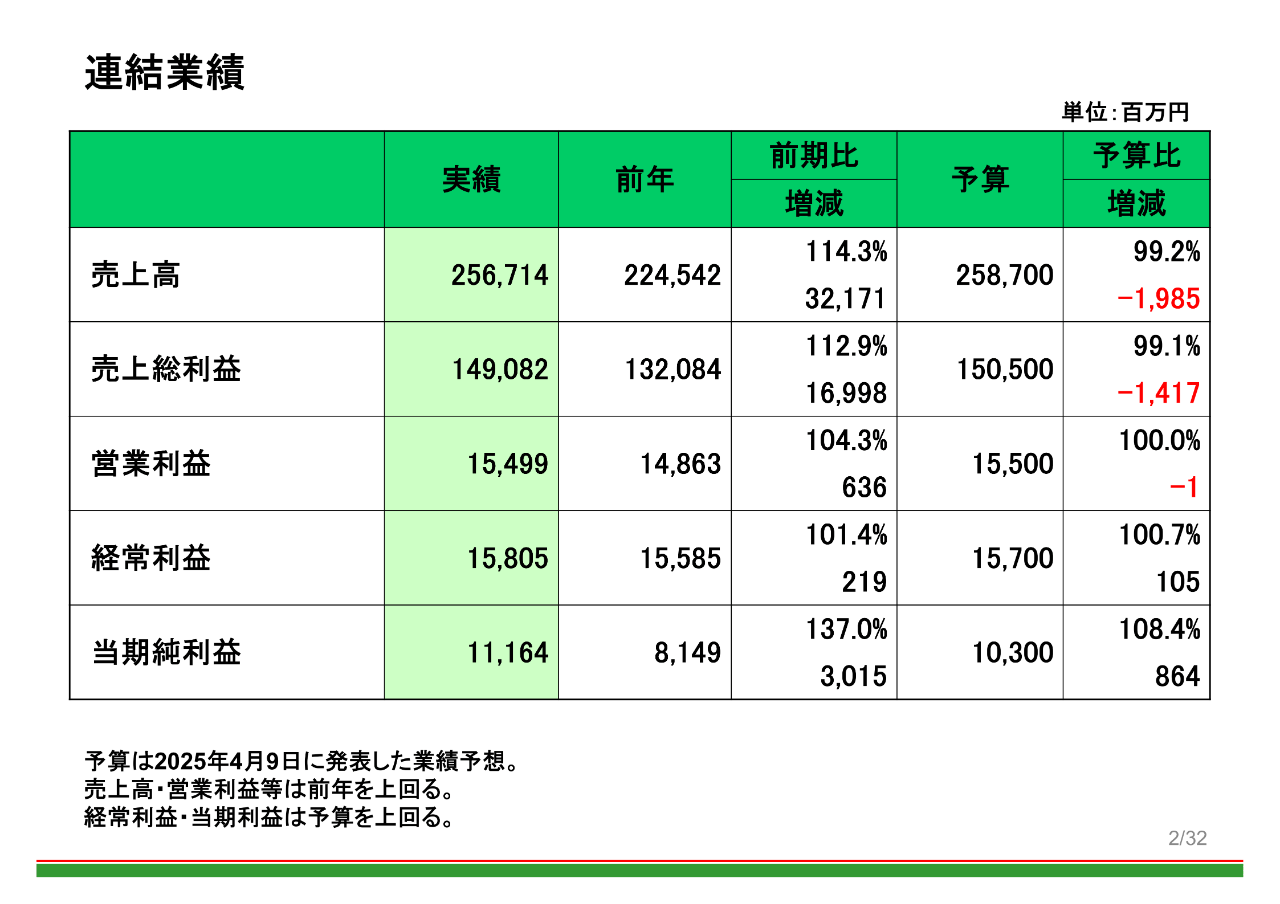
财报显示,日本本土市场现有门店销售额增长18%,顾客人数增加16%,客单价微增2%,数字设备如自助收银和扫码点餐系统的普及节省了人力成本,约 70%门店已引入相关技术。亚洲市场销售额同比增长10.5%,但营业利润下滑5.4%,主要受新店扩张和当地消费放缓影响。 10月15日,日本连锁餐饮集团萨莉亚公布截至2025年8月31日的全年业绩(2024年9月1日~2025年8月31日),净利润达111.64亿日元(约合人民币5.24亿 元),同比增长37%,销售额为2567.14亿日元,同比增长14.3%。 | | | | | l | | --- | --- | --- | --- | --- | | | 実績 | 前年 | 前期比 | 予算 | | | | | 増減 | | | 売上高 | 256.714 | 224.542 | 114.3% | 258.700 | | | | | 32.171 | | | 売上総利益 | 149.082 | 132.084 | 112.9% | 150.500 | | | | | 16.998 | | | 営業利益 | 15,499 | 14.863 | 104.3% | 15, ...

国信证券晨会纪要-20251016
Guoxin Securities· 2025-10-16 01:56
Key Recommendations - The report highlights the social services industry, particularly focusing on the chain restaurant sector, recommending leading brands that offer good value for money in the dining and tea beverage segments [7] - The construction industry report emphasizes the necessity of cleanroom engineering as a critical component of AI infrastructure, with global demand for construction rapidly increasing [11] Industry and Company Insights - In the restaurant sector, the report notes that in September 2025, the stock prices of major restaurant brands faced pressure, with notable increases for brands like Xiaobai Xiaobai (+33%) and Yum Brands (+4%) [7] - The mid-year financial summary indicates that the tracked chain restaurant leaders saw a 29% increase in net profit attributable to shareholders in the first half of 2025, with a 16% revenue growth, outperforming the overall retail dining market growth of 4% [7] - The cleanroom engineering market is driven by the need for controlled environments in precision product manufacturing, with investments in cleanroom engineering typically accounting for 10-20% of total project costs [11] - The global cleanroom market is expected to grow due to increasing demands for semiconductor manufacturing and data center construction, particularly in North America, which is identified as a market with significant potential [11] Market Dynamics - The report indicates that in September 2025, the domestic restaurant revenue showed a slight year-on-year increase of 1%, recovering from previous months' declines [7] - The cleanroom engineering demand is expected to rise as companies like TSMC ramp up investments in the U.S., with TSMC planning an additional $100 billion investment, indicating a robust growth trajectory for the cleanroom sector [11] Investment Recommendations - The report suggests focusing on leading companies in the cleanroom engineering space, such as Shenghui Integration and Yaxiang Integration, which are expected to benefit from the global semiconductor supply chain restructuring [12] - In the restaurant sector, it recommends investing in brands like Xiaobai Xiaobai, Gu Ming, and Mi Xue Group, which are positioned to capitalize on the recovery and growth in the dining market [9]





现在加盟瑞幸还能赚钱吗
新财富· 2025-10-15 08:05
Core Insights - The article discusses the growth dynamics of the chain restaurant industry, emphasizing the importance of same-store sales growth over mere expansion [3][5][6]. Group 1: Growth Drivers - The four main growth drivers for chain restaurants are opening new stores, expanding product offerings, increasing prices, and reducing costs [3]. - In the U.S. market, companies like Wingstop, Starbucks, and McDonald's have demonstrated sustained same-store sales growth for 10-20 years, contrasting with the rapid but unsustainable expansion seen in China's market prior to 2021 [3][5]. Group 2: Investment Logic - The investment logic in China has been primarily focused on a "single-store model + opening space" approach, where rapid store openings lead to higher valuations despite unsustainable same-store growth [5][6]. - The comparison of Luckin Coffee's performance in 2019 and 2021 illustrates the shift towards prioritizing same-store growth, with significant increases in customer transactions and sales volume [6][9]. Group 3: Financial Metrics - Key metrics determining single-store revenue include the number of customers, average transaction value, and purchase frequency. Luckin Coffee saw a rise in average monthly transactions per store from 2,288 in 2019 to 3,138 in 2021, alongside an increase in average selling price from 10.36 CNY to 13.68 CNY [9][10]. - The introduction of the "生椰拿铁" (Coconut Latte) significantly boosted Luckin's sales, leading to a 33% increase in customer numbers during its launch season [10]. Group 4: Franchise Opportunities - Luckin Coffee has established a strong reputation in the franchise market, with various franchise models available, including fixed-point new partner franchises and store-led franchises [12][28]. - The initial investment for franchisees can exceed 600,000 CNY, factoring in renovation, equipment, and other hidden costs [18][20]. - Different franchise models, such as school-based stores, show varying profitability based on location and operational costs, with potential monthly profits ranging from 4,000 CNY to 70,000 CNY depending on market conditions [30][33].

还是放不下预制菜?西贝回应
Sou Hu Cai Jing· 2025-10-14 06:44
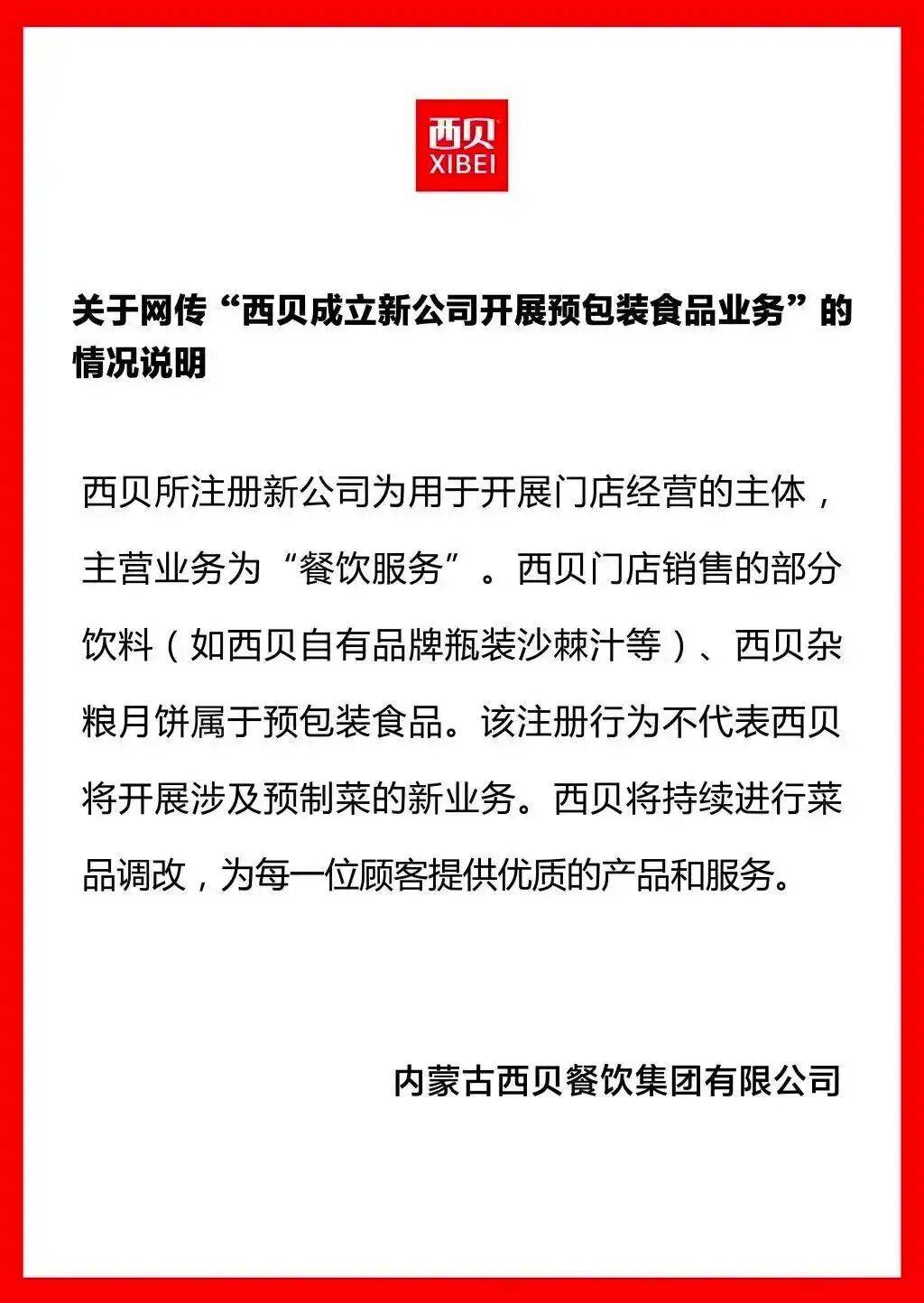
Core Viewpoint - The establishment of a new company by Xibei has sparked renewed attention, particularly in the context of its previous controversies surrounding prepared dishes and its impact on store operations [1][4]. Group 1: Company Developments - Xibei has established a new company, Shenzhen Yuhua Meihao Catering Management Co., Ltd., which is 95% controlled by Inner Mongolia Xibei Catering Group Co., Ltd. and focuses on pre-packaged food sales and food internet sales [1]. - The new company is intended to serve as an operating entity for Xibei's stores, with its main business being "catering services," and does not signify a shift towards prepared dishes [1]. - Xibei's founder, Jia Guolong, clarified that the company previously offered prepared dishes but has since ceased that practice, currently only selling a limited range of pre-packaged foods [1]. Group 2: Financial Impact and Response - Following controversies regarding prepared dishes, Xibei experienced a significant drop in daily sales, with a reported decrease of 1 million yuan on September 10 and 11, and an expected drop of 200,000 to 300,000 yuan on September 12 [5]. - In response to customer dissatisfaction, Xibei announced adjustments to its food preparation processes, including transitioning to on-site cooking and changing cooking oils to non-GMO soybean oil [5]. - To recover from declining customer traffic, Xibei initiated a promotional campaign offering 100 yuan dining vouchers and implemented price reductions on 33 dishes, with some prices dropping by over 20% [5].
开餐厅,顾客不买单的花销都是浪费钱
3 6 Ke· 2025-10-11 09:00
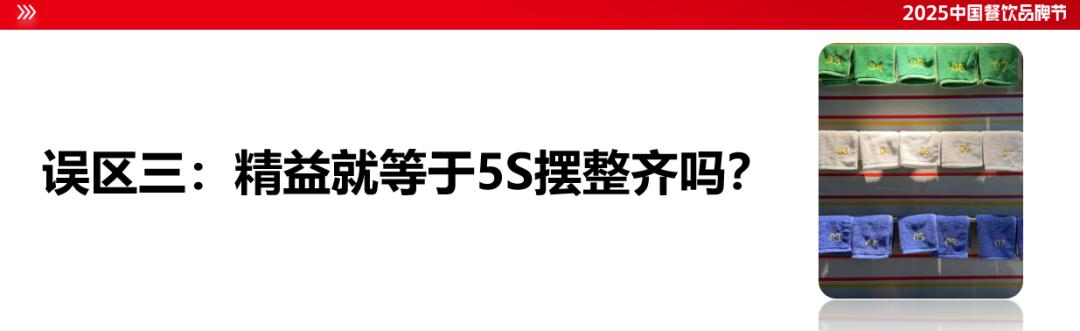
Core Insights - The essence of lean management is to create maximum value for customers with minimal resources, and any investment not aligned with customer needs is considered waste [1][7]. Misconceptions about Lean Management - Many chain restaurants misunderstand lean management, equating it with meticulous detail or cost-cutting, which can lead to inefficiencies [2][3]. - Lean is not merely about standardization or rigid processes; it should focus on optimizing workflows and tools to facilitate standards implementation [3][4]. Toyota's Success and Investment - Toyota, originally a textile machine manufacturer, transformed into a leading automobile company, achieving a profit of 4.8 trillion yen and cash reserves of 8.98 trillion yen in the last fiscal year [4]. - Despite challenges in the Chinese market, Toyota invested 30 billion RMB in research for new energy vehicles, highlighting its commitment to innovation [4]. Importance of Customer Value - Defining customer value is crucial; businesses should avoid unnecessary expenditures and focus on what customers are willing to pay for [11][12]. - A high-efficiency daily management system is essential for long-term success, emphasizing the importance of planning and performance metrics [12][19]. Continuous Improvement and Waste Elimination - Continuous improvement activities should focus on eliminating waste, including underutilized resources and excessive processing that does not add value to the customer [20][21]. - Effective management should aim for balanced workloads and efficient use of personnel, rather than merely increasing headcount [20][24]. Standardization and Talent Development - Establishing a standardized system is vital, with a focus on creating detailed management standards rather than relying solely on top performers [24][25]. - Talent development should follow a structured approach, ensuring that employees are trained effectively and that there is a clear pathway for growth within the organization [25]. Lean Leadership and Culture - Lean leadership emphasizes coaching and respect for individuals, fostering a culture of continuous improvement and accountability [25][26]. - The organizational culture should reflect the values and behaviors expected from employees, which should be reinforced through management practices rather than mere slogans [26].

港股IPO热潮奔涌:年内65家新股上市,迎300亿美元全球第二大IPO
Sou Hu Cai Jing· 2025-10-11 01:45
Core Insights - The Hong Kong IPO market is experiencing significant activity, highlighted by Zijin Mining's spin-off, Zijin Gold International, which aims for a valuation exceeding $30 billion and is set to be the second-largest IPO globally this year, following CATL [2] - As of now, 65 new IPOs have been listed in the Hong Kong market, raising approximately HKD 156.3 billion, solidifying Hong Kong's position as the leading global IPO financing hub [2] Group 1: Market Dynamics - The efficiency of the IPO process has reached record levels, with large IPOs demonstrating a capital aggregation effect. Notably, CATL's IPO took just over three months from application to listing, raising a net amount of approximately HKD 35.3 billion and achieving a 120 times oversubscription [4] - Recent listings, such as Chery Automobile, have further fueled market enthusiasm, with its market capitalization surpassing HKD 190 billion, marking it as the largest car company IPO in Hong Kong this year [4] Group 2: Sector Diversity - The IPO landscape is characterized by a diverse industry distribution, with a significant number of companies from healthcare and biotechnology, as well as consumer sectors like food and daily consumer goods, participating in the market [6] - International companies are increasingly listing in Hong Kong, with four overseas firms from Singapore, Thailand, Indonesia, and the U.S. raising a total of HKD 5.4 billion in the first three quarters of the year, compared to only two international listings in the same period last year [6] Group 3: Market Regulation and Environment - The Hong Kong market is undergoing a healthy cycle of entries and exits, with 64 companies going public while 42 companies have delisted, primarily due to financial compliance issues and governance failures [7] - The Hong Kong Stock Exchange has implemented a "fast-track delisting" mechanism to enhance market efficiency, and regulatory bodies are intensifying accountability measures for executives of delisted companies [7] Group 4: Future Outlook - The support from the China Securities Regulatory Commission for mainland leading companies to list in Hong Kong, along with optimized listing processes, is expected to sustain the momentum in the IPO market [9] - With over 230 listing applications currently under review and the anticipated influx of international funds due to the Federal Reserve's interest rate cuts, Hong Kong is projected to maintain its status as the global leader in new stock financing throughout 2025 [9]

美联储仍未战胜高通胀。它失败了吗?
Sou Hu Cai Jing· 2025-10-10 23:17
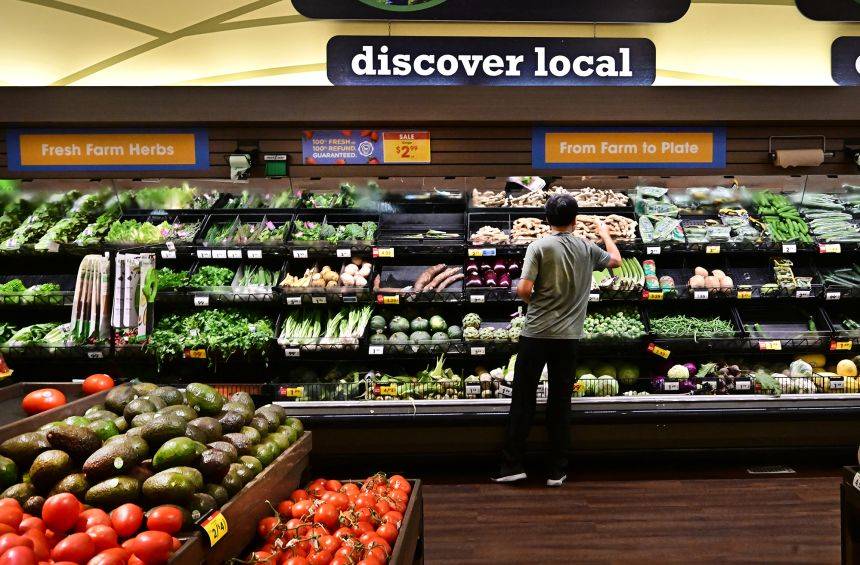
Group 1 - The Federal Reserve lowered interest rates by 0.25% last month to address a slowdown in hiring and rising inflation, which continues to pressure low- and middle-income families [3] - Inflation has not returned to pre-pandemic levels, and the trade policies initiated by former President Trump have contributed to rising prices [3][6] - The Fed's decision-making is complicated by differing opinions among officials regarding the temporary nature of tariff-induced inflation [3][6] Group 2 - The Fed has maintained interest rates for nine months to assess the impact of Trump's tariffs on the economy, while also facing pressures in the labor market [3][6] - Fed Chair Jerome Powell emphasized the need to balance inflation control with the goal of full employment, indicating that there is no risk-free path forward [3][6] - Economic forecasts suggest that the Fed may lower borrowing costs two more times by the end of the year to prevent a spike in unemployment [6][7] Group 3 - Recent labor department data shows sluggish job growth, with rising unemployment rates among young people and minorities, and the number of job seekers exceeding available positions [7] - The government shutdown has delayed the release of key economic data, complicating the Fed's decision-making process regarding employment and inflation [7] - Market expectations indicate a likely interest rate cut of 0.25% during the upcoming policy meeting on October 28-29 [7] Group 4 - The inflation rate has increased by approximately 20% since January 2021, leading low-income families to cut spending or opt for cheaper alternatives [8] - There is a growing economic divide, with high-income consumers maintaining stable sentiment while low-income consumers face significant challenges [8] - The housing market remains under pressure due to insufficient supply, high prices, and rising mortgage rates, impacting affordability for potential buyers [8][9] Group 5 - Former President Trump has exerted pressure on the Fed, including attempts to influence leadership changes and policy direction, which raises concerns about the Fed's independence [9] - The ongoing economic uncertainty and data interruptions present challenges for the Fed in managing inflation and unemployment effectively [9]
独家 | 贾国龙回应西贝更换门头:不会普及全国
新浪财经· 2025-10-10 08:22
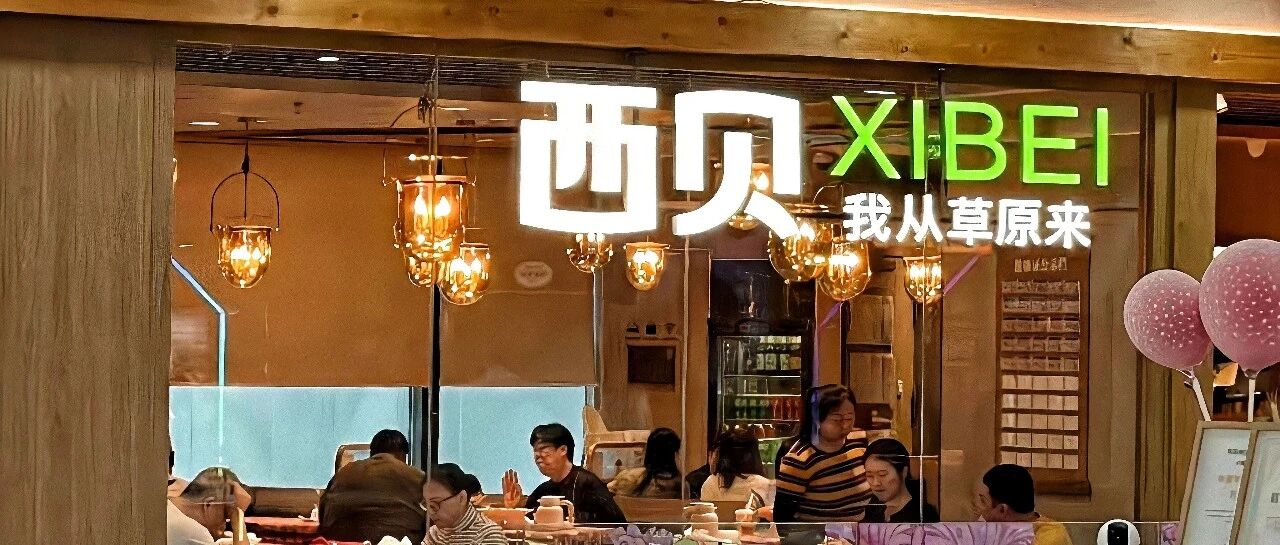
Core Viewpoint - The article discusses the recent changes at Xibei's Beijing Shijingshan Wanda store, including a logo change and price adjustments on menu items, in response to declining sales and customer feedback following a "pre-made dish" controversy. Group 1: Logo Change and Brand Strategy - Xibei has changed its logo from red and white to white and green, with the slogan "I come from the grassland" replacing "Yao Mian Village" [4] - The founder, Jia Guolong, stated that this logo change is a small-scale trial and will not be implemented nationwide, with potential for a few stores in major cities to adopt it [4] Group 2: Sales and Pricing Adjustments - Following a significant sales decline since mid-September, Xibei is implementing measures such as issuing consumer vouchers and adjusting menu prices [6] - During the National Day period, Xibei has reportedly reduced menu prices by 20% to 40%, although actual reductions observed were around 9.8% for specific items [6][7] - For example, the price of the "Roaming Menu" has decreased from 663 yuan to 598 yuan, with specific dishes like grassland tender roasted lamb rack dropping from 119 yuan to 99 yuan [6][7] Group 3: Customer Experience and Promotions - Despite the price adjustments, customer traffic has not significantly increased, with many seats remaining empty during peak hours [8] - Customers have noted improvements in service, with staff offering complimentary tea and snacks [8] - Xibei launched a promotional campaign offering 100 yuan dining vouchers to customers, which has led to some consumers reselling these vouchers at a lower price [10][12] - The company plans to continue issuing vouchers through the end of October, with various thresholds for receiving additional vouchers based on spending [15]
直击西贝“失血”调改:厨师长频频开会 后厨更忙了 餐厅更空了
Feng Huang Wang· 2025-10-10 02:09
Core Points - The article discusses the ongoing challenges faced by Xibei, a Chinese restaurant chain, in the wake of a public relations crisis related to its food safety and transparency issues [1][2][14] - Xibei has implemented changes to its menu and cooking practices, including the use of non-GMO soybean oil and in-house preparation of certain dishes, but customer traffic remains low [1][3][14] - The public's reaction to Xibei's situation reflects broader concerns about high-priced dining, food safety, and the transparency of information provided by restaurants [2][14] Summary by Sections Operational Changes - Xibei has modified nine core dishes to be prepared on-site and has switched to non-GMO soybean oil for cooking [1] - As of September 29, only one of the nine planned changes, the yellow rice cake, had not been completed [1] - The restaurant chain is actively recruiting staff to manage the increased operational demands due to these changes [10] Customer Experience - During a recent visit, Xibei's customer occupancy was around 10%, significantly lower than competitors in the same mall [3][4] - Despite promotional efforts, such as offering 100 yuan dining vouchers, customer turnout has not improved [5] - Customer feedback indicates a mix of loyalty and dissatisfaction, with some willing to return while others express disappointment in service quality [6][11] Employee Sentiment - Employees exhibit caution and uncertainty regarding the company's direction and customer interactions, reflecting the overall tense atmosphere within the restaurant [8][12] - Staff training has increased, focusing on operational details, but employees feel pressure to avoid mistakes [9][12] Public Relations and Market Perception - The public's scrutiny of Xibei has intensified, with the company struggling to effectively communicate with customers [2][14] - The crisis has highlighted a disconnect between Xibei's pricing and perceived value, leading to a sense of betrayal among customers [14][15] - Experts suggest that the focus should shift from punitive measures against Xibei to fostering a healthier dialogue about industry standards and practices [15]
县城里的烟火小店正在复苏
3 6 Ke· 2025-10-09 12:12
Core Insights - The rapid expansion of chain restaurants in small towns is transforming local dining experiences, with a notable increase in the presence of various international cuisines [1][3][5] - The rise of online platforms and delivery services is significantly impacting local businesses, leading to a decline in traditional family-run eateries [5][18] - The popularity of local specialties remains strong, with some traditional dishes still attracting customers despite the competition from chain restaurants [6][8][20] Summary by Sections Chain Restaurants and Local Impact - Chain restaurants like KFC and Luckin Coffee are proliferating in small towns, offering a variety of cuisines that were previously uncommon [1] - The local dining scene is increasingly dominated by chain establishments, which often provide a more standardized and appealing dining experience compared to local eateries [3][5] Online Platforms and Consumer Behavior - Chain restaurants leverage online platforms like Dianping and Douyin to optimize their ratings and attract customers, often tying employee incentives to online performance metrics [5] - The use of apps like Gaode for restaurant discovery is reshaping consumer behavior, with high ratings often correlating with long wait times due to popularity [10][11] Local Specialties and Traditional Eateries - Despite the dominance of chains, local specialties such as the authentic Xiangyang beef noodles continue to thrive, showcasing the resilience of traditional dining options [8][20] - Unique local eateries that offer traditional dishes are finding new life through online visibility and consumer interest, demonstrating a blend of tradition and modern marketing [16][20] Changes in Transportation and Accessibility - The increase in car ownership and improved road conditions in small towns have made it easier for consumers to access a wider range of dining options [12][14] - The geographical distribution of restaurants is shifting, with chain establishments occupying prime locations while traditional eateries move to less central areas [14] Conclusion on Market Dynamics - The competition between chain restaurants and local eateries is intensifying, leading to a significant transformation in the dining landscape of small towns [18] - The coexistence of modern chain restaurants and traditional local eateries reflects a broader trend of consumer preference for quality and value in dining experiences [18][20]