军工

Search documents
节后春季行情可能延续,科技和周期占优
Huajin Securities· 2026-02-23 03:45
Investment Rating - The report suggests a positive outlook for the A-share market post-Spring Festival, indicating a potential upward trend in the market driven by favorable policies and external factors [5][11][27]. Core Insights - The report highlights that concerns regarding economic and profit growth during the Spring Festival period did not materialize, with significant increases in travel and consumption data compared to the previous year [5][11]. - Historical data indicates that the A-share market tends to rise after the Spring Festival, particularly in years when the festival starts later, with 12 out of 16 instances showing gains in the first five trading days post-festival [11][27]. - The report emphasizes that technology growth and cyclical industries are likely to outperform in the short term following the festival, supported by favorable policies and market trends [31][32]. Summary by Sections Market Concerns and Trends - Concerns about economic performance during the Spring Festival were largely unfounded, with travel data showing a 6.1% year-on-year increase in cross-regional movement during the holiday [5][11]. - Consumption data was also positive, with the total box office for the Spring Festival exceeding 3 billion yuan, indicating strong consumer demand [5][11]. Post-Festival Market Outlook - The report anticipates a continuation of the spring market rally, with A-shares expected to show a strong upward trend due to positive policy expectations and limited external risks [11][27]. - The report notes that the macro liquidity environment is likely to remain loose, with expectations of increased capital inflow into the stock market post-festival [27][31]. Industry Configuration - The report recommends continued investment in technology growth and cyclical industries post-festival, as these sectors are expected to benefit from favorable policies and market conditions [31][32]. - Specific sectors highlighted for investment include machinery (robots), media (AI applications, gaming), computing (AI applications), electronics (semiconductors, AI hardware), military (commercial aerospace), and communications (AI hardware) [31][32].
Arthur Hayes 分享个人投资组合,加密资产包括 BTC、ETH、ZEC、HYPE
Xin Lang Cai Jing· 2026-02-23 03:11
Core Insights - Arthur Hayes, co-founder of BitMEX, disclosed his investment portfolio via Twitter, which includes a diverse range of assets such as stocks, cryptocurrencies, and physical gold [1] Group 1: Investment Portfolio - The portfolio consists of stocks in sectors like gold, silver, copper, uranium mining, oil giants, military stocks, and Latin American energy stocks [1] - In the cryptocurrency segment, the portfolio includes Bitcoin (BTC), Ethereum (ETH), Zcash (ZEC), and HYPE [1] - Additionally, the portfolio features physical gold as a tangible asset [1]
中国拯救世界?美媒感慨:要不是中国反抗特朗普,全球已经大萧条
Sou Hu Cai Jing· 2026-02-23 02:44
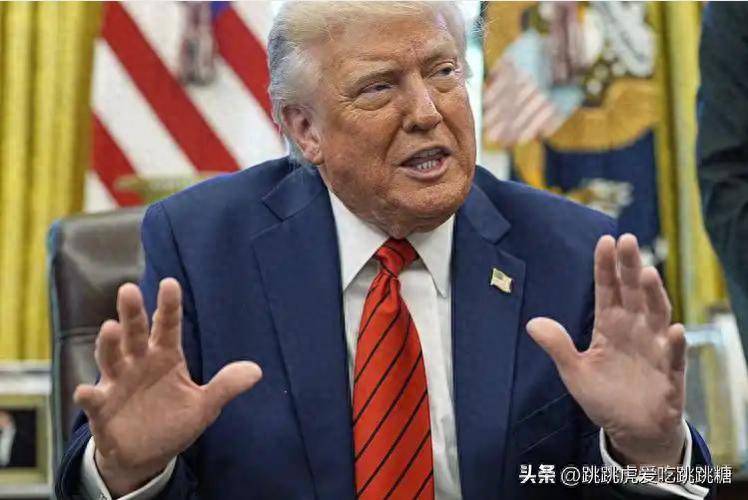
Core Viewpoint - The U.S. Supreme Court ruled that the large-scale tariff policy implemented by the Trump administration was illegal, effectively pausing the ongoing trade war. This decision has led to significant market reactions and fears among U.S. farmers and investors regarding the future of U.S. agricultural exports, particularly soybeans, to China [1][3]. Group 1: Impact on U.S. Agriculture - The U.S. soybean industry is heavily affected, with exports to China previously accounting for up to 60% of total production. Following the Supreme Court ruling, fears arose that China would shift to purchasing cheaper soybeans from Brazil, which has established a stable supply chain [1][3]. - U.S. farmers are struggling with low profits and high costs for imported agricultural machinery and fertilizers due to tariffs, leading to a cycle of increased production but greater losses [3]. - The agricultural sector is facing its fourth consecutive year of low profits, despite high production levels, exacerbated by the tariff-induced price increases of essential farming inputs [3]. Group 2: Consumer Impact - U.S. consumers are beginning to realize that they are bearing the costs of the tariffs, with prices for everyday goods, appliances, and vehicles rising significantly. Research indicates that the costs of tariffs are primarily shouldered by U.S. importers and consumers rather than foreign suppliers [6]. - The dissatisfaction among consumers and farmers could translate into political consequences in the upcoming midterm elections, particularly in the Midwest, where soybean farmers have traditionally supported the Republican Party [8]. Group 3: International Relations and Responses - The unilateral tariff policies have strained relationships between the U.S. and its allies, with many countries reconsidering their economic ties with the U.S. and seeking closer cooperation with China [10]. - Japan has shown a submissive stance, continuing to pursue investment in the U.S. despite the Supreme Court ruling against the tariff agreement, indicating a willingness to compromise for potential tariff relief [12]. - The EU has publicly criticized Trump's unilateralism but has not taken substantial retaliatory actions, instead opting to appease the U.S. for tariff exemptions due to its deep economic reliance on the U.S. market [14][20]. Group 4: Responses from Developing Countries - Developing countries, particularly in Southeast Asia and Latin America, have shown a tendency to acquiesce to U.S. tariff demands due to their economic vulnerabilities and reliance on the U.S. dollar for trade [18][21]. - India initially adopted a strong stance but ultimately succumbed to U.S. pressure, reflecting the broader trend of developing nations lacking the capacity to resist U.S. tariffs [22]. Group 5: China's Countermeasures - In contrast to other nations, China has taken a firm stand against U.S. tariffs, implementing retaliatory measures that directly target U.S. interests, including imposing equivalent tariffs on U.S. imports and controlling rare earth exports critical to U.S. military applications [24][26]. - China's strategy includes diversifying its export markets away from the U.S., resulting in a significant reduction in the trade deficit with the U.S. and record-high overall exports [28][35]. - The comprehensive industrial system in China allows it to maintain stability and independence from U.S. pressures, making it less vulnerable to tariff impacts compared to countries heavily reliant on the U.S. market [37][38].

美顶尖智库罕见联手喊话:再不停手,美国真就一脚踩进深渊了
Sou Hu Cai Jing· 2026-02-22 21:56
Core Viewpoint - The current U.S. trade strategy is undermining its own economic foundation rather than protecting it, leading to increased costs for consumers and strained international relationships [1][2]. Trade Policy Impact - Tariffs have not resulted in a significant return of manufacturing to the U.S., and the trade deficit remains unchanged, with the burden falling on American households [5][9]. - The Peterson Institute estimates that ordinary families are paying an additional $1,300 annually due to tariffs, affecting the prices of household appliances, electronics, and vehicles [2][5]. - Agricultural exports, particularly soybeans, have seen a dramatic decline, costing farmers billions, with some experiencing a 50% drop in income [2][5]. International Relations - The imposition of tariffs has led to retaliatory measures from Canada, Mexico, and the EU, straining relationships with traditional allies and undermining trust [2][5]. - The U.S. has lost its position as a rule-maker in global trade, with allies reconsidering their cooperation and exploring alternative markets [5][10]. Supply Chain Disruption - The trade war has exacerbated supply chain issues, particularly in the technology sector, where reliance on Asian suppliers for chips and rare earth materials remains high [2][7]. - Companies are facing increased logistics costs and longer border crossing times, leading to financial strain [2][5]. Economic Consequences - The economic landscape is characterized by rising prices, stagnant wages, and increased uncertainty, leading to a decline in consumer confidence and spending [7][9]. - The stock market shows volatility, particularly in technology stocks, as companies struggle with supply chain disruptions and fluctuating costs [7][9]. Future Outlook - The ongoing trade policies are expected to have long-term negative effects on the U.S. economy, including slow growth, high inflation, and job losses [10][12]. - The potential for a new round of tariffs under a future administration indicates a continuation of the current approach, which may further damage economic relationships and stability [12][13].

中国人正在过年,俄对欧洲发出通牒:可能采取报复措施!
Sou Hu Cai Jing· 2026-02-22 05:27
Group 1 - Russia has issued a strong warning to Europe, indicating potential military retaliation if European nations continue to seize Russian vessels [1][3] - The warning reflects a shift from economic sanctions to gunboat diplomacy, with Russia emphasizing the importance of naval power in geopolitical struggles [3][5] - The ongoing conflict between Russia and Ukraine has led to a significant deterioration in Russia-Europe relations, impacting energy supply and trade [5][7] Group 2 - Europe is responding to security concerns by increasing defense budgets and military cooperation, moving from a passive to an active role in security provision [7] - The relationship between Russia and Europe is evolving from cooperation to confrontation, indicating a long-term strategic shift that is unlikely to be reversed easily [7] - The geopolitical landscape is becoming increasingly complex, with both sides reinforcing their military capabilities in response to perceived threats [5][7]
券商马年投资展望:这些板块不能错过
Zhong Guo Zheng Quan Bao· 2026-02-21 04:37
Market Outlook - The A-share market is expected to experience a low-volatility trend with a long-term decline in market volatility [2] - The upward trend in the stock market is not yet over, indicating further potential for growth [2] - A-shares are anticipated to maintain a fluctuating upward trend, with the importance of fundamentals increasing after a valuation adjustment [2][3] Capital Flow - The demand for asset allocation among domestic residents has been activated by profit effects, with various medium- to long-term funds entering the market, suggesting an active capital flow in 2026 [2][3] - Incremental capital is expected to cover a broader range, driven by increasing motivation among individual investors to enter the market [3] - Public funds and insurance capital are likely to continue increasing their allocation to equity assets, reshaping global capital flow logic [4] Key Investment Sectors - Key sectors to focus on include: - Non-ferrous metals, chemicals, and new energy [2] - Technology growth, manufacturing expansion, cyclical consumption transformation, and U.S. stocks [2] - New energy, non-ferrous metals, basic chemicals, oil and petrochemicals, non-bank financials, military industry, and machinery [3] - AI, new energy, military industry, innovative pharmaceuticals, price increase chains, and overseas expansion chains [4] - Technology innovation themes and consumption sectors [4] - TMT and advanced manufacturing sectors, with potential shifts towards cyclical and financial sectors [4]

欧洲变天!马克龙重磅宣布了:核武器正式入局,俄最强对手现身?
Sou Hu Cai Jing· 2026-02-21 03:54
Core Insights - The Munich Security Conference highlighted a systemic breakdown of the post-war international order, with the U.S. government identified as a significant disruptor [1] - European security is increasingly defined by its own capabilities, as traditional reliance on the U.S. becomes unpredictable and problematic [3] Group 1: Security Dynamics - The conference's annual security report titled "Under Destruction" emphasizes the deteriorating transatlantic trust due to U.S. policies under the Trump administration [1] - European nations face dual security challenges: an unpredictable U.S. and a clear threat from Russia, which has escalated military rhetoric [3] - French President Macron's call for Europe to become an independent geopolitical force marks a significant shift in European security strategy [3] Group 2: Nuclear Deterrence and Defense Strategy - Macron announced formal strategic consultations with Germany regarding Europe's security architecture and nuclear deterrence, indicating a shift from Cold War-era frameworks [5] - The discussions between France and Germany about the "Europeanization" of nuclear weapons signify a historic move towards collective European security [5] - The proposed "Franco-German axis" aims to complement nuclear deterrence with conventional military capabilities, enhancing Europe's defense posture [5] Group 3: Military Spending and Autonomy - Data shows that from 2022 to 2024, 51% of NATO European members' equipment procurement spending is directed towards U.S. defense contractors, highlighting dependency issues [7] - The EU's ambitious "rearm Europe" plan faces significant challenges, with estimates suggesting a need for approximately $1 trillion to replace U.S. military capabilities [7] - Germany's recent military procurement plan allocates only 8% to U.S. firms, reflecting a commitment to prioritize European defense industries [7] Group 4: Strategic Autonomy and Public Sentiment - Macron's statements indicate a fundamental shift in European security philosophy, focusing on sovereignty, deterrence, and survival rights [9] - The path to strategic autonomy is fraught with challenges, including reconciling internal security concerns among EU member states and balancing national sovereignty with collective decision-making [9] - The transition to a self-reliant security strategy raises questions about public readiness to accept the associated costs and responsibilities [9]

中美博弈结束了吗?现实更残酷:美国没输,只是连牌桌都下不去了
Sou Hu Cai Jing· 2026-02-20 14:59
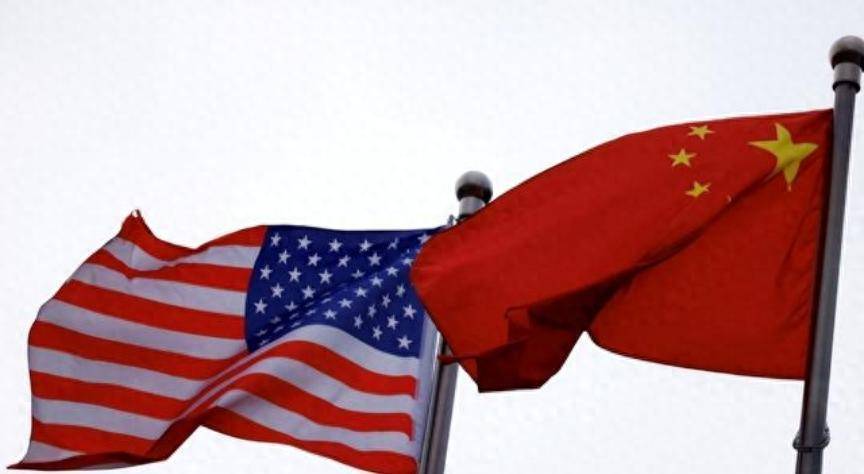
Group 1 - The U.S.-China competition has evolved from a trade war to a broader industrial and technological rivalry, with the U.S. struggling to revive its manufacturing sector while China continues to strengthen its industrial base [1][25] - U.S. manufacturing now accounts for only about 10% of GDP, with a significant portion concentrated in military, semiconductor, and pharmaceutical sectors, indicating a hollowing out of other manufacturing areas [2][3] - China has maintained its position as the world's leading manufacturer for 15 consecutive years, with manufacturing value added projected to reach 31.6% of the global total by 2024 [4] Group 2 - China's exports have shifted from low-end goods to high-tech products, such as advanced machinery and digital devices, which are more profitable [5] - The U.S. attempts to repatriate manufacturing through tariffs have backfired, as high labor and land costs make domestic production unfeasible [6][7] - The semiconductor industry has become a focal point of U.S.-China tensions, with the U.S. imposing strict technology export controls, yet China has managed to increase its domestic production and reduce imports by 15.4% in 2023 [9][11] Group 3 - China's electric vehicle exports surged to 4.91 million units in 2023, marking its first position as the global leader in this sector, with products featuring advanced technology [15] - The shipbuilding industry is another stronghold for China, producing over half of the world's commercial vessels and holding a 66.6% share of new orders [15] - The U.S. military-industrial complex is facing challenges due to reliance on foreign supply chains, which has led to production delays and increased costs [16][20] Group 4 - China's military spending is significantly lower as a percentage of GDP compared to the U.S., yet it has maintained robust military development and capabilities [22] - The U.S. is realizing that its military production cannot keep pace with potential conflicts, especially when compared to China's industrial capacity [21] - The ongoing conflict in Ukraine has highlighted the limitations of U.S. military supply chains and production capabilities [20] Group 5 - The competition between the U.S. and China is not just bilateral but reflects a global struggle between two development models: one based on financial dominance and military deterrence, and the other on real economic cooperation and industrial upgrading [53][54] - China's approach to global governance emphasizes infrastructure development and economic partnerships, contrasting with the U.S. model that often includes political conditions and military support [48][51] - The interdependence of global supply chains means that complete decoupling is unlikely, as many countries seek to maintain trade relations with China [60]
私募投资风向:从“估值修复”奔向“盈利驱动”,捕捉“核心资产2.0”
Zhong Guo Zheng Quan Bao· 2026-02-20 13:43
Core Viewpoint - The A-share market is entering a new phase with optimistic expectations and cautious layouts from leading private equity institutions for 2026 [1] Market Dynamics - The market is shifting from a broad recovery to a focus on performance, with private equity firms indicating that the true test for 2026 will be the differentiation of industry and company performance [2] - Dushuquan Investment anticipates a transition from valuation recovery to profit support, emphasizing the need for detailed analysis of industry conditions and growth quality [2] - The first half of 2026, particularly before the end of April, is seen as a critical window for investment, with the release of annual and quarterly reports providing insights into industry performance [2] - The market is expected to stabilize and clarify as it aligns with profit growth, moving away from a generalized recovery phase [2] Structural Opportunities - The investment landscape is expected to feature diverse opportunities across growth, cyclical, and high-dividend assets, with a focus on the alignment of "prosperity + valuation + fundamentals" [2] - Core assets are anticipated to undergo systematic re-evaluation, driven by performance, with key investment areas including AI, innovative pharmaceuticals, machinery, and military industries [4] - The second half of 2026 will require a cautious approach, with an emphasis on low-valuation stocks and the potential for systematic repricing [4] Emerging Trends - The narrative around "Core Assets 2.0" is evolving, focusing on technology innovation and globalization of Chinese enterprises, contrasting with the previous phase driven by urbanization and domestic demand [5] - AI investments are expected to shift from total investment logic to structural logic, highlighting opportunities in supply-constrained areas, particularly in domestic computing infrastructure [5] - Key sectors of interest include manufacturing overseas, resource assets with supply constraints, consumer recovery opportunities, and technology innovation represented by AI [5]
首席展望|嘉实基金方晗:马年看好AI扩散、供需改善及顺周期修复主线
Sou Hu Cai Jing· 2026-02-20 01:15
Core Viewpoint - The article emphasizes a positive outlook for China's economy in 2026, with foreign investment banks recommending increased allocations to A-shares and Hong Kong stocks, reflecting confidence in China's economic transformation and growth prospects [1]. Market Consensus - Two major consensus points for 2026 are identified: the continuation of a structural market trend and a focus on the AI technology revolution as the primary investment theme [5][6]. - The structural market trend is supported by favorable policy environments, potential for increased retail investment, and a recovery in corporate earnings [5]. - The AI technology revolution is expected to drive significant investment opportunities across various sectors, particularly in infrastructure and application breakthroughs [5][6]. Core Divergences - Three key divergences in the market are highlighted: 1. Whether valuation expansion will be limited or broken by the historical AI technology revolution [6]. 2. The impact of rising commodity prices on the Federal Reserve's interest rate path [7]. 3. The potential reallocation of household savings into stock assets due to the repricing of bank deposits [8]. Investment Themes - Three main investment themes for 2026 are proposed: 1. The diffusion of new technology, particularly AI, which is expected to create opportunities in sectors like storage, semiconductors, and energy [9]. 2. Industries experiencing stable demand and reduced supply pressures, such as lithium batteries, military, offshore wind, and dairy products [10]. 3. High-risk, cyclical assets that are likely to recover as the economy improves, including real estate, food and beverage, and discretionary consumption [10].