新能源汽车

Search documents
汽车金融精准“添柴” 燃爆“两新”消费热潮
2 1 Shi Ji Jing Ji Bao Dao· 2026-01-23 05:13
Group 1 - The core viewpoint of the articles emphasizes the importance of the automotive industry in driving domestic demand and promoting exports, while highlighting the need for a transition from quantity to quality in the sector, particularly towards new energy and intelligent vehicles [1][8] - The 2026 automotive replacement subsidy policy will be adjusted to a percentage of the new car price, with a maximum subsidy of 20,000 yuan, aimed at stimulating consumer demand and supporting the green transition of the automotive industry [2][5] - The new subsidy structure favors electric vehicles with higher percentages compared to traditional fuel vehicles, targeting the mainstream consumer market and enhancing the penetration of new energy vehicles [2][7] Group 2 - Ping An Bank has established a direct sales model for automotive finance, bypassing traditional dealership distribution, which enhances the efficiency and transparency of the car purchasing process [3][4] - The bank's innovative "public-private linkage" mechanism integrates corporate and retail finance, addressing the funding challenges faced by new energy vehicle manufacturers [5][6] - The bank's marketing strategy includes a comprehensive customer acquisition system, utilizing various channels such as live streaming and social media to generate leads for car dealerships [6][8] Group 3 - The automotive finance sector is positioned as a crucial link between industry and consumer, playing a significant role in promoting green development and fulfilling social responsibilities [6][8] - The ongoing policy support and market trends are expected to sustain the momentum of the new energy vehicle replacement wave into 2026, with financial institutions like Ping An Bank poised to lead in this transformation [8]

深度|微出行初创Also半年成独角兽,电动智能出行领域再现新投资热潮
Z Potentials· 2026-01-23 04:13
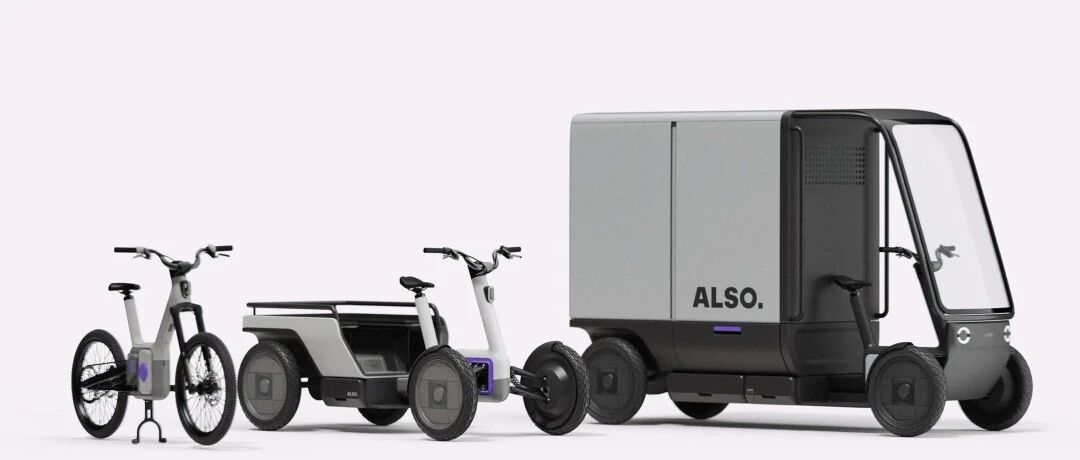
Core Viewpoint - The electric mobility industry in 2025 is experiencing a dichotomy, with traditional new energy passenger vehicles facing intense competition and significant sales declines, while the emerging micro-mobility sector is attracting substantial capital investment, indicating a shift in investment logic from "oil vehicle replacement" to "demand-driven" growth [3][4]. Group 1: Market Dynamics - The traditional new energy vehicle market is becoming a red ocean, with Tesla experiencing an 8.5% decline in annual sales, while BYD has emerged as the global leader in pure electric vehicle sales [3]. - The micro-mobility sector, which includes electric bicycles, scooters, and light electric trucks, is gaining traction due to policy incentives, technological maturity, and essential demand, leading to a significant increase in venture capital interest [3][4]. Group 2: Investment Trends - Also, a micro-mobility company spun off from Rivian, achieved a valuation of $1 billion after raising $200 million, marking a pivotal moment for the micro-mobility sector and indicating a shift in valuation logic from hardware manufacturing to ecosystem entry points [4][7]. - The global micro-mobility financing in the second half of 2025 saw a 120% year-on-year increase, with over 60% of the funds directed towards electric bicycles and light electric trucks [4][11]. Group 3: Demand and Policy Drivers - The global micro-mobility market is projected to grow from approximately $78 billion in 2024 to between $214 billion and $437 billion by 2035, with a compound annual growth rate (CAGR) of 13% to 17.4% [11]. - The increasing urbanization and the need for efficient short-distance travel are driving demand, with electric scooters and bicycles becoming preferred commuting options in cities [11][12]. Group 4: Competitive Landscape - The competition in the micro-mobility sector is evolving into a comprehensive battle of technology, products, and ecosystems, with traditional automakers and startups vying for market share [13][14]. - Traditional automakers are adopting a hybrid approach, leveraging their technological strengths while collaborating with local companies to enhance supply chain and distribution capabilities [13]. Group 5: Future Outlook - The long-term growth of the micro-mobility sector will depend on overcoming technological, operational, and policy challenges, with trends indicating accelerated technology integration, increased ecosystem collaboration, and a balance between globalization and localization [18]. - The emergence of companies like Also signifies the beginning of a value reassessment in the micro-mobility sector, transitioning from a focus on hardware to comprehensive solutions that integrate AI and smart technologies [7][15].



直击新能源汽车废电池黑产链:“激光焊接 + 无证拼装”!小作坊拆解转卖利润超万元,两轮电动车主面临安全隐患
Mei Ri Jing Ji Xin Wen· 2026-01-23 04:01
Core Viewpoint - The article discusses the rising demand for "disassembled batteries" sourced from retired electric vehicle batteries, highlighting the regulatory challenges and safety concerns associated with their use in electric bicycles and other applications [1][4][5]. Group 1: Market Demand and Supply - The demand for disassembled batteries is driven by their lower cost and higher performance compared to original batteries, particularly among delivery riders and couriers [1][2]. - Disassembled batteries are created from used electric vehicle batteries through disassembly and reassembly processes, making them appealing due to their affordability [1][2]. - A specific example includes a customized disassembled battery priced at under 3000 yuan, which is approximately 500 yuan cheaper than new batteries of the same specifications [2]. Group 2: Regulatory Environment - The Ministry of Industry and Information Technology has issued new regulations prohibiting the use of retired batteries in electric bicycles, effective from April 1, 2026 [1][5]. - The concept of "cascade utilization" for retired batteries has been eliminated from regulations, which may limit the avenues for repurposing these batteries [5][6]. - The new regulations emphasize the importance of a "vehicle-battery integration" approach during the scrapping process of electric vehicles, ensuring that batteries are not removed before the vehicle is scrapped [5][6]. Group 3: Industry Challenges - A significant portion of retired batteries, estimated at 80%, is reportedly missing from vehicles before they reach scrapping facilities, often diverted to informal markets [4][6]. - The current battery recycling capacity in China is underutilized, with only about 25% of the capacity being effectively used by registered recycling companies [4][6]. - The rapid growth of the electric vehicle market has led to an urgent need for improved battery recycling systems to handle the increasing volume of retired batteries [6][7]. Group 4: Future Projections - The domestic battery recycling market is projected to exceed 30,000 tons by 2024, with estimates suggesting that the number of retired lithium batteries will reach 981,600 tons by 2026 [6][7]. - The demand for lithium batteries is expected to surge, leading to increased prices for raw materials such as battery-grade lithium carbonate, which is currently priced at approximately 159,500 yuan per ton [6].
拟最高25亿港元回购股份,小米集团再“护盘”
Huan Qiu Lao Hu Cai Jing· 2026-01-23 03:46
Group 1 - Xiaomi Group announced a share buyback plan not exceeding HKD 2.5 billion, targeting Class B ordinary shares, with all repurchased shares to be canceled [1] - The buyback plan is set to start on January 23, 2026, and will end on the earliest of the day before the 2026 annual general meeting, when the total buyback cost reaches the HKD 2.5 billion cap, or if terminated early [1] - Following the announcement, Xiaomi's stock price rose over 3% at the opening on January 23, closing at HKD 36.02 per share, a 2.21% increase from the previous day, with a total market capitalization of HKD 775.8 billion [1] Group 2 - Since the beginning of 2026, Xiaomi has conducted 13 share buybacks, totaling approximately 60.56 million shares, which is 0.23% of the total share capital, with a cumulative investment of about HKD 2.25 billion, representing 30% of the total buyback amount for 2025 [2] - Xiaomi's co-founder and vice chairman, Lin Bin, announced a long-term plan to sell up to USD 5 billion of Class B ordinary shares annually starting December 2026, with a total cap of USD 20 billion, primarily to establish an investment fund [2] - Xiaomi's core business spans four major sectors: smartphones, AIoT, internet services, and new energy vehicles, establishing the largest consumer-grade AIoT platform globally [2] Group 3 - In the first three quarters of 2025, Xiaomi achieved a revenue of CNY 340.37 billion, a year-on-year increase of 32.49%, and a net profit attributable to shareholders of CNY 35.1 billion, surpassing the total for 2024, with a year-on-year growth of 139.87% [3]

重庆“知识产权综合保护联系点”总数已达431家(人民网)
Ren Min Wang· 2026-01-23 03:43
Core Viewpoint - The Chongqing People's Procuratorate has established "Intellectual Property Comprehensive Protection Contact Points" to enhance the protection of intellectual property rights, particularly in high-quality development sectors such as new energy vehicles and electronic manufacturing [1][2] Group 1: Intellectual Property Protection Initiatives - A total of 431 enterprises have been established as "Intellectual Property Comprehensive Protection Contact Points" across the city and district levels [1] - These contact points focus on major industries including artificial intelligence, integrated circuits, biomedicine, and new energy, while also covering geographical indications and intangible cultural heritage [1] - The initiative aims to prioritize and expedite the handling of intellectual property cases involving enterprises, increasing the crackdown on infringement crimes and maximizing economic loss recovery for businesses [1] Group 2: Collaboration and Support Mechanisms - The procuratorial authorities have established collaborative mechanisms with intellectual property administrative departments, public security agencies, and courts to enhance case handling efficiency through information sharing and dual-direction case referral [2] - Regular communication mechanisms have been set up between the procuratorial authorities and enterprises to understand their specific needs regarding trademark infringement, patent disputes, and trade secret protection [2] - Expert consultations are organized for cases involving enterprises, along with the issuance of typical case studies and the development of industry-specific intellectual property risk guidelines to extend the effectiveness of case handling [2] Group 3: Future Directions - The Chongqing procuratorial authorities plan to build a "rapid, precise, and collaborative" judicial protection system for intellectual property through the contact points, supporting high-quality enterprise development and contributing to the construction of a science and technology innovation hub in Chongqing [2]

我国已发布“新三样”国家标准57项
Ke Ji Ri Bao· 2026-01-23 03:09
Group 1 - The core viewpoint of the articles highlights the rapid rise of the "new three items" industry, including new energy vehicles, lithium batteries, and photovoltaic products, as a new engine for China's high-quality economic development [1] - The National Market Supervision Administration has published a total of 57 national standards related to the "new three items" sector to support industrial safety, green, and sustainable development [1] - In the new energy vehicle sector, 13 national standards have been released, covering areas such as remote service and management, battery swap safety requirements, and charging systems, which support the development of remote operation and vehicle-network interaction technologies [1] Group 2 - The "Action Plan" for the enhancement of standards in the new energy vehicle, lithium battery, and photovoltaic industries aims to establish 167 national standard projects by 2025 [2] - The plan includes the revision and formulation of 57 national standards in the new energy vehicle sector, focusing on improving safety and product quality to support the intelligent, connected, and international development of new energy vehicles [2] - In the lithium battery sector, 30 new national standards will be developed, emphasizing product safety, classification, quality management, and green low-carbon initiatives to enhance energy efficiency and support industrial upgrades [2] Group 3 - The National Market Supervision Administration will accelerate the development of relevant national standards for the "new three items" and strengthen the dissemination of already published standards through expert interpretations and on-site promotion meetings [3] - The aim is to ensure that the industry accurately understands and timely implements the standards, thereby leading the high-quality development of the "new three items" industry [3]
碳酸锂:震荡偏强运行,关注供需边际驱动成材,重心下移偏弱运行
Hua Bao Qi Huo· 2026-01-23 03:02
Report Industry Investment Rating - Not provided Core View of the Report - The lithium carbonate market is expected to operate in a volatile and upward - trending manner, with a focus on cost and marginal changes in supply and demand [3] Summary by Relevant Catalogs Market Performance - The main contract of lithium carbonate futures fluctuated within a range and closed at 168,780 yuan/ton. The net short position of the main funds continued, the long - short ratio decreased month - on - month, and the warehouse receipts increased slightly by 230 tons to 28,886 tons. The average price of SMM electric carbon was 164,500 yuan/ton [1] Supply - side Situation - Last week, raw material prices increased by over 17% month - on - month, strengthening cost support. This week, the total weekly operating rate of SMM lithium carbonate was 50.99% (-1.7%), and the operating rates of various process routes decreased month - on - month due to maintenance plans. The total production of SMM was 22,217 tons (-388 tons), with a slight decrease in supply [2] Demand - side Situation - There was a significant structural differentiation on the demand side. Last week, the production of SMM iron - lithium and ternary materials decreased slightly month - on - month, and inventory was destocked. The production of SMM power cells decreased slightly. As of January 18, the penetration rate of SMM new - energy vehicle sales rose to 55.6%, and the production schedule of energy - storage cells increased slightly to support demand [2] Inventory Situation - The sample social inventory in four regions of SMM increased by 3.1% (+1,290 tons) month - on - month, the sample weekly inventory was destocked again, decreasing slightly by 0.7% (-783 tons) month - on - month. The total inventory days were 27.8 days, with the upstream and downstream inventory days increasing to 5.1 days and 9.6 days respectively, and the inventory days in other links decreasing to 13.1 days. The inventory structure showed significant differentiation [2] Macro - policy Situation - On the demand side, multiple incentives such as subsidies for car trade - ins and battery export tax rebates stimulate terminal consumption and improve macro - liquidity. On the supply side, on January 15, the National Development and Reform Commission proposed to introduce management measures for the comprehensive utilization of new - energy vehicle power batteries, which will optimize the domestic supply structure and raise the cost support center in the long term. Industrial plans such as the Qinghai Salt Lake Industry Plan, the key points of the "15th Five - Year" plan for energy storage, and a series of deployments in the Central Economic Work Conference form synergistic benefits to support long - term supply - demand balance. The central bank's structural interest rate cuts indirectly strengthen the long - term macro - positive atmosphere [3]
赛力斯张兴海接受央视《微对话》专访:以消费升级驱动技术和产品升级
Zheng Quan Shi Bao Wang· 2026-01-23 02:53
Core Insights - The article highlights the rapid growth of the AITO brand, achieving 1 million vehicles in just 46 months, supported by favorable national policies and a focus on high-end electric vehicles [1][2] - The company aims to leverage AI technology and software-defined vehicles to enhance product offerings and user experience, with a goal of reaching another 1 million vehicles in the next two years [3][4] Group 1: Company Strategy and Growth - AITO has set a target to achieve the second 1 million vehicles in two years, emphasizing the importance of user feedback in product development and service upgrades [4] - The collaboration with Huawei has established a new model of cross-industry integration, allowing AITO to capitalize on both automotive and ICT strengths [2] - The brand has seen significant market success, with the AITO M9 being the sales champion in the 500,000-unit category for 21 consecutive months and the M8 leading in the 400,000-unit category for six months [2] Group 2: Technological Innovation - AITO is committed to using AI to transform vehicles into intelligent, emotional, and safe mobile entities, responding to the growing demand for smart technology in the automotive sector [3] - The company is building an "industrial brain" through cross-industry collaboration, integrating government, society, and enterprises to create a comprehensive ecosystem [3]


造车新势力10年沉浮:“蔚小理”分化
Jing Ji Guan Cha Wang· 2026-01-23 02:48
Group 1 - The three new forces in the electric vehicle market, namely NIO, Xpeng, and Li Auto, have experienced fluctuating sales and rankings since 2021, with distinct development paths emerging [1] - NIO, once a leader in delivery volume, saw its ranking decline after being surpassed by Xpeng in 2021, and is projected to be at the bottom among new forces by 2025, despite a 47% year-on-year increase in sales to 326,000 units [1] - NIO's strategy includes launching new brands, such as Ladao and Firefly, and introducing a new ES8 model at a significantly reduced price to enhance market competitiveness [1] Group 2 - Xpeng Motors led the market in 2025 with sales of 429,000 units, a 126% year-on-year increase, exceeding its annual target of 380,000 units [2] - Despite previous challenges, including a decline in monthly sales in 2023, Xpeng has begun to recover by appointing a new president and launching low-cost models in collaboration with Didi [2] - Li Auto experienced a 19.6% year-on-year decline in sales to 405,900 units in 2025, failing to meet its annual target of 640,000 units, marking a significant drop from its previous three-year championship status [2] Group 3 - Li Auto initially focused on range-extended electric vehicles, achieving market success with its model ONE, but faced challenges in 2025 with new electric models underperforming and increased competition in the range-extended hybrid market [3] - The competition in the electric vehicle market is intensifying, with new entrants like Huawei and Xiaomi, as well as traditional manufacturers launching new brands, posing challenges for the established players [3] - Brands like Changan's Deep Blue and Geely's Zeekr are gaining traction, with Deep Blue selling 333,000 units in 2025, surpassing NIO [3]


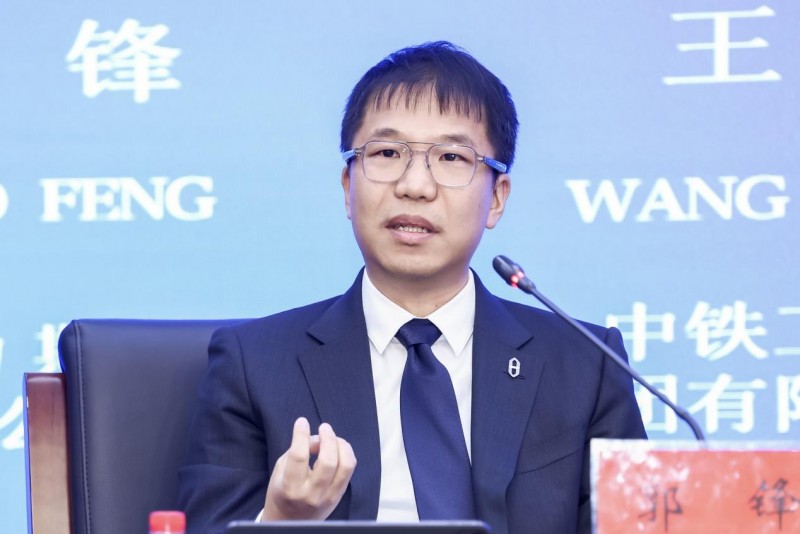
中国制造业企业媒体见面会在京举行 赛力斯郭锋分享问界品牌创新实践
Sou Hu Wang· 2026-01-23 02:40
Core Viewpoint - The event "China Manufacturing Enterprises Media Meeting" highlighted the achievements of China's manufacturing sector, particularly in the context of the "14th Five-Year Plan," showcasing the integration of advanced technologies in manufacturing and the rise of the new energy vehicle (NEV) industry [1][10]. Group 1: Achievements in the NEV Sector - The AITO M9, a product of Seres Group and Huawei's collaboration, was featured alongside major national projects, emphasizing the recognition of both the brand and the Chinese NEV industry [3]. - The AITO brand has successfully positioned itself in the luxury market, with the M9 leading sales in the 500,000 yuan luxury car segment, demonstrating the capability of domestic brands to compete with international luxury brands [6]. Group 2: Strategic Focus and Innovation - Seres Group is committed to a strategy of "smart redefinition of luxury," aiming to meet consumer demands for both intelligence and luxury in vehicles, which has led to the launch of four models that have gained market acceptance [4]. - The company is integrating artificial intelligence (AI) across its entire value chain, from R&D to sales and service, to enhance operational efficiency and innovation [7]. Group 3: Future Outlook and Market Position - By 2025, China's NEV production and sales are projected to exceed 16 million units, maintaining its position as the global leader for 11 consecutive years, supported by national policies and user recognition [9]. - The milestone of producing one million units of the AITO brand marks a significant step in Seres' high-end strategy, with plans to continue aligning with national policies to enhance product quality and user experience [9].