智能电动车

Search documents
“实在”的常州让企业敢投愿投
Xin Hua Ri Bao· 2026-01-25 19:30
Group 1 - The core sentiment expressed by the representative from Ninebot Technology is the strong support and understanding from the local government, which fosters a conducive environment for business growth [1] - Ninebot Technology, established in 2018, focuses on the research and production of high-end new energy smart electric vehicles, and has made significant investments in Changzhou, with a total investment scale reaching 10 billion yuan [1] - The company has experienced substantial growth, with smart electric two-wheeler sales surpassing 4 million units in 2025, achieving a revenue of 12.5 billion yuan, and becoming the eighth company in New North District to reach the 10 billion yuan revenue mark [2] Group 2 - Ninebot Technology's tax revenue approached 600 million yuan in 2025, reflecting a 50% increase from the previous year, indicating strong financial performance [2] - The company ranked fourth in sales and third in revenue within the domestic smart electric two-wheeler industry in 2025, while achieving the highest profit in the sector [2] - Looking ahead, Ninebot Technology aims to solidify its domestic market leadership while aggressively expanding into international markets, with a goal to challenge world-class brands in the motorcycle market within 5 to 10 years [2]
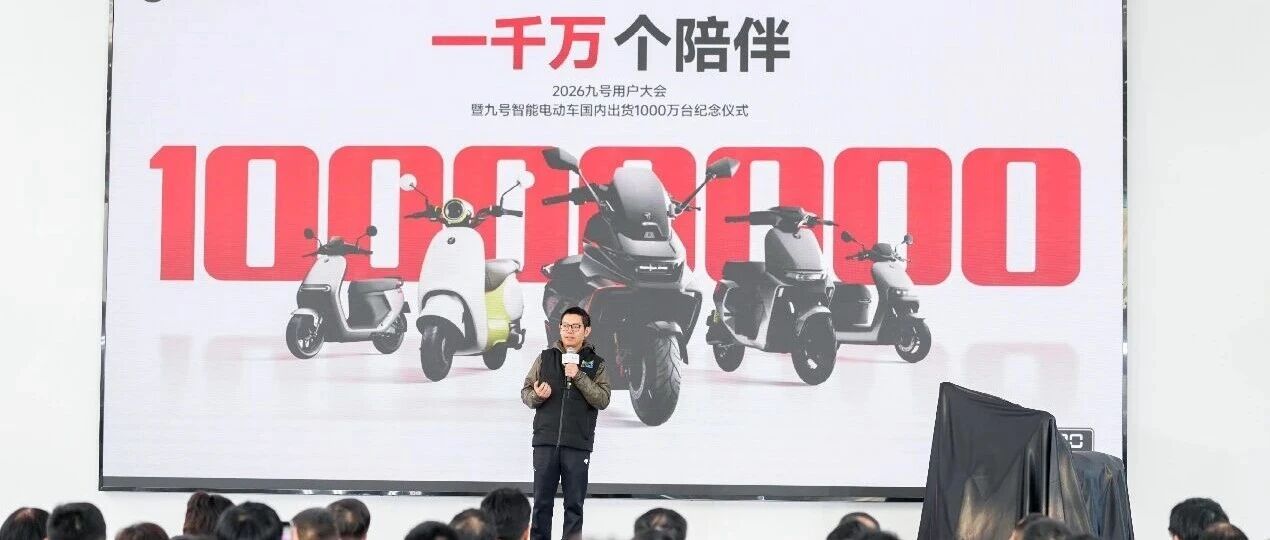
九号公司发布智能电动车“双品牌+全球化”战略
新财富· 2026-01-24 12:21
Core Viewpoint - Ninebot has announced a strategic upgrade focusing on "dual brands, globalization, and electric over oil," aiming to make smart electric vehicles the mainstream in the global motorcycle industry within the next decade [1][10]. Group 1: Strategic Opportunities - The company identifies three major future opportunities: transitioning from "electric vehicles" to "AI robots," from "smart products" to "smart ecosystems," and from "I sell, you buy" to "co-creation" with users [3][4][5]. - The first opportunity emphasizes the integration of robotic technology into vehicle products, enhancing user experience through automation and interaction [4]. - The second opportunity focuses on developing a smart ecosystem that addresses long-standing issues like range anxiety through advanced battery systems and smart chassis technology [5]. - The third opportunity highlights the collaborative approach with users and partners to define the future of mobility, leveraging the success of reaching 10 million units sold [5]. Group 2: Dual Brand Strategy - Ninebot has initiated a dual brand strategy with "Ninebot" focusing on convenience and safety for the mass market, while "Segway" emphasizes performance and exploration for a more adventurous user base [8][9]. - This strategy aims to cater to the rapidly diversifying user demands in the domestic market, allowing for independent yet collaborative operations under a unified technological foundation [8][9]. Group 3: Global Expansion - The company is launching a global expansion plan, targeting markets with low electric two-wheeler penetration, such as Southeast Asia, Europe, and Latin America, where there is significant potential for electric vehicle adoption [11]. - Ninebot aims to tackle global challenges in the electric vehicle sector, including range anxiety and inadequate charging infrastructure, while providing a superior smart experience [11]. - The company believes that a quieter, cleaner, smarter, and safer riding experience should not require traditional combustion engines, positioning itself as a leader in the electric mobility revolution [11]. Group 4: Future Outlook - Ninebot's future vision is centered on driving global change in green mobility through technological innovation, with a commitment to creating a smarter and more sustainable transportation ecosystem [12][13]. - The strategic announcement marks a significant transition for the company, setting the stage for the next phase of growth and innovation in the electric mobility sector [13].

九号公司:智能电动车业务将以九号与赛格威双品牌运营 进军全球市场
Zheng Quan Shi Bao Wang· 2026-01-24 08:30
Core Viewpoint - The company has announced a strategic upgrade centered on "dual brands, globalization, and electric oil," aiming to expand its smart electric vehicle business globally through the collaboration of the "Ninebot" and "Segway" brands [1] Group 1 - The strategic upgrade emphasizes the dual-brand approach, leveraging both "Ninebot" and "Segway" for enhanced market presence [1] - The company is positioning itself to enter the global market with its smart electric vehicle offerings [1]
L9上猛料,理想要打增程翻身仗丨36氪独家
36氪· 2026-01-21 10:01
Core Viewpoint - Li Auto is preparing for a challenging "defensive battle" as it aims to regain its leading position in the extended-range electric vehicle (EREV) market by 2026, focusing on strengthening its high-end market base and EREV product line [4][5][12]. Group 1: Sales Strategy and Goals - Li Auto has set a preliminary growth target of approximately 40% for 2026, aiming for around 550,000 vehicle sales, compared to about 410,000 in the previous year [6]. - The company plans to streamline its product strategy by reducing the number of vehicle variants and ensuring core configurations are standard across models, with a significant focus on the new L9 model [7][8]. - The new L9 model is expected to feature a larger size, upgraded chassis, and an extended-range battery capacity exceeding 70 kWh, supporting over 400 km of pure electric range [9]. Group 2: Market Position and Competition - Li Auto's market share in the EREV segment has declined significantly, with monthly deliveries dropping by more than half from peak levels [13]. - The competitive landscape is intensifying, with other automakers like Xpeng and Xiaomi entering the EREV market with their own models, which may challenge Li Auto's market position [15][18]. - The company acknowledges the need for more competitive offerings, with plans for aggressive upgrades in the new L series models, including advancements in chassis and vehicle control systems [17]. Group 3: Product Focus and Adjustments - Li Auto's product focus has shifted back towards EREV models, with expectations of only one new pure electric SUV in 2026, as the company reassesses its strategy following disappointing sales in the pure electric segment [10][20]. - Organizational changes have occurred, including the departure of key personnel and restructuring of product lines to enhance competitiveness [21]. - The sales system is undergoing a comprehensive review, with a focus on improving the efficiency of physical stores and enhancing the capabilities of sales staff [25]. Group 4: Future Outlook - 2026 is anticipated to be a critical year for Li Auto as it seeks to recover from recent setbacks and rebuild its market position [26].

天津静海区46个项目集中签约
Zhong Guo Fa Zhan Wang· 2026-01-21 06:28
Core Insights - The signing event in Tianjin's Jinghai District resulted in 46 high-quality projects with a total investment of 9.922 billion yuan, focusing on "new, scientific, valuable, and green" elements, which will significantly boost the region's industrial transformation and high-quality development [1] Group 1: Project Overview - The signing event showcased a diverse range of projects, including those in circular economy, biomedicine, equipment manufacturing, new materials, and modern services, indicating a multi-faceted industrial development approach [1] - Among the signed projects, 38 industrial projects are set to invest 4.022 billion yuan, featuring strong entities such as four central state-owned enterprises and eleven high-tech companies, highlighting high technical content and market potential [1] - Eight industrial funds totaling 5.9 billion yuan will drive regional industrial development through a dual engine model of "industry + capital," facilitating resource integration and collaborative innovation [1] Group 2: Key Projects - A notable project is the 1.45 billion yuan smart electric vehicle manufacturing park, which will enhance the local electric vehicle industry by complementing existing local enterprises [2] - The signing of the logistics processing base and supply chain project by Zihuan Chain Jin Company will strengthen the circular economy sector in Jinghai, leveraging resources from the China-SCO green industry development cooperation platform [2] - The project by Jishi Medical Devices (Tianjin) Co., Ltd. aims to accelerate the industrialization of traditional medicine, benefiting from Jinghai's strong foundation in the medical device and health sectors [2] Group 3: Business Environment - Companies are attracted to Jinghai due to its unique development advantages and continuously improving business environment, including the establishment of national-level industrial clusters [3] - Jinghai District has implemented a "nanny-style" service approach, providing comprehensive support from project signing to operation, addressing various challenges faced by businesses [3] Group 4: Entrepreneur Engagement - The event included a dialogue session where entrepreneurs shared their investment plans and development needs, fostering direct communication with local government officials [4] - Local officials responded to entrepreneurs' concerns, emphasizing the commitment to creating a supportive environment for investment and development [4] Group 5: Future Outlook - The successful signing of these projects marks a significant breakthrough in Jinghai's investment attraction efforts and is a crucial step towards upgrading the region's industries [5] - The concentration of 46 "four-included" projects will accelerate the transformation of traditional industries towards high-end, intelligent, and green development, while also promoting the clustering of emerging industries [5] - Jinghai District plans to continue optimizing the business environment and enhancing policy support to ensure the swift implementation and effectiveness of signed projects [5]

经纬王华东表示是与范皓宇的对话让其坚决要投理想
理想TOP2· 2026-01-18 05:10
Core Viewpoint - The investment decision in Li Auto was significantly influenced by the organizational structure and management approach of the company, particularly the emphasis on aligning the team and fostering communication among employees [2][3]. Group 1: Organizational Structure and Management - The importance of organizational alignment in the electric vehicle industry was highlighted, as it is crucial for integrating diverse talents from automotive, software, and AI backgrounds [2][3]. - Li Auto's CEO, Li Xiang, invested considerable effort in establishing a clear organizational system that ensures all employees understand the company's direction, which instilled confidence in potential investors [3][4]. - Conversations with team members, such as Fan Haoyu, provided deeper insights into the company's internal dynamics, which were deemed more persuasive than discussions with the CEO alone [5][7]. Group 2: Investment Philosophy - The investment strategy focused on identifying companies capable of producing smart electric vehicles rather than traditional electric vehicle manufacturers, emphasizing the need for a strong software development team [9]. - The decision to invest in Li Auto over competitors like Xiaopeng was influenced by Li Xiang's understanding of consumer preferences and his strategic approach to product development [10]. - The company's ability to efficiently utilize funds was recognized as a significant advantage, particularly in a capital-intensive industry like automotive manufacturing [5][11]. Group 3: Funding Challenges and Support - Li Auto faced significant funding challenges, particularly in 2018 and 2019, where external support from investors like Zhang Ying was crucial for the company's survival and growth [10][11]. - The narrative of seeking financial support from influential figures in the industry, such as Wang Xing from Meituan and Zhang Yiming from ByteDance, illustrates the importance of networking and relationships in securing funding [11].
5家消费品公司拿到新钱;贾国龙与罗永浩微博账号均被禁言;“死了么”APP估值已达1000万元|创投大视野
36氪未来消费· 2026-01-17 04:07
Investment Opportunities - The lemon tea brand "Linlee" has completed a Series A financing round of tens of millions, with a valuation close to 1 billion, aimed at brand building, supply chain upgrades, and organizational improvements [3] - Jiangsu Zhonggou has secured 12 million yuan in angel round financing, which will be used to strengthen its supply chain, expand offline direct sales networks, and upgrade its online digital platform [4] - OMOWAY has completed a Pre-A financing round of tens of millions of dollars, led by Sequoia China and Starry Sky Capital, with funds directed towards product mass production and global market development [5] - Futuring has announced a 200 million yuan angel round financing, primarily for product iteration and deployment in real family scenarios [6] - Fen Chuanqi has completed a 100 million yuan Series A financing round, focusing on supply chain upgrades and nationwide store expansion [7] Company Intelligence - The dispute between Xibei's Jia Guolong and Luo Yonghao has escalated, with both parties' Weibo accounts being silenced [8] - Xibei plans to close 102 stores, accounting for 30% of its total, while ensuring that all employees receive their wages and customer prepaid cards can be used at other locations [9] - Daya has confirmed that former CEO of Weidong, Sun Yinan, has joined as CEO [10] - The "Dead or Alive" app has been renamed Demumu, with a valuation of 10 million yuan, focusing on safety solutions for solitary individuals [11][12] - The founder of Zhong Xue Gao has won a defamation case regarding a misrepresented interview, with the court ruling in favor of the founder [14] Market Trends - Yuanji Food has submitted an application for listing on the Hong Kong Stock Exchange, aiming to become the largest Chinese fast-food company by store count [17][18] - Qian Dama has filed for an IPO, with a focus on community fresh food retail, reporting a GMV of 14.8 billion yuan in 2024 [20][22] - Dongpeng Beverage has passed the Hong Kong Stock Exchange hearing, targeting a fundraising goal of 1 billion USD [23] - The "Crying Horse" toy has gained popularity in Yiwu, leading to a surge in production to meet demand [24][25] Financial Performance - Yuanji Food expects revenues of 2.026 billion yuan and 2.561 billion yuan for 2023 and 2024, respectively, with a growth rate of 26% [19] - Qian Dama's revenue growth has stagnated, with a slight increase from 11.744 billion yuan in 2023 to 11.788 billion yuan in 2024 [21] - Dongpeng Beverage anticipates a revenue increase of 31.07% to 33.34% for 2025, projecting revenues between 20.76 billion yuan and 21.12 billion yuan [23]


独家|赵长江履新智界,一场先锋硬仗怎么打?
Xin Lang Cai Jing· 2026-01-13 04:14
Core Viewpoint - The article discusses the strategic transformation of Zhijie under the leadership of Zhao Changjiang, emphasizing the integration of Huawei's technology and Chery's manufacturing capabilities to create a pioneering smart electric vehicle brand. Group 1: Strategic Transformation - Zhijie 2.0 is a strategic initiative that involves a significant investment of 10 billion yuan and the establishment of a 5,000-person R&D team to enhance brand positioning and organizational structure [1][12] - The brand aims to leverage Huawei's technological leadership and Chery's manufacturing expertise to create a unique identity in the competitive electric vehicle market [1][13] - Zhao Changjiang emphasizes the need for a complete embrace of Huawei's methodologies in management, culture, and business logic to ensure the brand's success [12][14] Group 2: Market Positioning and Product Strategy - The company plans to target high-income, highly educated consumers while emphasizing the application of cutting-edge smart technology in its products [22][24] - The 2026 product lineup includes a flagship MPV (V9) and a large SUV, with a focus on enhancing user experience through advanced AI capabilities [29][36] - The brand's differentiation lies in its commitment to creating a "pioneering" identity that resonates with consumers seeking innovative technology and design [22][23] Group 3: Operational Efficiency and Supply Chain - The integration of Huawei's digital thinking into the supply chain aims to transform production processes from passive to proactive, enhancing efficiency and quality control [5][26] - The company is restructuring its production and sales coordination to ensure a seamless flow of operations, which is critical for meeting market demands [25][31] - Zhao Changjiang highlights the importance of a collaborative culture between manufacturers and suppliers, moving away from traditional adversarial relationships [7][12] Group 4: Future Outlook and Challenges - The company anticipates that the smart vehicle market will experience significant growth, with a focus on creating user-centric products that exceed current expectations [11][36] - Zhao Changjiang acknowledges the challenges of fully implementing Huawei's capabilities within the brand, estimating current progress at 20-30% [28] - The long-term goal is to achieve annual sales of one million units by 2030, establishing Zhijie as a global leader in the smart electric vehicle sector [38]


小米汽车今年拟推4款新车,包含2款增程丨36氪独家
36氪· 2026-01-08 10:22
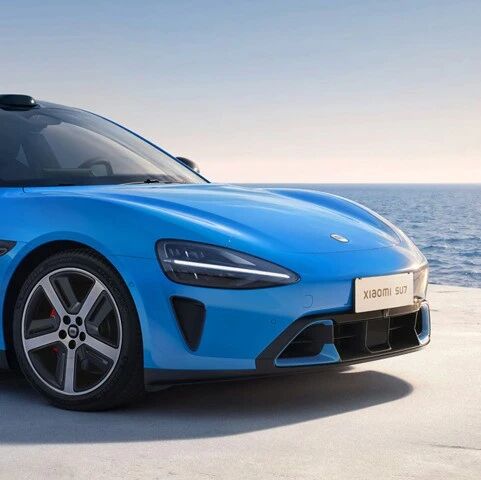
Core Viewpoint - Xiaomi is set to aggressively enter the family market with a lineup of new vehicles, including two range-extended SUVs, aiming to capture a significant share of the growing range-extended SUV segment in China [4][12][20]. Product Plans - Xiaomi plans to launch four new vehicles this year: a revamped SU7, an SU7 executive version, a five-seat range-extended SUV, and a seven-seat range-extended SUV [5][6]. - The seven-seat range-extended SUV, codenamed "Kunlun," is expected to offer a battery capacity exceeding 70 kWh and a pure electric range of 400-500 kilometers [8][19]. - The SU7 executive version will be a long-wheelbase sedan with enhanced comfort features [10]. Market Strategy - The Chinese automotive market is primarily driven by family needs, with consumers seeking spacious, energy-efficient vehicles that offer advanced smart features [14]. - The range-extended SUV market is currently booming, with over 15 new models expected to launch in 2025, indicating strong competition [15]. - Xiaomi's entry into this segment is seen as a strategic move to diversify its product offerings and reach a broader customer base beyond its existing "Mi Fan" demographic [23][24]. Competitive Landscape - Xiaomi will face established competitors like Li Auto and Aito, which have already built strong brand recognition among family users [24][26]. - Li Auto's L series has achieved over 1 million cumulative deliveries, while Aito has secured multiple sales champions in its segment [24][26]. - Xiaomi has previously disrupted the electric vehicle market by breaking Tesla's dominance, suggesting it could pose a significant threat to existing players in the family vehicle market [26]. Future Outlook - The introduction of range-extended SUVs and executive sedans marks a shift in Xiaomi's development strategy from rapid product launches to a more systematic approach focused on comprehensive capabilities [27]. - The company aims to enhance its competitiveness not just through product innovation but also in areas like supply chain management and customer service [27].

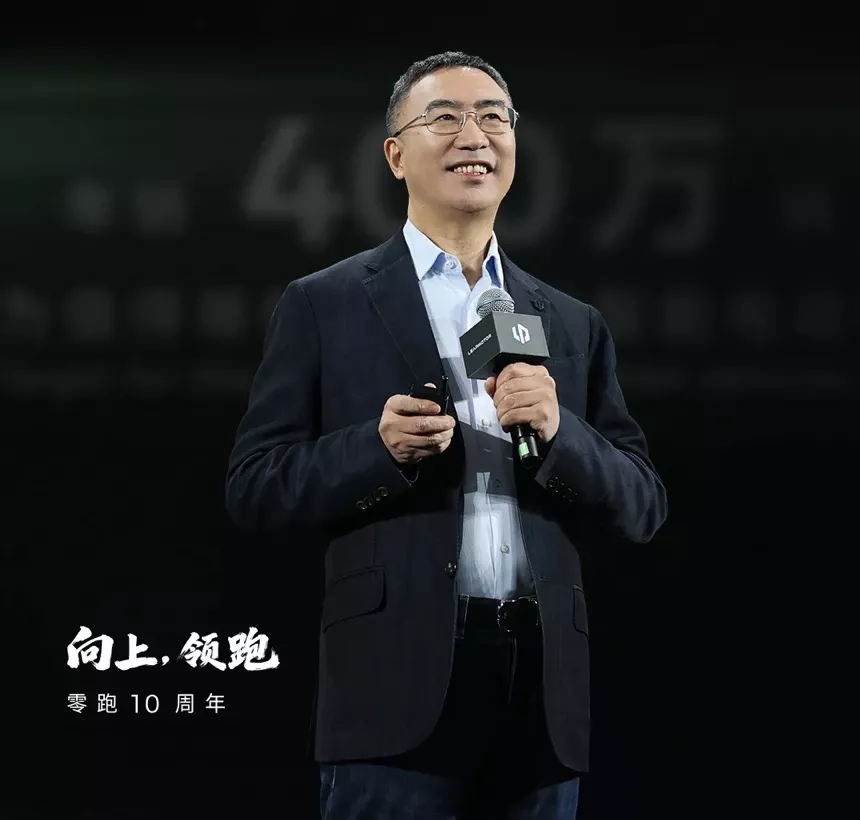
零跑汽车丨下一个十年目标年销400万辆
Cai Jing Wang· 2026-01-04 09:11
Core Viewpoint - The company aims to become a world-class smart electric vehicle manufacturer in the next decade, driven by technological innovation and global expansion [1][9]. Group 1: Company Overview - The founder and CEO, Zhu Jiangming, reflected on the company's ten-year journey in the automotive industry, emphasizing the importance of maintaining control by the founding team despite new investments [2]. - As of now, the company has delivered over 1.2 million vehicles, with an expected annual sales volume of nearly 600,000 units in 2025, positioning it as a leader among new automotive manufacturers [2]. Group 2: Historical Challenges - The company faced significant challenges in its early years, describing the past decade as "nine lives," indicating the difficulties encountered in achieving profitability and market acceptance [3]. - The initial market response to the first model, S01, was lukewarm, leading to financial and market pressures until the successful launch of the T03 model in 2020, which validated the company's strategy of offering high-value products [5]. Group 3: Product Development and Financial Milestones - The launch of the C11 model in September 2021 marked a significant turning point, offering strong product capabilities and achieving a notable market presence [6]. - In 2023, the company achieved a milestone by reaching a positive gross margin of 0.5%, indicating its first profitable year in vehicle manufacturing [6]. Group 4: Future Goals and Strategies - The company has set an ambitious target of achieving annual sales of 4 million vehicles in the next decade, supported by a clear strategy that includes expanding its product line and accelerating global operations [9][12]. - Plans include launching a full range of vehicles from A0 to D class over the next three years and establishing a presence in key international markets through partnerships and local operations [12]. Group 5: Challenges Ahead - The company will face intense competition in the mainstream market segment priced between 150,000 to 250,000 yuan, with new entrants like Huawei and Xiaomi [14]. - Global expansion will require adaptation to local regulations, consumer habits, and infrastructure, alongside the need to build multiple factories to support the production of 4 million vehicles [14].