
通讯器材

Search documents
商务部:截至去年底,每售出10辆乘用车就有6辆是新能源车
Nan Fang Du Shi Bao· 2026-01-22 08:43
Group 1 - The core viewpoint is that China's consumption market is expected to maintain stable growth in 2025, with both scale and quality improving, showcasing the advantages of a super-large market [1] Group 2 - The total retail sales of consumer goods are projected to exceed 50 trillion yuan for the first time, reaching 50.1 trillion yuan, a 3.7% increase from the previous year, with final consumption expenditure contributing 52% to economic growth [1] - The implementation of the old-for-new consumption policy led to sales in related categories reaching 2.61 trillion yuan, benefiting 366 million people [1] - Retail sales of household appliances, furniture, cultural office supplies, and communication equipment increased by 11%, 14.6%, 17.3%, and 20.9% respectively [1] Group 3 - New types of consumption, such as green and smart products, are thriving, with retail sales of new energy vehicles growing by 17.6%, and by the end of 2025, 6 out of every 10 passenger cars sold are expected to be new energy vehicles [1] - The number of consumers purchasing first-level energy-efficient or water-efficient appliances is expected to increase by 20% compared to the previous year, with smart glasses, smartwatches, and smart bands each growing over 40% [1] - Health-related consumption is expanding, with retail sales of sports and entertainment products increasing by 15.7% [1] Group 4 - The Ministry of Commerce will continue to combine benefits for the public and promote consumption through a dual approach of "policy + activities" to continuously unleash consumption potential [2]
商务部:下一步将坚持惠民生和促消费紧密结合 不断释放消费潜力活力
智通财经网· 2026-01-22 08:33
Core Insights - The Chinese consumption market is expected to maintain steady growth in 2025, with both scale and quality improvements, highlighted by a retail sales total exceeding 50 trillion yuan for the first time, reaching 50.1 trillion yuan, a 3.7% increase from the previous year, contributing 52% to economic growth [1][4][5] Group 1: Consumption Market Characteristics - Expansion: The retail sales of consumer goods will surpass 50 trillion yuan, marking a significant milestone with a growth rate of 3.7% year-on-year [1][4] - Benefits to the Public: The implementation of the old-for-new consumption policy led to sales of 2.61 trillion yuan, benefiting 366 million people [1][4] - Quality Improvement: New consumption trends such as green and smart products are thriving, with retail sales of new energy vehicles increasing by 17.6%, and the penetration rate expected to reach 60% by the end of 2025 [1][5] Group 2: Future Initiatives - The Ministry of Commerce will continue to combine policies and activities to stimulate consumption and release consumer potential [2][5]
二〇二五年社会消费品零售总额突破五十万亿元
Ren Min Ri Bao· 2026-01-21 23:25
Group 1 - The total retail sales of consumer goods in China is projected to exceed 50.1 trillion yuan by 2025, with a growth rate of 3.7% [2] - Retail sales of goods are expected to grow by 3.8%, while catering revenue is anticipated to increase by 3.2% [2] - Final consumption expenditure is expected to contribute 52% to economic growth, continuing to serve as a primary engine for economic development [2] Group 2 - The "old-for-new" policy has significantly boosted retail sales, with home appliances and communication equipment retail sales both surpassing 1 trillion yuan in 2025, marking a historical high [2] - In 2025, over 129 million units of 12 categories of home appliances are expected to be replaced, and more than 91 million digital products are projected to be purchased [2] - Retail sales of household appliances and audio-visual equipment, as well as communication equipment, are expected to grow by 11% and 20.9%, respectively [2] Group 3 - The trend of consumption upgrading is evident, with sales of smart glasses, smartwatches, and smart bands increasing by over 40% [2] - The release of new products in fields such as smart connected vehicles and smartphones is accelerating, with domestic and international brands rapidly establishing flagship stores [2] - The "IP + consumption" trend is thriving, with sales of movie derivatives during the summer season in 2025 expected to double year-on-year [2] Group 4 - The "old-for-new" policy is facilitating industrial transformation and upgrading, effectively promoting the development of new productive forces [3] - Sales of first-level energy-efficient or water-efficient products among the 12 categories of home appliances account for over 90% [3] - The number of new types of home appliances is increasing, with 17.78 million new products expected in 2025, representing a year-on-year growth of 28.89% [3] - Home appliance companies are utilizing "5G + industrial internet" technology to significantly shorten order cycles, while smartphone companies are innovating in imaging, battery life, and AI technologies to enhance product value [3]


2025年杭州经济成绩单“出炉”
Mei Ri Shang Bao· 2026-01-21 22:31
Economic Overview - In 2025, Hangzhou's GDP reached 23,011 billion yuan, growing by 5.2% year-on-year, surpassing the national average by 0.2% [1] Agriculture - The total output value of agriculture, forestry, animal husbandry, and fishery in Hangzhou was 569 billion yuan, with growth rates of 3.8% for planting, 5.3% for forestry, 0.2% for animal husbandry, and 4.2% for fishery [2] - Major agricultural products included a total grain output of 599,000 tons (up 3.9%), vegetable output of 3,860,000 tons (up 3.6%), and fruit output of 900,000 tons (up 3.9%) [2] Industrial Growth - The added value of industrial enterprises above designated size was 4,624 billion yuan, with significant growth in the computer, communication, and other electronic equipment manufacturing (up 13.4%) and automotive manufacturing (up 36.7%) [3] - New quality productivity showed remarkable results, with high-tech industries, strategic emerging industries, and high-end equipment manufacturing growing by 7.5%, 10.0%, and 9.5% respectively [3] - Production of new energy vehicles, industrial robots, and 3D printing equipment saw explosive growth rates of 383.0%, 38.6%, and 15.1% respectively [3] Service Sector - The added value of the service industry was 16,997 billion yuan, with the profit-making service sector growing by 7.0% and financial services by 6.4% [4] - From January to November, the revenue of the service industry above designated size reached 21,168 billion yuan, growing by 8.1%, with the information transmission, software, and IT services sector growing by 13.4% [4] Consumer Market - The total retail sales of consumer goods in Hangzhou reached 9,499 billion yuan, indicating a stable and upgrading consumption pattern [5] - The "8+4" economic policy led to significant growth in retail sales of household appliances (up 42.8%) and communication equipment (up 31.4%) [5] - Upgrading consumption demands were strong, with sports and entertainment goods growing by 45.3% and cosmetics by 12.3% [5] Foreign Trade - The total import and export value was 9,072 billion yuan, with exports at 6,469 billion yuan and imports at 2,603 billion yuan [6] - The export of electromechanical products reached 3,107 billion yuan (up 10.9%), and high-tech products reached 1,001 billion yuan (up 9.9%) [6] - The private economy accounted for 77.0% of total exports, with exports to Belt and Road countries growing by 14.1% [6] Living Standards - The per capita disposable income of residents was 80,017 yuan, with balanced growth across four income sources [7] - Urban residents had a per capita disposable income of 86,640 yuan (up 3.9%), while rural residents had 53,565 yuan (up 5.4%), narrowing the income gap to 1.62 [7] Price Stability - In 2025, the consumer price index remained stable compared to the previous year, with six categories of goods experiencing price increases and two categories seeing declines [8] - Hangzhou aims to achieve a GDP of 30 trillion yuan and a per capita GDP of over 30,000 USD by 2030, focusing on policy coordination and market demand stimulation [8]
投资向新向质向绿,消费升级稳步加快!
Sou Hu Cai Jing· 2026-01-21 12:54
Investment and Consumption Overview - The core viewpoint emphasizes the dual drive of investment and consumption to stimulate domestic demand in Sichuan, with significant growth in both sectors in 2025 [1][5] Investment Highlights - In 2025, Sichuan's total social retail sales exceeded 2.9 trillion yuan, marking a 5.1% increase from the previous year, with an acceleration in growth rate by 0.9 percentage points [5] - Industrial investment grew by 8.2% year-on-year, accounting for 30.4% of total investment, an increase of 3 percentage points from the previous year [3] - Key sectors such as agriculture, mining, manufacturing, and electricity production saw notable investment growth rates of 5.9%, 41.9%, 4.6%, and 17.8% respectively [3] - Private investment showed a significant recovery, growing by 2.1% year-on-year, reversing a two-year decline, with private project investment increasing by 9% [3] Consumption Trends - The consumption of upgraded goods experienced rapid growth, with gold and jewelry sales increasing by 32.6% [4] - The rural market's potential is accelerating, with retail sales in rural areas growing by 6.1% due to improved infrastructure and logistics [8] - Online retail sales grew by 9.5%, with physical goods online retail accounting for 16.4% of total social retail sales, an increase of 0.1 percentage points from the previous year [8] - The "old-for-new" policy has positively impacted demand, with significant increases in retail sales of communication equipment and automobiles by 50.8% and 8.9% respectively [8]
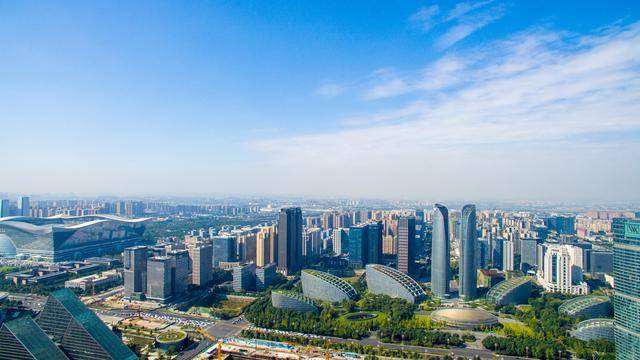
四川2025年GDP同比增长5.5% 规上工业增加值增长6.5%
Xin Hua Cai Jing· 2026-01-21 05:30
Economic Overview - In 2025, Sichuan's GDP reached 67,665.34 billion yuan, reflecting a year-on-year growth of 5.5% at constant prices [1] - The primary industry added value was 5,751.35 billion yuan, growing by 3.7%; the secondary industry added value was 23,260.22 billion yuan, increasing by 4.9%; and the tertiary industry added value was 38,653.77 billion yuan, rising by 6.1% [1] Agricultural Production - The total grain output in Sichuan for 2025 was 36.625 million tons, a 0.8% increase from the previous year [1] - Notable increases in agricultural products included vegetables and edible fungi (4.1%), winter rapeseed (2.0%), tea (5.4%), and fruits (6.0%) [1] - Livestock production included 62.48 million pigs (1.6% growth), 3.01 million cattle (1.1% growth), and 1.97 million tons of aquatic products (5.2% growth) [1] Industrial Performance - The added value of Sichuan's above-scale industrial sector grew by 6.5%, with a product sales rate of 96.1% [2] - Among 41 major industries, 33 experienced growth, with automotive manufacturing increasing by 16.7%, electrical machinery by 13.2%, and computer and communication equipment by 12.9% [2] - Key industrial product outputs included natural gas (10.9% growth), industrial robots (45.9% growth), and lithium-ion batteries (45.1% growth) [2] High-Tech Industry Growth - The added value of high-tech manufacturing in Sichuan rose by 12.3%, with electronic and communication equipment manufacturing growing by 20.2% [2] - The aerospace and aircraft manufacturing sector also saw a significant increase of 19.0% [2] Service Sector Development - The added value of the service sector increased by 6.1%, with leasing and business services growing by 14.4% and information technology services by 9.8% [3] - The total retail sales of consumer goods reached 29,135.4 billion yuan, marking a 5.1% increase, with notable growth in communication equipment (50.8%) and jewelry (32.6%) [3] Economic Strategy and Challenges - The overall economic outlook for Sichuan in 2025 indicates steady progress, with a focus on enhancing resilience and vitality [4] - Key strategies include promoting the Chengdu-Chongqing economic circle, implementing synchronized urban-rural development, and ensuring high-quality growth [4]
商务部:2025年消费品以旧换新带动相关品类销售额达2.61万亿元 惠及3.66亿人次
Zheng Quan Shi Bao Wang· 2026-01-21 03:01
Core Viewpoint - The Ministry of Commerce reports that by 2025, the sales revenue from the consumption of old goods for new ones will reach 2.61 trillion yuan, benefiting 366 million people, with a significant increase in green and smart products improving the quality of life [1] Group 1: Consumer Goods Market - The retail sales volume of passenger cars is projected to reach 23.744 million units, reflecting a growth of 3.8% [1] - The penetration rate of new energy passenger vehicles is expected to reach 53.9% [1] Group 2: Home Appliances and Other Categories - Retail sales of home appliances in large-scale units are anticipated to reach 1.17 trillion yuan, marking an 11% increase and surpassing the trillion yuan mark for two consecutive years [1] - Retail sales of communication equipment, cultural and office supplies, and furniture are expected to grow by 20.9%, 17.3%, and 14.6% respectively [1]
“消费第一城”上海火力全开
第一财经· 2026-01-21 02:05
Core Insights - Shanghai's retail sales reached over 1.66 trillion yuan in 2025, marking a 4.6% year-on-year increase, outperforming the national average of 3.7% by 0.9 percentage points [2] - Key growth sectors included new energy vehicles, communication equipment, and home appliances, with significant increases in retail sales across various categories [2] - The city welcomed a record 9.36 million inbound tourists in 2025, a 40% increase from the previous year, alongside an 80% rise in tax refund sales [2] Factors Driving Growth - The steady recovery in Shanghai's consumption data is attributed to three main factors: targeted policy measures, innovative cultural and commercial activities, and the accelerated recovery of international flights and visa facilitation [4] - Policies such as trade-in programs for automobiles and home appliances, along with service consumption vouchers, have effectively stimulated demand [4] - The implementation of the trade-in policy led to over 320,000 cars and 4.5 million digital products being replaced, generating over 120 billion yuan in sales and benefiting more than 21.95 million people [4] Continued Growth Prospects - Despite uncertainties in the international environment, the strong growth trend in consumption is expected to continue into 2026, with service consumption remaining a key driver [7] - Policies supporting consumption and inbound tourism are anticipated to persist, with potential for further activation of service consumption [7] - Recommendations for sustaining growth include enhancing convenience measures for inbound tourism, improving service quality, and leveraging digital tools for better consumer engagement [8]

解码上海2025“经济答卷”,大城“加速跑”动力何在?
Sou Hu Cai Jing· 2026-01-21 01:24
Core Viewpoint - Shanghai's economy has shown resilience and growth, achieving a GDP of 56,708.71 billion yuan in 2025, with a year-on-year increase of 5.4%, surpassing the national average [1][2]. Economic Performance - Shanghai's GDP growth rate of 5.4% reflects its strong economic structure and ability to withstand external risks, driven by technological innovation and industrial upgrades [2][3]. - The city ranks fifth globally in economic output, with a total trade volume exceeding 11 trillion yuan, maintaining its position as a global trade leader [3][5]. Key Industries - The three leading industries in Shanghai saw an industrial output value growth of 9.6%, with strategic emerging industries contributing significantly to the overall industrial output [7][9]. - Shanghai's integrated circuit sector leads the nation with over 1,200 companies and a significant share of talent and innovation resources [10]. Demand Dynamics - In 2025, Shanghai's total retail sales of consumer goods grew by 4.6%, with notable increases in sales of new energy vehicles and home appliances [12][14]. - The city experienced a 40% increase in inbound tourists, contributing to the growth of the international consumption market [12][14]. Policy Impact - Economic data in 2025 is closely linked to targeted policies, such as the "old-for-new" subsidy program, which significantly boosted consumer spending [15]. - Shanghai's strategic planning for the next five years aims to maintain economic growth in line with national trends, focusing on transformation and upgrading [15].
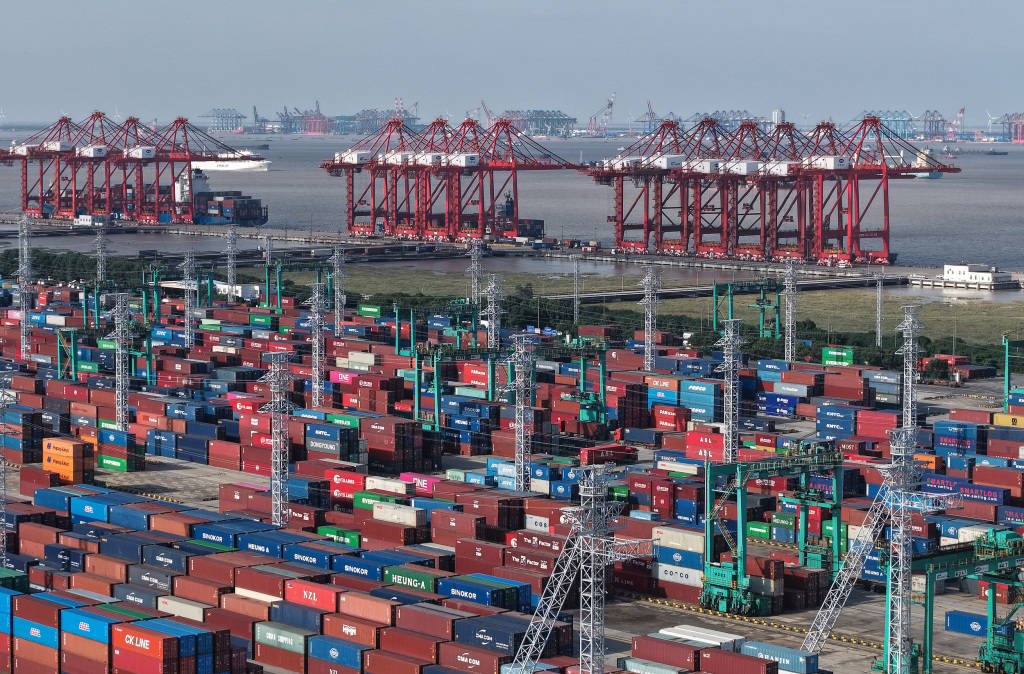
2025年家电类、通讯器材类 商品零售额均破万亿元
Xin Lang Cai Jing· 2026-01-20 20:57
Core Insights - The "trade-in" policy for consumer goods is expected to significantly boost retail sales in the home appliance and communication equipment sectors, with both categories projected to exceed 1 trillion yuan in retail sales by 2025, marking a historical high [1] - The policy has led to substantial increases in the replacement of old appliances, with over 129 million units of 12 categories of home appliances and over 91 million mobile devices expected to be replaced by 2025 [1] Group 1: Market Impact - Retail sales of household appliances and audio-visual equipment are projected to grow by 11%, while communication equipment sales are expected to increase by 20.9% by 2025 [1] - The retail sales of home appliances are anticipated to reach 1,169.5 billion yuan, and communication equipment sales are expected to hit 1,007.6 billion yuan by 2025, both achieving historical highs [1] Group 2: Supply Chain and Technological Advancements - The trade-in policy is effectively promoting industrial transformation and upgrading, with over 90% of sales in the 12 categories of traded-in appliances being energy-efficient or water-efficient products [2] - The number of new types of home appliances has increased by 28.89%, with 177,800 new products expected in 2025 [2] - Companies are leveraging "5G + industrial internet" technologies to significantly shorten order cycles, while mobile device manufacturers are innovating in areas such as imaging, battery life, and AI to enhance product value [2] Group 3: Consumer Behavior and Economic Impact - The trend towards consumption upgrades is evident, with mid-to-high-end mobile device subsidies accounting for 72.5% of the total, indicating a shift towards higher-quality consumption [2] - The trade-in policy has positively impacted the elderly demographic, with over 15 million consumers aged 60 and above participating in the trade-in and subsidy programs [2] - The policy has benefited over 1 million retail outlets, with a reported 30% increase in consumer spending in areas with concentrated trade-in stores [2] Group 4: Future Outlook - The trade-in policy will continue to be implemented, with funding support for consumer goods trade-ins confirmed for 2026, along with specified subsidy standards and support scope [3]