基础化工

Search documents
A股1月强势收官!指数市值双升,春季行情获券商看好
Huan Qiu Wang· 2026-02-01 02:53
Market Overview - The A-share market started the year positively with all major indices showing gains, leading to a significant increase in market activity and a total market capitalization surge of over 6 trillion yuan in January [1][3] - As of January 30, the three major indices, the Shanghai Composite Index, Shenzhen Component Index, and ChiNext Index, recorded monthly increases of 3.76%, 5.03%, and 4.47% respectively, indicating a robust upward trend [3] Market Capitalization - By the end of January, the total market capitalization of A-shares reached 125.21 trillion yuan, reflecting a substantial increase of 6.3 trillion yuan compared to the end of the previous year, showcasing a significant recovery in market confidence and increased capital activity [3] Sector Performance - In January, a clear structural market trend emerged, with most of the 31 sectors in the Shenwan classification showing gains. The metals sector led with a monthly increase of 22.59%, followed by media and oil & petrochemicals with increases of 17.94% and 16.31% respectively [3] - Other sectors such as construction materials, basic chemicals, and electronics also saw gains exceeding 10%, demonstrating strong upward momentum [3] Analyst Insights - Multiple brokerages have expressed optimism regarding the continuation of the spring market rally. For instance,招商证券 highlighted the strong performance of resource prices and TMT sectors driven by AI trends, suggesting a focus on cyclical and technology sectors for February [4] -国信证券 noted that the current market liquidity remains relatively abundant, and despite significant net redemptions in broad-based ETFs, there is still active subscription in sector and thematic ETFs, indicating ongoing investor interest [4] -光大证券 also anticipates further positive developments in both policy and fundamentals, recommending a focus on growth sectors such as humanoid robots, AI, gaming, and film during the upcoming spring market [5]


申万宏源策略一周回顾展望:开启区间震荡行情
Shenwan Hongyuan Securities· 2026-01-31 14:36
Group 1 - The report indicates that the market is currently in a high position of the first phase of an upward trend, requiring a longer period of adjustment to digest the insufficient long-term cost-performance ratio after reaching historical valuation highs [4][7][8] - The "steady and far-reaching" policy is expected to accelerate the transition of the market from the current strong momentum phase to a new stage characterized by style switching and profit expansion, followed by a period of consolidation [4][8][25] - The report emphasizes four characteristics of the structural market at high valuation levels: 1) Difficulty in raising valuations, 2) Stricter conditions for upward breakthroughs, 3) High expectations for "perfect performance verification," and 4) Increased sensitivity to negative liquidity shocks [25][26] Group 2 - The mid-term judgment remains unchanged, suggesting that after the spring market ends, there will likely be a consolidation phase before a new upward stage begins, driven by clearer industrial trends and improved performance digestion [26][29] - The report highlights that the strong structural market of 2025 is characterized by cyclical Alpha and AI computing power leading the trend, with opportunities still present in cyclical Alpha investments and advanced manufacturing [26][29] - The report suggests that short-term effects of the "steady and far-reaching" policy may lead to a recovery of previously suppressed heavyweight stocks, with a focus on opportunities in overseas computing leaders and non-bank financial sectors [29]
1月行情落幕!港股、A股慢牛延续,黄金白银高位“踩刹车”
Ge Long Hui A P P· 2026-01-31 05:59
Market Overview - In January 2026, global markets exhibited significant divergence, with structural trends dominating the month [1] - A-shares and Hong Kong stocks experienced upward movements, with the Shanghai Composite Index rising over 3% and the Hang Seng Index increasing by more than 6% [1] - The U.S. stock market reached historical highs but faced consolidation by the end of the month, with all three major indices still showing monthly gains exceeding 1% [1] A-shares Performance - The A-share market showed a steady upward trend in January, with the Shanghai Composite Index up 3.76%, the ChiNext Index up 4.47%, and the Shenzhen Composite Index up 5.03% [2] - The non-ferrous metals sector led the gains with a 22.59% increase, followed by media, oil and petrochemicals, construction materials, and basic chemicals, which saw increases of 17.94%, 16.31%, 13.31%, and 12.72% respectively [3] Hong Kong Market Performance - The Hong Kong market also trended upwards in January, with the Hang Seng Index leading with a 6.85% increase, while the Hang Seng China Enterprises Index and the Hang Seng Tech Index rose by 4.53% and 3.67% respectively [5] - The optical communication sector was the standout performer, surging by 32.34%, followed closely by the paper industry with a 31.76% increase [6] Precious Metals - January witnessed a remarkable rally in precious metals, with gold and silver prices rising sharply due to expectations of interest rate cuts by the Federal Reserve and ongoing central bank purchases [8] - Gold prices increased by over 16%, while silver prices surged more than 34% during the month, marking them as the most notable assets in this rally [8] Industrial Metals and Energy - The industrial metals market also performed strongly, with LME nickel rising over 9% and LME copper increasing by 8.97% [10] - The energy market saw WTI crude oil futures rising over 14%, reaching $65.88 per barrel, and Brent crude oil futures also increasing by over 14%, priced at $70.04 per barrel [10] Future Market Outlook - The focus for February is expected to remain on interest rate expectations, dollar movements, and geopolitical risks [12] - Analysts suggest that the A-share market may experience a healthy adjustment, with a shift towards a more sustainable "slow bull" market, driven by earnings growth and profitability improvements [12] - For the Hong Kong market, a positive outlook is maintained, with expectations of a structural rebound supported by earnings recovery, improved liquidity, and policy support [13]

年内15家A股公司借道强链补链
Zheng Quan Ri Bao· 2026-01-30 22:49
Core Viewpoint - The rise of small-step mergers and acquisitions (M&A) in the capital market reflects a shift towards gradual, precise acquisitions to strengthen supply chains and facilitate transformation and upgrading in various industries [1][2]. Group 1: Company Actions - Sichuan Dongcai Technology Group Co., Ltd. announced the acquisition of minority shareholder equity in its subsidiary Shandong Aiment, following a recent announcement to transfer its 31.4265% stake in Henan Huajia to Shengye Electric Co., Ltd. [1] - In January 2023, 15 A-share listed companies initiated multiple M&A plans, showcasing a trend towards frequent, smaller-scale acquisitions to enhance industry integration [1]. Group 2: Industry Trends - The small-step M&A model has become a significant force in capital market resource integration, particularly among high-tech enterprises, which accounted for 73.33% of the companies involved in M&A activities this year [3]. - High-tech companies favor small-step M&A due to the fast-paced technological iteration, high R&D investment, and strong operational uncertainties in their sectors [3]. Group 3: Factors Driving the Trend - The rise of small-step M&A is driven by three main factors: supportive policies, industry demand for integration, and strategic adjustments by companies to mitigate risks associated with large-scale acquisitions [5][6]. - Recent regulatory changes by the China Securities Regulatory Commission and stock exchanges have facilitated small-step M&A by streamlining approval processes and reducing institutional barriers [6]. Group 4: Future Outlook - The future of industry M&A is expected to evolve in three directions: "chain master" companies partnering with private equity to establish M&A funds, traditional industry leaders combining with hard-tech targets, and an increase in cross-border "embedded acquisitions" focusing on strategic stakes and technology cooperation [7].

山东鲁北化工股份有限公司2025年度业绩预减公告
Shang Hai Zheng Quan Bao· 2026-01-30 21:49
Group 1 - The company expects a significant decrease in its 2025 annual net profit, projecting approximately 42.11 million yuan, which represents a decline of about 83.87% compared to the previous year [2][4] - The total profit for 2025 is estimated to be around 149.72 million yuan, down from 423.47 million yuan in the previous year [4][5] - The net profit after deducting non-recurring gains and losses is projected to be approximately 40.34 million yuan, reflecting a decrease of about 84.97% year-on-year [4][5] Group 2 - The primary reason for the profit reduction is the significant narrowing of profitability in titanium dioxide products due to weak market demand, particularly influenced by the downturn in the domestic real estate sector and slowing infrastructure investment [7] - The chemical commodity market is currently in a destocking phase, leading to a shift in supply and demand dynamics, with both sales and prices of certain products, such as chlorinated methane, declining [9] - The company has attempted to optimize processes to reduce unit costs, but this has not been sufficient to offset the negative impact of falling product prices [7]

芳烃与农化率先“突围” A股化工板块盈利、估值有望修复
Zheng Quan Ri Bao· 2026-01-30 16:30
Core Viewpoint - The chemical industry is experiencing a strong rebound in prices since 2026, driven by supply-side adjustments, recovering export demand, and policy-driven structural tightness, indicating a shift from capacity expansion to high-quality development in the sector [1]. Price Trends - As of January 30, 2026, the core products in the aromatic chemical sector have seen significant price increases, with pure benzene rising from 5,290 CNY/ton to 6,260 CNY/ton (an increase of 18.3%) and styrene from 6,950 CNY/ton to 8,025 CNY/ton (an increase of 15.5%) [2]. - Other products like phenol, toluene, and ortho-xylene have also experienced price increases ranging from 6% to 9% [2]. Supply and Demand Dynamics - The reduction in PX social inventory, which fell to 1.67 million tons by the end of 2025, has supported the price increase of PX due to a low inventory and high PTA operating rates [3]. - The price of caprolactam has also rebounded, with prices increasing from 9,325 CNY/ton to 9,600 CNY/ton, driven by a decrease in industry operating rates to 68.9% and proactive production cuts by several companies [3]. Policy Impact - The agricultural chemical sector is undergoing supply-side structural reforms driven by new policies, including the "one certificate, one product" registration policy effective January 1, 2026, which is expected to accelerate the elimination of outdated production capacity and enhance industry concentration [4]. Industry Outlook - The chemical industry is emerging from a prolonged downturn, with the chemical PPI experiencing negative growth for 38 consecutive months as of November 2025 [5]. - Positive signals, such as rising oil prices and a contraction in new industry projects, suggest a potential turning point for the chemical sector, with expectations for a shift from scale expansion to high-quality growth during the 14th Five-Year Plan period [5]. Challenges Ahead - Despite the recovery, the chemical industry faces challenges, including cautious inventory replenishment by downstream companies and potential supply threats from new overseas capacities [6]. - Overall, the industry is moving away from a state of cost collapse and overcapacity, with the early success of aromatics and agricultural chemicals indicating the potential for improved profitability and valuation in the sector [6].
小步并购模式获青睐 年内15家A股公司借道强链补链
Zheng Quan Ri Bao· 2026-01-30 16:08
Group 1 - The core viewpoint of the article highlights the rise of "small-step mergers and acquisitions" (M&A) in the capital market, exemplified by Sichuan Dongcai Technology Group's recent acquisition activities [1] - In January 2023, 15 A-share listed companies initiated multiple M&A plans, with many adopting a small-step approach to achieve supply chain strengthening and transformation [1][2] - The trend of small-step M&A is particularly prominent among high-tech enterprises, with 11 out of the 15 companies being classified as such, representing 73.33% of the total [3] Group 2 - The rise of small-step M&A is attributed to three main factors: supportive policies, industry demand for integration, and strategic adjustments by companies to mitigate risks associated with large-scale acquisitions [2][6] - High-tech companies favor small-step M&A due to its alignment with the fast-paced technological iteration and high R&D investment characteristic of the industry [4] - The small-step M&A model allows companies to focus more on core technology while gradually expanding their business, thus achieving a balance between growth and maintaining technological integrity [4] Group 3 - The small-step M&A approach is characterized by gradual, low-risk expansions, enabling companies to integrate resources effectively without the high costs and risks associated with large acquisitions [3][4] - The payment methods for these M&A activities often include cash payments, share issuance, and installment payments, which help reduce financial pressure and integration risks [4] - The trend is expected to influence industry dynamics significantly, leading to increased industry concentration and a shift from homogeneous competition to differentiated collaboration [5] Group 4 - Future developments in the M&A landscape may include "chain master" companies collaborating with private equity to establish industry M&A funds, and more combinations of traditional industry leaders with high-tech targets [7] - Cross-border "embedded M&A" strategies are anticipated to gain traction, with Chinese companies shifting from controlling acquisitions to strategic minority stakes and technology partnerships in Europe [8]

2026年第2期:2月1日-2月28日:申万宏源十大金股组合
Shenwan Hongyuan Securities· 2026-01-30 13:28
Group 1 - The report presents the "Shenwan Hongyuan Top Ten Gold Stocks" for February 2026, reflecting the firm's market outlook and stock selection capabilities [1][10] - The previous gold stock combination from January 2026 achieved a return of 16.89%, outperforming the Shanghai Composite Index by 13.61 percentage points and the CSI 300 Index by 15.72 percentage points [7] - Since the inception of the gold stock initiative on March 28, 2017, the cumulative return has reached 486.47%, with the A-share combination up 361.41% and the Hong Kong stock combination up 1373.67% [7] Group 2 - The current market strategy indicates a continuation of the spring market trend, with a focus on cyclical sectors for alpha opportunities, while acknowledging increasing resistance to upward movement as profit effects spread [12] - Recommended sectors for investment include food and beverage, real estate, and cyclical sectors with both beta elasticity and alpha value [12] - The report emphasizes the importance of identifying bottom assets and suggests a rotation in market focus as the trading environment stabilizes [12] Group 3 - The top ten gold stocks for this period include Guizhou Moutai, Hualu Hengsheng, and Dier Laser, with a focus on their growth potential and market strategies [15][16] - Guizhou Moutai is expected to benefit from market reforms and increased consumer access ahead of the Spring Festival, while Hualu Hengsheng is positioned to capitalize on favorable industry policies [15][16] - Dier Laser is noted for its strong competitive position in the photovoltaic sector and potential growth in non-photovoltaic businesses [15][16] Group 4 - The report includes detailed performance metrics for each stock, highlighting their market capitalization, price changes, and excess returns compared to benchmarks [13][18] - For instance, Guizhou Moutai has a market cap of 175.44 billion RMB and is projected to see a net profit growth of 5.0% in 2026 [18] - The report also provides valuation and profit forecasts for the recommended stocks, indicating strong growth prospects for several companies [18]





热点追踪周报:由创新高个股看市场投资热点(第 229 期)-20260130
Guoxin Securities· 2026-01-30 12:04
证券研究报告 | 2026年01月30日 **Minkel's**: **Minkel's**: **Minkel's**: **Minkel's**: **Minkel's**: **Minkel's**: **Minkel's**: **Minkel's**: **Minkel's**: **Minkel's**: **Minkel's**: **Minkel's**: **Minkel's**: **Minkel's**: **Minkel's**: **Minkel's**: **Minkel's**: **Minkel's**: **Minkel's**: **Minkel's**: **Minkel's**: **Minkel's**: **Minkel's**: **Minkel's**: **Minkel's**: **Minkel's**: **Minkel's**: **Minkel's**: **Minkel's**: **Minkel's**: **Minkel's**: **Minkel's**: **Minkel's**: **Minkel's**: **Minkel's**: * ...



化工板块震荡上涨引资金共振,化工行业ETF易方达(516570)本周净流入超5亿元
Sou Hu Cai Jing· 2026-01-30 10:45
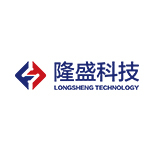
本周,中证石化产业指数上涨1.6%,中证稀土产业指数下跌3.7%。Wind数据显示,化工行业ETF易方达(516570)本周前 四个交易日均获资金净流入,合计超5亿元。 中国银河证券表示,2024年以来化工行业资本开支迎来负增长,随着"反内卷"浪潮袭来及海外落后产能加速出清,供给端 有望收缩;"十五五"规划建议"坚持扩大内需"为未来五年定调,叠加美国降息周期开启,化工品需求空间打开。供需双底 基本确立,政策预期强力催化,2026年化工行业或迎周期拐点向上,开启从估值修复到业绩增长的"戴维斯双击"。 由A股中业务范围涵盖稀土开采、稀土加工、稀土 贸易和稀土应用的38只股票组成,反映A股稀土产 业上市公司的整体表现 注1:目前全市场跟踪中证石化产业指数的ETF共2只,跟踪中证稀土产业指数的ETF共4只,跟踪同一指数 的不同ETF产品的费率、跟踪误差、规模等有所不同。银行、互联网平台等相关销售机构提供可场外投资 的ETF联接基金。低费率产品,其管理费率0.15%/年,托管费率0.05%/年。 注2. 数据来自Wind,指数涨跌幅截至2026年1月30日收盘,指数市净率及其所处分位截至2026年1月29日。 市净率P ...