消费零售

Search documents
2025年中国创投:重拾向上动能,奔赴投资新程
Zheng Quan Shi Bao Wang· 2025-12-31 11:43
Group 1: Industry Recovery and Trends - In 2025, China's venture capital industry emerged from a two-year downturn, showing signs of recovery across the entire investment chain, driven by a combination of funding and project highlights, as well as supportive policies [1] - The year-end activities of venture capitalists indicate a strong return to the industry, fueled by a new wave of technological changes and ongoing policy benefits [1] Group 2: Government Investment Fund Policies - The State Council issued a significant document aimed at promoting the high-quality development of government investment funds, focusing on stricter controls on new fund establishments and optimizing investment policies [2] - Various local governments have responded by issuing supporting policy documents, further regulating the operation of government investment funds to promote high-quality industry development [2] Group 3: Banking Sector Involvement - Since the announcement of expanded pilot programs for bank-affiliated financial asset investment companies (AICs), banks have accelerated their entry into the primary market, with several major banks successfully establishing AICs [3] - As of now, AICs from six major state-owned banks and three national joint-stock banks have been established, with total investments reaching 45.272 billion yuan, a year-on-year increase of approximately 37.7% [3] Group 4: Special Bonds for Government Guidance Funds - Several local governments have issued special bonds to support government guidance funds, breaking the previous norm that prohibited such investments [4] - A total of 52 billion yuan in special bonds have been issued by nine provinces and cities, significantly enhancing the funding pool for the venture capital industry [4] Group 5: Long-Term Government Guidance Funds - New government guidance funds established this year have extended their duration beyond the typical 10 years, with some lasting up to 20 years, providing long-term support for projects [5] - This trend of extending fund durations is expected to create a more patient investment environment, allowing for better exit strategies [5] Group 6: Mergers and Acquisitions - The introduction of policies supporting private equity funds in acquiring listed companies has led to a surge in related acquisition cases, with several venture capital firms actively pursuing stakes in public companies [6][7] - The trend of startups acquiring listed companies is also on the rise, indicating a new strategy for both startups and venture capital firms to explore exit routes [7] Group 7: Domestic PE Firms Acquiring Foreign Brands - Domestic top-tier private equity firms have increasingly acquired the Chinese operations of overseas consumer brands, highlighting a trend of local capital participating in the localization of foreign brands [8] - This trend is driven by the combination of ample funding, local operational expertise, and the stable cash flow of established foreign brands [8] Group 8: Technology Innovation Bonds - The introduction of technology innovation bonds has opened new fundraising channels for venture capital institutions, with several private firms successfully issuing bonds at competitive interest rates [9] - The issuance of these bonds has significantly boosted market confidence and marked a transition towards a more normalized support phase for private venture capital institutions [9] Group 9: Mainland VC/PE Expansion into Hong Kong - Several mainland investment institutions have established offices in Hong Kong, attracted by the region's supportive environment for technological innovation [10] - The Hong Kong government's initiatives, including the establishment of a significant innovation and technology fund, have further encouraged mainland VC/PE firms to expand into the market [10] Group 10: Return of Dollar LPs to China - Multiple venture capital firms have successfully raised dollar-denominated funds, indicating a renewed interest from international investors in the Chinese market [11][12] - The return of dollar LPs coincides with the rapid growth of China's AI industry, highlighting the potential undervaluation of Chinese assets [11][12] Group 11: National Entrepreneurship Investment Fund - The establishment of a "carrier-level" national entrepreneurship investment fund aims to support startups across key economic regions in China, with a focus on early-stage investments [13] - This fund features a long duration of 20 years and aims to provide substantial financial backing to venture capital institutions and startups, enhancing the overall investment landscape [13]





港股IPO登顶全球
2 1 Shi Ji Jing Ji Bao Dao· 2025-12-30 00:31
Core Viewpoint - In 2025, the Hong Kong Stock Exchange (HKEX) is expected to lead the global IPO market with a projected fundraising total exceeding HKD 280 billion, marking a significant return to prominence after several years [1][2]. Group 1: IPO Market Dynamics - The HKEX is anticipated to host 117 new listings in 2025, averaging a new listing every two trading days [1]. - Major IPO projects are significantly contributing to the overall fundraising scale, with the top ten IPOs expected to account for a substantial portion of the total [3][4]. - Six of the top ten IPOs are "A+H" listed companies, collectively raising HKD 1,033.20 million, which represents 36.12% of the total IPO fundraising for the year [4]. Group 2: A-Share Influence - The "A-share" influence is increasing, with 19 A-share companies successfully listing in Hong Kong, raising a total of HKD 1,399.93 million, nearly half of the total new fundraising [6]. - The "A+H" listing model is becoming a preferred choice for many companies, driven by various strategic needs such as international expansion and risk diversification [6][8]. Group 3: Policy Support - Continuous policy support is fueling the IPO trend, including measures from the China Securities Regulatory Commission to encourage leading companies to list in Hong Kong [7][8]. - Recent optimizations to HKEX listing rules have made it easier for companies to meet public shareholding requirements, further lowering the barriers for listing [8]. Group 4: New Economic Forces - The IPO market is witnessing a strong emergence of "new economy" companies, particularly in sectors like AI and robotics, with six companies set to list simultaneously [10]. - The hard technology sector is a key driver, with significant representation in the IPO pipeline, including 20 companies in pharmaceuticals and 19 in software services [11]. Group 5: Consumer Brands - The "new consumption" sector is also thriving, with 19 companies from various consumer industries listing in 2025, many of which had previously attempted to list in the A-share market [13][14]. - High demand for these consumer brands is evident, with many experiencing subscription rates exceeding 100 times, indicating strong investor interest [13][14]. Group 6: Market Performance and Future Outlook - The IPO market is showing a notable improvement in profitability, with a record low IPO failure rate of 28.83% and significant first-day price increases for many new listings [16]. - Despite some recent volatility, forecasts for 2026 remain optimistic, with expectations of around 160 new listings and fundraising of at least HKD 300 billion [18]. - Long-term prospects suggest that the HKEX could solidify its role as a global pricing hub for Chinese assets, contingent on maintaining high-quality listings and robust capital flows [19].






吴世春:没投到字节跳动的天使轮,是我的人生遗憾
创业家· 2025-12-24 10:18
Core Insights - The article discusses the challenges and opportunities in early-stage investment in China, emphasizing the need for patience and a long-term vision in the current economic environment [2][5][6]. Investment Landscape - The investment environment has become more challenging, with longer exit cycles; previously, companies like Li Auto and NIO went public in 3-4 years, but now it takes around 12 years for IPOs [3][4]. - Despite the difficulties, early-stage investment can still be profitable in China if investors have sufficient patience [5]. Investment Logic - Three key investment strategies are outlined: 1. **Investing in "Unicorn Tigers"**: Focus on companies that can dominate their market rather than those that merely resemble successful models [7][9]. 2. **Investing in "Town Youth"**: Targeting young entrepreneurs from smaller towns who are more likely to focus on long-term growth rather than chasing trends [10][11][13]. 3. **Aligning People, Events, Timing, and Valuation**: Successful investments require the right team, the right market conditions, and reasonable valuations [14]. Current Trends - The article notes that many new unicorns are emerging from small-town youth, highlighting figures like Zhang Yiming and Wang Xing as examples [13]. - The focus on AI and new productive forces is emphasized, with a belief that China's innovation landscape will continue to thrive for the next 20 years [14]. Investment Portfolio - The company has invested in over 600 enterprises, with around 70-80 achieving profitability close to A-share listing standards, indicating a high success rate in their investment strategy [14].


跨国企业对中国经济前景保持乐观
Guo Ji Jin Rong Bao· 2025-12-23 00:11
Group 1 - The core viewpoint of the reports indicates that multinational companies maintain strong confidence in the Chinese market despite global economic uncertainties, with half of the surveyed companies optimistic about China's economic growth for 2025 [1] - 39% of respondents observed signs of recovery following the Chinese government's stimulus measures planned for late 2024 and after the 2025 Two Sessions [1] - Over half of the surveyed multinational companies expect revenue growth in China for 2025, with 31% anticipating at least a revenue increase due to operational optimization, new product launches, and localization efforts [1] Group 2 - Different regions show varying levels of confidence, with 59% of North American respondents expressing moderate to high confidence in China's economic growth for 2025, while 69% of European companies are the most optimistic about growth over the next three to five years [2] - The consumer and retail sectors exhibit the most cautious expectations for 2025, while the automotive sector is the least optimistic due to anticipated short-term growth challenges [2] - Despite short-term economic pressures, multinational companies are focusing on operational streamlining, localization, and digital investments to ensure long-term profitability and competitiveness in China [2] Group 3 - Looking ahead, 94% of multinational companies continue to invest in and bet on the Chinese market, with plans to enhance competitiveness, increase capacity, and strengthen local R&D capabilities as primary reasons for additional investments [3] - Additional investments are primarily realized through greenfield investments, mergers and acquisitions, or establishing joint ventures [3]
533亿美元!正大集团谢氏家族跻身全球最富有家族榜
Sou Hu Cai Jing· 2025-12-19 10:11
Core Insights - The total wealth of the 25 richest families globally reached $2.9 trillion, marking the highest level since the inception of the ranking, with an increase of $358.7 billion from the previous year [1] - The entry threshold for the ranking also hit a record high, requiring a minimum of $46.4 billion, an increase of $9.7 billion from last year [1] - The wealth growth is attributed to stock market gains and a rebound in demand for commodities such as metals and pet food, alongside the families' accumulated capital strength, political influence, and business experience over decades [1] Family Rankings - The Walton family retains the top position with a net worth surpassing $500 billion, followed by the Al Nahyan family from the UAE and the Al Saud family from Saudi Arabia [3] - Four families made their debut on the list this year, including the Larrea Mota Velasco family from Mexico, the Luksic family from Chile, the Del Vecchio family from Italy, and the Olayan family from Saudi Arabia [4] - The Chearavanont family, associated with Charoen Pokphand Group, ranks 22nd globally with a net worth of $53.3 billion, an increase of $9.2 billion from the previous year [8][10] Wealth Sources and Business Impact - The Charoen Pokphand Group, founded in 1921, has diversified into various sectors including agriculture, food, retail, telecommunications, real estate, finance, and biotechnology, operating in over 100 countries [10] - The second-generation leader,谢国民, is recognized as the driving force behind the group's international expansion, transitioning it from a regional player to a global business giant [10] - The family is also noted for its contributions to education, healthcare, and environmental initiatives, enhancing its reputation in the international business arena [10]
【焦点复盘】沪指3连阳收复20日均线,全市场超4400股飘红,智能驾驶概念再度爆发
Xin Lang Cai Jing· 2025-12-19 09:13
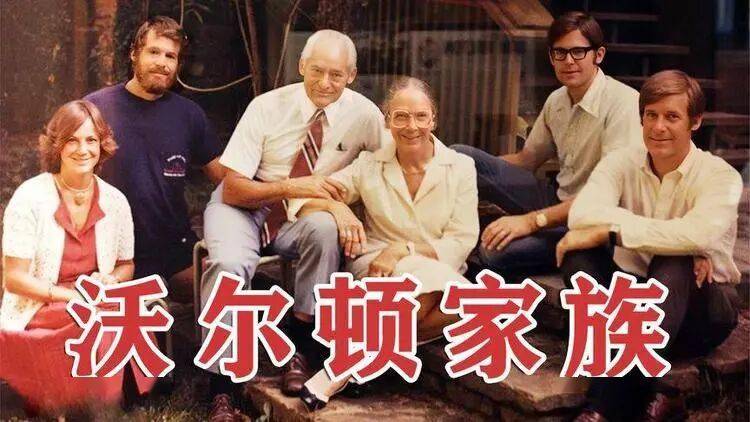
Market Overview - The market experienced a moderate increase with over 4,400 stocks rising, and 70 stocks hitting the daily limit up, indicating strong market sentiment [1][8] - The Shanghai Composite Index showed fluctuations, while the ChiNext Index initially rose over 1.5% before retreating [1][8] - The total trading volume in the Shanghai and Shenzhen markets reached 1.73 trillion yuan, an increase of 70.4 billion yuan compared to the previous trading day [1] Stock Performance - Notable stocks included Victory Energy with a six-day limit up streak, Zhejiang Shibao with four consecutive limit ups, and several others like Su Li Co., Zhongtian Service, and Lu Yan Medicine achieving three consecutive limit ups [1][10] - The limit up rate was recorded at 75%, with 23 stocks experiencing limit down [1][3] Sector Analysis - The top-performing sectors included Hainan, dairy, and retail, while precious metals and semiconductors faced declines [1][8] - The commercial aerospace sector is gaining traction, with significant activity expected in late 2025 to early 2026, leading to increased interest in related stocks [14] - The smart driving sector saw a resurgence with several companies receiving conditional approval for L3 level autonomous driving vehicles, contributing to the rise of stocks like Zhejiang Shibao and Weidi Co. [6][12] Investment Themes - The "reward economy" concept is emerging as a new consumption model among younger demographics, driving interest in related stocks [23] - The recent announcement of a trial for new consumption models in 50 cities by the Ministry of Commerce and the Ministry of Finance is expected to boost the retail sector [29] - The launch of the Hainan Free Trade Port and the subsequent increase in consumer enthusiasm for local purchases is positively impacting stocks in the region [27][28]


国投证券港股晨报-20251216
Guotou Securities· 2025-12-16 05:04
Core Insights - The report indicates that China's economy continued to show steady progress in November, with the Hang Seng Index declining by 1.34% and significant trading activity in the stock market [2][3] - The report highlights the performance of various sectors, including a rise in consumer goods and gold stocks, with notable increases in companies like Xiaomi and China Ping An [2][4] Company Overview - The specific company under review, Zhihui Mining (2546.HK), is engaged in the exploration, mining, and production of zinc, lead, and copper in Tibet, ranking fifth, fourth, and fifth respectively in these categories for 2024 [8] - The company has significant mineral reserves, with open-pit and underground mines expected to operate for 8 and 31 years respectively [8][10] Financial Performance - The company's projected revenues for 2022, 2023, and 2024 are approximately RMB 482.35 million, RMB 546.13 million, and RMB 301.43 million, reflecting a year-on-year growth of 13.2% and a decline of 44.8% [9] - The gross profit margins for copper concentrate exceed 80%, while zinc concentrate margins are more volatile [9] Industry Status and Outlook - The demand for zinc concentrate in Tibet is projected to grow at a compound annual growth rate (CAGR) of -0.5% from 2018 to 2024, with a slight recovery expected from 2025 to 2028 [10] - The report anticipates stable zinc concentrate prices between RMB 18,600 and RMB 19,000 per ton, with a similar upward trend expected for lead and copper concentrates [10] Advantages and Opportunities - The company benefits from resource and geographical advantages, being located in a region rich in metals such as lead, zinc, copper, and silver [11] - A professional technical team and good community relations further enhance the company's operational capabilities [11] Use of Proceeds - The company plans to allocate approximately 29.2% of the funds raised for enhancing mining capabilities, 23.4% for exploration investments, and 18.7% for improving ore processing and production optimization [13][14] Investment Recommendation - The company has achieved profitability with a net profit of over HKD 100 million, and despite challenges in 2024, a recovery is anticipated [16] - The report suggests a cautious approach to investment, rating the company at "5.5" and recommending attention due to its positive cash flow and the potential for oversubscription in its IPO [16]
智通港股通持股解析|12月11日
智通财经网· 2025-12-11 00:32
Group 1 - The top three companies by Hong Kong Stock Connect holding ratios are China Telecom (00728) at 72.65%, Da Zhong Gong Yong (01635) at 69.99%, and Green Power Environmental (01330) at 69.49% [1][2] - The companies with the largest increase in holding amounts over the last five trading days are Xiaomi Group-W (01810) with an increase of 4.323 billion, YINGFU Fund (02800) with an increase of 2.993 billion, and Leap Motor (09863) with an increase of 1.016 billion [1][2] - The companies with the largest decrease in holding amounts over the last five trading days are Tencent Holdings (00700) with a decrease of 3.533 billion, Alibaba-W (09988) with a decrease of 1.871 billion, and ASM PACIFIC (00522) with a decrease of 668 million [1][3] Group 2 - The latest holding ratio rankings for Hong Kong Stock Connect show that China Telecom holds 10.082 billion shares, Da Zhong Gong Yong holds 374 million shares, and Green Power Environmental holds 281 million shares [2] - The top ten companies with the largest increases in holdings over the last five trading days include China Merchants Bank (03968) with an increase of 821 million, BYD Company (01211) with an increase of 760 million, and Meituan-W (03690) with an increase of 614 million [2] - The top ten companies with the largest decreases in holdings over the last five trading days include China Mobile (00941) with a decrease of 568 million, COSCO Shipping Energy (01138) with a decrease of 430 million, and Hong Kong Exchanges and Clearing (00388) with a decrease of 424 million [3]






基建巨头,大跌
Zhong Guo Ji Jin Bao· 2025-12-09 09:57
Market Overview - The Hong Kong stock market showed a gloomy sentiment on December 9, with all three major indices closing down: the Hang Seng Index fell by 1.29% to 25,434.23 points, the Hang Seng China Enterprises Index dropped by 1.62% to 8,936.41 points, and the Hang Seng Tech Index decreased by 1.90% to 5,554.68 points [2]. Company Performance - Major technology stocks experienced declines, with Baidu Group-SW and Xiaomi Group-W both falling over 3%, while Kuaishou-W and Meituan-W dropped more than 2%. Other notable declines included Netease-S, Alibaba-W, and JD Group-SW, which all fell over 1% [4]. - Heavy infrastructure stocks suffered significant losses, with China Metallurgical Group (China Zhongye) plunging over 21%, and Chalco International (China Aluminum International) dropping more than 4% [4][7]. - Semiconductor stocks also faced downturns, with Huahong Semiconductor falling over 5% and SMIC dropping more than 4% [4]. Specific Company News - China Metallurgical Group announced plans to sell its 100% stake in China Metallurgical Real Estate and related debts to Minmetals Land Holdings for approximately 60.7 billion yuan. Additionally, it will sell stakes in several subsidiaries to China Minmetals [7]. - In a separate development, Agile Group Holdings faced a significant drop in stock price, falling over 21% to a historical low of 0.3 HKD per share, ultimately closing down 18.42% at 0.31 HKD per share. This decline followed a petition for liquidation filed by a project partner [9].
基建巨头,大跌
中国基金报· 2025-12-09 09:56
【导读】 中国中冶重挫超 21% 中国基金报记者 伊万 12 月 9 日,市场情绪表现低迷,港股三大指数齐收跌。截至收盘,恒生指数跌 1.29% ,报 25434.23 点;恒生国企指数跌 1.62% ,报 8936.41 点; 恒生科技指数跌 1.90% ,报 5554.68 点。 盘面上,大型科网股普跌,百度集团 -SW 、小米集团 -W 跌超 3% ,快手 -W 、美团 -W 跌超 2% ,网易 -S 、阿里巴巴 -W 、京东 集团 -SW 跌超 1% ;重型基建股大跌,中国中冶重挫超 21% ,中铝国际跌超 4% ;半导体股下挫,华虹半导体跌超 5% ,中芯国际跌 超 4% ;此前大热的泡泡玛特跌超 5% ,老铺黄金跌近 3% 。 此外,保险股、石油股、航空股、军工股、中资券商股等纷纷走低。 | 泡泡玛特 | 190.300 | -5.04% | | --- | --- | --- | | 9992.HK | | | | 阿里巴巴-W | 150.900 | -1.63% | | 9988.HK | | | | 腾讯控股 | 602.500 | -0.41% | | 0700.HK | | | | 小 ...