
证券业

Search documents
资讯早班车-2025-12-10-20251210
Bao Cheng Qi Huo· 2025-12-10 02:19
投资咨询业务资格:证监许可【2011】1778 号 期货研究报告 专业研究·创造价值 1 / 14 请务必阅读文末免责条款 资讯早班车-2025-12-10 一、 宏观数据速览 | 发布日期 | 指标日期 | 指标名称 | 单位 | 当期值 | 上期值 | 去年同期值 | | --- | --- | --- | --- | --- | --- | --- | | 20251020 | 2025/09 | GDP:不变价:当季同比 | % | 4.80 | 5.20 | 4.60 | | 20251130 | 2025/11 | 制造业 PMI | % | 49.20 | 49.00 | 50.30 | | 20251130 | 2025/11 | 非制造业 PMI:商务活 动 | % | 49.50 | 50.10 | 50.00 | | 20251114 | 2025/10 | 社会融资规模增量:当 | 亿元 | 8161.00 | 35299.00 | 14120.00 | | | | 月值 | | | | | | 20251113 | 2025/10 | M0(流通中的现金):同 比 | % | 10. ...
鹏华中证全指食品交易型开放式指数证券投资基金基金份额发售公告
Shang Hai Zheng Quan Bao· 2025-12-09 19:13
Fund Overview - The fund is named Penghua CSI All Index Food Exchange-Traded Fund (ETF) with an initial share value of RMB 1.00 [12][19] - The maximum fundraising scale during the subscription period is RMB 2 billion, excluding interest and subscription fees [3][28] - The subscription period is from December 15, 2025, to December 25, 2025, with both online and offline cash subscription options available [16][39] Subscription Details - Investors must have a Shanghai Securities Account to subscribe, which can be an A-share account or a fund account [30][31] - For online cash subscriptions, each single account must subscribe for at least 1,000 shares or multiples thereof [9][13] - For offline cash subscriptions, the minimum subscription is 1,000 shares through sales agents, or at least 50,000 shares when subscribing directly through the fund manager [9][13] Fund Management and Custody - The fund is managed by Penghua Fund Management Co., Ltd., and the custodian is Suzhou Bank Co., Ltd. [1][47] - The fund's registration has been approved by the China Securities Regulatory Commission (CSRC) [1] Investor Eligibility - The fund is open to individual investors, institutional investors, qualified foreign investors, and other investors permitted by laws and regulations [2][15] Fund Operation - The fund operates as an open-ended exchange-traded fund, primarily investing in securities and futures markets [14][10] - The fund's contract will become effective if the total subscription reaches at least 200 million shares, with a minimum of 200 investors [16][43] Subscription Fees and Interest Handling - Subscription fees will be charged at the time of subscription and are not included in the fund's assets [20] - Interest generated from subscription funds during the fundraising period will be allocated to investors' shares for offline subscriptions, while for online subscriptions, it will be included in the fund's assets [21][41]

美联储降息遇上日本加息,人民币竟成意外走强?这波操作太狠了
Sou Hu Cai Jing· 2025-12-09 17:40
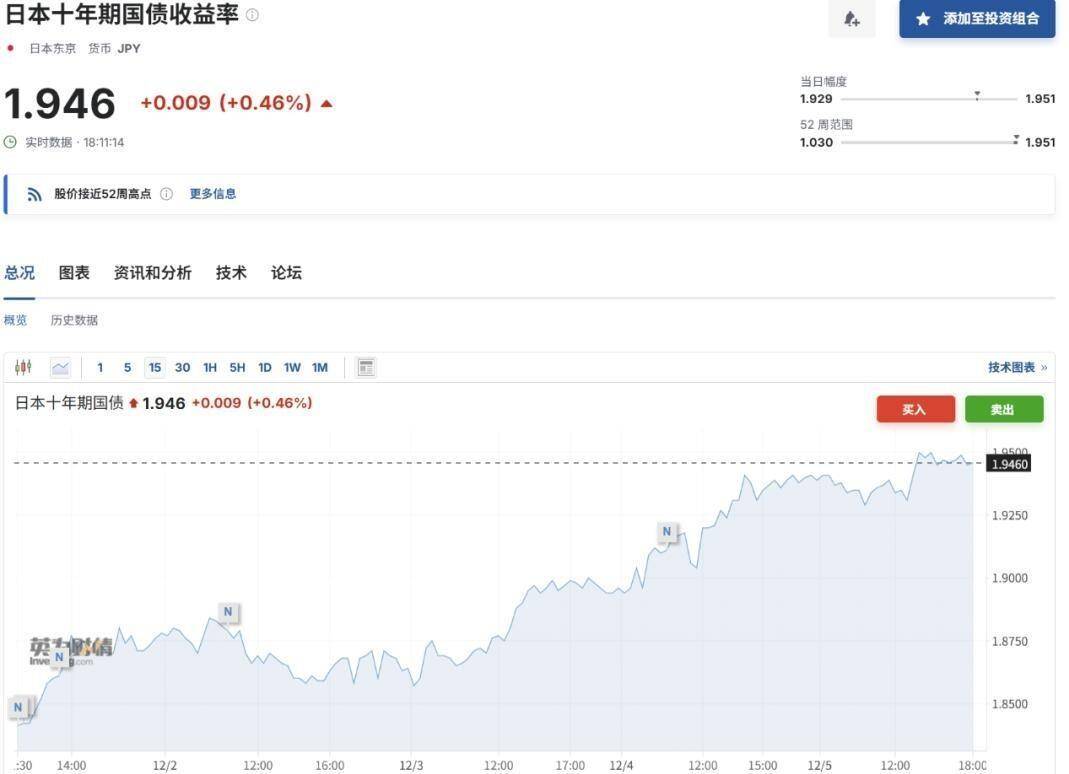
Core Viewpoint - The article discusses the contrasting monetary policies of the US and Japan, highlighting the potential market impacts of Japan's anticipated interest rate hike and the US Federal Reserve's expected rate cut. Group 1: Japan's Monetary Policy - Japan's central bank is expected to raise interest rates by 25 basis points on December 19, following a strong indication from Governor Kazuo Ueda [1][7] - The market's expectation for Japan's rate hike increased significantly from 50% to over 70% after Ueda's statement, with the 2-year Japanese government bond yield rising by 3 basis points [7] - Previous rate hikes in Japan have been managed with better communication, reducing panic in the markets compared to the sudden hike in July 2024 [5][7] Group 2: Impact on Currency and Global Markets - The anticipated rate hike in Japan aims to strengthen the yen, which has been weak against the dollar, thus alleviating imported inflation pressures [9] - The US Federal Reserve has cut rates by a total of 75 basis points since September, leading to a decline in the dollar index from around 100 to approximately 98 [9] - The depreciation of the dollar has lessened external pressure on the Chinese yuan, which has only slightly declined by 1.77% against the dollar this year [9] Group 3: Effects on A-shares and Hong Kong Market - The strengthening of the yuan is expected to enhance the attractiveness of Chinese assets to foreign investors, as they can purchase more assets with converted dollars [13] - The Hong Kong market, particularly the Hang Seng Tech Index, has shown signs of recovery as the dollar weakens, making dollar-denominated assets more valuable in yuan terms [11] - The upcoming Central Economic Work Conference is anticipated to set a positive tone for economic policies, historically leading to an increase in market indices [13] Group 4: Bond Market Dynamics - The bond market, particularly the 30-year government bonds, has seen declines due to changing market expectations regarding interest rate cuts by the Chinese central bank [15] - Despite recent declines, there is potential for support in the bond market due to expectations of further rate cuts in the coming year [15][16] - The emphasis on "macro-prudential management" by the central bank suggests a focus on preventing financial risks, indicating lower volatility for government bonds [16] Group 5: Investment Strategy Outlook - The article suggests a potential shift in investment focus from bonds to equities, driven by the expected strengthening of the yuan and global liquidity conditions [18] - Investors are advised to monitor key upcoming meetings, including the Federal Reserve's meeting on December 11 and the Central Economic Work Conference, for insights into future policy directions [18] - Recommendations include reallocating funds from government bonds to sectors benefiting from yuan appreciation and policy expectations, such as resource, technology, and dividend-paying stocks [18]

4000点上的困惑:为何指数涨了钱没赚到?
Sou Hu Cai Jing· 2025-12-09 13:37
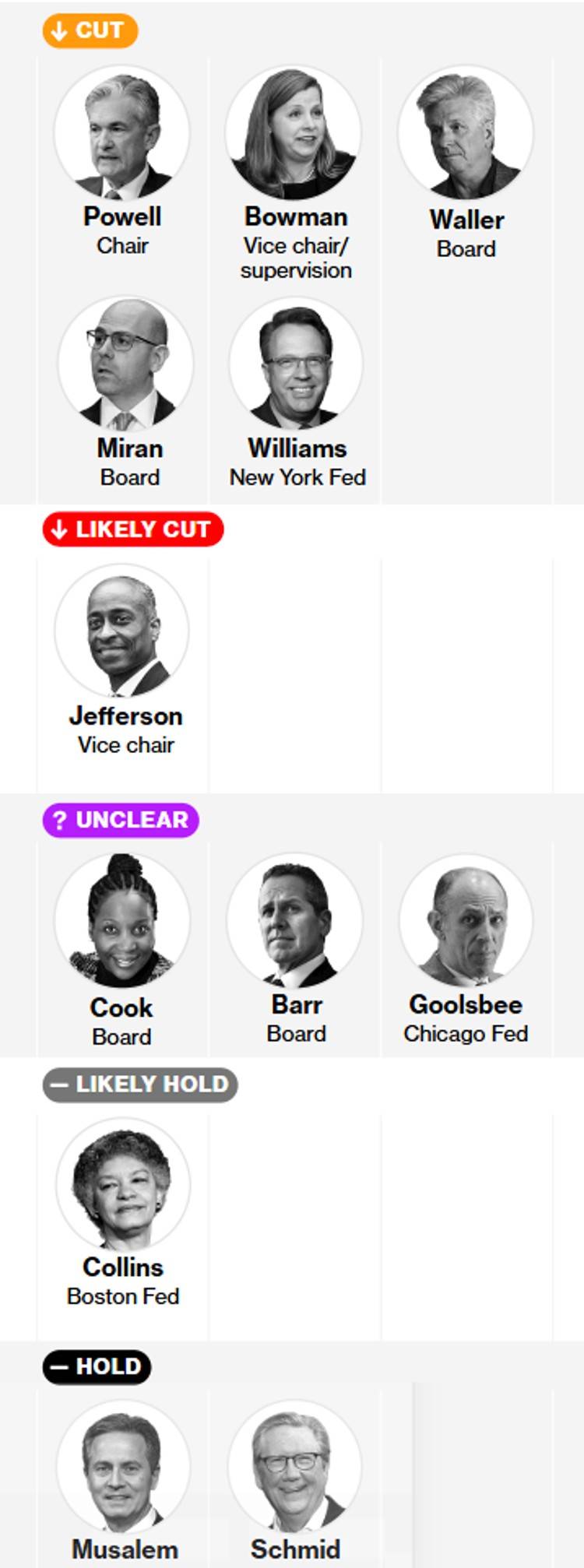
Group 1 - The upcoming Federal Reserve meeting is significant due to a record number of dissenting votes, indicating serious internal disagreements regarding the assessment of neutral interest rates [4] - The Shanghai Composite Index has increased by 19.6% since April 7, but only 40% of stocks have outperformed the index, highlighting a disconnect between index performance and individual stock returns [4] - The phenomenon of "making money on the index but not in reality" reflects a cognitive gap between ordinary investors and institutional investors [4][5] Group 2 - Market trends are influenced by various factors such as policies, earnings, and capital flows, but the true determinant of trends is the trading intentions of large institutional funds [6] - Ordinary investors often struggle to grasp the stock market because they are not privy to the true intentions behind surface-level information [6] - The analysis of trading behavior through quantitative data can reveal the underlying market dynamics, distinguishing between institutional and retail investor actions [10][13] Group 3 - The analysis of two stocks demonstrates typical market behavior where rapid increases are followed by quick adjustments, causing confusion among ordinary investors [9] - Quantitative data analysis can identify whether institutional funds are actively participating in market movements, which is crucial for understanding market trends [13][15] - The Federal Reserve's internal divisions and the A-share market's current state both emphasize the importance of recognizing the hidden truths behind market appearances [15]
鑫融讯:双融日报-20251209
Huaxin Securities· 2025-12-09 08:16
Core Insights - The report indicates that the current market sentiment is at a high level of 85, categorized as "overheated," suggesting a potential for market correction [5][8][20] - Key themes identified include non-ferrous metals, banking, and brokerage sectors, with specific stocks highlighted for investment opportunities [5][6] Non-Ferrous Metals - The non-ferrous metals theme is driven by expectations of increased demand due to potential US interest rate cuts and AI data center growth, leading to price increases for copper and aluminum [5] - Copper prices are supported by financial attributes, supply constraints, and resilient traditional demand, while aluminum faces tight balance due to peak domestic capacity and limited overseas growth [5] Banking Sector - Banking stocks are attractive due to their high dividend yields, with the China Securities Bank Index yielding 6.02%, significantly above the 10-year government bond yield [5] - In a slowing economy with increased market volatility, banks are seen as stable investment options for long-term funds [5] Brokerage Sector - Recent comments from the China Securities Regulatory Commission emphasize a focus on high-quality development in the brokerage industry, suggesting a shift from scale competition to quality and service [5] - The report highlights specific brokerage firms that may benefit from regulatory easing and a focus on differentiated operations [5] Market Sentiment and Strategy - The report notes that when market sentiment is above 70, it may indicate resistance, while levels below 30 could provide support [8][20] - Investors are advised to consider reducing positions in an overheated market to avoid potential losses from market corrections [20]
美联储降息预期升温,哪类资产将会领涨?
Sou Hu Cai Jing· 2025-12-09 02:32
Group 1 - The Federal Reserve's interest rate cut expectations have risen significantly, with the probability of a 25 basis point cut on December 10 reaching 89.2% from 32.8% on November 20 [2] - The U.S. consumer confidence index dropped sharply in November, falling to 88.7 from a revised 95.5 in October, marking the lowest level since April [2] - The unemployment rate increased to 4.4% in September, exceeding market expectations and reaching the highest level since October 2021 [3] Group 2 - The U.S. dollar index has declined approximately 1.3%, falling from 100.18 on November 21 to 98.85 on December 3 [5] - The Chinese yuan has strengthened significantly, reaching a 13-month high against the U.S. dollar, with the onshore and offshore yuan both surpassing the 7.07 mark [12][17] - The precious metals market is experiencing a historic bull market, with gold prices up nearly 60% year-to-date and silver futures up over 95% [23] Group 3 - U.S. stock indices have shown positive trends, with the Dow Jones up over 4.6%, the S&P 500 up over 4.7%, and the Nasdaq up over 6.2% since November 20 [27] - The 10-year U.S. Treasury yield has decreased, falling below the 4% mark, indicating a strong inverse relationship with bond prices [4][20] - Analysts suggest that the Federal Reserve's monetary policy will positively impact global risk asset valuations and liquidity, benefiting stocks, bonds, and commodities [4][20]

南财早新闻|事关2026年经济工作,中央政治局会议重磅定调
2 1 Shi Ji Jing Ji Bao Dao· 2025-12-08 23:29
(原标题:南财早新闻|事关2026年经济工作,中央政治局会议重磅定调) 1、12月8日,中共中央政治局召开会议,分析研究2026年经济工作。会议强调,明年经济工作要坚持稳中求进、提质增效,继续实施更加积极的 财政政策和适度宽松的货币政策,发挥存量政策和增量政策集成效应,加大逆周期和跨周期调节力度,切实提升宏观经济治理效能。详情>> 2、12月8日,《中共广东省委关于制定广东省国民经济和社会发展第十五个五年规划的建议》正式印发。规划建议系统总结了"十四五"时期广东 发展取得的重大成就,并对未来5年发展作出顶层设计和战略擘画。详情>> 1、中国信托业协会将于近期就《家族信托业务指引》征求意见。征求意见稿明确,单纯追求保值增值不属于家族信托。监管评级过低将暂停新增 家族信托业务,严禁低价内卷、商业诋毁等不正当竞争行为。 2、中船集团与中国远洋海运集团在上海完成了新造船项目的合作签约,金额超500亿元,这是我国船企签订的国内单次合作签约最高金额的订 单。 3、天孚通信:正在香港联交所发行H股上市事项。 2、海关总署:2025年前11个月,我国货物贸易进出口总值41.21万亿元人民币,同比增长3.6%。其中,出口24. ...

001233,拟10派20元
中国基金报· 2025-12-08 17:27
Core Viewpoint - Haian Group plans to distribute a cash dividend of 20.00 yuan (including tax) for every 10 shares to all shareholders, totaling approximately 372 million yuan (including tax) [2][5]. Group 1: Financial Performance - In the first three quarters of 2025, Haian Group achieved a net profit of 462 million yuan, with the proposed cash dividend amounting to about 80.5% of this net profit [5]. - The company's stock price was reported at 65.02 yuan per share as of December 8, significantly lower than its peak but still above the initial offering price of 48 yuan per share, resulting in a total market capitalization of 12.1 billion yuan [6]. Group 2: Business Overview - Haian Group specializes in the research, production, and sales of giant all-steel engineering radial tires and the management of mining tire operations, ranking fourth globally and first among Chinese enterprises in product output for 2022 [5]. Group 3: Dividend Announcements from Other Companies - Other companies, including Haocreat Ruitong, Ruixin Micro, and Guoxin Securities, also announced their dividend plans on December 8, with Haocreat Ruitong proposing a cash dividend of 5 yuan per 10 shares, totaling 55 million yuan [8]. - Ruixin Micro plans to distribute a cash dividend of 3.00 yuan per 10 shares, amounting to 126 million yuan, which represents 16.20% of its net profit for the first three quarters of 2025 [8][9]. - Guoxin Securities, after 11 years of listing, announced its first cash dividend of 1 yuan per 10 shares, totaling 1.024 billion yuan, which constitutes 11.21% of its net profit for the same period [10][11].

流动性充裕难掩情绪脆弱
Southwest Securities· 2025-12-08 13:14
1. Report Industry Investment Rating - Not provided in the document 2. Core Viewpoints of the Report - Last week, the traditional "stock-bond seesaw" effect failed again, with both the stock and bond markets rising and falling together. Long-term interest rates fluctuated sharply between the "reality of loose money" and the "frustration of strong expectations," and the oversold of ultra-long-duration assets reflected the crowding of market funds and the fragility of market sentiment [3][91]. - In the last four trading weeks of the year, the fact that the "sales new rules" have not fully "landed" remains the main market concern, but the approaching important meetings have restored the "loose money" expectation. The focus of market gaming may still be the emotional fluctuations caused by marginal policy changes [3][92]. - The report maintains the judgment of a recovery market in December but expects the downward space of interest rates to be relatively limited. It is recommended to adopt a left-side layout configuration rhythm, prioritize switching positions to medium - and short - term treasury bonds and policy financial bonds, and pay attention to trading opportunities of secondary perpetual bonds of the same term. As the meeting window approaches, gradually increase the offensive nature of the portfolio, control the overall duration center of the portfolio within the medium - to long - term range of 5 - 7 years, and avoid high - congestion assets [3][92][93]. 3. Summary According to the Directory 3.1 Important Matters - On December 5, 2025, the central bank will conduct a 1000 - billion - yuan 3 - month (91 - day) fixed - quantity, interest - rate - tendered, multi - price - winning bidder - selected买断式逆回购 operation. The net investment of the central bank in treasury bonds in November was 5 billion yuan, far lower than the market's relatively optimistic expectation of 100 billion yuan. On December 5, 2025, six major banks stopped selling 5 - year large - denomination certificate of deposit products [6][9]. 3.2 Money Market 3.2.1 Open Market Operations and Fund Interest Rate Trends - From December 1 to 5, 2025, the central bank's 7 - day reverse repurchase operation had a net investment of - 84.8 billion yuan. It is expected that the basic currency will have a maturity withdrawal of 66.38 billion yuan from December 8 to 12, 2025. At the beginning of the month, the fund market was generally loose, and DR001 fell below 1.3% for the first time this year [14][15]. 3.2.2 Certificate of Deposit Interest Rate Trends and Repurchase Transaction Situations - In the primary market, the issuance scale of inter - bank certificates of deposit last week was 495.91 billion yuan, a decrease of 63.54 billion yuan from the previous week. The net financing scale was 47.1 billion yuan, an increase of 289.69 billion yuan from the previous week. The issuance interest rates of inter - bank certificates of deposit generally increased last week. In the secondary market, the yields of inter - bank certificates of deposit generally increased last week [25][31][34]. 3.3 Bond Market - In the primary market, the supply scale of interest - rate bonds decreased last week, with an actual issuance of 430.717 billion yuan and a net financing of 128.844 billion yuan. As of December 5, 2025, the cumulative net financing scale of various treasury bonds in 2025 was about 6.23 trillion yuan, and that of various local bonds was about 7.11 trillion yuan, showing a significant increase compared with the average values from 2021 to 2024. As of last week, the issuance scale of special refinancing bonds in 2025 had reached 2.29 trillion yuan, mainly with long - term and ultra - long - term maturities [38][44][48]. - In the secondary market, at the beginning of the month, the short - term interest rates were stable, while the ultra - long - term interest rates continued to be affected by market noise and increased significantly. The yields of 1 - year, 3 - year, 5 - year, 7 - year, 10 - year, and 30 - year treasury bonds changed by - 0.01BP, - 1.46BP, 1.39BP, 0.17BP, 0.68BP, and 7.20BP respectively. The 10Y - 1Y treasury bond yield spread increased from 43.95BP to 44.64BP. The yields of the same - term CDB bonds also changed, and the 10Y - 1Y CDB bond yield spread increased from 34.94BP to 37.66BP. The implied tax rate of 10 - year CDB bonds increased slightly [51]. 3.4 Institutional Behavior Tracking - Last week, the leveraged trading scale was generally stable due to the relatively loose fund market. In the cash bond market, state - owned banks significantly increased their holdings of treasury bonds within 5 years and local bonds within 10 years; rural commercial banks mainly increased their holdings of 5 - 10 - year policy financial bonds and treasury bonds over 5 years; insurance companies continued to prefer local bonds over 10 years; securities firms and funds were the main sellers last week [68][73]. - In October 2025, the leverage ratio of all institutions in the inter - bank market was about 118.77%, an increase of about 0.06 percentage points from September. The leverage ratios of commercial banks, securities companies, and other institutions in the inter - bank market in October 2025 were about 110.31%, 191.29%, and 132.17% respectively [68]. 3.5 High - Frequency Data Tracking - Last week, the settlement price of rebar futures increased by 2.47% week - on - week, the settlement price of wire rod futures remained flat, the settlement price of cathode copper futures increased by 5.02% week - on - week, the cement price index decreased by 0.40% week - on - week, and the South China Glass Index decreased by 4.70% week - on - week. The CCFI index decreased by 0.62% week - on - week, and the BDI index increased by 9.92% week - on - week. In terms of food prices, the wholesale price of pork decreased by 0.84% week - on - week, and the wholesale price of vegetables increased by 3.31% week - on - week. The settlement prices of Brent crude oil futures and WTI crude oil futures increased by 0.09% and 1.91% respectively week - on - week. The central parity rate of the US dollar against the RMB was 7.07 last week [88]. 3.6 Market Outlook - The report maintains the judgment of a recovery market in December but expects the downward space of interest rates to be relatively limited. It is recommended to adopt a left - side layout configuration rhythm, prioritize switching positions to medium - and short - term treasury bonds and policy financial bonds, and pay attention to trading opportunities of secondary perpetual bonds of the same term. As the meeting window approaches, gradually increase the offensive nature of the portfolio, control the overall duration center of the portfolio within the medium - to long - term range of 5 - 7 years, and avoid high - congestion assets [3][92][93].
固定收益市场周观察:资金难收紧,债市难大涨
Orient Securities· 2025-12-08 13:12
固定收益 | 动态跟踪 资金难收紧,债市难大涨 固定收益市场周观察 研究结论 风险提示 政策变化超预期;货币政策变化超预期;经济基本面变化超预期;信用风险暴露超预 期;数据统计可能存在遗漏 | △ * = li | | --- | 报告发布日期 2025 年 12 月 08 日 | 齐晟 | 执业证书编号:S0860521120001 | | --- | --- | | | qisheng@orientsec.com.cn | | | 010-66210535 | | 杜林 | 执业证书编号:S0860522080004 | | | dulin@orientsec.com.cn | | | 010-66210535 | | 王静颖 | 执业证书编号:S0860523080003 | | | wangjingying@orientsec.com.cn | | | 021-63326320 | | 徐沛翔 | 执业证书编号:S0860525070003 | | | xupeixiang@orientsec.com.cn | | | 021-63326320 | | 债市难以复刻 2020 年末行情:固定收益市 | ...