
建材

Search documents
屯昌:精准布局推动产业补链延链
Hai Nan Ri Bao· 2026-01-04 01:24
Core Viewpoint - The article discusses the strategic industrial layout and development initiatives in TunCheng, focusing on the establishment of the "One Park, Three Areas, Two Centers" framework to enhance economic growth and attract investment [3][11]. Group 1: Industrial Development - The Yangchun Beer (Hainan) craft brewery project is nearing completion, with plans for a second phase to produce craft beer and whiskey using imported barley and specialty ingredients, leveraging the duty-free policies of Hainan Free Trade Port [2][4]. - The Fucheng Wood Processing Plant is processing imported Australian acacia wood for furniture production, while a modern integrated livestock slaughterhouse is set to begin operations [2]. - The Damo Mining Project, with an investment of over 3.4 billion, aims to produce 9.9 million tons of granite annually, contributing to the standardization of the construction materials market in Hainan [4]. Group 2: Resource Utilization - TunCheng is leveraging its rich forest resources, with a forest coverage rate of 73.11%, to develop a modern forestry industry cluster, attracting leading enterprises to establish operations [8][7]. - The local government is focusing on creating a comprehensive wood processing industry chain, from raw materials to high-end wood products, supported by favorable policies from the Hainan Free Trade Port [8][7]. Group 3: Trade and Economic Growth - TunCheng has seen significant growth in foreign trade, with a 130% increase in trade volume from 2024 to 2025, driven by the integration of state-owned and private enterprises [10]. - The county is encouraging both state-owned and private enterprises to expand their foreign trade operations, aiming to enhance competitiveness and market presence [10]. - The establishment of the Damo Industrial Park as a national-level demonstration zone is central to developing an outward-oriented economy and supporting enterprises in international markets [11].
2025年成都72家企业完成落后产能淘汰
Xin Lang Cai Jing· 2026-01-03 20:20
Core Viewpoint - Chengdu is actively promoting the elimination of outdated production capacity, with a target of completing the exit of 72 enterprises by 2025, covering various industries and regions [1][2] Group 1: Elimination of Outdated Capacity - By 2025, Chengdu will complete the elimination of outdated production capacity from 72 enterprises across nine districts and counties, including Jin Niu District, Pi Du District, and Da Yi County [1] - The industries affected include machinery manufacturing, casting, furniture, automotive parts, rubber, building materials, paper, biopharmaceuticals, and food and beverage [1] - The methods of exit include the elimination of process equipment and the closure of facilities [1] Group 2: Industrial Structure Adjustment - Chengdu is accelerating industrial structure adjustment by fostering advanced production capacity while eliminating outdated capacity [1] - The city aims to build a modern industrial system, consolidating its advantageous industries and nurturing emerging sectors [1] - Efforts are being made to enhance energy efficiency in key industries and encourage the upgrade of inefficient energy-consuming equipment [1] Group 3: Achievements During the 14th Five-Year Plan - During the 14th Five-Year Plan period, Chengdu has successfully facilitated the orderly exit of 163 enterprises with outdated capacity and cleaned up 16,000 "scattered, chaotic, and polluting" industrial enterprises [2] - These actions have significantly contributed to the improvement of the ecological environment and provided necessary resources and environmental capacity for the construction of a new industrialization system [2] - From January to November last year, the industrial added value of Chengdu's large-scale industries grew by 7.2% year-on-year, while the energy consumption per unit of industrial added value decreased by 7.2% during the same period [2]
枣庄马上红:一张蓝图绘到底!转型再启,快马奔新程
Xin Lang Cai Jing· 2026-01-02 01:37
Core Insights - Zaozhuang is committed to a "transformation and revitalization" strategy, aiming for comprehensive development and modernization by 2035 [1][9] Economic Performance - During the "14th Five-Year Plan" period, Zaozhuang's economic indicators showed significant improvement, with 14 out of 16 key metrics ranking in the top 10 of Shandong Province [2] - The GDP grew by 5.7% year-on-year, maintaining a performance above the provincial average for 15 consecutive quarters [2] - Public budget revenue increased by 4.5%, the highest growth rate in the province [2] Industrial Transformation - Zaozhuang is transitioning from a coal-dependent economy to a green and low-carbon model, focusing on becoming a "new energy manufacturing base" and a "cultural tourism city" [2] - The city has optimized its industrial strategy from "strong industry and prosperous production" to "strong industry and transformation," enhancing traditional sectors like chemicals and building materials while developing new industries such as lithium batteries and low-altitude economy [2][11] New Energy Sector Development - The 2025 New Energy Battery Industry Development Conference highlighted Zaozhuang's growing battery industry, with a complete supply chain from lithium mining to battery recycling [4] - By the end of 2024, Zaozhuang is expected to have 278 new energy-related enterprises, including 128 lithium battery companies with significant production capacities [4] Investment and Growth - Major projects like Li Auto and Zhongchuang Innovation have been established in Zaozhuang, bringing nearly 10 billion yuan in investments and enhancing the local industrial chain [5] - The city aims to establish a modern industrial system with a focus on advanced manufacturing, including four key industries: new energy, chemical new materials, high-end equipment, and modern light industry [9][11] Future Outlook - The "15th Five-Year Plan" marks a critical period for Zaozhuang's transformation, with a focus on green and low-carbon development [9][13] - The city plans to enhance its urban layout and infrastructure to support industrial growth and improve the business environment [11]


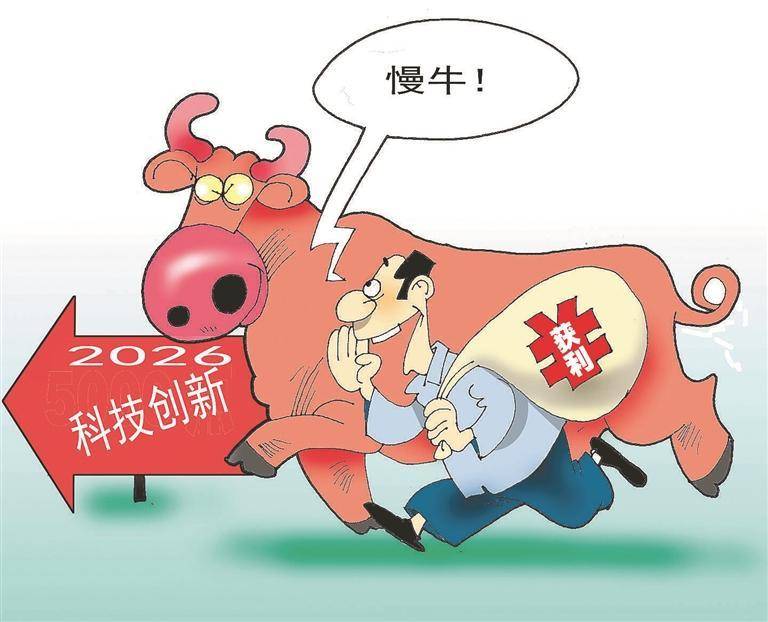
“慢牛”领跑!估值驱动转向盈利驱动
Sou Hu Cai Jing· 2026-01-01 23:12
Group 1 - The A-share market is expected to shift from valuation-driven to profit-driven, exhibiting a "slow bull" characteristic in 2026 [2][3] - Investors are advised to focus on four major directions: technology innovation, advanced manufacturing, upstream cycles, and domestic consumption [2][8] - Technology investment difficulty in 2026 will be greater than in 2025, requiring precise grasp of industry rhythms and deep stock selection for excess returns [11] Group 2 - The macroeconomic policy is expected to support resilient growth and structural upgrades, with a GDP growth target of around 5% for 2026 [5][6] - Manufacturing investment is anticipated to receive support from strong export resilience and continued policy backing for advanced manufacturing [5][6] - The focus on expanding domestic demand is crucial for stabilizing growth, with measures including increased consumption subsidies and support for service industries [5][6] Group 3 - A-share earnings are expected to enter a new phase of slow recovery in 2026, driven by technology manufacturing, inventory replenishment, and profit margin recovery [7][9] - The investment strategy should focus on cyclical recovery and technological self-reliance, with an emphasis on sectors like non-ferrous metals, machinery, and social services [7][8] Group 4 - The market is likely to see a convergence of technology and value styles, with structural opportunities emerging in value sectors as the economy stabilizes [12] - The focus on "outbound + technology" is expected to dominate market trends, particularly in the AI industry chain and resource sectors [13] Group 5 - The overall market is anticipated to be balanced between growth and value, with significant opportunities in both large-cap and small-cap stocks [14][16] - The recovery in earnings and return on equity (ROE) levels is expected to support stock market performance, with long-term funds increasingly entering the market [16]
周期专场-2026年度策略会
2025-12-31 16:02
Summary of Key Points from Conference Call Records Industry Overview - **Metal Industry**: The metal industry is experiencing enhanced allocation attributes due to global mining supply growth being lower than metal output growth, alongside low inventory levels of non-ferrous metals. Demand is supported by green energy infrastructure, computing power infrastructure, and fiscal stimulus, leading to an upward resonance of industrial and liquidity cycles, optimizing industry prosperity [1][2]. Core Insights and Arguments - **Market Performance**: In 2025, there is a significant increase in capital market enthusiasm for cyclical industries, particularly in the second half of the year, driven by rising cyclical commodity prices and anti-involution logic. The metal industry is expected to strengthen its allocation attributes under a weak supply cycle [2]. - **Gold Market**: The global gold PEI index rose by 24% in the first ten months of 2025, indicating a scarcity of effective gold projects and limited new gold supply, with production costs rising, confirming the obstructed supply situation [3][8]. - **Geopolitical Risks**: The global financial market faces geopolitical risks and economic policy uncertainties, leading to high volatility. This environment increases the premium on safe-haven assets like gold, with a 91% probability of positive returns during high volatility periods [4]. - **Mining Exploration Investment**: Global mining exploration investment is declining, with a projected 3% decrease in 2025. The share of greenfield exploration projects is at a historical low, reflecting reduced capital risk appetite [5]. - **Investment in Battery Metals**: Investment in battery metals surged by 42% from 2023 to 2024 but is expected to decline in 2025 due to changing price expectations. Traditional precious metals like gold and copper are regaining attention [6]. Supply and Demand Dynamics - **China's Non-Ferrous Metal Production**: China's non-ferrous metal production growth has slowed to 2.6% by October 2025, leading to continued low copper smelting fees and exacerbating supply tightness due to reduced upstream capital expenditures [7]. - **Global Copper Industry**: The global copper mining industry faces challenges, with a 2% investment growth in 2024, but a 9% decline in greenfield projects. The discovery of new copper mines has significantly decreased since 2010 [10]. - **Cost Trends**: The average cash production cost for copper is projected to rise by 24% from 2021-2024 levels by 2030-2035, indicating structural and cyclical cost increases [11][12]. Inventory and Market Conditions - **Global Inventory Levels**: As of November 2025, global non-ferrous metal inventories are at a 35-year low, with a 13% year-on-year decline. This reflects supply chain vulnerabilities and limited smelting capacity utilization [13]. - **China's Demand Recovery**: In 2025, China's market demand shows signs of recovery, driven by government subsidies and the expansion of the new energy industry chain [14]. Future Outlook - **Liquidity Policies**: The shift from a tightening to a loosening monetary policy globally is expected to boost commodity price elasticity and enhance industry prosperity and valuation levels [15][16]. - **Investment Recommendations**: Focus on sectors with improving supply-demand dynamics, leading companies with capital expenditures and R&D driving long-term growth, and new material fields benefiting from increased demand and domestic substitution [36]. This summary encapsulates the key insights and projections regarding the metal industry and related sectors, highlighting the interplay of supply, demand, and macroeconomic factors influencing investment strategies.
2025年涨价主线全景扫描
Shang Hai Zheng Quan Bao· 2025-12-31 08:24
Group 1 - The core theme for 2025 is the price increase narrative driven by structural price hikes in various industries due to supply-demand reconfiguration, industrial upgrades, and policy guidance [1] - The lithium battery industry is experiencing a significant price surge, with lithium hexafluorophosphate prices skyrocketing from under 50,000 yuan/ton to 170,000 yuan/ton within a few months, indicating a strong demand driven by energy storage needs [2] - The storage chip market is entering a super cycle, with DRAM prices rising sharply due to tight supply and increased demand from AI applications, leading to a projected revenue peak of 216.3 billion USD in Q3 2025 [3] Group 2 - The non-ferrous metals sector is witnessing a remarkable performance, with the sector index rising over 85% year-to-date, driven by strong demand across various metal categories, including precious and industrial metals [4] - The outlook for 2026 suggests that most metal varieties will maintain a tight supply-demand balance, with prices expected to continue rising, particularly for copper and aluminum due to robust downstream demand [5] - Multiple industries are adopting "anti-involution" strategies to reshape market dynamics, with firms engaging in price stabilization efforts through coordinated production cuts and price adjustments [6] Group 3 - The refrigerant industry is experiencing a positive trend, with companies raising prices due to seasonal demand recovery and low inventory levels, indicating a bullish outlook for Q1 2026 [7] - The coal and building materials sectors are also following the "anti-involution" theme, with coal prices rebounding due to production restrictions and increased demand from extreme weather conditions [8] - The consensus among various institutions is that the price increase chain driven by supply-demand improvements will continue, presenting structural investment opportunities across multiple sectors [8]

工业实力大幅跨越 产业能级显著提升
Guang Xi Ri Bao· 2025-12-31 02:19
Group 1 - The core viewpoint of the news is that Guangxi has made significant progress in its industrial economy since the implementation of the "14th Five-Year Plan," establishing itself as a key driver for high-quality economic development [1][2][3] - The total industrial output value is expected to reach 2.7 trillion yuan this year, with a growth of 900 billion yuan over five years, and the industrial added value is projected to exceed 800 billion yuan, representing an increase of over 50% compared to 2020 [1] - The proportion of industrial added value in GDP has surpassed 27%, an increase of nearly 4 percentage points over five years, while industrial tax revenue has risen to 44.4%, up 11 percentage points in the same period [1] Group 2 - The industrial structure has been optimized, with ten pillar industries now established, including non-ferrous metals, steel, and food, with the non-ferrous metals industry expected to exceed 450 billion yuan this year [2] - Emerging industries are growing rapidly, with strategic emerging industries accounting for 23% of the industrial added value, an increase of 7 percentage points over five years, and new product output contributing over 50% to industrial growth [2] - The pace of digital and green transformation has accelerated, with over 5,000 enterprises implementing digital upgrades and 105 national-level green factories established in the past five years [2] Group 3 - The number of large-scale industrial enterprises has increased from 6,500 at the end of 2020 to nearly 11,000, ranking second in the western region and 13th nationwide [3] - The total number of industrial enterprises has grown from 73,000 at the end of 2020 to 120,000, with an average annual increase of about 10,000 [3] - Guangxi aims to focus on ten modern pillar industries during the "15th Five-Year Plan," including non-ferrous metals, advanced steel materials, and artificial intelligence, to build a modern industrial system that reflects its unique characteristics and advantages [3]
国泰海通晨报-20251231
国泰海通· 2025-12-31 01:20
Group 1: Computer Research - The report highlights that the company, Electric Science Digital, has established industry-leading capabilities in the digital product business segment, covering intelligent computing hardware and software, and is positioned at the forefront of the digitalization field and new digital infrastructure [2][4] - The core subsidiary, Baifei Electronics, is a leader in domestic embedded computing, benefiting from the rising demand in the special electronic equipment sector, with a rapid increase in orders [4][5] - The future growth potential is significant, driven by AI and the "Xinchuang" initiative, with new orders related to AI exceeding one hundred [4][5] Group 2: Non-Metallic Building Materials Research - The waterproofing industry is noted as the most thoroughly cleared sub-sector within consumer building materials, with leading companies expected to continue implementing price recovery strategies in 2026, indicating a potential recovery in industry profitability [6][8] - The report estimates that the market share of the top four companies in the waterproofing sector will approach 50% by 2024, suggesting a significant increase in industry concentration [8][9] - The report anticipates that the trend of price recovery will become more evident in 2026, supported by low asphalt prices at the beginning of the year [9][10] Group 3: Transportation Research - The report forecasts that the Chinese civil aviation sector will continue to recover in supply and demand in 2025, with expectations of the industry turning profitable [11][29] - Passenger traffic is projected to grow by 5-6% in 2025, with domestic routes increasing by 4% and international routes by over 20% [11][29] - The report indicates that the industry is entering a low growth phase in supply, with a projected 3.7% increase in the fleet size of seven A-share airlines by November 2025 [11][29]


银河证券:2026年港股总体有望震荡上行
Di Yi Cai Jing· 2025-12-31 00:17
Group 1 - The core viewpoint is that under the backdrop of loose monetary policies both domestically and internationally, foreign capital and southbound funds are expected to continue their net inflow trend, leading to a substantial improvement in the profitability of Hong Kong-listed companies, with the market anticipated to experience both profit and valuation increases by 2026 [1] Group 2 - In terms of investment themes, the focus should be on technology innovation, as the goal of significantly enhancing self-reliance in technology during the 14th Five-Year Plan period will drive investment in this area. The Hang Seng Technology Index has considerable room for valuation recovery, and leading companies are expected to show high growth characteristics [1] - The cyclical industries are also highlighted, where the deepening supply-side reform policies are expected to optimize the supply-demand dynamics in sectors such as steel, building materials, electrical equipment, and paper, leading to steady improvements in capacity utilization and gross margins [1] - The consumption theme is emphasized under the strategy of expanding domestic demand, with expected growth in performance and valuations at historically low levels, particularly in sectors like service consumption, "trade-in" programs, and new consumption [1] - Overall, the investment strategy for Hong Kong stocks in 2026 should focus on the flow of funds ("water") and the quality of performance ("quality"), with a high sensitivity to global liquidity, domestic policy implementation, and corporate profit recovery [1]

上证指数明天能否站上4000点?2026“慢牛”有望延续?|前瞻2026
清华金融评论· 2025-12-30 10:42
Core Viewpoint - The article emphasizes that if the Shanghai Composite Index can close above 4000 points by the end of 2025, it will instill strong confidence in the market, encouraging more incremental capital to enter in the future. The market is expected to continue a slow bull trend in 2026, with a focus on technology growth, cyclical stocks, and resource stocks [2][3]. Economic Dimension - The economic landscape is characterized by accelerated structural transformation and the rise of new productive forces. Manufacturing PMI is stabilizing, and retail consumption is recovering. High-end manufacturing sectors like smart devices and new energy vehicles are growing significantly faster than the overall economy, becoming key drivers of new productive forces [5]. Financial Dimension - Valuations are aligning with performance, showing significant horizontal space. Non-financial sectors' net profit grew by 1.04% year-on-year in the first half of 2025, with technology sectors like AI (up 19.24%) and semiconductors (up 32.41%) showing remarkable profitability. A-shares are undervalued compared to U.S. stocks, with financial and infrastructure sectors still having safety margins [5]. Policy Dimension - The policy environment is focused on stabilizing expectations and increasing incremental capital. Reforms in the capital market, such as raising the equity investment cap for insurance funds to 50%, and optimizing delisting and dividend mechanisms, are enhancing investment functionality. The "15th Five-Year Plan" emphasizes support for new industries like AI and commercial aerospace [5]. Capital Dimension - Continuous inflow of capital is observed, with insurance funds increasing their equity investments to over 4.7 trillion yuan, adding more than 600 billion yuan in 2025. There is ample room for growth, as evidenced by a reduction of 1.11 trillion yuan in household deposits and a 2.14 trillion yuan increase in non-bank deposits, with funds entering the market through ETFs and mutual funds [6]. Industry Dimension - The dual focus on technology and cyclical sectors is evident. In technology growth, there is a surge in demand for AI computing power, storage, and commercial aerospace driven by policy support. In cyclical sectors, the supply-demand gap for industrial metals like copper and aluminum is widening, with expectations of a 150,000-ton shortfall in refined copper in 2026 [6]. Company Dimension - Overall profitability is improving, showcasing resilience. Leading companies in innovation-driven sectors, such as CATL, are achieving high capacity utilization rates close to 90%, with technological breakthroughs driving down costs [7]. Outlook for 2026 - Multiple brokerages express optimism for the A-share market in 2026, predicting a continuation of the slow bull market. The core driving logic is expected to shift from valuation recovery to profit support, with anticipated earnings growth of 5% to 12% [9][10]. The recovery of PPI is seen as a key factor that will drive nominal GDP growth and improve overall profitability in the market [11]. Key Investment Themes - Key investment themes include technology growth led by AI and hard technology, with a focus on areas like optical modules and computing chips. The cyclical and resource sectors are also expected to benefit from improved supply-demand dynamics, with industrial metals and energy sectors showing potential for cash flow improvement and high dividend yields [12].
