贵金属

Search documents
宏观金融数据日报-20260206
Guo Mao Qi Huo· 2026-02-06 03:07
Report Summary 1. Report Industry Investment Rating - Not provided in the given content 2. Core View - Short - term, after a volume - shrinking rebound, the stock index is expected to consolidate through fluctuations to accumulate strength for further upward movement. In the long run, in a low - interest - rate and "asset shortage" context, with abundant domestic market funds and the economy in the bottom - building process, the medium - to - long - term upward trend of the stock index is not expected to end, and the stock index pullback may be an opportunity to enter long positions [6] 3. Summary by Relevant Categories 3.1 Macro Financial Data - **Interest Rates**: DR001 closed at 1.32 with a 0.12bp increase, DR007 at 1.48 with a 0.94bp decrease, GC001 at 1.42 with a 5.50bp decrease, GC007 at 1.57 with no change, SHBOR 3M at 1.58 with a 0.41bp decrease, LPR 5 - year at 3.50 with no change, 1 - year treasury at 1.23 with no change, 5 - year treasury at 1.50 with a 0.75bp decrease, 10 - year treasury at 1.81 with a 0.45bp decrease, and 10 - year US Treasury at 4.29 with a 1.00bp increase [3] - **Central Bank Operations**: The central bank conducted 1185 billion yuan of 7 - day reverse repurchase operations at an operating rate of 1.40% and 3000 billion yuan of 14 - day reverse repurchase operations. With 3540 billion yuan of reverse repurchase maturing, the net injection was 645 billion yuan. This week, 17615 billion yuan of reverse repurchase will mature, and 7000 billion yuan of 91 - day repurchase will mature on Wednesday [3][4] 3.2 Stock Index Futures - **Stock Index Performance**: The CSI 300 closed at 4670, down 0.6%; the SSE 50 at 3059, down 0.33%; the CSI 500 at 8299, up 0.15%; and the CSI 1000 at 8068, down 1.69%. The trading volume of the Shanghai, Shenzhen, and Beijing stock exchanges was 21945 billion yuan, a decrease of 3090 billion yuan from the previous day. Industry sectors had more decliners than gainers [5] - **Futures Contracts**: IF当月 closed at 4672, down 0.6%; IH当月 at 3064, down 0.3%; IC当月 at 8145, down 1.8%; IM当月 at 8078, down 1.8%. The trading volumes of IF, IH, IC, and IM increased by 4.5%, 3.1%, 9.7%, and 1.9% respectively, while the trading volumes of IF, IH, and IC increased by 1.2%, 2.0%, 2.5%, and the trading volume of IM decreased by 0.7% [5] - **Premium and Discount**: IF had a premium of - 0.62% for the current - month contract, 0.95% for the next - month contract, 2.01% for the current - quarter contract, and 2.96% for the next - quarter contract; IH had a premium of - 3.65% for the current - month contract, - 0.66% for the next - month contract, 0.21% for the current - quarter contract, and 1.64% for the next - quarter contract; IC had a premium of 0.33% for the current - month contract, 2.70% for the next - month contract, 4.48% for the current - quarter contract, and 4.90% for the next - quarter contract; IM had a premium of - 2.93% for the current - month contract, 2.97% for the next - month contract, 6.34% for the current - quarter contract, and 7.00% for the next - quarter contract [7]
A股三大指数探底回升,贵金属板块反弹
第一财经· 2026-02-06 02:58
Market Performance - On February 6, the three major indices rebounded after hitting a low, with the ChiNext Index turning positive after a nearly 2% drop, while the Shanghai Composite Index rose by 0.04% and the Shenzhen Component Index increased by 0.18% [1] Precious Metals Sector - The precious metals sector saw a recovery, with Hunan Gold rising over 9%, previously hitting the daily limit, marking a performance of 7 gains in 10 days; Nanmin Group and Chaohongji also reached the daily limit, while other companies like Cuihua Jewelry, Xiaocheng Technology, and others followed suit with gains [1] Stock Performance - Notable stock performances included: - Nanmin Group: +10.00%, current price 25.52, net inflow of 54.93 million [2] - Chaohongji: +9.98%, current price 13.56, net inflow of 78.82 million [2] - Hunan Gold: +9.26%, current price 35.74, net inflow of 548 million [2] - Cuihua Jewelry: +5.81%, current price 11.47, net inflow of 3.07 million [2] - Xiaocheng Technology: +5.32%, current price 61.93, net outflow of 40.68 million [2] Commodity Prices - Spot gold and silver experienced a "V-shaped" rebound, with spot silver rising over 3% to $73.25 per ounce, and spot gold increasing by 1.2% to $4,836.52 per ounce [2]



国投期货综合晨报-20260206
Guo Tou Qi Huo· 2026-02-06 02:38
Group 1: Energy and Metals Crude Oil - Night session oil prices gave back previous gains. Geopolitical news has a phased and intermittent impact on oil prices. Global oil market inventory accumulation pressure remains significant, and oil price volatility is expected to continue [1]. Precious Metals - Overnight, precious metals continued to decline. CME raised margin requirements for gold and silver futures. Short - term precious metals are in a volatile stage, and it is advisable to wait for volatility to decline [2]. Copper - Overnight, Shanghai copper's open interest dropped below 600,000 lots. The market is volatile in the short - term. The market focuses on potential reserves and supply - demand changes around the Spring Festival. It is more concerned about inter - period reverse arbitrage and waiting to go long at low prices [3]. Aluminum - Overnight, Shanghai aluminum rebounded slightly. Short - term macro sentiment is unstable, and the fundamentals are weak. There is still adjustment pressure around the Spring Festival [4]. Cast Aluminum Alloy - Cast aluminum alloy follows the fluctuations of Shanghai aluminum, with low market activity. It has difficulty rising with aluminum prices and its seasonal spread with Shanghai aluminum will be weaker than in previous years [5]. Alumina - Domestic alumina operating capacity has slightly decreased, but long - term large - scale production cuts have not occurred. The alumina market remains in surplus [6]. Zinc - Before the Spring Festival, Shanghai zinc's fluctuations have increased. The downstream purchasing sentiment is weak. In the short - term, zinc prices lack the momentum to rebound, but attention should be paid to potential rebounds after volatility declines [7]. Lead - The domestic lead market has weak supply and demand. Consumption support for prices is insufficient in the short - term. Cost support is relatively strong, and the market is in a state of divergence. It is advisable to wait and see before the Spring Festival [8]. Nickel and Stainless Steel - Shanghai nickel declined, and market trading was active. Stainless steel downstream buyers are cautious. The market sentiment is panicked, and caution is recommended [9]. Tin - Overnight, tin prices fluctuated. Wait for the changes in social inventory after the decline in tin prices this week. It is advisable to hold a small number of short positions or wait and see [10]. Lithium Carbonate - Lithium carbonate hit the daily limit down during the session. The market participation is affected by exchange policies. The futures price is in high - level oscillation, with high short - term uncertainty [11]. Industrial Silicon - Industrial silicon was dragged down by the precious metal market sentiment. In February, production is expected to decline significantly. The downstream demand is weak. The market may rebound after a sharp decline and will generally maintain an oscillating trend [12]. Polysilicon - The polysilicon market sentiment was affected by the decline in precious metals. In February, production is expected to decline. The market may go through inventory reduction. After an emotional correction, the market will maintain an oscillating trend [13]. Rebar and Hot - Rolled Coil - Night session steel prices oscillated weakly. Rebar demand and production declined, and inventory continued to accumulate. Hot - rolled coil demand decreased, and inventory slightly increased. The market atmosphere is pessimistic, and the price is under short - term pressure [14]. Iron Ore - The iron ore market oscillated overnight. Supply is seasonally low, and demand is weak in the off - season. The overall supply - demand is relatively loose, and the short - term trend will be mainly oscillating [15]. Coke - The coke price oscillated downward during the day. Coking profit is average, and inventory slightly increased. The price will probably oscillate within a range [16]. Coking Coal - The coking coal price oscillated downward during the day. The total inventory has increased significantly. The price is difficult to decline significantly and will mainly oscillate within a range [17]. Ferromanganese Silicon - The price oscillated during the day. The supply is in surplus, and the price is affected by the "anti - involution" policy [18]. Ferrosilicon - The price oscillated during the day. The demand has some resilience, and the supply has little change. The price is affected by the "anti - involution" policy [19]. Group 2: Shipping and Related Products Container Freight Index (European Line) - Shipping companies are raising post - holiday quotes, but the actual implementation may be limited. The market is in a quiet period before the Spring Festival, and the freight rate is generally stable [20]. Fuel Oil and Low - Sulfur Fuel Oil - High - sulfur fuel oil is supported by geopolitical factors and tight supply - demand in the spot market. Low - sulfur fuel oil is under pressure due to supply increases and weakening demand [21]. Asphalt - Shandong and southern refineries have reduced production. Consumption has improved year - on - year. The price will continue to be strong, and the cracking spread is expected to rise [22]. Group 3: Chemical Products Urea - The spot price of urea has increased slightly. Production is rising, and demand is mainly for reserve. The market will oscillate within a range [23]. Methanol - Overseas methanol plant operation has declined, and domestic production has increased. The coastal demand is weak, and the short - term fundamentals are still weak [24]. Pure Benzene - Geopolitical risks have decreased, and the price has fallen. Domestic production has increased slightly, and imports are still high. The downstream demand is expected to improve, but the fundamentals may weaken as supply increases [25]. Styrene - Domestic production has increased. The price is affected by crude oil price fluctuations and will oscillate widely [26]. Polypropylene, Plastic, and Propylene - The supply of the two - olefin market has no obvious pressure. The downstream demand is weak, and the market will oscillate [27]. PVC and Caustic Soda - PVC is expected to oscillate strongly due to cost support and export demand. Caustic soda is running weakly, and its price is determined by the price of liquid chlorine [28]. PX and PTA - PX and PTA are oscillating at a low level. There is a risk of inventory accumulation around the Spring Festival. Consider long - position opportunities in the second quarter based on PX maintenance and polyester load - increasing expectations [29]. Ethylene Glycol - The inventory is increasing, and the short - term trend is oscillating. The supply - demand may improve in the second quarter, but the long - term is still under pressure [30]. Short - Fiber and Bottle Chip - Short - fiber has a good supply - demand pattern, but downstream orders are weak. Bottle - chip processing margin has improved, but there is long - term capacity pressure. Both follow raw material price fluctuations [31]. Group 4: Building Materials Glass - Glass prices are weakening. There is pressure for inventory accumulation during the Spring Festival. The price will oscillate widely due to the game between low valuation and weak reality [32]. 20 - Number Rubber, Natural Rubber, and Butadiene Rubber - The international crude oil price has fallen, and the natural rubber supply is in the reduction period. The demand is average, and the market sentiment is weak. It is advisable to wait and see [33]. Soda Ash - Soda ash is running weakly. Inventory is rising, and the market is under supply - demand pressure. Consider short - selling on rebounds [34]. Group 5: Agricultural Products Soybean and Soybean Meal - After the Sino - US leaders' communication, the US soybean futures rose, but the domestic market followed weakly. The short - term trend of domestic soybean meal will be bottom - oscillating [35]. Soybean Oil and Palm Oil - CBOT soybeans are strong. The US soybean oil is expected to oscillate strongly. Pay attention to the impact of macro factors in 2026 [36]. Rapeseed and Rapeseed Oil - The import of oilseeds is expected to improve. The rapeseed market will oscillate in the short - term [37]. Soybean No. 1 - Soybean No. 1 oscillates. The policy is promoting domestic soybean production. Pay attention to policy and market sentiment [38]. Corn - The spot price of corn in the northeast and northern ports is slightly stronger. The futures price will oscillate weakly in the short - term [39]. Live Pig - The live pig futures are declining. The short - term supply pressure is large, and the long - term price may have a low point in the first half of next year [40]. Egg - The egg futures have fallen significantly. The egg price may rise in the first half of 2026. Consider long - position strategies after the Spring Festival [41]. Cotton - Zhengzhou cotton is slightly declining. The short - term trend will be oscillating. Pay attention to import changes [42]. Sugar - International sugar production varies by country. Domestic sugar production in Guangxi is slow, but there is an expectation of an increase in the 25/26 season. The short - term price is under pressure [43]. Apple - The apple futures price oscillates. The market focuses on demand. The poor quality and high price may affect inventory reduction [44]. Wood - The wood futures price is at a low level. Low inventory supports the price. It is advisable to wait and see [45]. Pulp - The pulp futures price has fallen. The port inventory is accumulating. The short - term fundamentals are weak, and the price will oscillate. Wait and see and pay attention to support levels [46]. Group 6: Financial Products Stock Index - A - shares adjusted with reduced volume, and stock index futures fell. The short - term risk assets will probably oscillate at a high level, and it is better to focus on performance - certain sectors [47]. Treasury Bond - On February 5, 2026, TL2603 led the rise. Other varieties are strong under the influence of loose funds and central bank bond - buying [48].
黄金:资产再配置,金价走向何方?
HTSC· 2026-02-06 02:30
Investment Rating - The industry rating for precious metals is "Overweight" (Maintain) [7] Core Insights - The report highlights that the long-term increase in gold holdings by central banks is driven by concerns over the creditworthiness of dollar assets, the need for stable exchange rates in extreme scenarios, and geopolitical risks. It is projected that central banks will continue to increase their gold reserves, stabilizing at around 800 tons per year from 2026 to 2030 [2] - The report anticipates that the average gold price could rise to between $5,400 and $6,800 per ounce from 2026 to 2028, driven by a potential increase in the investment allocation of gold in global financial assets [6] Summary by Sections Section 1: Gold Price Projections - The average gold price is expected to reach $6,800 per ounce by 2028, with projections for 2026 and 2027 being $5,463 and $6,059 per ounce respectively. This is based on historical distribution of gold allocation and structural shifts due to de-dollarization and geopolitical factors [6][12] Section 2: Central Bank Demand - Central banks are expected to maintain a long-term increase in gold holdings, with the proportion of gold in reserves projected to rise to 21.4% by mid-2025. If this proportion reaches the historical median of 34% by 2035, the demand for gold could continue to grow [2] Section 3: Non-Investment Demand - Non-investment demand for gold, primarily from jewelry and industrial uses, is expected to stabilize. Jewelry demand is projected to average around 1,951 tons per year, while industrial demand is expected to remain steady at approximately 332 tons per year [3] Section 4: Investment Demand - The report estimates that the stock of gold allocated for personal and institutional investment will gradually increase, with projections for 2026, 2027, and 2028 being 85,713 tons, 86,642 tons, and 87,953 tons respectively [4] Section 5: Financial Asset Allocation - There is still room for increased allocation of gold in global financial assets, with the expected market value of investable gold reaching approximately $15.1 trillion, $16.9 trillion, and $19.3 trillion in 2026, 2027, and 2028 respectively [5][16]
金银开盘延续下跌,商品黄金相关ETF跌超3%
Sou Hu Cai Jing· 2026-02-06 02:17
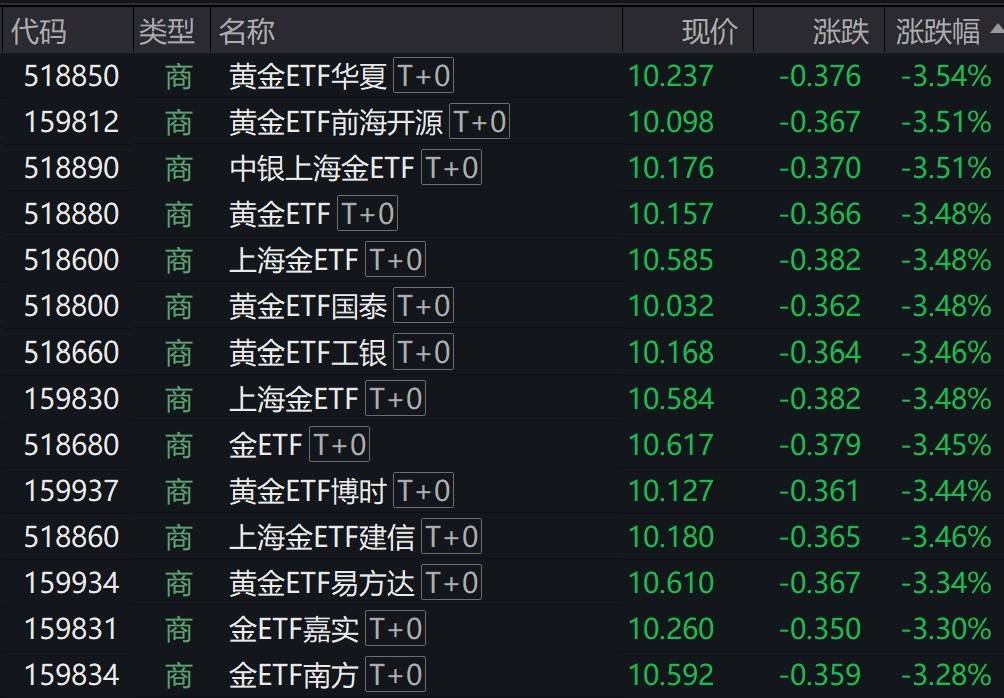
每日经济新闻 | 代码 | 类型 名称 | | 现价 | 涨跌 | 涨跌幅 | | --- | --- | --- | --- | --- | --- | | 518850 | 座 | 黄金ETF华夏 T+0 | 10.237 | -0.376 | -3.54% | | 159812 | 商 | 黄金ETF前海开源 T+0 | 10.098 | -0.367 | -3.51% | | 518890 | 商 | 中银上海金ETF T+0 | 10.176 | -0.370 | -3.51% | | 518880 | 商 | 黄金ETF T+0 | 10.157 | -0.366 | -3.48% | | 518600 | 商 | 上海金ETF T+0 | 10.585 | -0.382 | -3.48% | | 518800 | 商 | 黄金ETF国泰 T+O | 10.032 | -0.362 | -3.48% | | 218660 | 商 | 黄金ETF工银 T+0 | 10.168 | -0.364 | -3.46% | | 159830 | 阳 | 上海金ETF T+0 | 10.584 | -0.38 ...
开盘:三大指数大幅低开 贵金属板块跌幅居前
Xin Lang Cai Jing· 2026-02-06 02:10
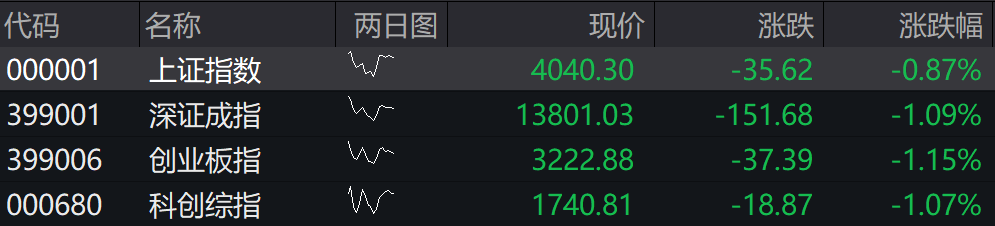
Market Overview - The three major indices opened lower, with the Shanghai Composite Index down 0.87% at 4040.30, the Shenzhen Component down 1.09% at 13801.03, and the ChiNext Index down 1.15% at 3222.88 [1] Industry Developments - The Ministry of Industry and Information Technology, along with eight other departments, issued the "Implementation Plan for High-Quality Development of Traditional Chinese Medicine Industry (2026-2030)", aiming to promote the approval of innovative Chinese medicine drugs and cultivate ten major traditional Chinese medicine products [2] - Eleven departments jointly released opinions to enhance the digital service convenience for inbound personnel, targeting significant improvements in internationalization and efficiency by 2027 [2] Company News - Infineon announced a price increase for certain products effective April 1, 2026 [3] - BASF raised TDI product prices by 11% in the Asia-Pacific region, excluding mainland China [4] - HP, Dell, Acer, and Asus are considering sourcing memory chips from chip manufacturers in mainland China for the first time [5] - Bitcoin experienced a significant drop, falling to around $62,000, losing over half its value from a four-month high due to increased market volatility [6] - Jinfu Technology announced plans to acquire 51% stakes in Zhuohui Metal and Lianyi Thermal Energy for 714 million yuan, while Guoxuan High-Tech plans to raise no more than 5 billion yuan through a private placement [11] - The actual controller of Beiliang Technology is under investigation by the Securities Regulatory Commission for alleged market manipulation [13] Commodity Market - COMEX gold futures fell by 3.08% to $4,798.1 per ounce, while COMEX silver futures dropped by 16.64% to $70.35 per ounce [12] - The initial margin for COMEX 100 gold futures was raised from 8% to 9%, and for COMEX 5000 silver futures from 15% to 18% [12] Financial Performance - Amazon reported fourth-quarter sales of $213.39 billion, a year-on-year increase of 13.6%, exceeding expectations of $211.49 billion, with a net profit of $21.19 billion, up 6% year-on-year [12]





中信期货晨报20260206:高位资产普遍回调,贵金属持续高波-20260206
Zhong Xin Qi Huo· 2026-02-06 02:07
Report Industry Investment Rating - Not provided in the given content Core Viewpoints - Overseas macro: Kevin Warsh's nomination as a candidate for the new Fed Chair is expected to have limited impact on the market. His policy stance on quantitative tightening may be difficult to implement. The market's expectations for the US monetary policy path are unlikely to change significantly, and investors should also monitor the US-Iran situation and the US government shutdown [9]. - Domestic macro: The domestic market is expected to continue with positive policy expectations. In Q1, there is a growing expectation that policies will be intensified to achieve a good start for the economy in the 15th Five-Year Plan. The overall policy environment is favorable, which supports a bullish view on risk assets in Q1 [9]. - Asset views: Structured opportunities in portfolio allocation are emphasized. It is recommended to overweight IC and non-ferrous metals (copper, aluminum, tin). The domestic policy expectations, loose liquidity, and inflation recovery expectations can support the upward movement of the equity market. Treasury bonds are neutral, with better short - end opportunities but limited odds. The precious metals sector has high short - term volatility, and it is recommended to wait for volatility to decline. Non - ferrous metals are relatively strong and can be considered for right - side allocation after a pullback. Black commodities are range - bound, and crude oil has high uncertainty, so it is advisable to stay on the sidelines [9]. Summary by Related Catalogs 1. Market Price and Performance Data Index Futures and Treasury Bonds - On February 5, 2026, most index futures showed declines, such as the CSI 500 futures with a daily decline of - 1.59% and a weekly decline of - 2.9%. Treasury bond futures generally rose, with the 30 - year Treasury bond futures having a daily increase of 0.32% and a weekly increase of 0.22% [2]. Foreign Exchange - The US dollar index rose by 0.27% on February 5, 2026, and the US dollar intermediate price decreased by 25 pips. The 7 - day inter - bank pledged repo rate decreased by 0.95 bp [2]. Interest Rates - The 10Y US Treasury yield increased by 1 bp on February 5, 2026, and the US Treasury 10Y - 2Y spread increased by 1 bp [2]. Industry Index - On February 5, 2026, industries such as consumer services, textile and apparel, and food and beverage showed increases, while industries like non - ferrous metals, steel, and machinery showed declines [4]. Domestic Commodities - On February 5, 2026, commodities such as shipping (container shipping to Europe) and fuel oil showed increases, while precious metals (silver) and non - ferrous metals (nickel) showed significant declines [5]. Overseas Commodities - On February 4, 2026, overseas energy commodities such as NYMEX WTI crude oil and ICE Brent crude oil rose, while NYMEX natural gas fell. Precious metals like COMEX gold and COMEX silver also rose [6]. 2. Sector Analysis Financial Sector - Stock index futures: The stock market closed down with shrinking trading volume, and the consumer sector strengthened seasonally. The short - term outlook is for a range - bound increase [10]. - Stock index options: The implied volatility showed a differentiated trend, indicating a range - bound game sentiment. The short - term outlook is range - bound [10]. - Treasury bond futures: Treasury bond futures rose across the board. The short - term outlook is range - bound, and factors to watch include the implementation of monetary policy, risk appetite, and government bond issuance [10]. Precious Metals Sector - Gold: Geopolitical tensions eased, and the "Warsh trade" suppressed liquidity expectations. The short - term outlook is range - bound, and factors to watch include the US economic fundamentals, Fed monetary policy, and geopolitical trends [10]. - Silver: The structural tightness in the spot market eased, and the "Warsh trade" suppressed liquidity expectations. The short - term outlook is range - bound, and factors to watch are similar to those for gold [10]. Shipping Sector - Container shipping to Europe: Spot freight rates were under pressure, and shipping companies cut prices to attract cargo before the festival. The short - term outlook is range - bound, and factors to watch include spot market freight rate changes, geopolitical sentiment, and the risk of price wars among shipping companies [10]. Black Building Materials Sector - Steel products: Cost support weakened, and the futures market was under pressure. The short - term outlook is range - bound, and factors to watch include the progress of special bond issuance, steel exports, and hot metal production [10]. - Iron ore: Hot metal production increased slightly, and inventories continued to accumulate. The short - term outlook is range - bound, with factors such as overseas mine production and shipping, domestic hot metal production, weather conditions, port ore inventories, and policy dynamics to be monitored [10]. - Coke: Profits recovered, supply increased, and the demand from hot metal production provided support. The short - term outlook is range - bound, and factors to watch include steel mill production, coking costs, and mid - downstream restocking [10]. - Coking coal: Restocking was nearly completed, and the futures and spot markets were range - bound. The short - term outlook is range - bound, and factors to watch include coal mine resumption, Mongolian coal imports, and mid - downstream restocking [10]. Non - ferrous Metals and New Materials Sector - Nickel: There was a game between expected policies and weak reality, and nickel prices were range - bound. The short - term outlook is for a range - bound increase, and factors to watch include unexpected macro and geopolitical changes, Indonesian policy risks, and insufficient supply release [10]. - Tin: Market sentiment was weak, and tin prices continued to adjust. The short - term outlook is for a range - bound increase, and factors to watch include the expected resumption of production in Wa State and changes in demand improvement expectations [10]. - Copper: The US dollar index continued to rise, and copper prices were under short - term pressure. The short - term outlook is for a range - bound increase, and factors to watch include supply disruptions, unexpected domestic policies, less - than - expected dovish stance of the Fed, and less - than - expected domestic demand recovery [10]. - Aluminum: Inventories continued to accumulate, and aluminum prices declined. The short - term outlook is for a range - bound increase, and factors to watch include macro risks, supply disruptions, and less - than - expected demand [10]. Energy and Chemical Sector - Crude oil: Supply pressure remained, and geopolitics dominated the rhythm. The short - term outlook is range - bound, and factors to watch include OPEC+ production policies and geopolitical situations [12]. - LPG: Chemical demand weakened, and attention should be paid to Iranian risks. The short - term outlook is range - bound, and factors to watch include cost - side developments such as crude oil and overseas propane [12]. Agricultural Sector - Natural rubber: Short - term support was still effective. The short - term outlook is range - bound, and factors to watch include production area weather, raw material prices, and macro changes [12]. - Synthetic rubber: The futures market had high elasticity, and attention should be paid to the lower - bound support. The short - term outlook is range - bound, and factors to watch include significant fluctuations in crude oil prices [12]. - Cotton: It was range - bound and lacked a unilateral trend before the festival. The short - term outlook is for a range - bound increase, and factors to watch include production and demand [12]. - Sugar: Brazilian sugar exports still had potential, and the medium - to - long - term outlook was for a range - bound decline. The short - term outlook is for a range - bound decline, and factors to watch include Brazilian port logistics, lower - than - expected northern hemisphere production, and macroeconomic fluctuations [12].
英大证券晨会纪要-20260206
British Securities· 2026-02-06 02:01
Core Insights - The report indicates a cautious market sentiment ahead of the holiday, with a focus on dividend and undervalued stocks, while post-holiday attention will shift to quality growth stocks [2][3][9] Market Overview - On Thursday, the three major indices in the A-share market experienced a volume contraction and adjustment, with the precious metals sector leading the decline, while the consumer sector, represented by liquor and tourism, showed strong performance [4][8] - The banking sector performed well, contributing to market stability alongside other heavyweight stocks, indicating that the market adjustment is not a systemic risk release but rather a structural rebalancing [2][8] Short-term Outlook - As the Spring Festival approaches, risk-averse sentiment is expected to increase, making it difficult for the market to establish a trend, with opportunities likely to arise from rapid individual stock trading and structural rotation [3][9] - The market style is anticipated to follow a "stability before the festival, rebound after" pattern, with a focus on dividend and undervalued large-cap stocks before the holiday, and a shift towards small-cap growth and sectors with clear industrial catalysts after [3][9] Investment Strategy - Investors are advised to balance stability and flexibility in their strategies, focusing on dividend stocks for their recovery potential before the holiday, while preparing for post-holiday opportunities in quality growth stocks that may benefit from policy catalysts and industrial trends [3][9] - The report emphasizes the importance of timing in the current volatile market, suggesting that investors should be ready to adapt to changing market rhythms [3][9] Sector Analysis - The consumer sector, particularly tourism, beauty care, and food and beverage, has been active, supported by government policies aimed at stimulating consumption and shifting macroeconomic focus towards consumer-driven growth [7][8] - The report highlights three key areas for investment within the consumer sector: structural tracks aligned with demographic trends, service consumption upgrades, and safety lines in agriculture and food security [7][8]
美团拟7.17亿美元收购叮咚;阿里巴巴大模型品牌统一为千问;马斯克否认研发星链手机;周生生涉事挂坠送检结果为足金...
Sou Hu Cai Jing· 2026-02-06 01:48
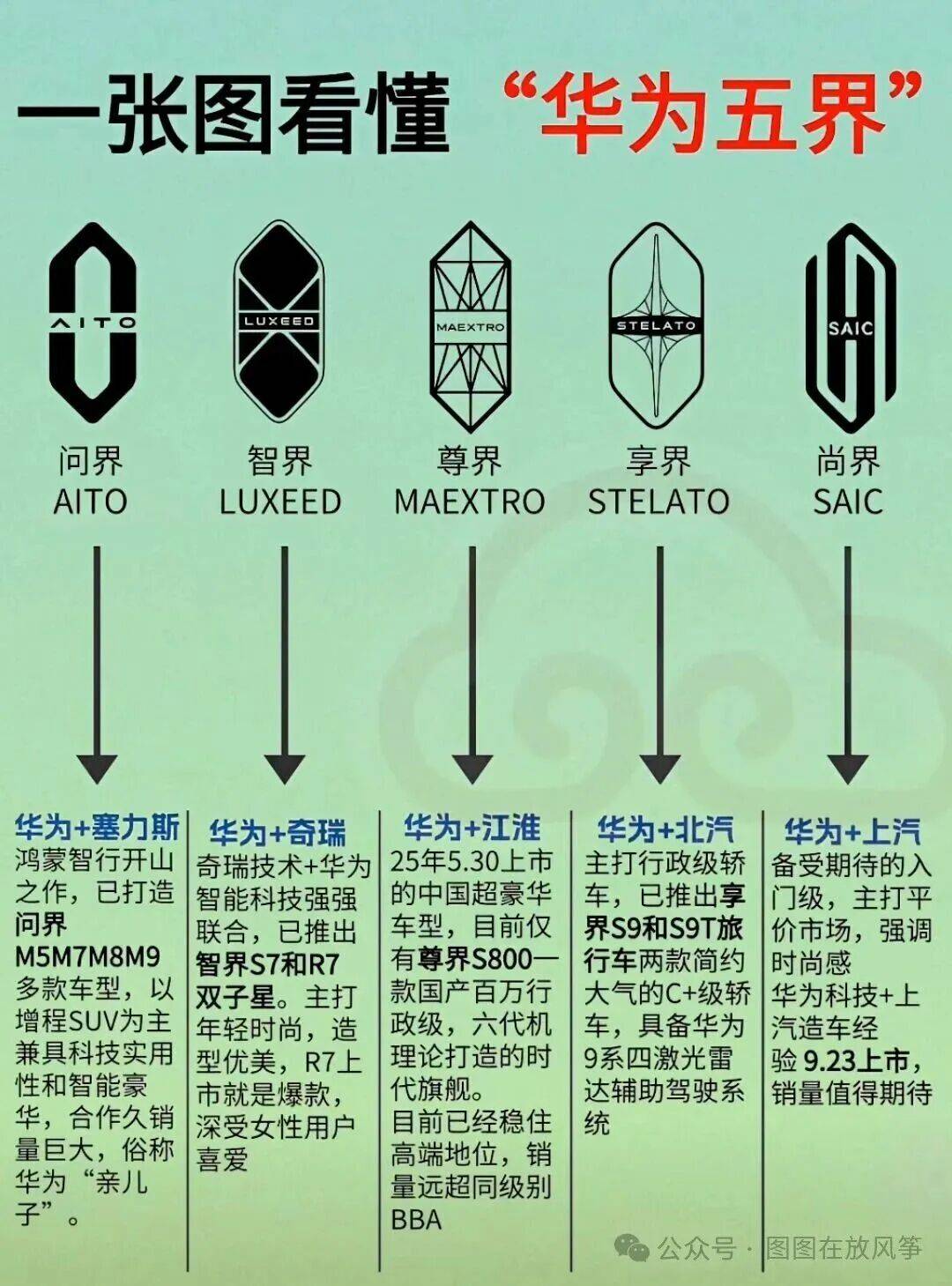
Group 1 - Huawei collaborates with various automotive manufacturers to launch multiple vehicle models, including AITO, LUXEED, MAEXTRO, STELATO, and SAIC, focusing on smart technology and luxury features [1] - The AITO brand has introduced several models, with the M5, M7, M8, and M9 being prominent, while LUXEED emphasizes a high-end sedan experience [1] - The sales performance of these models is expected to be strong, particularly among female users, with significant market demand noted [1] Group 2 - The State Administration for Market Regulation is intensifying efforts to combat issues in the live e-commerce sector, addressing problems such as counterfeit goods and false marketing [4] - As of December 2025, China's internet user base is projected to reach 1.125 billion, with an internet penetration rate of 80.1% [4][5] - The report indicates significant advancements in internet coverage and application depth during the 14th Five-Year Plan period [5] Group 3 - Gold and silver prices have seen a significant decline, with gold dropping by 2.3% to around $4,830 per ounce and silver plummeting over 14% to below $76 per ounce [5] - The A-share precious metals sector is experiencing substantial adjustments, with many stocks hitting their daily limit down due to the correlation with international gold and silver prices [5] Group 4 - Alibaba has unified its AI model branding under "Qwen," aiming to eliminate confusion caused by multiple names previously used [5] - This rebranding is part of a broader strategy to streamline its AI offerings and enhance market presence [5] Group 5 - Meituan plans to acquire Dingdong, a leading fresh e-commerce company in mainland China, for $717 million [9][10] - This acquisition will make Dingdong an indirect wholly-owned subsidiary of Meituan, integrating its financial performance into Meituan's financial statements [11] Group 6 - ElevenLabs, an AI voice startup backed by Nvidia, has completed a $500 million funding round, achieving a valuation of $11 billion [23] - This funding round reflects a significant increase in valuation compared to previous financing, indicating strong investor confidence in the company's growth potential [23]



滚动更新丨A股三大指数集体低开,中药板块表现活跃
Di Yi Cai Jing· 2026-02-06 01:37
Market Overview - The gold and base metal sectors are experiencing a decline, while the semiconductor and computing hardware supply chains continue to drop [1] - The A-share market opened lower, with the Shanghai Composite Index down 0.87%, the Shenzhen Component Index down 1.09%, and the ChiNext Index down 1.15% [2][3] Sector Performance - The precious metals sector continues its downward trend, with companies like Hunan Silver, Xinyi Silver, and Shengda Resources hitting the daily limit down [1] - The Chinese medicine sector is active, with companies such as Te Yi Pharmaceutical and Panlong Pharmaceutical hitting the daily limit up, and Biotech Valley rising over 15% [1] - The oil and gas, chemical, and coal sectors are among the hardest hit, showing significant declines [3] Individual Stock Movements - Jiangfeng Electronics saw a slight increase of 0.09% after resuming trading, as the company plans to acquire control of Kaide Quartz [3] - The Hang Seng Index opened down 1.97%, with the Hang Seng Tech Index dropping 2.42%, and major tech stocks like Baidu and Alibaba falling over 3% [5][6]