
铝冶炼

Search documents
华宝期货晨报铝锭-20251030
Hua Bao Qi Huo· 2025-10-30 02:54
Report Industry Investment Rating - Not mentioned Core Viewpoints - The finished product is expected to be in a state of shock consolidation, and the aluminum price is expected to be in a short - term strong shock [3][4] Summary by Related Catalogs Finished Product - Yunnan - Guizhou short - process construction steel enterprises are expected to affect a total of 741,000 tons of construction steel production during the Spring Festival shutdown; 6 short - process steel mills in Anhui, 1 stopped production on January 5, and most of the rest will stop around mid - January, with a daily impact of about 16,200 tons of production during the shutdown [2][3] - From December 30, 2024, to January 5, 2025, the transaction area of newly built commercial housing in 10 key cities was 2.234 million square meters, a 40.3% month - on - month decrease and a 43.2% year - on - year increase [3] - The finished product continued to decline in shock yesterday, reaching a new low. In the pattern of weak supply and demand, the market sentiment was pessimistic, the price center of gravity continued to move down, and the winter storage was sluggish this year, with weak price support [3] Aluminum - The news that Rio Tinto is considering closing the Tomago aluminum smelter boosts the aluminum price. The domestic electrolytic aluminum operating capacity changes little. The supply of domestic bauxite is tight, the ore price rises slightly, and the decline of alumina price continues [3] - Last week, the operating rate of domestic aluminum downstream processing leading enterprises was flat at 62.4% month - on - month, a slight drop of 0.1% from last week, showing the characteristics of "stable in the peak season and differentiated internally" [3] - On October 27, the inventory of electrolytic aluminum ingots in domestic mainstream consumption areas was 626,000 tons, an increase of 8,000 tons from last Thursday and 1,000 tons from last Monday [3] - Overseas news affects market sentiment, the short - term fundamentals are stable, and the aluminum price is expected to fluctuate at a high level. Follow - up attention should be paid to the inventory - consumption trend [4]
以“双碳”目标为引领 推动绿色金融服务经济社会绿色低碳转型再上新台阶
Xin Hua Cai Jing· 2025-10-29 20:37
Core Viewpoint - The "dual carbon" goals of carbon peak and carbon neutrality are not only China's commitment to global climate challenges but also a crucial strategy for high-quality development and green low-carbon transformation. Over the past five years, China has established a preliminary policy system and market mechanism to support these goals, influencing both domestic and global carbon neutrality efforts [1][2]. Group 1: Policy Framework and System Construction - Since the introduction of the "dual carbon" goals, China has built a comprehensive and coordinated policy system, characterized by clear top-level planning, diverse policy tools, and collaborative execution mechanisms [2][3]. - The "1+N" policy framework serves as the core of the carbon peak and neutrality system, with various departments and regions developing implementation plans across key sectors, creating a robust policy matrix [3]. Group 2: Green Finance Development - The establishment of green finance has accelerated, forming a matrix of policy tools that includes green credit, green bonds, carbon finance, and green insurance, among others [4][5]. - By 2024, China's green loan balance exceeded 36 trillion yuan, accounting for about 14% of total loans, while green bond issuance reached over 2.5 trillion yuan, positioning China as a global leader in these areas [13]. Group 3: Carbon Market Enhancement - The national carbon market has been continuously improved since its launch in 2021, with the coverage expanding to include high-emission industries such as steel and cement, making it the largest carbon market globally [8][9]. - The establishment of a voluntary carbon trading market is underway, aiming to enhance market participation and support green finance product innovation [9]. Group 4: International Cooperation and Standards - China is actively deepening international cooperation in green finance, participating in global governance and contributing to the establishment of international standards [10][11]. - The introduction of mandatory environmental information disclosure regulations is a significant step towards aligning with international practices [11]. Group 5: Achievements and Challenges in Green Finance - Green finance has significantly contributed to resource allocation, fostering green momentum, and optimizing economic structure, but challenges remain in data disclosure, support for high-carbon industries, and the balance of financial products [12][17]. - The carbon emission data disclosure system is not yet robust, limiting the efficiency of resource allocation and the ability of financial institutions to assess carbon asset risks accurately [17]. Group 6: Future Directions for Green Finance - To further support the "dual carbon" goals, China needs to enhance the carbon information disclosure system, expand the application of carbon reduction support tools, and optimize the structure of green financial products [22][23][25]. - The carbon market requires reforms to improve price discovery and resource allocation functions, while green funding should be promoted internationally to support global green transitions [27][28].
全国碳交易市场价格出现波动?生态环境部:短暂波动属正常
Nan Fang Du Shi Bao· 2025-10-29 10:05
Core Viewpoint - The recent fluctuations in the national carbon emission trading market prices are normal and influenced by multiple factors such as supply-demand relationships, market expectations, trading behaviors, and market psychology [1][4]. Group 1: Market Expansion and Impact - The State Council approved the inclusion of the steel, cement, and aluminum smelting industries into the carbon emission trading market, marking a significant step in promoting green and low-carbon transformation in these sectors [3]. - The carbon market's expansion is expected to enhance emission reduction responsibilities for enterprises, transitioning from intensity control to total volume control during the 14th Five-Year Plan period, with a focus on stable carbon emission industries by 2027 [3][5]. Group 2: Low-Carbon Investment and Innovation - The carbon market has driven low-carbon investments and accelerated the innovation and promotion of green low-carbon technologies, with enterprises integrating carbon asset management into their daily operations [4]. - The carbon trading has reportedly reduced the overall emission reduction costs in the power generation sector by approximately 35 billion RMB during the first two compliance cycles, indicating a positive impact on cost-effectiveness in the newly included industries [4]. Group 3: Future Directions - The Ministry of Ecology and Environment plans to further expand the coverage of the carbon market, prioritize total volume control in stable carbon emission industries, and enhance the pricing function of the carbon market to reflect true emission reduction costs [5].

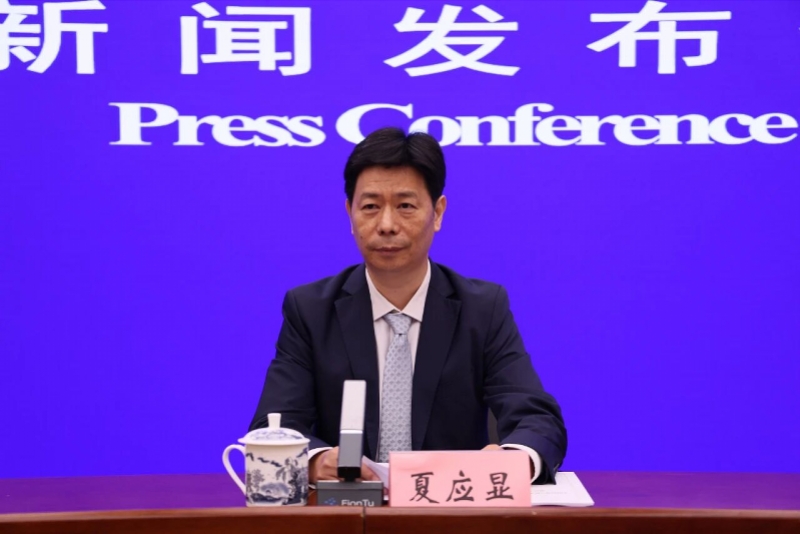
碳价短期波动怎么看?生态环境部回应
2 1 Shi Ji Jing Ji Bao Dao· 2025-10-29 09:51
Core Viewpoint - The recent fluctuations in the national carbon emissions trading market are normal and influenced by multiple factors, including supply and demand, market expectations, and trading behavior [3] Group 1: Carbon Market Developments - The Ministry of Ecology and Environment plans to expand the coverage of the carbon market, prioritizing total quota control in stable carbon emission industries by 2027 [4] - The inclusion of the steel, cement, and aluminum industries in the carbon market aims to enhance emission reduction responsibilities and support national greenhouse gas emission control goals [4][5] - The carbon market has already reduced overall emission reduction costs by approximately 35 billion RMB during the first two compliance periods, with further reductions expected as more industries participate [5][6] Group 2: CCER Market Progress - As of October 28, the voluntary greenhouse gas reduction trading market has registered 31 projects and achieved a cumulative transaction volume of 3.25 million tons of CCER, with a transaction value of 27 million RMB [7] - The CCER market is expanding its support to various projects, including afforestation carbon sinks and offshore wind power, with ongoing efforts to develop new methodologies [8] - Future efforts will focus on expanding market support areas, improving data quality supervision, and enhancing international cooperation to increase the carbon market's global influence [8]
环境部:到2027年碳市场基本覆盖工业领域主要排放行业
Di Yi Cai Jing· 2025-10-29 07:15
Core Points - The national carbon emissions trading market will gradually shift from intensity control to total control during the "14th Five-Year Plan" period, with a goal to cover major industrial emission sectors by 2027 [1][2] - The Ministry of Ecology and Environment aims to expand the coverage of the national carbon emissions trading market and implement total quota control and paid allocation [1][2] - The inclusion of the steel, cement, and aluminum industries in the carbon emissions trading market is expected to enhance corporate responsibility for emissions reduction [2][4] Summary by Sections Carbon Market Development - The central government has issued its first document on carbon market construction, demonstrating a strong commitment to addressing climate change [1] - The Ministry of Ecology and Environment will accelerate the establishment of the national carbon market and expand its coverage to major emission industries by 2027 [1][2] Voluntary Emission Reduction Market - The development of a voluntary emission reduction trading market is being expedited, with a focus on creating a comprehensive methodological system to support social voluntary reductions [2][5] - As of October 28, the voluntary emission reduction trading market has registered 31 projects and achieved a total transaction volume of 3.25 million tons, with a transaction value of 270 million yuan [5] Industry Impact - Since the launch of the national carbon market, the power generation sector has established internal carbon management systems, leading to reduced emissions costs by approximately 35 billion yuan during the first two compliance periods [4] - The diversification of industry participants following the inclusion of steel, cement, and aluminum is expected to facilitate cross-industry resource allocation and lower overall emissions reduction costs [4]
力拓称Tomago铝冶炼厂正在考虑停止运营
Wen Hua Cai Jing· 2025-10-28 02:42
Core Viewpoint - Rio Tinto's Tomago Aluminium smelter is facing significant pressure from high electricity prices, leading to discussions about the potential cessation of operations after the current power supply contract expires in December 2028 [2][3] Group 1: Operational Challenges - Tomago Aluminium has been exploring viable energy solutions since 2022 but has not found a sustainable path for operations beyond 2028 [2] - Electricity costs currently account for over 40% of Tomago's operational expenses, and proposals received indicate that energy prices will significantly increase starting January 2029, affecting the economic viability of the smelter [2][3] - The consultation process with employees and union representatives will continue until November 21, allowing for feedback before any final decisions are made [3] Group 2: Company Background - Tomago Aluminium, established in 1983, is Australia's largest aluminium smelter, producing up to 590,000 tonnes of aluminium annually, which constitutes nearly 40% of Australia's total aluminium production [3] - The smelter is a joint venture, with Rio Tinto holding a 51.55% stake, Gove Aluminium Finance Ltd at 36.05%, and Norwegian company Hydro at 12.40% [4] - The facility is located in Tomago, approximately 13 kilometers west of Newcastle, New South Wales [5] Group 3: Current Power Supply Contract - Tomago Aluminium's existing power supply contract with AGL is set to expire in December 2028 [6]


氧化铝 短期价格仍承压
Qi Huo Ri Bao· 2025-10-24 00:54
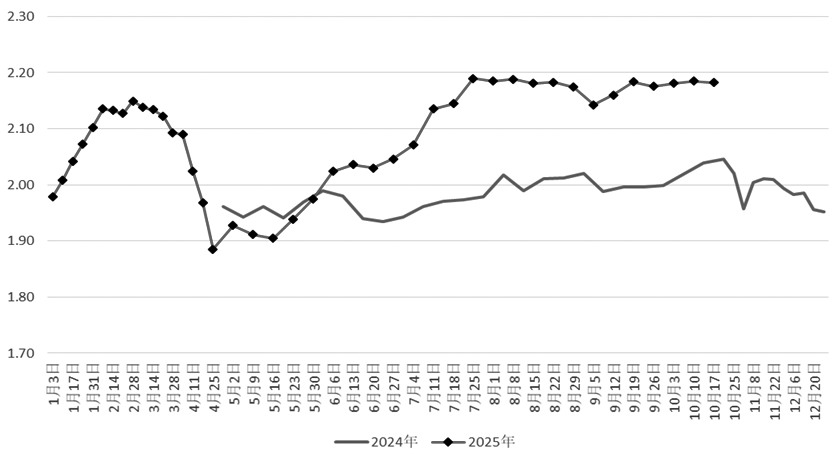
Core Viewpoint - The alumina market is facing multiple bearish factors, leading to a weak price trend, with a focus on smelting cost support and the willingness of the smelting industry to reduce operating capacity in the future [1] Group 1: Alumina Supply and Demand - In September, China's bauxite imports reached 15.88 million tons, a year-on-year increase of 38.14%, but a month-on-month decrease of approximately 2.41 million tons, indicating a seasonal decline [1] - Cumulatively, 157 million tons of bauxite were imported in the first nine months of the year, a year-on-year increase of 32%, with Guinea accounting for 75% of total imports [1] - As of October 17, domestic bauxite port inventory was 28.69 million tons, a week-on-week increase of 653,000 tons, indicating ample supply [1] Group 2: Alumina Production and Inventory - As of October 17, domestic alumina production capacity was 112.55 million tons, with an operating capacity of 96.8 million tons, a week-on-week decrease of 1.4 million tons [1] - The weekly alumina production was 1.861 million tons, significantly higher than the same period last year, while the electrolytic aluminum weekly production was 852,900 tons, maintaining a supply surplus [1][3] - Domestic alumina inventory reached 4.639 million tons as of October 17, with a week-on-week increase of 63,000 tons, indicating ongoing accumulation since late May [3] Group 3: Pricing and Profitability - The FOB price for Australian alumina was $323 per ton as of October 17, unchanged from the end of September but down $45 from the end of August, reflecting weaker overseas pricing [3] - The production cost of alumina was 2,854.3 yuan per ton as of October 3, with an average profit of 135.4 yuan per ton, indicating a contraction in smelting profits since early August [3][6] - The expectation is that as alumina prices continue to decline, smelting losses may occur, particularly in high-cost regions, potentially leading to voluntary production cuts [3][6] Group 4: Market Outlook - The alumina market is expected to remain under pressure due to ample supply, high operating capacity, and increasing registered warehouse receipts, which are significantly higher than the same period last year [8] - Short-term alumina prices are unlikely to recover, with a focus on smelting cost support and the potential for production cuts if smelting profits enter a loss zone [8]
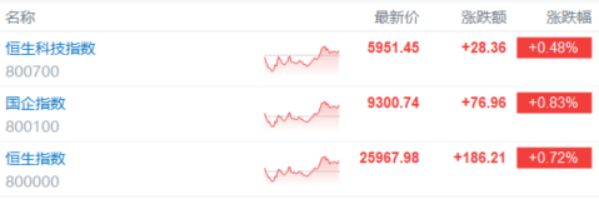
港股收评:午后拉升!恒指涨0.72%,科技股、石油股助力,半导体走低
Ge Long Hui· 2025-10-23 08:48
Market Overview - The Hong Kong stock market saw a rebound with the Hang Seng Index rising by 0.72% to close at 25,967 points, the National Enterprises Index up 0.83% returning to 9,300 points, and the Hang Seng Technology Index increasing by 0.48% to 5,951 points [1] - Major technology stocks experienced gains, with Meituan leading at a 4.06% increase, Alibaba up 1.67%, Tencent and JD.com both up 1.5%, and Baidu rising by 1.22% [1][3] - Financial stocks also contributed to the market's rise, with Agricultural Bank of China increasing by approximately 2% to reach a new high [1] Technology Sector - Alibaba announced the pre-sale of its AI-powered smart glasses, Quark AI Glasses, priced at 4,699 RMB, set to start delivery in December [3] - The technology sector showed a mixed performance, with major players like Meituan, Alibaba, Tencent, and JD.com seeing positive movements, while Apple-related stocks remained sluggish [1][3] Energy Sector - The energy sector saw a broad increase, with notable gains in oil and gas stocks, particularly Yanchang Petroleum International rising over 6% [6] - The U.S. government imposed sanctions on Russian oil companies, which may impact global oil supply dynamics [5] Gambling Sector - The gambling sector showed strong performance, with Sands China rising over 4% and other companies like MGM China and Galaxy Entertainment also experiencing gains [8] - Sands China reported a 7.5% increase in net revenue for Q3 2025 compared to Q3 2024, with total gaming revenue in Macau expected to grow by 9% and 5% in the next two years [7] Aluminum Sector - The aluminum sector was active, with companies like China Hongqiao and Nanshan Aluminum International both rising over 4% [10] - Citic Securities noted supply constraints in the aluminum industry, particularly due to production cuts at Century Aluminum's Grundartangi smelter, which could lead to increased prices [9] Semiconductor Sector - The semiconductor sector faced declines, with stocks like Qorvo and North Sea Kangcheng dropping significantly [12] - Ansys Semiconductor China issued a statement opposing misinformation from its current management and reaffirmed compliance with Chinese regulations [11] Biopharmaceutical Sector - The biopharmaceutical sector underperformed, with stocks like Qianxin Biopharmaceutical dropping over 13% [14] - Analysts noted that the pharmaceutical index lagged behind the market due to tariff impacts and underwhelming external authorizations [13] Apple-Related Stocks - Apple-related stocks declined, with companies like FIH Mobile and Lens Technology experiencing significant drops [16] - Analyst Ming-Chi Kuo indicated that demand for iPhone Air is below expectations, leading to reduced shipments and production capacity [15] Investment Trends - Southbound funds recorded a net inflow of 5.345 billion HKD, indicating strong interest in Hong Kong stocks [19] - Goldman Sachs projected a fundamental shift in investment logic in the Chinese stock market, predicting a potential 30% increase in key indices by the end of 2027 [21]


我国新一轮国家自主贡献目标迭代升级
Jin Rong Shi Bao· 2025-10-14 01:09
Group 1: NDC Goals and Climate Commitments - The new NDC targets announced by China aim for a 7% to 10% reduction in net greenhouse gas emissions from peak levels by 2035, with non-fossil energy consumption exceeding 30% of total energy consumption [1][2] - The NDC goals represent a shift from "phase-based reduction" to "systematic transformation," indicating a comprehensive approach to climate governance [2][3] - The updated NDC includes a broader scope covering all greenhouse gases, a shift from relative intensity targets to absolute total emission targets, and an extended timeline that includes post-peak reduction phases [3] Group 2: Industry Implications and Actions - The transition to total emissions control means that more industries must actively engage in carbon reduction efforts, with a focus on systematic management across all economic sectors [5][6] - The national carbon market is set to expand, with plans to include major industrial sectors by 2027, increasing the number of monitored entities and the total carbon emissions under management [6] - Different industries will face varying costs for carbon reduction, with some sectors like steel and electricity having higher costs compared to others, necessitating a phased approach to implementation [7] Group 3: International Context and Challenges - The global progress on emission reductions is lagging, with significant gaps between national commitments and the efforts needed to meet climate goals, particularly in light of the U.S. withdrawal from the Paris Agreement [8][9] - China's NDC commitments are seen as crucial for setting a roadmap for carbon reduction in the next five years, especially given the challenges posed by the current international climate cooperation landscape [8][9]
新一轮国家自主贡献意味着什么?看专家解读
Ren Min Ri Bao· 2025-10-10 23:08
Core Points - China's new round of Nationally Determined Contributions (NDCs) aims for a 7%-10% reduction in greenhouse gas emissions from peak levels by 2035, with a focus on achieving even better results [1][2] - Non-fossil energy consumption is targeted to exceed 30% of total energy consumption, with wind and solar power capacity expected to reach over 360 million kilowatts, six times the 2020 level [1][2] - The new NDCs include qualitative goals such as making new energy vehicles the mainstream of new vehicle sales and establishing a nationwide carbon trading market covering major high-emission industries [2][3] Summary by Categories Emission Reduction Goals - The NDCs represent a significant shift from intensity control to total emission control, marking the first time China has set absolute reduction targets for all greenhouse gases across the entire economy [2][3] - The new targets reflect China's commitment to addressing climate change and provide a clear direction for the country's green and low-carbon transformation [2][3] Energy and Renewable Resources - China aims to increase the share of non-fossil energy in primary energy consumption to over 30% and achieve a total installed capacity of wind and solar power that is six times that of 2020 [2][5] - The country has built the world's largest and fastest-growing renewable energy system, supplying over 80% of global photovoltaic components and 70% of wind power equipment [5] Carbon Trading and Market Development - China has established the largest carbon trading market globally, covering over 60% of national carbon emissions, with recent expansions to include industries such as steel, cement, and aluminum [5] - The carbon market's development is seen as a crucial step in enhancing the effectiveness of carbon emission management [5] International Cooperation and Climate Governance - The new NDCs are expected to boost international confidence in global climate governance and highlight China's leadership role in international climate action [4][7] - Achieving these goals will require a fair international environment, stable cooperation, and mutual trade relations, emphasizing the need for global collaboration in addressing climate change [7]